
A Legend That Lost Its Way
Atari wasn't simply developing games; they were pioneering home video games themselves. If you lived through this era, or have heard tales of Atari's heyday, it's hard to believe such a large company could fail so spectacularly. There's a long list of unfortunate events and errors that explain why Atari never fully recovered.

1. Lost Consumer Confidence
Consumers stayed away from video games after the infamous crash of ’83. Retailers refused to carry large quantities of unsold cartridges again. Atari became synonymous with the video game crash, deservedly or not.

2. Market Saturation with Low-Quality Titles
Atari churned out titles quicker than quality control could manage. When you purchase shovelware, you learn not to trust a company as a customer. Shovelware from Atari defined the genre for years to come.

3. Lack of Quality Control
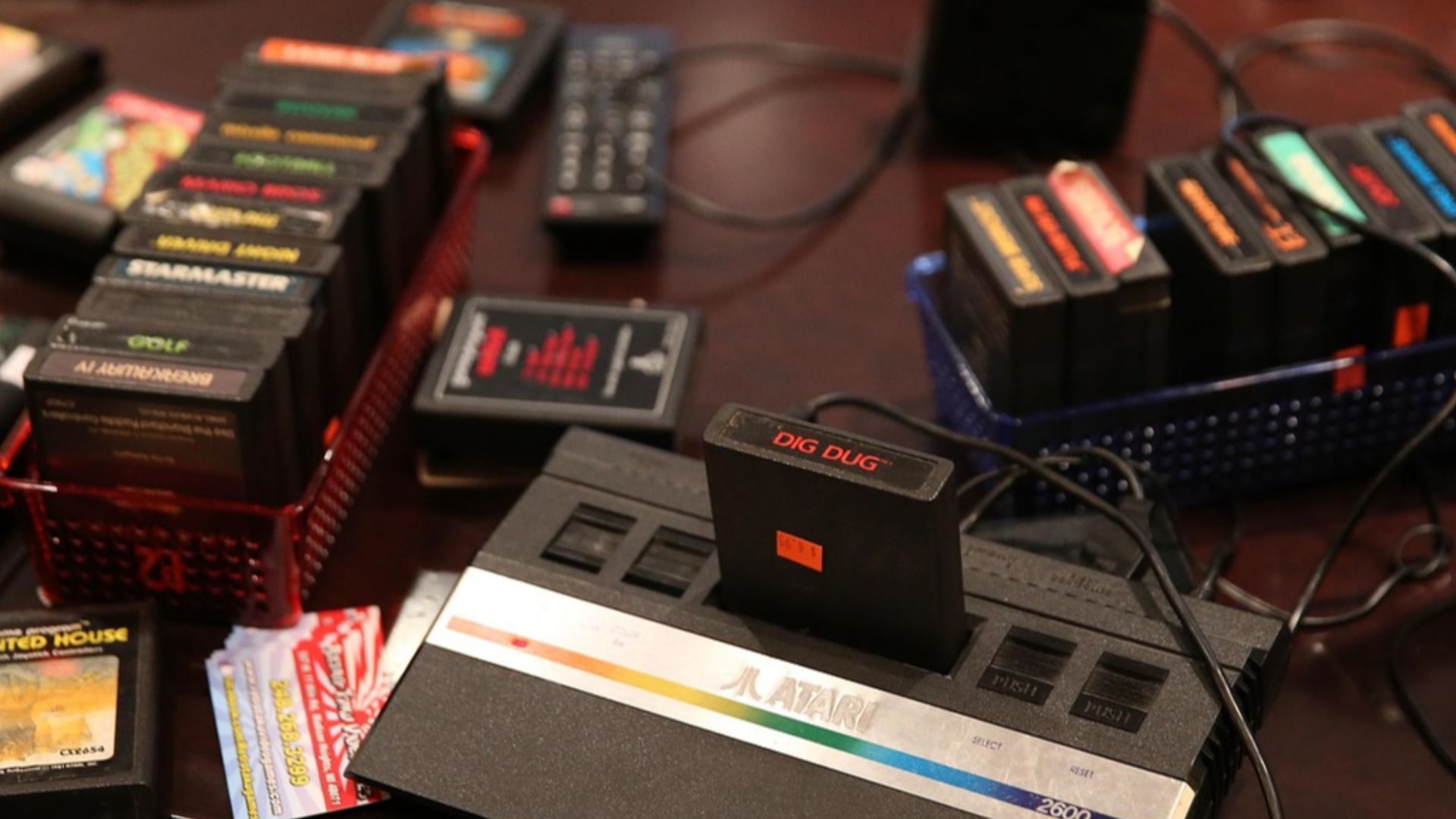
It was possible for just about anybody to create and release a game for the Atari 2600. This resulted in vastly different levels of quality control. Consumers never knew what they were going to get in terms of quality when buying a new game.

4. Lack of Consistent Direction
Executives at Atari were constantly shifting plans and goals. Ideas were started and then abandoned with regularity. Externally, it must have seemed as if no one was in charge.
5. Warner Communications
When Warner Communications owned Atari, they milked the company for cash. Atari would make short-term decisions that benefited them instantly and hindered Atari in the long run. It was a bad business move which probably led to their end.

6. High Profile Failures like E.T.
Infamously terrible games like E.T. haunted Atari. Many people who didn’t even own the game knew about it. Atari became a symbol of excessive greed in the industry.

7. Developers Were Dissatisfied with Company
Programmers rarely, if ever, received credit where credit was due at Atari. Programmers either left to create their own companies or stopped gaming all together. Atari’s treatment of developers hurt them more than they may have known.

8. Competition Adapted More Quickly
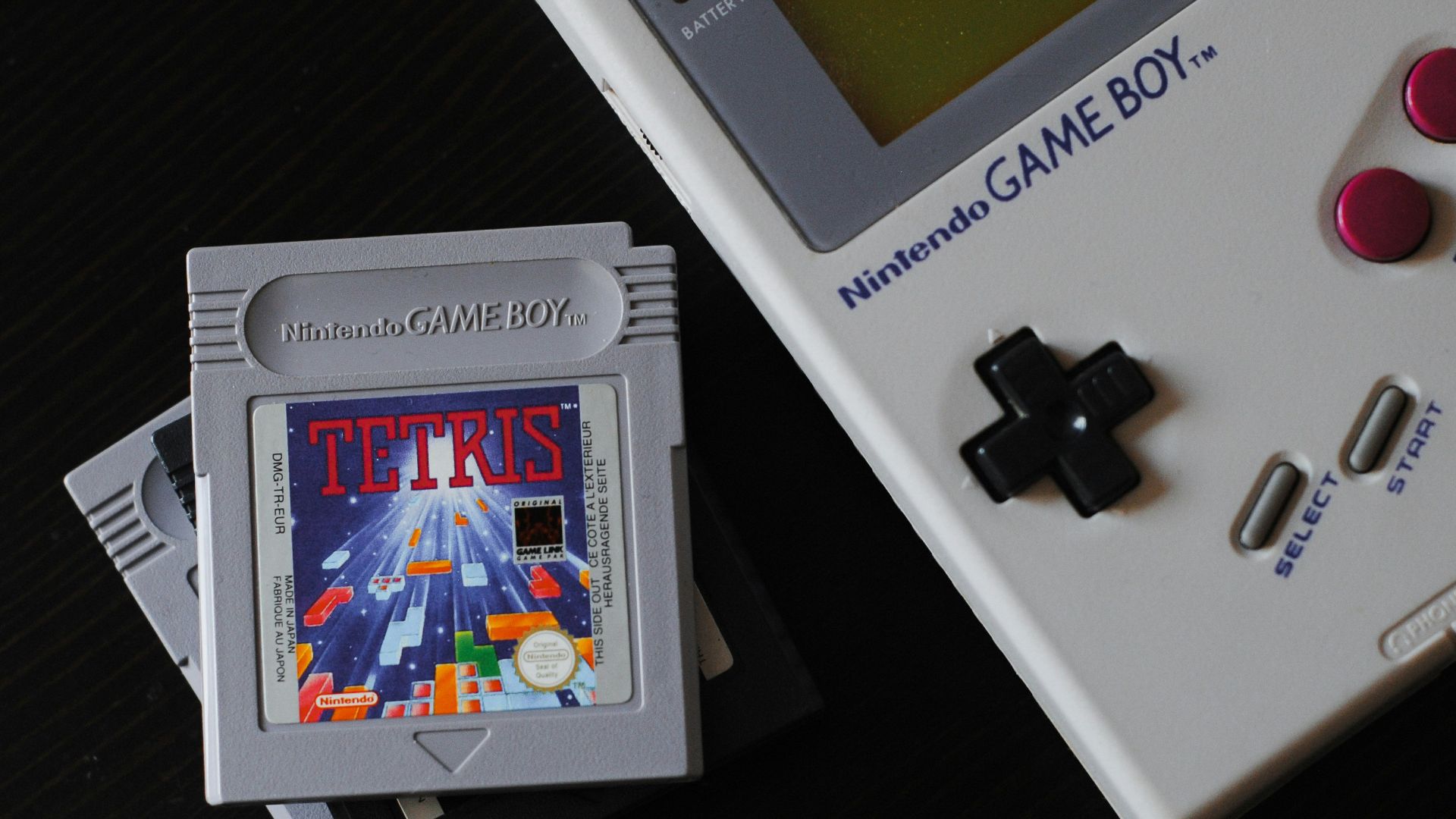
Companies that did not suffer from Atari’s screw-ups learned from their mistakes. Nintendo took notes and installed checkpoints to ensure quality control. By the time Atari learned their lesson, Nintendo had taken the lead.

9. Systems Failed to Impress on the Hardware Front
The later systems Atari produced weren’t too powerful, overpriced, or both. Marketing these systems was difficult when they didn’t have any big hardware selling points. Weak hardware equals weak software sales.

10. Brand Dilution
Video game consumers no longer associated Atari with one specific thing. Was Atari high-tech, kid-friendly, or cutting-edge? If Atari didn’t know, chances are consumers didn’t know either.
11. Poor Marketing Executions
Marketing sometimes didn’t make it clear why people should care about newer Atari systems. Marketing campaigns could be all over the place or seemed dated. You have to know your story before you can sell it.

12. Distributors Were Afraid to Relock Stock
Retailers didn’t want a repeat of the video game crash of 1983. Video game stores gave shelf space to competitors they viewed as more trustworthy. Atari faced an uphill battle just to get their products on shelves.
13. Multiple Failed Comebacks
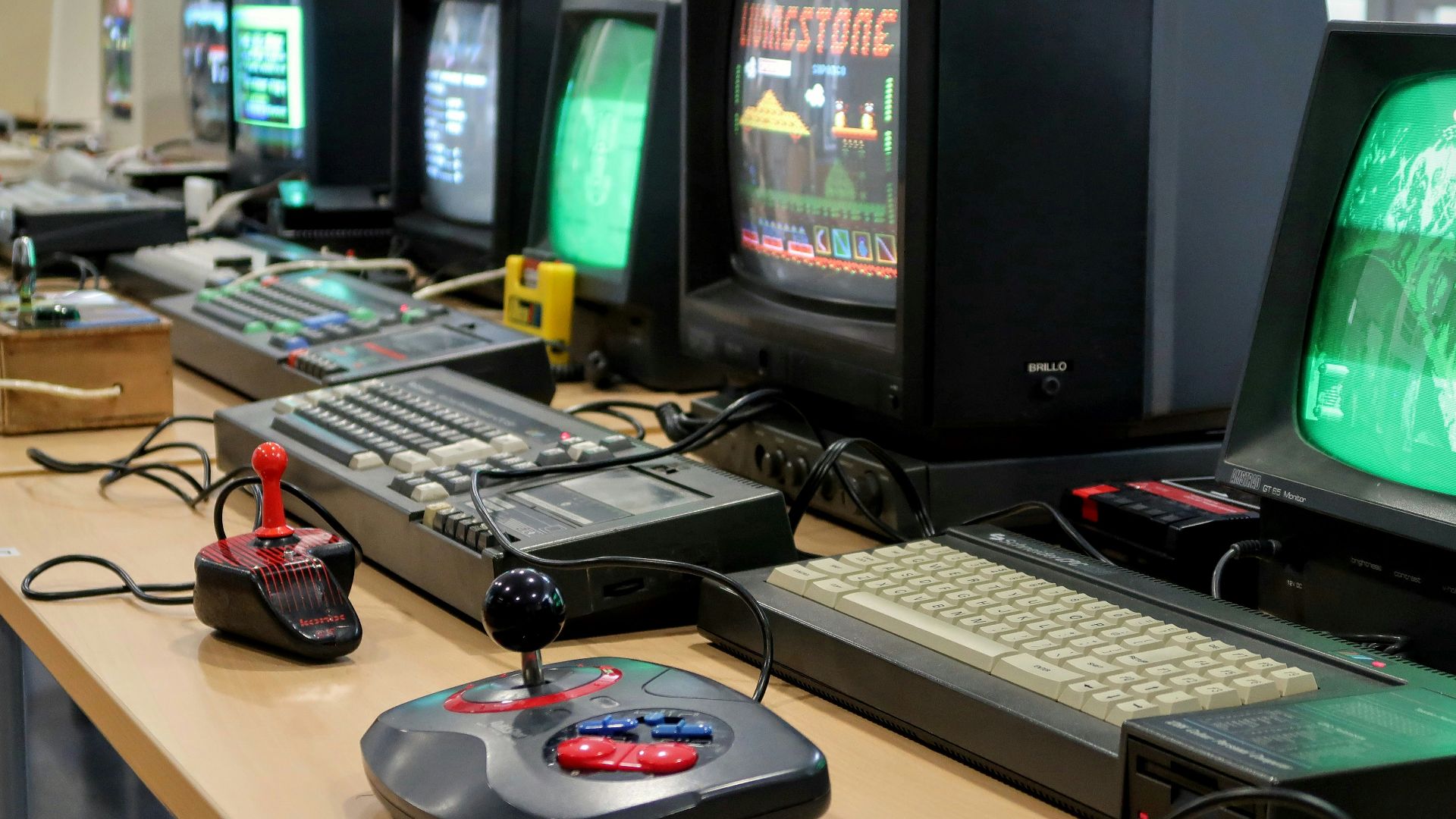
Atari attempted to restart themselves more than once. However, they all seemed to bank on the nostalgia of their older systems. It became increasingly difficult to feel stable with every company reboot.

14. Poor Software Library Support
Systems tend to come and go by the games that are released for them. Late-era Atari consoles failed to produce must-have titles that would drive system sales. Without killer apps, gamers had little reason to purchase Atari products.

15. Weak International Presence
Atari did not focus on international markets like its competitors. Countries like Japan and Europe were severely neglected. Meanwhile, their competition was taking full advantage of growing markets.
16. Rise of Computer Gaming
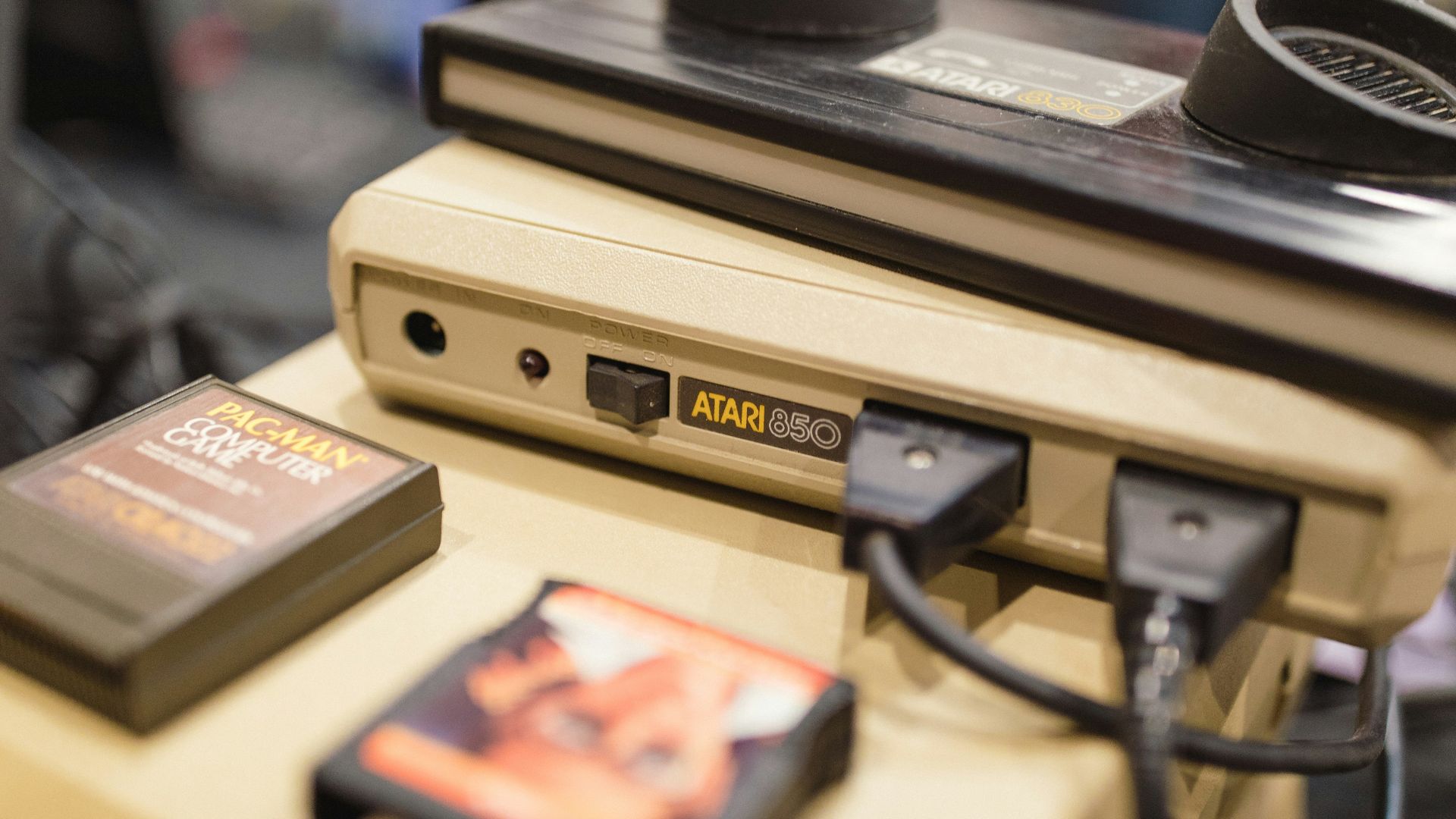
Computer gaming began to rise during Atari’s stint in the industry. Atari did not foresee this trend and fell behind quickly. By then, PC gaming had been swallowed up by companies who focused solely on that market.

17. Inconsistent Innovation
Atari still innovated, they just didn’t capitalize on their ideas. There was little-to-nothing that built off of their predecessors successes. Stepping forward without momentum means you are going nowhere.
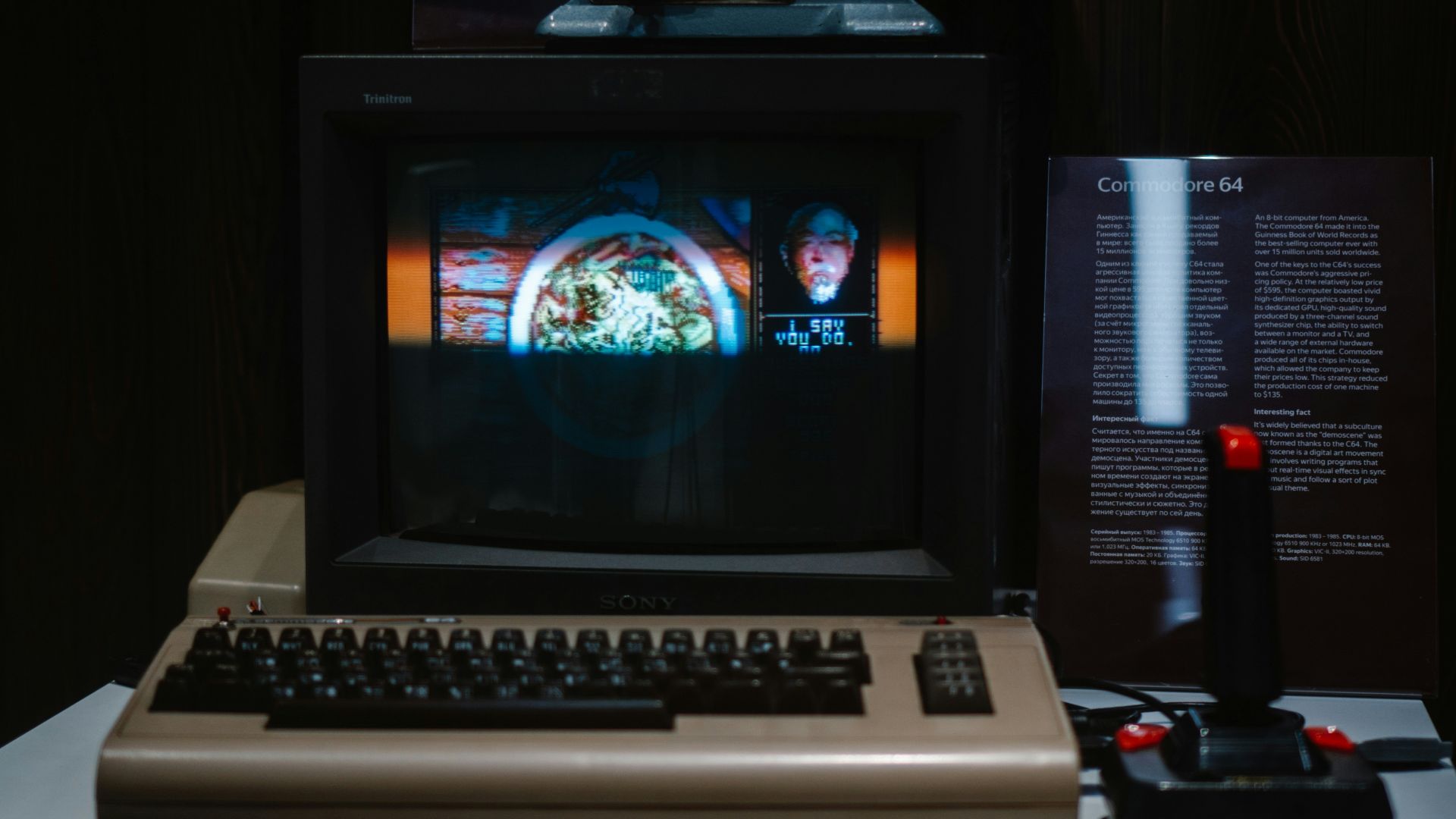 Alexander Grigoryev on Unsplash
18. Company Became Financially Unstable
Atari dissolved and restarted itself too many times. Because of this publishers and developers were afraid to get involved with Atari. Fear is something that you never want your business competitors to feel.

19. Attempts to Live Off Vintage Branding
Atari played on its old glory for too long. Sure, there would be old-school gamers who dug it. But you can’t rely on your consumers aging with your product.

20. Bad Timing
Sadly for Atari, even their good ideas were not enough. By the time Atari would enter a market, it would often shift before they got there. Missing enough opportunities and coming back from defeat is impossible.