Where Virtual Reality Is Headed Next
Virtual reality has spent years hovering between novelty and necessity, but that balance is starting to shift. As hardware gets lighter, software gets smarter, and cultural habits change, VR is moving toward a future that’s bigger, stranger, and more embedded in daily life than most people expect. Some of these 20 predictions may sound wild now, yet many are already quietly taking shape.
1. Virtual Reality Will Replace Some Physical Travel
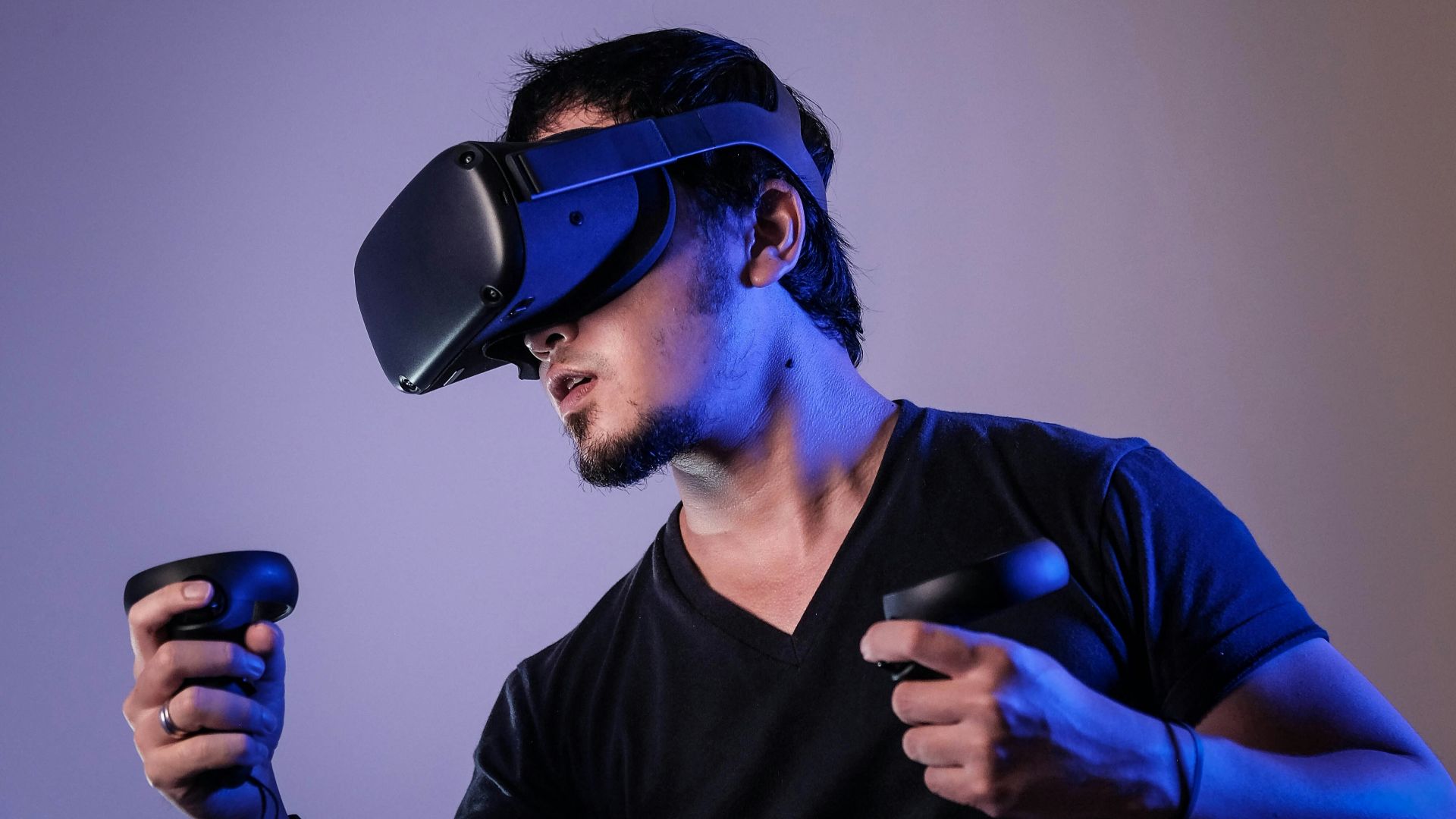
VR won’t eliminate travel, but it will absorb parts of it while making certain experiences more accessible. Virtual museum tours, historical recreations, and guided city walks will become so immersive that people will treat them as legitimate alternatives. While nothing replaces being there, convenience often wins. For many, virtual travel will become the default preview before committing to the real thing.
2. Office Meetings Will Move Into Persistent VR Spaces
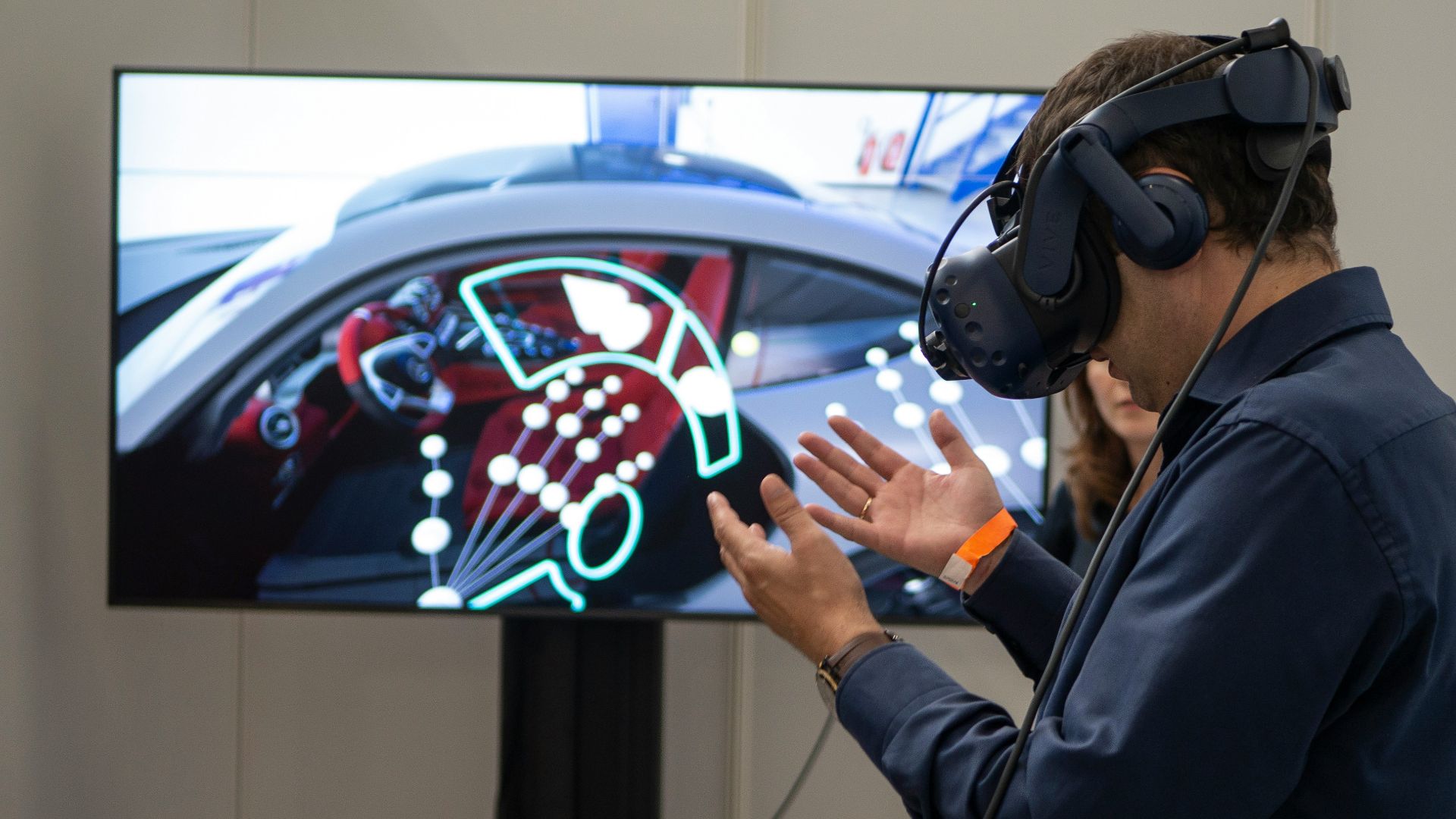
Instead of hopping between video calls, teams will meet in shared virtual rooms that exist even when no one is logged in. Documents, whiteboards, and avatars will stay exactly where they were left, creating a sense of continuity. This persistence will make remote work feel less fragmented and more spatial. Over time, physical offices may feel inefficient by comparison.
3. VR Headsets Will Become Fashion Accessories
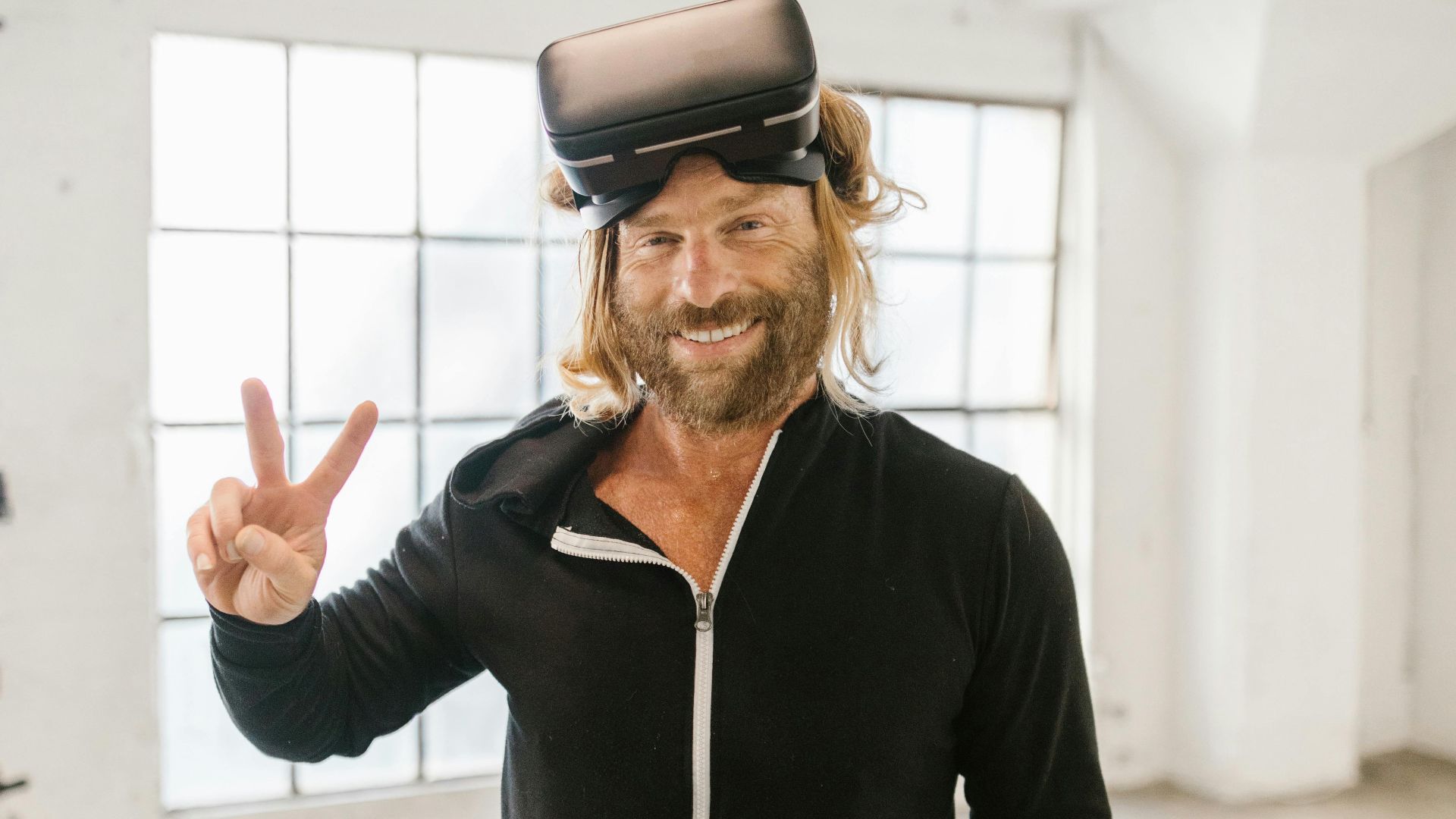
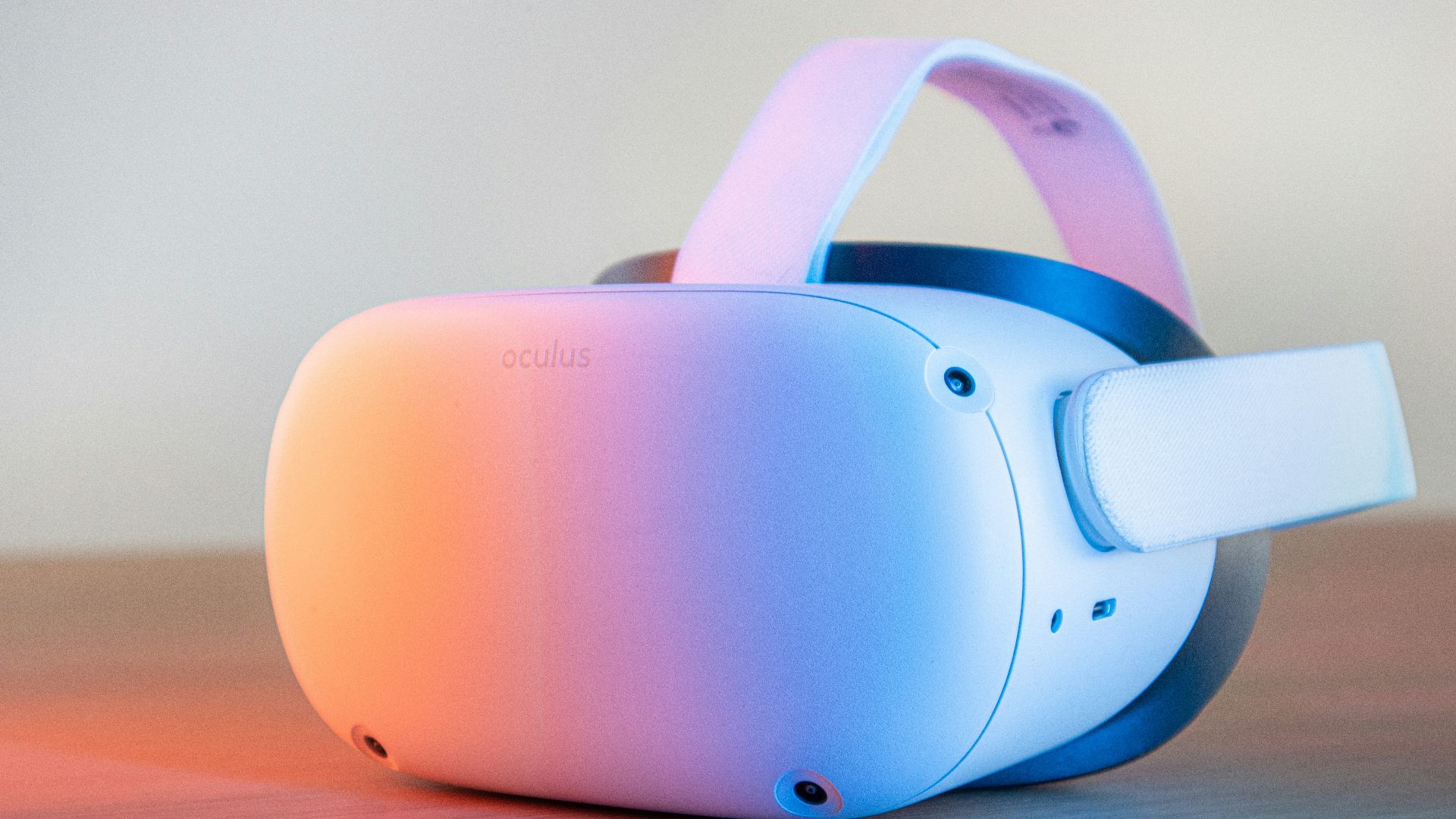
As headsets shrink and design improves, companies will treat them more like glasses than gadgets. Style collaborations will matter as much as specs, while comfort becomes a selling point rather than a bonus. Wearing VR in public won’t feel awkward once it looks intentional. Personal style will extend into hardware choices.
4. Virtual Reality Will Redefine Live Concerts
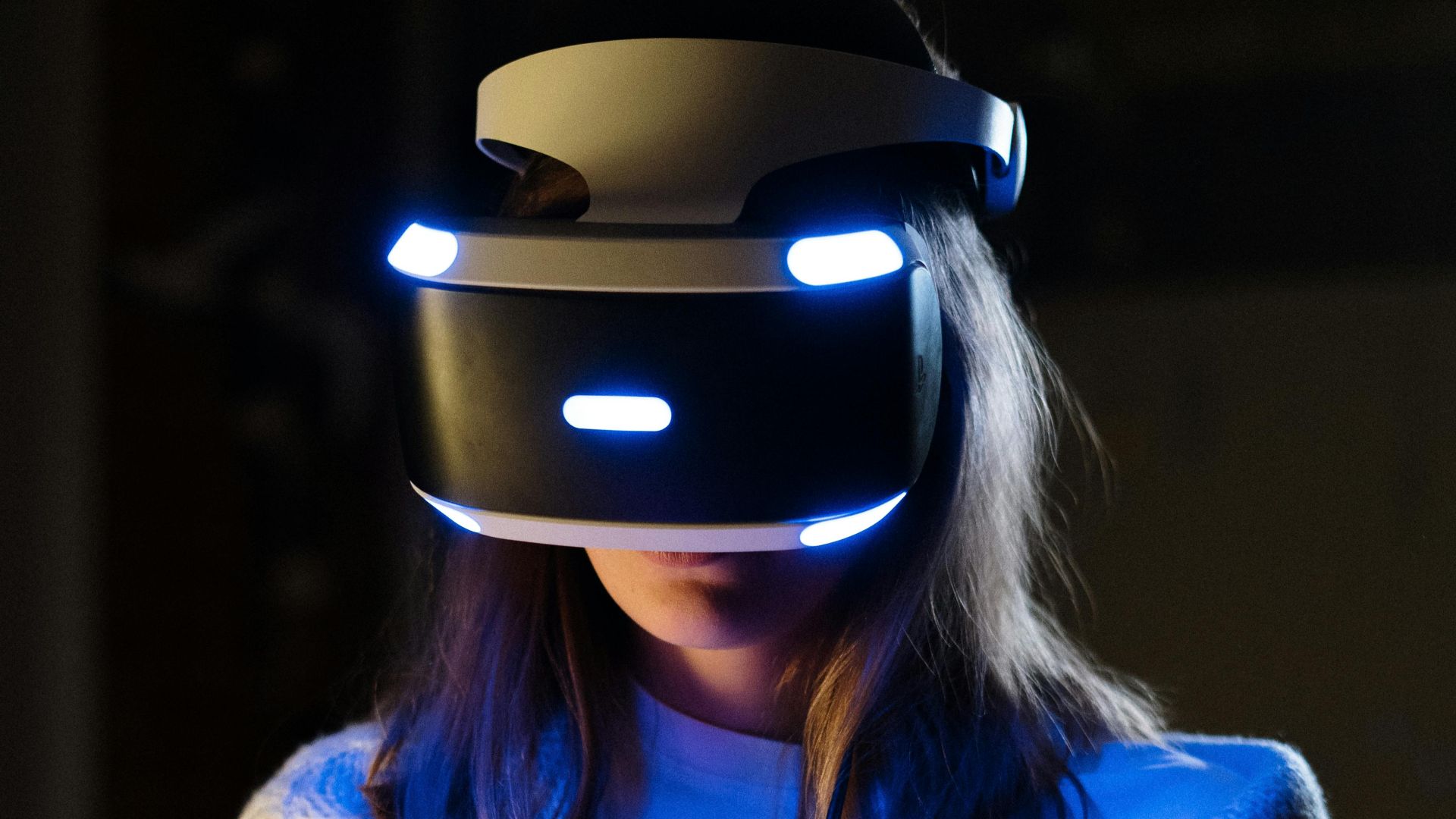
Artists will perform in worlds that break physical rules, and fans will attend from anywhere. Concerts will feature shifting environments, impossible stage effects, and interactive elements. While purists will complain, accessibility will win over massive audiences. Touring may become optional rather than essential.
5. Education Will Lean Heavily on Experiential VR Learning
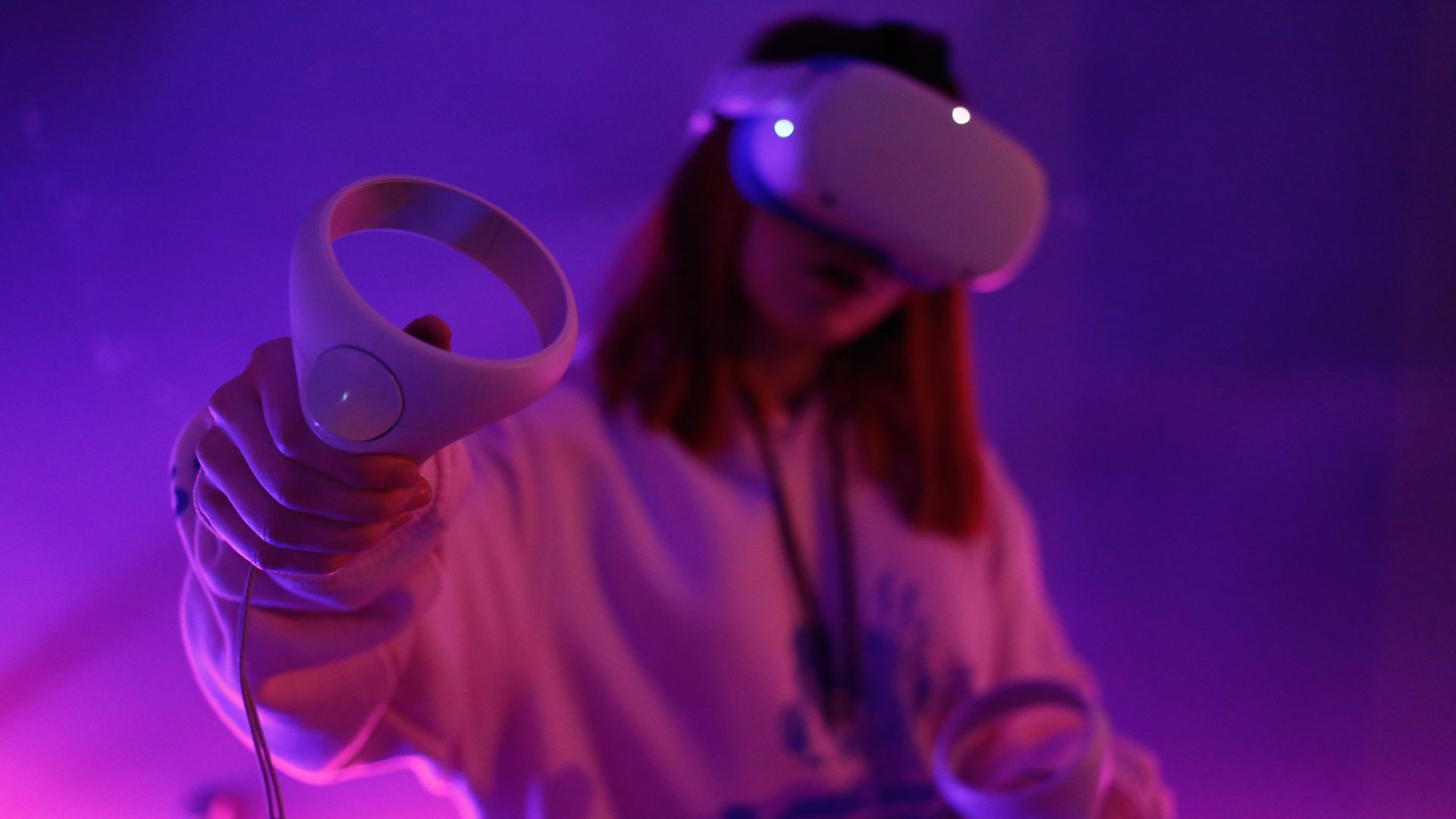
Students will walk through ancient cities, explore the human body from the inside, and conduct simulations too dangerous for classrooms. This kind of learning sticks because it engages memory through experience. Textbooks won’t disappear, but they’ll feel secondary.
 Adrià García Sarceda on Unsplash
6. Therapy and Mental Health Care Will Go Virtual
VR will be used to treat phobias, PTSD, and anxiety through controlled exposure. Patients will confront fears safely while therapists monitor responses in real time. Accessibility will expand mental health care dramatically. Geographic barriers will matter far less than they do now.
7. Virtual Reality Will Create Entirely New Sports
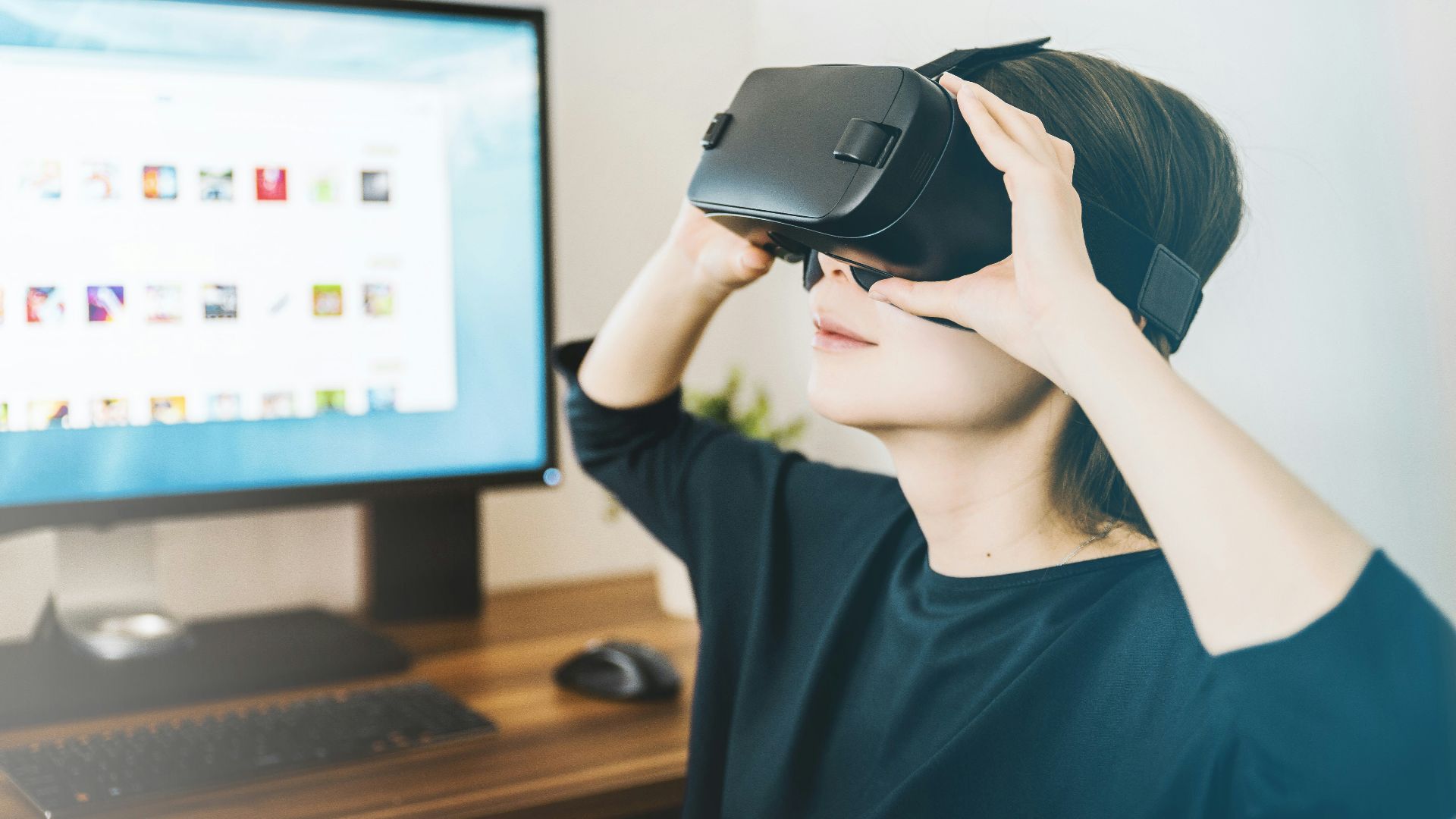
Competitive VR games will evolve into full-fledged sports with leagues, coaches, and training programs. Physical movement combined with digital environments will blur the line between gaming and athletics.
8. Social Status Will Exist Inside Virtual Worlds
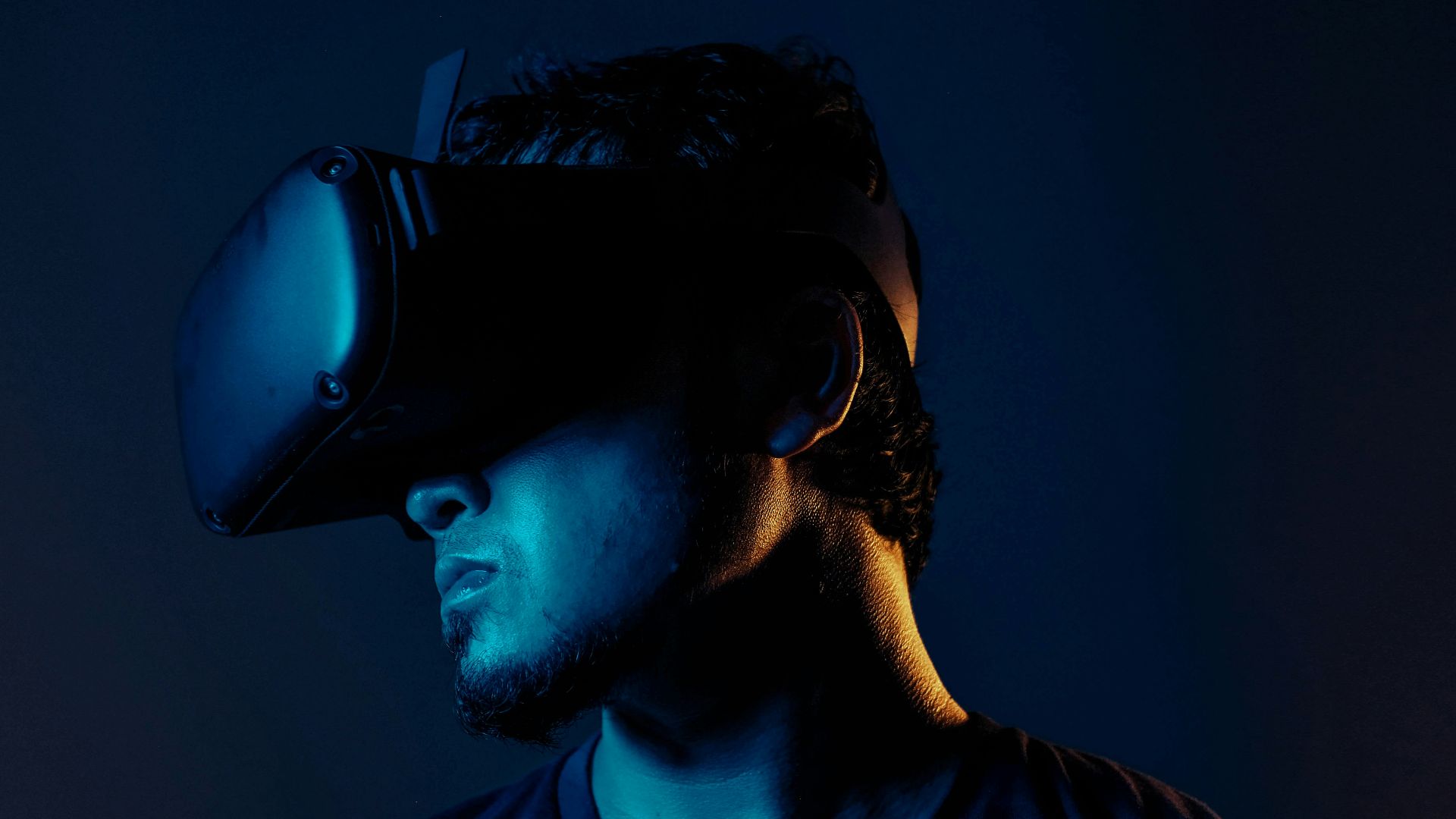
Digital spaces will develop their own hierarchies, fashion trends, and cultural signals. Rare virtual items will carry social weight similar to luxury goods, meaning identity will be curated as carefully online as it is offline. Status will increasingly transcend physical reality.
9. VR Will Become a Major Tool for Physical Rehabilitation
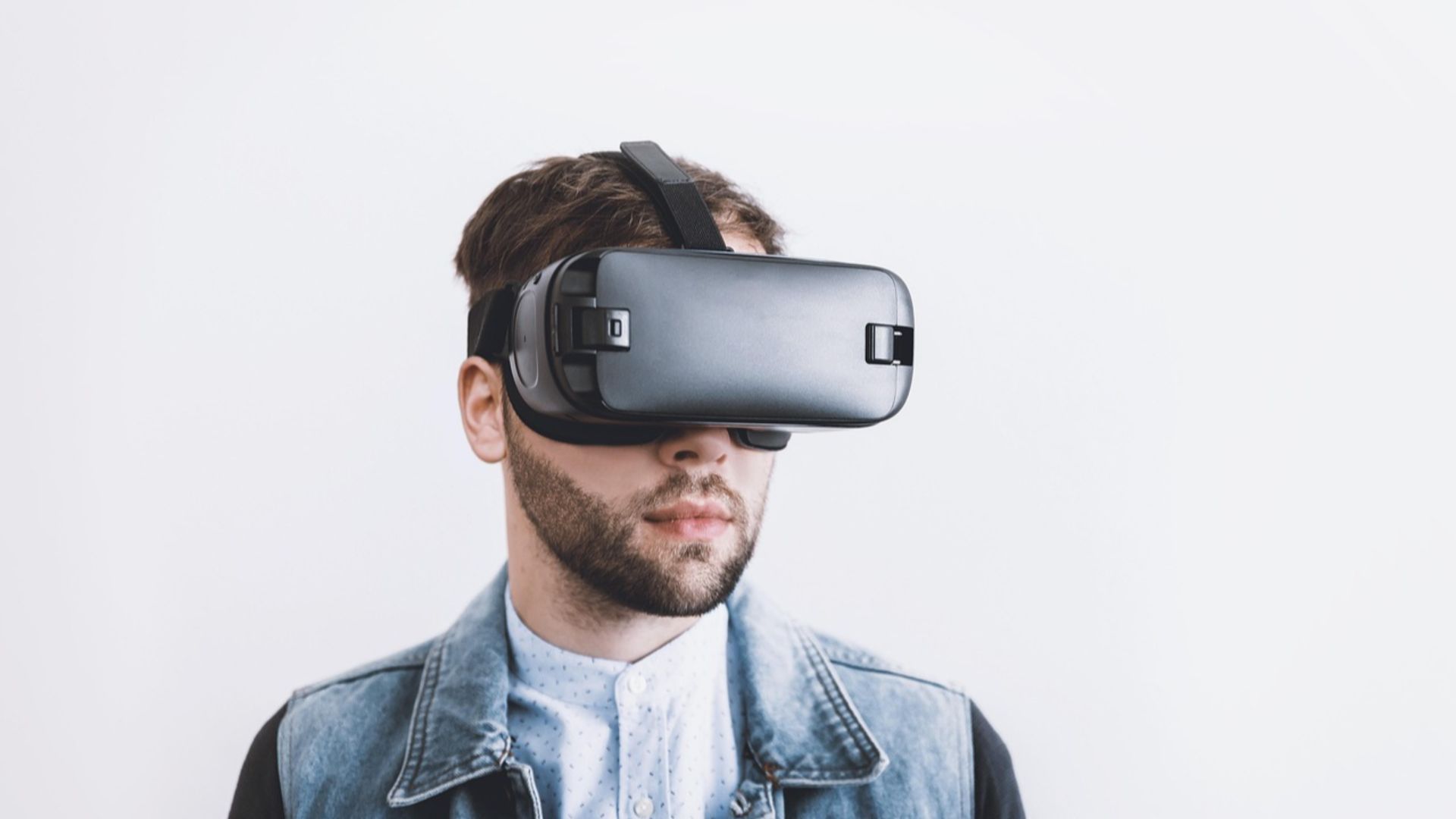
Patients recovering from injuries will use VR to rebuild movement safely and gradually. Exercises will feel more like games than therapy, which improves compliance.
10. Real Estate Will Be Sold Through Full VR Walkthroughs
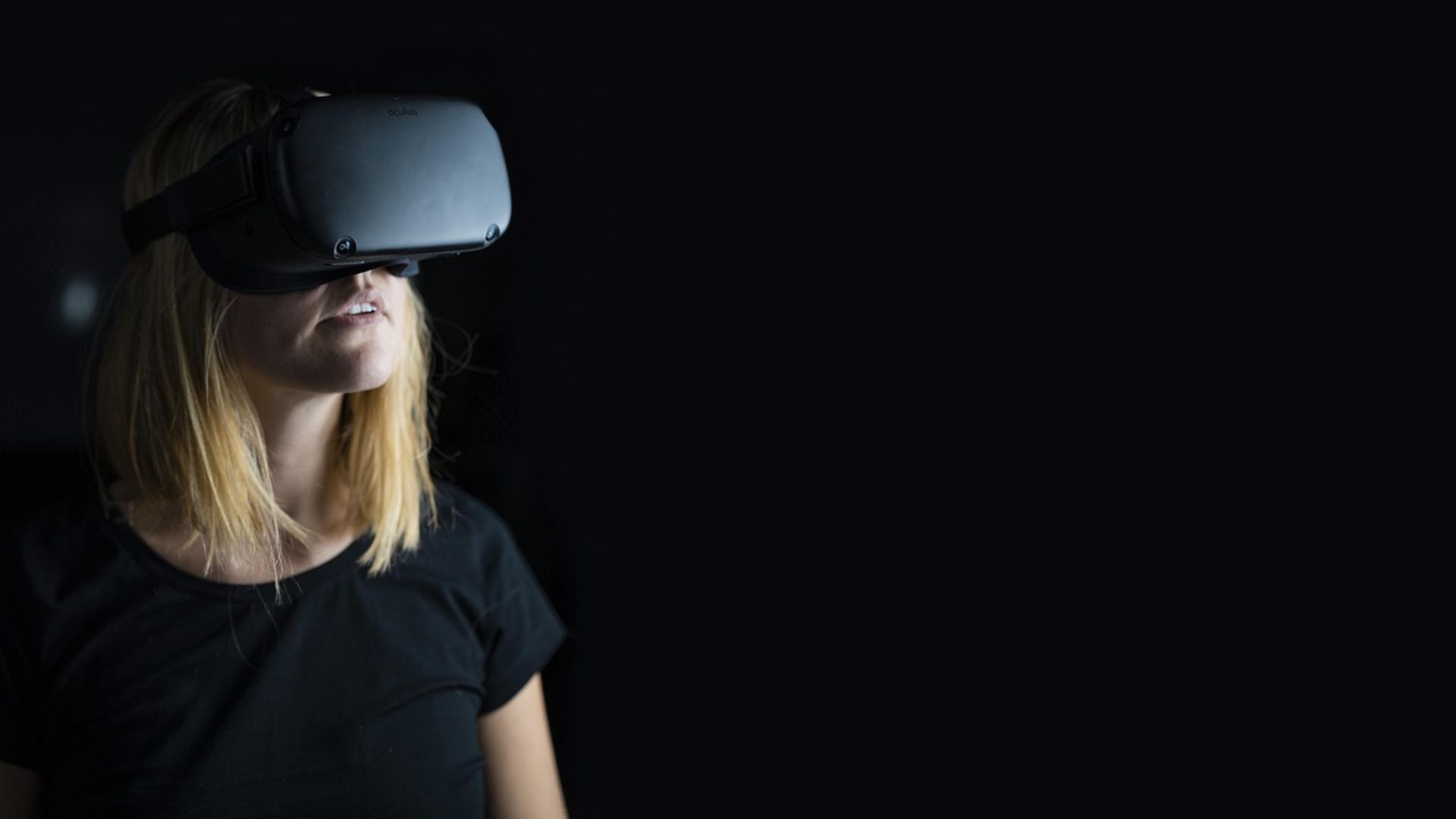
Buyers will tour properties without stepping inside them, while sellers stage spaces digitally. Customization will happen in real time, allowing people to rearrange rooms instantly. This will change how decisions are made and speed up transactions. Physical showings may become secondary.
11. Virtual Reality Will Blend Seamlessly With Augmented Reality
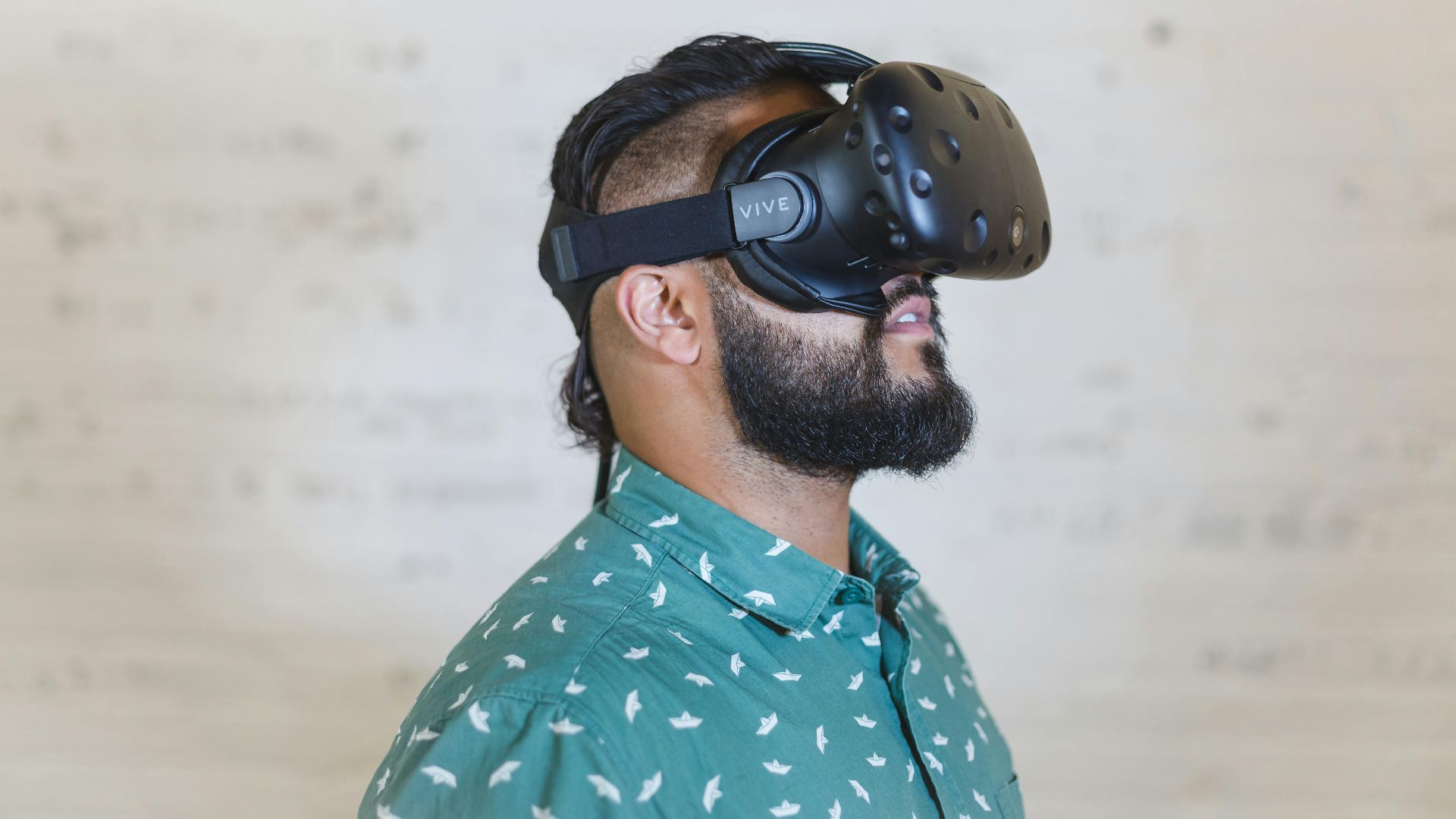
The distinction between VR and AR will matter less over time as devices adapt to context. Users will shift between full immersion and layered reality without changing hardware. Reality itself will feel adjustable rather than fixed. Interfaces will respond to intent rather than mode.

12. VR Will Create New Forms of Addiction
Escapism will become more immersive than ever, while emotional fulfillment becomes easier to simulate. Some users will struggle to balance virtual satisfaction with real-world obligations. Regulation and ethical design will become unavoidable conversations. Society will need new norms around usage.
13. Virtual Classrooms Will Rival Elite Universities
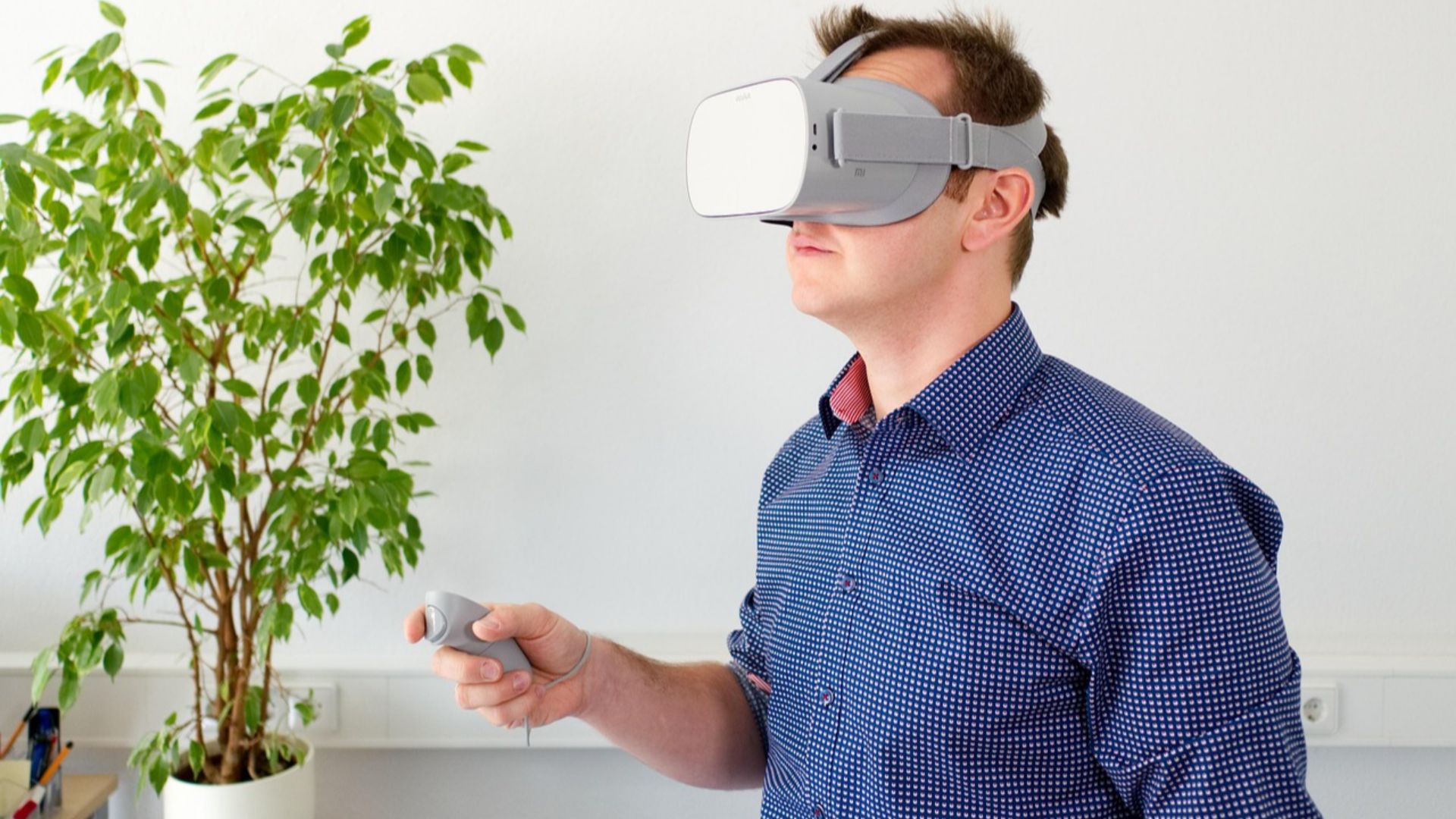
Top educators will teach global audiences inside immersive virtual campuses. Prestige will shift from institutions to individual instructors. Access will expand while traditional tuition models become increasingly outdated.
14. Therapy, Coaching, and Life Training Will Go Avatar-Based
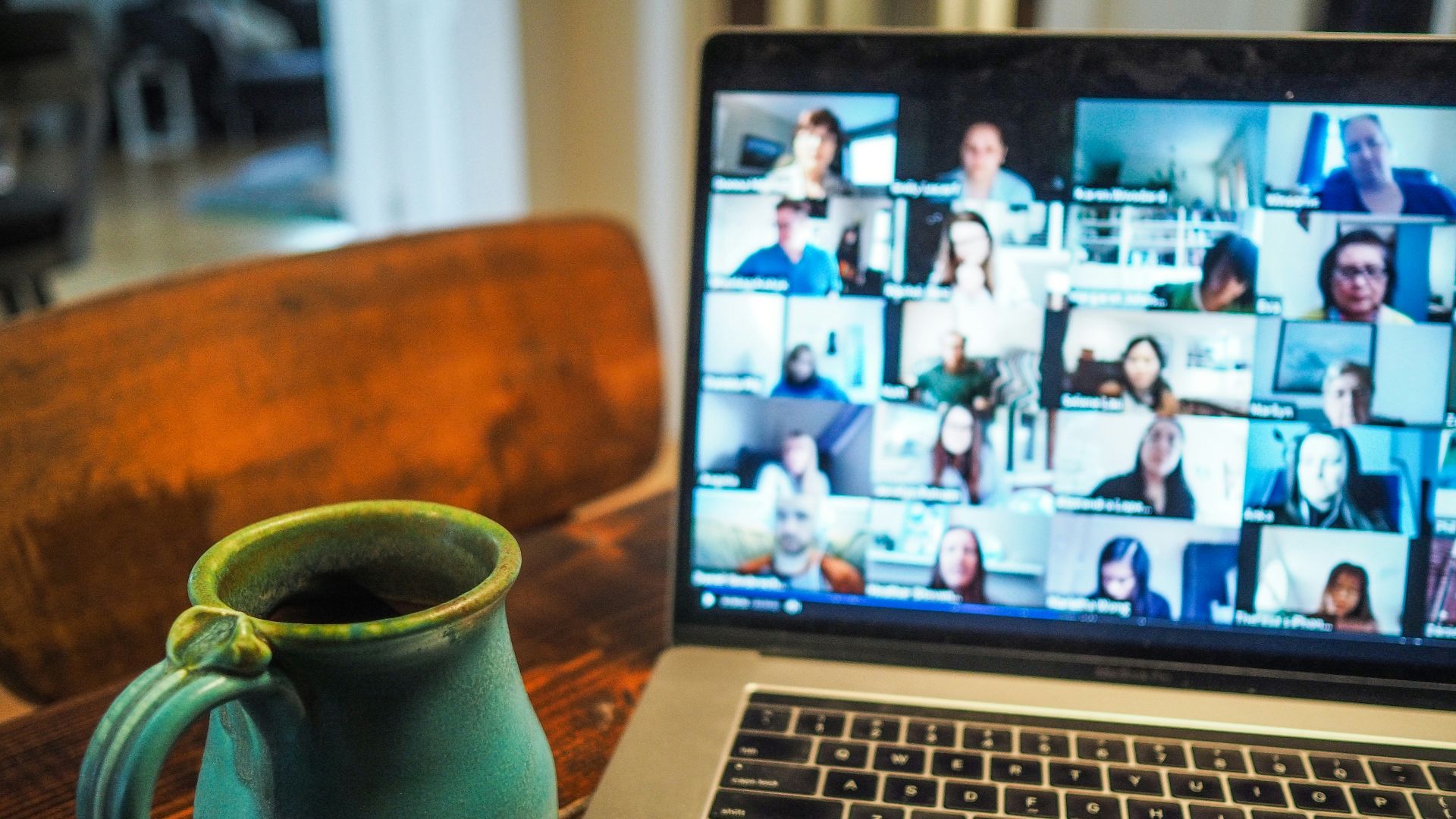
People will feel safer opening up when shielded by avatars rather than physical presence. Coaching sessions will feel less intimidating and more exploratory, and this emotional distance may create honesty. Ultimately, this shift may redefine professional boundaries.
15. VR Will Become a Tool for Memory Preservation
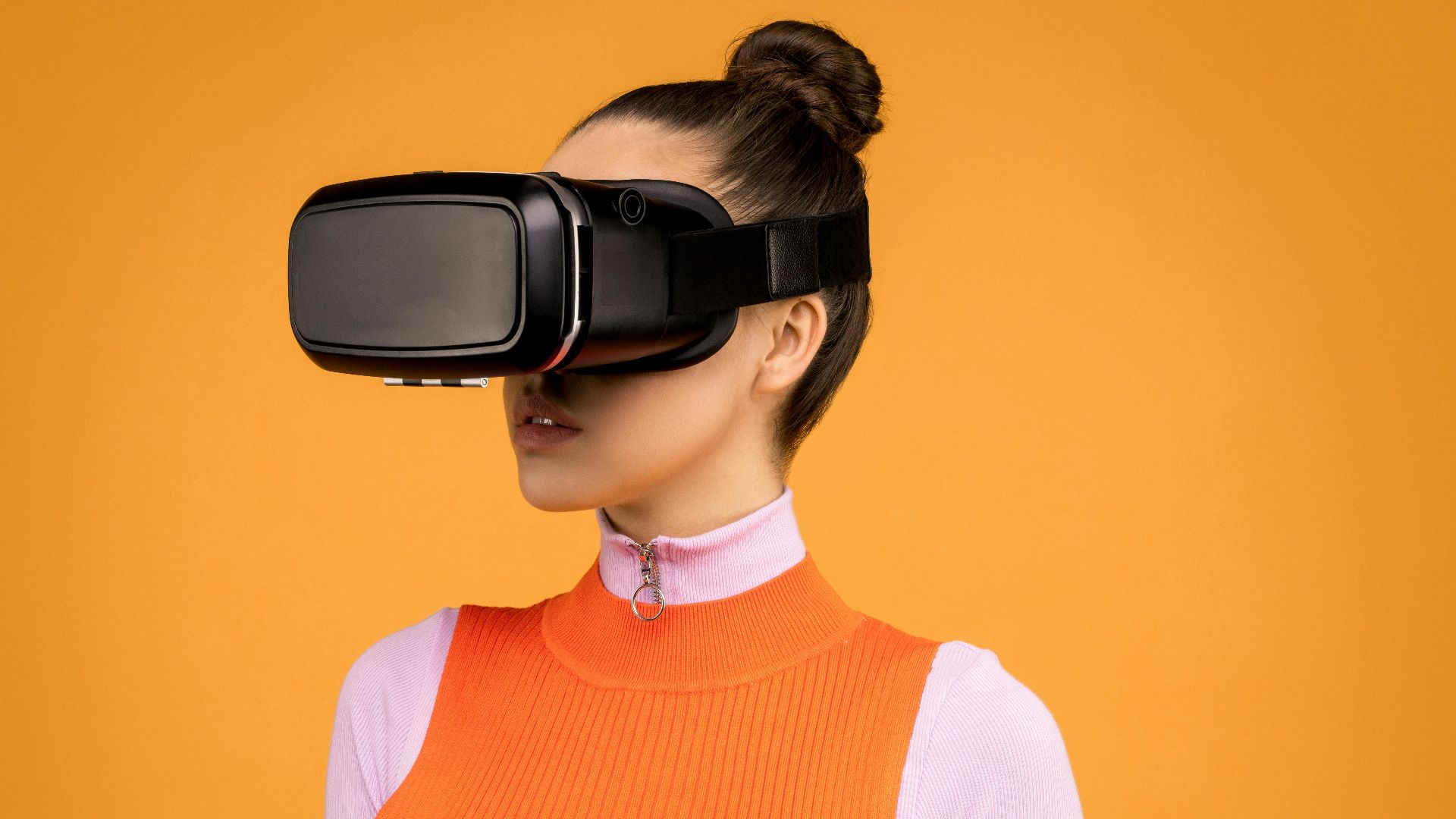
People will record moments in immersive formats rather than flat video clips. Reliving memories will feel uncannily real, including spatial and emotional cues. Nostalgia will gain a new dimension.
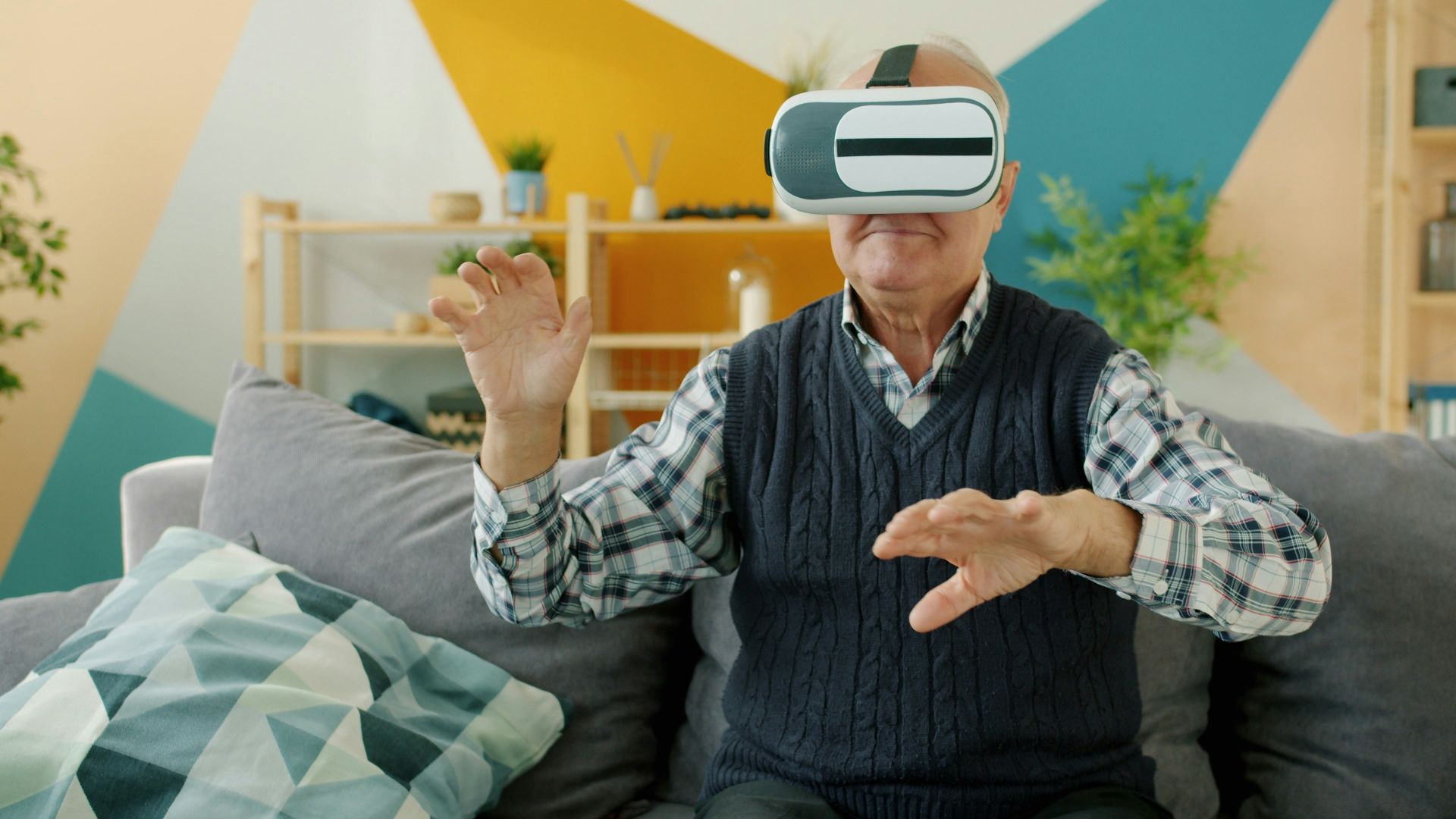
16. Virtual Reality Will Change Dating and Relationships
People will date inside shared virtual spaces before meeting physically. Compatibility will be tested through experiences rather than small talk. Emotional bonds may form faster than expected.
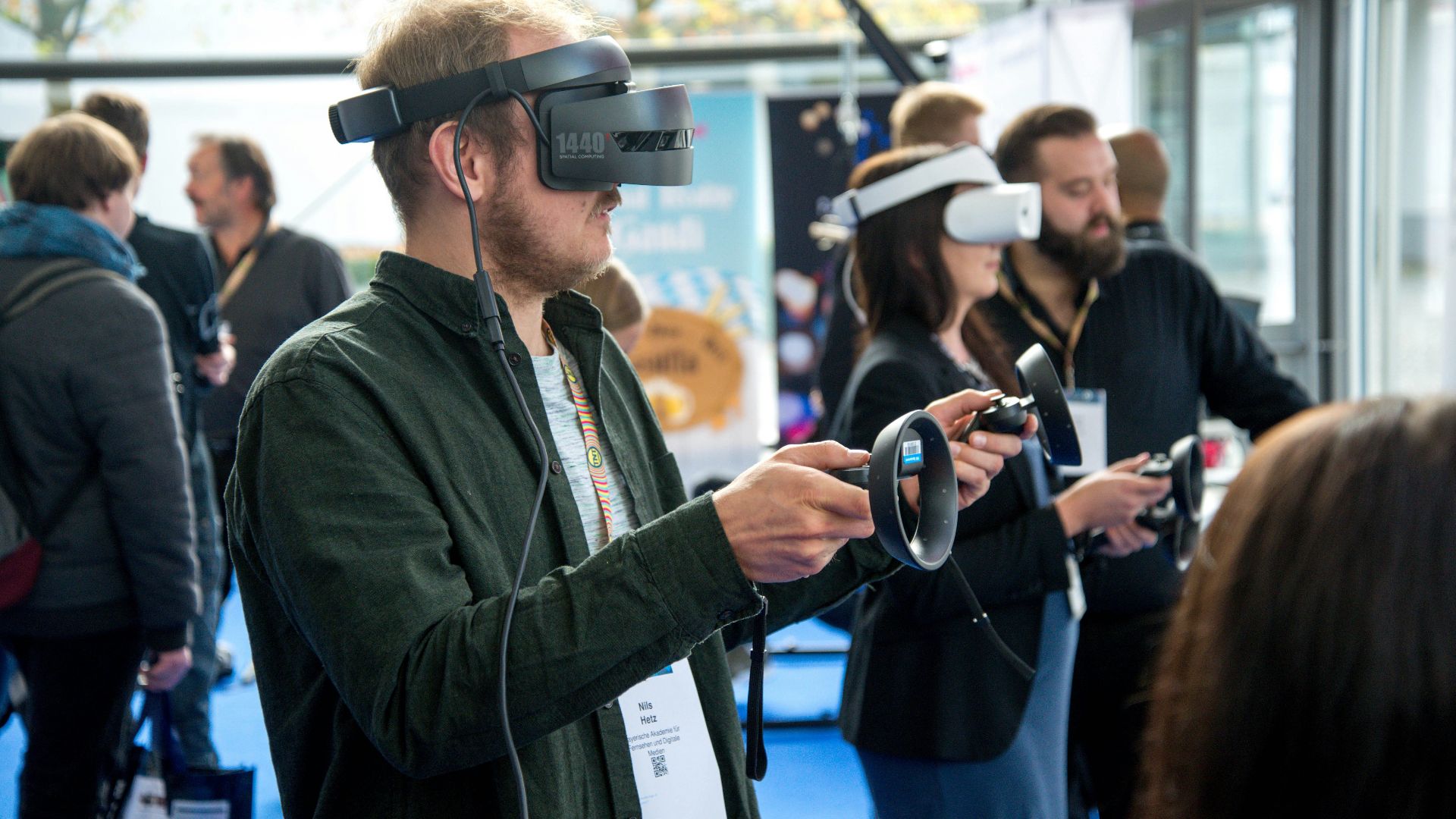
17. Governments Will Use VR for Public Planning
Citizens will walk through proposed infrastructure projects virtually. Feedback will be more informed and less abstract, and public engagement will increase through visualization.

18. VR Will Become a New Medium for Storytelling
Stories won’t just be watched but inhabited. The narrative will change based on where you look and what you do, making passive consumption feel outdated.
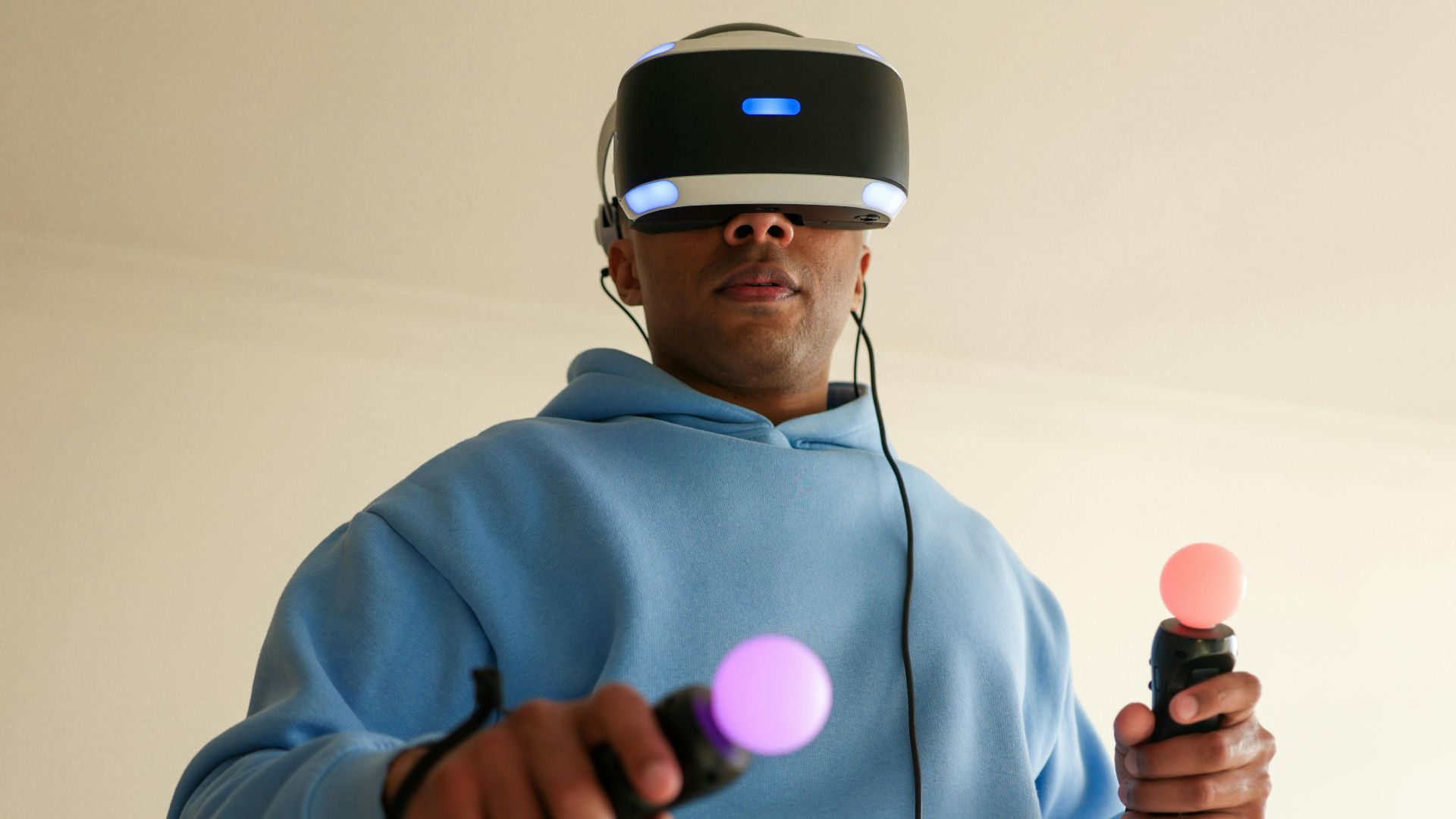
19. Virtual Reality Will Become a Fitness Staple
Workouts will take place in digital landscapes that distract from effort. Consistency will improve when exercise feels like play.
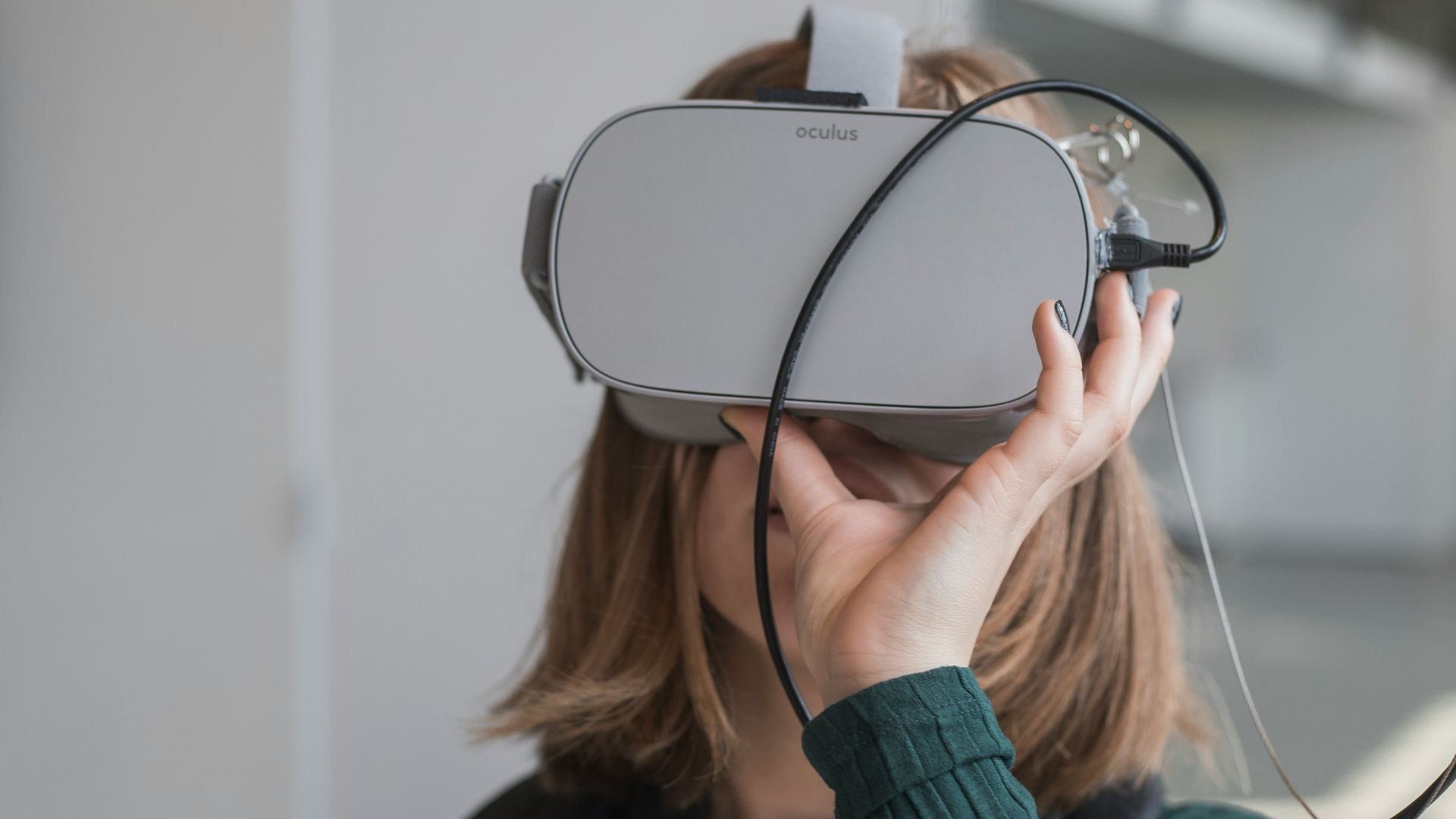
20. VR Will Redefine What “Presence” Means
Being present won’t require physical proximity. Emotional and cognitive presence will matter more than location, and the definition of connection will expand beyond geography.