The Hits Of The Era
The PlayStation 3 era featured a console that leaned hard into Blu-ray and slowly turned into the place where big-budget “event games” started to look and sound like the modern standard. Some of these games earned their reputations through blockbuster polish, while others got there by being so specific and well-made that everyone else had to adjust around them. This list sticks to PS3 releases with the strongest critical consensus over time, and it’s basically a playable history of that generation’s best habits.

1. Grand Theft Auto IV
Liberty City feels dense and restless, and the writing keeps a sharp focus on Niko Bellic’s attempt to start over while trouble keeps finding him anyway. Rockstar’s mission design loves throwing you into chaotic situations, then letting the city’s traffic, pedestrians, and physics turn that chaos into its own kind of story.

2. Grand Theft Auto V
This one works because Los Santos is built as a real place you can memorize, from freeway exits to neighborhoods you start recognizing on sight. The three-protagonist structure keeps the pacing lively, and the heists are staged with enough variety that they land as more than “another mission.” GTA Online’s constant evolution kept the PS3 version in conversations long after launch.

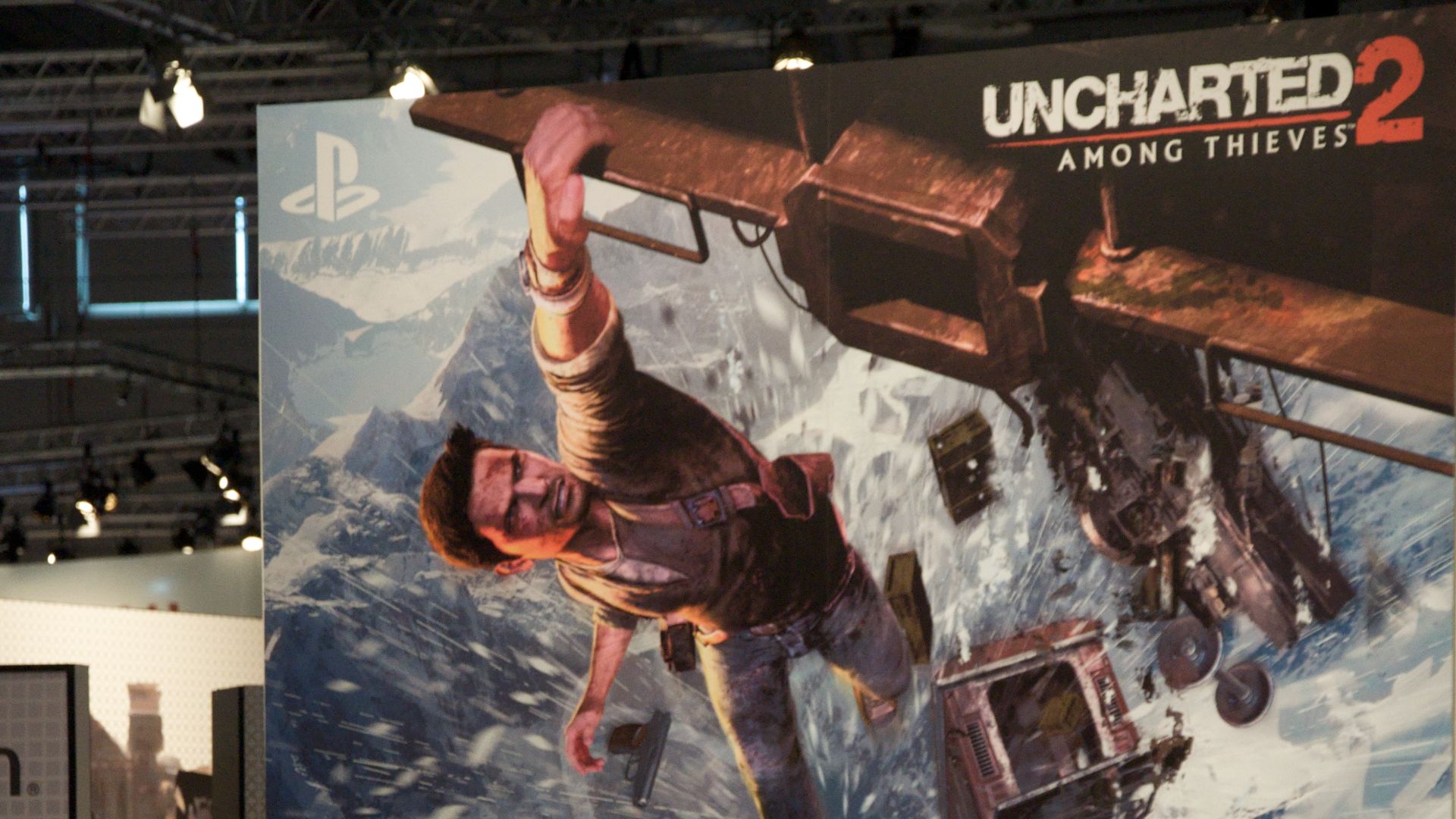
3. Uncharted 2
Naughty Dog turned Nathan Drake into the kind of lead you could follow through a globe-hopping mess without complaint. The set pieces are choreographed with a filmmaker’s timing, yet the moment-to-moment shooting and climbing still feel responsive.
4. Arkham City
Rocksteady’s big swing here is giving Batman a chunk of Gotham that’s been turned into a walled-off prison city, which naturally attracts every bad decision possible. The free-flow combat was well-loved, and the predator stealth sections are still talked about today. It’s the kind of licensed game that made people stop lowering expectations for licensed games.

5. LittleBigPlanet
Media Molecule built a platformer where the campaign is basically the tutorial for the real hook: making your own levels and sharing them. Sackboy’s stitched-up world is charming, yet the tools are surprisingly powerful once you start messing with logic, physics, and triggers.

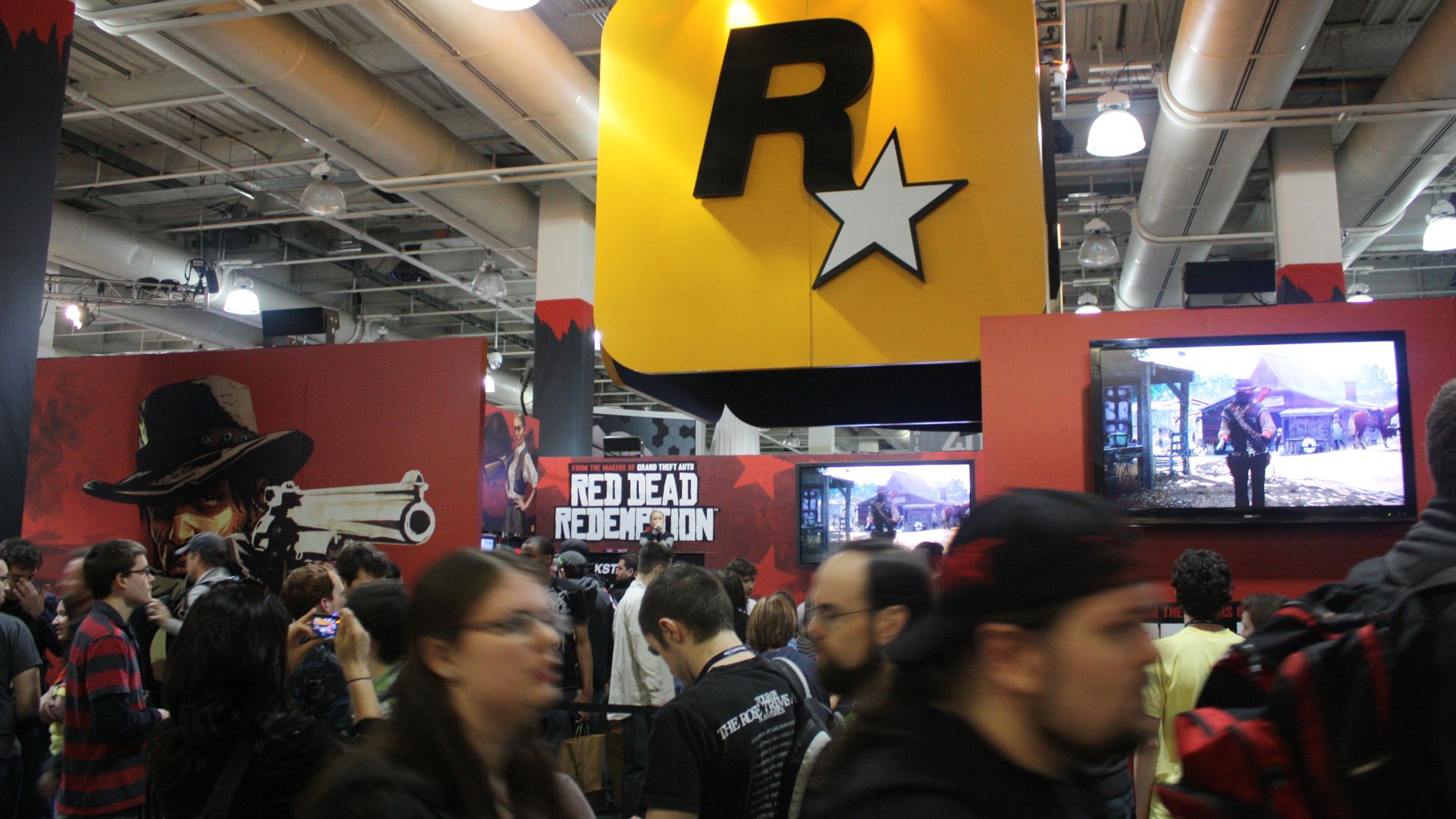
6. Red Dead Redemption
Rockstar San Diego gave the world room to breathe, so you can ride for a while, stumble into trouble, and still feel like you’re moving toward something. The side characters are memorable without stealing focus from Marston’s constant push to pay off a past he never truly outrun.
7. The Last of Us
Naughty Dog keeps the plot brutally grounded: escorting Ellie across a broken United States becomes a series of hard decisions, close calls, and uneasy alliances. The stealth and scavenging fit the story’s scarcity, so every encounter feels like a calculated risk rather than a routine fight. The game also took home five BAFTA Games Awards in 2014, including Best Game.

8. Portal 2
Valve’s puzzles are built around a simple idea that keeps expanding, and the writing stays sharp without turning into a comedy routine that never ends. The co-op campaign forced teamwork through clever design, not through constant instructions.
 Dave Monk from Seattle, USA on Wikimedia
9. BioShock Infinite
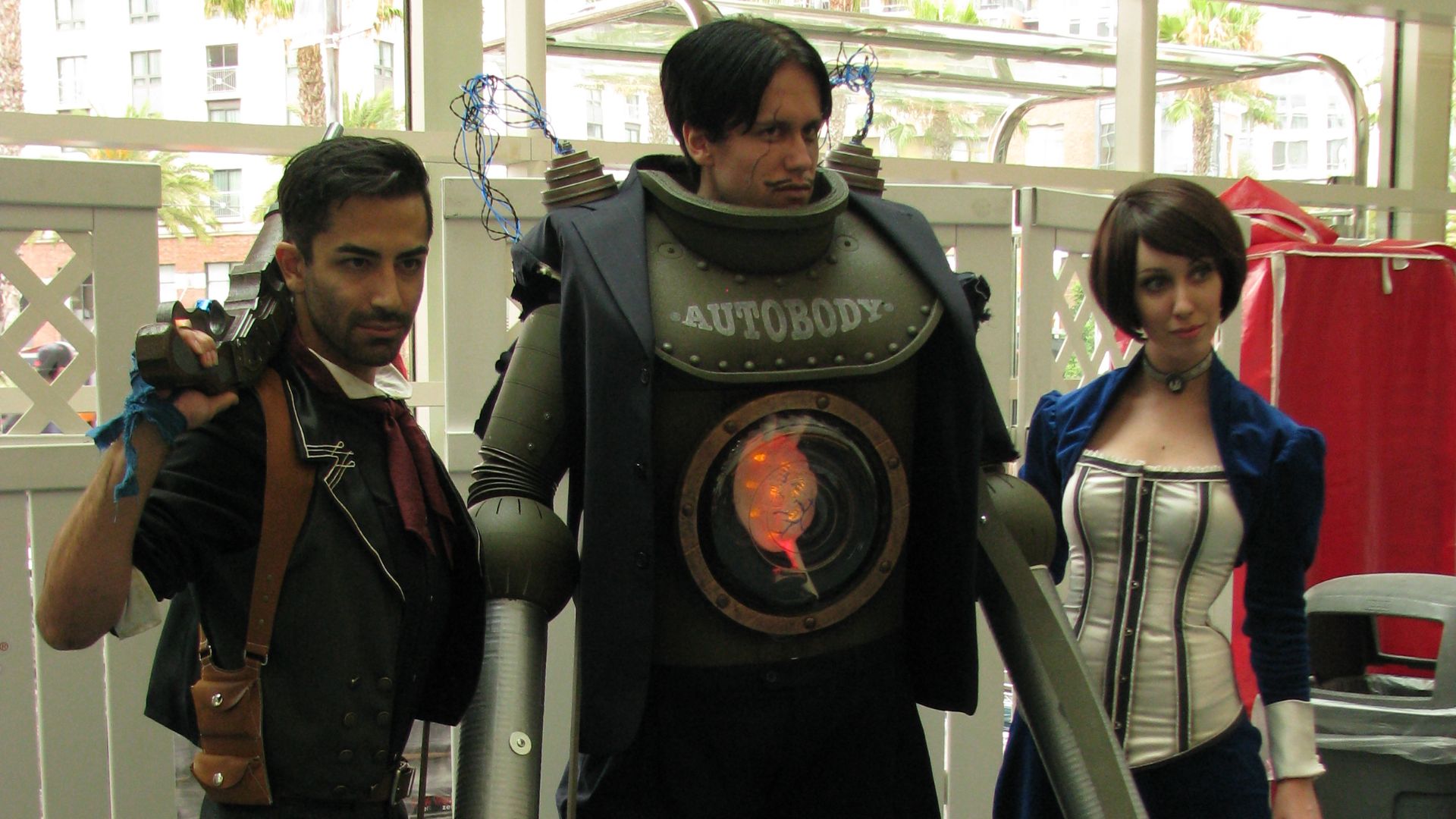
Columbia is a floating city with a polished surface and a rotten core, and the plot is structured to keep peeling back that contrast as you move through it. Booker DeWitt and Elizabeth form a partnership that’s central to both the narrative and the way fights play out. Irrational Games also made sure this game’s ending was one that was unforgettable.
 William Tung from USA on Wikimedia
10. Modern Warfare 2
Infinity Ward took the momentum from its previous game and turned it into a full-on blockbuster campaign, built around shock moments and tight pacing. Multiplayer’s perk and loadout systems pushed the series deeper into long-term progression, while Special Ops gave you structured co-op challenges that fit nicely into short sessions.
 http://www.gamingxp.com/pictures/uploads/August_09/modern_warfare_2_logo.jpg on Wikimedia
11. Modern Warfare
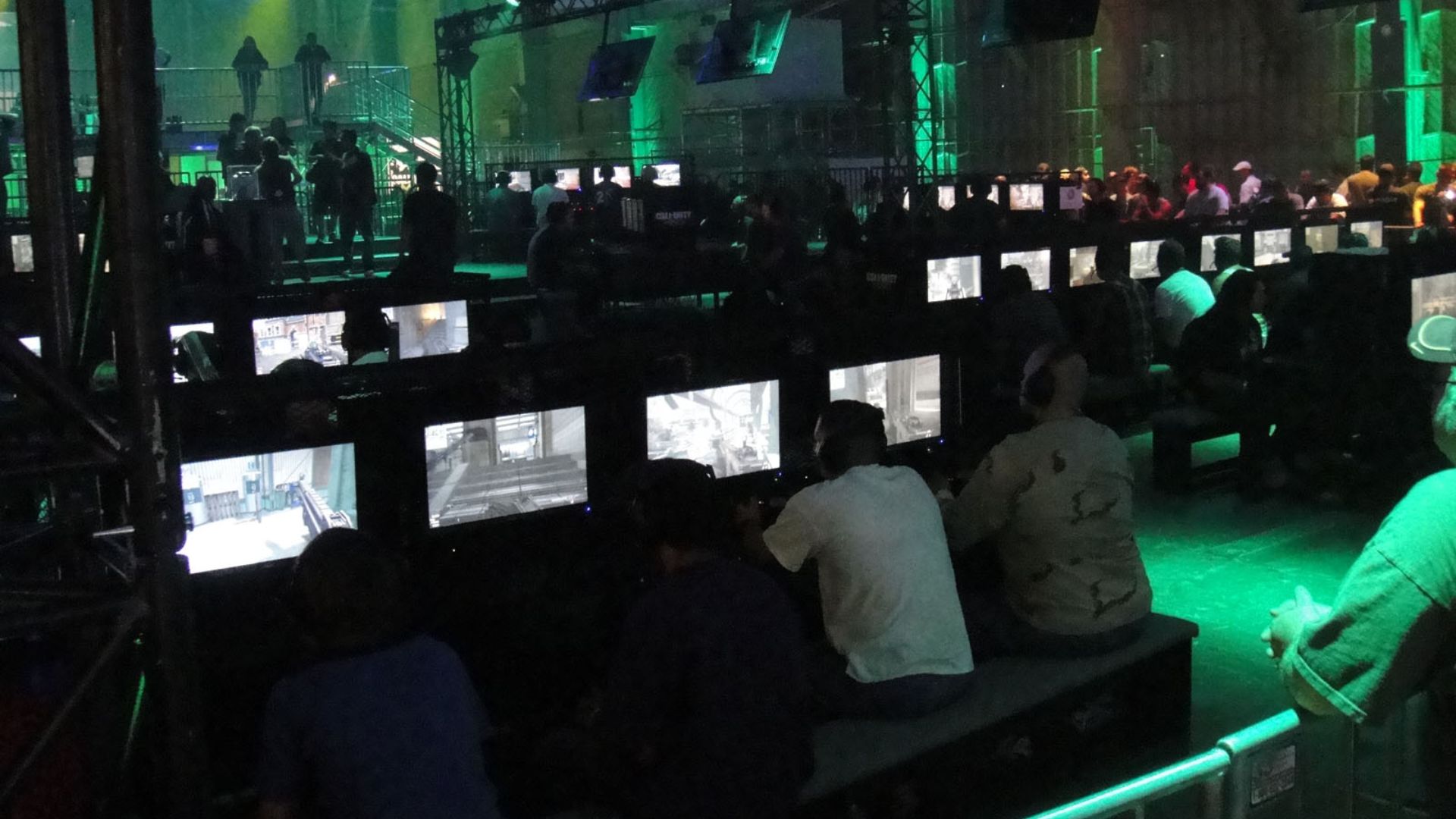
This is the one that made modern military shooters feel like the default language of the genre for years. The campaign jumps between perspectives and locations with confident pacing, and the missions are designed to be memorable without relying on filler. Its multiplayer foundation influenced an entire era of ranking systems and match flow.
 The Conmunity - Pop Culture Geek from Los Angeles, CA, USA on Wikimedia
12. BioShock
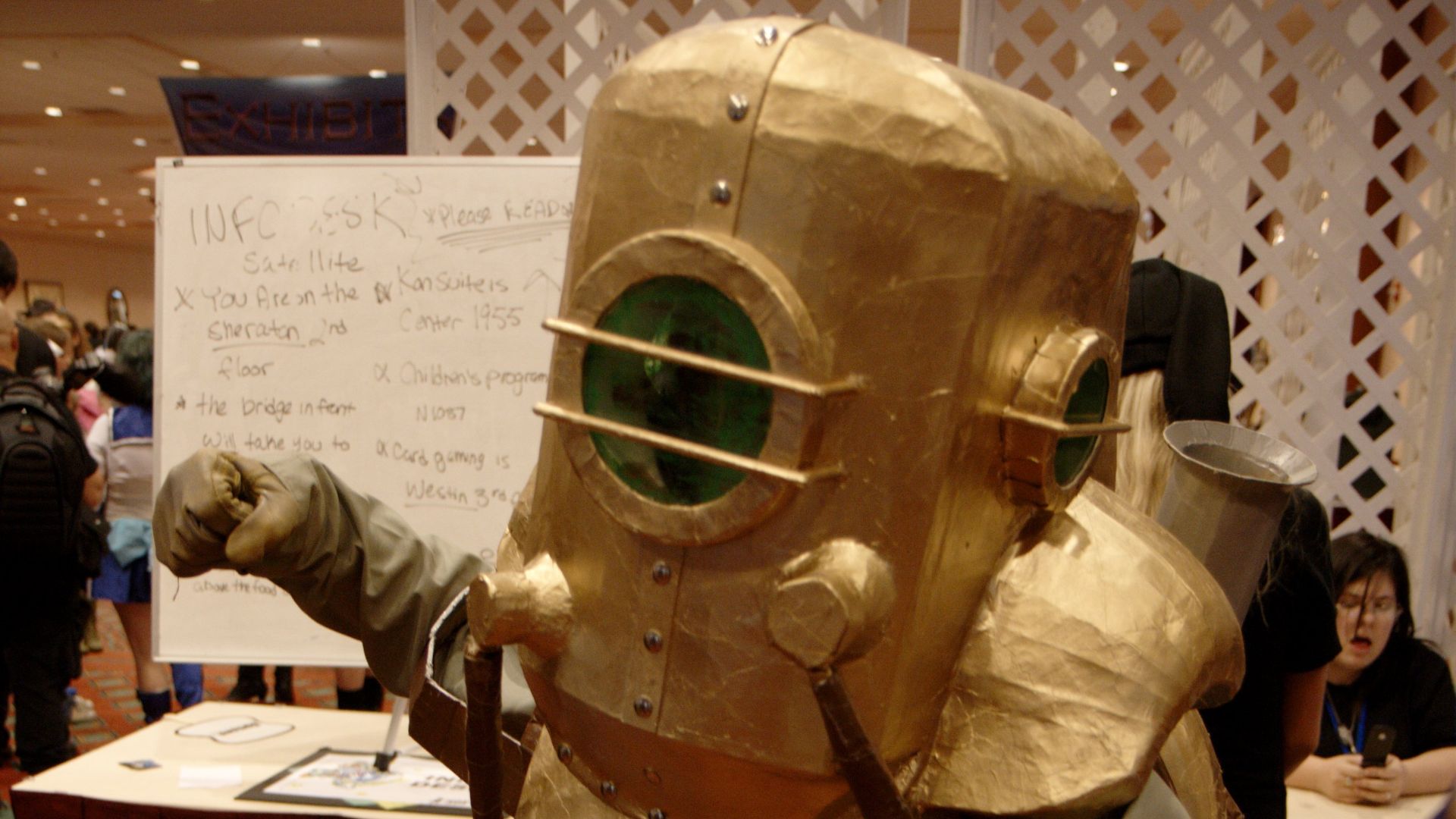
Rapture is the kind of setting that does half the work for the story, as every hallway and audio log points back to the city’s failed ideology. The game mixes gunplay with plasmid powers, so fights feel like problem-solving instead of simple shooting galleries.
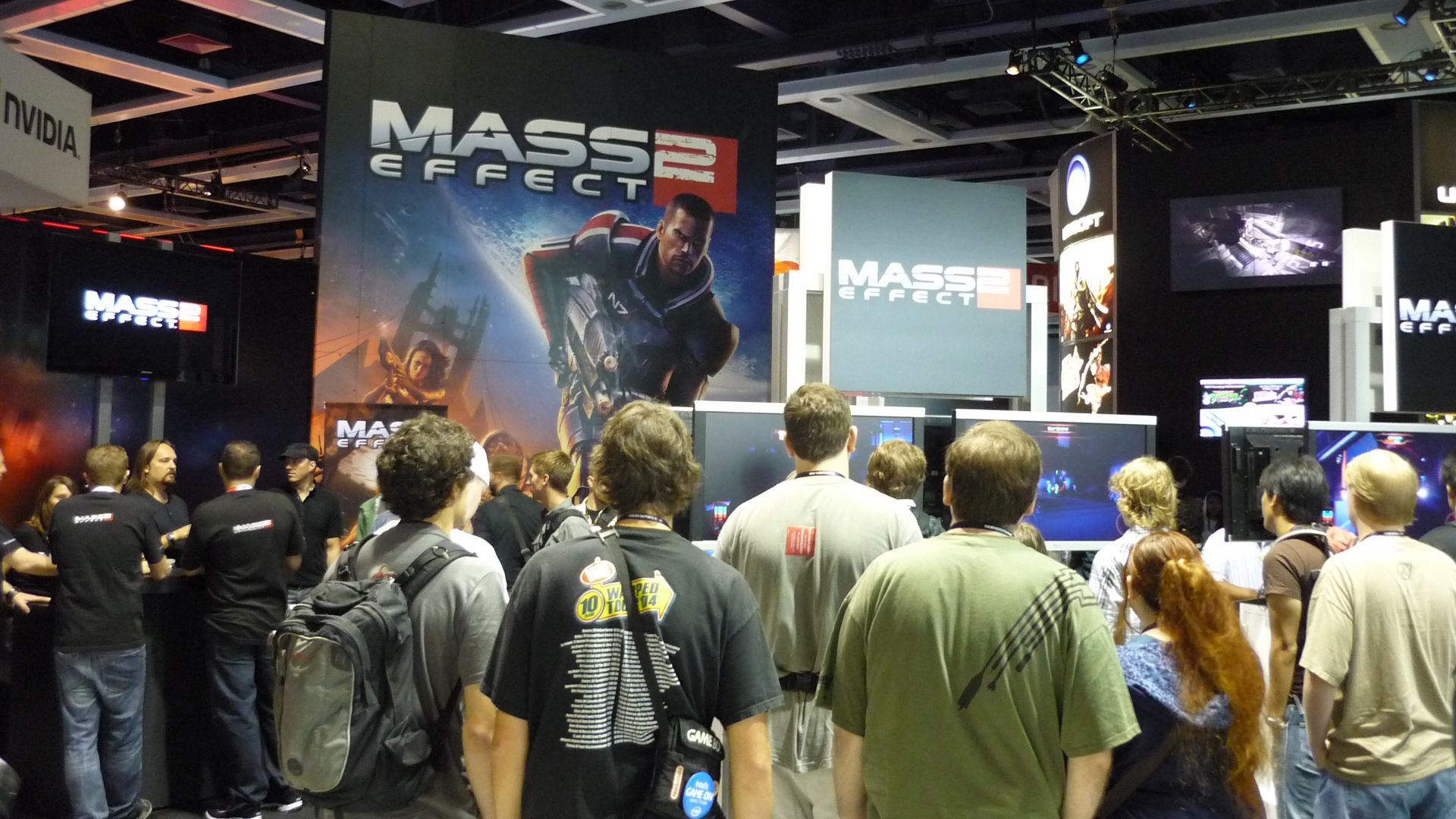
13. Mass Effect 2
The hook is immediately personal: Shepard dies early, comes back, and gets pulled into building a team for a mission that has real consequences. BioWare makes loyalty missions feel like character-driven short stories, so you’re not just recruiting people, you’re learning what they need and why it matters.
 Alex from Calgary, Canada on Wikimedia
14. Street Fighter IV
Capcom brought the series back with a visual style that read clearly in motion, which matters when every frame counts. The focus system changed how neutral play worked, and it gave newer players a way to engage without flattening the skill ceiling. Online play helped keep rivalries active even when your local scene was thin.

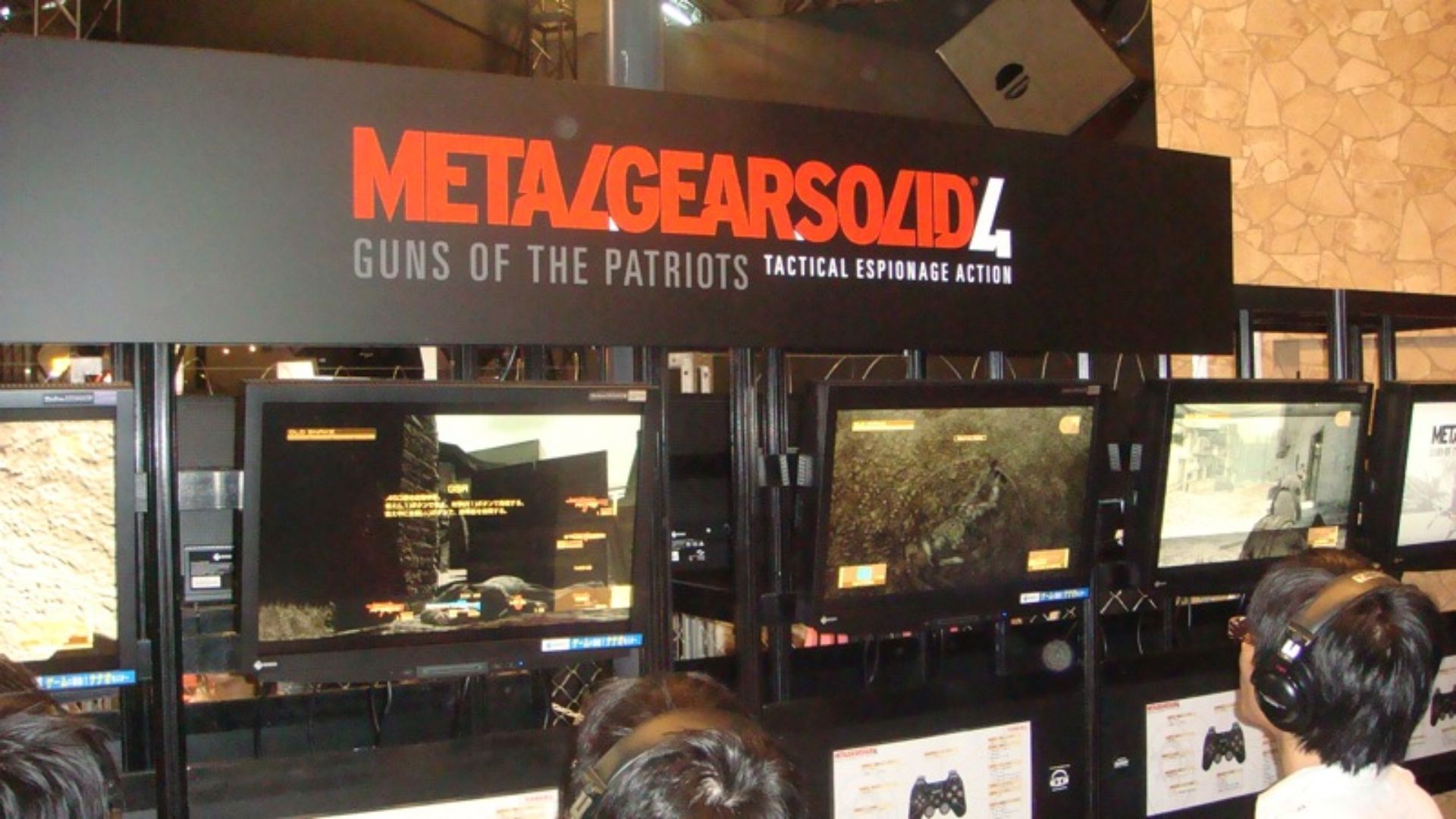
15. Metal Gear Solid 4
This is the big, maximal finale where Kojima Productions tries to tie off a lot of long-running threads, and it mostly succeeds through pure commitment. The game shifts between stealth, action, and cinematic storytelling with a confidence that’s very specific to this series.
16. Oblivion
Bethesda Game Studios drops you into Cyrodiil with an open-ended structure that makes the main quest feel optional, even when demon gates are opening across the map. The guild questlines are a big part of its reputation, giving you long arcs that feel different from one another.

17. Braid
Jonathan Blow made a puzzle-platformer where time manipulation isn’t a gimmick, it’s the core language of every level. You’re solving problems by rewinding, rethinking cause and effect, and noticing how each world changes the rules.
18. Mass Effect 3
The Reaper invasion turns the stakes into something immediate, and the plot pushes you into diplomacy and hard choices while Earth burns in the background. BioWare leans on relationships built over the trilogy, which gives even smaller conversations more weight. Combat also feels faster and cleaner, making it easier to enjoy the action without losing the RPG structure.
19. Skyrim
Bethesda’s approach here is freedom first: you can chase the dragon prophecy, disappear into side quests, or spend an evening clearing caves for no reason beyond curiosity. The world design encourages wandering, and the progression systems let you build your character through what you actually do. That flexibility is the reason so many PS3 saves turn into long-term projects.

20. God of War III
Santa Monica Studio delivers a revenge story that’s loud, direct, and staged on a scale the PS3 handled surprisingly well. Kratos’s climb through Greek mythology is structured around big boss encounters and puzzle-driven spaces that keep combat from becoming one-note. The whole thing feels engineered to keep momentum, so you’re rarely stuck doing busywork between major moments.