The Headcanon Fixes That Actually Hold Together
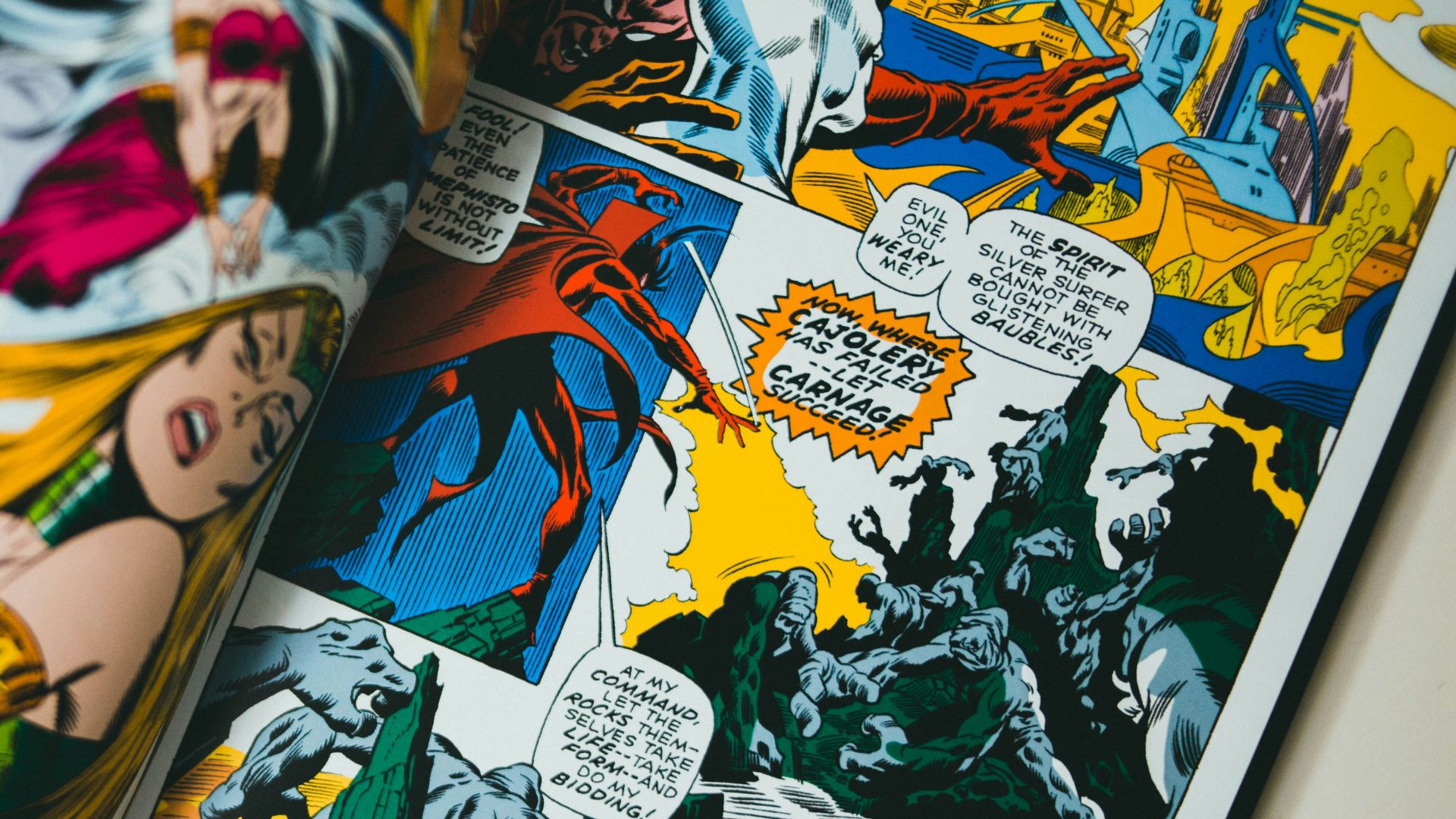
Comics are designed for perpetual storytelling, which means new narratives constantly layer over old ones—sometimes carefully, sometimes carelessly. A character dies, then a new creative team resurrects them. The resurrection happens quickly, and the explanation arrives later, if at all. Continuity must also survive decades of shifting editors, company-wide reboots, and tonal whiplash—from street-level crime stories to cosmic adventures, sometimes within the same month. Fans spot these inconsistencies because they reread issues, cross-reference storylines, and remember details that monthly production schedules can't always preserve. Here are 20 plot holes that fans patched better than the writers.
1. The Sliding Timeline That Keeps Everyone The Same Age
Marvel’s heroes can’t age in real time without breaking the brand, yet decades of stories still have to fit into a single career. Fans patch it by treating big events as anchors, then letting everything else float in a soft timeline where exact years do not matter. It’s more satisfying than pretending every major life change happened within one impossibly packed calendar.

2. The Crisis Reboots That Somehow Leave Memories Behind
DC has used major crossover events to reset continuity, especially after Crisis on Infinite Earths, and the clean slate rarely stays clean. Fans explain the lingering memories as scars from timeline trauma, where certain people remember because they were close to the cosmic machinery. It makes the mess feel like a consequence instead of an accident.
3. Gotham Staying Broken No Matter How Much Money Bruce Has
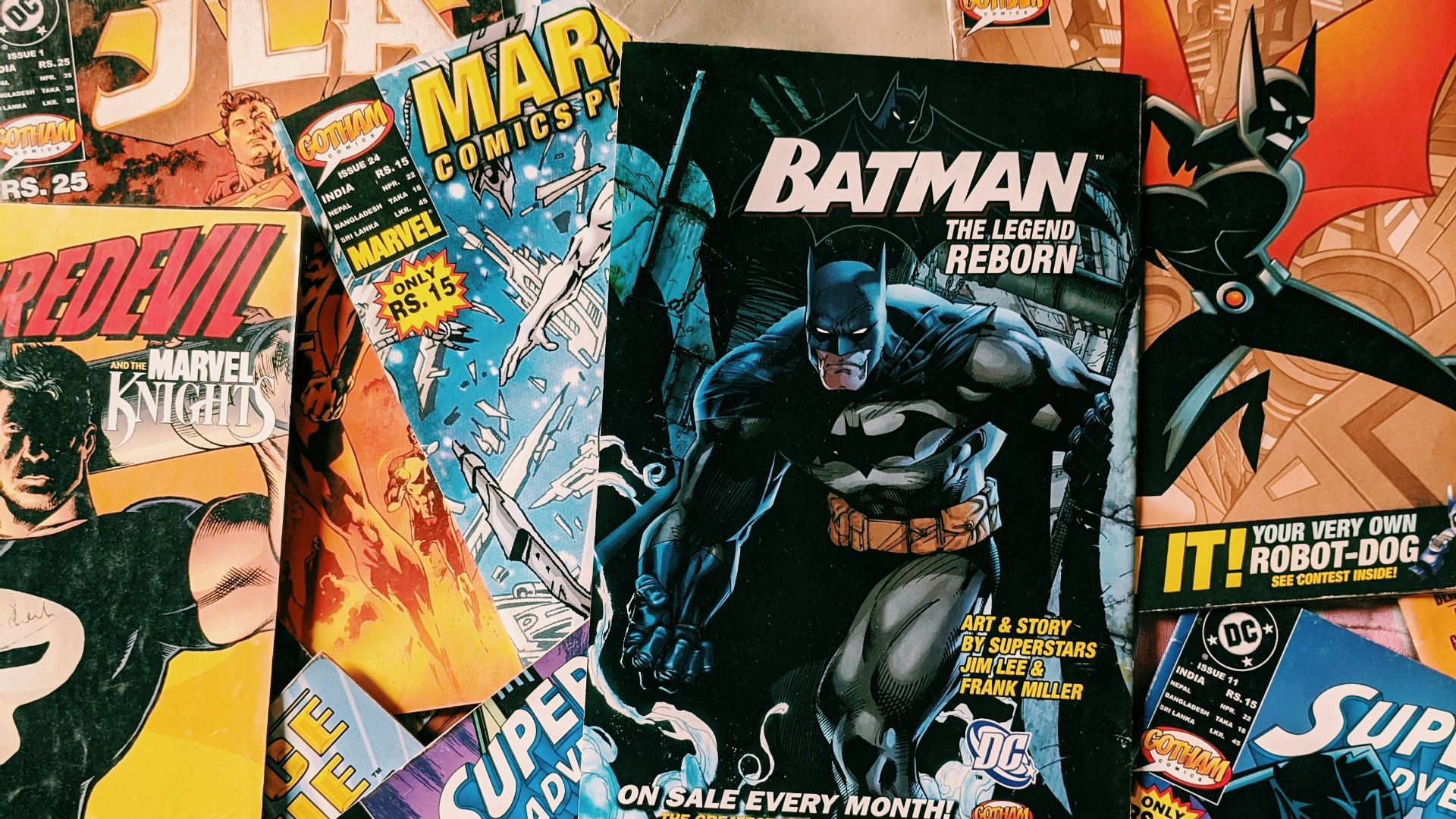
Gotham’s problems never end, even though Bruce Wayne is one of the richest people in the setting. Fans patch this by treating Gotham as a system that actively resists reform, fueled by corruption, entrenched power, and a steady stream of new crises. It lands better than the idea that Bruce simply never thought to invest strategically.

4. The Joker Always Escaping
The cycle of capture, asylum, escape, and tragedy can start feeling like a broken record. Fans often patch it by shifting the focus to institutions, arguing that the real failure is a legal system that cannot handle supervillain-scale threats, plus a city infrastructure that keeps getting compromised. It’s a grim answer, yet it fits the world better than blaming one hero’s ethics alone.
5. Superman’s Disappearing Powers From Issue To Issue
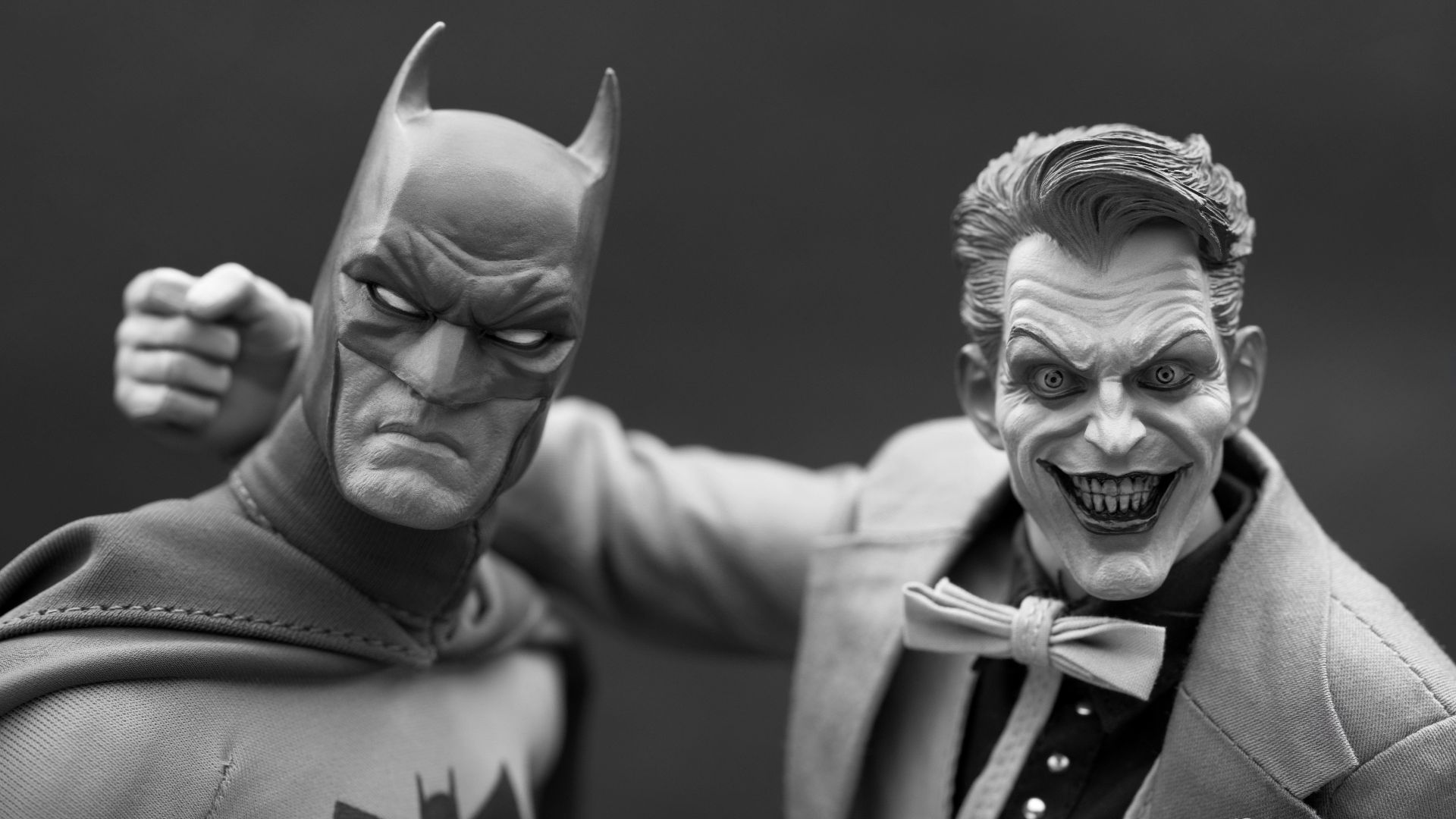
Sometimes Superman is a near-invincible force, and sometimes he struggles with a car-sized problem. Fans fix it by leaning into the solar battery idea, where exposure, stress, and restraint all matter, and where he is often holding back to avoid collateral damage. That explanation respects both the godlike feats and the grounded moments.
6. Clark Kent’s Disguise Working On People Who Should Know Better
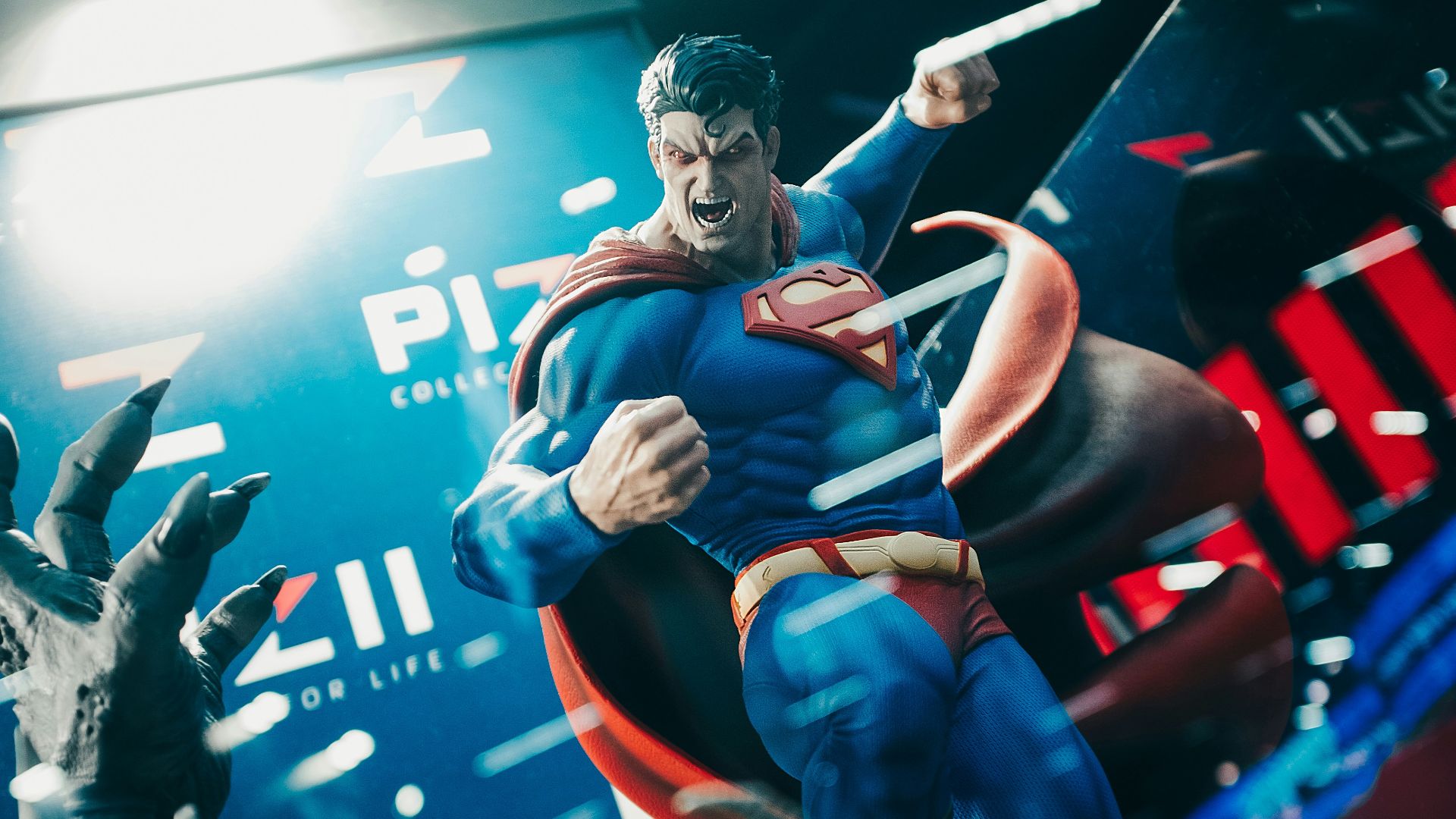
The glasses debate never dies, because readers can’t stop seeing Superman under the suit. Fans patch it with social psychology: people do not expect the world’s most famous hero to be in the newsroom, slouching, speaking softly, and choosing to be ignored. It’s not a perfect answer, yet it explains why the disguise works in a world where everyone is trained to see symbols, not coworkers.

7. Green Lantern’s Old Yellow Weakness Making No Sense
A ring that can manifest almost anything should not fall apart because of a color. Fans patched this long before it became more explicit in canon by framing it as a built-in psychological limiter, a control system imposed by the Guardians rather than a true physical weakness. That turns a goofy constraint into a story about authority and fear.
 Green_Lantern_Comic-Con_Panel.jpg: rwoan
derivative work: Mazel on Wikimedia
Green_Lantern_Comic-Con_Panel.jpg: rwoan
derivative work: Mazel on Wikimedia
8. The Flash Breaking Time Without The World Collapsing
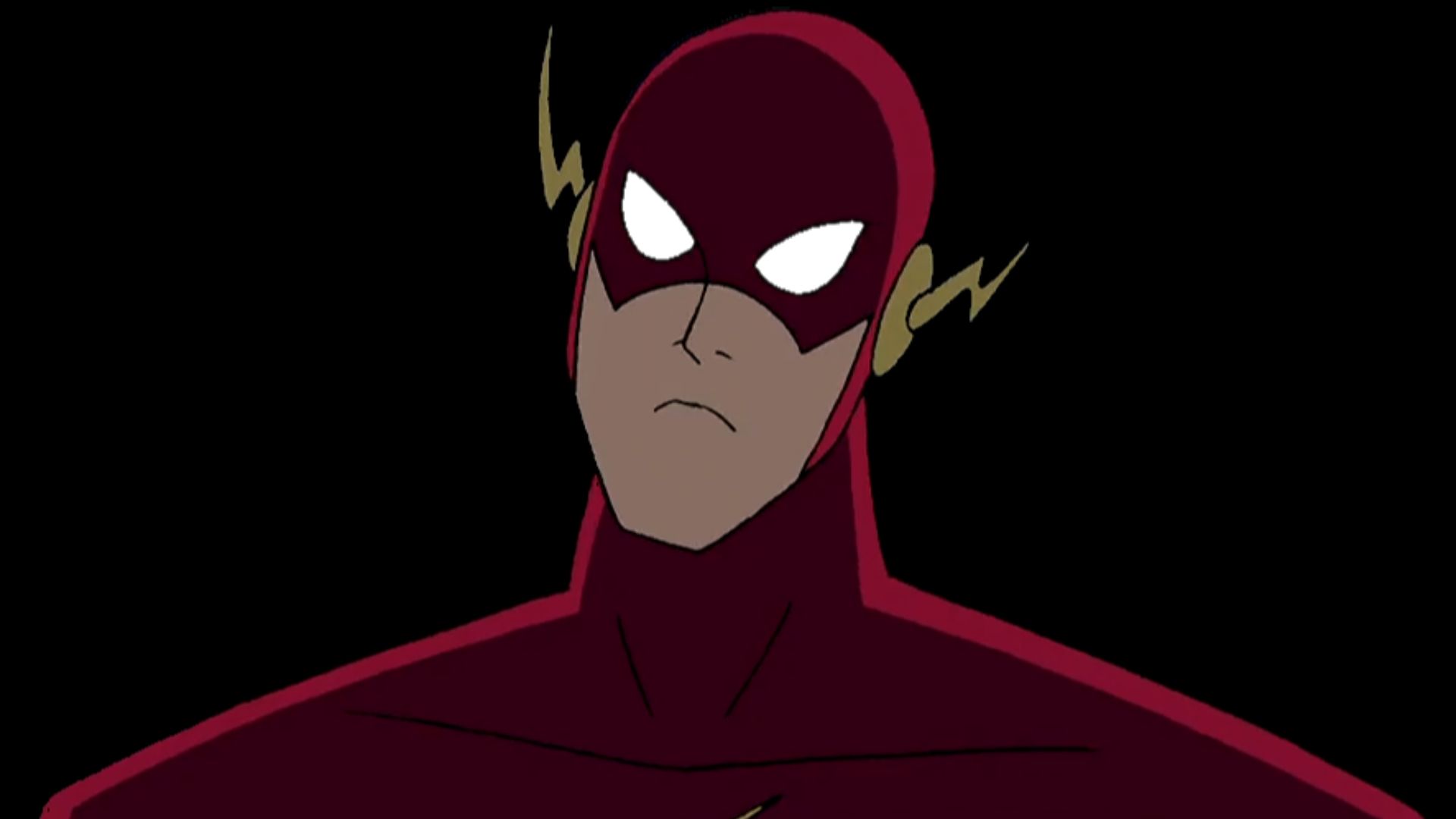
Speedsters time travel, rewrite events, and still manage to show up for the next team-up. Fans fix the chaos with a set of informal Speed Force rules, where some changes snap back, some create branches, and some become fixed points that even a speedster cannot safely alter. It’s cleaner than pretending every paradox disappears because the next arc needs to start.
9. Mutants Being Hated While Other Supers Get Merchandise
In the same city, one hero gets a parade and another gets a protest sign. Fans patch the difference by treating mutants as a demographic fear rather than a single celebrity problem, tied to replacement anxiety, prejudice, and propaganda that paints mutation as contagious or inevitable. That explanation matches the allegory the X-Men were built to carry.
10. Spider-Man’s Secret Identity Surviving A City Full Of Cameras
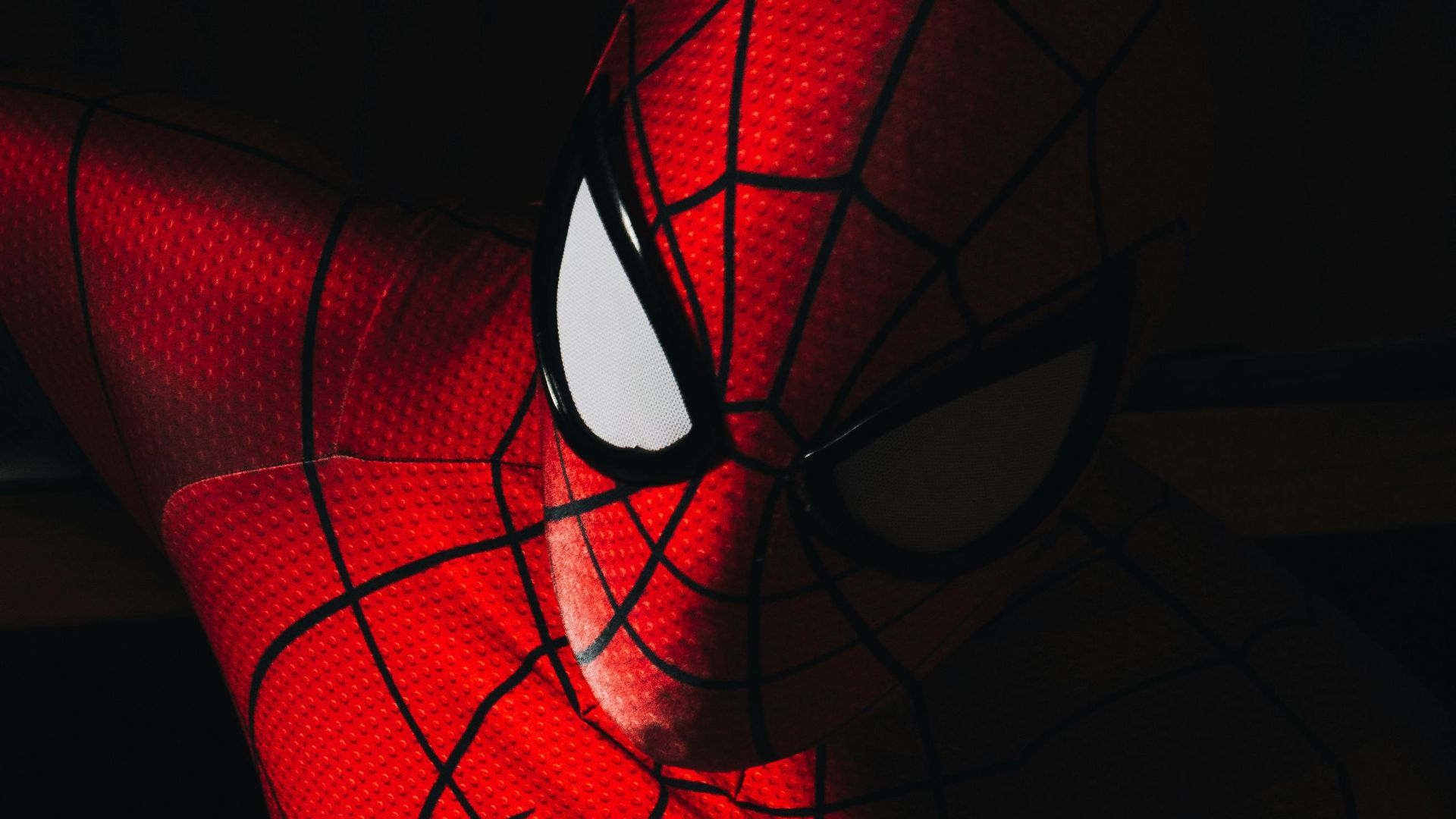
A mask is not magic, and Peter Parker spends a lot of time getting photographed, hit, and thrown through windows. Fans often patch this with the idea that chaos protects him, since New York is saturated with costumed people, bad footage, and constant misdirection from allies who quietly help. It feels more believable than assuming no one ever takes a clear picture.

11. Venom’s Weaknesses Changing Depending On The Writer
Sometimes sound and fire are instant defeat, and sometimes they barely matter. Fans patch it by treating symbiotes like living organisms that adapt, where hosts, exposure, and experience shift tolerance over time. That makes the inconsistency feel like biology instead of convenience.

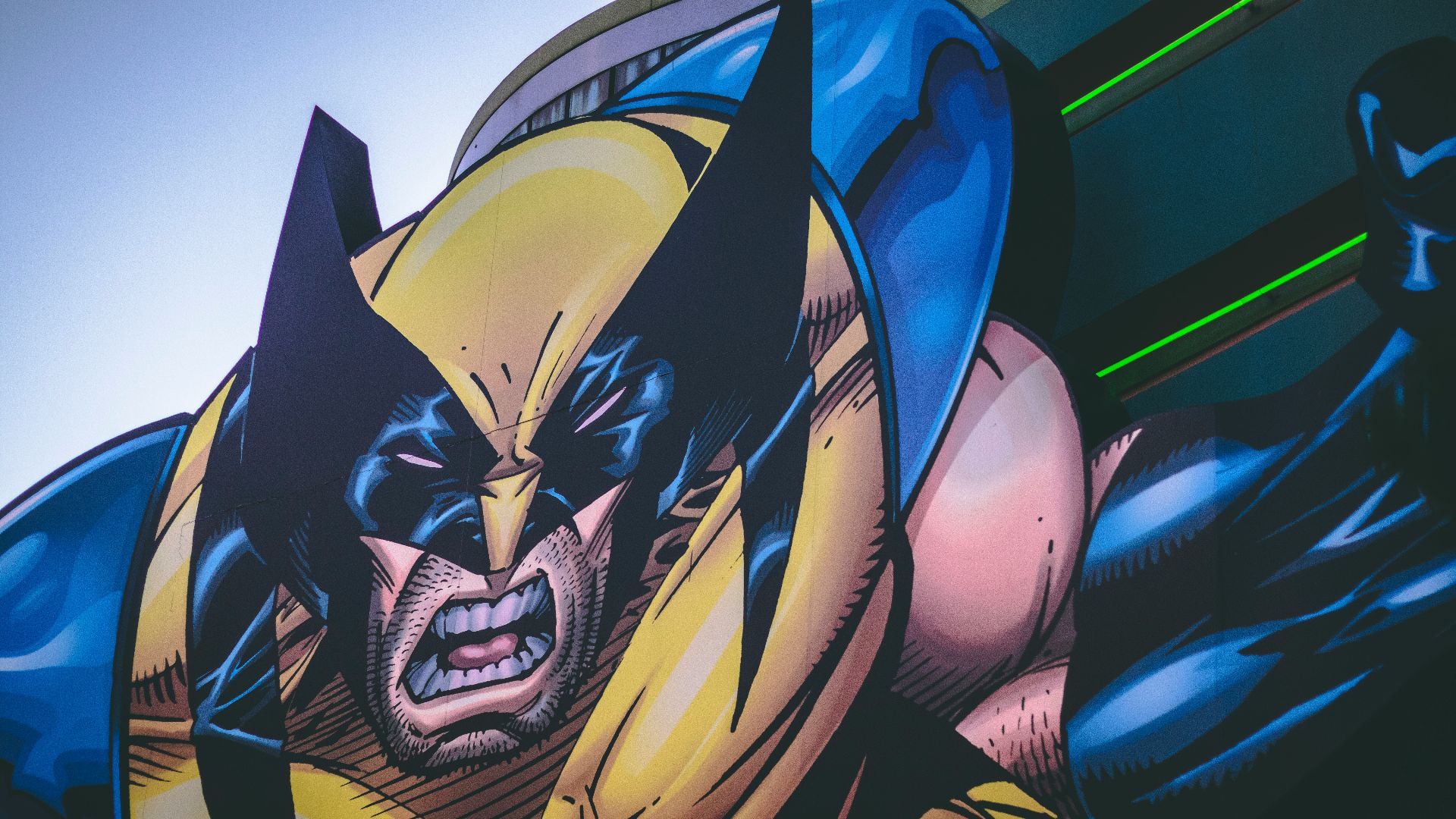
12. Wolverine Healing From Everything
Wolverine has survived injuries that stretch credibility, especially when the story wants a dramatic comeback. Fans often patch it by adding practical limits, arguing that he survives because some part of him remains intact enough to regenerate, and that the worst cases require time, luck, and outside help. It preserves the legend without turning him into an unkillable cartoon.
13. Characters Returning From The Dead
Death in comics is famous for being temporary, which can drain weight from any sacrifice. Fans patch this by treating resurrection as traumatic, with lingering psychological scars, altered relationships, and a sense that the world moved on without you. It gives death meaning again, even when the body comes back.

14. Bucky Barnes And Jason Todd Coming Back
Sidekicks returning from presumed death can feel like a betrayal of earlier stories. Fans patched these returns by framing them as identity ruptures, where the person who comes back is not simply restored, because memory manipulation, brainwashing, and lost years shape a new self. It’s a stronger story than a quick explanation and a costume change.

15. Hulk’s Intelligence Swinging From Genius To Toddler
Hulk has been a savage, a strategist, and everything in between, sometimes within a single run. Fans make it coherent by treating Hulk as a set of personalities linked to Bruce Banner’s trauma, where stress brings out different versions. That patch respects the character’s long history without forcing one definitive Hulk.

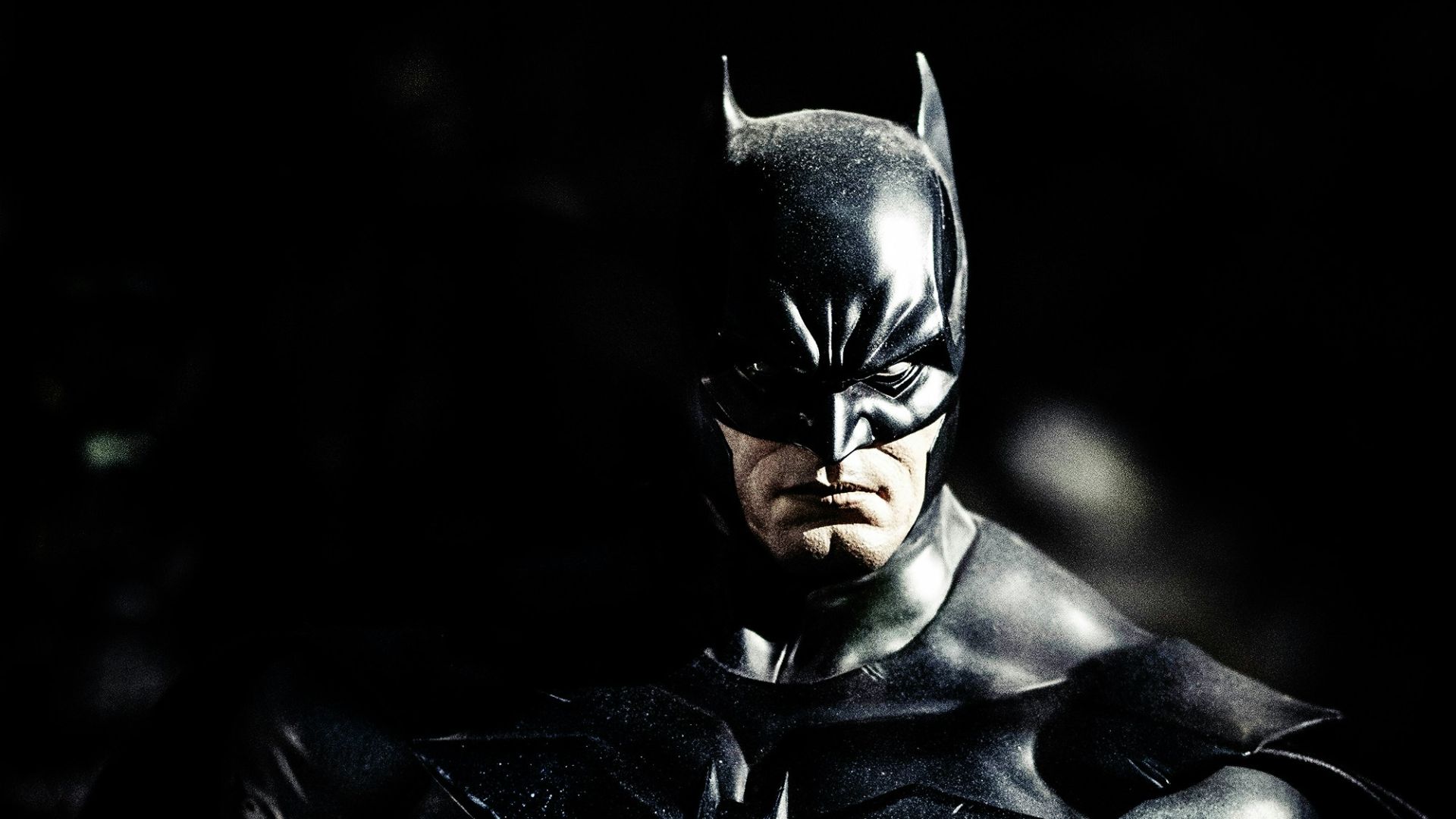
16. Batman Building Gadgets That Look Like Sci-Fi
Batman is supposed to be grounded, yet his tech can drift into impossible territory. Fans patch it by treating Gotham as a city with hidden pipelines to military contractors, black-market inventors, and Wayne Enterprises prototypes that never hit public release. It turns the gadgets into a plausible product of a larger ecosystem.
17. Doctor Strange And The Magic Community Never Fixing Everything
If magic can rewrite reality, then why does anyone struggle with anything for long. Fans patch it with costs and constraints, where magic has consequences, requires balance, and risks larger catastrophes when used casually. That helps the mystic side of the universe stay powerful without becoming a universal solve button.

18. Endless World-Ending Events That Leave Cities Basically Fine
One year the planet is nearly destroyed, and the next year everyone is back to buying coffee like nothing happened. Fans patch it by treating these events as unevenly experienced, with certain areas hit hardest, others insulated, and most people processing it as distant disaster unless it lands on their block. It matches how real societies compartmentalize crisis.

19. Heroes Refusing To Share Information That Would Save Lives
Crossovers make it obvious that a call or a meeting could prevent a tragedy, yet characters still act isolated. Fans patch it by focusing on trust, jurisdiction, and the sheer scale of coordination, where teams protect secrets because leaks have consequences and alliances are fragile. It’s a more human reason than pure plot convenience.

20. Continuity Errors That Multiply Across Decades
Contradictions pile up in long-running universes, from changed origin details to shifting relationships. Fans often patch it with layered history, where some stories are better treated as legends, some as partial truth, and some as retellings distorted by time, memory, or narrative framing. That approach lets you enjoy the whole library without demanding that every panel fits perfectly.