The Posts We’ll Never Admit To
The internet has a special way of making particular behaviors feel universal for about six months, then making them feel unmentionable for the rest of your life. Entire eras are preserved in screenshots, yet we still act surprised when an old post resurfaces and proves we were not, in fact, above the group mentality. Some of these phases were harmless fun, some were cringey with a side of genuine creativity, and some were messy because platforms rewarded attention over discernment. Here are 20 internet phases that lived loudly, then got quietly shoved into the mental attic.
1. Decorating Profiles Like A Craft Store Exploded
There was a time when a profile page wasn’t a page so much as a collage, complete with glittery backgrounds and unreadable fonts. You could barely find the actual information, yet we all acted like visual chaos was a personality and slow loading was a vibe.
2. MySpace Top 8 Diplomacy
Ranked friendship turned into a weekly political crisis, and everyone learned to interpret a Top 8 change like it was a public statement. The worst part was how normal it felt to reshuffle people for social strategy, then act offended when someone noticed.

3. Auto-Playing Profile Songs
Music started blaring the moment a page loaded, usually at full volume, usually at the least convenient moment. We acted like forcing a visitor to hear your current obsession was tasteful self-expression instead of a jump scare with a soundtrack.

4. AIM Away Messages As Micro-Blogging
Away messages became little status updates before status updates were a thing, and people wrote them like someone was definitely reading. Song lyrics, passive-aggressive lines, and a carefully timed brb were treated like communication, even when nobody actually needed to know.
5. Chain Emails That Promised Bad Luck
Forward this to ten people or the universe will punish you was a concept adults participated in with a straight face. It worked because everyone was slightly superstitious and slightly bored, which is basically the fuel source for half the early internet.
6. The Era Of Email Signatures With Inspirational Quotes
People ended messages like they were closing a commencement speech, even when the email was about scheduling. The quote was usually attributed to someone famous whether or not they said it, and the vibe was confidence that nobody would question it.
7. Facebook Pokes And Other Low-Stakes Menaces
Poking was flirtation, boredom, and mild harassment rolled into one tiny button. The whole point was plausible deniability, because you could always act like it meant nothing while clearly trying to be noticed.
8. FarmVille And The Age Of Public Digital Chores
Feeds became a parade of crops, livestock, and requests for help that felt oddly urgent for something that wasn’t real. It turned social networks into a work schedule, and we accepted it because it came with cute icons and the illusion of productivity.

9. Checking In Everywhere Like It Was A Flex
Foursquare and similar habits made people broadcast their location constantly, as if being at a café proved you had a life. It felt fun until it started feeling like surveillance you volunteered for, plus the quiet pressure to appear busier than you were.
10. Early Instagram Filters That Made Everything Look Burnt
A sandwich could look like a moody art project if you slapped the right filter on it. We leaned hard into heavy contrast and warm tinting, and for a while, it seemed normal to make everyday life look vaguely vintage and slightly dehydrated.
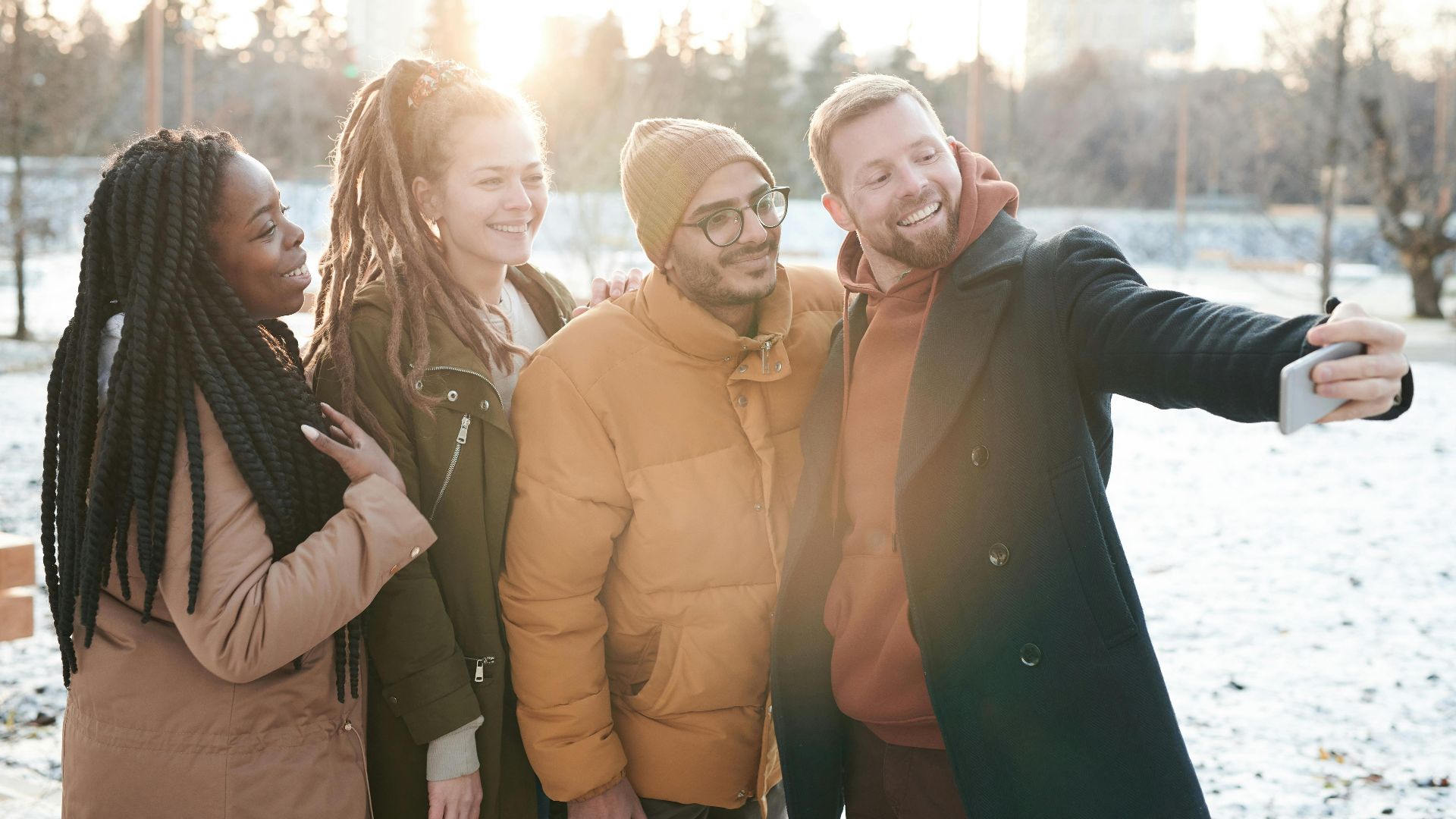
11. The Duck Face Photo Era
A specific face became a default pose, and it spread so far that people did it ironically while still doing it. It was a perfect combination of camera insecurity and trend obedience, with the bonus of pretending it was spontaneous.
 Apostolos Vamvouras on Unsplash
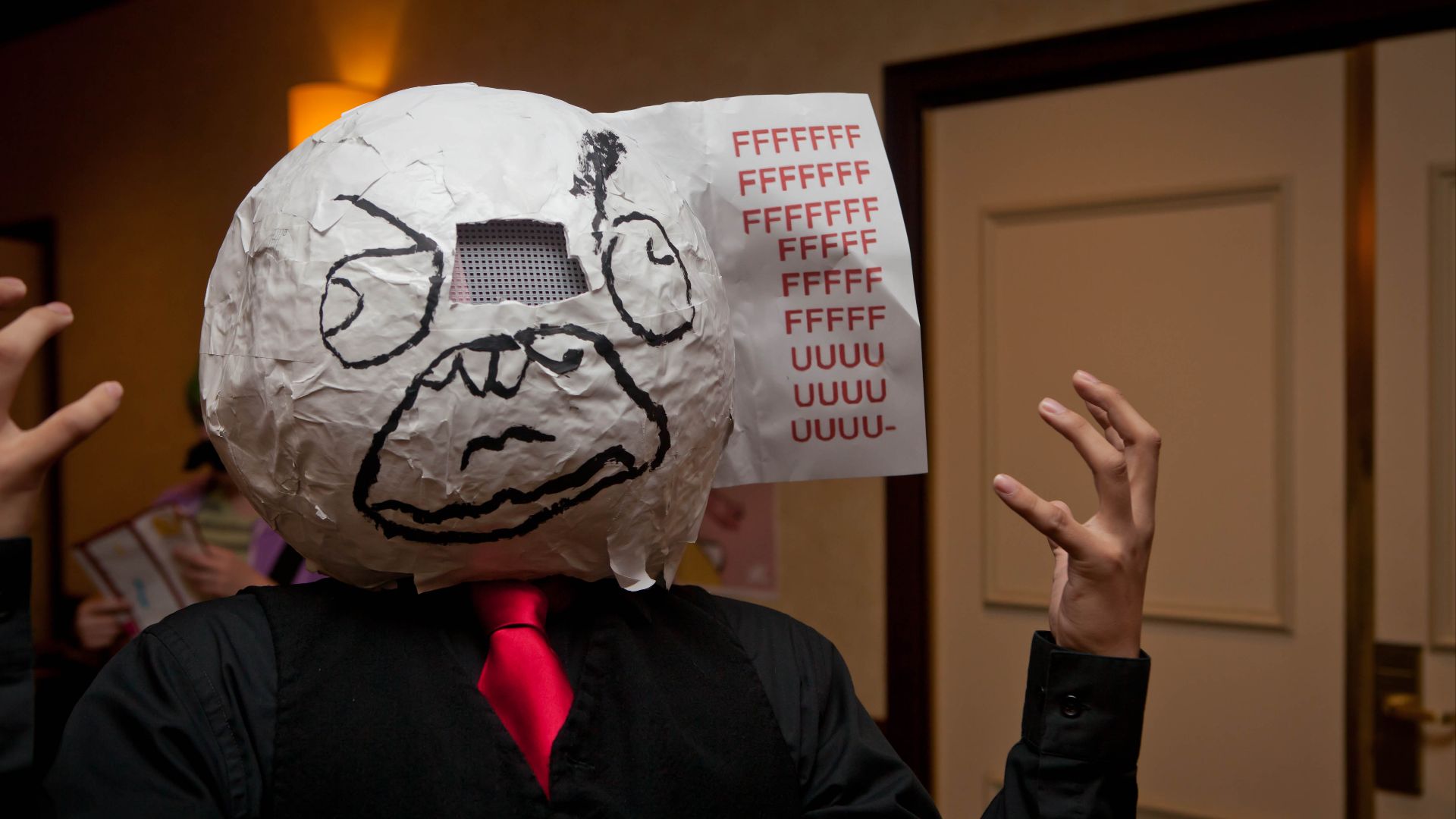
12. Rage Comics And The Great Meme Face Flood
Simple drawings with recycled faces became a whole language, and everyone learned the same handful of expressions. The humor aged fast, yet at the time it felt like being in on an inside joke that half the internet shared.
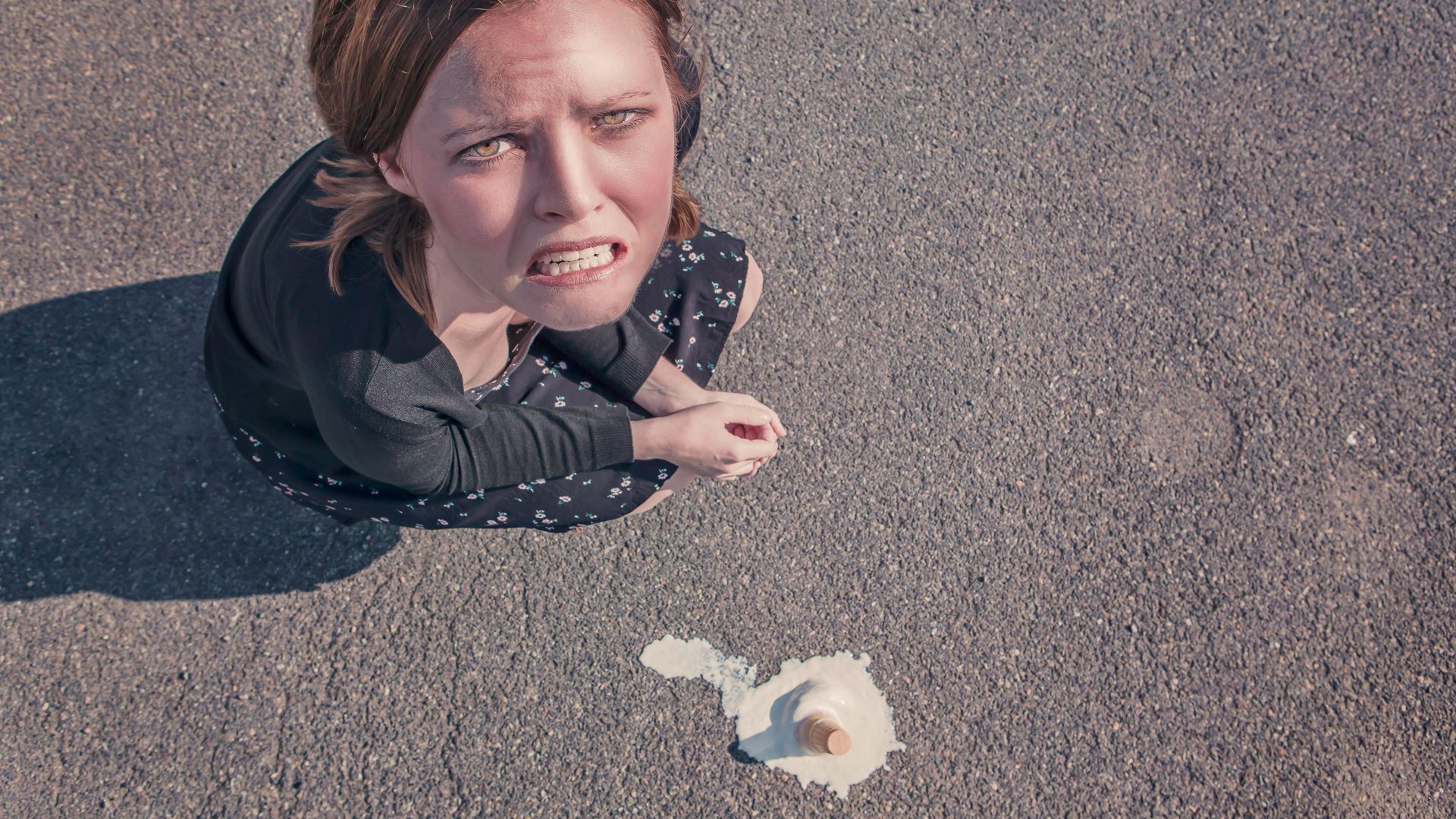
13. Saying Epic Fail Like It Was A Diagnosis
People narrated everyday mistakes with dramatic internet slang, and it somehow became normal workplace vocabulary. The tone was smug even when you were describing your own mess, because the phrase came with built-in distance from embarrassment.
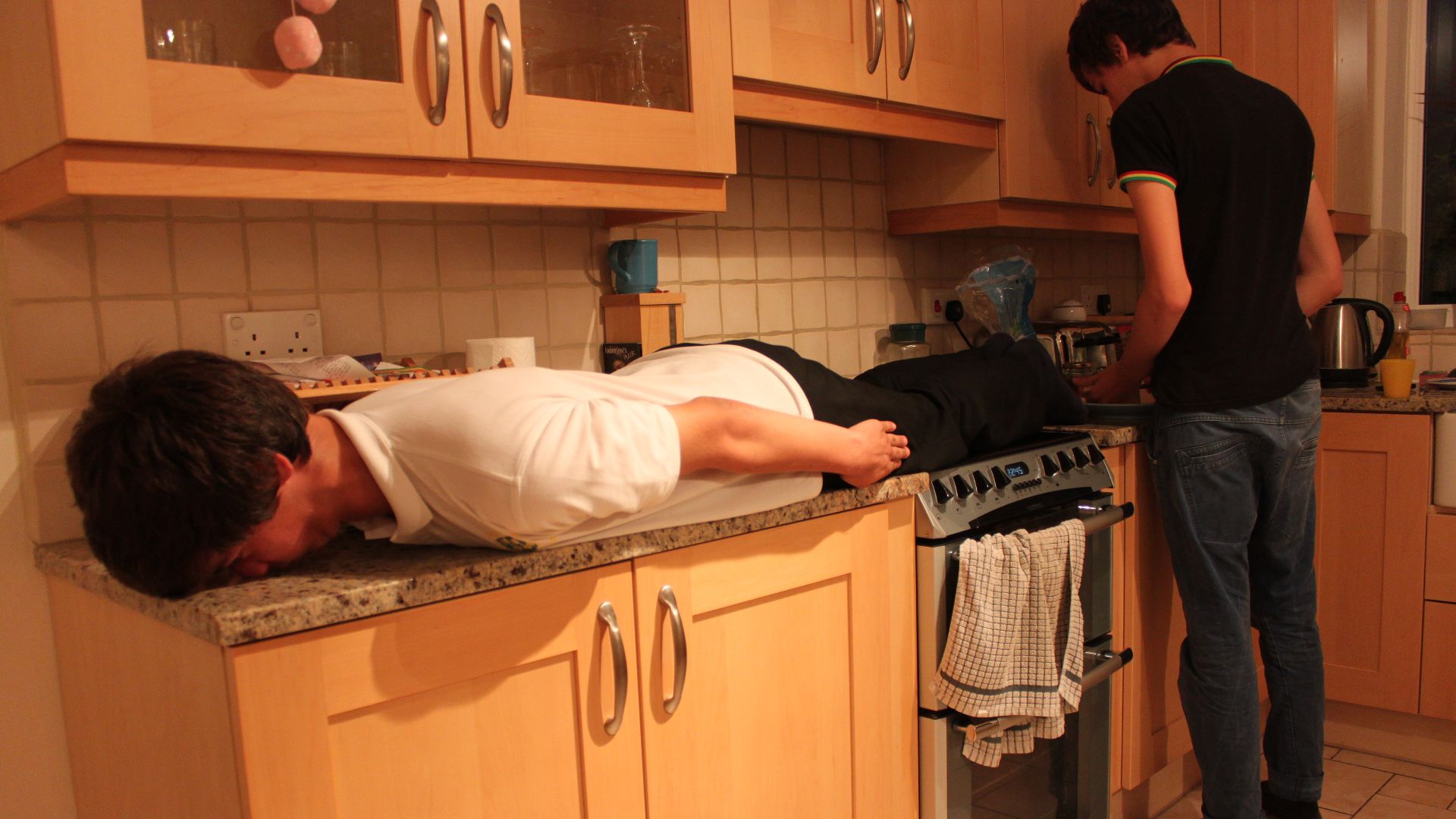
14. Planking As A Personality Trait
Lying stiffly on random objects became a group activity, and photos served as proof you were fun in the approved way. It was a prank with no prank, just commitment to a pose and the shared agreement that this counted as a moment.
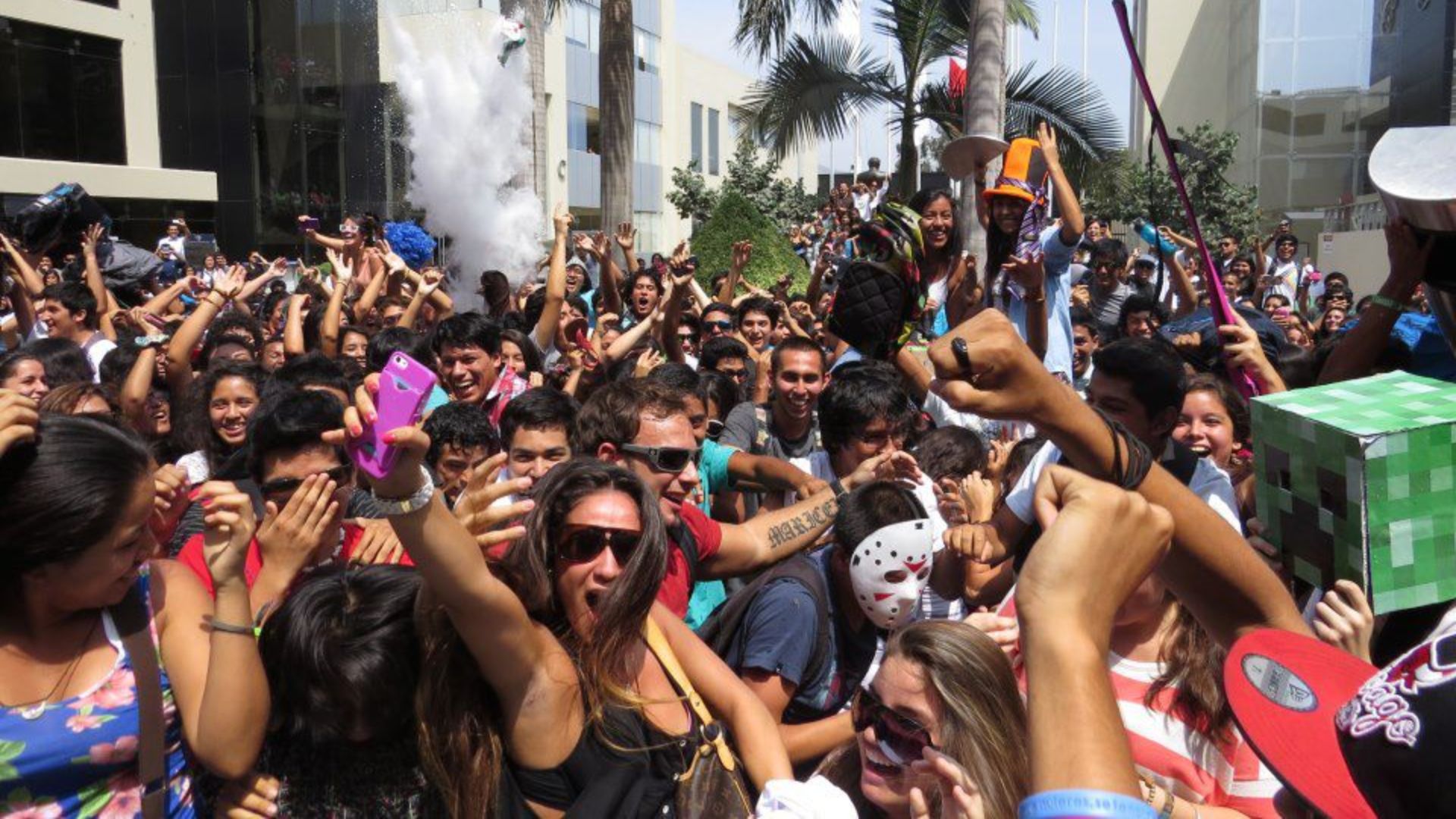
15. The Harlem Shake Video Assembly Line
For a brief stretch, every office, dorm, and friend group produced the same video structure with slightly different costumes. The funniest part was how everyone acted like their version was original, even though the template was the whole point.
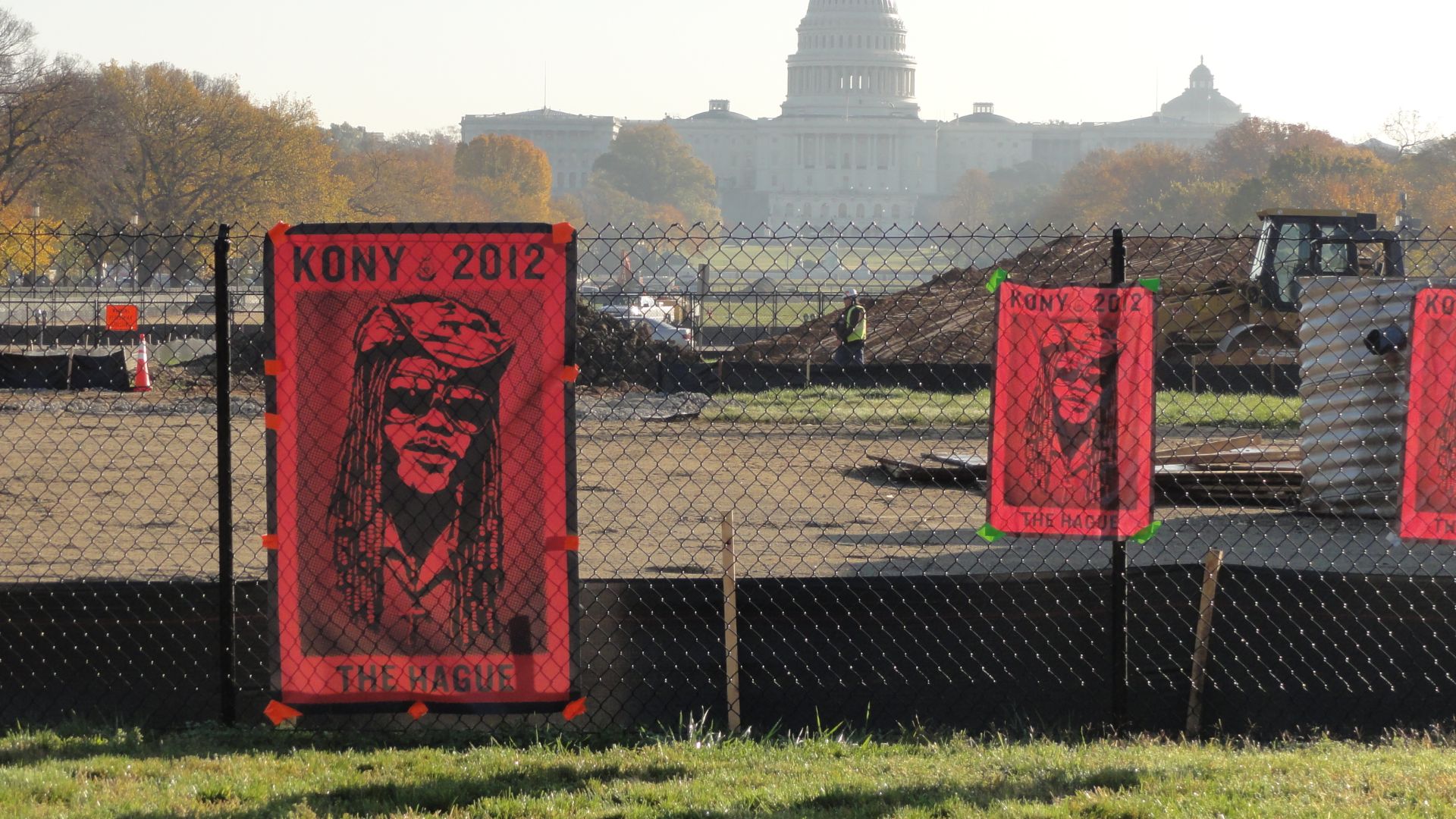
16. Viral Advocacy That Moved Faster Than Understanding
Some campaigns spread with incredible speed, and the sharing itself became the main action. The impulse often came from a good place, yet the internet rewarded simplified narratives, and a lot of people learned later that awareness without context can turn into noise.
 Uncommon fritillary on Wikimedia
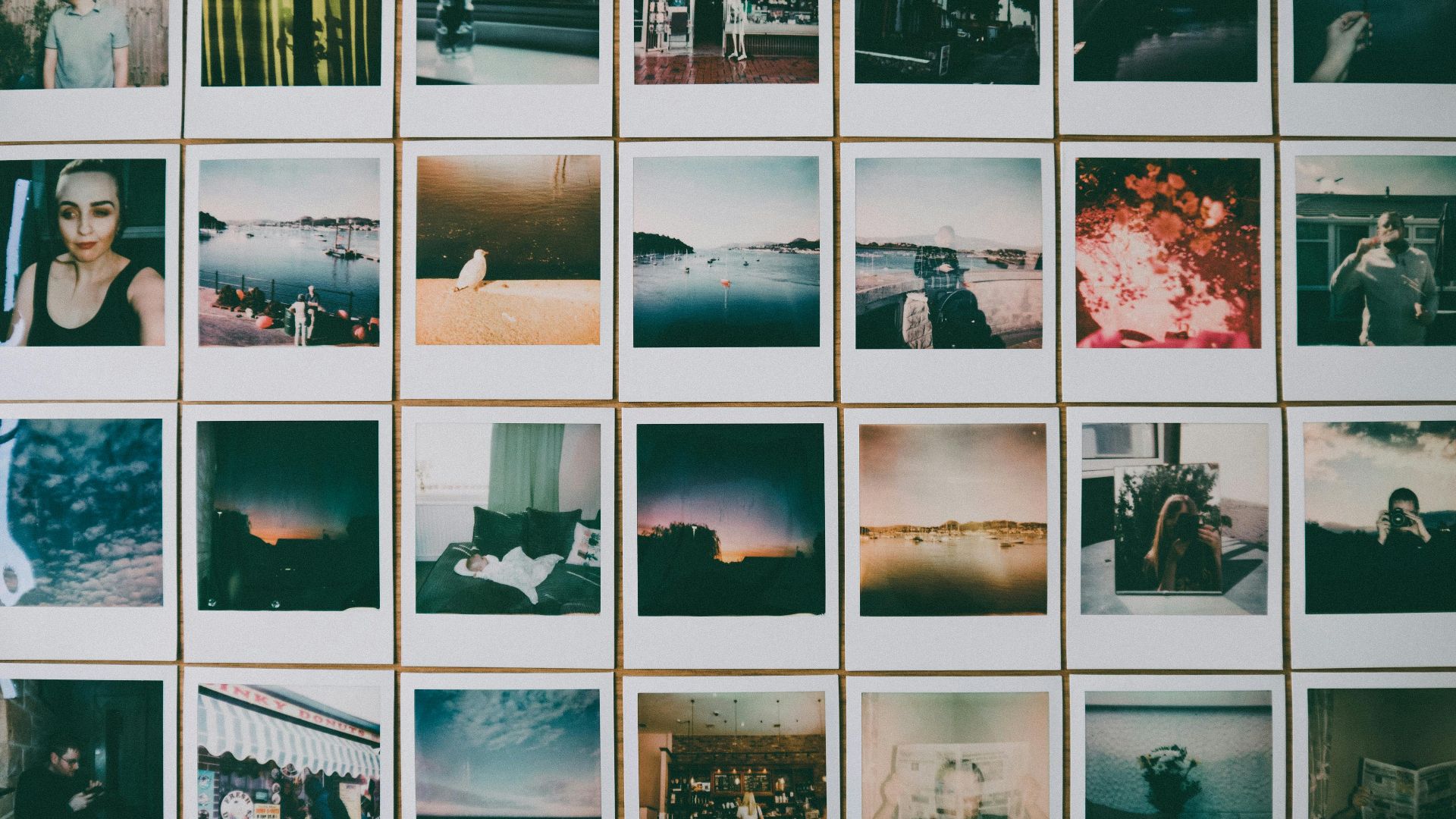
17. Tumblr Aesthetics That Turned Life Into A Mood Board
Feeds filled with washed-out photos, short lines of text, and a sense that sadness could be curated. It wasn’t only teen angst, it was a whole style of presenting yourself as a feeling, then measuring your worth by notes and reblogs.
18. Pinterest Everything, Especially Mason Jar Anything
The internet convinced people that every event needed a theme and every theme needed a craft project. Mason jars showed up at weddings, in kitchens, and on desks, and the look became so widespread that it stopped feeling charming and started feeling mandatory.

19. The Viral Challenge Era That Would Not Quit
One challenge would pop off, then ten more would follow, each trying to outdo the last with a mix of sincerity and thirst for attention. Some were tied to real causes and did real good, and others were mostly a way to get filmed doing something questionable in public.

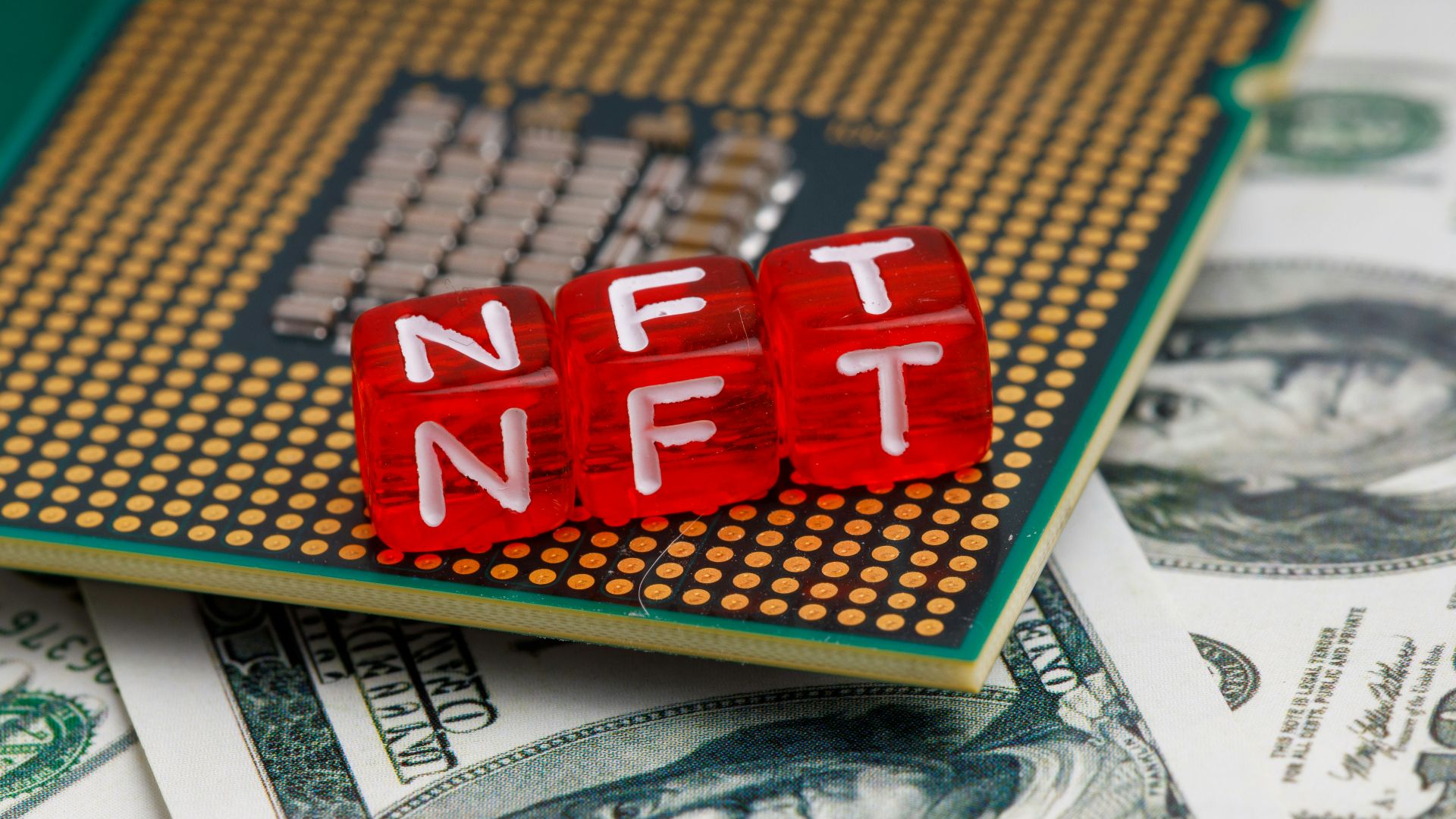
20. NFTs As Profile Pics And The Sudden Expert Economy
A wave of people became overnight collectors, analysts, and evangelists, usually with a lot of confidence and not much patience for skepticism. The social layer was the strangest part, since owning a specific image became a status signal and a debate starter, even among people who had never cared about digital ownership before.