

Some Mobile Games Are Impossible to Put Down
Mobile games have a unique ability to weave themselves into everyday routines, often filling small pockets of time that add up quickly. The most addictive titles don’t rely purely on visuals or novelty, but on carefully tuned reward systems, progression loops, and emotional hooks. Over time, they stop feeling like distractions and start feeling like habits. These games mastered that formula so well that they changed how people interact with their phones. Here are the 20 most addictive mobile games of all time.

1. Candy Crush Saga
Released in 2012, Candy Crush Saga quickly became one of the most recognizable mobile games in the world. Its match-three mechanics are simple enough for anyone to grasp, yet the difficulty increases in a way that feels personal. Near-miss outcomes make players feel like success is always just one move away. That emotional push keeps people playing far longer than they planned. Regular updates ensure the experience never truly ends.

2. Angry Birds
Angry Birds transformed slingshot physics into a global obsession. Each level feels like a puzzle that rewards experimentation and precision. Failing rarely feels final because players believe they can do better next time. The star-based scoring system adds an extra layer of motivation. Its humor and charm soften the frustration just enough to keep players engaged.
 Miguel Discart from Bruxelles, Belgique on Wikimedia
3. Clash of Clans
Clash of Clans thrives on long-term investment rather than quick wins. Base-building mechanics require time, which subtly encourages frequent check-ins throughout the day. Clan participation adds social accountability that keeps players active, and strategic planning creates emotional attachment to progress. This blend of patience and competition fuels its lasting appeal.

4. Subway Surfers
Subway Surfers uses endless gameplay to remove natural stopping points. Bright visuals and fast movement keep the experience stimulating. Each run feels unpredictable, which heightens engagement. Players often convince themselves the next run will be better, and that loop makes quitting surprisingly difficult.

5. Pokémon GO
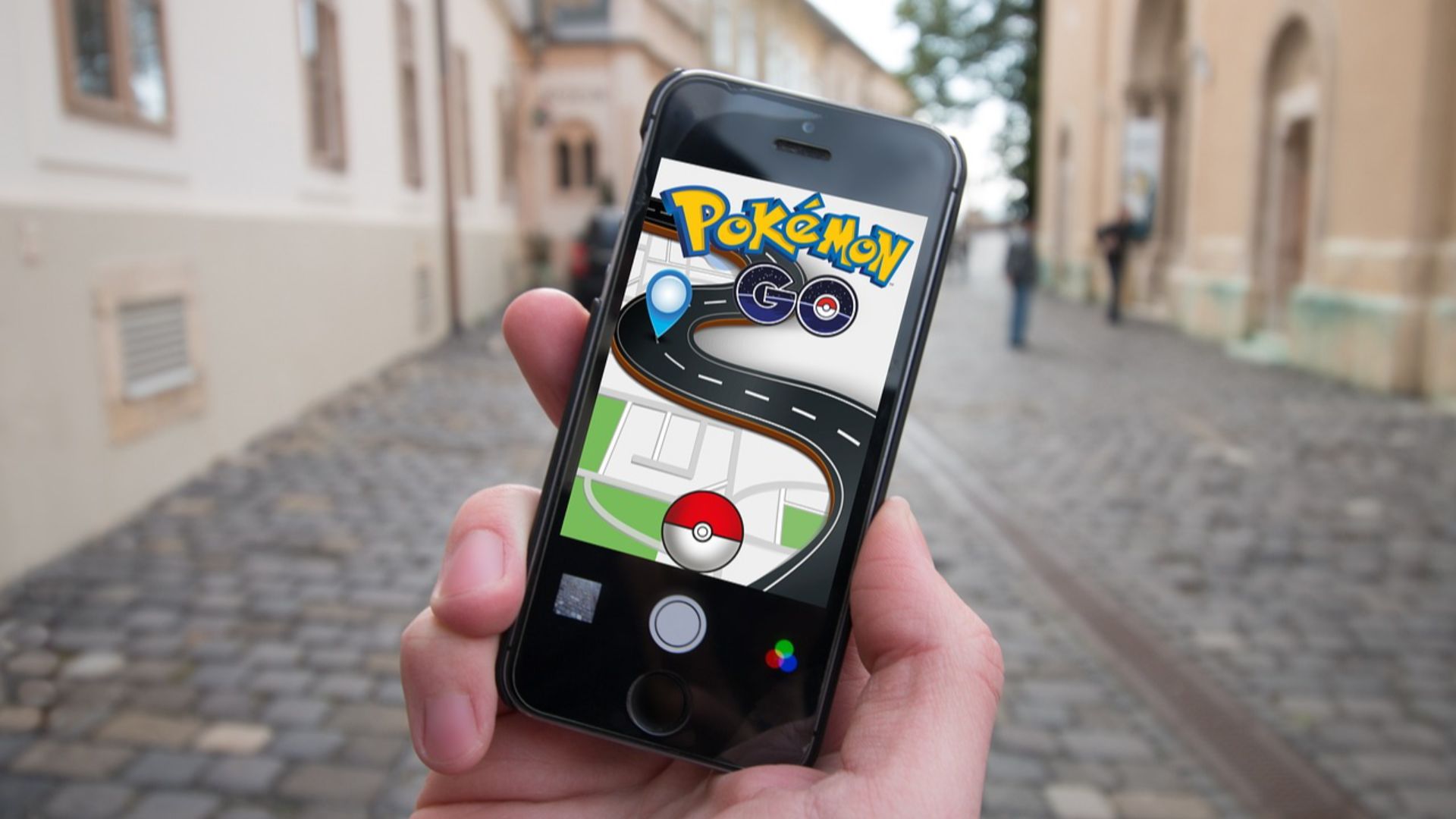
Pokémon GO changed mobile gaming by tying progress to physical movement. Exploring real-world locations adds novelty that doesn’t fade quickly. Limited-time events create urgency and fear of missing out. Collecting rare Pokémon becomes a long-term pursuit, and the game turns daily life into a continuous gameplay loop.
6. Flappy Bird
Flappy Bird became famous for its punishing difficulty and simplicity. Each failure feels frustratingly avoidable, which fuels repeated attempts. Improvement happens slowly, making progress feel meaningful. The game’s minimal design removes distractions. That harsh feedback loop is what made it so hard to stop.

7. Temple Run
Temple Run helped define the endless runner genre on mobile. Intuitive swipe controls make the game immediately accessible, and increasing speed demands constant focus and quick reflexes. Players become obsessed with beating their previous scores.

8. Among Us
Among Us thrives on social dynamics rather than complex mechanics. Each match feels different based on player behavior and deception. Suspicion and surprise keep emotions running high, as the game encourages immediate rematches to settle grudges or test strategies. That unpredictability makes sessions stack effortlessly.

9. Hay Day
Hay Day uses real-time farming mechanics to build routine engagement. Crops and resources take time to produce, encouraging regular check-ins. The calm presentation masks a deeply strategic progression system. Players grow attached to their farms over time, and this sense of ownership keeps them returning.

10. Genshin Impact
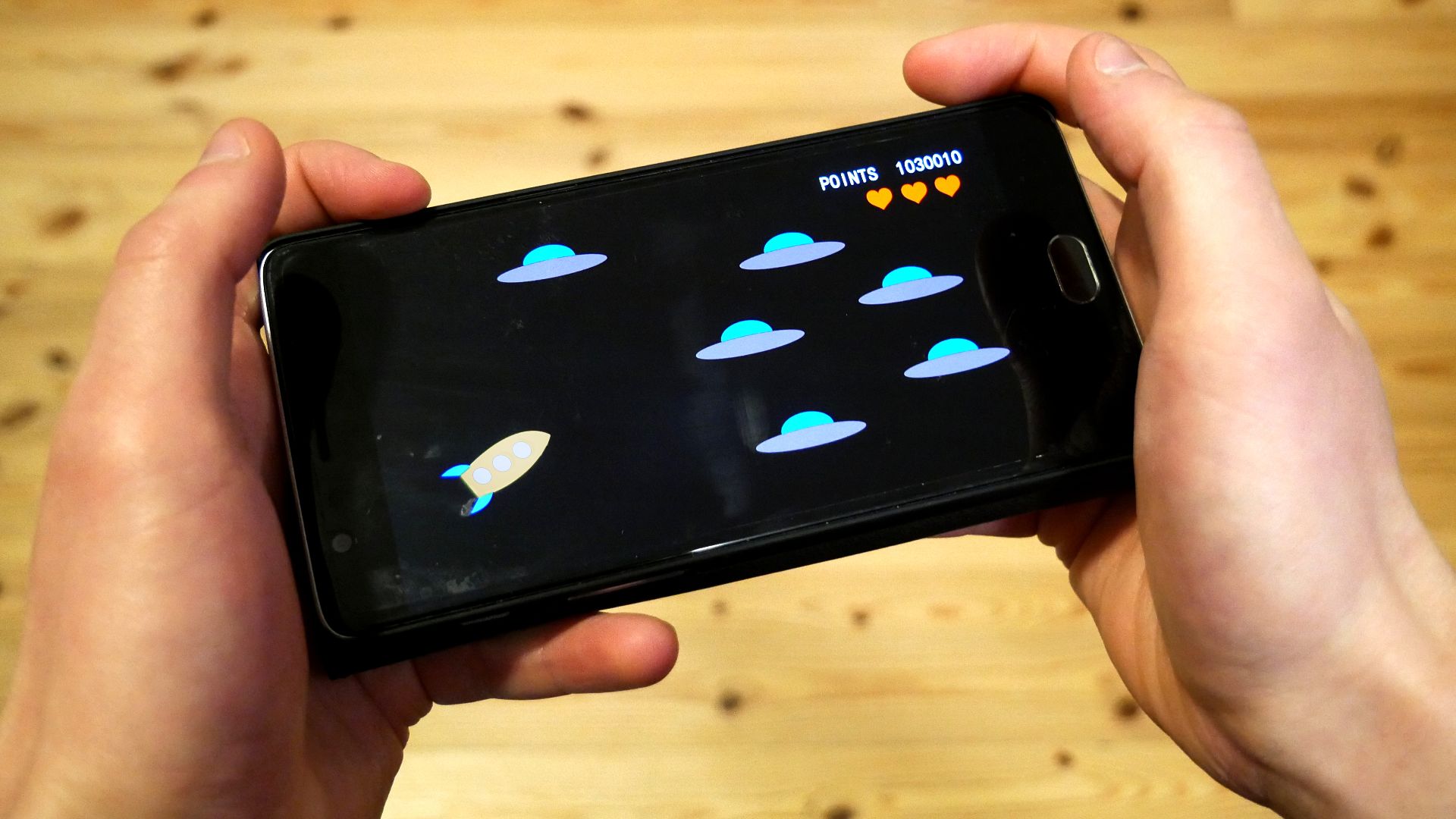
Genshin Impact set a new standard for mobile game scope and polish. Its open world invites long exploration sessions. Daily quests and limited-time events encourage habitual play. Character collection taps into reward anticipation psychology.
 Santeri Viinamäki on Wikimedia
11. Fruit Ninja
Fruit Ninja succeeds through immediate tactile satisfaction. Swiping fruit feels rewarding on a sensory level, and short rounds encourage repeated play without fatigue. Mastery comes through rhythm and accuracy. Players often replay simply to chase a perfect run.

12. Call of Duty: Mobile
Call of Duty: Mobile brought console-style shooting to handheld devices successfully. Fast matchmaking removes friction between sessions. Progression systems reward consistent engagement and competitive modes heighten emotional investment. Skill improvement keeps players coming back.

13. Plants vs. Zombies
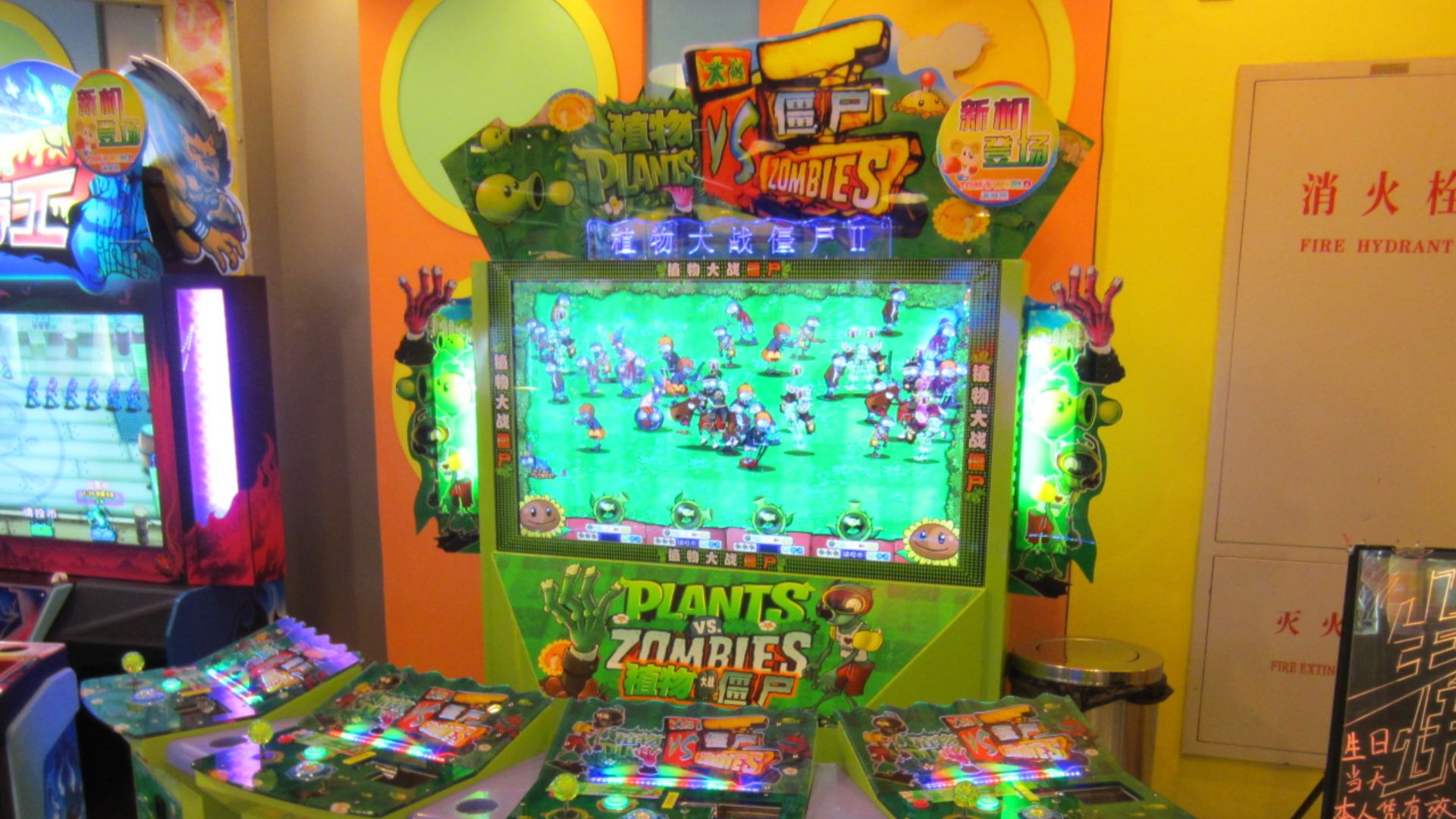
Plants vs. Zombies balances strategy with humor and charm. Each level introduces new mechanics that keep the experience fresh. Difficulty increases at a steady pace that encourages experimentation and replayability comes from refining strategies. Its design rewards thoughtful planning.
14. Words With Friends
Words With Friends thrives on asynchronous social competition. Turn-based gameplay keeps it present without demanding long sessions. Personal rivalries add emotional stakes and the game becomes part of daily communication.

15. Roblox
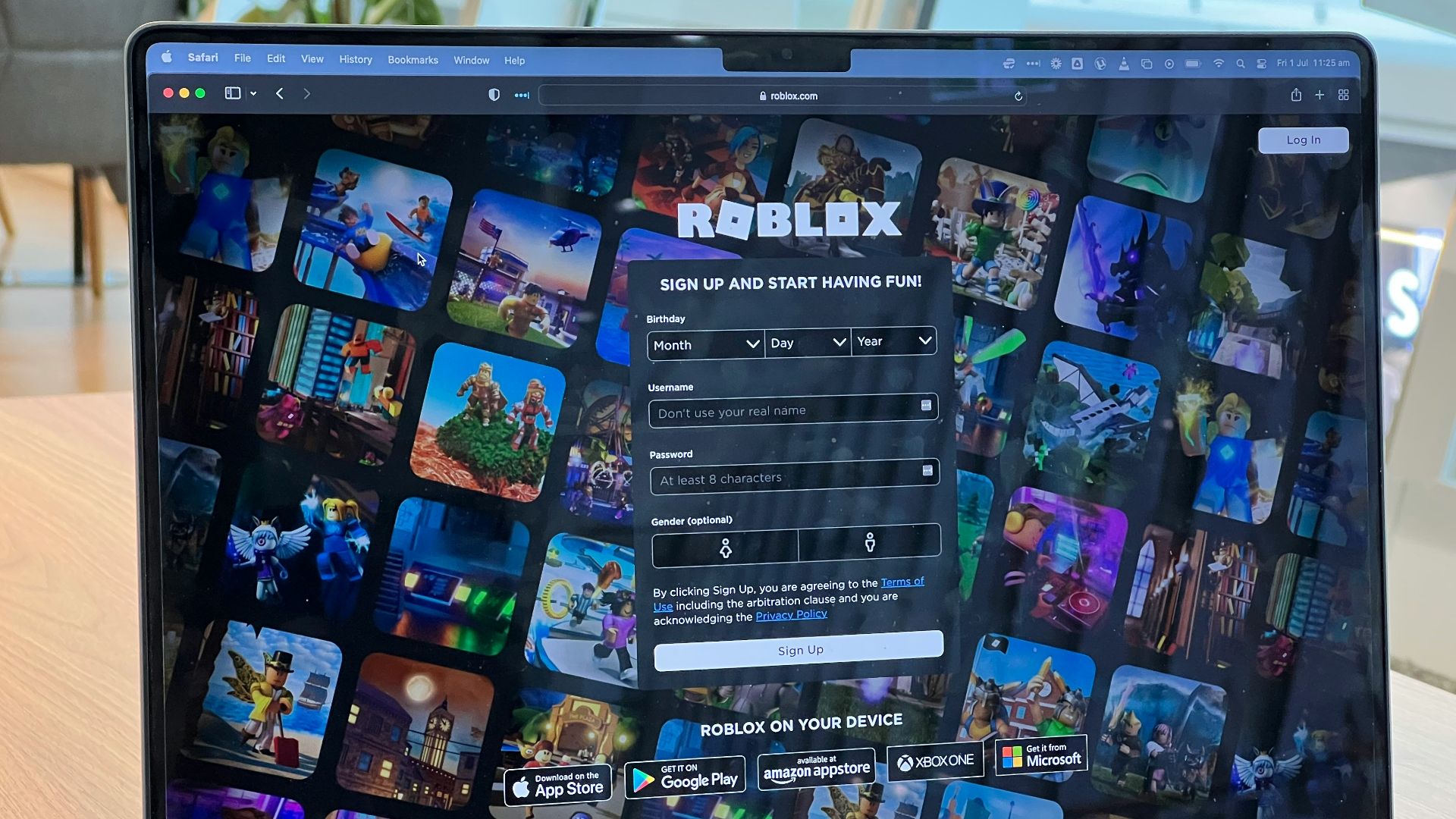
Roblox functions more as a platform than a single game. Endless user-generated content ensures constant novelty. Social interaction plays a major role in retention and players rarely exhaust available experiences. That variety makes disengagement unlikely.
 Oberon Copeland @veryinformed.com on Unsplash
16. 8 Ball Pool
8 Ball Pool delivers fast-paced competitive matches that reward skill. Physics-based mechanics feel fair and satisfying and ranking systems encourage continuous improvement. Short match lengths invite repeated play, making mastery its own reward.

17. Hill Climb Racing
Hill Climb Racing blends physics with progression-driven gameplay. Each vehicle offers a different challenge. Upgrade systems incentivize grinding without feeling forced. Small improvements feel meaningful as players often chase incremental gains.

18. Monument Valley
Monument Valley stands out for its artistic design and thoughtful puzzles. Each level feels carefully crafted. Emotional satisfaction replaces competitive pressure and players often replay simply to appreciate the visuals. Its impact lingers beyond completion.

19. PUBG Mobile
PUBG Mobile successfully translated battle royale gameplay to mobile devices. Large-scale matches create intense emotional highs. Survival mechanics make each round unpredictable.
20. Crossy Road
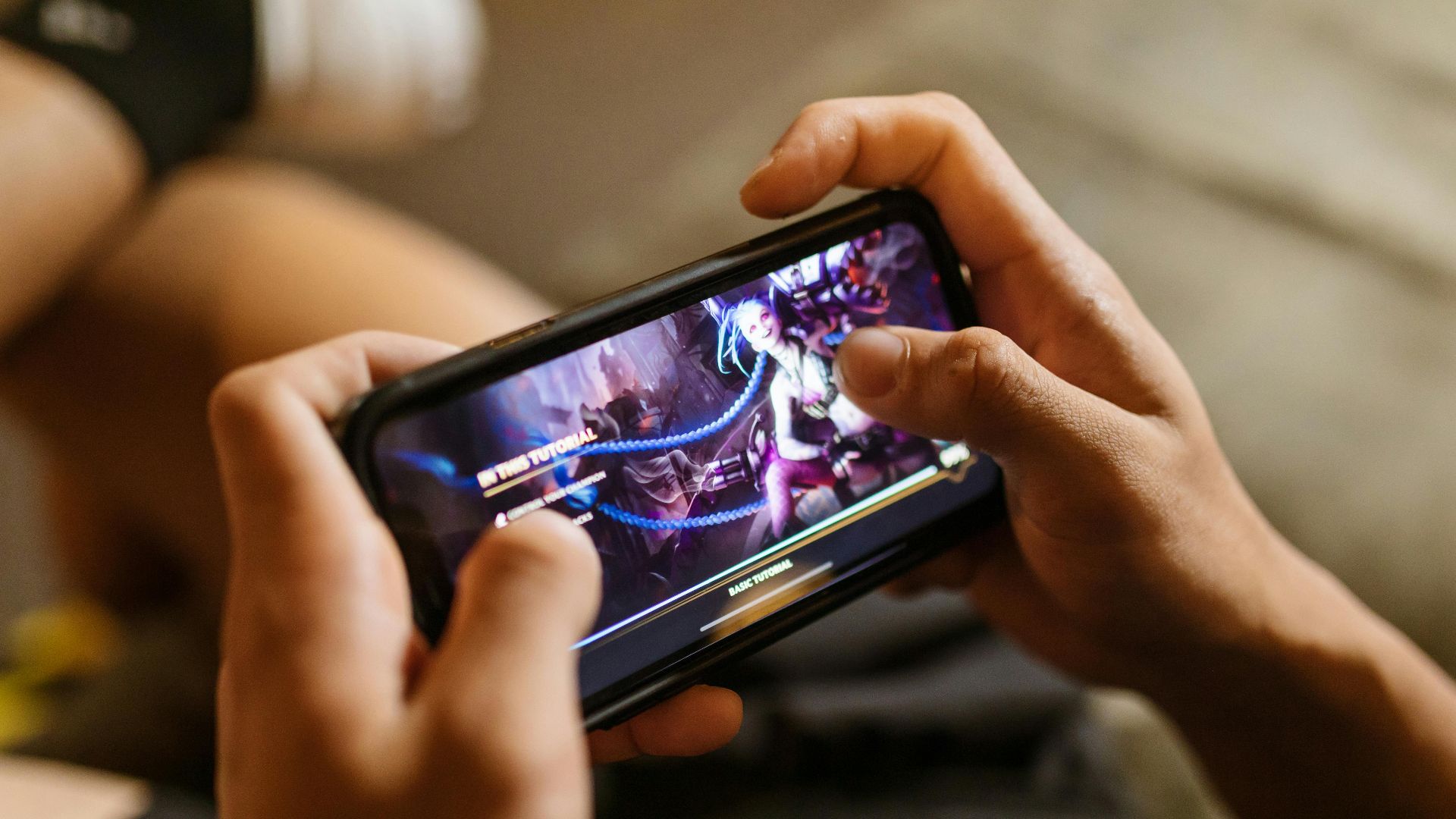
Crossy Road modernized the endless arcade formula for mobile audiences. Randomized environments keep each run feeling fresh and simple controls lower the barrier to entry.