When Ambition Outpaced Reality
Gaming hardware history isn’t just a parade of beloved consoles and smart innovations. It’s also shaped by ambitious devices that launched with confidence but collapsed under poor execution, bad timing, or unclear purpose. Some flops failed immediately, while others faded slowly despite early hype. Each of these systems shows how risky hardware decisions can be when vision outpaces reality. Here are the 20 biggest flops in gaming hardware history.

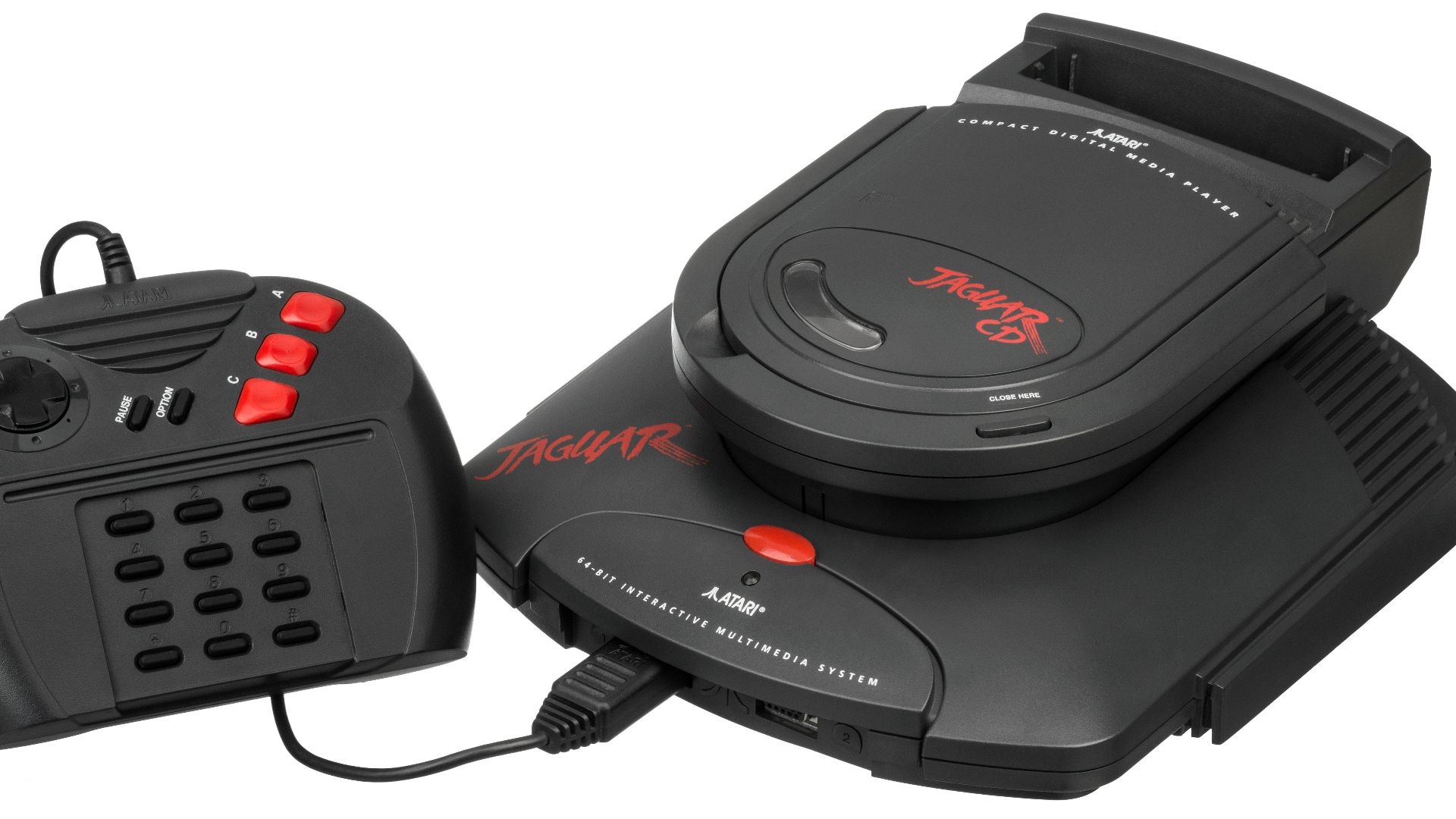
1. Atari Jaguar
Marketed as the first 64-bit console, the Atari Jaguar promised cutting-edge performance. Its unusual architecture confused developers and limited third-party support. The controller didn’t help, featuring an unwieldy keypad design. With few standout games, consumers struggled to see its value. The Jaguar became a symbol of Atari’s final decline.
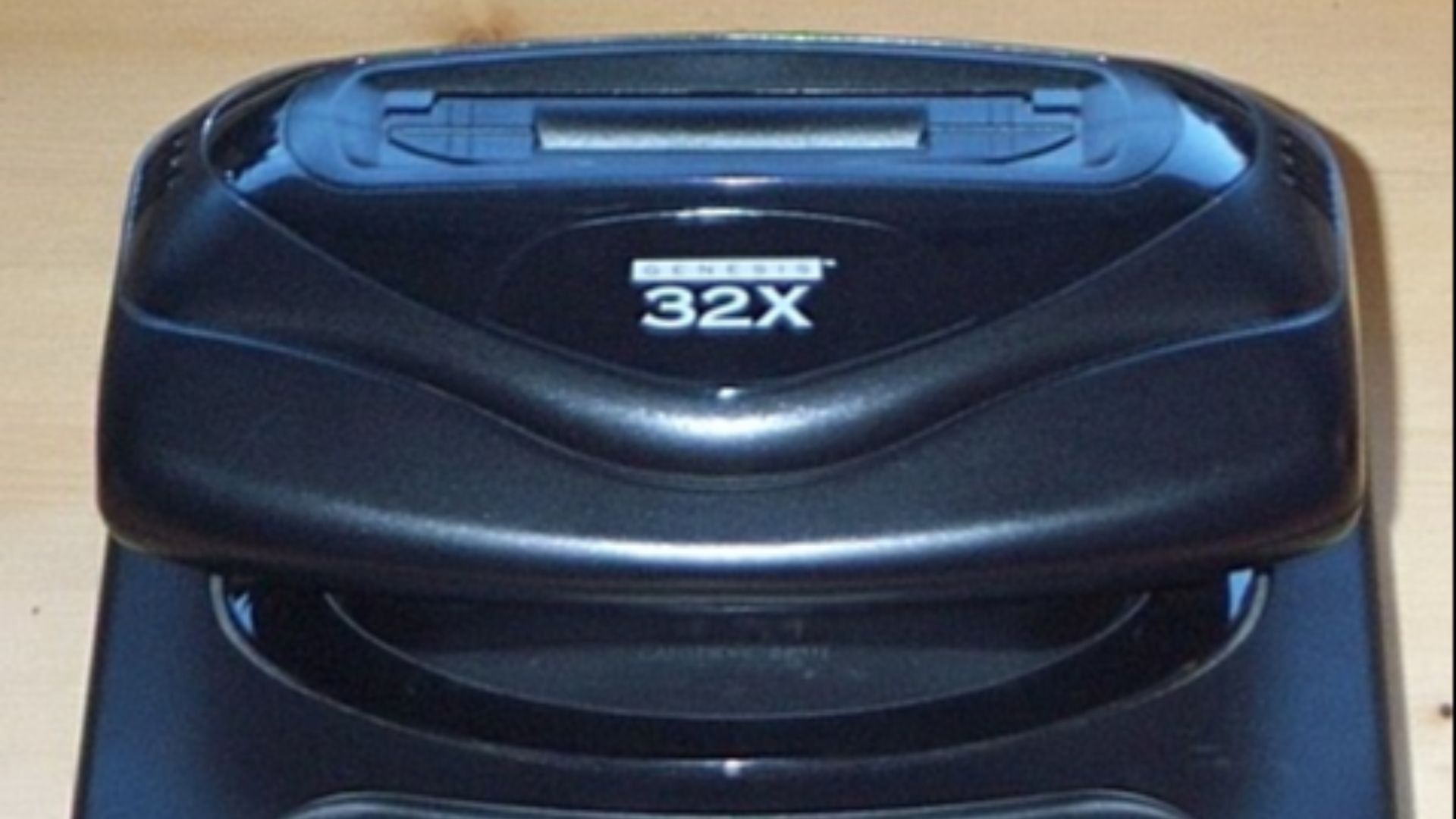
2. Sega 32X
The Sega 32X was designed as a bridge between generations. Instead, it fractured Sega’s already crowded hardware lineup. Developers hesitated to invest in such a short-term add-on. The result was a shallow library and frustrated customers. Its failure damaged trust in Sega’s long-term plans.
 User Eike on en.wikipedia on Wikimedia
3. Virtual Boy
Nintendo’s Virtual Boy attempted to introduce immersive 3D gaming. The red-and-black display caused eye strain and headaches for many players. Its tabletop design limited portability and comfort. Games were simplistic and repetitive, leading to Nintendo quietly discontinuing them within a year.

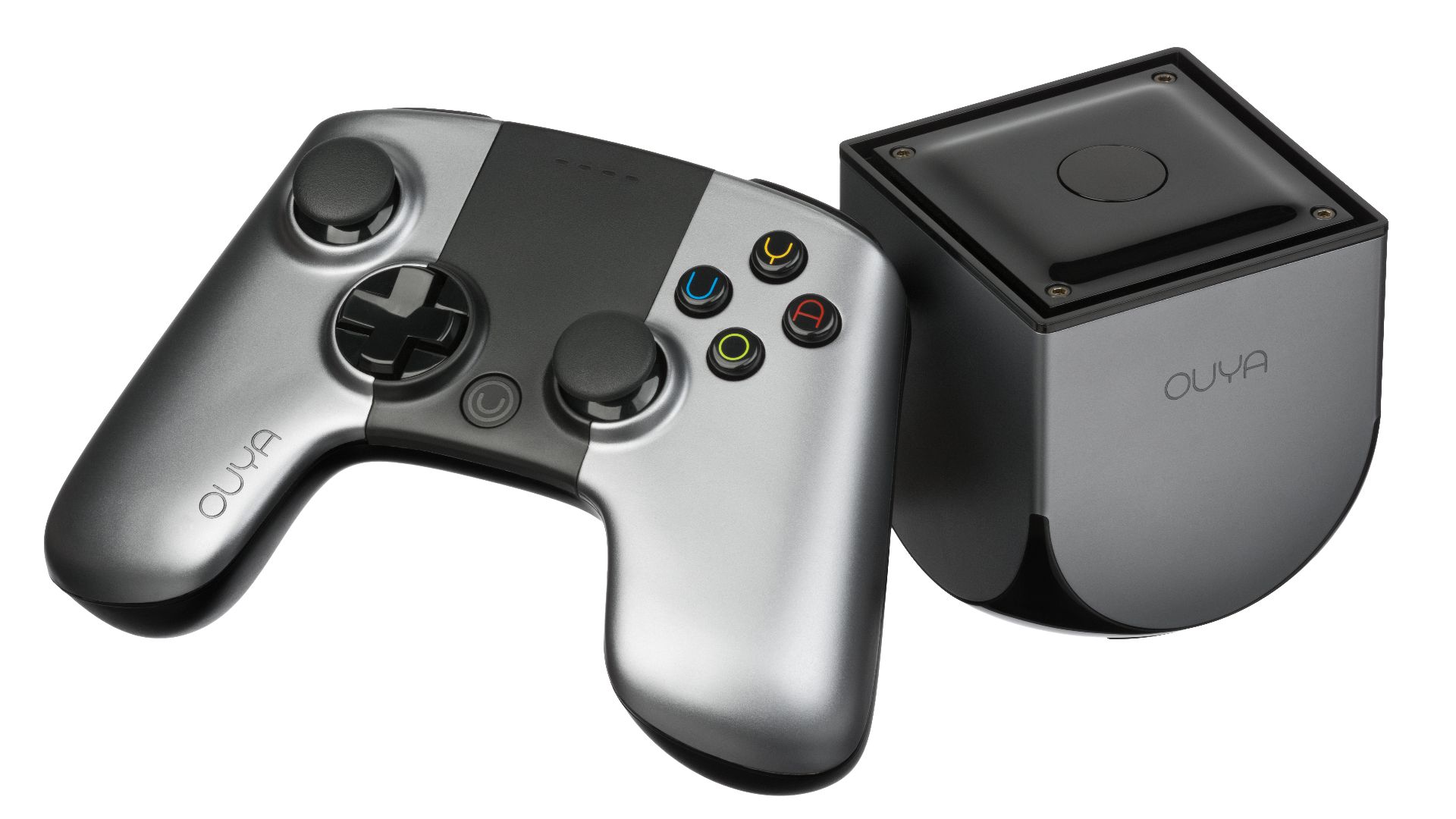
4. Ouya
Ouya promised an open, indie-friendly console experience. The hardware felt weak even at launch. Many games were barely adapted mobile titles. The user interface lacked polish. The system failed to convince players it was a true console alternative.
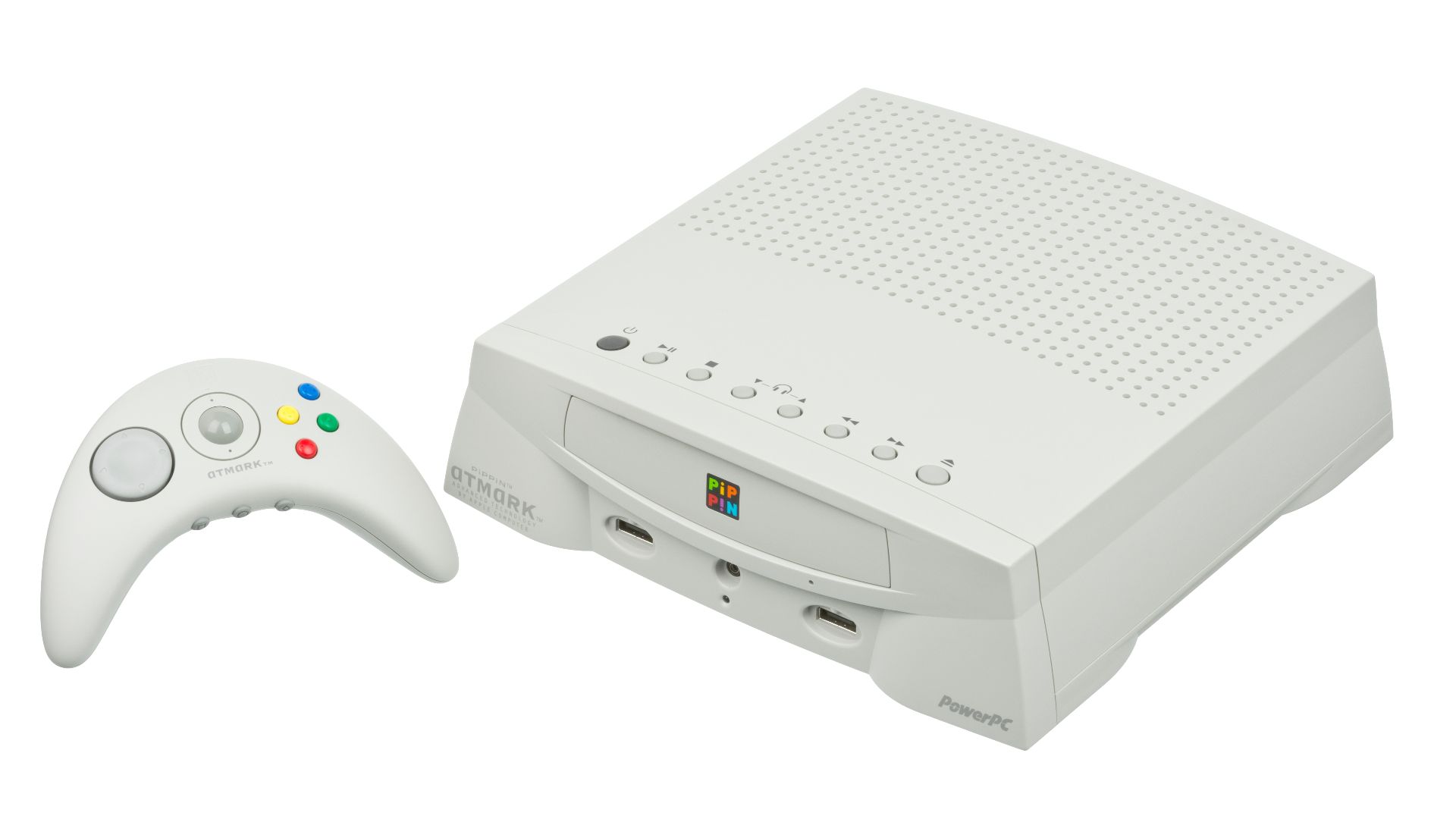
5. Apple Pippin
Apple’s Pippin tried to blend gaming with multimedia computing, but its price was far too high for its capabilities. Developers showed little interest in the platform. Marketing failed to explain its purpose clearly. Apple abandoned it quickly and moved on.
6. Google Stadia
Google Stadia aimed to eliminate consoles through cloud streaming. Latency issues made fast-paced games frustrating. Players questioned ownership of digital purchases tied to the service. Stadia shut down before gaining real traction.

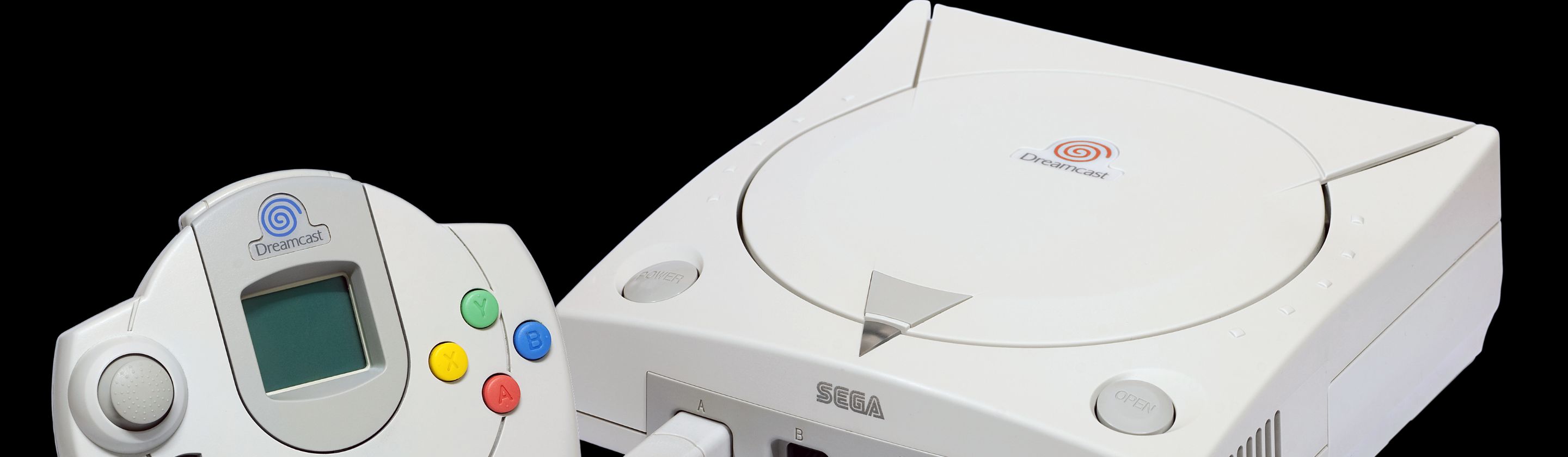
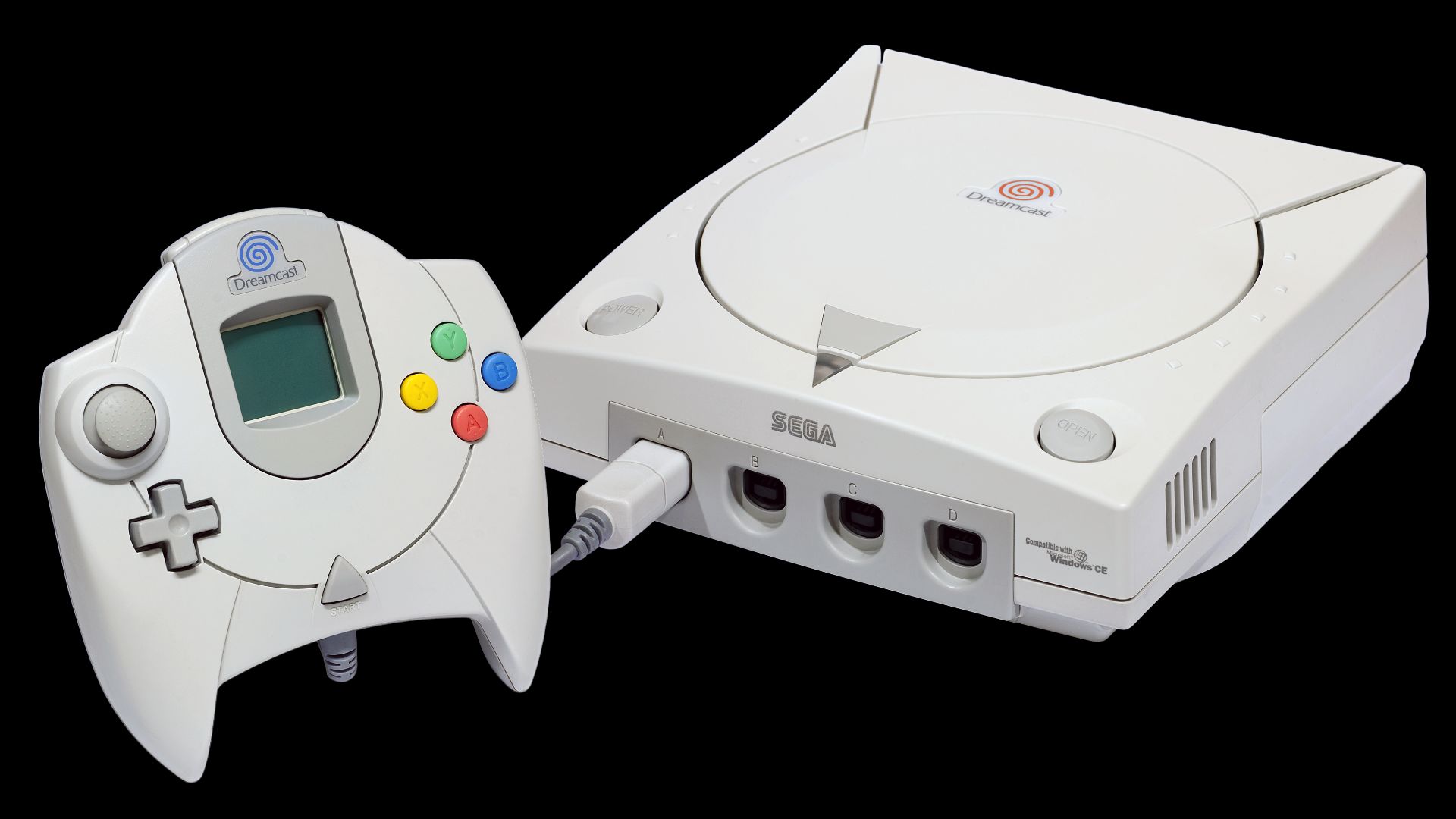
7. Sega Dreamcast
The Dreamcast was technologically impressive and ahead of its time. Online features arrived before broadband was widespread. Piracy became rampant due to weak copy protection. Sega’s financial struggles scared away developers. Despite strong games, the console couldn’t survive.
 Asim Saleem (Asim18) on Wikimedia
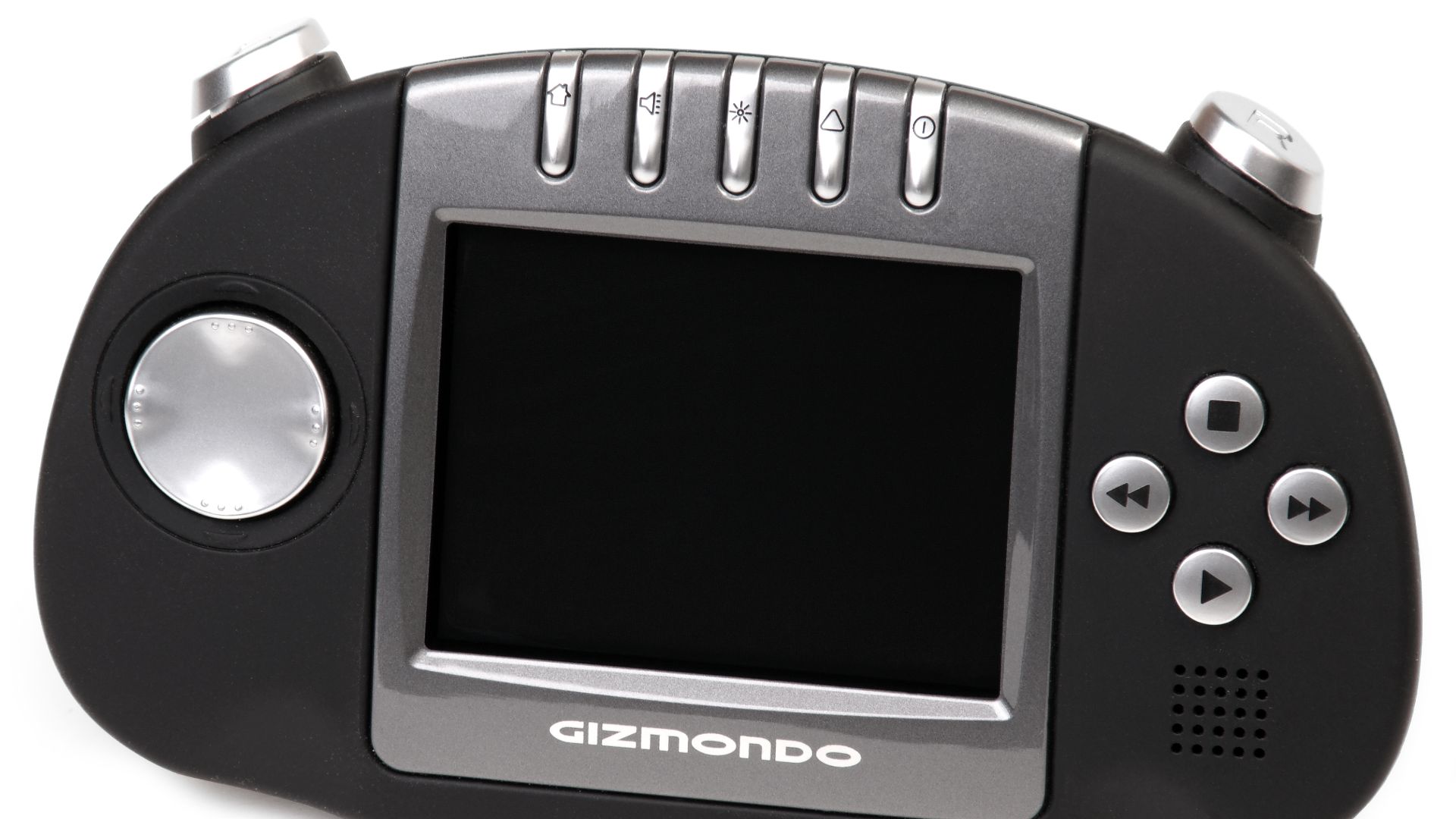
8. Gizmondo
The Gizmondo launched with celebrity endorsements and flashy promises. Its hardware underperformed compared to competitors, and very few quality games were released. The company behind it collapsed amid legal trouble. The system became infamous for all the wrong reasons.
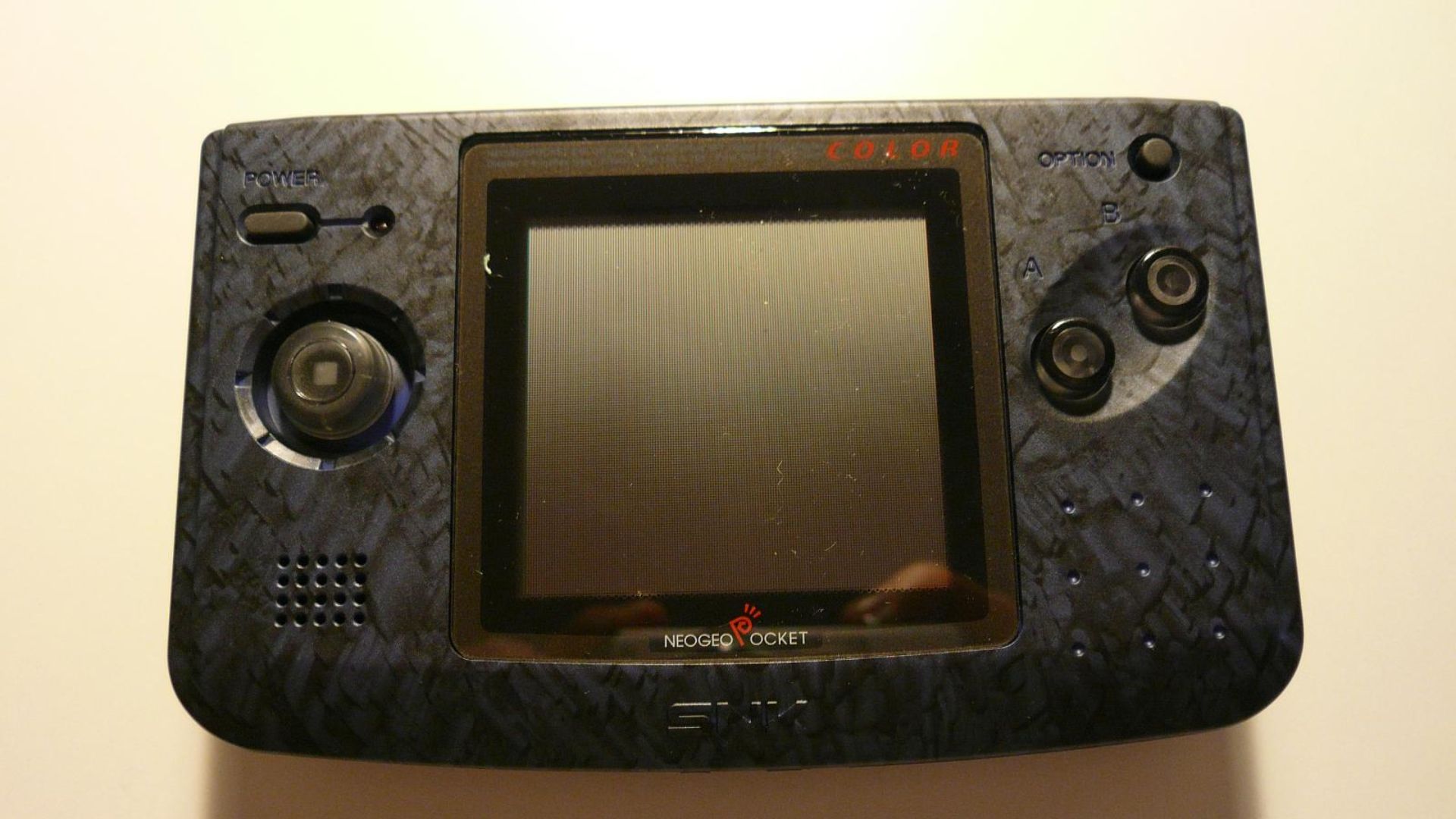
9. Neo Geo Pocket
SNK’s Neo Geo Pocket featured solid design and good software. Unfortunately, it launched against Nintendo’s dominant Game Boy Color. Marketing was minimal outside Japan, and retail presence was limited. Commercial failure came quickly despite its strengths.
10. Xbox Kinect
Kinect debuted with strong sales and mainstream attention, but its motion tracking struggled in real-world conditions. Core gamers rejected motion-only gameplay, and developers quickly lost interest. Microsoft ultimately removed Kinect support entirely.
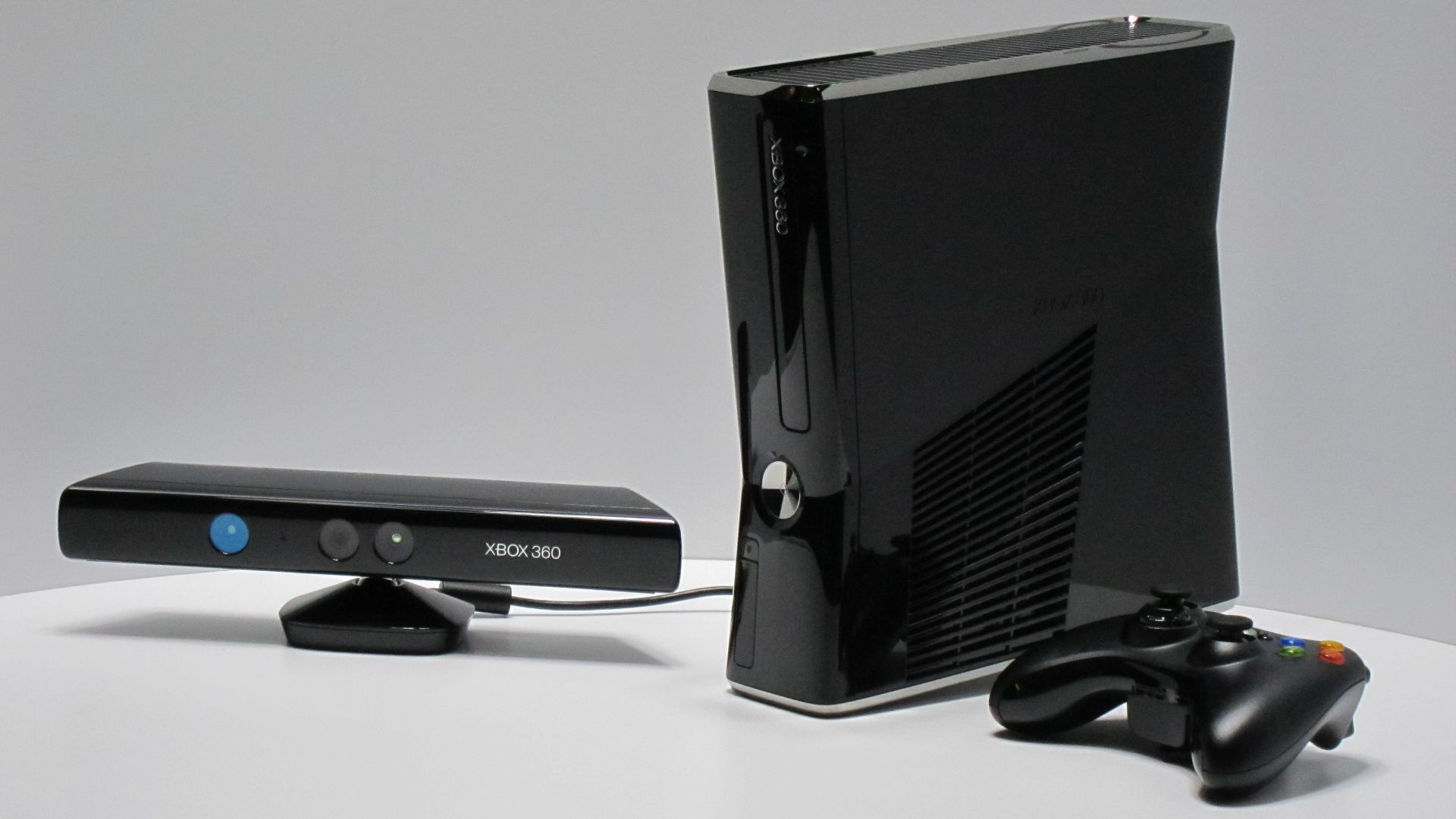 James Pfaff (litheon) on Wikimedia
11. Wii U
The Wii U suffered from unclear branding. Many consumers thought it was just a Wii accessory. The tablet controller complicated game development,t and third-party support dropped fast. Strong first-party titles couldn’t save it. Even today, it’s often remembered more for confusion than innovation.

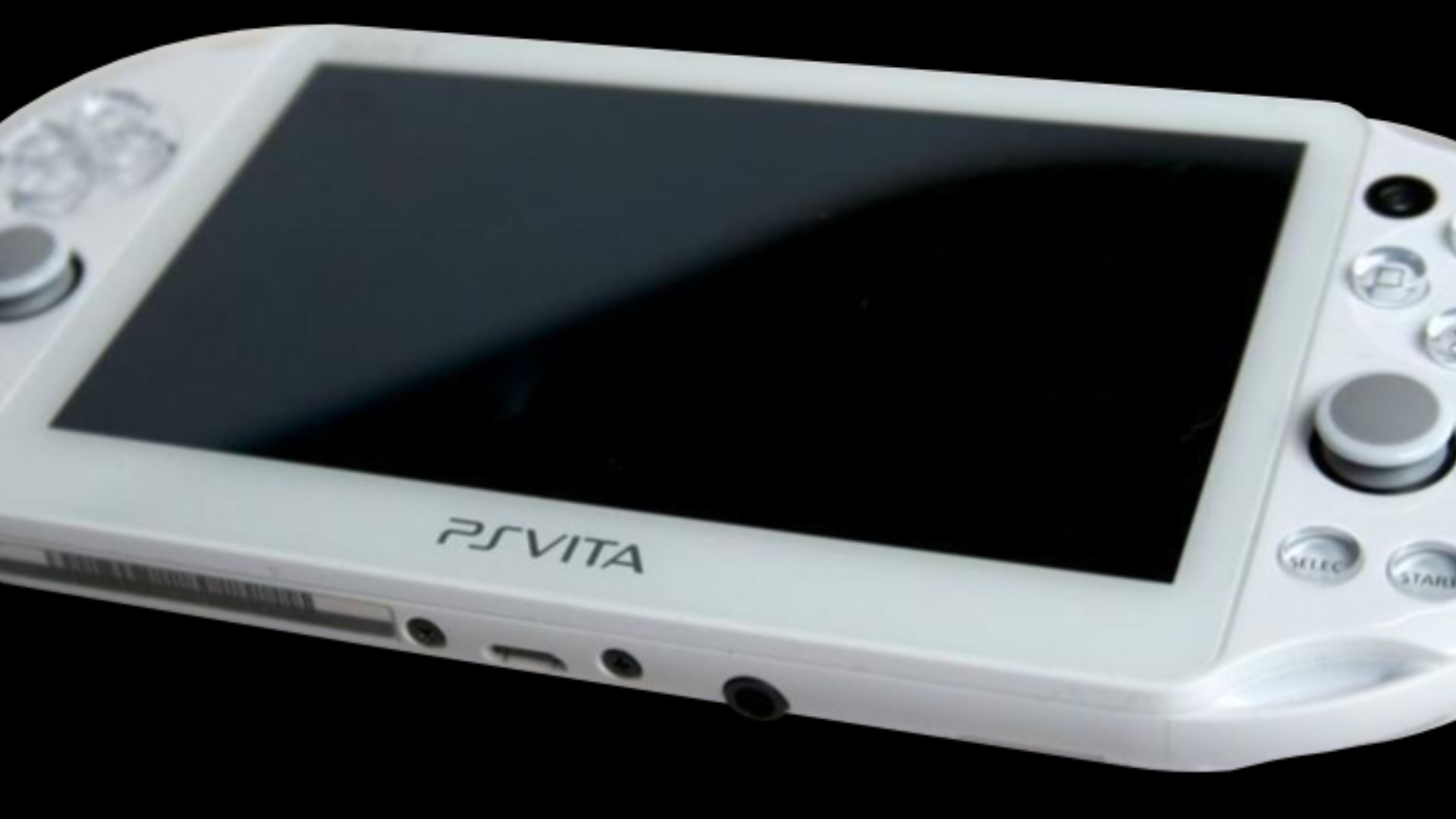
12. PlayStation Vita
The Vita launched with powerful hardware and a beautiful screen. Proprietary memory cards were expensive and unpopular. Sony shifted focus away after poor sales. The handheld never reached its potential, and its failure showed how pricing decisions can undermine great design.
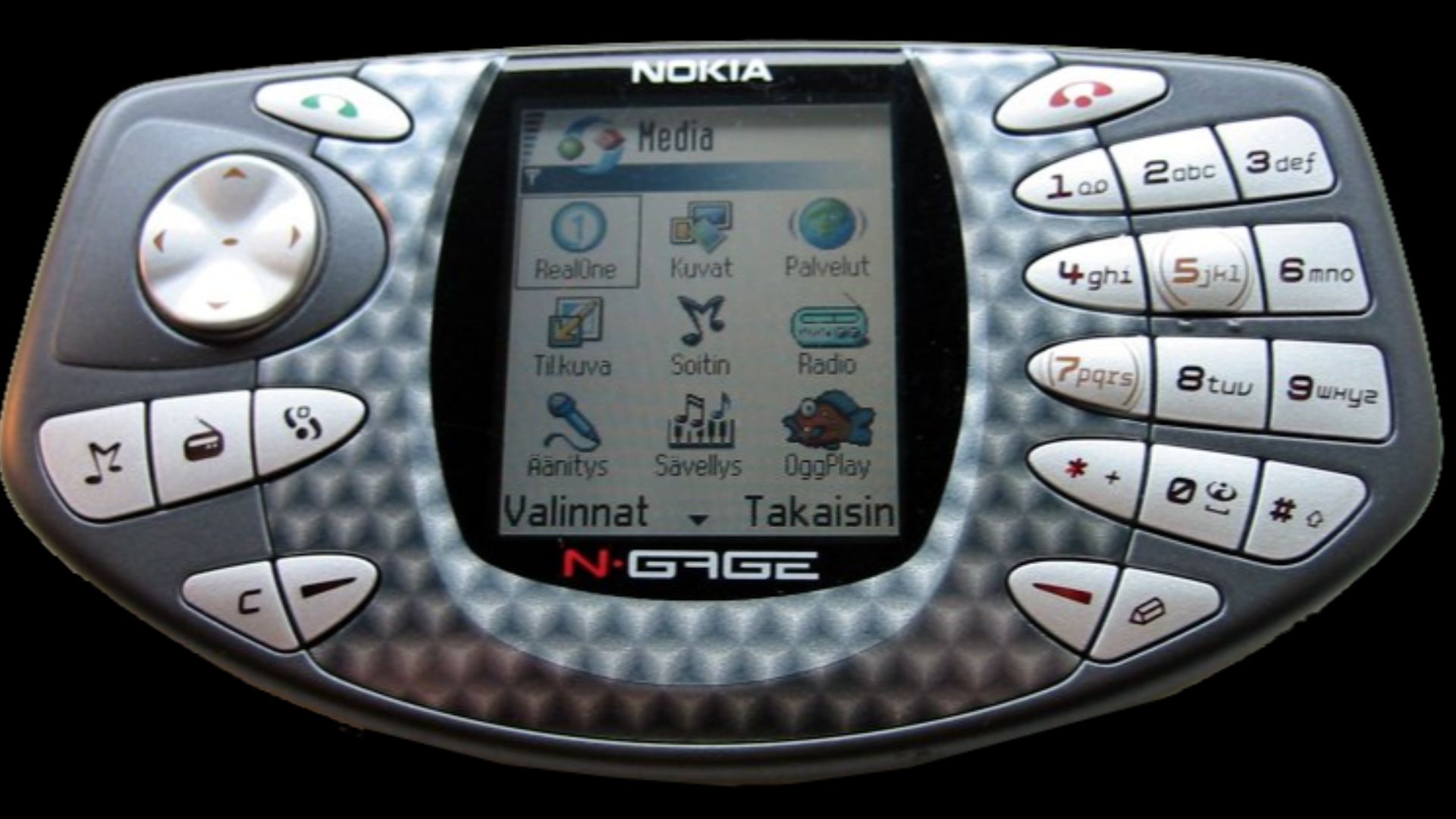
13. N-Gage
Nokia tried to combine mobile phones and gaming hardware. The design was awkward for both calling and playing. Installing games required removing the battery, and the controls felt uncomfortable. The device failed to appeal to either audience. It became a cautionary tale about forced convergence.
14. Philips CD-i
The CD-i positioned itself as a multimedia system. Its gaming library lacked quality and consistency. Controls were poorly suited for games, and consumers didn’t know who it was for. The system faded into obscurity, leaving a legacy tied to infamously bad licensed games.

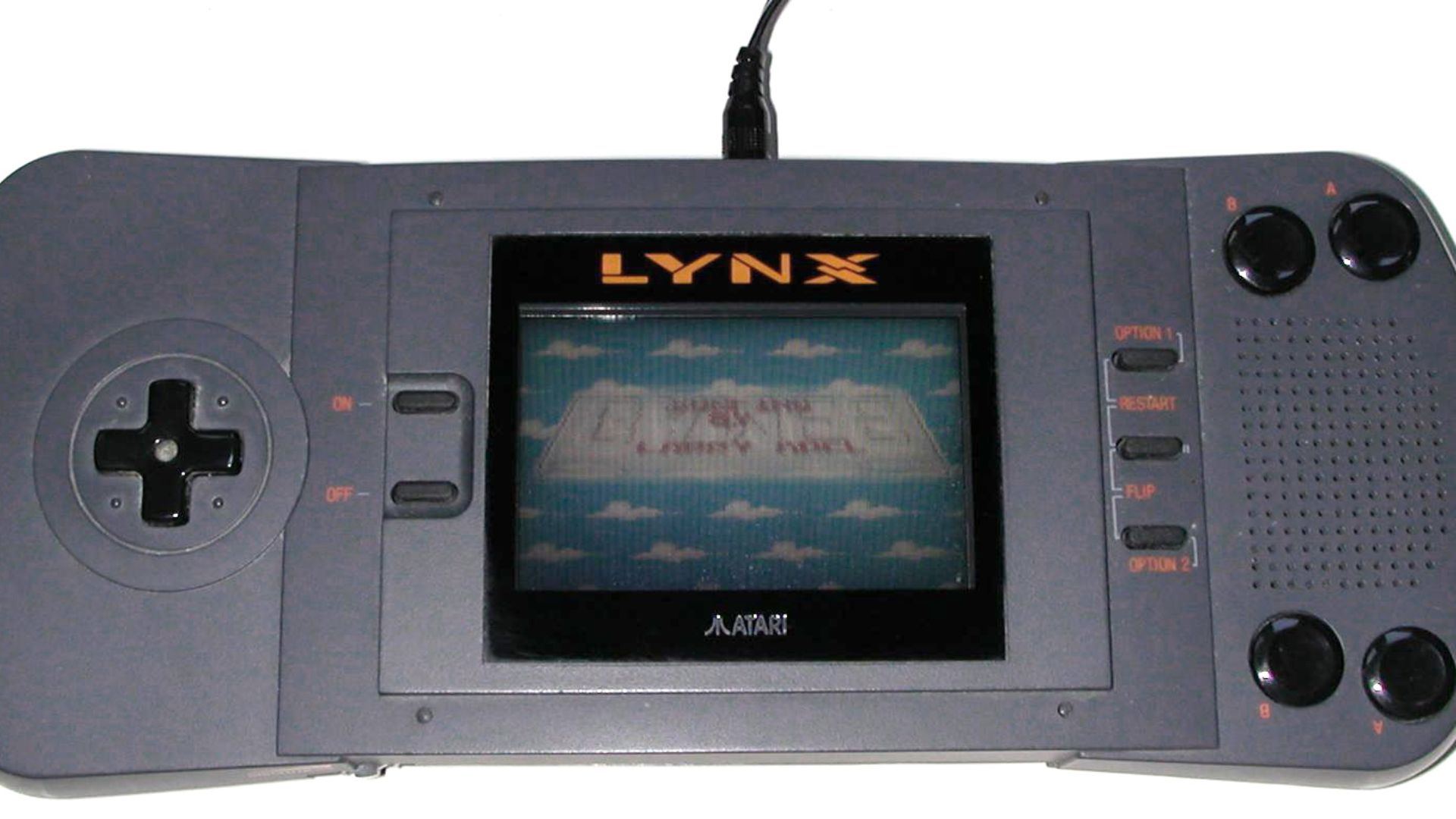
15. Atari Lynx
The Lynx offered advanced color graphics and backlighting. Unfortunately, battery life was extremely short, and its bulky design hurts portability. Nintendo’s Game Boy was simpler and cheaper. Technical power couldn’t overcome practicality, so players chose convenience over capability.
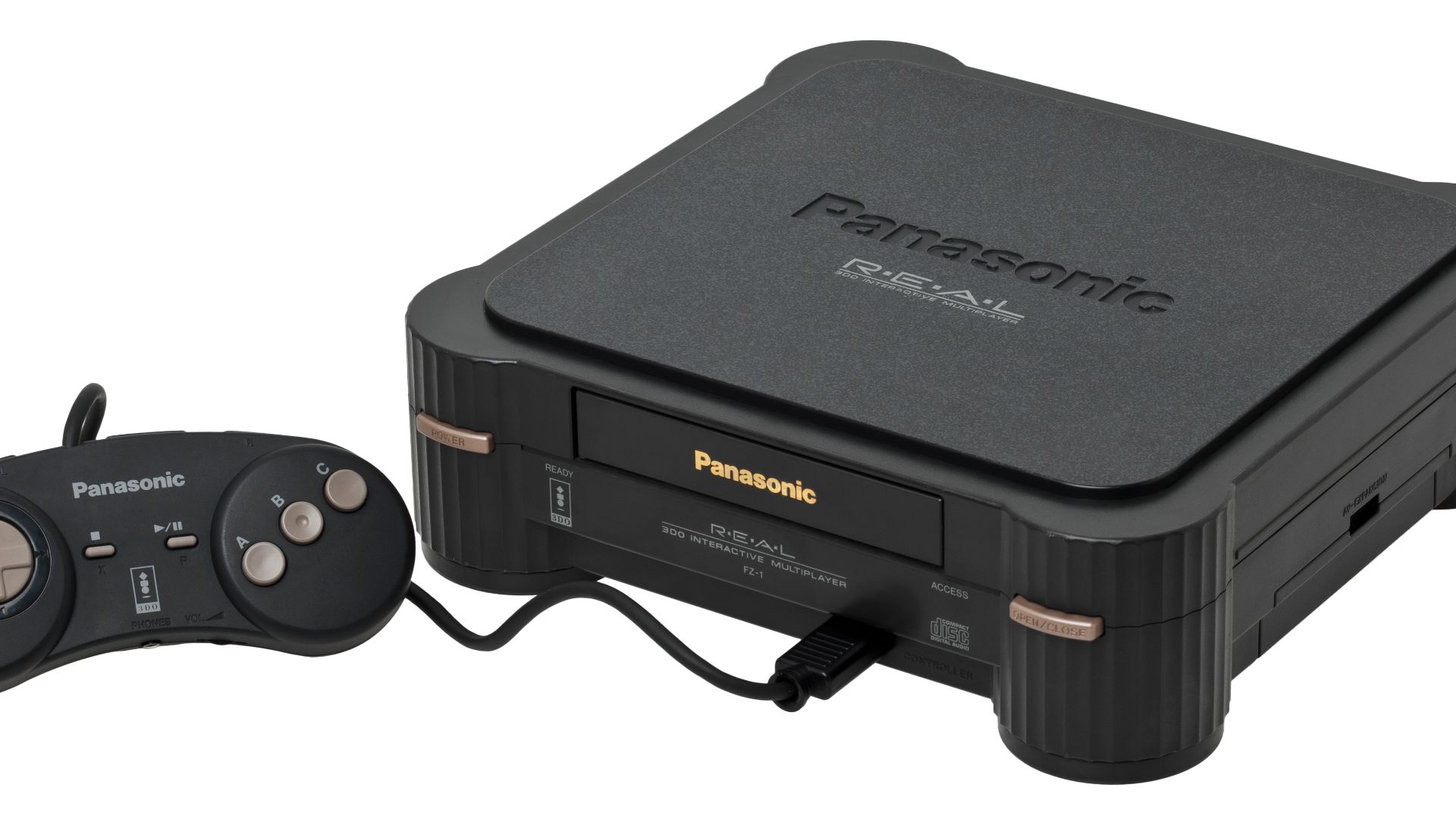
16. 3DO
The 3DO launched at a premium price that few could justify. Game quality varied wildly between releases. Consumers lacked confidence in the platform. Marketing focused on technology rather than fun, and it proved that power alone doesn’t sell consoles.
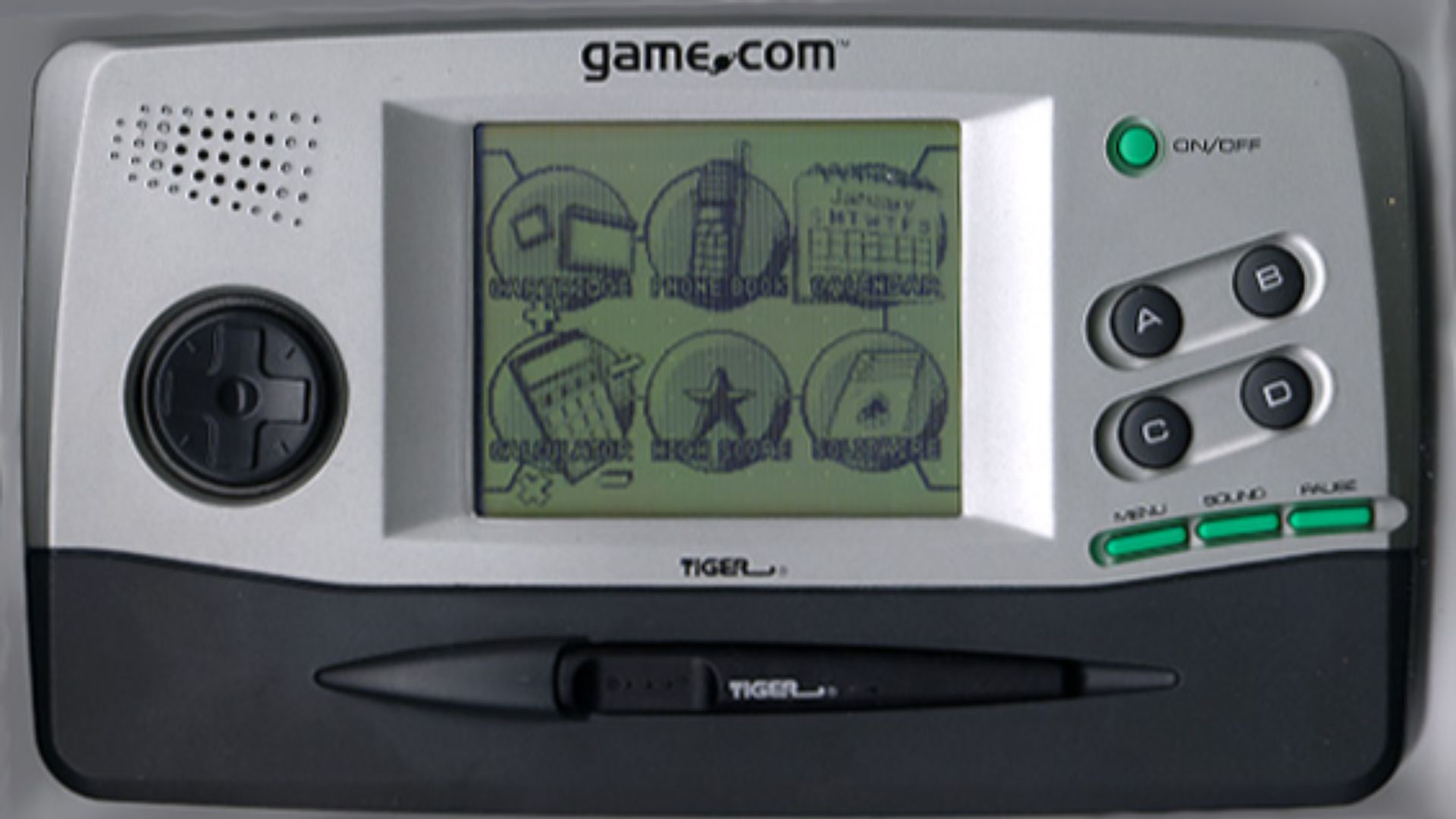
17. Game.com
Tiger Electronics’ Game.com tried to innovate with a touchscreen. The hardware was slow and unresponsive. Games performed poorly compared to rivals, and its battery life was weak. It couldn’t compete with Nintendo’s polish. Early innovation wasn’t enough without execution.
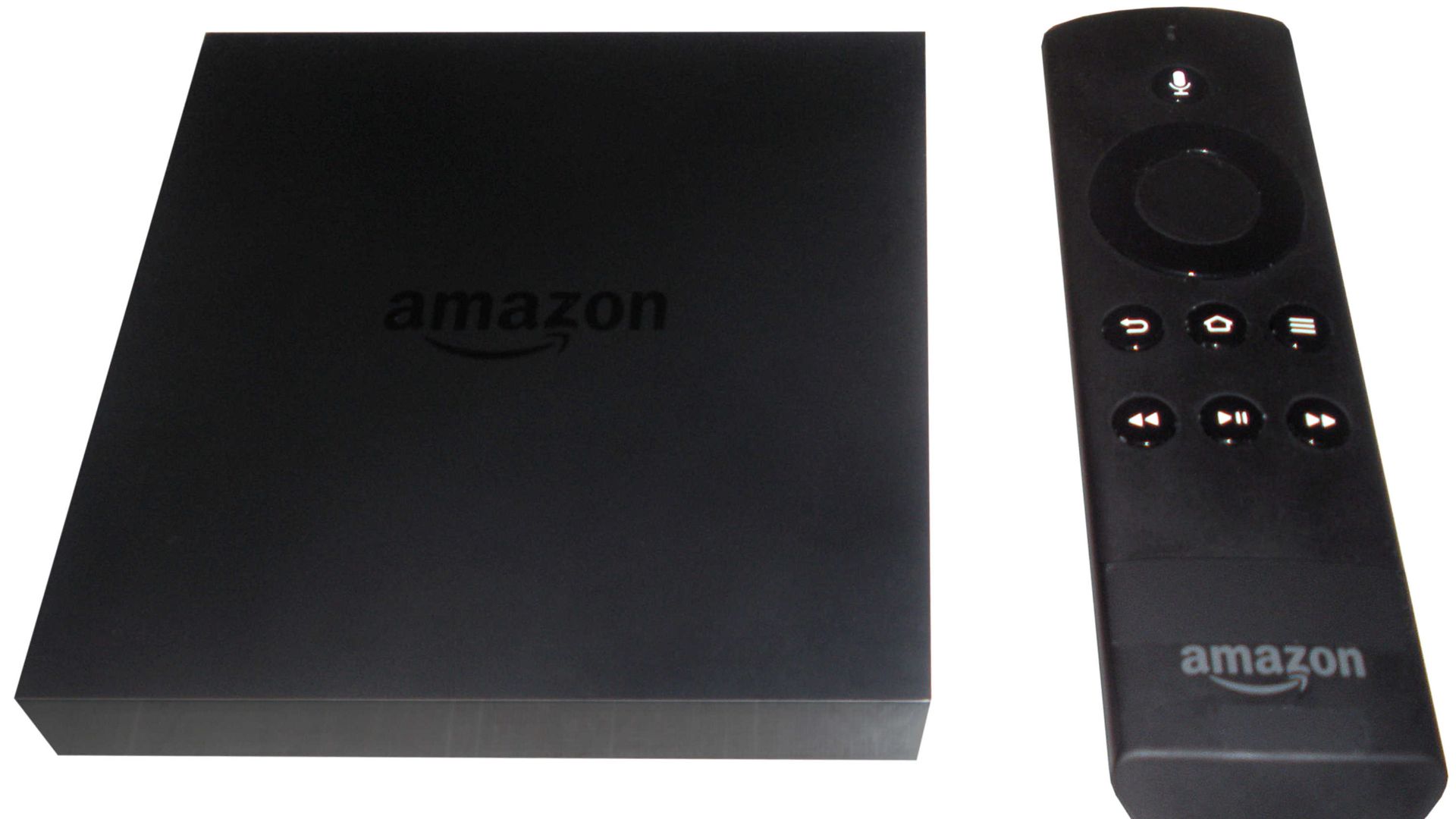
18. Amazon Fire TV Gaming Edition
Amazon attempted to expand Fire TV into gaming, but the hardware wasn’t designed for serious play. Controller support felt secondary, developers ignored the platform, and gamers barely noticed its existence. It disappeared without leaving a meaningful mark.
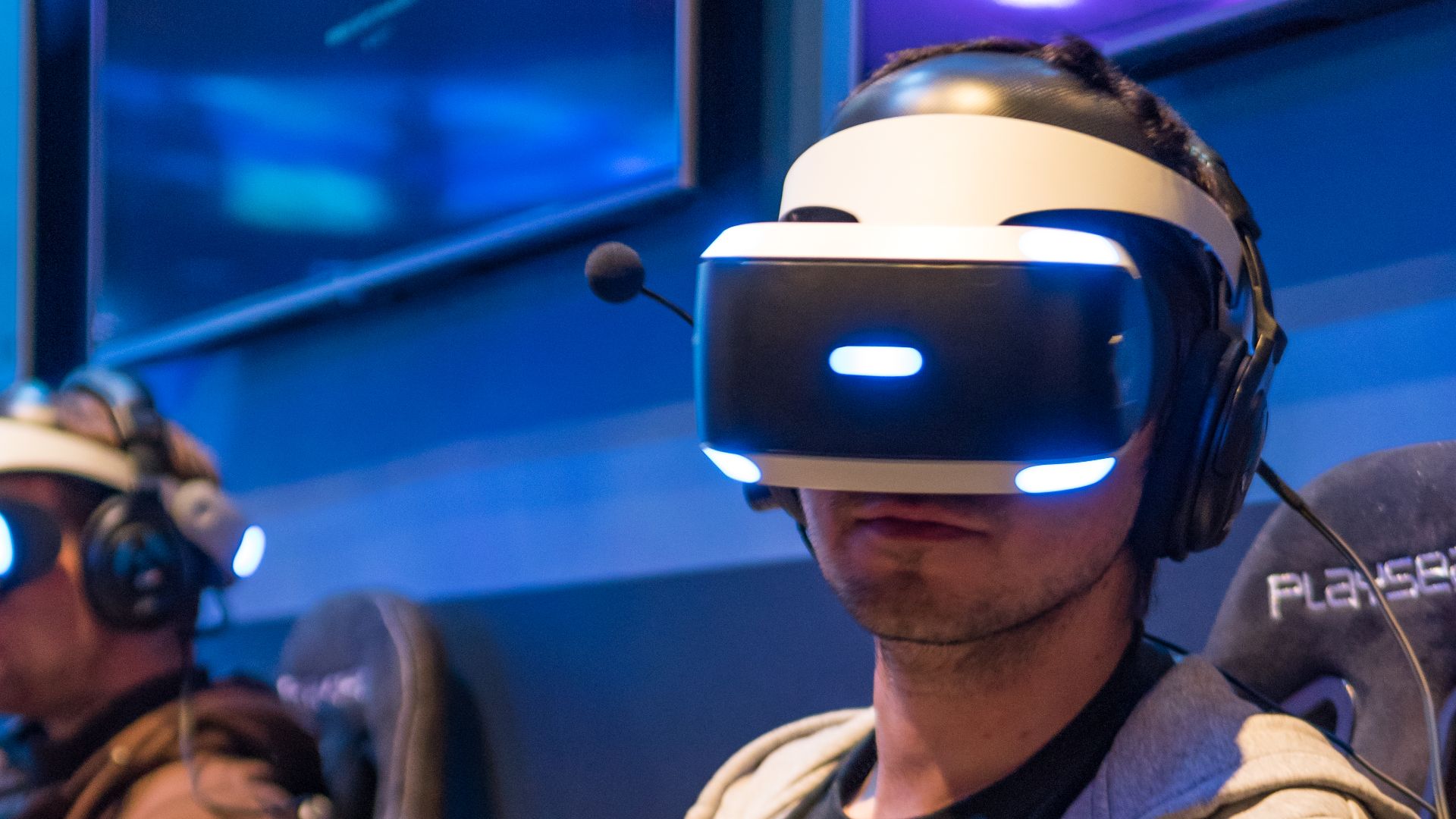
19. PlayStation VR (First Generation)
The original PSVR made virtual reality more affordable. Set up required multiple cables and cameras,s and tracking accuracy lagged behind competitors. Visual clarity disappointedsome userse, rs and interest declined as novelty faded. It showed that accessibility alone can’t sustain emerging tech.
20. OnLive
OnLive pioneered cloud gaming years too early, when internet speeds weren’t reliable enough. Input lag frustrated players. Its collapse foreshadowed challenges future services would face. The idea survived, even if the execution didn’t.