Why The Web Can Feel Hollow Sometimes
Dead Internet Theory is the idea that a huge share of what looks like online life is actually artificial: bots talking to bots, automated content filling feeds, and real people reduced to a thin layer on top. The reason it catches on is because plenty of us have scrolled through pages that feel oddly repetitive, overly optimized, and weirdly empty of human intent. At the same time, the internet is enormous, messy, and uneven, and it’s easy to confuse a bad slice of it with the whole thing. There are documented reasons to suspect automation is reshaping what we see, and there are equally solid reasons to think the theory overreaches. Here are 10 reasons it might be real, followed by 10 reasons it’s probably not.

1. Bot Traffic Is Massive
Security researchers have repeatedly reported that automated traffic makes up a large portion of overall web activity. When bots generate pageviews, clicks, and sign-ups, the internet can look more populated than it really is.
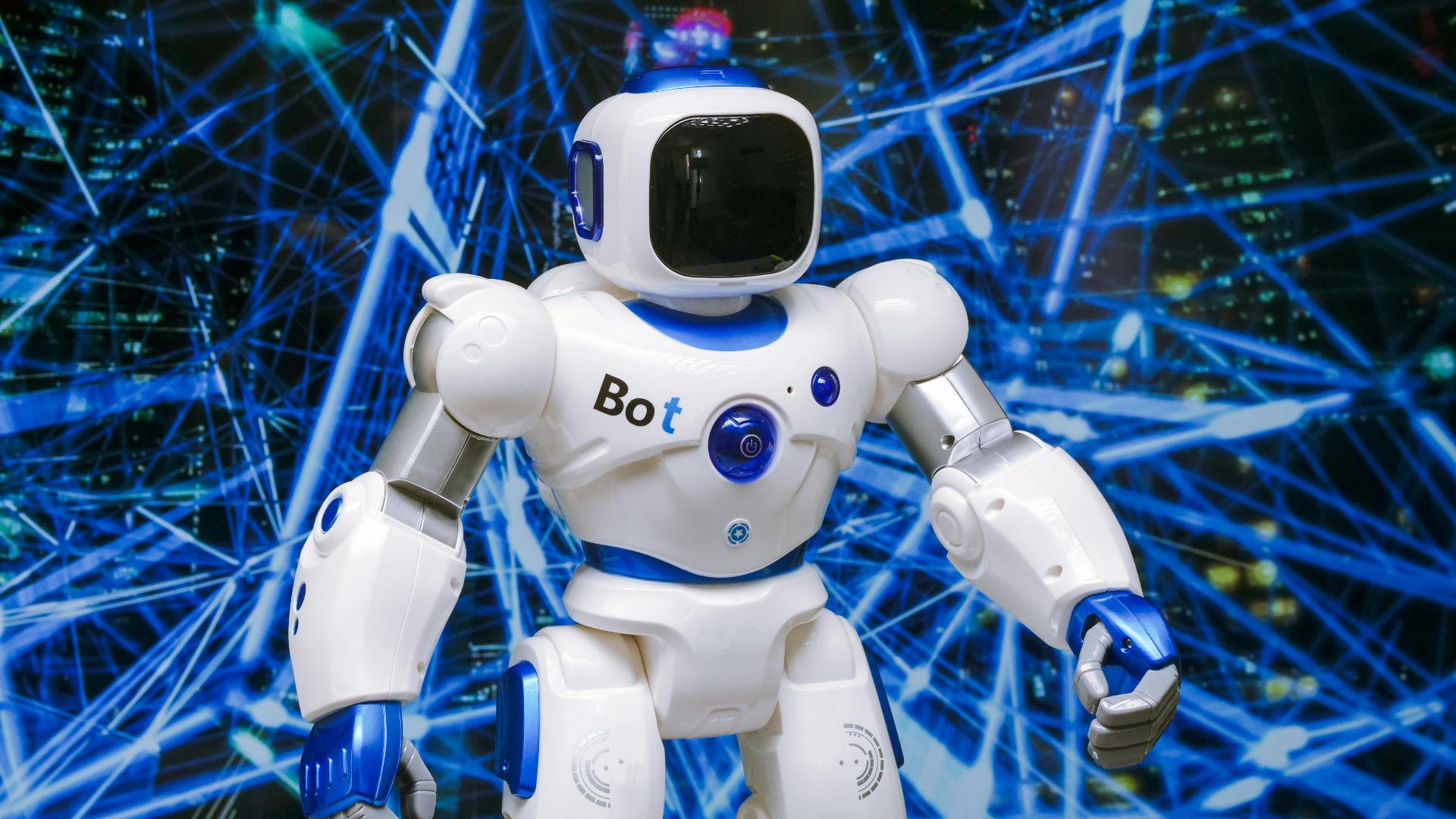
2. Fake Accounts Keep Returning
Major platforms routinely announce removals of fake accounts tied to spam, scams, and coordinated campaigns. The repeated need for purges suggests the problem is not occasional, and the churn keeps fake activity present even after enforcement.
 Gabrielle Henderson on Unsplash
3. Comments Read Generic
Many comment sections fill with vague praise and recycled phrasing that barely connects to what was posted. That pattern fits automation and low-paid engagement work, and it makes discussion feel like noise instead of conversation.

4. Search Still Rewards Junk
Search engines have spent years fighting thin pages built mainly to rank and capture ad impressions. Even with improvements, the incentive structure still produces floods of near-duplicate pages that feel like they were produced without real intent.

5. AI Lowers The Cost
Generative tools make it cheap to produce convincing text, images, and videos at scale. When content is easy to manufacture, bad actors can flood platforms faster than humans can filter.
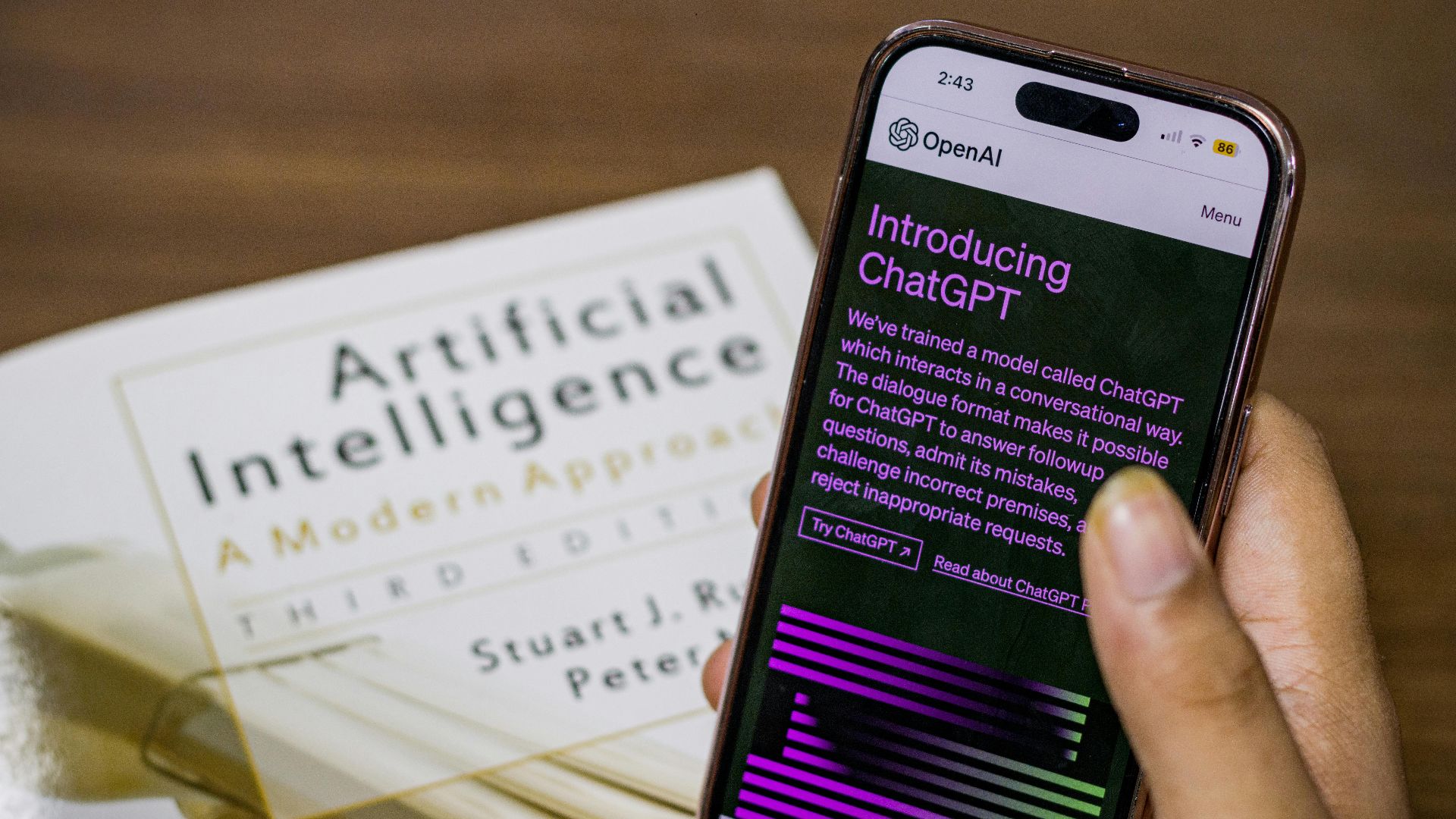
6. Feeds Amplify Repetition
Recommendation systems push what performs, which often means repeating the same formats, topics, and emotional triggers. After a while, it can feel like the internet has fewer voices, even if the system is simply recycling what drives engagement.

7. Reviews And Ratings Get Manipulated
Fake reviews are widespread enough that marketplaces constantly add verification systems and moderation tools. When ratings can be purchased or gamed, it becomes harder to trust what looks like public consensus.

8. Ad Fraud Incentives Are Strong
A lot of money flows through ads, affiliate programs, and performance metrics that can be faked. If attention can be simulated profitably, the system will keep producing activity that looks human without being human.
9. Influence Campaigns Use Automation
Investigations and research have documented coordinated campaigns that use bots and fake personas to amplify narratives. Even when the posts are written by humans, the spread can be engineered in a way that distorts what looks popular.
 Glenn Carstens-Peters on Unsplash
10. Some Sites Look Active Without People
There are corners of the web that appear busy while showing little real back-and-forth, few personal details, and endless posting at steady intervals. That pattern fits spaces where automation keeps content flowing mainly to capture traffic.
One problem is that the theory often describes real symptoms, then jumps to a false explanation. Here are ten reasons why the dead internet theory may not hold up to scrutiny.

1. Humans Still Make Traceable Work
Open-source projects, serious hobby forums, and long-running technical communities show sustained human effort over time. Revision histories, bug reports, and peer feedback create accountability that is hard to fake at large scale.

2. Bots Still Fail At Context
Automation often struggles with nuance, local references, and conversational memory. When you read slowly, many bot-like posts reveal themselves by ignoring specifics and drifting into generic filler.

3. Automation Has Always Existed
Crawlers, monitors, and scripts have been part of the web since its early years, inflating traffic without implying the web is dead. High automated traffic says something about infrastructure and measurement, not just human absence.

4. Private Spaces Hold Real Conversation
A lot of genuine interaction has moved into group chats, private servers, and paid communities. The public web can feel emptier because the most human parts are increasingly behind logins and smaller circles.

5. People Still Create New Culture
Memes, slang, and niche humor still rely on shared context and social credibility. Bots can copy and amplify, yet they usually follow signals created by humans and strengthened by human taste.

6. Platforms Need Real Users
If people believe everything is fake, they stop posting, stop buying, and stop returning. That business pressure forces ongoing investments in verification, moderation, and detection, even if defenses never fully win.

7. Offline Life Shows Up Constantly
Weather events, local outages, sports moments, workplace changes, and community updates appear online in ways that track real-world timing. Those details are difficult to simulate convincingly across millions of independent accounts.

8. Money Still Reflects Humans
E-commerce, travel bookings, subscriptions, and delivery platforms depend on real decisions and real fulfillment. Fraud exists, yet these systems would collapse quickly if most participation were artificial.

9. Manipulation Networks Get Exposed
Researchers, journalists, and security teams regularly trace coordinated behavior and publish evidence of how it works. The steady cycle of exposure suggests the problem has friction and limits, not total control.

10. The Theory Overgeneralizes The Feeling
A feed full of junk can come from ranking systems, SEO incentives, and spam economics without meaning most of the internet is bots talking to bots. The internet can feel worse while still being full of real people, simply harder to find without better filters and better habits.