When “Evil” Isn’t the Whole Story
Villains tend to get flattened into cool phrases and highlight reels, but comic books rarely keep anyone that simple for long. Though it seems fun to reduce our favorite bad guys to their slogans, a lot of them are much more complicated than we think. If you’ve ever caught yourself thinking a bad guy “has a point,” you’re already halfway to understanding what makes these characters so interesting. Let’s dive into some so-called villains who have a lot more going on under the surface.
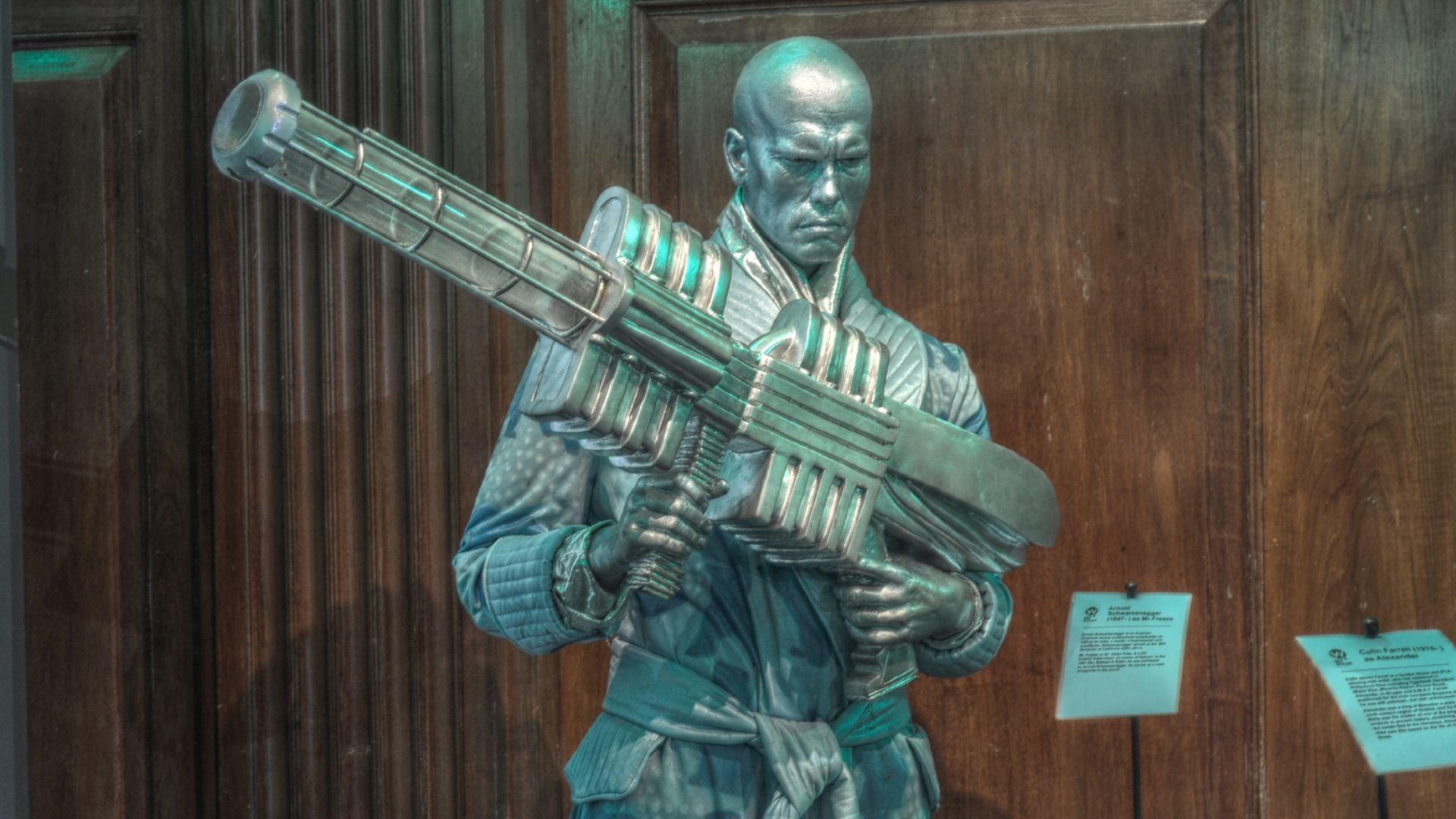
1. Mr. Freeze
He’s often dismissed as a cold gimmick with terrible puns, but you can’t reduce him without missing the tragedy at the center. Freeze’s crimes are still crimes, sure, but his driving force is devotion rather than domination. Look closely—he reads less like a monster and more like a broken man making terrible choices for one painfully human reason.
 Miguel Mendez from Malahide, Ireland on Wikimedia
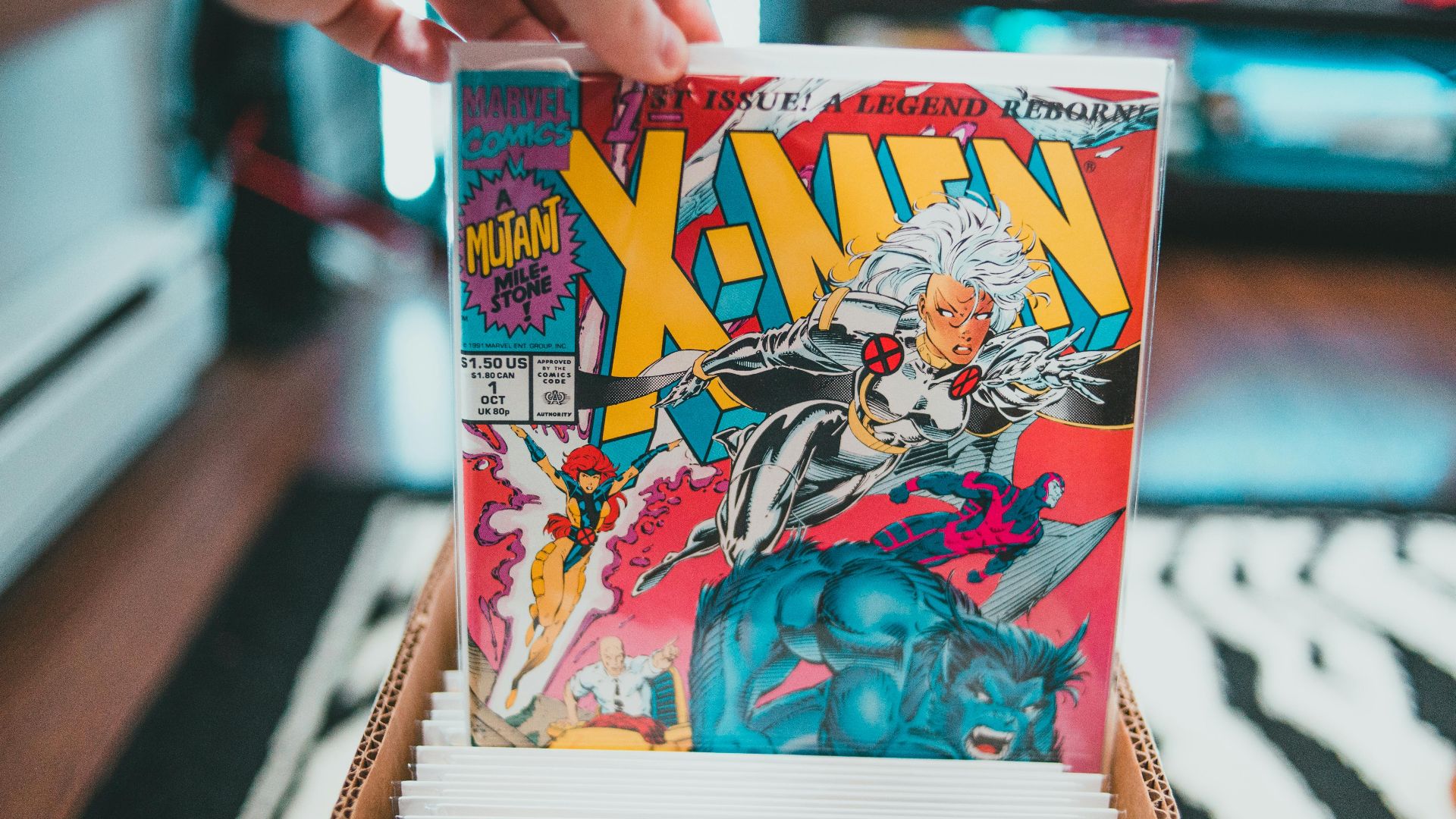
2. Magneto
Okay, does anyone have a more tragic backstory? People love calling him a terror and stopping there; it’s easier than grappling with why he refuses to feel safe. Magneto’s worldview is shaped by survival, and he treats power as a shield that never comes off. You don’t have to agree with him to see that he’s responding to real fears, not cartoon evil.
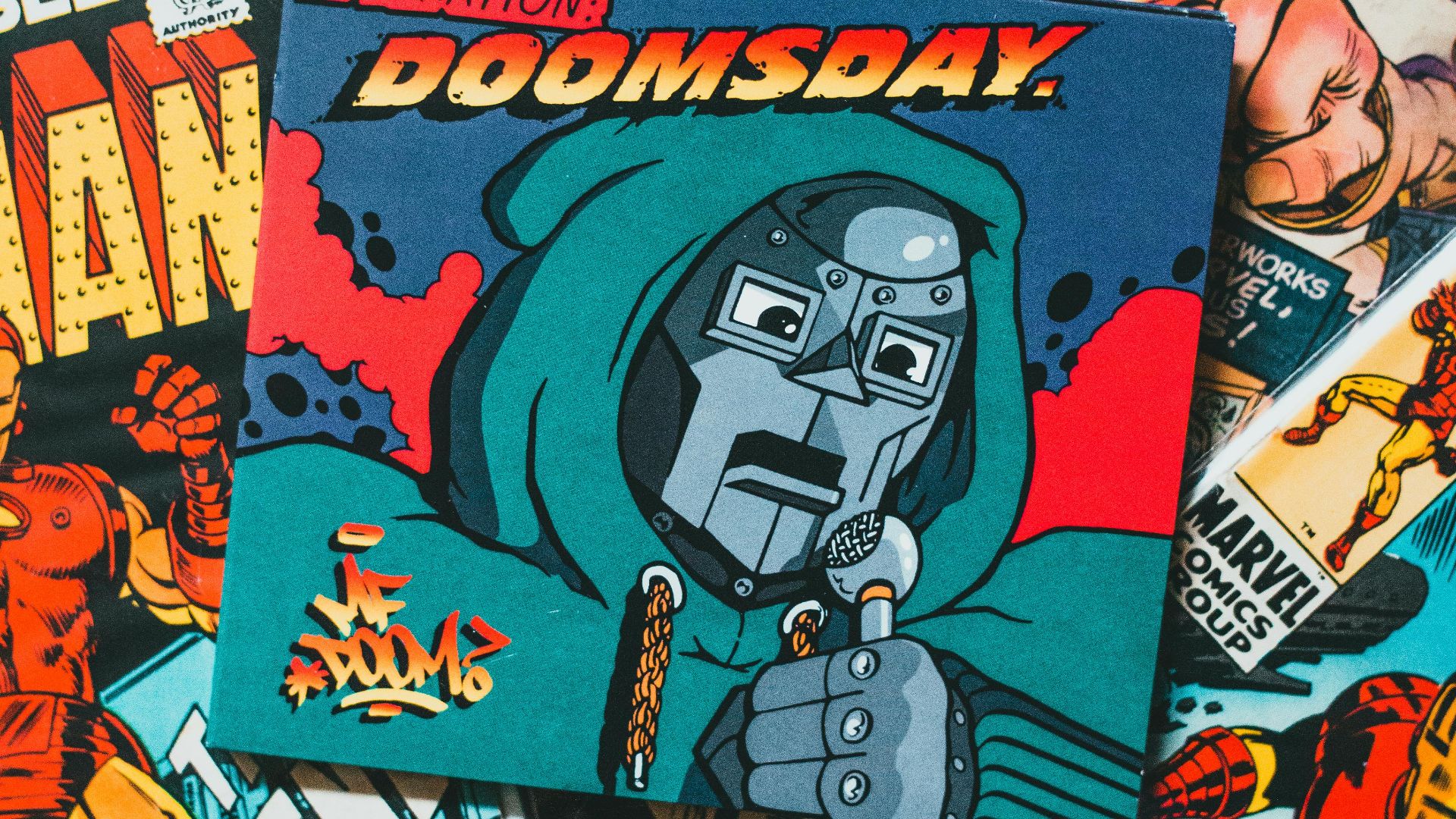
3. Doctor Doom
We could spend the next five years talking about Dr. Doom, but instead, we’ll talk about why he actually deserves a little respect! He can look like an arrogant tyrant in a cape, but Doom isn’t just chasing chaos. In his mind, every ruthless decision is a down payment on a future he thinks only he can secure. The unsettling part is how calm he is about believing he’s the responsible adult in the room.
4. Harley Quinn
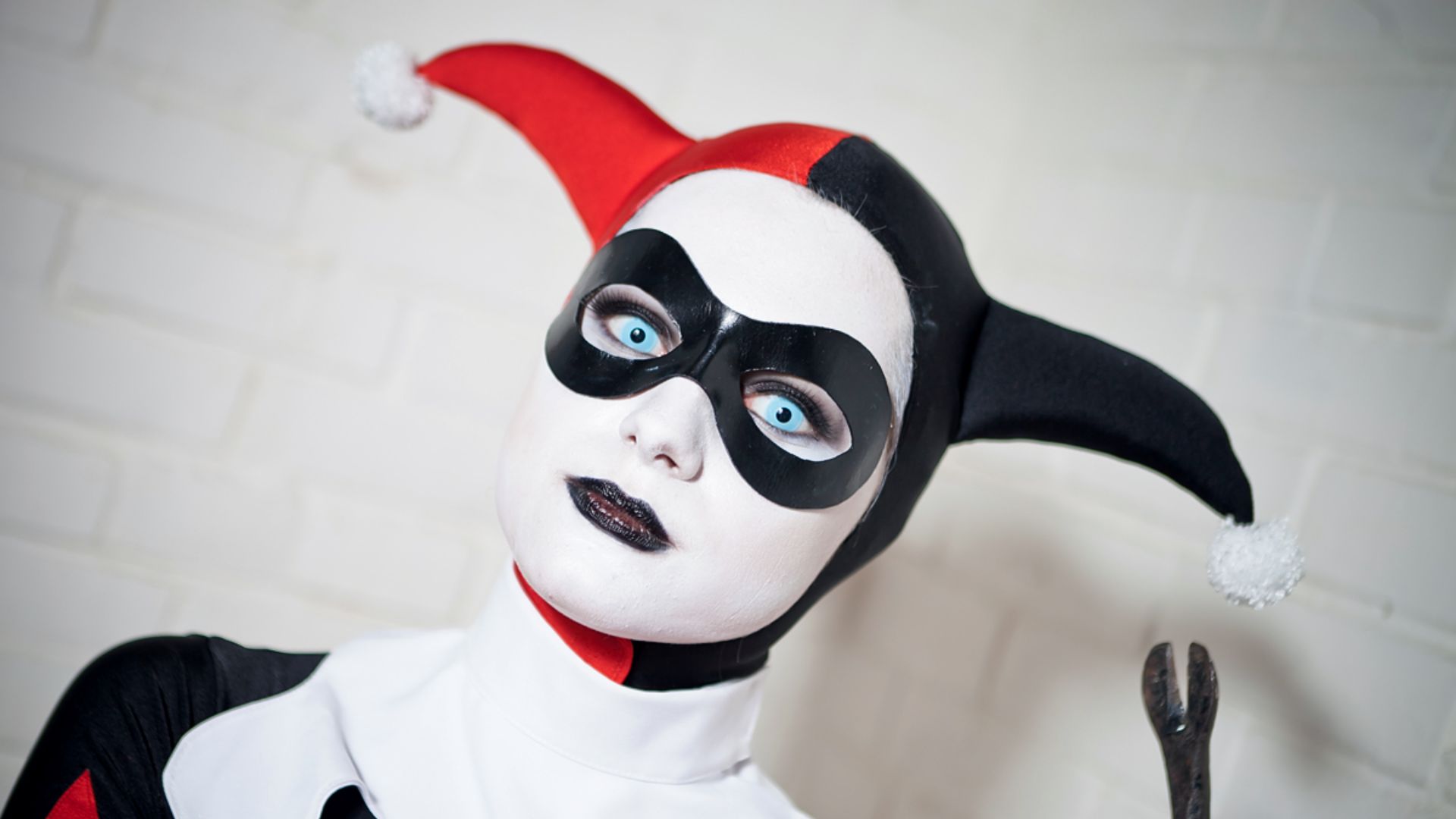
Harley gets labeled as “a random weird girl,” which ignores how much of her story is about control and recovery. She’s done awful things, but her identity was built in someone else’s shadow and then rebuilt in public under constant judgment. When you follow her choices across different eras, you can see a person trying to own her life while dragging a messy past behind her.
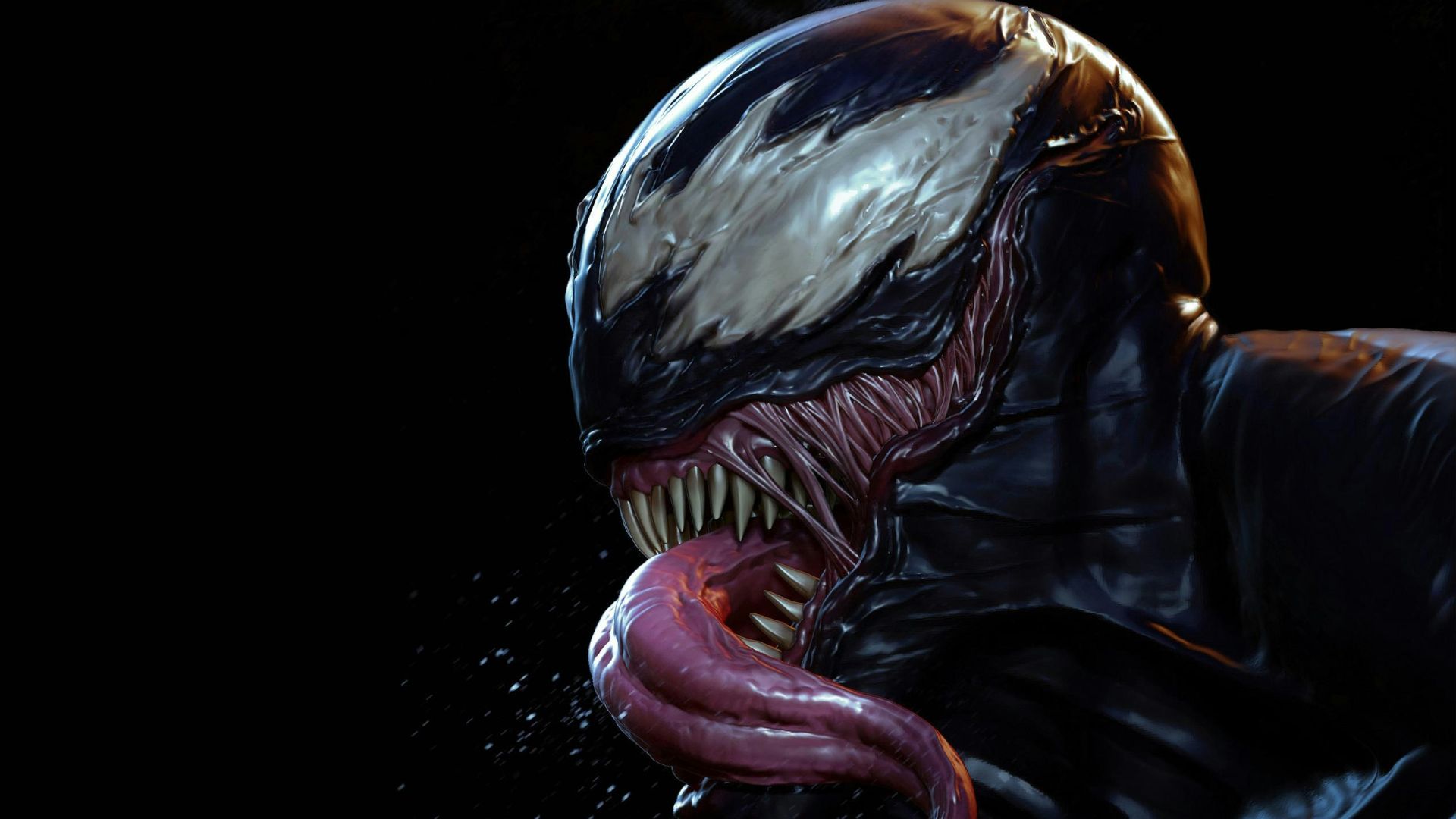
5. Venom
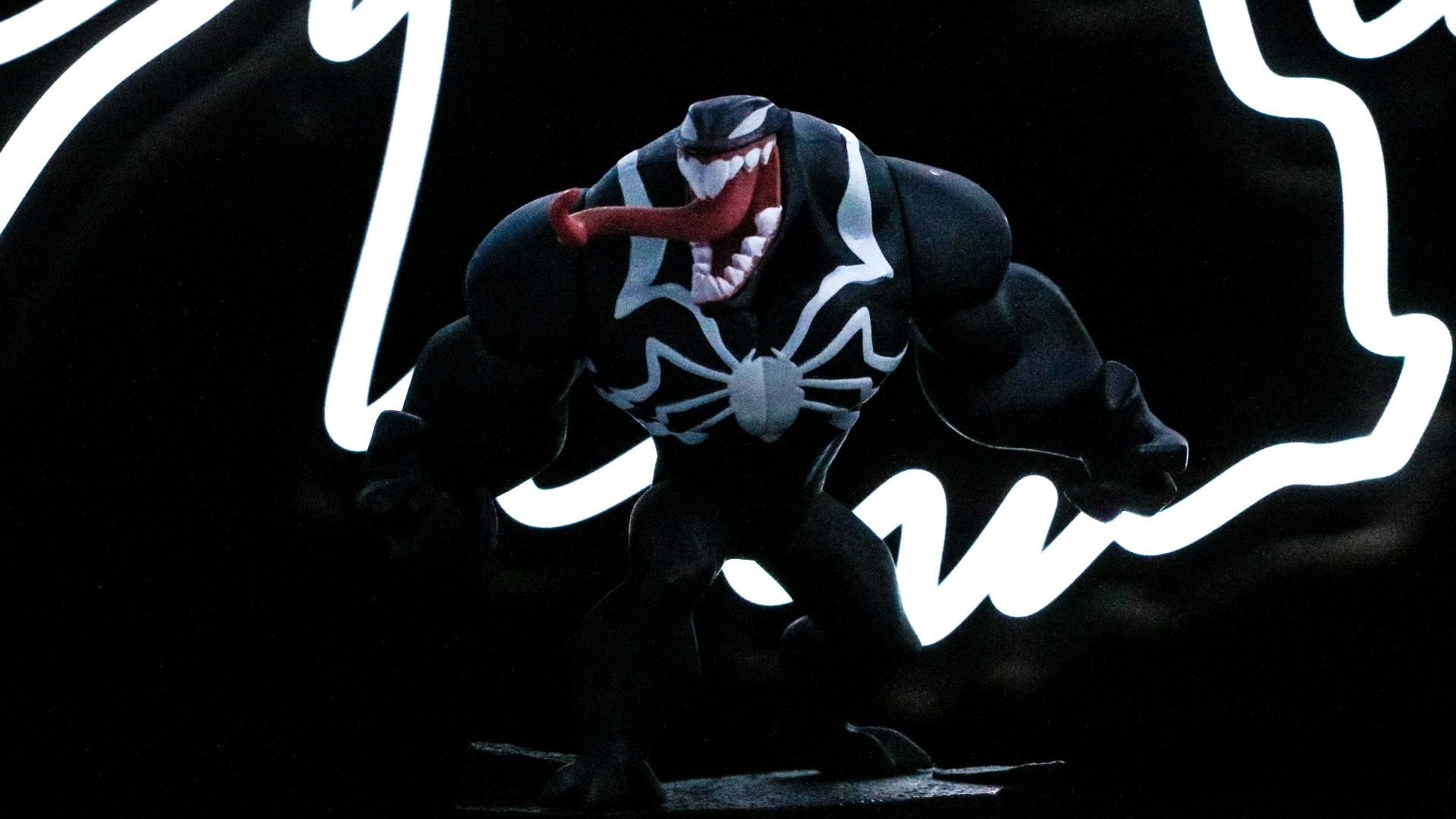
Calling Venom a simple monster misses how often he’s been driven by rejection and misplaced loyalty. While the symbiote and its host can be vicious, they also operate by a twisted sense of protection. If you’ve ever wanted a second chance after being shoved aside, you can understand why Venom’s anger feels personal.
6. Catwoman
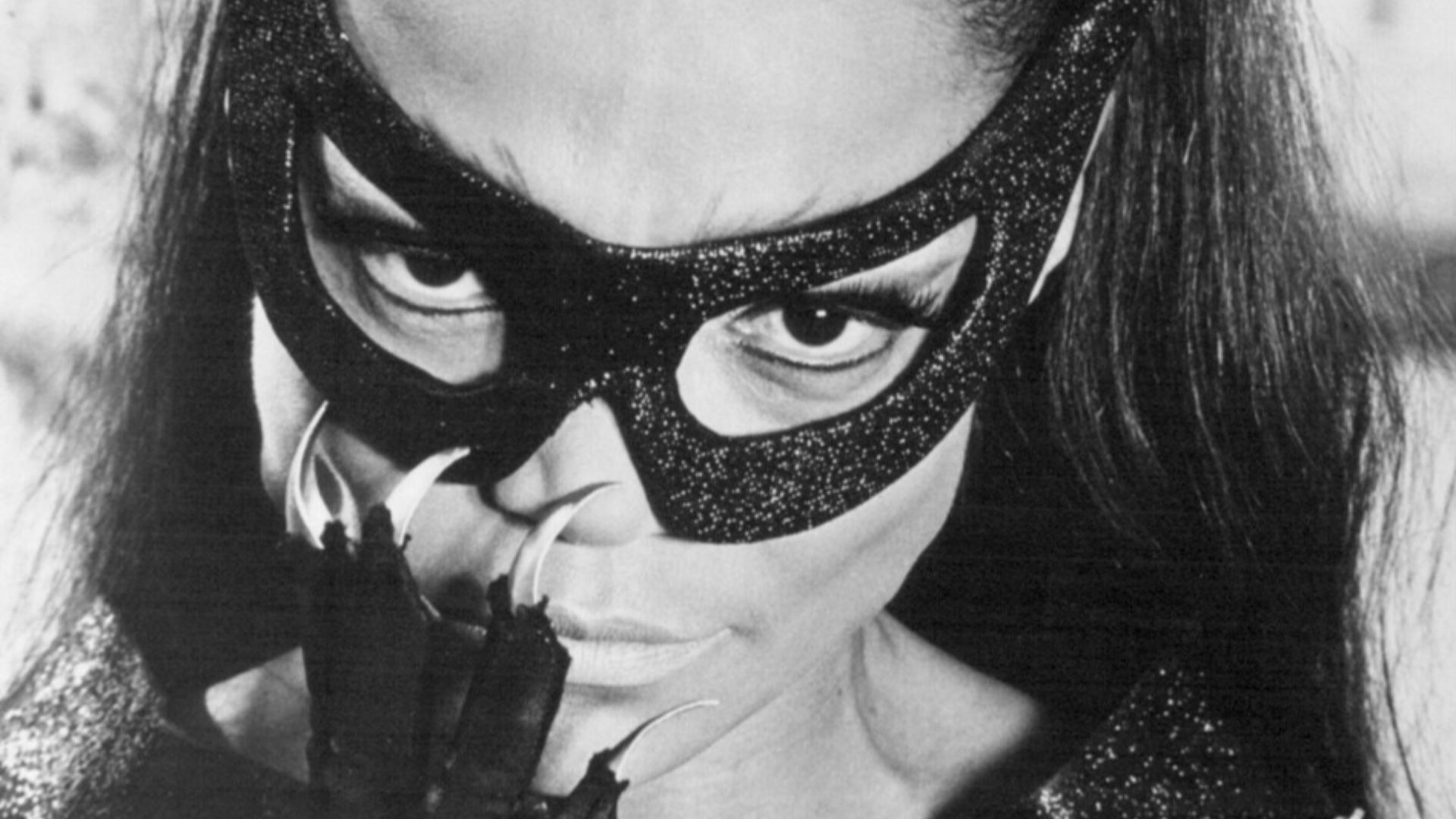
She’s treated like a villain when it’s convenient and a love interest when it’s romantic, and neither tells the whole truth. Selina’s moral code is real even when it bends, and she tends to target systems that already rig the game. You might not approve, but you can recognize the clarity in how she picks her battles.
 American Broadcasting Company on Wikimedia
7. Loki
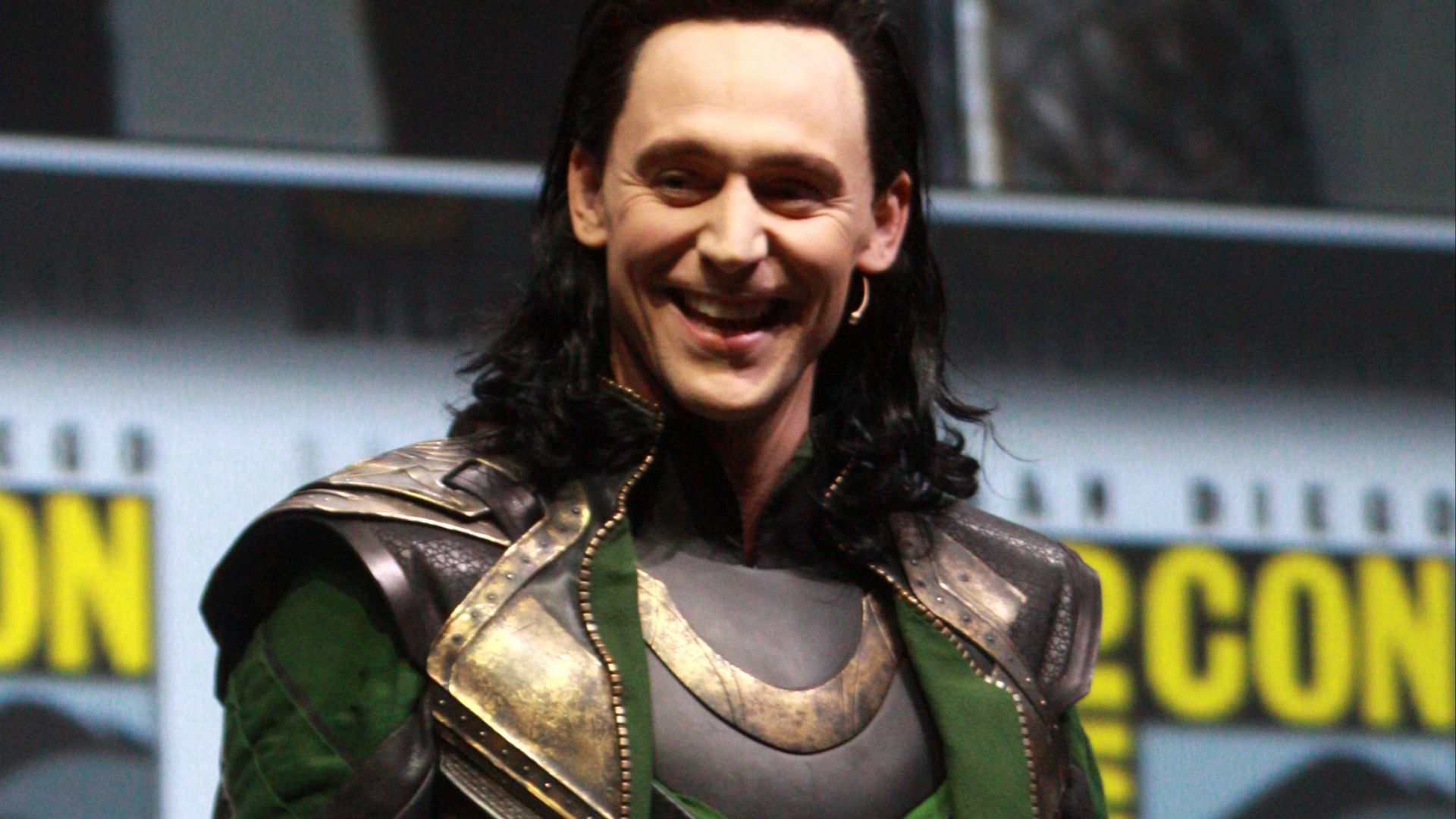
Thank you, Tom Hiddleston, for doing our boy some justice. Okay, Loki has a reputation as a lying troublemaker, but all that bluster’s just a mask. He isn’t only driven by spite; he’s driven by the fear of being irrelevant and unloved. If you’ve ever watched someone act out just to avoid being overlooked, you’ve seen the emotion that keeps him moving.
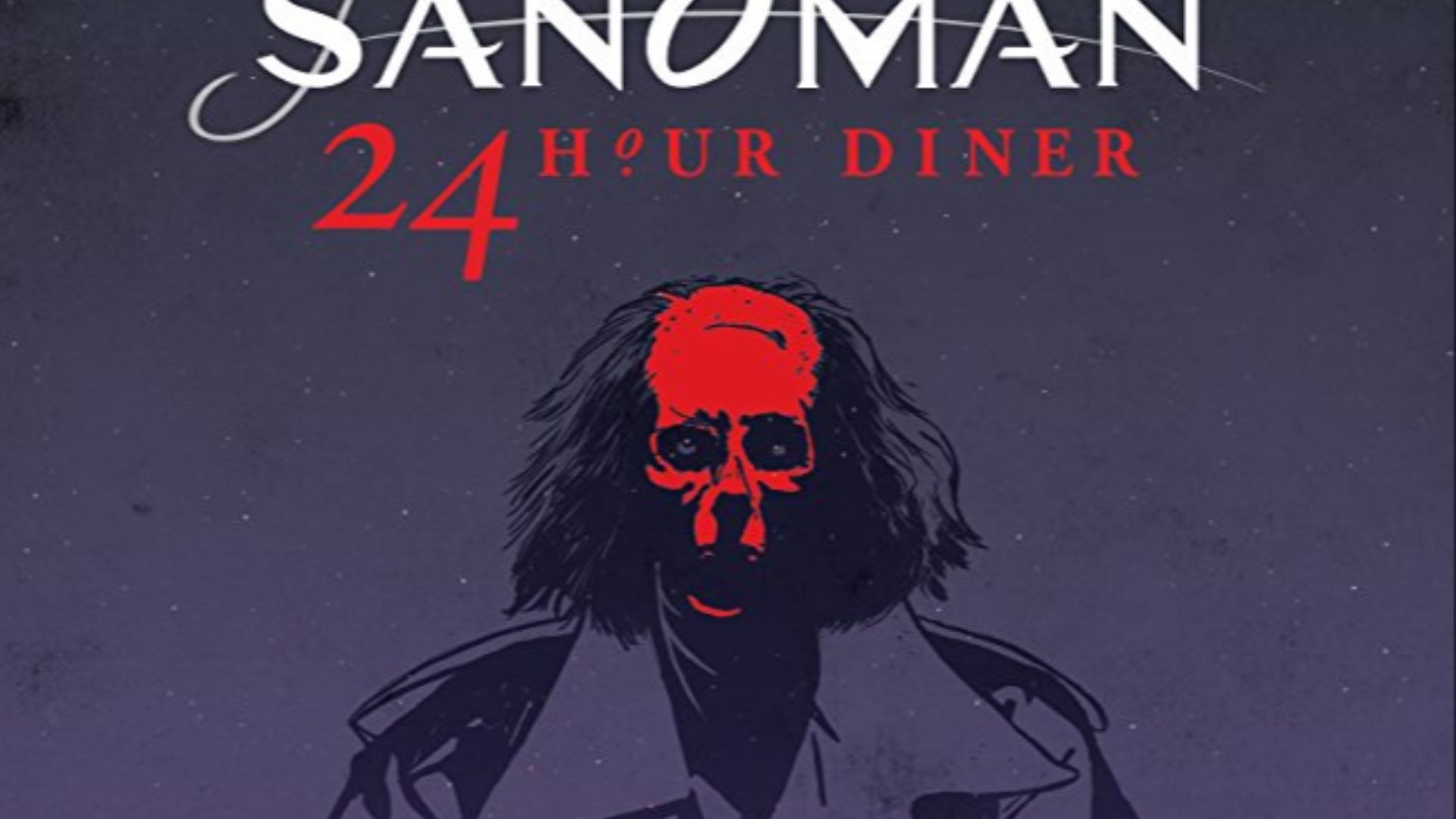
8. The Sandman
Sandman is often portrayed as a brute, but his story repeatedly circles back to survival and even regret. He’s not chasing a grand ideology, and that plainness is what makes him believable. You can feel the pressure of a man who keeps picking the wrong door because the right one never stays open.
9. The Riddler
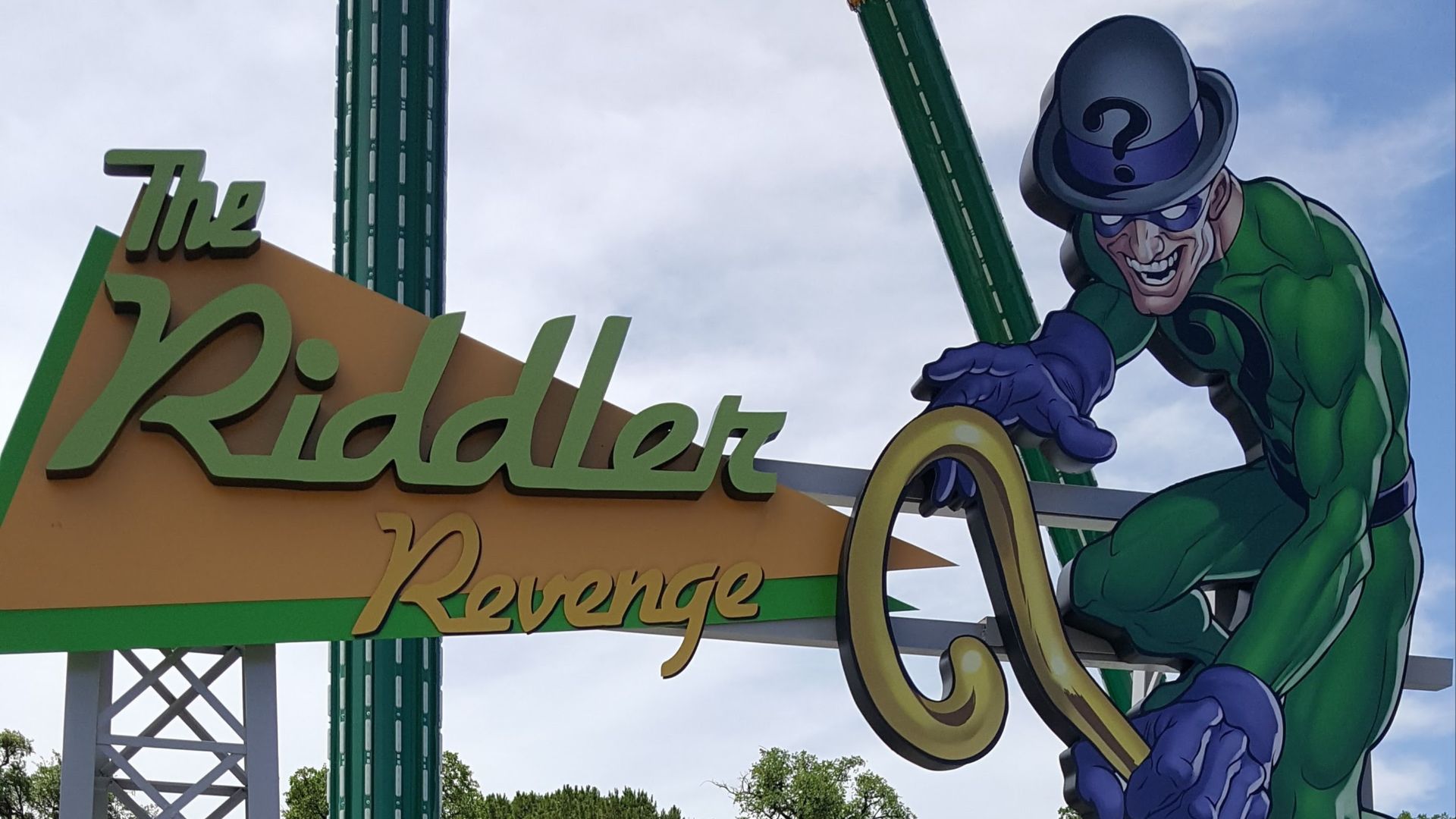
It’s easy to see this guy as a smug nuisance, yet his obsession with puzzles is tied to a desperate need for recognition. Riddler doesn’t just want to win; he wants you to admit he’s the smartest person in the room. Okay, that’s not exactly noble, but it’s a painfully clear insecurity dressed up as theatrics.
10. Kingpin
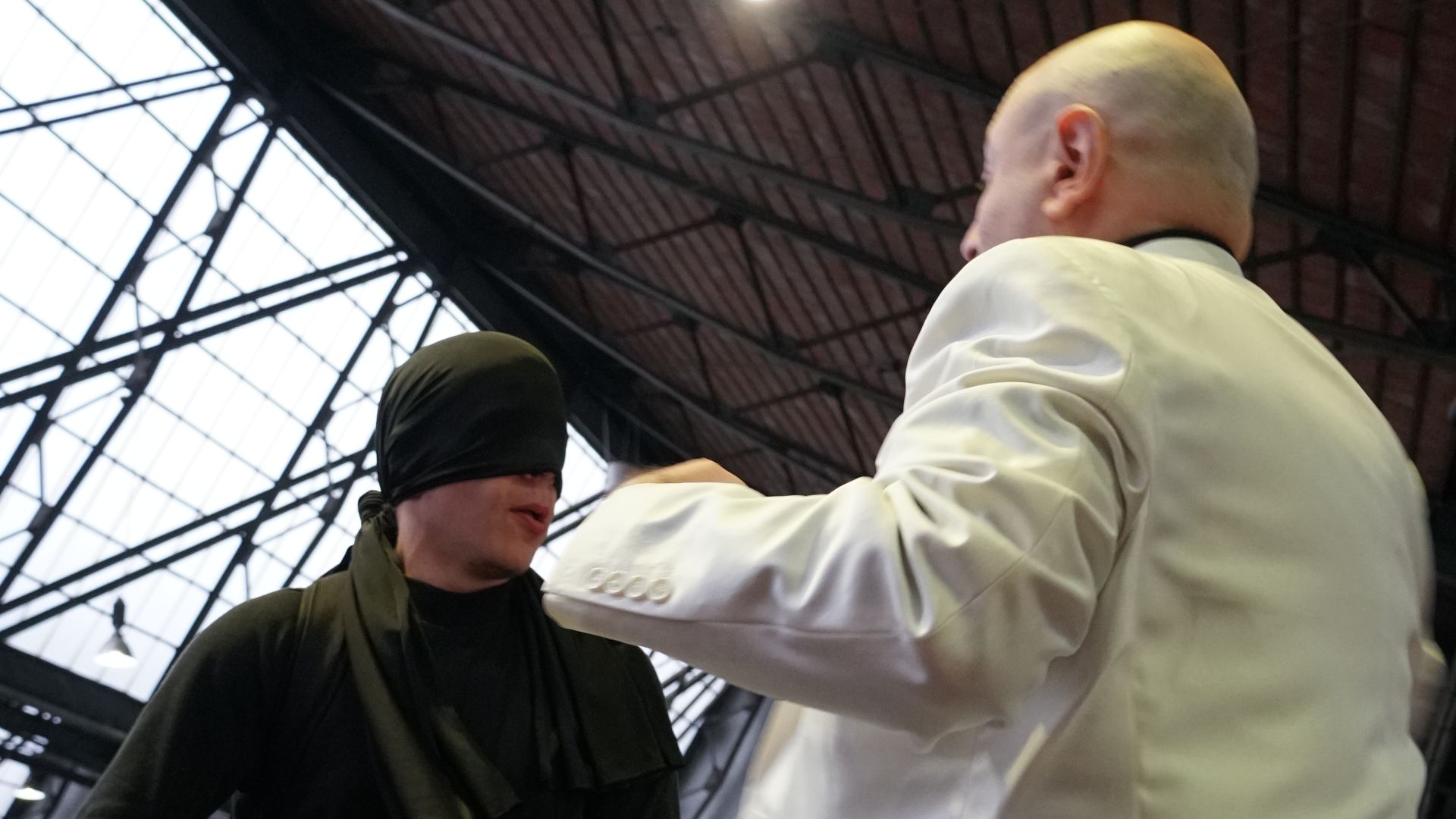
Kingpin gets framed as pure greed, but his control obsession is rooted in fear of vulnerability. He treats order like a moral good, even when he’s enforcing it through brutality. You can’t defend what he does, but you can understand the twisted logic of someone who thinks stability justifies anything.
11. Deadshot
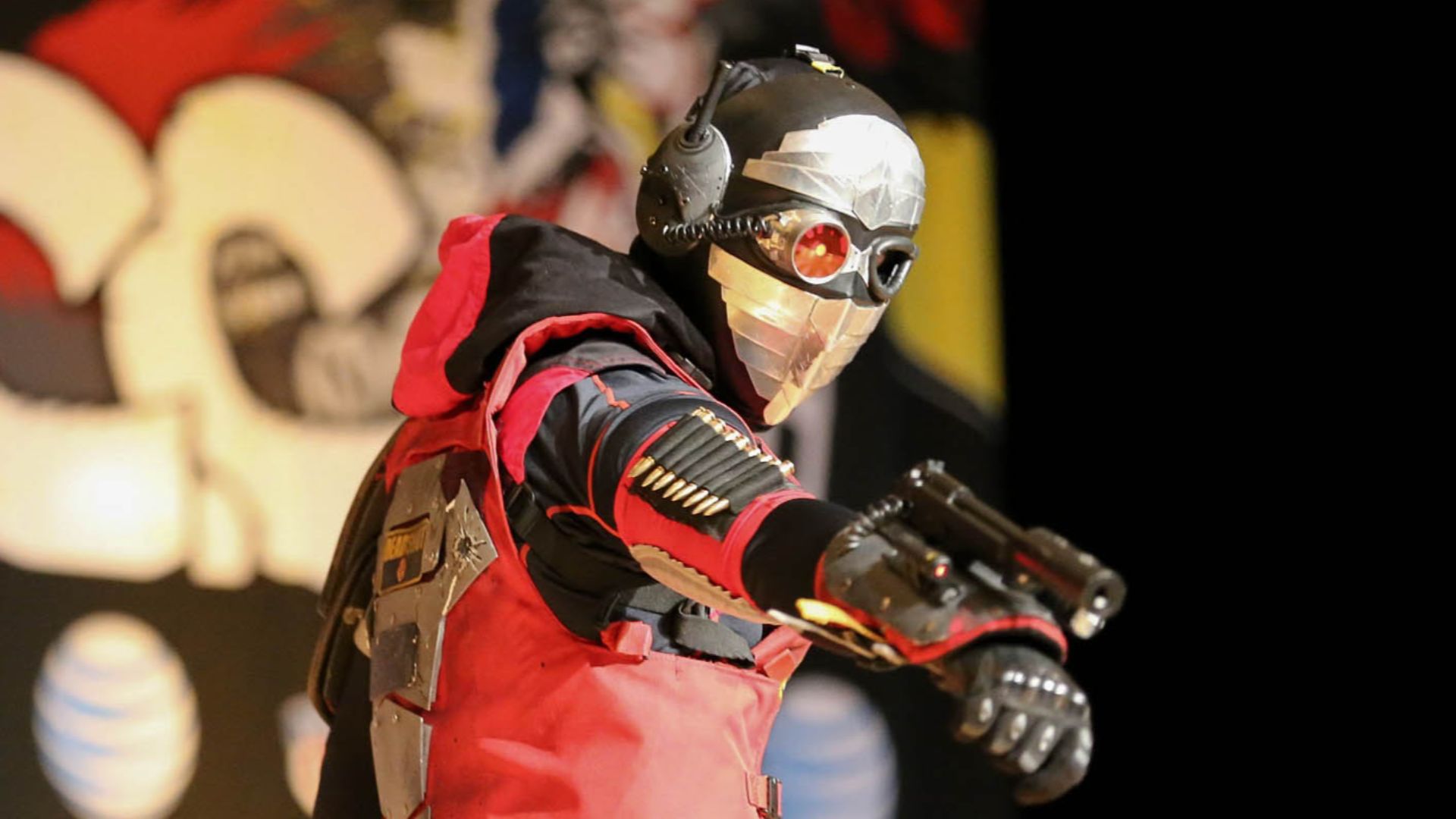
Deadshot’s reputation is built on professionalism, but that cool surface hides a man who doesn’t believe he deserves peace. He takes contracts like they’re proof of his skills. Why? Well, because usefulness feels safer than being loved. His whole persona is less like swagger and more like self-punishment.
 Richie S from Brooklyn, NY, United States on Wikimedia
12. Black Adam
Black Adam only seems like a tyrant. A lot of his choices actually come from a fierce sense of protection. He’s brutal, but he’s also consistent about defending his people when others hesitate or politicize the threat. If you’re expecting a cackling villain, you’ll miss that he sees himself as a guardian who refuses to ask permission.
13. Mystique
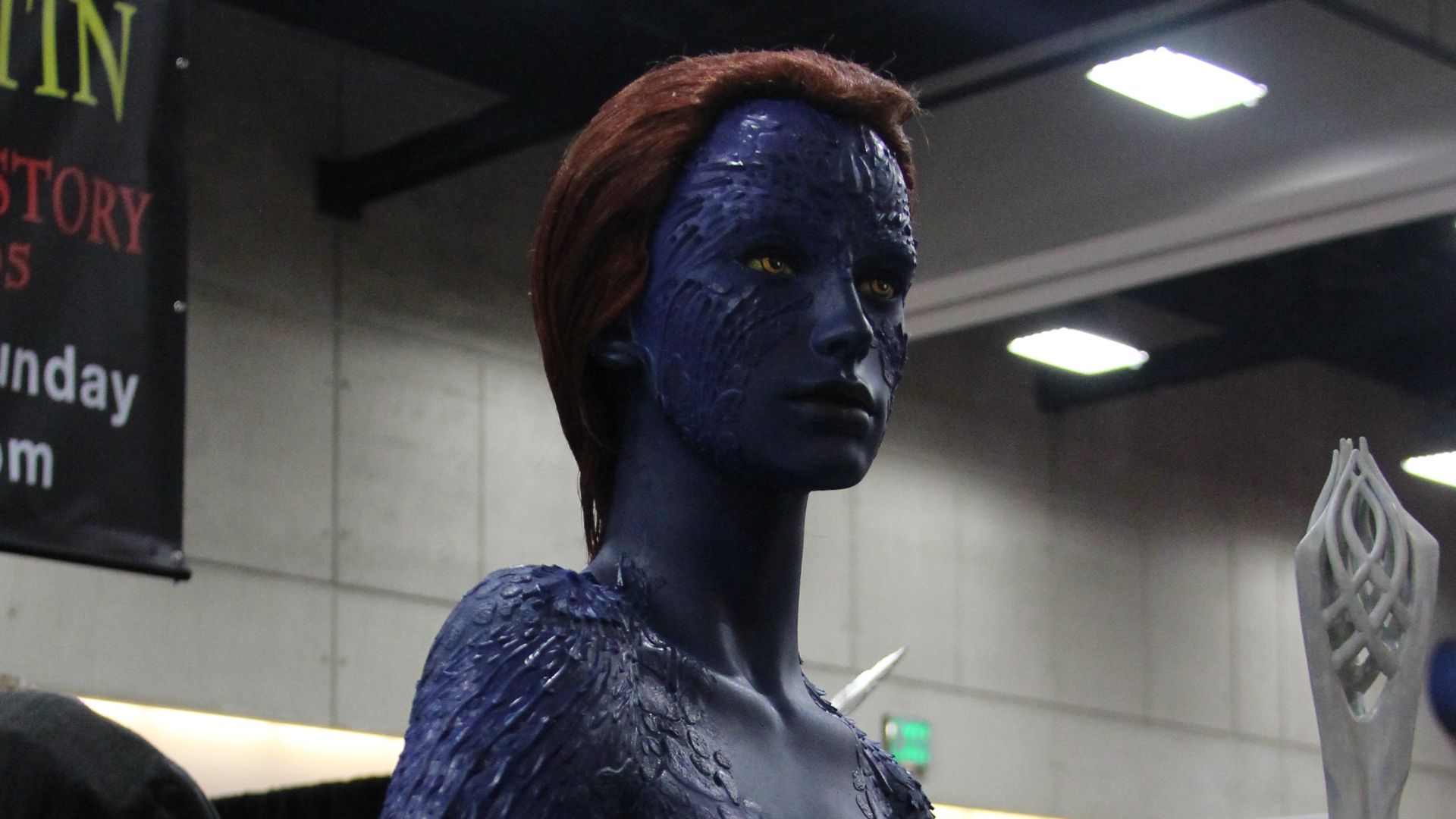
It’s easy to assume the blue-skinned “bad guy” doesn’t have much more to her character. However, Mystique’s shapeshifting life makes trust complicated in ways most people never face. She’s used to being hunted, used, and replaced, so she plans like someone who assumes the knife’s already coming. You don’t have to like her methods to see how often her choices are shaped by survival.
 https://www.flickr.com/people/28277470@N05/ on Wikimedia
14. Two-Face
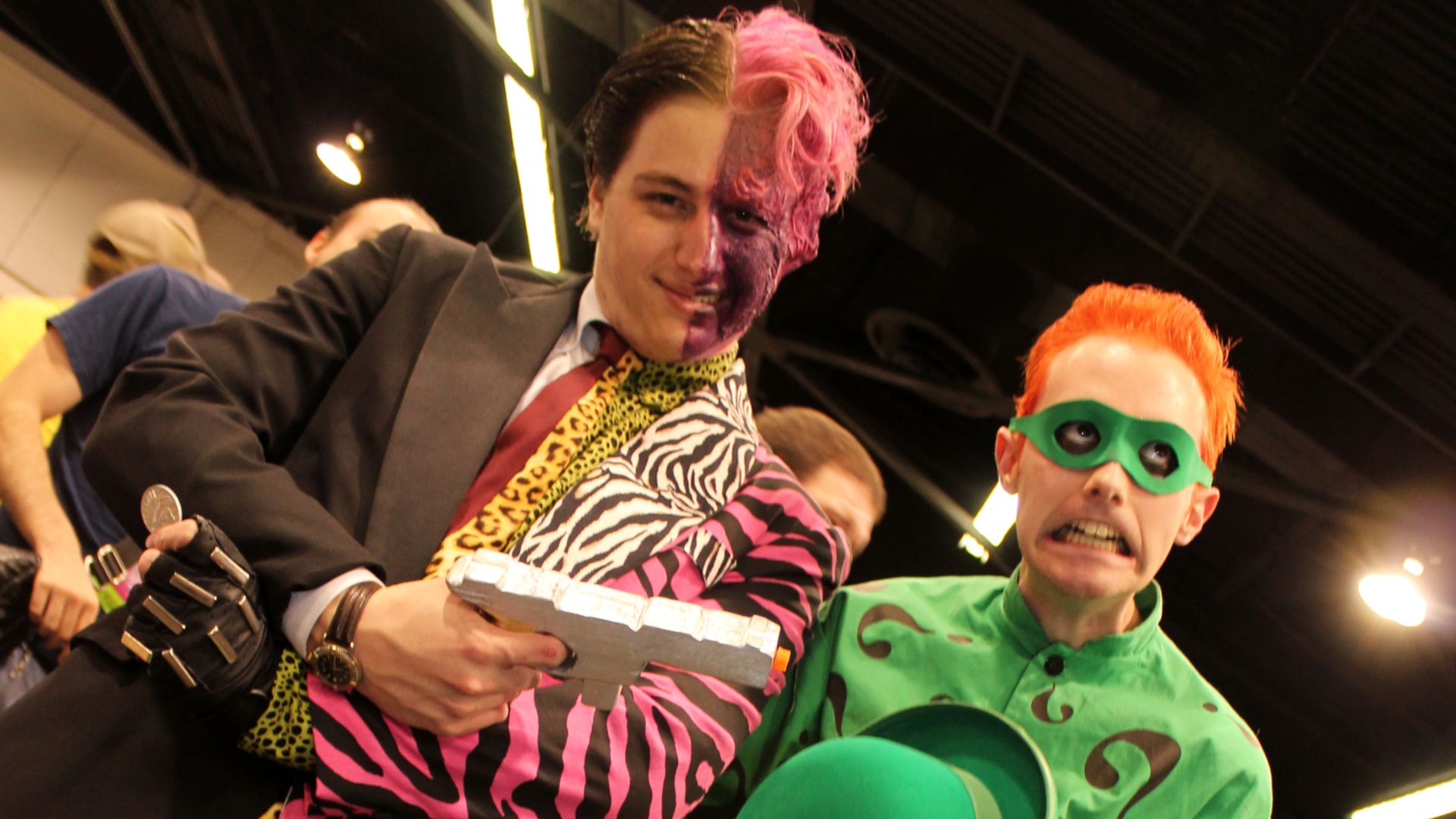
Just about everyone reduces Two-Face to a coin flip—and that’s why he’s so misunderstood. His tragedy is about losing control and trying to rebuild a rulebook overnight. Dent’s violence still matters, but his split identity reflects a mind shattered under pressure and pain.
15. Poison Ivy
Poison Ivy usually gets written off as seduction and plants, but she’s really about boundaries and consequences. Her extremism can be a lot, but her anger comes from watching people destroy what keeps them alive and then shrugging about it. Say what you want about her; you can’t deny that she’s reacting to a world that refuses to listen.

16. Clayface
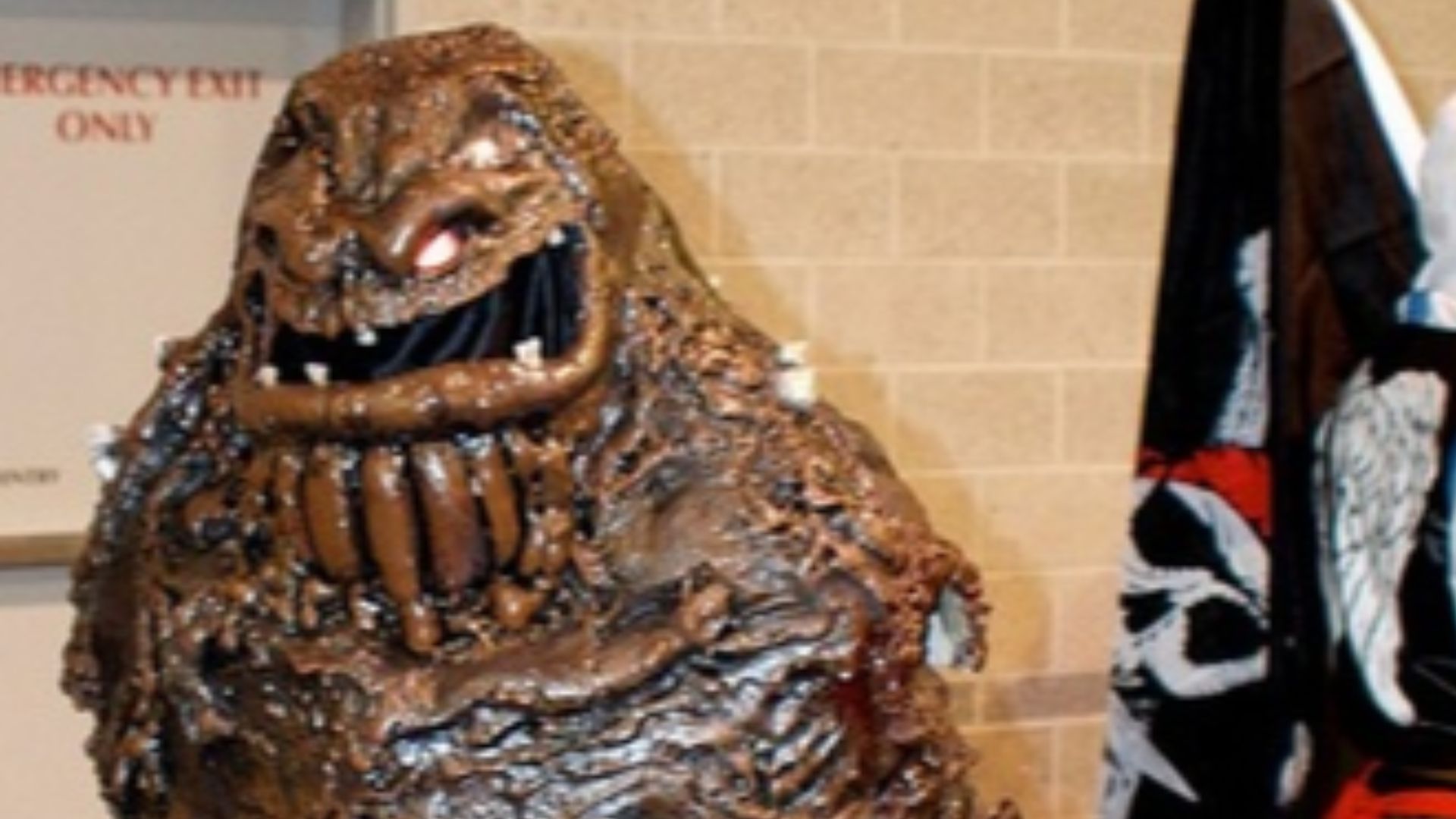
Clayface gets portrayed as a shapeless threat, but the best versions of him focus on identity and grief. He wants to be seen as more than a walking hazard, and that desire keeps colliding with his instability. If you’ve ever feared you’re defined by your worst day, Clayface’s spiral hits harder than you expect.
 Ed Quinn at Flickr.com on Wikimedia
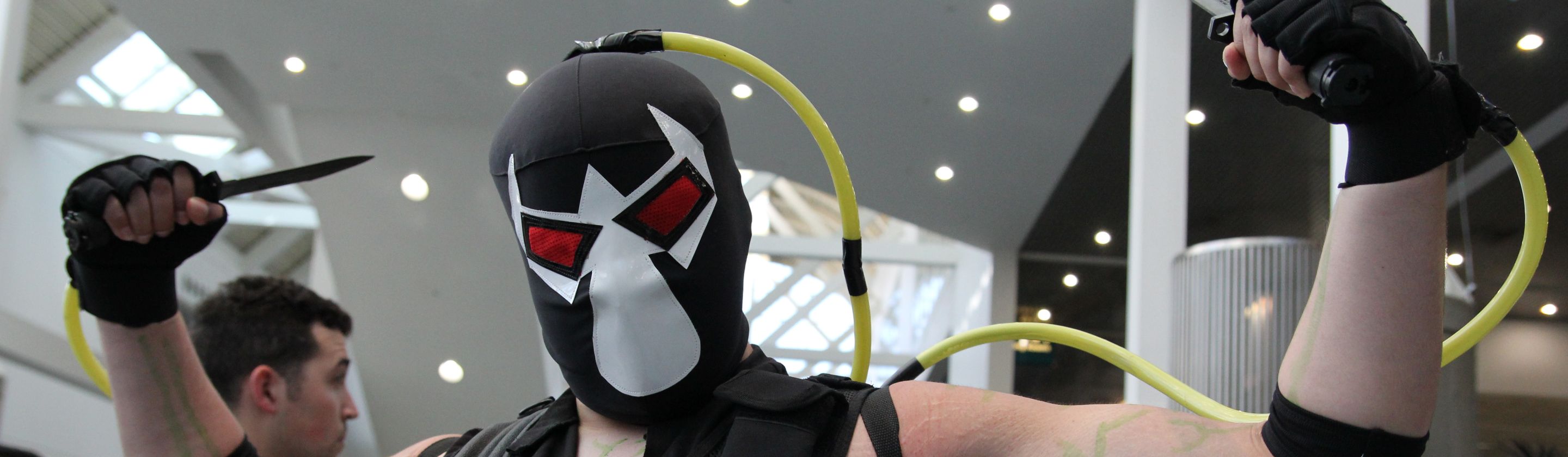
17. Bane
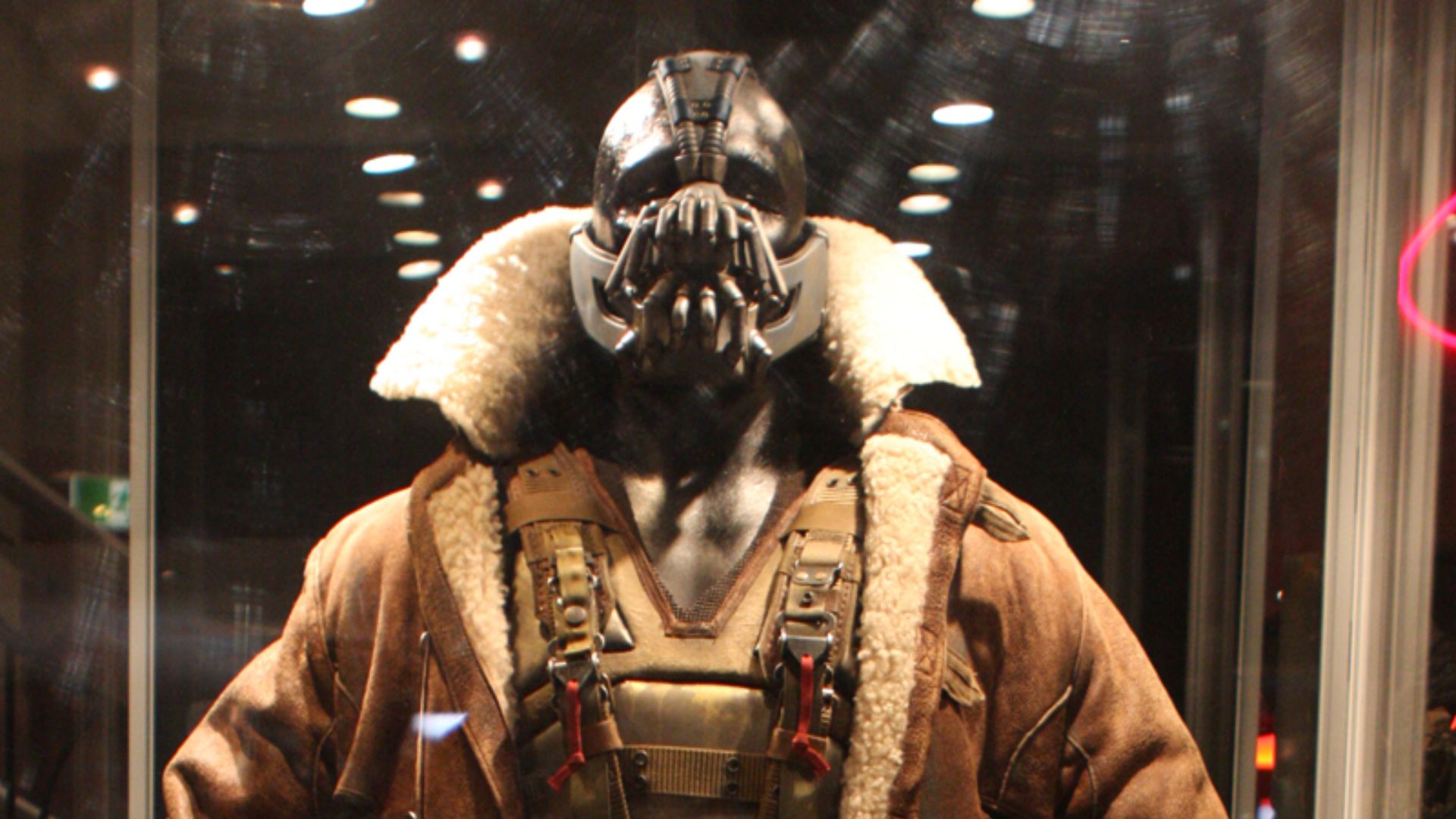
Bane is sometimes portrayed as a muscle-bound wrecking ball—or a brute no one understands—but we’re here to vouch for his attributes. He’s strategic, disciplined, and deeply shaped by hardship. He doesn’t destroy things for fun; he’s proving he can’t be caged or dismissed again.
18. Norman Osborn
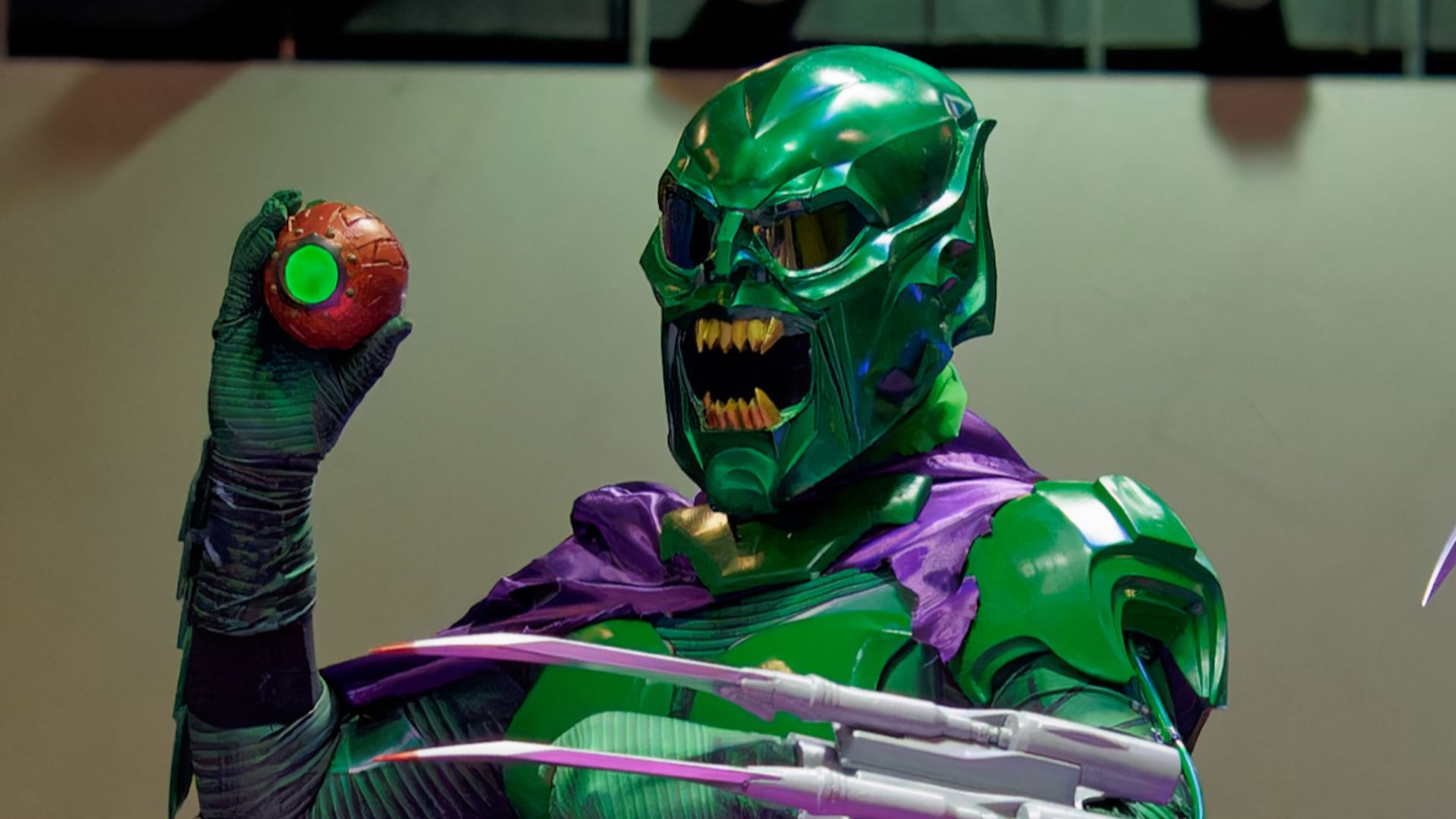
Norman often gets filed under “madman,” and Willem Dafoe’s terrifying smile didn’t help. However, that label skips the uncomfortable ambition and paranoia that fuel him. He’s obsessed with legacy, and he tries to build it by bending institutions until they serve him. It’s ugly, but you can see how his insecurity turns power into something he can’t stop chasing.
19. Sinestro
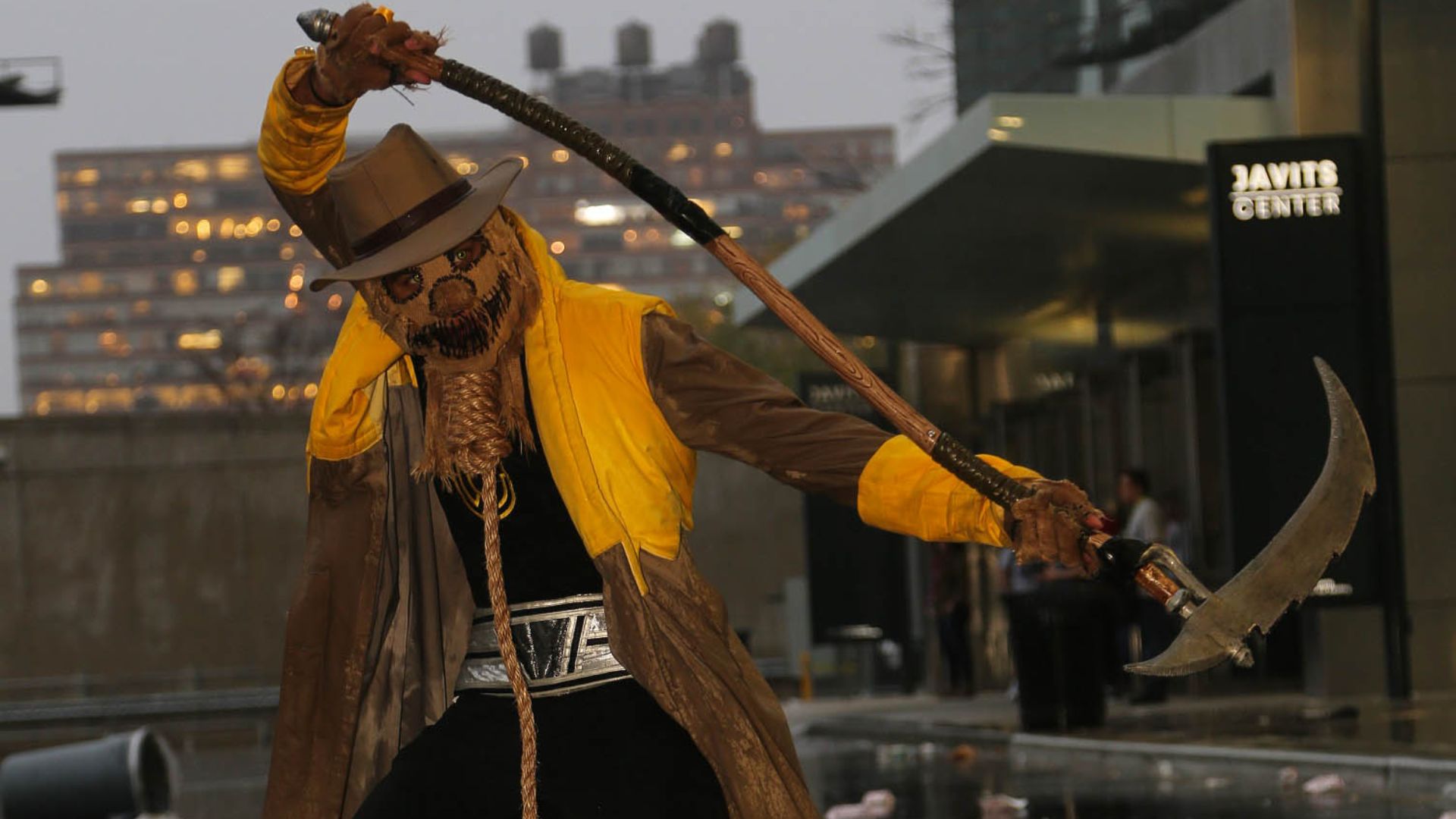
Sinestro is treated as a fear-monger, but he honestly believes fear is a tool that prevents chaos and suffering. He’s strict to the point of cruelty, yet his vision is shaped by a real dread of disorder and weakness.
 Richie S from Brooklyn, NY, United States on Wikimedia
20. The Winter Soldier
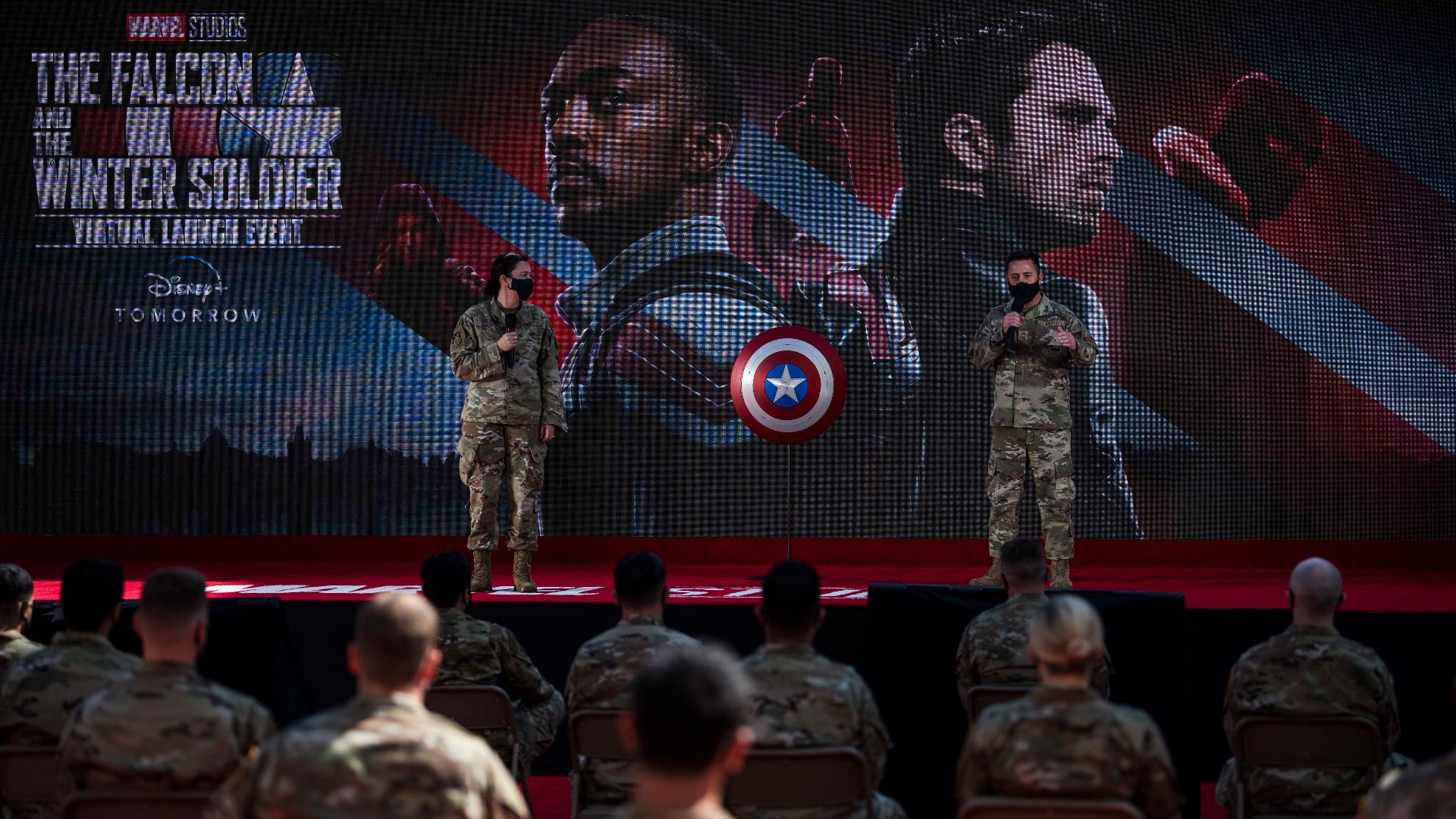
Poor, poor Bucky. The Winter Soldier is so much more than a villain by default—a lot of his story is about what happens when lives get stolen. He carries the weight of being used as a weapon against his own will. When you look at the recovery arc, you’re not watching redemption as a trophy; you’re watching a person fight to become himself again.
 U.S. Space Force photo by Tech. Sgt. Luke Kitterman on Wikimedia