

The Final Moments Can Decide Everything
A video game’s ending carries disproportionate weight because it frames how everything before it is remembered. Players invest time, emotion, and attention over dozens of hours, which means a weak finale can sour even an otherwise excellent experience. Some games undermine themselves by rushing conclusions, ignoring player choice, or overexplaining themes that worked better when left subtle. Others deliver endings so confident and emotionally precise that they elevate the entire journey. Here are 10 games that ruined their endings and 10 that nailed them.

1. Mass Effect 3
After years of player choice shaping relationships and galactic politics, this game's ending reduced everything to a handful of abstract options. The lack of meaningful variation made previous decisions feel irrelevant despite the time invested. What should have been a personalized finale instead felt detached from the journey players had carefully crafted. Even with later updates, the damage to player trust was already done.
2. Game of Thrones (Telltale)
The episodic buildup promised consequences that would echo across the story, yet the conclusion delivered abrupt resolutions and unresolved arcs. Player decisions rarely paid off in ways that felt proportional to their importance. The ending felt more like a pause than a true conclusion. That sense of incompleteness lingered long after the credits rolled.

3. Metal Gear Solid V: The Phantom Pain
Despite strong gameplay and ambitious themes, the narrative simply stops rather than resolves. Key plot threads are left dangling without emotional or thematic closure. The unfinished structure overshadows what could have been a defining entry in the series. Players were left debating intention versus absence instead of reflecting on meaning.

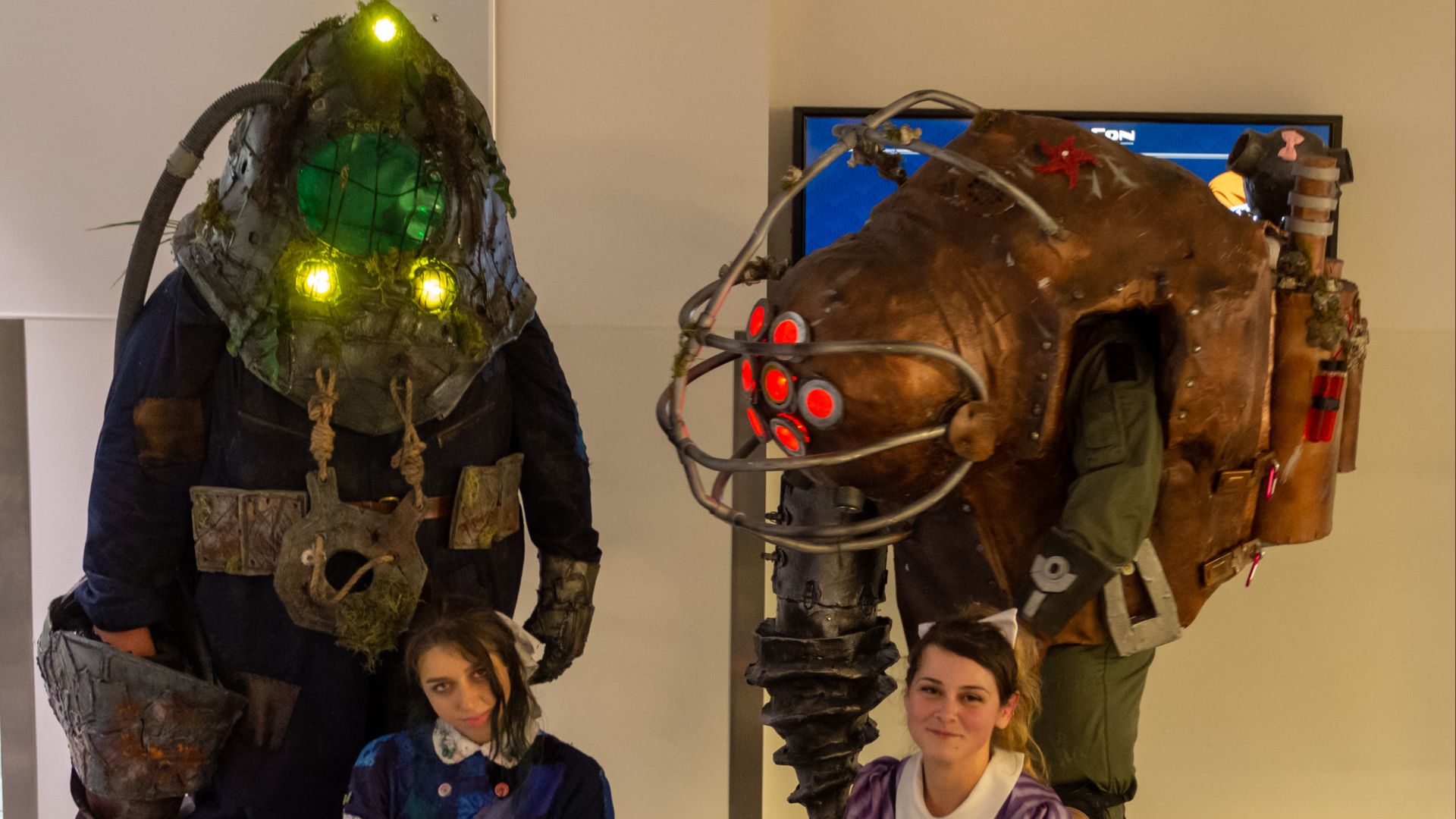
4. BioShock Infinite
The ending leans heavily on abstract multiverse logic that clashes with the grounded emotional storytelling that came before it. While visually striking, it replaces clarity with confusion. Many players walked away impressed but emotionally disconnected. The twist feels more clever than satisfying in hindsight.

5. Star Ocean: Till the End of Time
The late-game twist reframes the entire universe as a simulation, which retroactively undercuts emotional stakes for many fans. What was intended to be bold instead felt dismissive of the journey itself. Characters and conflicts suddenly seemed less meaningful. The ending permanently divided the fan base.

6. Far Cry 5
The finale removes player agency entirely and forces a bleak outcome regardless of previous choices. This approach directly clashes with the game’s open-world structure and implied freedom. Players felt punished for engagement rather than rewarded for investment. The ending reframes exploration as ultimately pointless.

7. Dying Light
After hours of immersive survival gameplay, the final confrontation becomes a simple quick-time event. The sudden mechanical shift drains tension instead of amplifying it. What should have been a test of everything learned feels hollow. The climax fails to match the scale of the buildup.

8. Deus Ex: Human Revolution
The narrative funnels players into choosing between philosophical endings via a single button press. Those choices lack context tied to actual gameplay decisions. It feels like a shortcut in an otherwise thoughtful experience. The ending simplifies complexity rather than embracing it.

9. Shadow of Mordor
The final boss fight abandons the Nemesis system that defined the entire game. Instead, it relies on scripted sequences that feel disconnected from player-driven stories. The ending ignores its own most compelling mechanic. That missed opportunity stands out sharply in retrospect.

10. Indigo Prophecy
What begins as a grounded supernatural thriller spirals into an incoherent spectacle by the final act. The story abandons logic, tone, and character consistency all at once. Each revelation raises more questions than it answers. The ending feels like it belongs to a completely different game.

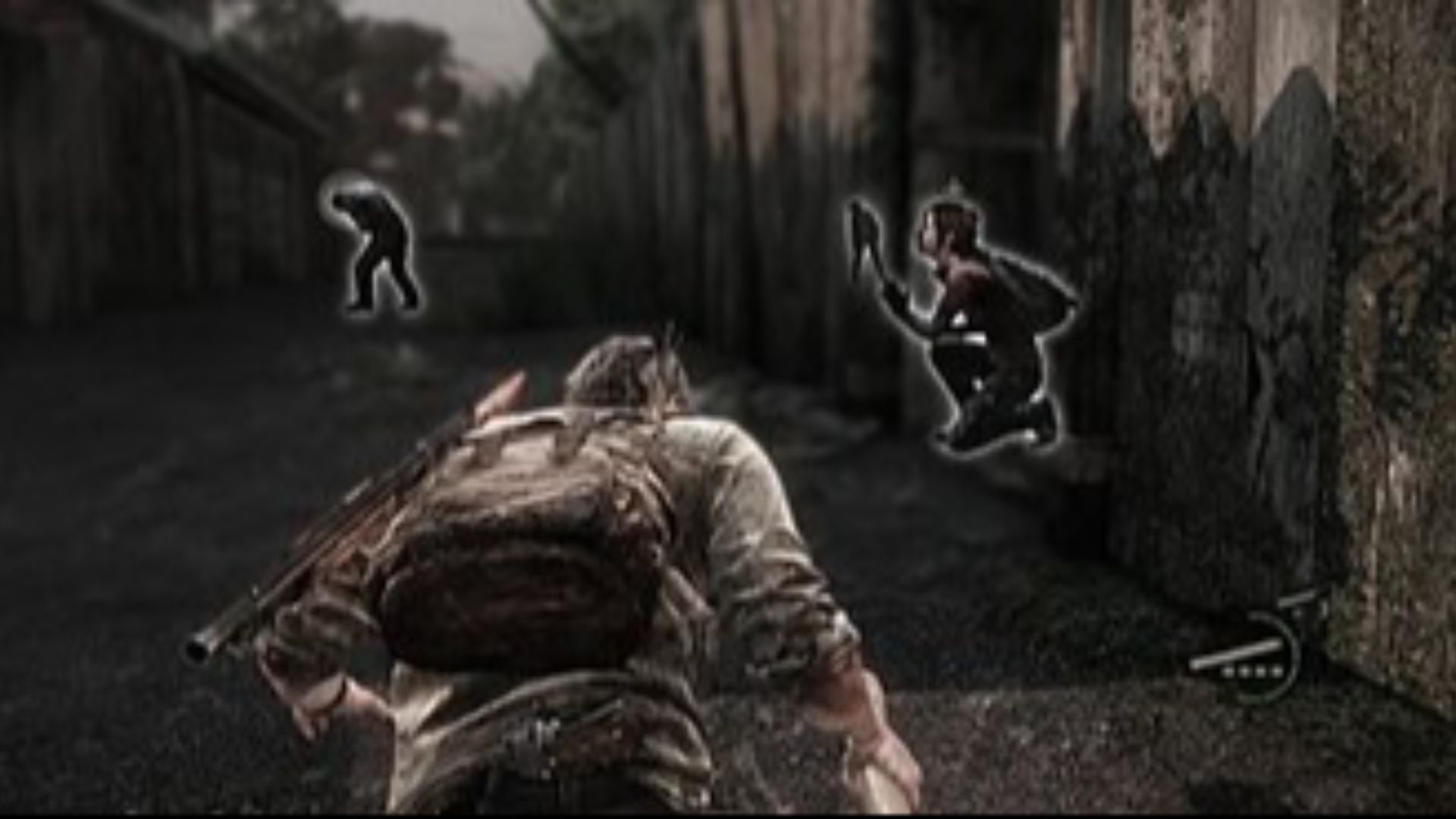
1. The Last of Us
The ending refuses to provide easy answers while staying rooted in character motivation. Joel’s final decision recontextualizes the entire journey in a deeply unsettling way. It challenges the player without moralizing. That restraint is what gives the ending its lasting power.
 Ngô Thị Quỳnh Lâm on Wikimedia
2. Red Dead Redemption 2
Arthur Morgan’s arc concludes with dignity, consequence, and emotional weight. Player choices subtly influence tone without fracturing narrative cohesion. The ending reinforces themes of redemption and inevitability. It feels tragic, earned, and deeply human.

3. Portal 2
The finale balances humor, inventive gameplay, and narrative payoff seamlessly. Character arcs resolve without overstaying their welcome. The game ends exactly when it should. It leaves players satisfied rather than exhausted.

4. Journey
Without using dialogue, the ending delivers surprising emotional resonance. The final ascent feels symbolic and cathartic rather than literal.

5. God of War (2018)
The conclusion ties personal growth to mythological stakes with confidence. Kratos’s restraint and Atreus’s understanding feel genuinely earned. The ending honors character development over spectacle.
 Evgeniy Kondratiev on Unsplash
6. BioShock
The ending reinforces the game’s central themes about control and free will. Earlier moments are reframed in ways that feel revelatory rather than manipulative.
7. Hades
Rather than treating the ending as a finish line, the game integrates it into progression. Each resolution deepens character relationships and emotional context.

8. Undertale
The ending adapts meaningfully based on how players treated the world. Choices feel personal rather than mechanical. Emotional accountability replaces traditional win conditions. The result feels intimate and unsettling in the best way.

9. Mass Effect 2
The suicide mission weaves preparation, loyalty, and decision-making into a tense finale. Every choice carries visible consequences. Success feels earned rather than guaranteed.

10. Outer Wilds
The conclusion blends curiosity, acceptance, and wonder into a deeply satisfying finale. It answers questions without stripping away mystery. Understanding replaces conquest as the final reward. The ending feels profound without being heavy-handed.