
Secrets in Games That Reward Curiosity
Retro platformers were built in an era when games didn’t explain themselves, and that silence gave developers room to hide strange, clever, and sometimes deeply personal secrets. Easter eggs weren’t marketing gimmicks yet; they were inside jokes, technical flexes, or quiet rewards for players willing to experiment. Many of these discoveries spread through playground rumors or magazine tips rather than official guides. Decades later, these 20 hidden details still reveal how much personality early platformers packed into limited cartridges.

1. The Minus World In Super Mario Bros.
One of the most famous glitches in gaming history occurs when players exploit a collision bug near World 1-2’s warp zone. Instead of transporting Mario forward, the game drops him into an endless underwater level labeled “-1.” The level loops infinitely with no exit, effectively trapping the player. It wasn’t intentional, but it became legendary because it felt like forbidden knowledge.

2. Hidden Developer Credits In Adventure
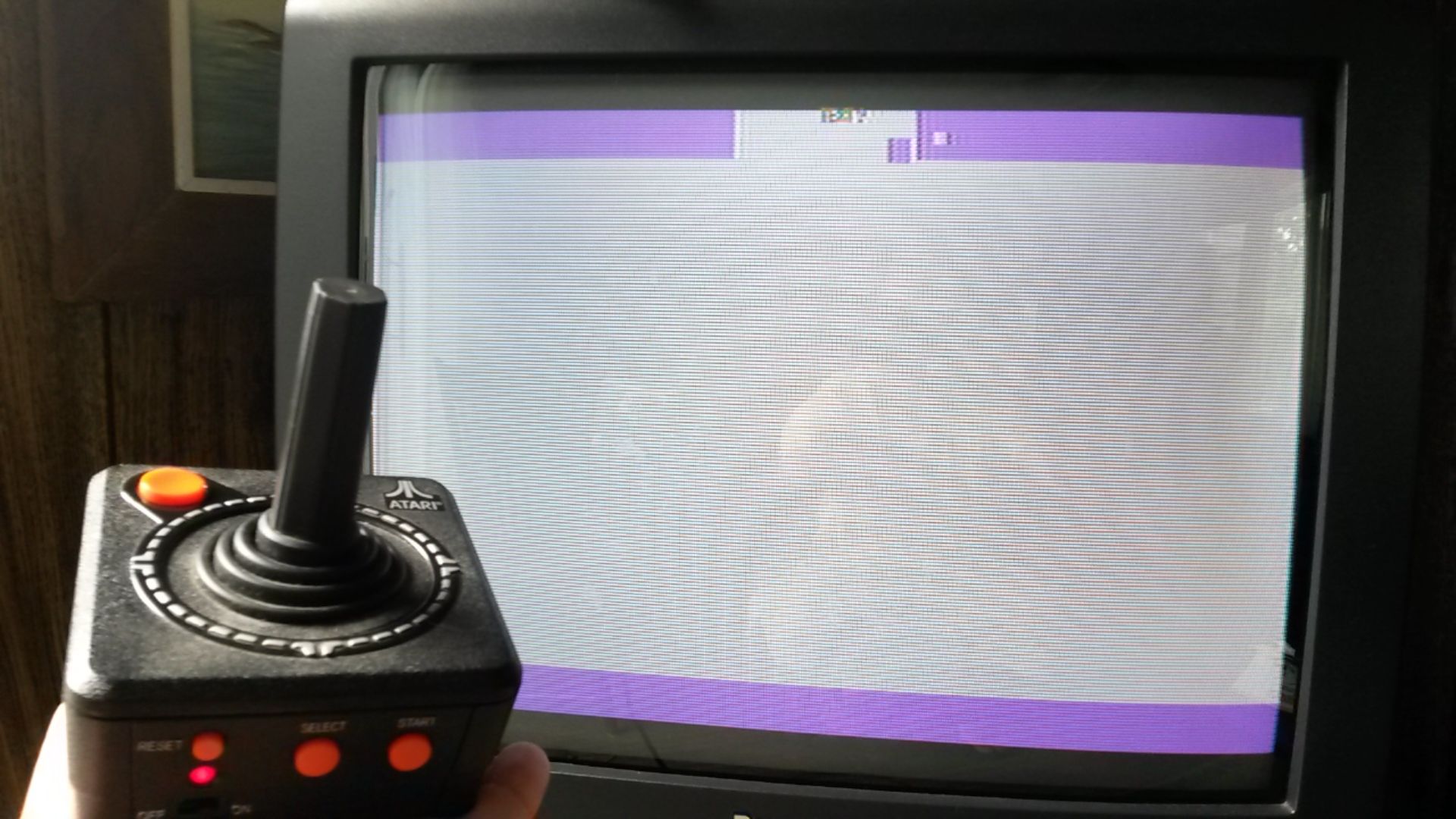
Atari’s Adventure includes what is widely considered gaming’s first Easter egg. By carrying a tiny invisible pixel to a specific wall, players could reveal a hidden room. Inside, the name “Warren Robinett” appears proudly on screen. At a time when developers were discouraged from taking credit, this was a quiet act of rebellion.
3. Secret Warp Zones In Super Mario Bros. 3
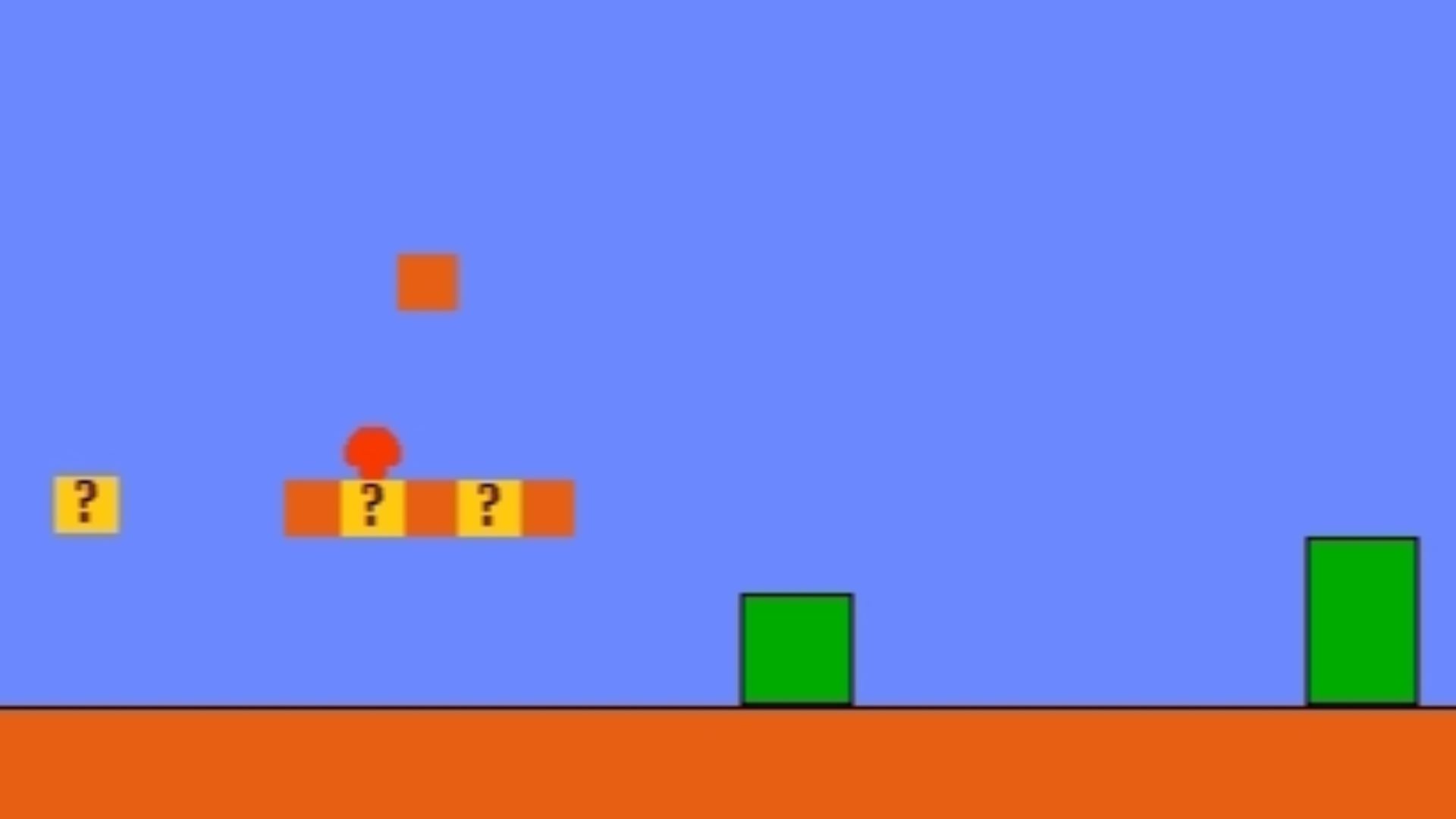
Beyond the obvious warp whistles, Super Mario Bros. 3 hides alternate paths through the world map itself. Certain white blocks allow Mario to slip behind scenery and access secret areas. These routes feel earned rather than given. They reward players who experiment with movement instead of just progressing forward.
4. The Chris Houlihan Room In A Link to the Past
Named after a contest winner, this hidden room contains nothing but rupees and a unique message. It can only be accessed through obscure glitches or special conditions. The room serves no gameplay purpose beyond existing. Its inclusion feels like a secret handshake between developer and player.

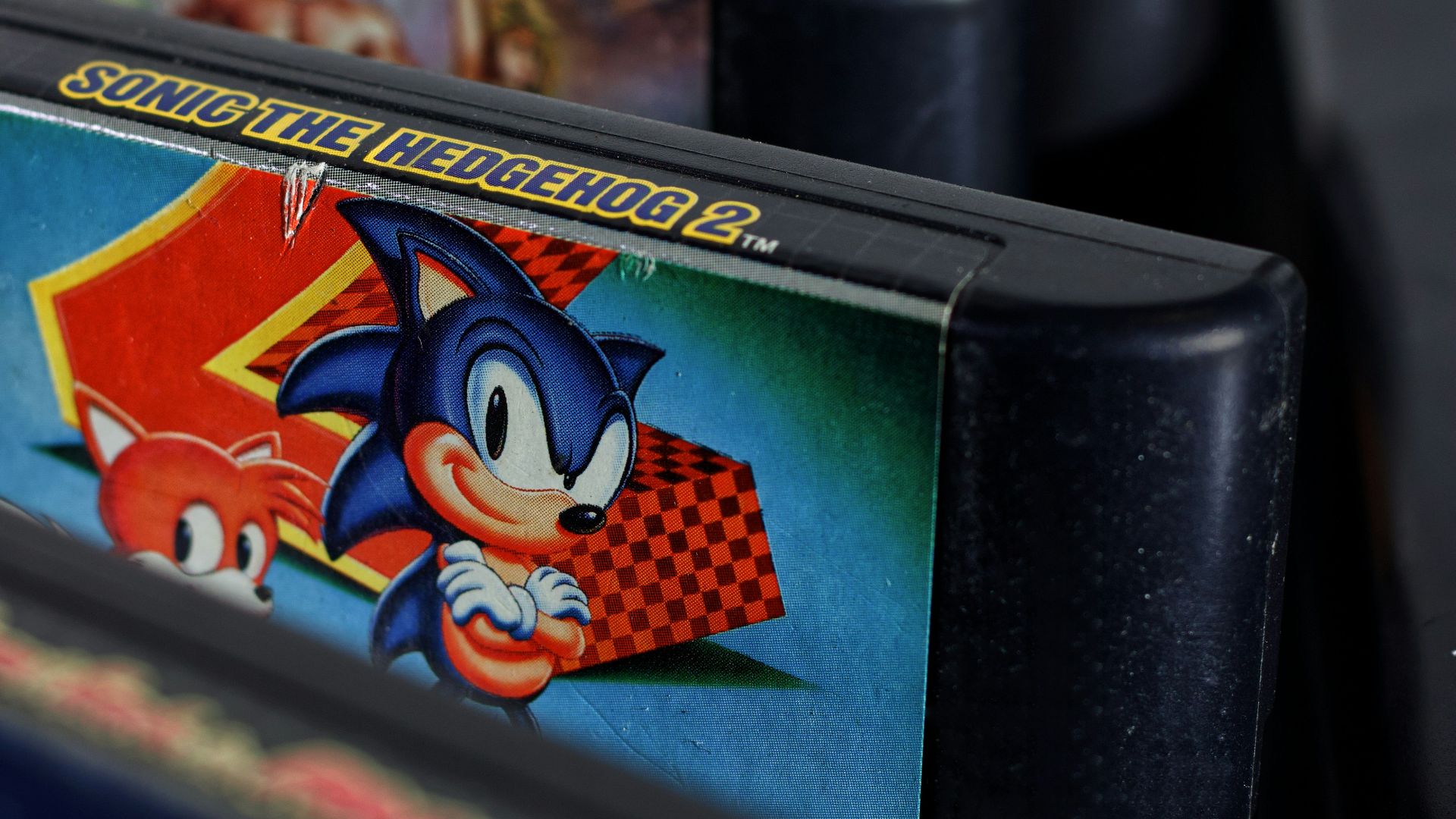
5. Debug Mode Left In Sonic the Hedgehog
By entering a specific button combination on the title screen, players can unlock the game’s debug mode. This allows object placement, free movement, and level manipulation. It was never meant for players, yet it shipped anyway. The result turned curious fans into accidental developers.
6. Hidden Messages In Donkey Kong Country
Rare quietly tucked developer jokes and comments into background textures. One famous example reads “Made by Rare” disguised as an environmental detail. These messages blend into the scenery so well that they’re easy to miss. They reward players who slow down instead of rushing forward.

7. Invisible Coin Rooms In Super Mario World
Certain areas contain invisible blocks that only appear when hit in just the right spot. Some of these lead to hidden coin rooms that don’t appear on the map. The game never hints at their existence. Discovery depends entirely on curiosity and trial.
8. Secret Ending Variations In Castlevania II: Simon’s Quest
The game features multiple endings depending on completion time. Faster runs lead to more hopeful conclusions. Slower progress results in darker outcomes. This subtle system encouraged replay long before speedrunning was common.
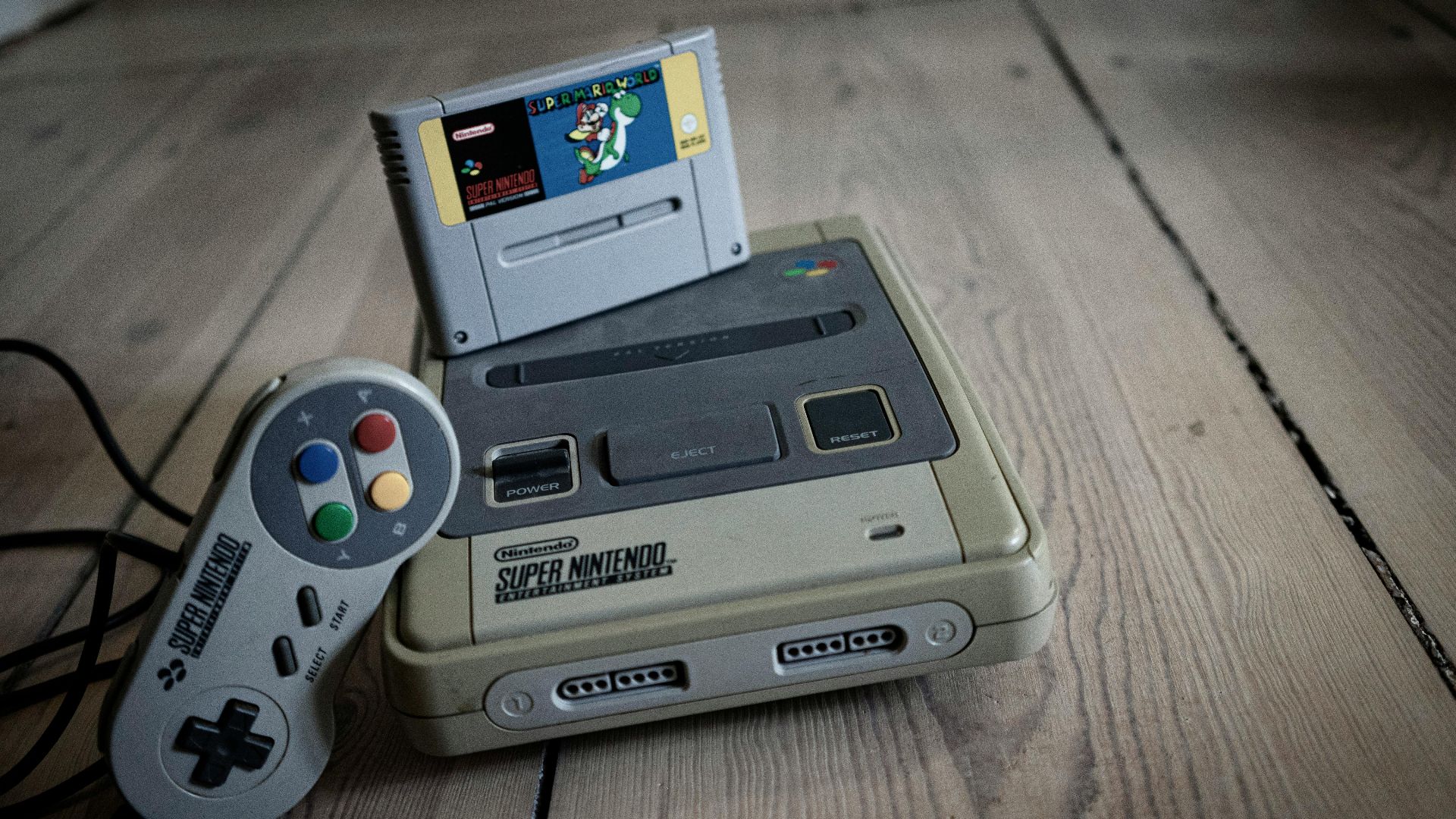
 Bastian Stein (farbfilm) on Wikimedia
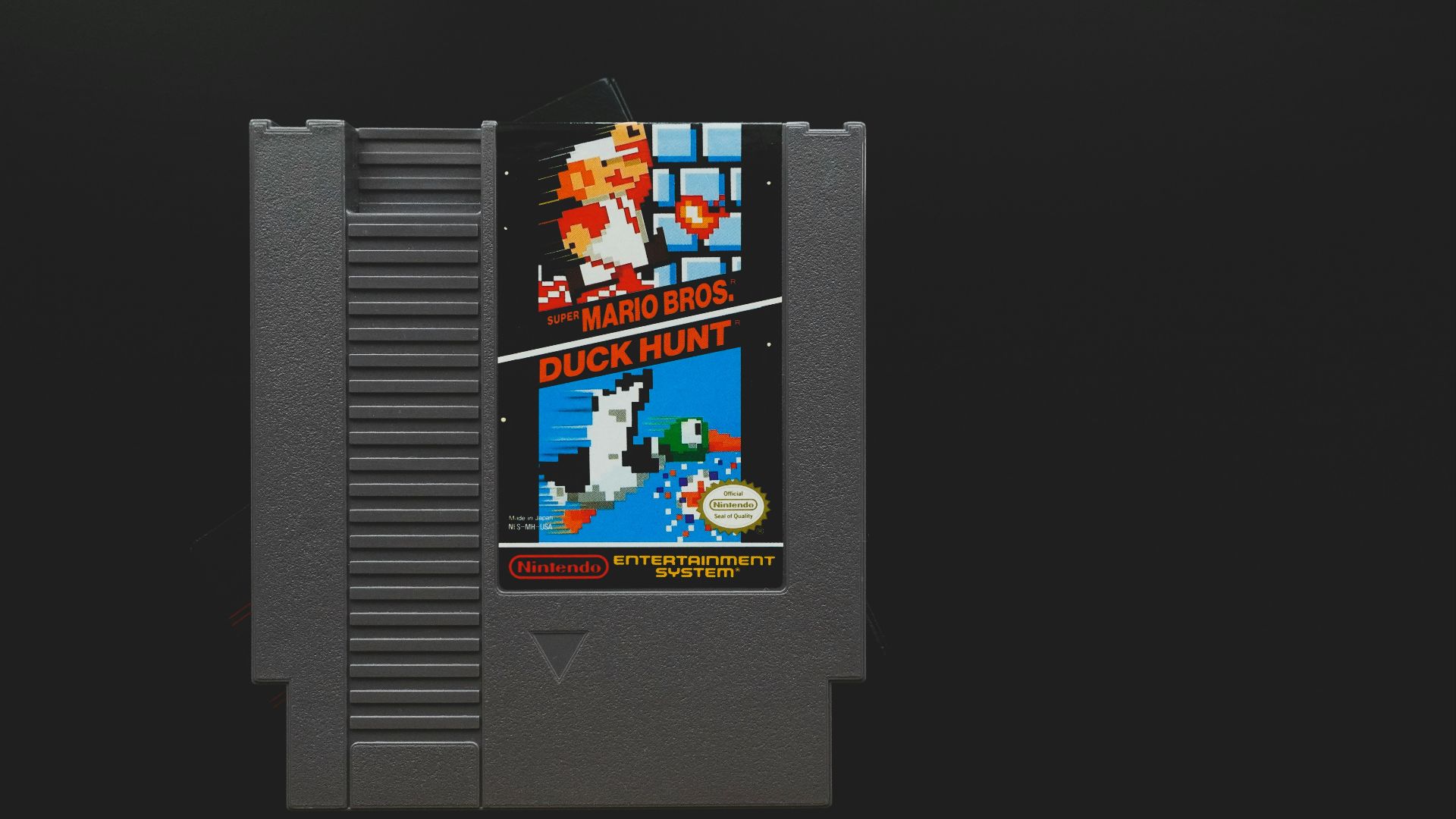
9. The Duck Hunt Controller Trick
While Duck Hunt seems straightforward, players discovered that pointing the light gun at a bright light source could register hits. This wasn’t intended gameplay, but it became a widely shared trick.
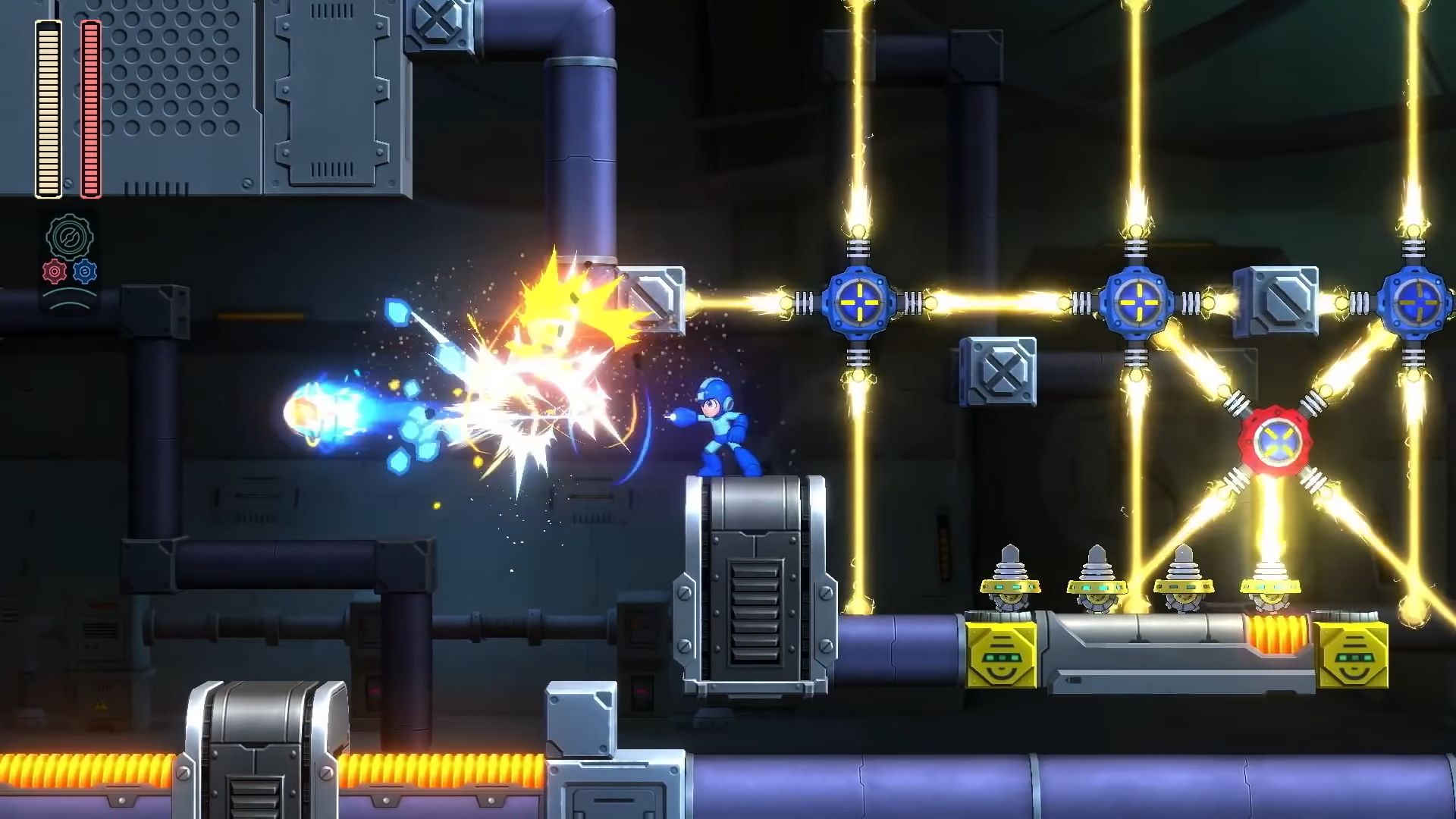
10. Warp Pipes In Mega Man 2
Certain robot master stages contain hidden teleport shortcuts. These pipes allow players to skip difficult platforming sections. They’re completely optional and never explained.
11. Ghostly Figures In Super Mario Bros. 3
Some background elements subtly animate or change when players linger. Clouds may form shapes, and shadows behave strangely. These details don’t affect gameplay, as they exist purely to give the world personality.
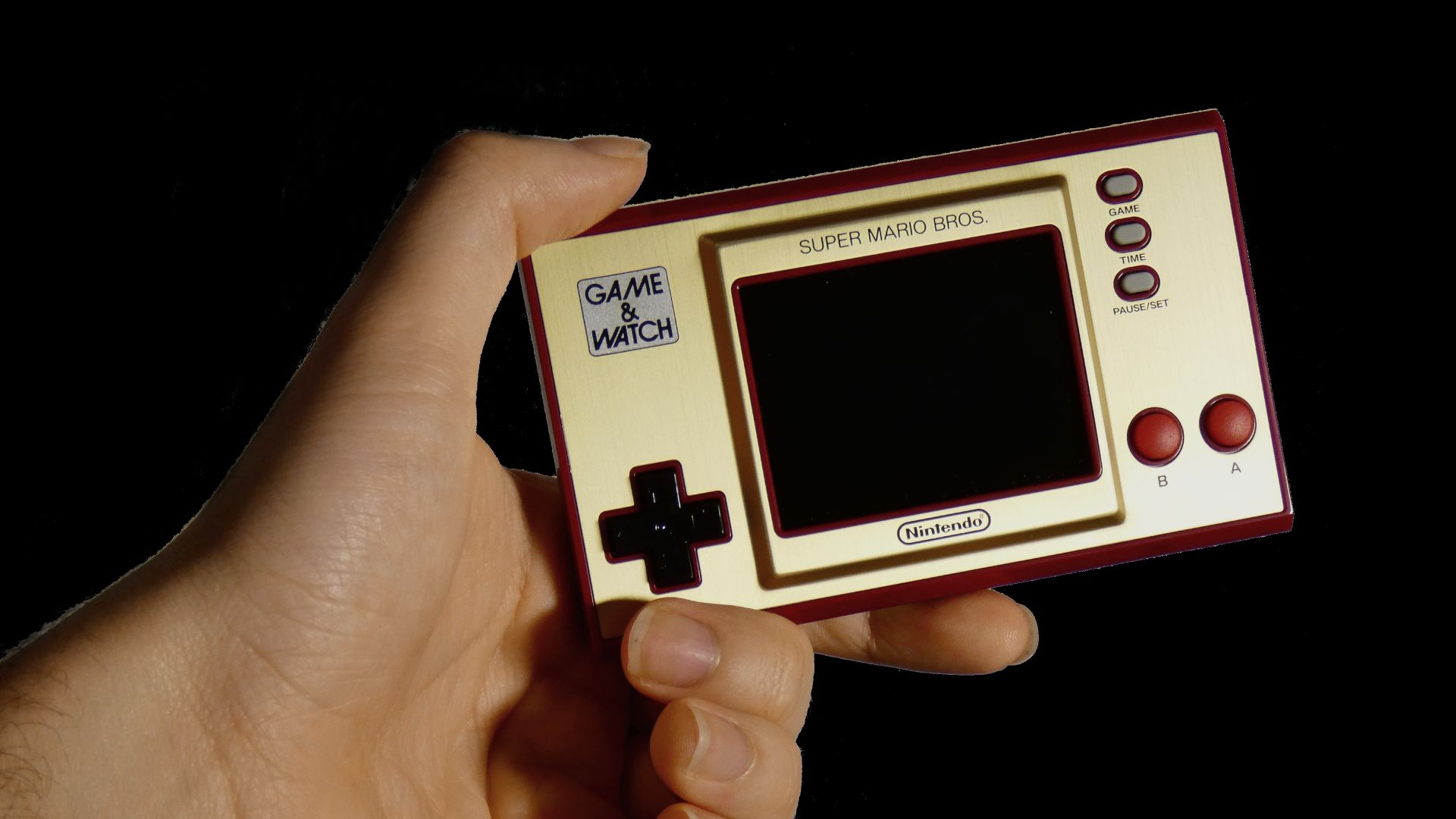
12. Hidden Sound Test In Metroid
Through specific controller inputs, players could access a sound test mode. This allowed them to play music and effects freely. It revealed the game’s audio architecture. For many players, it was their first glimpse behind the curtain.
 Artur Shamsutdinov on Unsplash
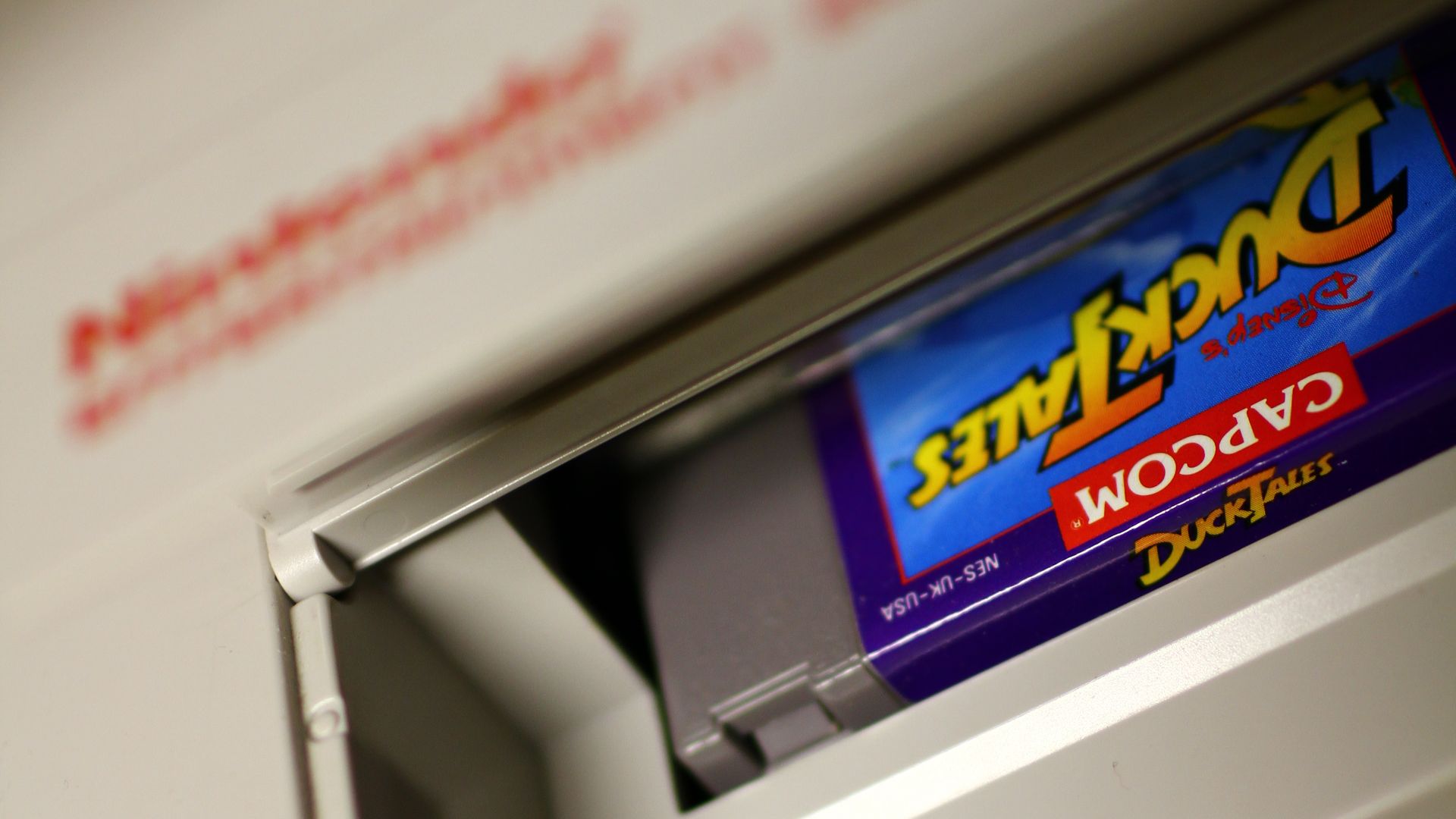
13. Secret Rooms In DuckTales
By repeatedly striking certain walls, Scrooge can uncover hidden chambers. These rooms often contain extra treasure or shortcuts, but nothing visually marks them as special.
14. Developer Faces In EarthBound Beginnings
Though technically an RPG-platform hybrid, this game hides developer likenesses in unused or inaccessible areas. These sprites were never meant to be seen.
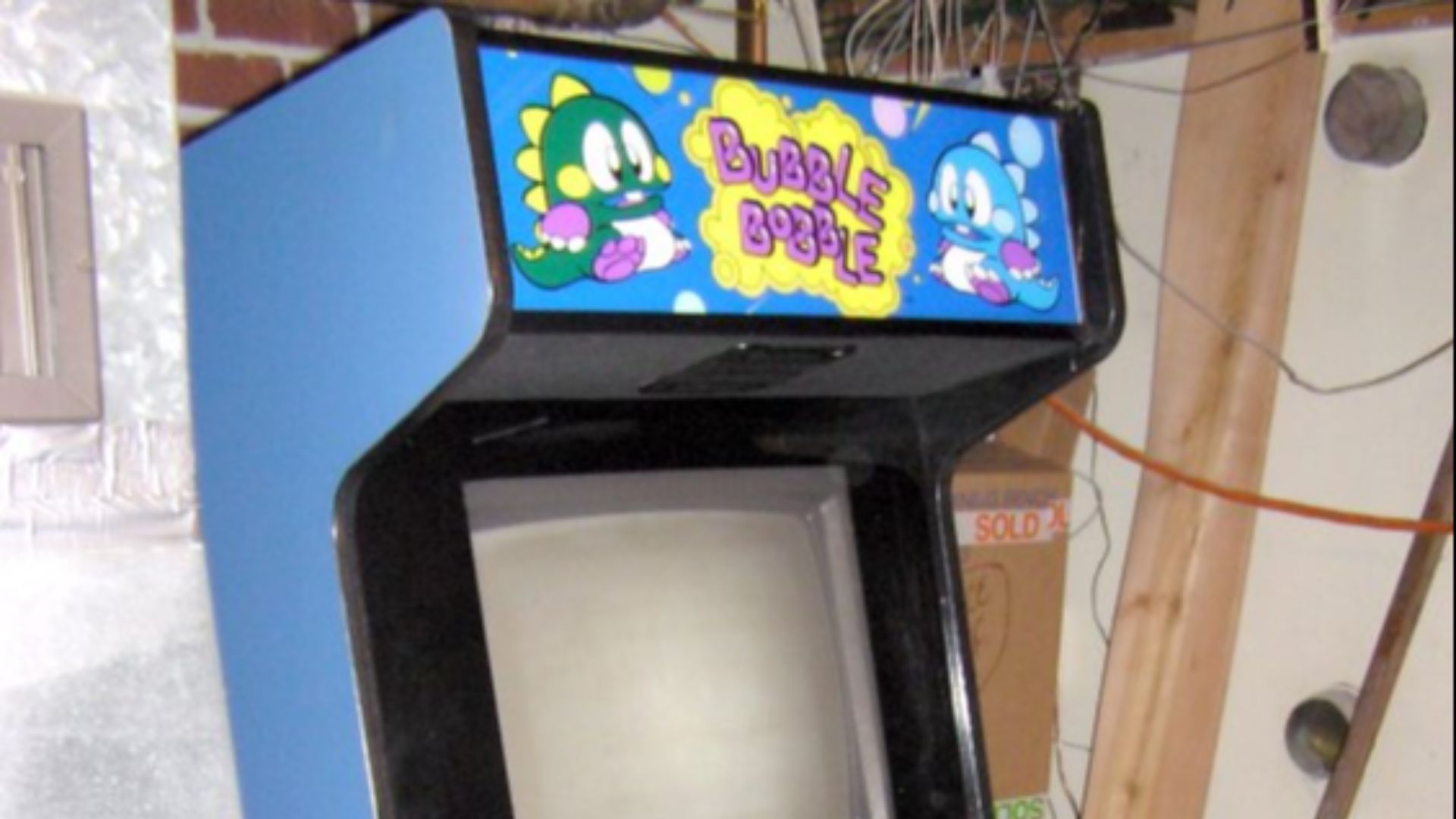
15. The Hidden 1-Up In Bubble Bobble
Performing specific actions without losing a life reveals hidden bonuses. These bonuses aren’t hinted at anywhere. Players who mastered mechanics were quietly rewarded by combining skill and curiosity.
16. Altered Difficulty In Contra
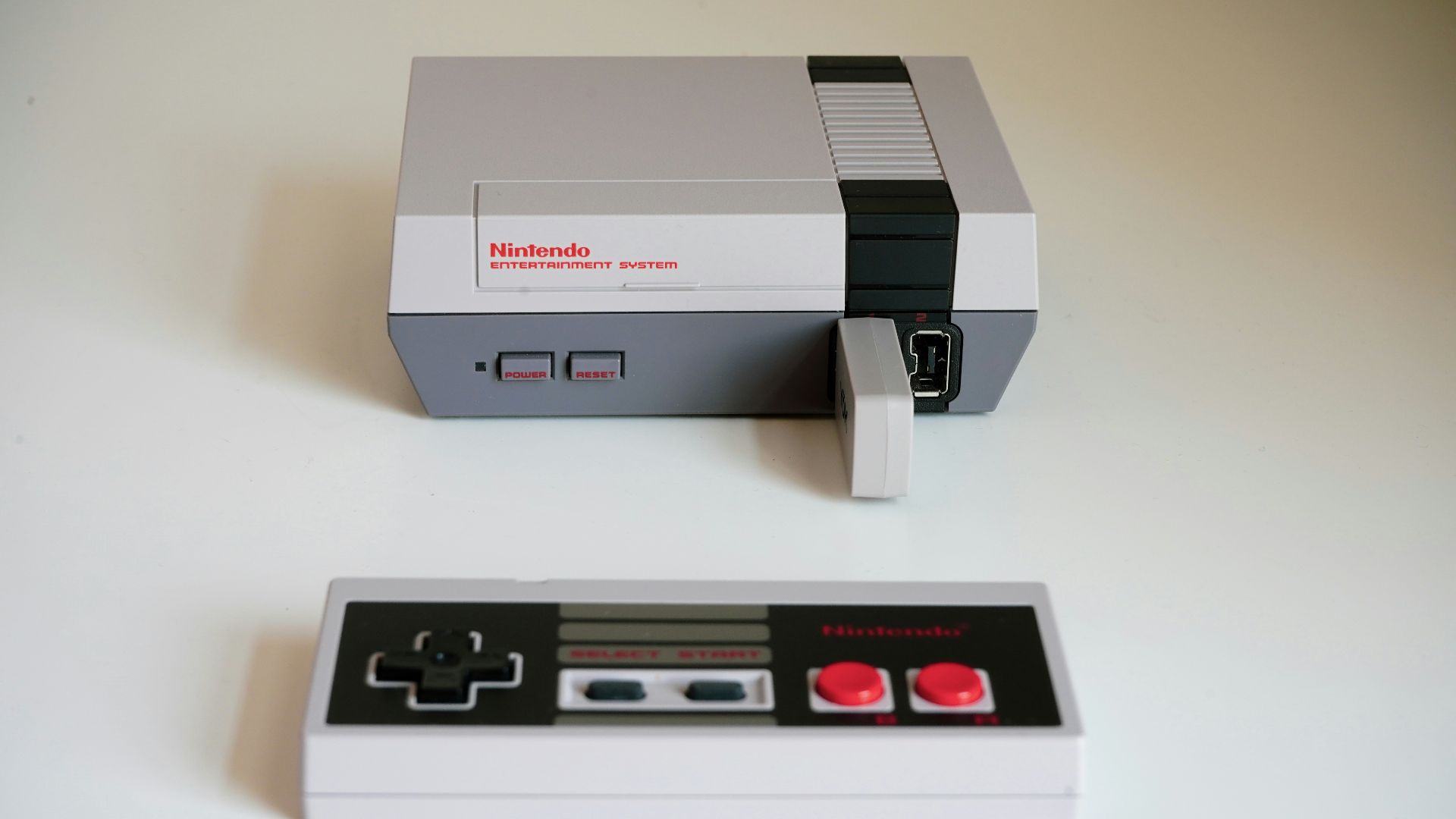
The famous Konami Code doesn’t just grant extra lives. It fundamentally changes how approachable the game becomes. While often treated as a cheat, it was intentionally included.
17. Secret Sprites In Kid Icarus
Certain enemy sprites only appear under specific conditions. These variations aren’t documented as they exist as rare encounters. Their purpose is atmosphere rather than gameplay.
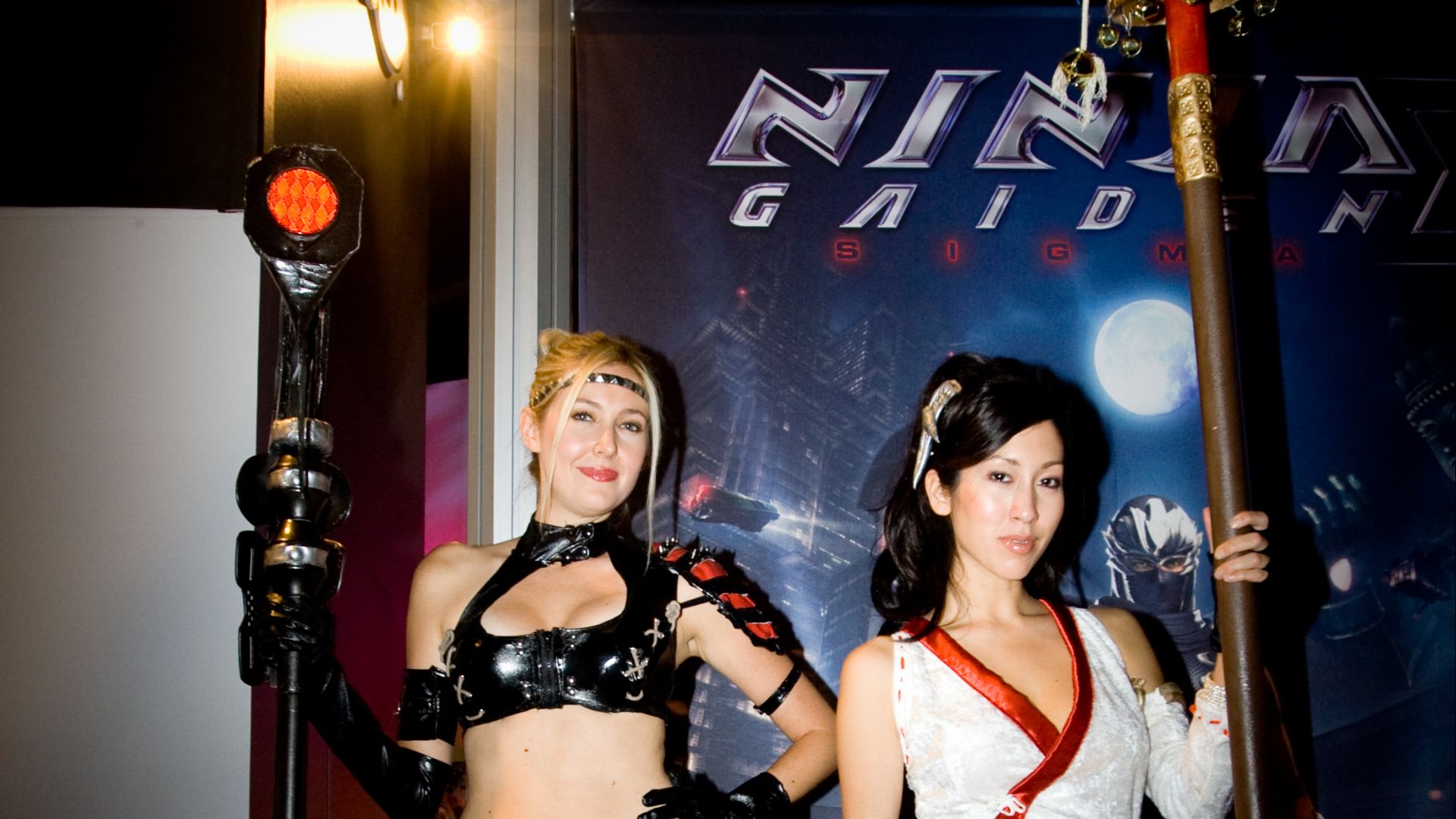
18. Hidden Debug Text In Ninja Gaiden
Unused developer notes remain buried in the game’s memory. Through emulation or glitches, players uncovered internal comments. These notes reveal production stress and humor and humanize a notoriously difficult game.
19. Alternate Title Screens In Super Mario Bros. 2
Leaving the game idle for long periods triggers subtle title screen changes. These variations don’t alter gameplay, but rather reward patience. It’s a quiet nod to attentive players.

20. The Hidden Totaka’s Song In Super Mario Land 2: 6 Golden Coins
Composer Kazumi Totaka quietly embedded his signature melody into the game, but only under very specific conditions. By standing still in certain locations, including the Space Zone, the tune slowly fades in after several seconds of inactivity.