
Some Games Rise Again, Whereas Others Can’t Find Their Way Back
Video game history is full of dramatic reversals, as some franchises claw their way back from near irrelevance while others stall despite strong foundations. A comeback usually takes humility, time, and a willingness to rethink what went wrong, whereas limbo often comes from hesitation, mixed messaging, or fear of change. Players are surprisingly forgiving when studios show growth, but patience wears thin when progress never materializes. These are the 10 franchises that pulled off genuine returns, and 10 still circling the runway.

1. No Man’s Sky
No Man’s Sky launched in 2016 to intense backlash as promised features were missing or underdeveloped. While the core idea was ambitious, the execution left players feeling misled. Over several years, Hello Games quietly delivered massive free updates that added multiplayer, base building, and depth. The comeback worked because the developers rebuilt trust through action rather than marketing.

2. Final Fantasy XIV
The original version of Final Fantasy XIV was critically panned for poor design and technical issues. Instead of abandoning it, Square Enix shut it down and rebuilt it from the ground up. A Realm Reborn relaunched as a vastly improved MMORPG with clearer systems and better storytelling.

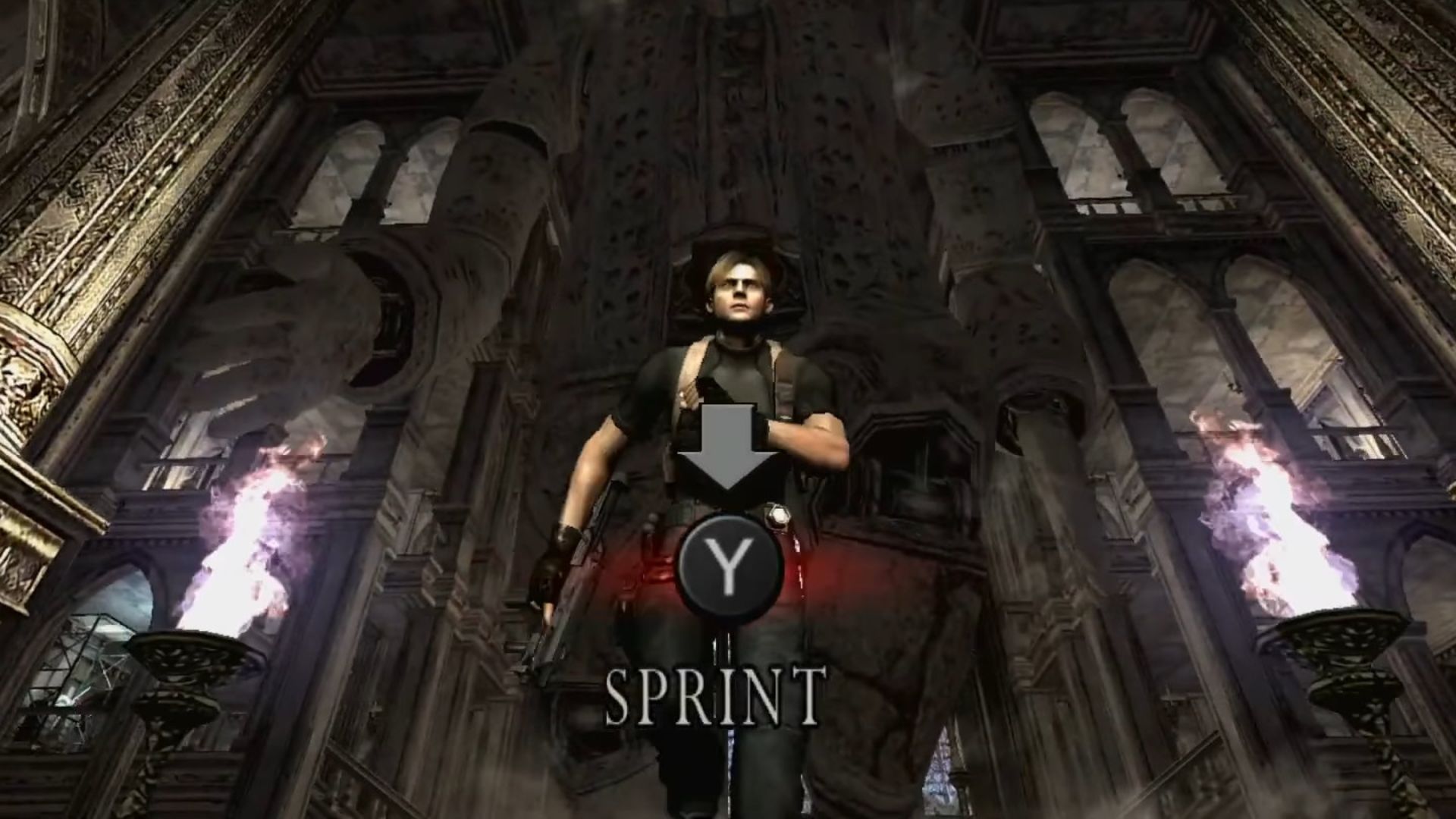
3. Resident Evil
By the early 2010s, Resident Evil had drifted too far into bloated action. As spectacle replaced tension, longtime fans checked out. Resident Evil 7 reset the tone with survival horror roots and a first-person perspective.
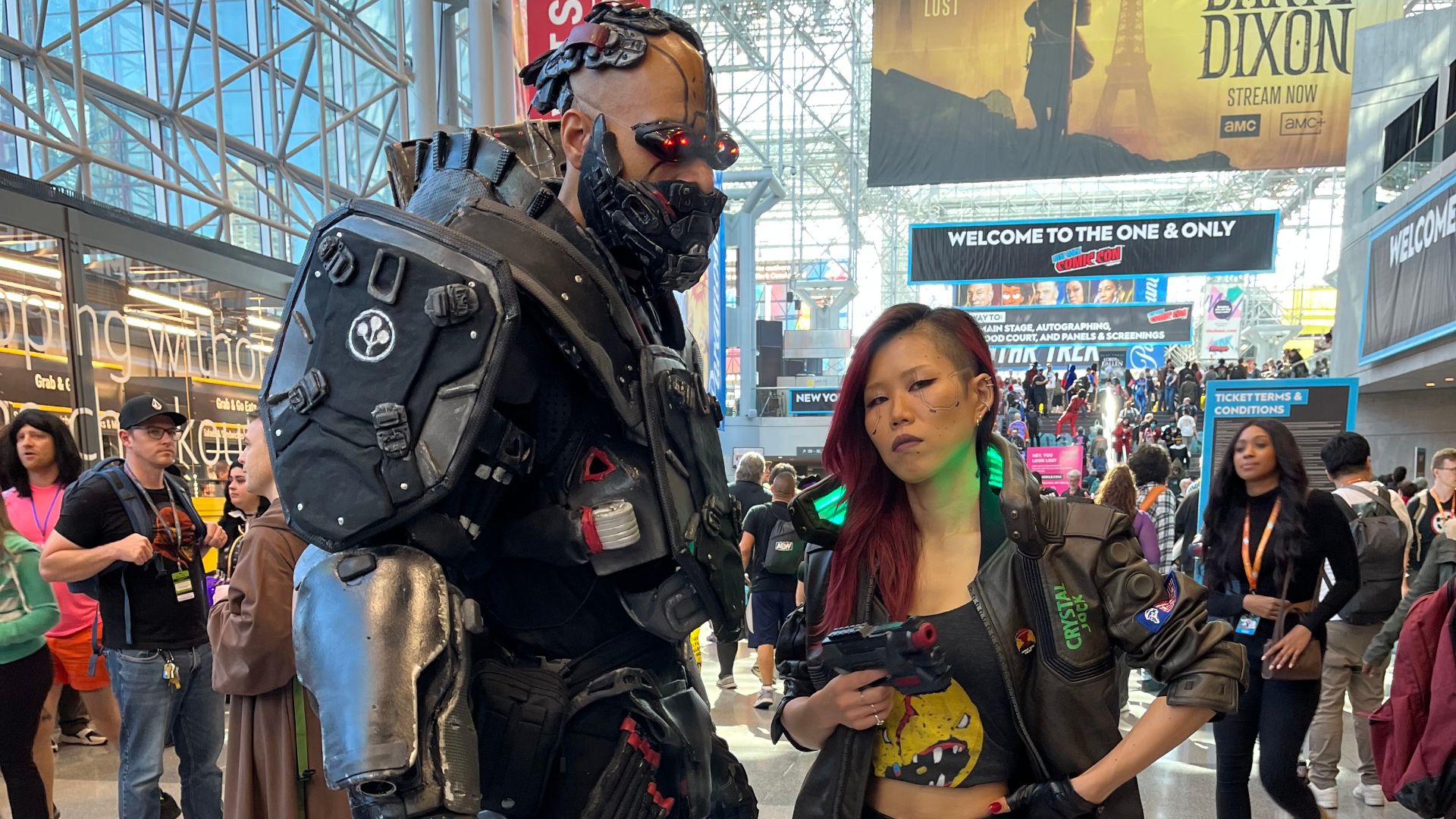
4. Cyberpunk 2077
At launch, Cyberpunk 2077 was riddled with bugs and performance issues, especially on consoles. CD Projekt Red faced lawsuits, refunds, and reputational damage. Years of patches, system overhauls, and the Phantom Liberty expansion reshaped the experience.
5. Assassin’s Creed
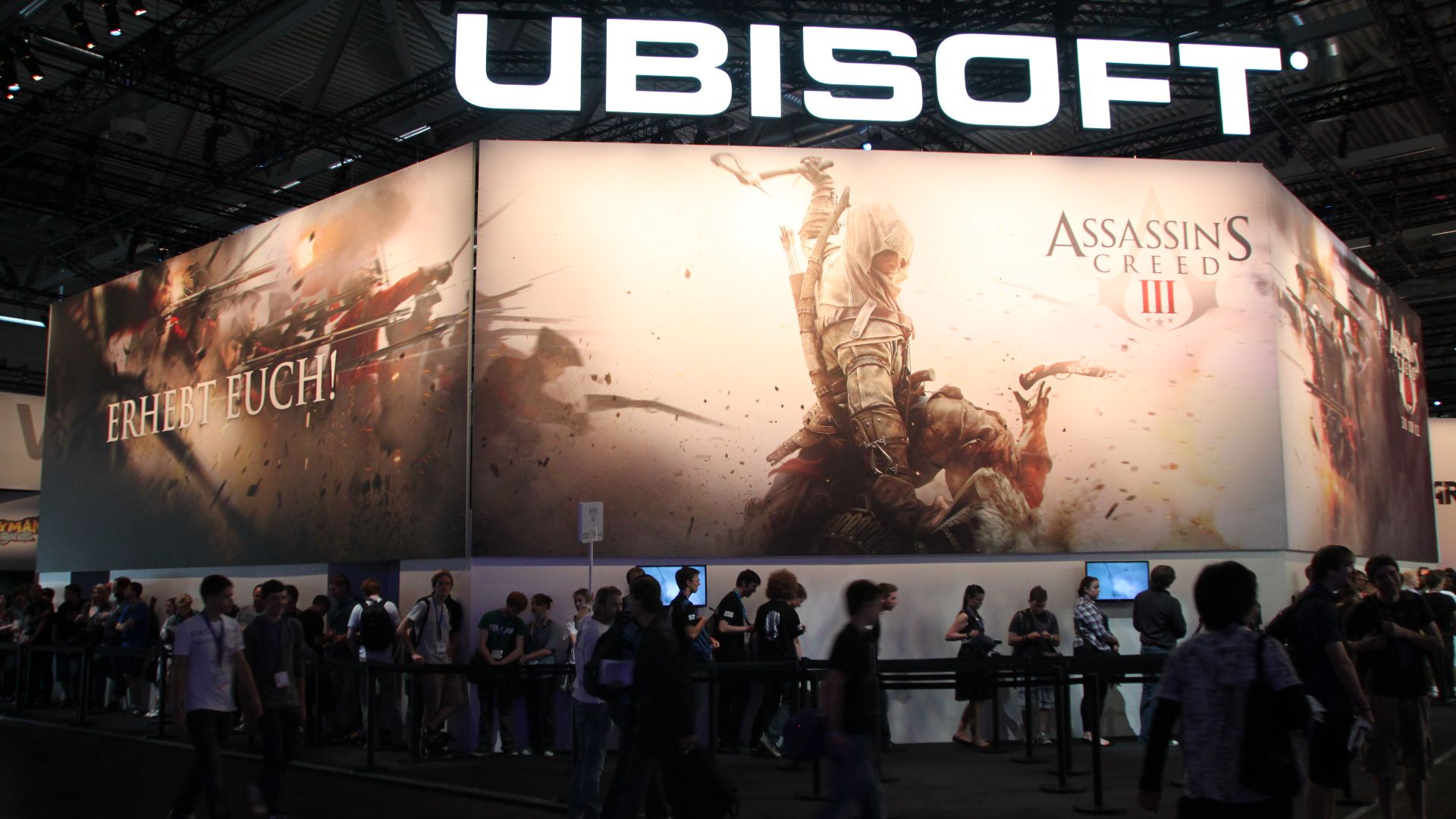
Annual releases had drained excitement from Assassin’s Creed by the mid-2010s. The formula felt mechanical, and fatigue set in fast. Ubisoft paused the series and returned with Assassin’s Creed Origins, which reworked combat and progression.
 Tim Bartel from Cologne, Germany on Wikimedia
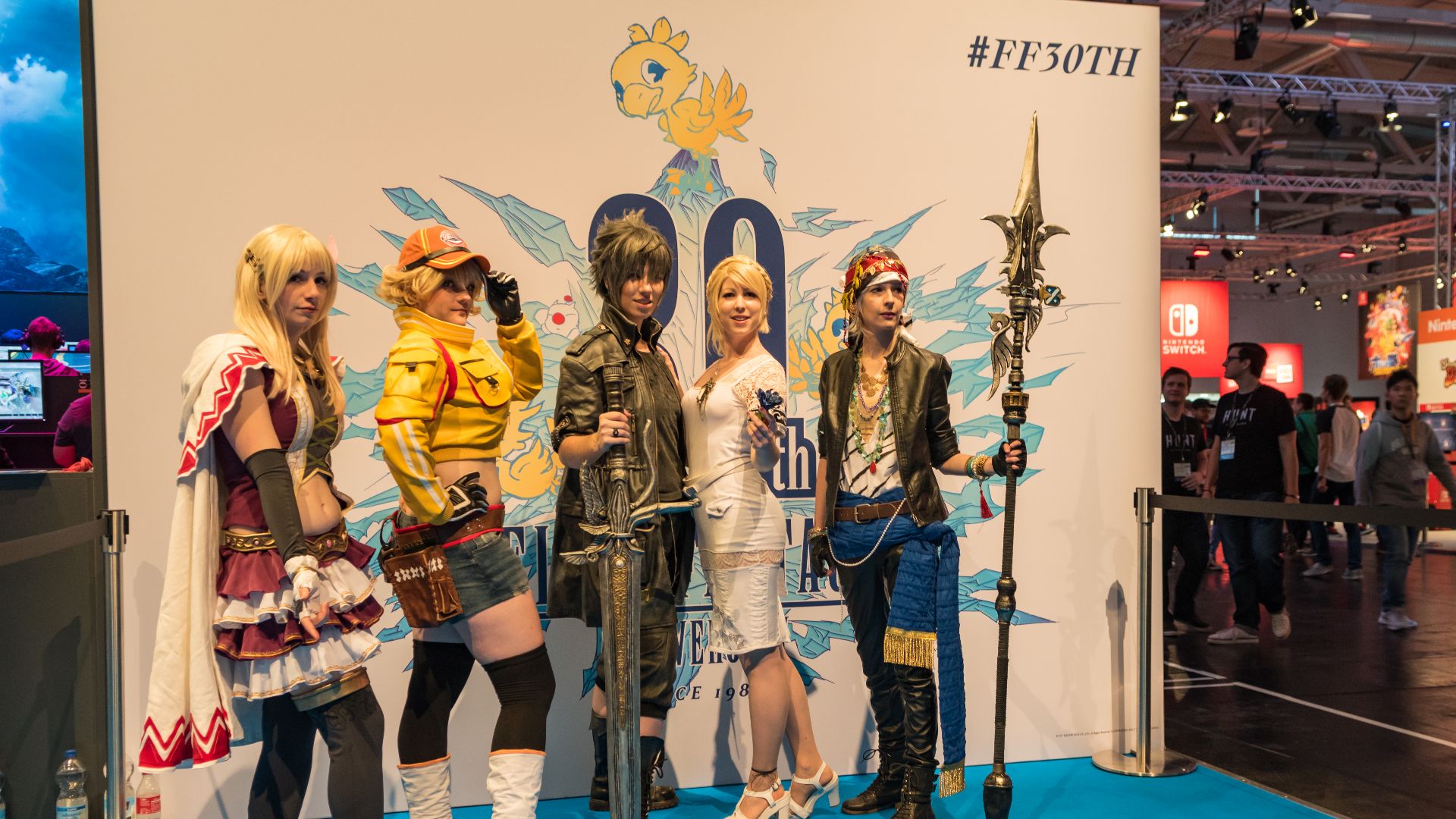
6. Final Fantasy XV
Final Fantasy XV launched with clear narrative gaps and unfinished systems. While the core road-trip vibe resonated, the story felt fragmented. Post-launch updates and story expansions filled in major holes.
7. Monster Hunter
For years, Monster Hunter thrived mainly in Japan while remaining niche elsewhere. Its complexity and clunky onboarding limited its reach. Monster Hunter: World streamlined systems without dumbing them down. The result was a global breakout hit that redefined the franchise’s future.
8. The Elder Scrolls Online
At launch, The Elder Scrolls Online struggled to justify its MMO structure. Fans felt disconnected from the single-player roots they loved. ZeniMax Online refined combat, added narrative depth, and removed restrictive systems.

9. Diablo
Diablo III launched with server issues and a controversial real-money auction house. Progression felt distorted and unrewarding. Blizzard eventually removed the auction house and rebalanced loot. The game’s long-term health improved dramatically once player experience became the priority again.

10. Street Fighter
Street Fighter V arrived with missing modes and barebones content. Competitive play survived, but casual players bounced hard. Capcom steadily expanded the game with characters, mechanics, and quality-of-life improvements. By the end of its lifespan, it stood as a strong competitive entry.
1. Half-Life
Half-Life helped define modern first-person shooters and narrative design. Yet Half-Life 2: Episode Two ended on a cliffhanger in 2007. Half-Life: Alyx proved the franchise still had life, but only in VR. Fans remain unsure if a true continuation will ever happen.
 Unknown authorUnknown author on Wikimedia
2. Silent Hill
Silent Hill once stood as the gold standard for psychological horror. Over time, uneven entries and studio changes eroded its identity. Despite recent announcements, the franchise still hasn’t proven it can deliver a cohesive modern vision. Hope exists, but confidence hasn’t returned yet.
3. Dead Space
Dead Space defined sci-fi horror for a generation before sales pressure pushed it toward action. The series stalled after its third entry underperformed. While the remake reignited interest, the franchise’s long-term direction remains unclear. It’s waiting for commitment rather than nostalgia.

4. Fable
Fable promised reactive worlds and moral consequence, but often fell short of its ambitions. After years of silence, a reboot was announced with minimal concrete detail. Fans don’t know what version of Fable is coming back.
5. Titanfall
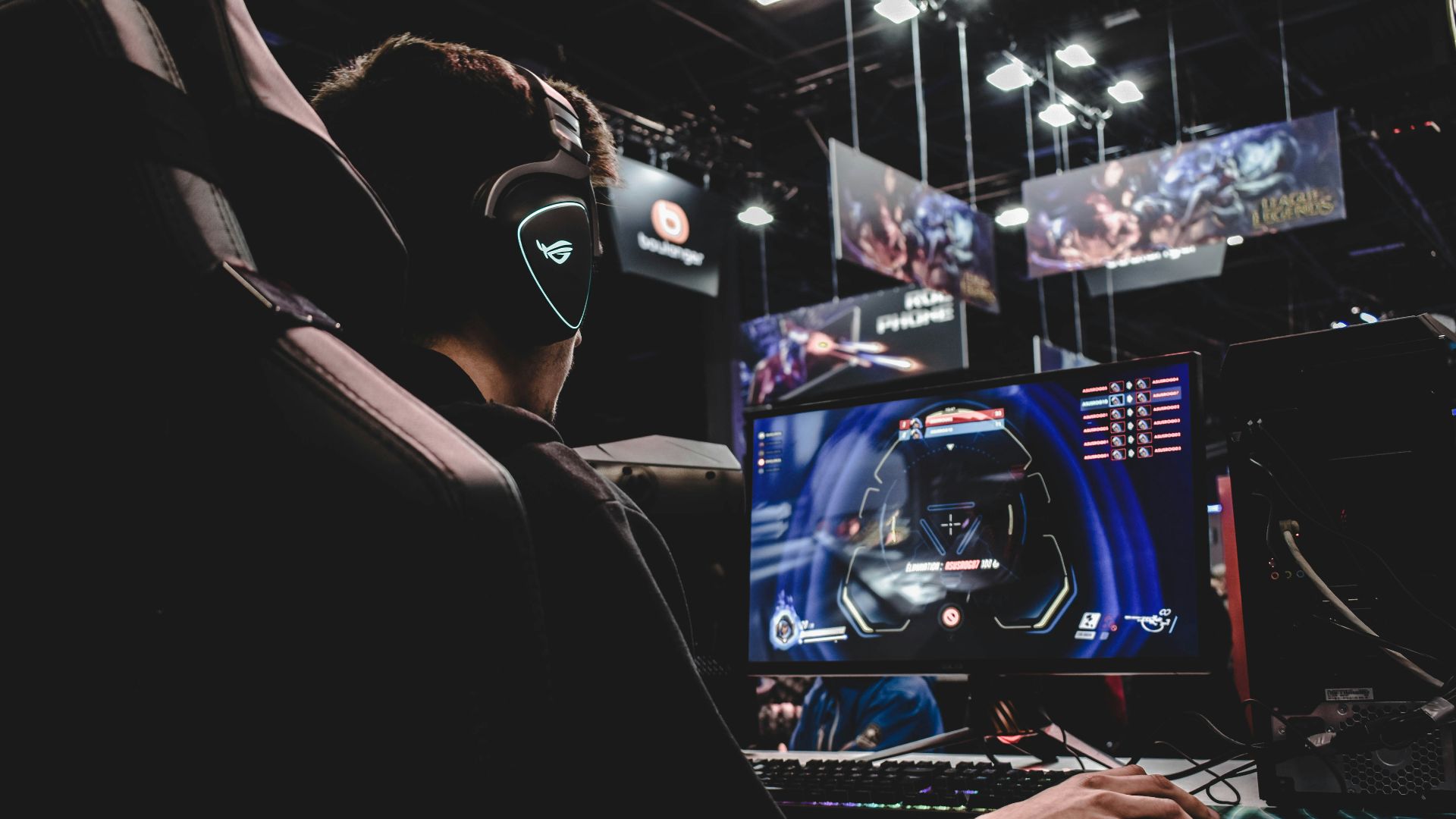
Titanfall delivered some of the best movement and multiplayer design of its era. Poor release timing and marketing doomed its commercial performance. Apex Legends thrives, but Titanfall itself remains untouched. The franchise exists, but not in the form fans want.

6. Splinter Cell
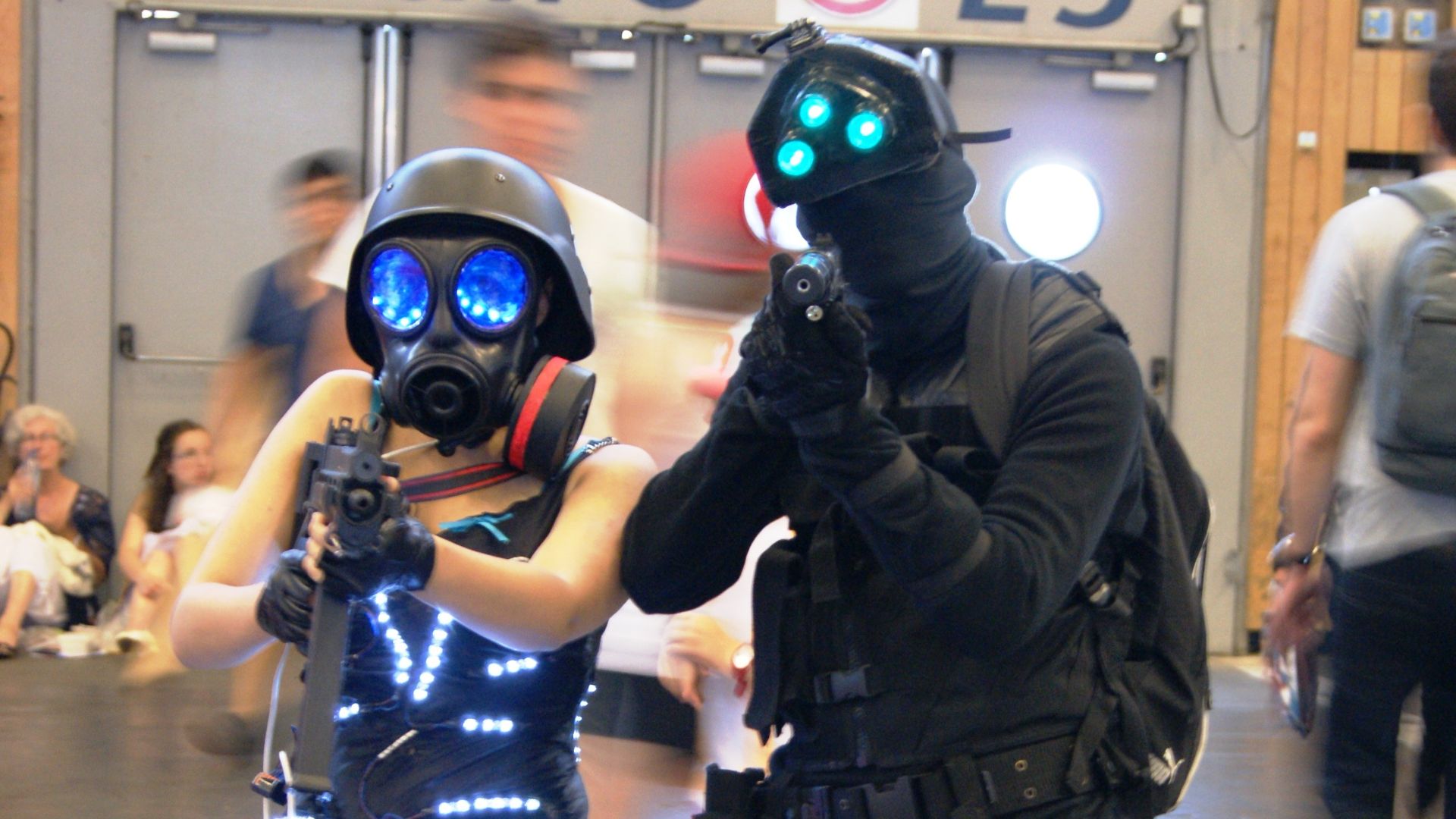
Splinter Cell was once synonymous with stealth excellence. As trends shifted toward action, the series lost momentum. Years of rumors have led nowhere concrete. Sam Fisher keeps showing up everywhere except his own game.
7. Dragon Age
Each Dragon Age entry shifted tone, scope, and mechanics. While experimentation isn’t bad, inconsistency fractured the audience. Long development cycles and internal struggles have slowed momentum. The franchise is alive, but directionally uncertain.

8. Banjo-Kazooie
Banjo-Kazooie remains beloved, yet largely dormant. Attempts to modernize the series haven’t materialized. Cameos and nostalgia nods replace meaningful progress. Fans are left replaying old games instead of anticipating new ones.

9. Mass Effect
The original trilogy ended strongly, but Mass Effect: Andromeda struggled with tone and execution. While patches improved stability, the damage stuck. A new entry is planned, but details remain sparse. The franchise hasn’t fully regained its footing.

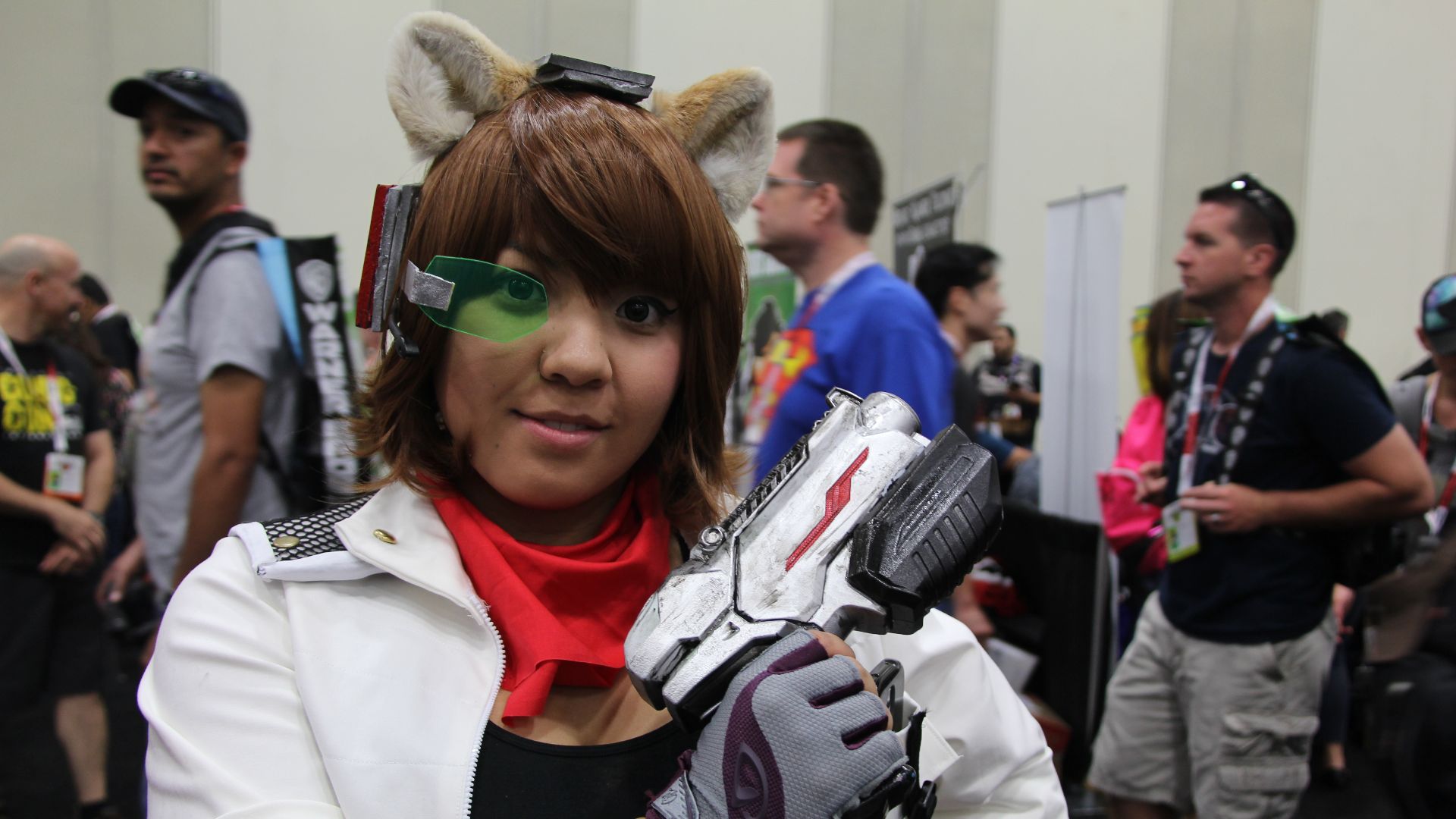
10. Star Fox
Star Fox pioneered cinematic action on consoles, yet innovation stalled. Reboots and reimaginings failed to evolve the core formula. Nintendo hasn’t clarified what the franchise should become. Without reinvention, it remains grounded.