
Games That Keep Your Brain Busy
Improving your brain health isn’t only about making big lifestyle changes; it’s also influenced by the small challenges you choose to partake in every day. And who says these challenges can't also be fun? From chess and checkers to card games and Sudoku, there are plenty of games that push you to strategize, remember things, adapt, and stay focused, which are skills your noggin uses regularly in real life. So, are you ready to have fun and power up your brain? Here are 10 fun games that can strengthen key mental abilities, and 10 benefits you’ll definitely notice as you keep playing.
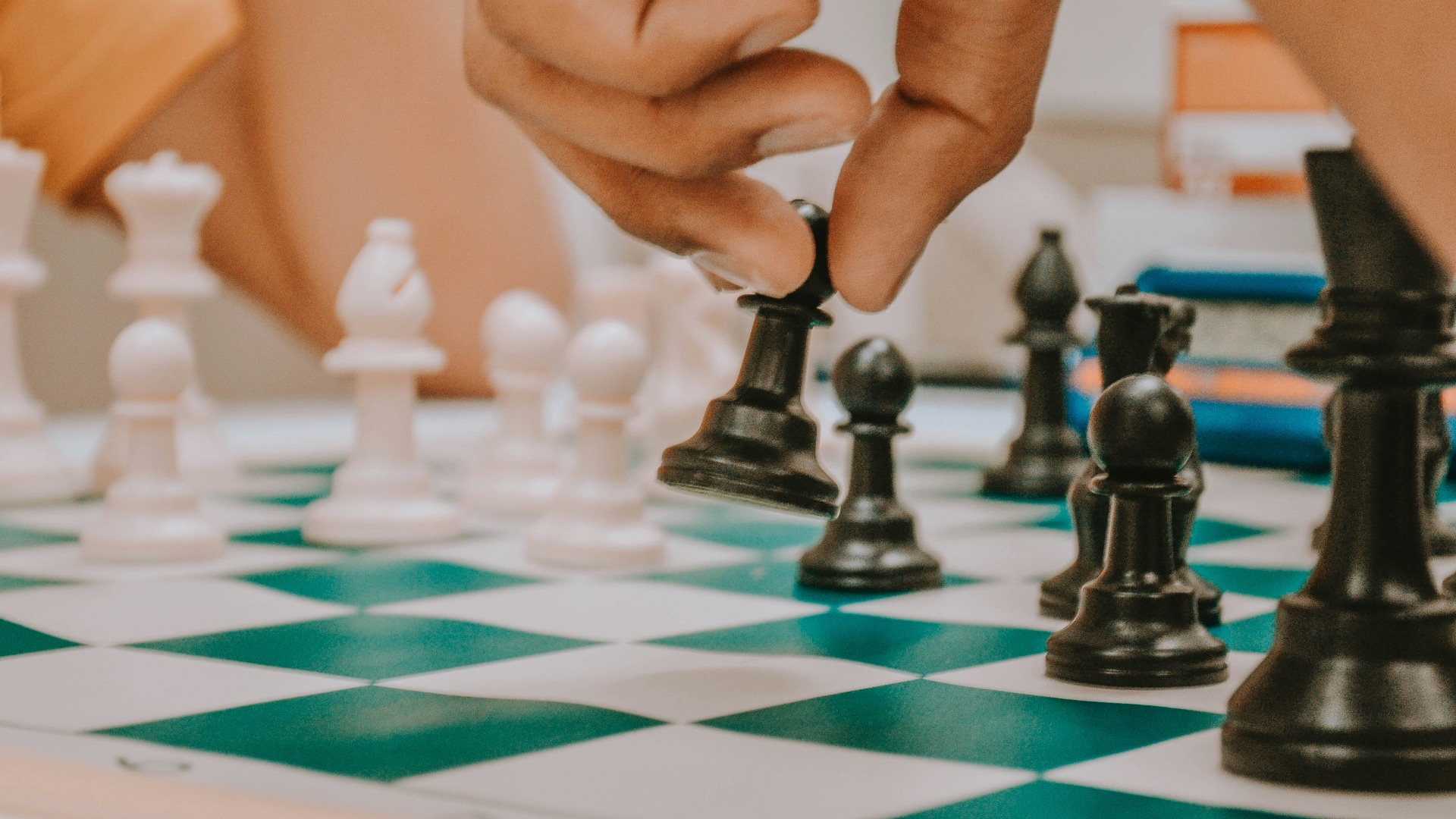
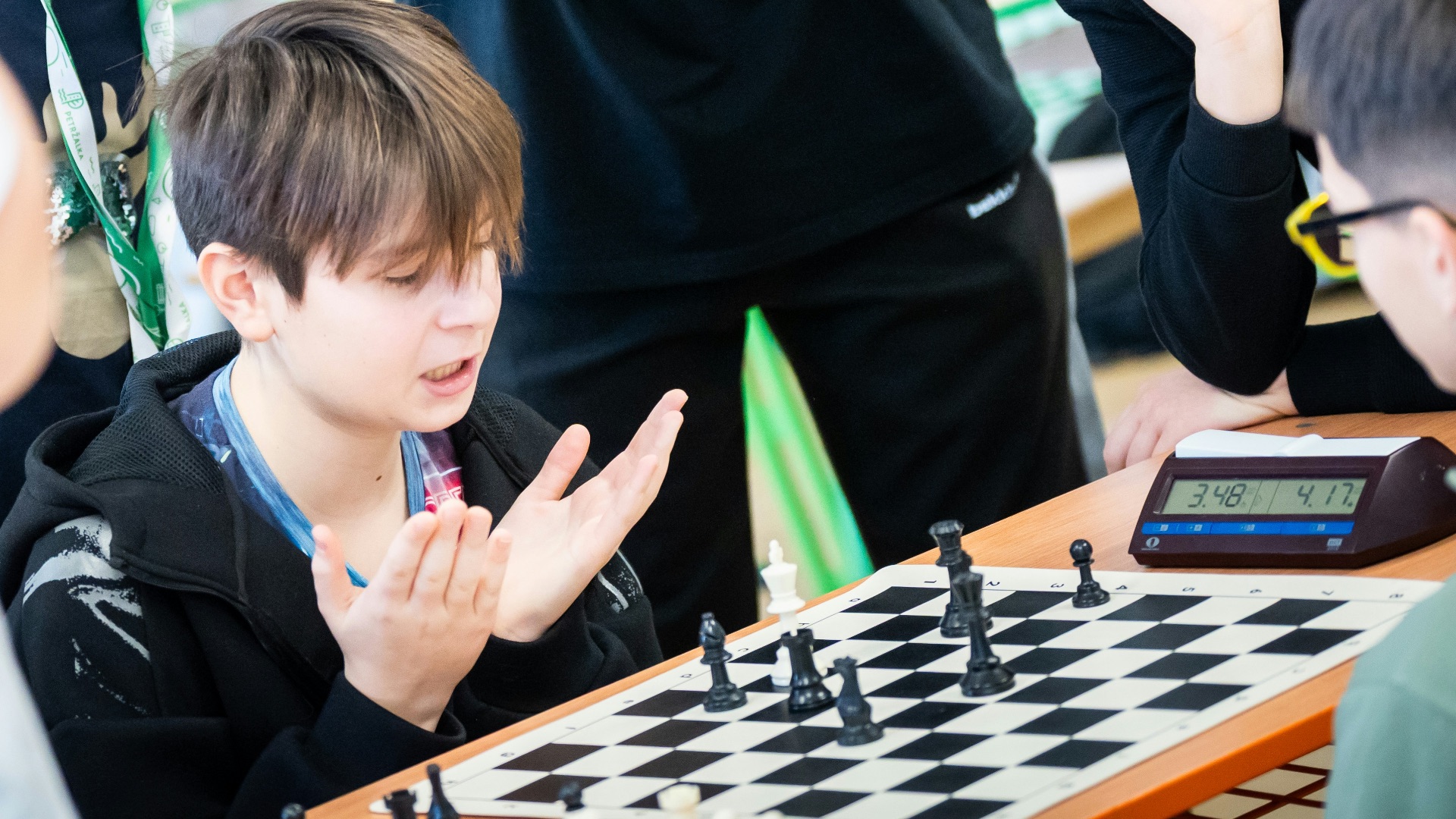
1. Chess
Chess forces you to evaluate choices in a structured way, because every move changes the entire position. You’re constantly balancing short-term tactics with longer-term planning, which keeps your attention active rather than passive. Over time, you’ll get better at recognizing when an “easy” move is actually risky and when a simple move is the smart one.
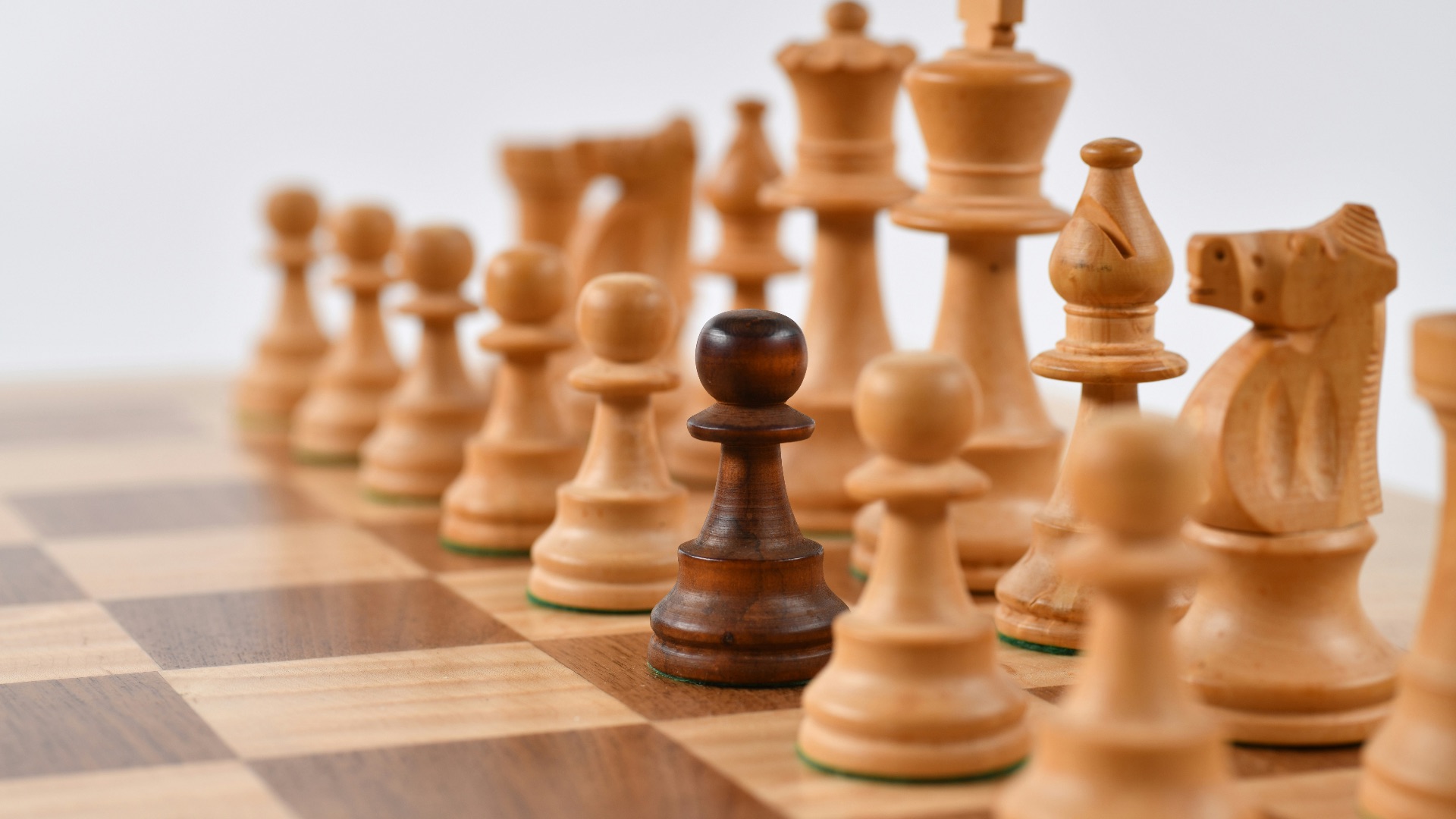
2. Checkers
Checkers rewards you for seeing a few steps ahead and punishes you for ignoring forced captures and trades. You’ll practice controlling space, setting up sequences, and anticipating how one exchange opens or closes opportunities. Even though the rules are straightforward, the game keeps you mentally honest because careless moves show up quickly on the board.
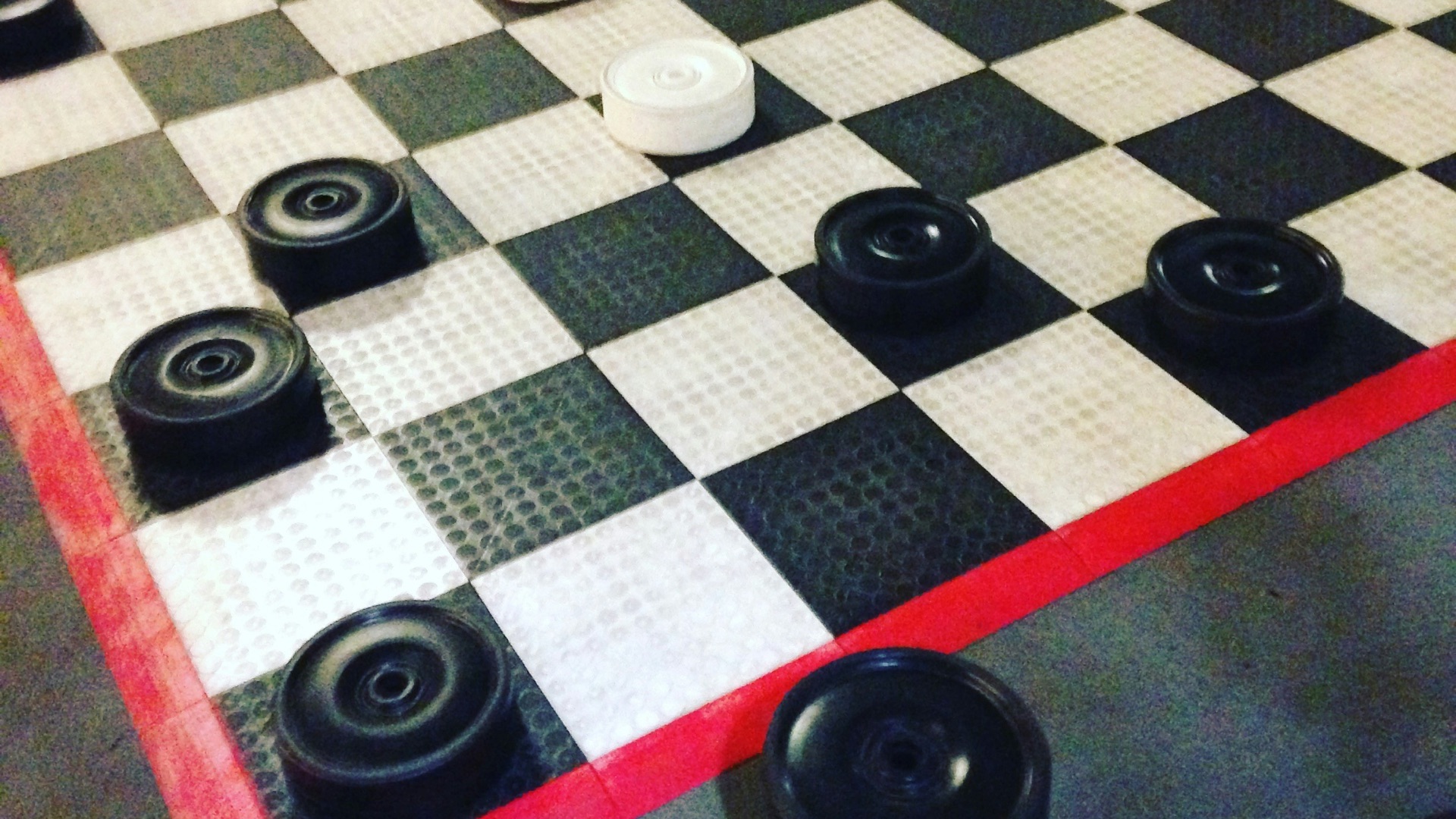
3. Sudoku
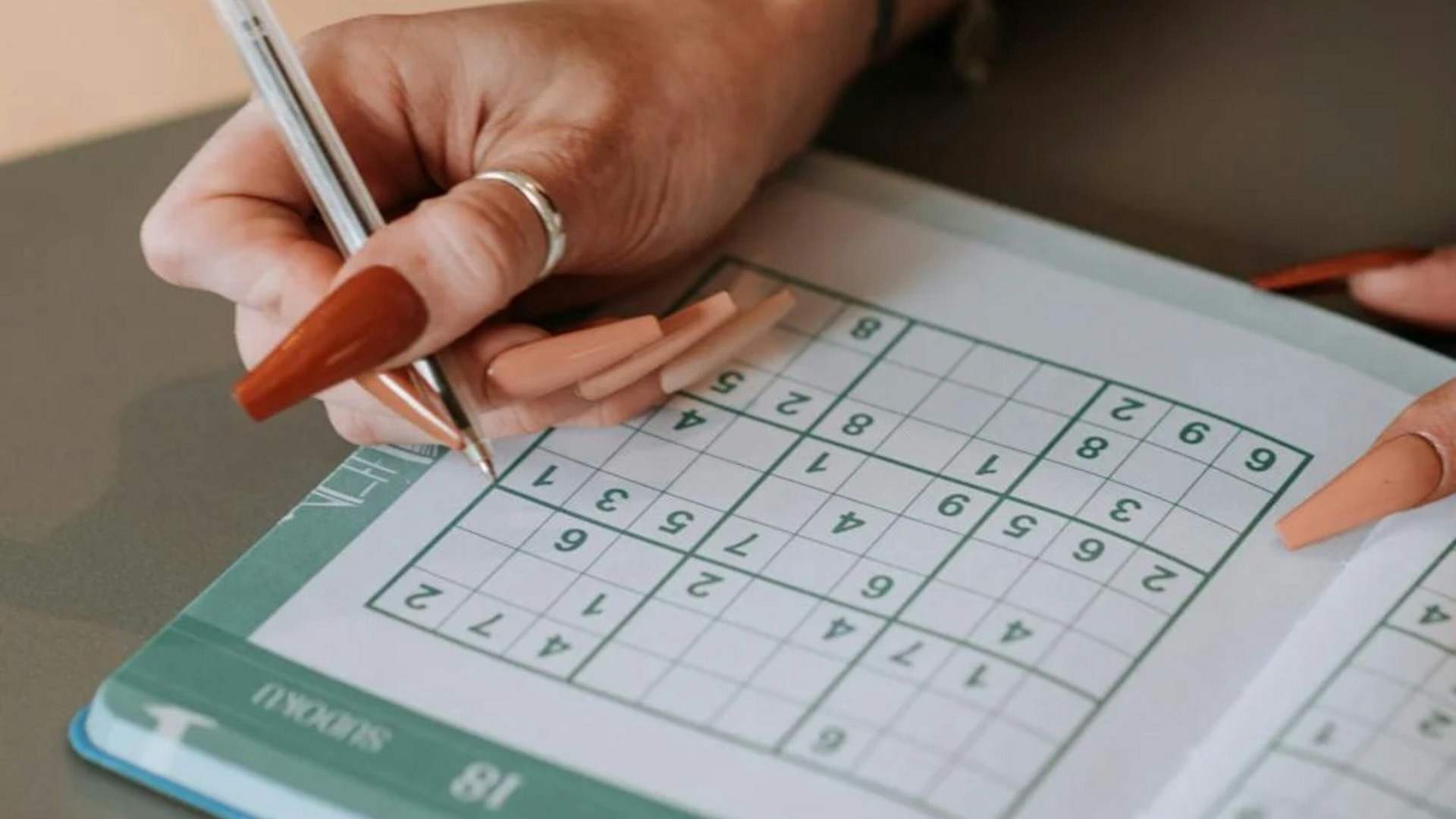
Sudoku makes you hold multiple constraints in mind while scanning for what’s missing, what’s possible, and what’s impossible. You’re not just filling blanks; you’re building a chain of reasoning that has to stay consistent from start to finish. That process strengthens concentration and encourages you to slow down, verify, and avoid guessing when you’re tired or distracted.
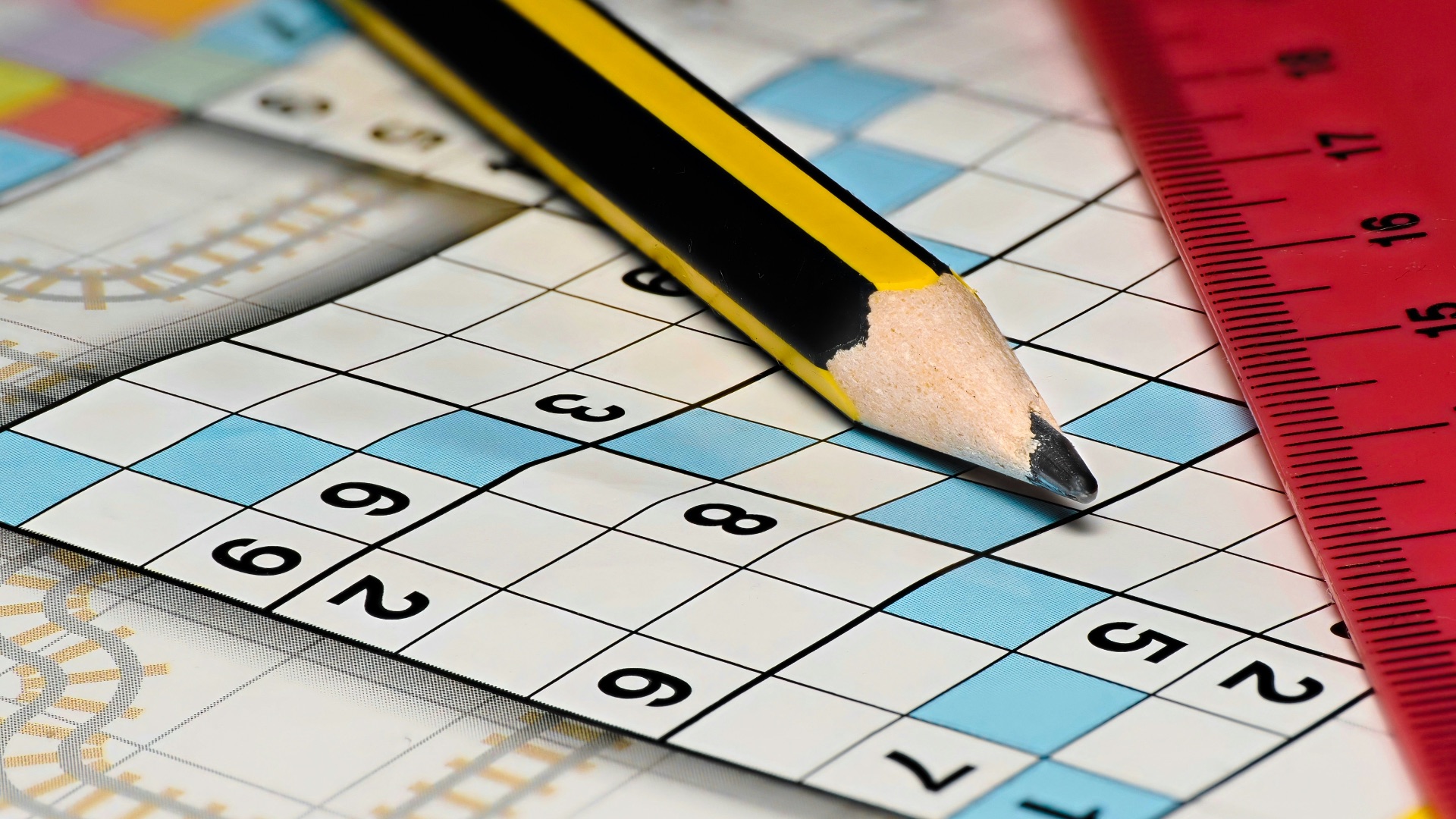
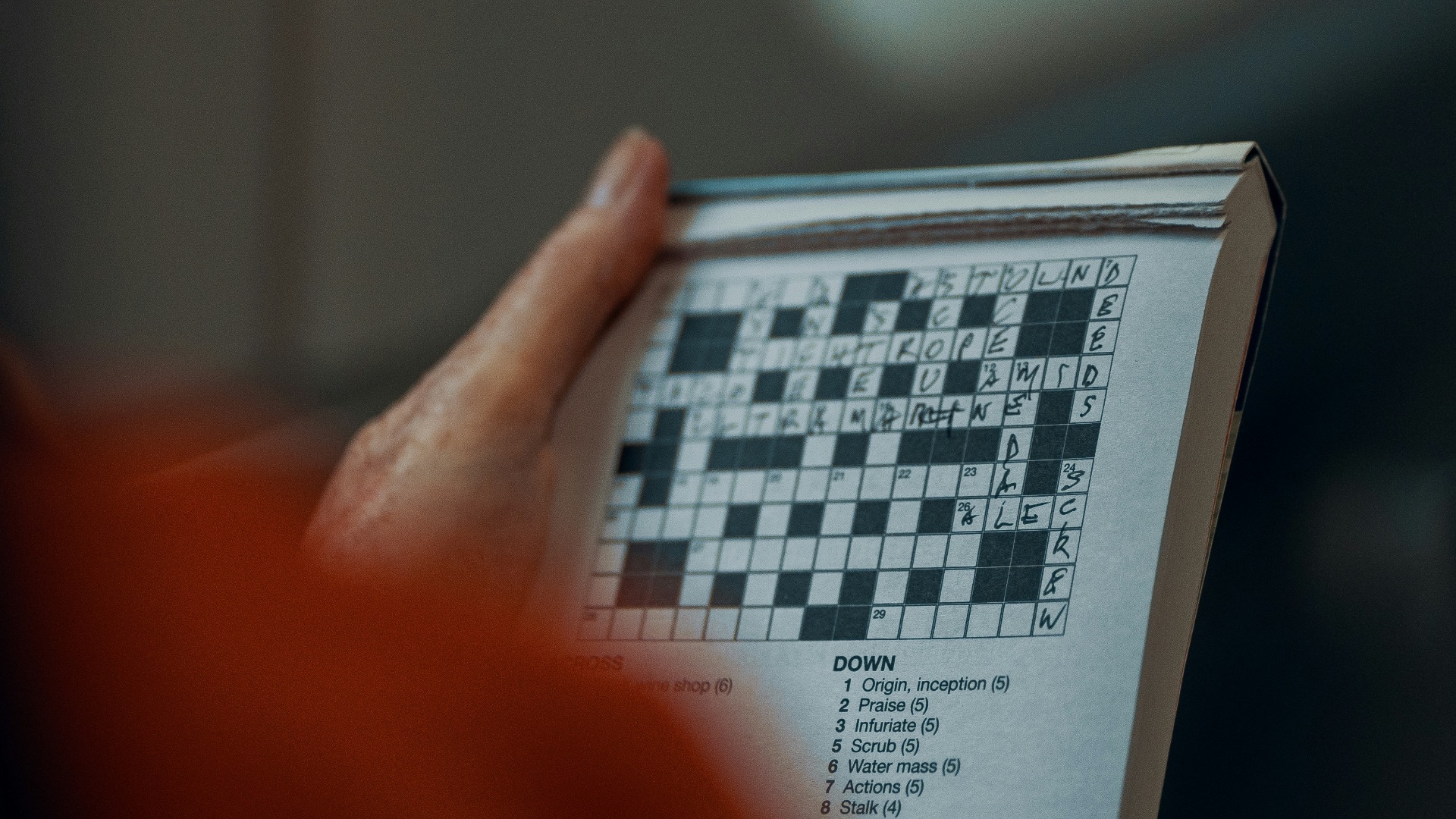
4. Crossword Puzzles
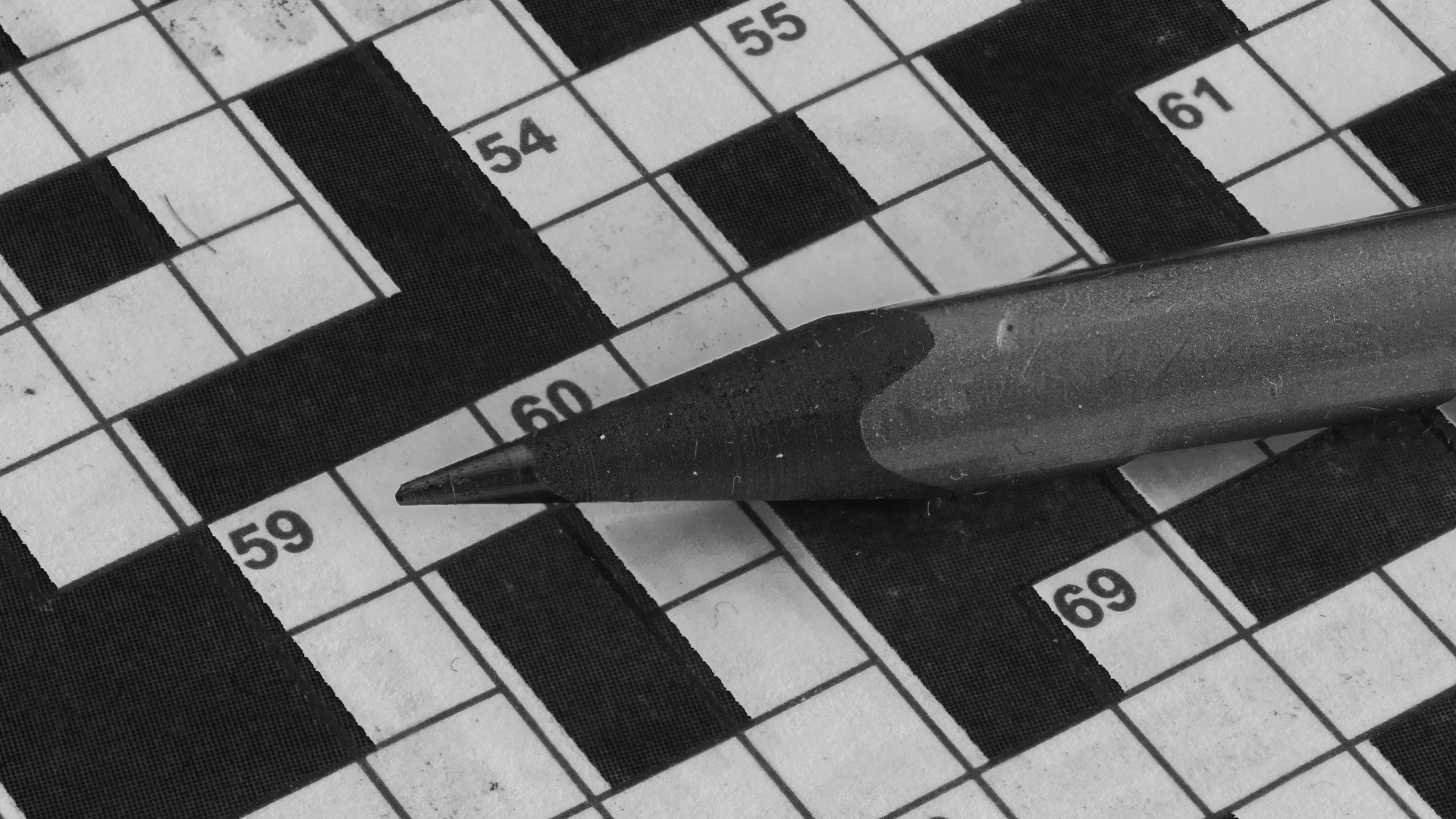
Crosswords challenge your ability to pull information from memory while also interpreting clues that may be straightforward, tricky, or oddly specific. When you get stuck, you’re forced to shift approaches, use crossing letters, and rethink what the clue is really asking. The steady back-and-forth between recall and problem-solving makes this a surprisingly complete mental workout.
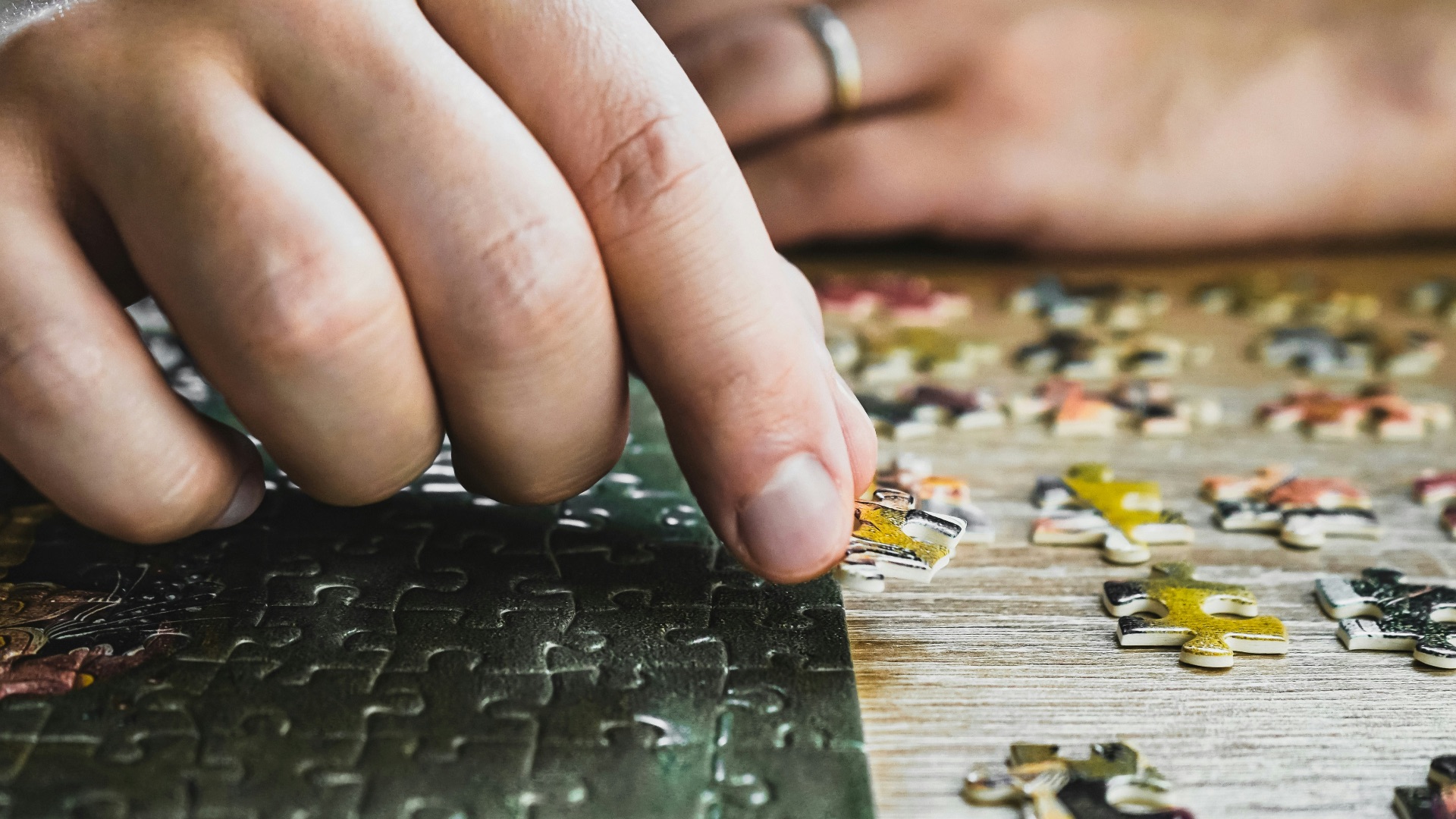
5. Jigsaw Puzzles
Jigsaw puzzles train you to organize information visually by grouping shapes, colors, edges, and patterns into a workable plan. You’re practicing persistence while also refining your ability to test and reject options quickly without getting sloppy. As you improve, you’ll notice you’re better at keeping the “big picture” in mind while still paying attention to small details.

6. Language Apps
Learning a new language strengthens brain health because it constantly asks you to store new vocabulary, retrieve it on demand, and apply rules accurately in real time. You’re also training attention by switching between sounds, meanings, and grammar patterns, which supports cognitive flexibility and mental control. As you practice consistently, it becomes easier to hold multiple ideas in mind at once and stay mentally sharp when tasks require quick switching.
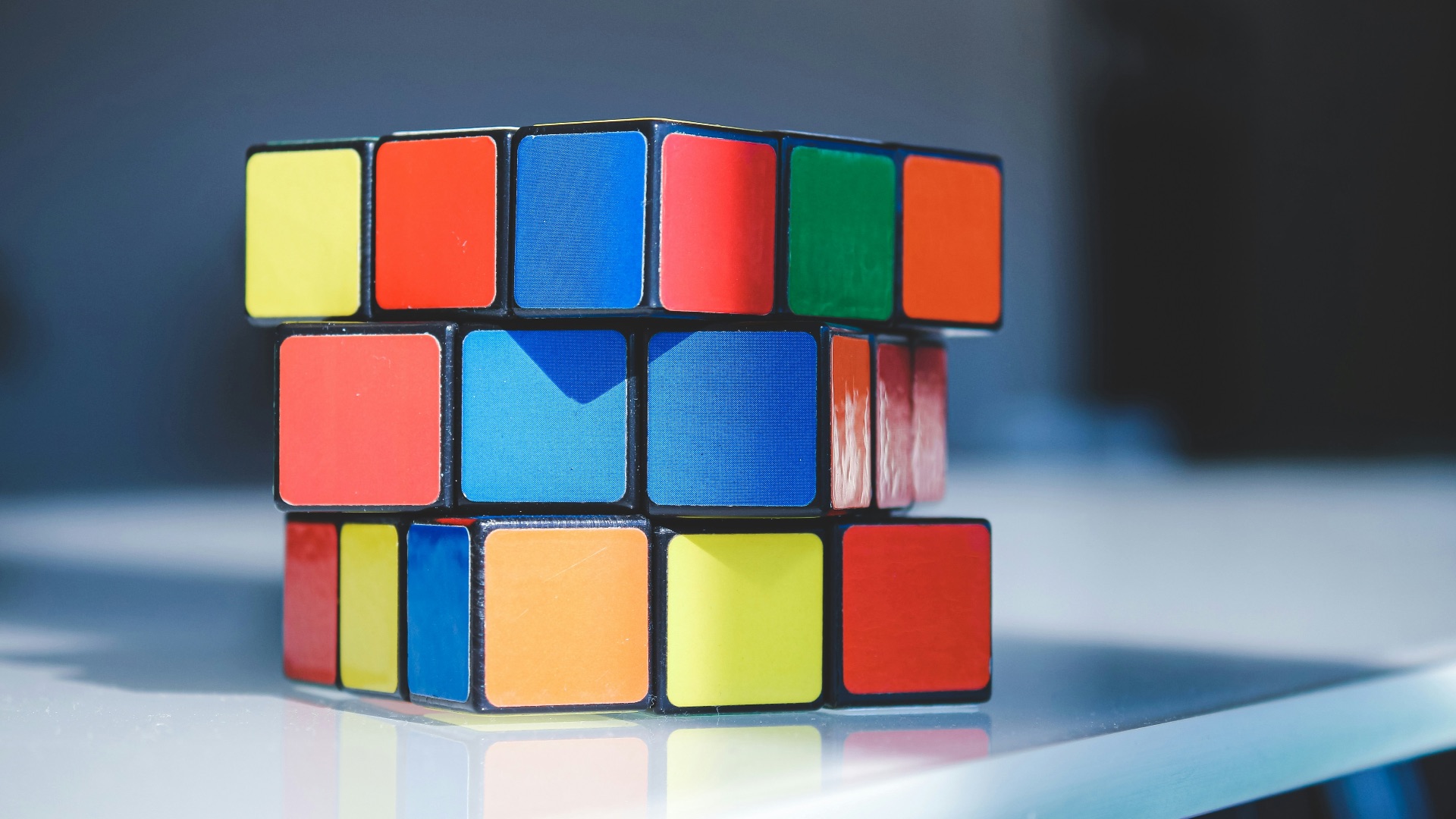
7. Rubik’s Cube
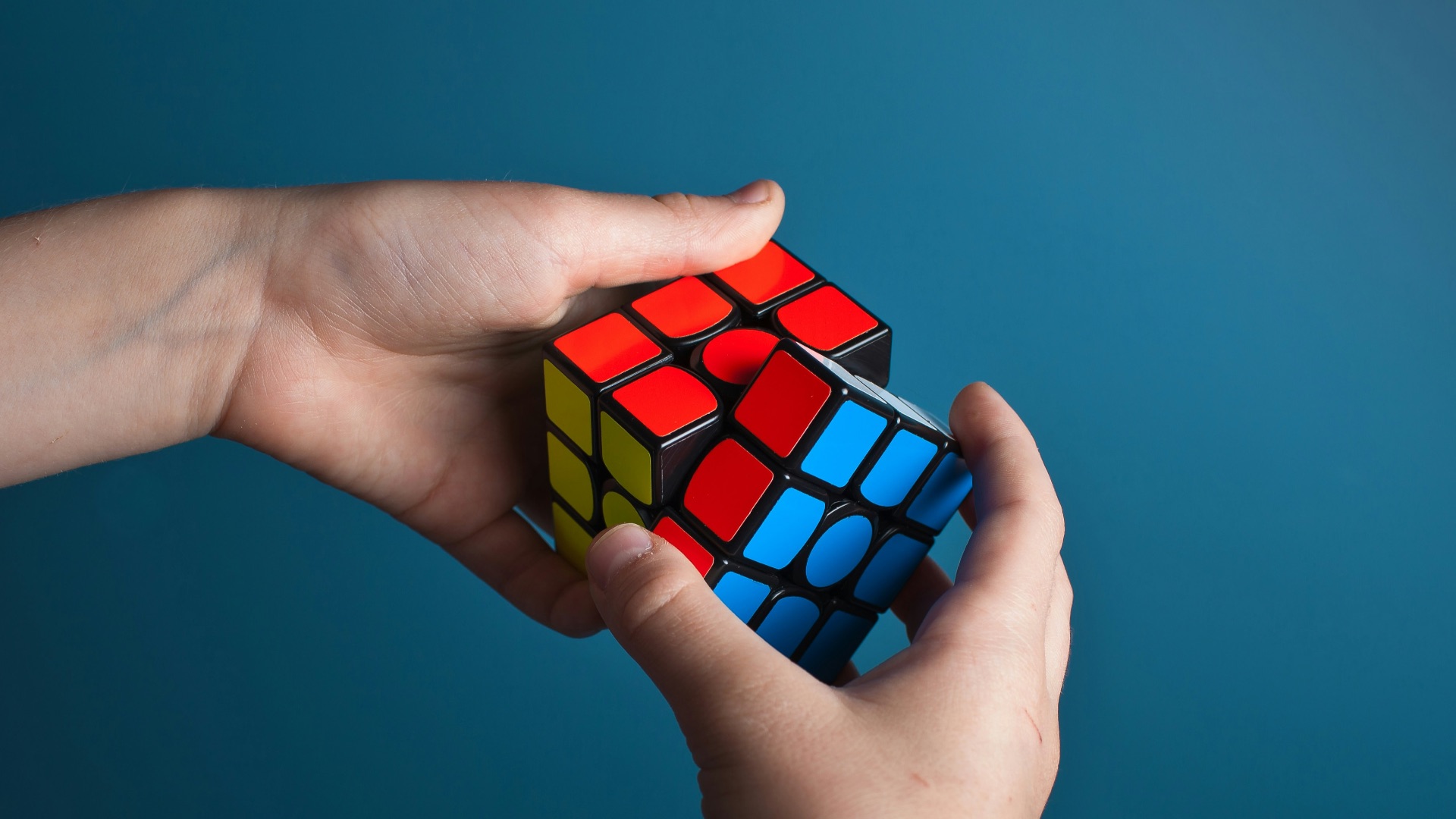
Solving a Rubik’s Cube requires you to learn sequences and execute them accurately, even when you’re tempted to improvise. You’re building procedural memory and practicing careful attention because skipping a step usually scrambles progress. With time, the cube becomes a lesson in staying organized under pressure, since speed comes from clean habits rather than frantic movement.
8. Go
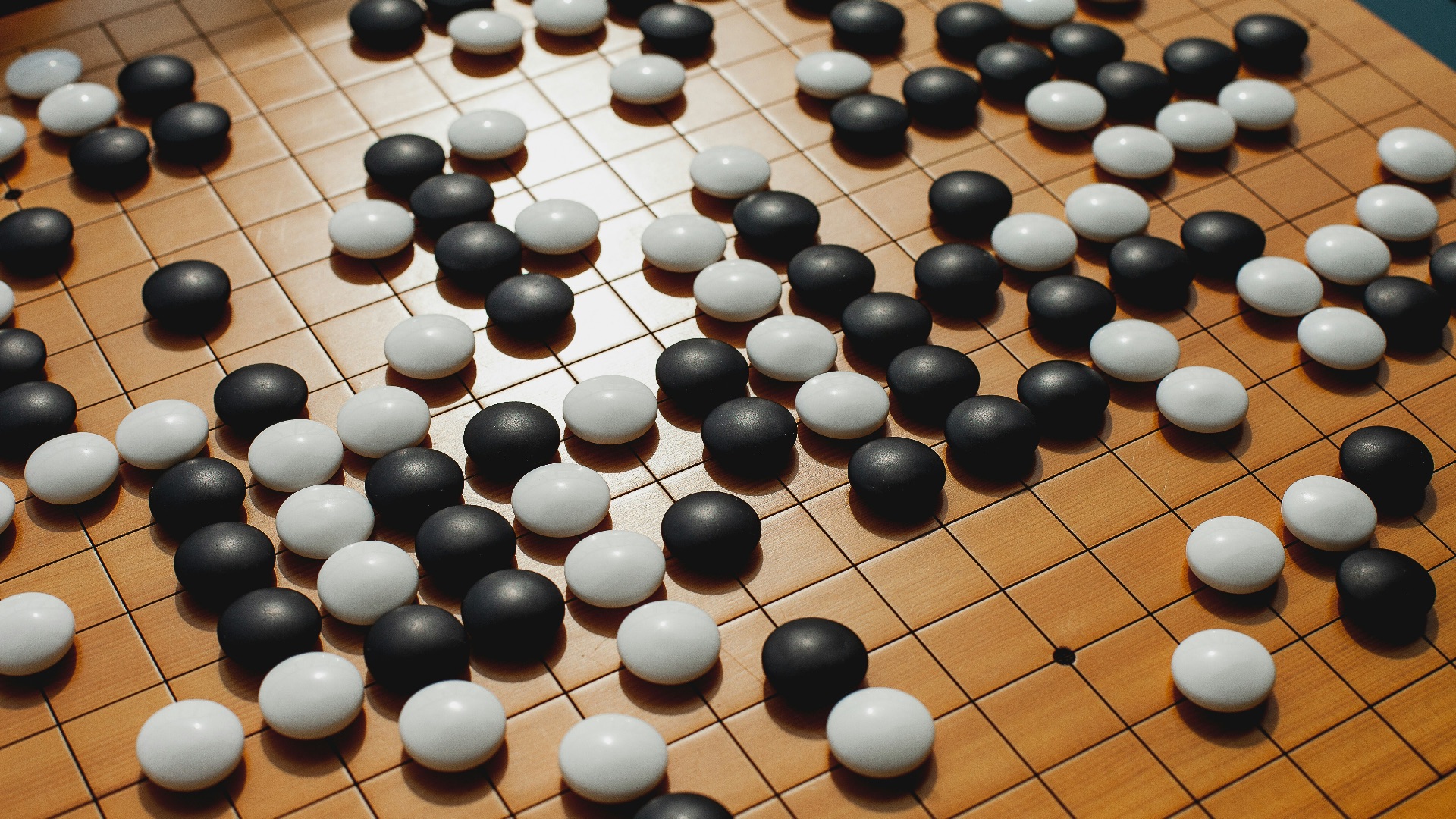
Go rewards players who can read the board broadly while still noticing local threats and opportunities. You’ll practice judging when to fight, when to connect, and when to step back, which strengthens self-control and strategic balance. Because the game has simple rules but deep complexity, it keeps you learning for a long time without feeling repetitive.
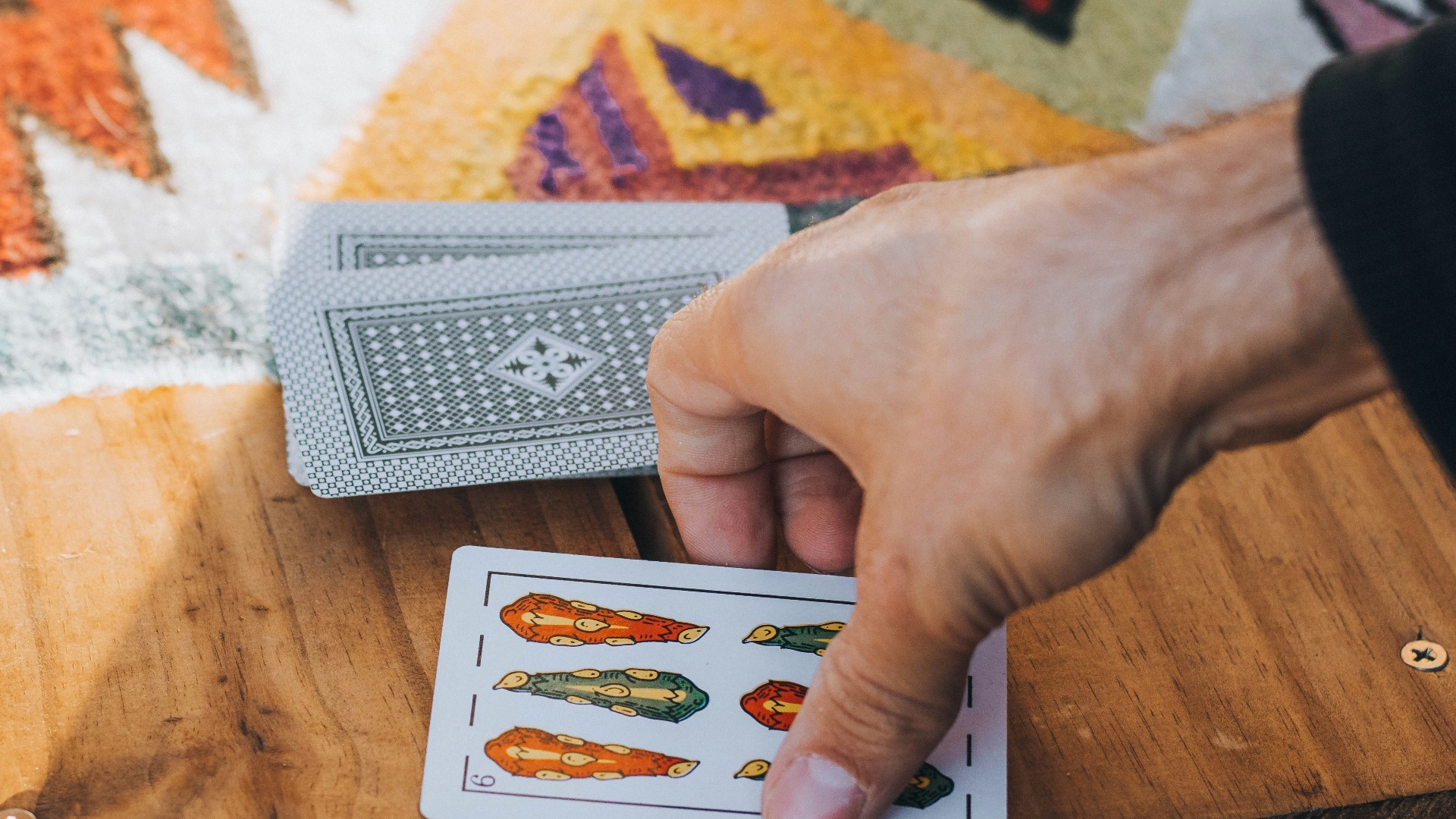
9. Card Games
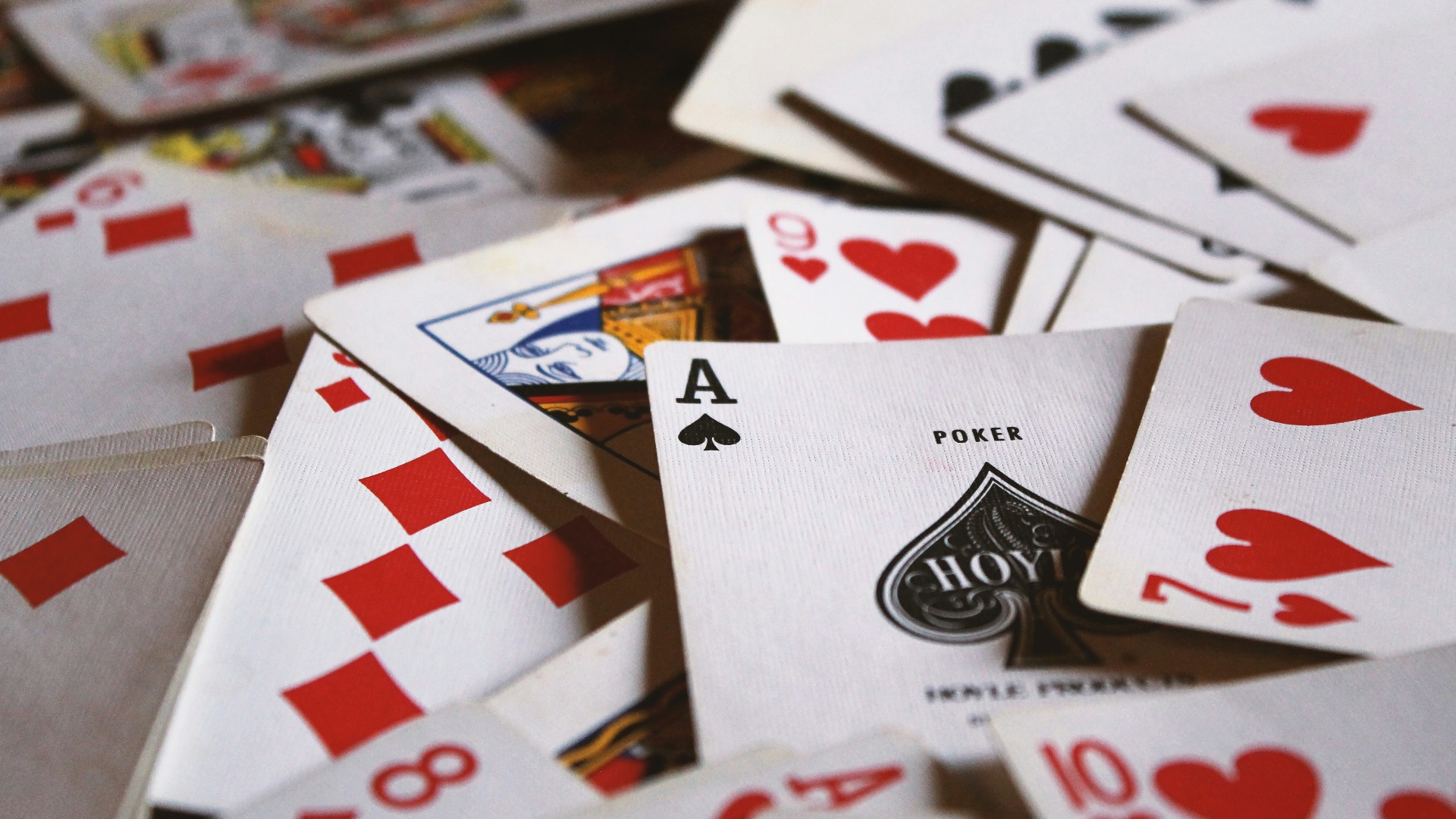
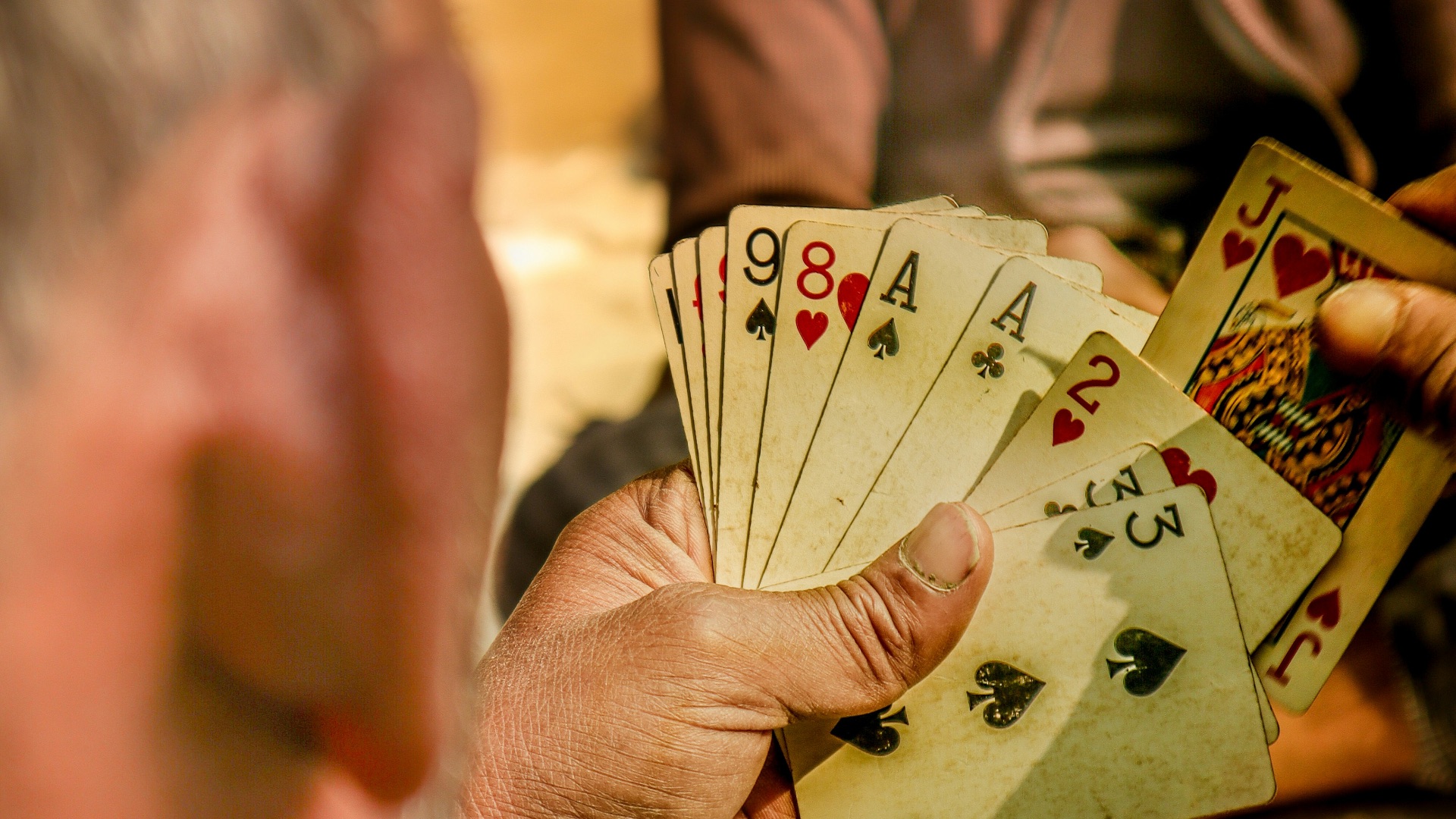
Games like Bridge, Hearts, Spades, Rummy, or even certain solitaire variations push you to track what’s been played and infer what’s likely still hidden. You’re training your working memory and attention while also making fast decisions based on incomplete information. The best part is that you can scale the challenge by choosing faster play, stronger opponents, or more complex rule sets.
10. Scrabble or Wordle
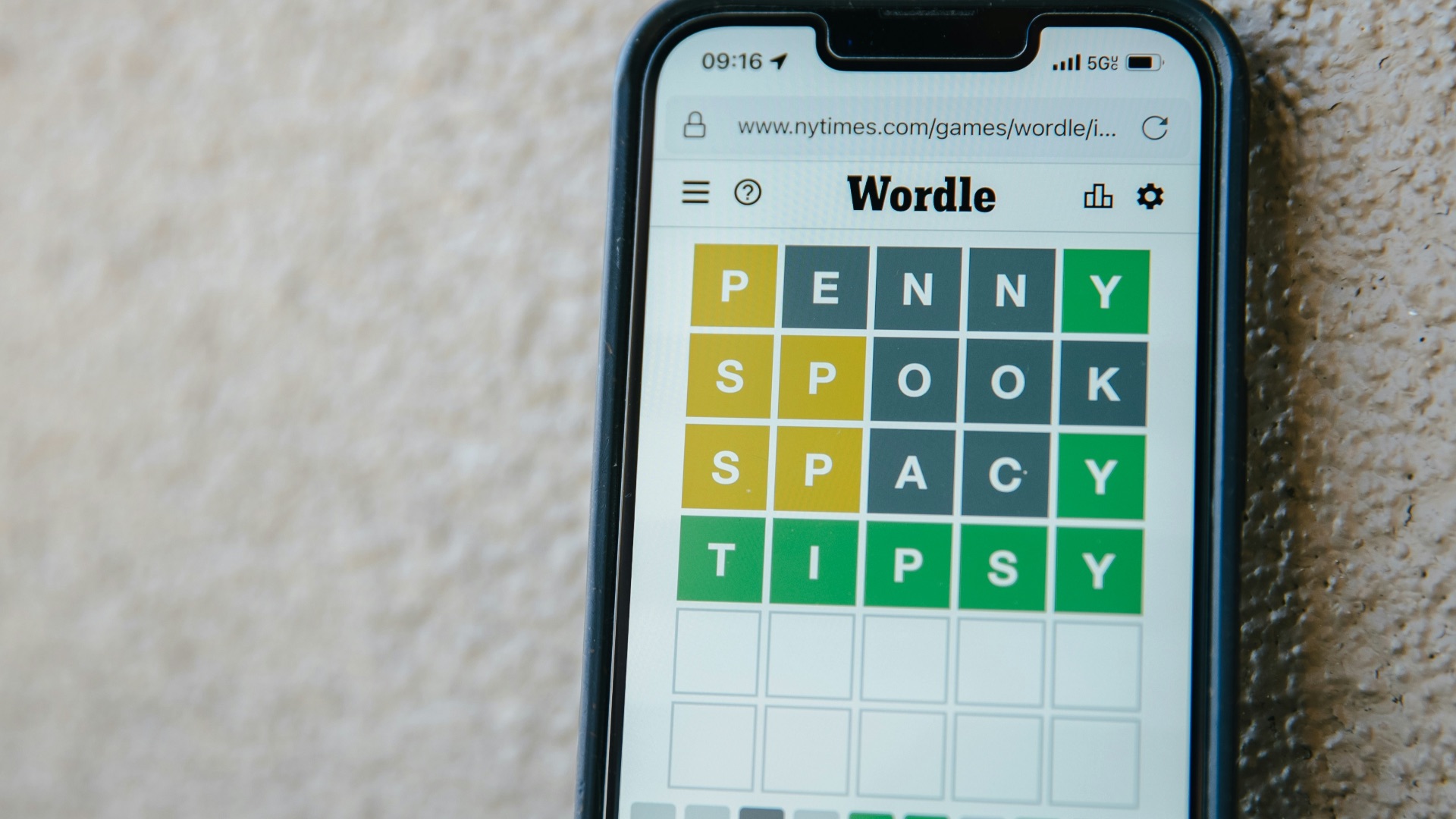
Scrabble and Wordle force you to work within limitations, whether it’s letter tiles, board placement, or a strict number of guesses. You’re practicing vocabulary, spelling, and strategic choice-making, because the goal isn’t only finding a word but picking the best word for the situation. That mix of creativity and constraint keeps your brain engaged in a way that mindless word searching doesn’t.
Not only are these games fun, but once you take on these brain-boosters, you'll also definitely start to see some benefits like the ones we list next.
1. Sharper Focus
Challenging games reward sustained attention, so your brain gets used to sticking with a task until it’s finished. You’ll notice less mental drifting, especially during activities that used to feel boring or repetitive. That improved focus can make daily routines feel smoother because you’re not constantly restarting your thinking.
2. Better Working Memory
When you track moves in chess, possibilities in Sudoku, or played cards in a hand, you’re practicing keeping information active in your mind. Over time, your brain gets better at juggling details without feeling overloaded. That can show up as fewer “What was I doing again?” moments during busy days.
3. Faster Pattern Recognition
With regular practice, you start noticing familiar structures, common tactics, and likely next steps more quickly. That means you spend less time staring blankly and more time testing good options. The same skill can help you sift through information faster in everyday problem-solving.
4. Stronger Self-Control
Many of these games punish impulsive choices, which gently trains you to slow down and think before acting. You start recognizing the moment where rushing would create a mistake, and you correct course earlier. That habit can help with real-life decisions that benefit from an extra beat of reflection.

5. Improved Error Checking
Puzzles build a natural feedback loop, because errors usually block progress or create contradictions. You learn to review assumptions, confirm steps, and correct small issues before they become big ones. Over time, you’ll trust your process more because you’re not relying on luck.
6. Better Mental Flexibility
When a strategy fails, you’re forced to adapt rather than insisting it should’ve worked. That practice builds cognitive flexibility, which helps you recover quickly from dead ends and surprises. You may notice you’re less likely to get stuck repeating the same ineffective approach.
 Malen Almonacid Trossi on Unsplash
7. Stronger Verbal Skills
Word-based games and language practice encourage quick recall under mild pressure. You’ll strengthen your ability to access vocabulary, spell accurately, and choose precise wording. That can make writing and conversation feel more fluent, especially when you’re tired.

8. Better Stress Tolerance
Timed turns, competitive play, and “one wrong move” moments teach you to keep your head when the stakes feel higher than they are. You learn to focus on the next best step instead of panicking about the last mistake. That steadiness can transfer to everyday stress, where calm thinking matters more than perfection.
9. More Patience and Persistence
Jigsaws, crosswords, and strategy games reward consistent effort, not instant success. You get used to slow progress and learn that frustration doesn’t mean failure, it just means you need a different approach. That persistence can carry into goals that require practice over time.
10. More Confident Decision-Making
Repeated practice with choices builds comfort with committing to a plan and adjusting if it doesn’t work. You’ll spend less time second-guessing and more time acting on evidence and experience. That confidence can show up quickly, especially when you’re used to overthinking small decisions.