
When The Callback Got More Attention Than The Plot
Fan service can be fun in the right dose, but the trouble starts when the spice becomes the meal, and the actual story gets treated like scaffolding for cameos, references, and knowing winks. You can feel it when scenes stop building tension and start fishing for applause, or when characters make choices that only make sense if the writers are trying to satisfy a checklist. Sometimes the result is still entertaining, yet it leaves a thin aftertaste, like the whole thing was assembled to trigger recognition instead of emotion. Here are 20 times fan service stepped forward and the story suffered as a result.
1. Star Wars: The Rise Of Skywalker
So much time goes to reversals, legacy props, and rapid-fire reveals that character motivation ends up playing catch-up. The movie keeps trying to deliver moments fans have argued about for years, and the plot often feels like it is sprinting from one crowd-pleaser to the next.
2. Space Jam: A New Legacy
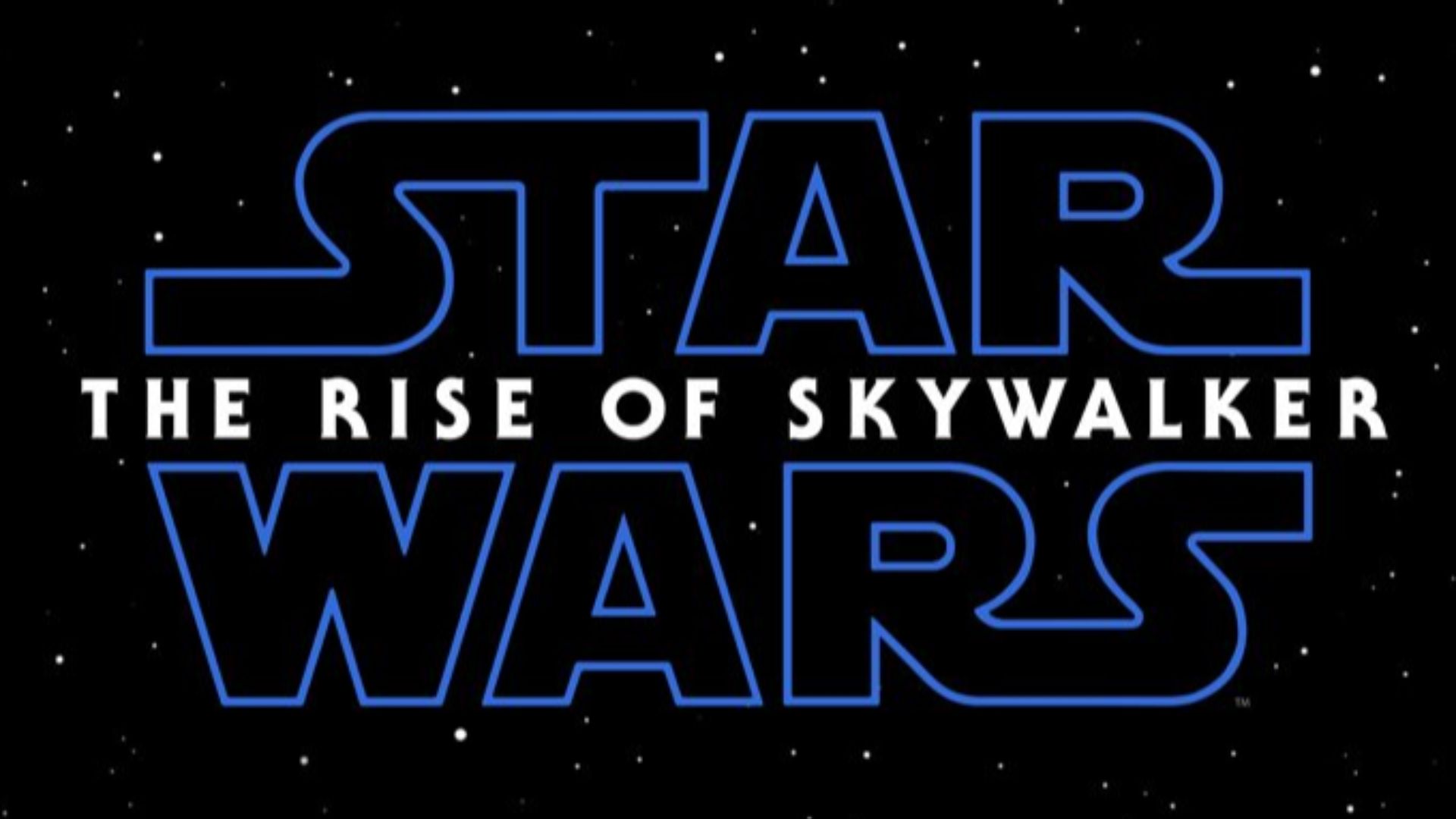
The story frequently pauses to point at Warner Bros. properties, like the movie is touring its own parent company’s trophy case. It becomes hard to care about the stakes when the loudest goal seems to be reminding you what else exists in the catalog.
3. Ghostbusters: Afterlife
The film wants to be a new chapter, yet it keeps glancing over its shoulder at the original, waiting for permission to move forward. By the time the nostalgia crescendo hits, the present-day characters can feel like they were hired to carry the callback.
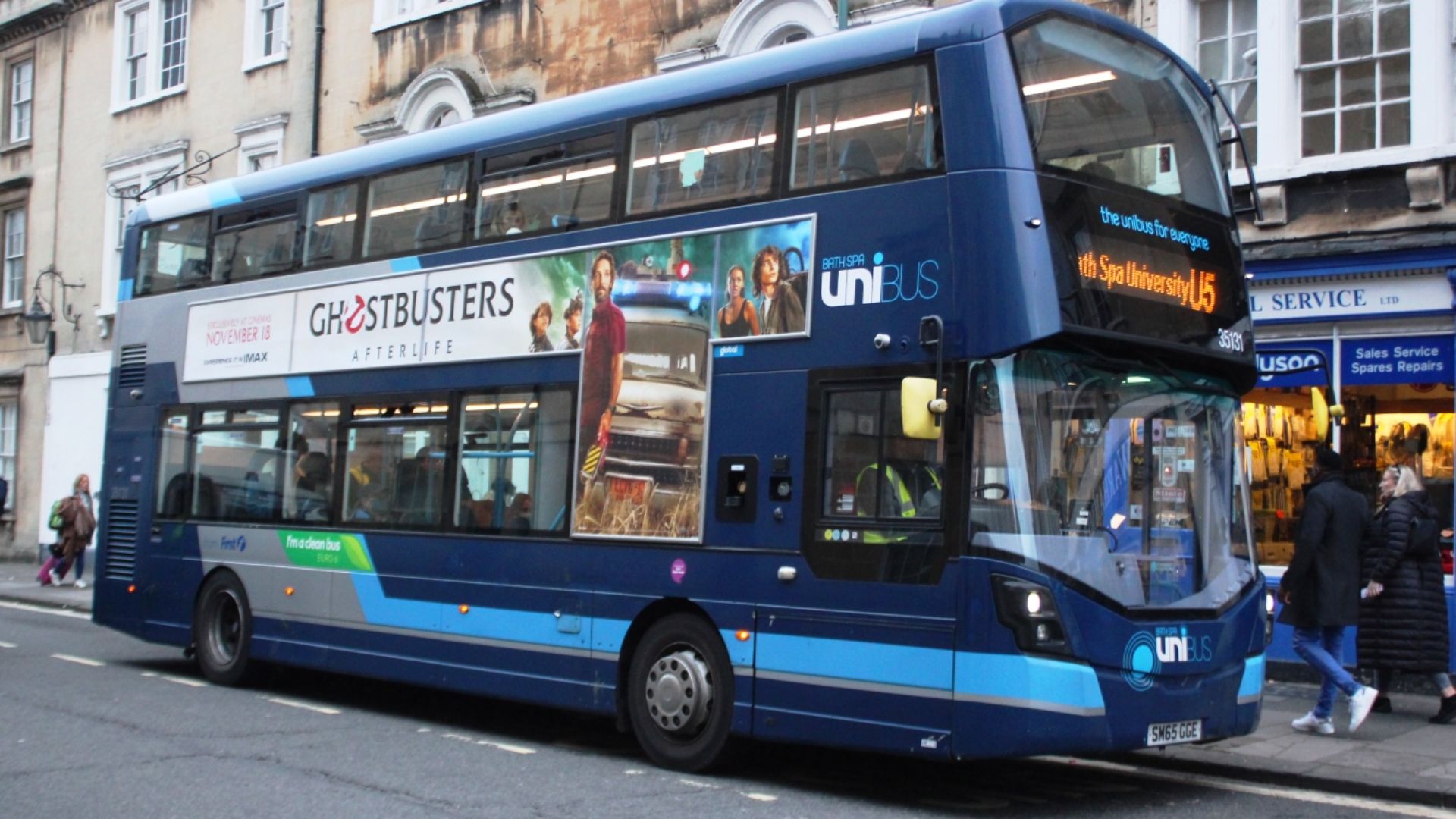
4. Jurassic World Dominion
The premise promises a world reshaped by dinosaurs, yet large stretches funnel energy into getting everyone in the same room for familiar beats. It plays like a reunion that forgets to bring a sharp central conflict.
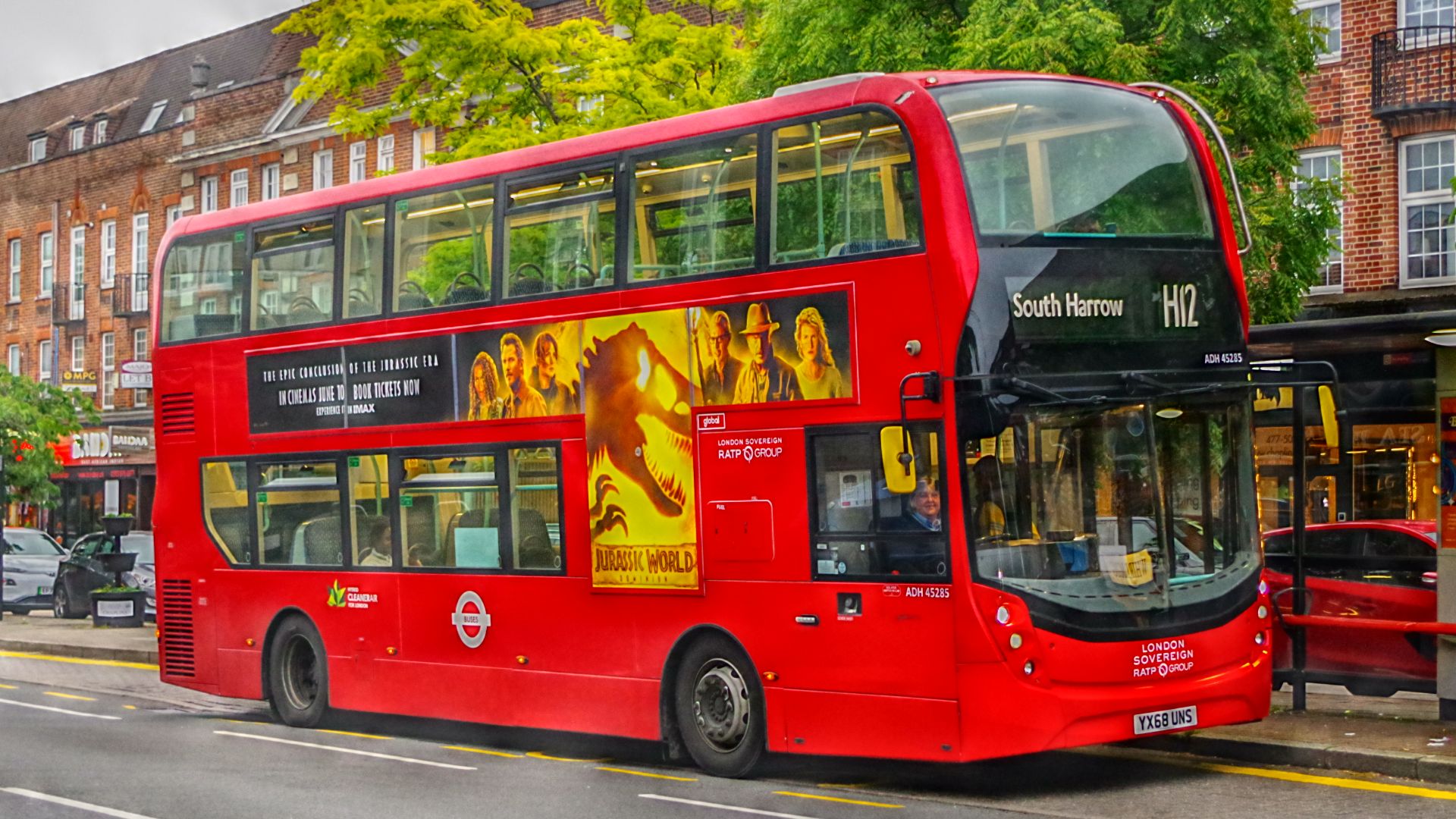
5. The Flash
The multiverse setup becomes an excuse to parade recognizable faces and visual echoes, sometimes at the cost of coherent momentum. When a movie leans on recognition as its biggest thrill, the emotional spine can end up surprisingly soft.
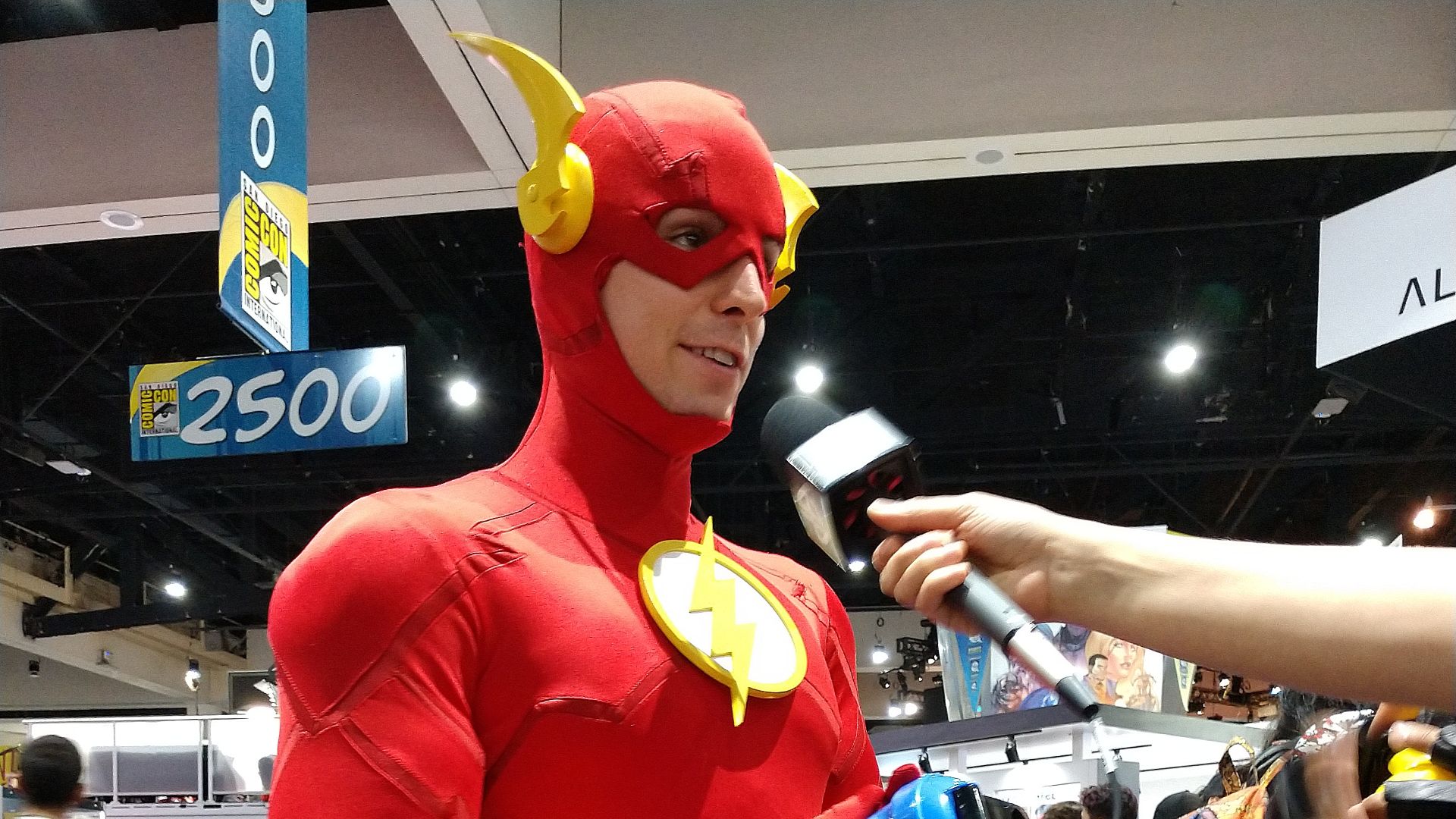 commons.wikimedia.org on Google
6. Doctor Strange In The Multiverse Of Madness
The title suggests boundless imagination, yet much of the conversation around it lands on who shows up rather than what the story is saying. The result can feel like a highlight reel where the connective tissue never fully settles.
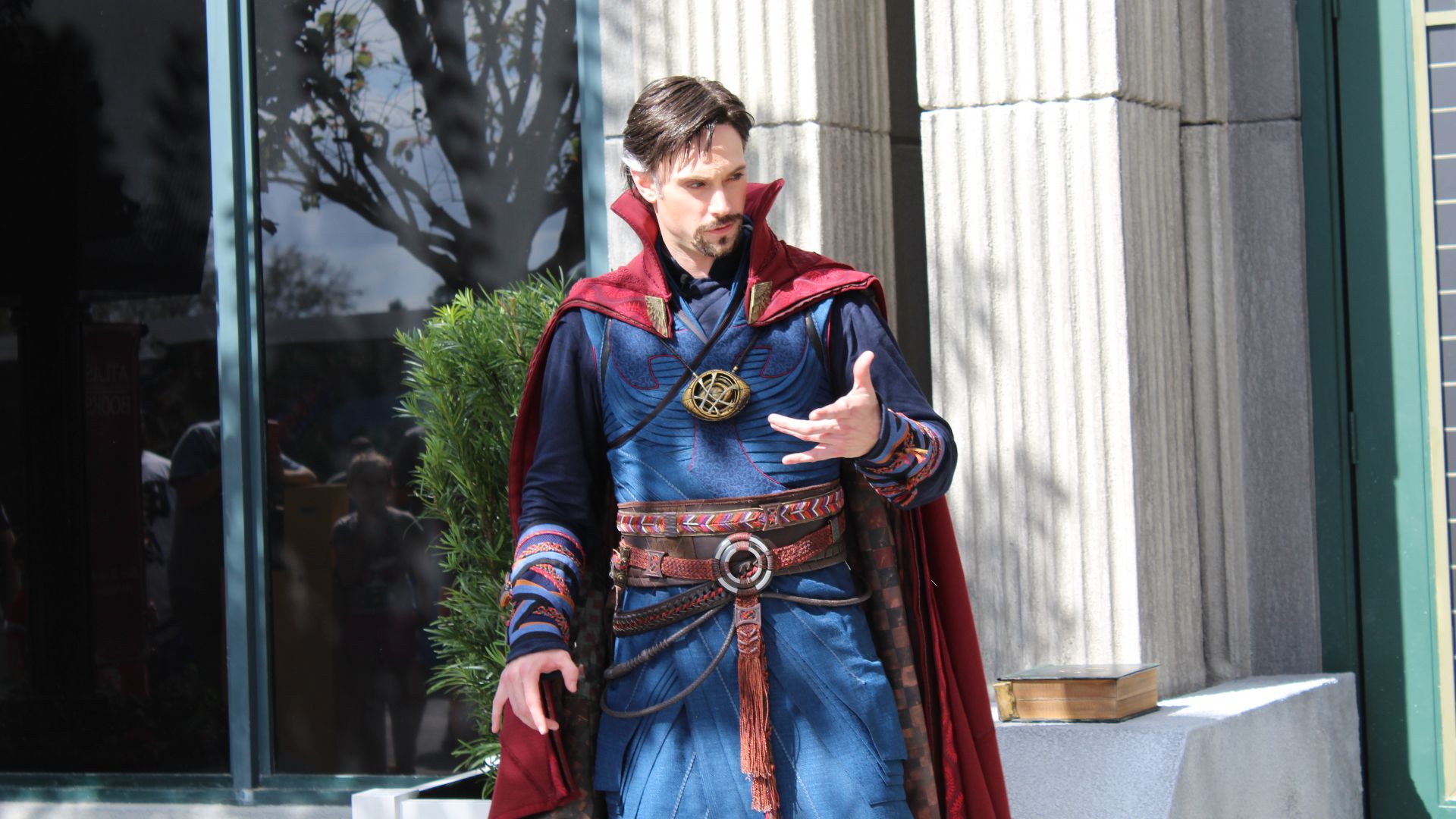 commons.wikimedia.org on Google
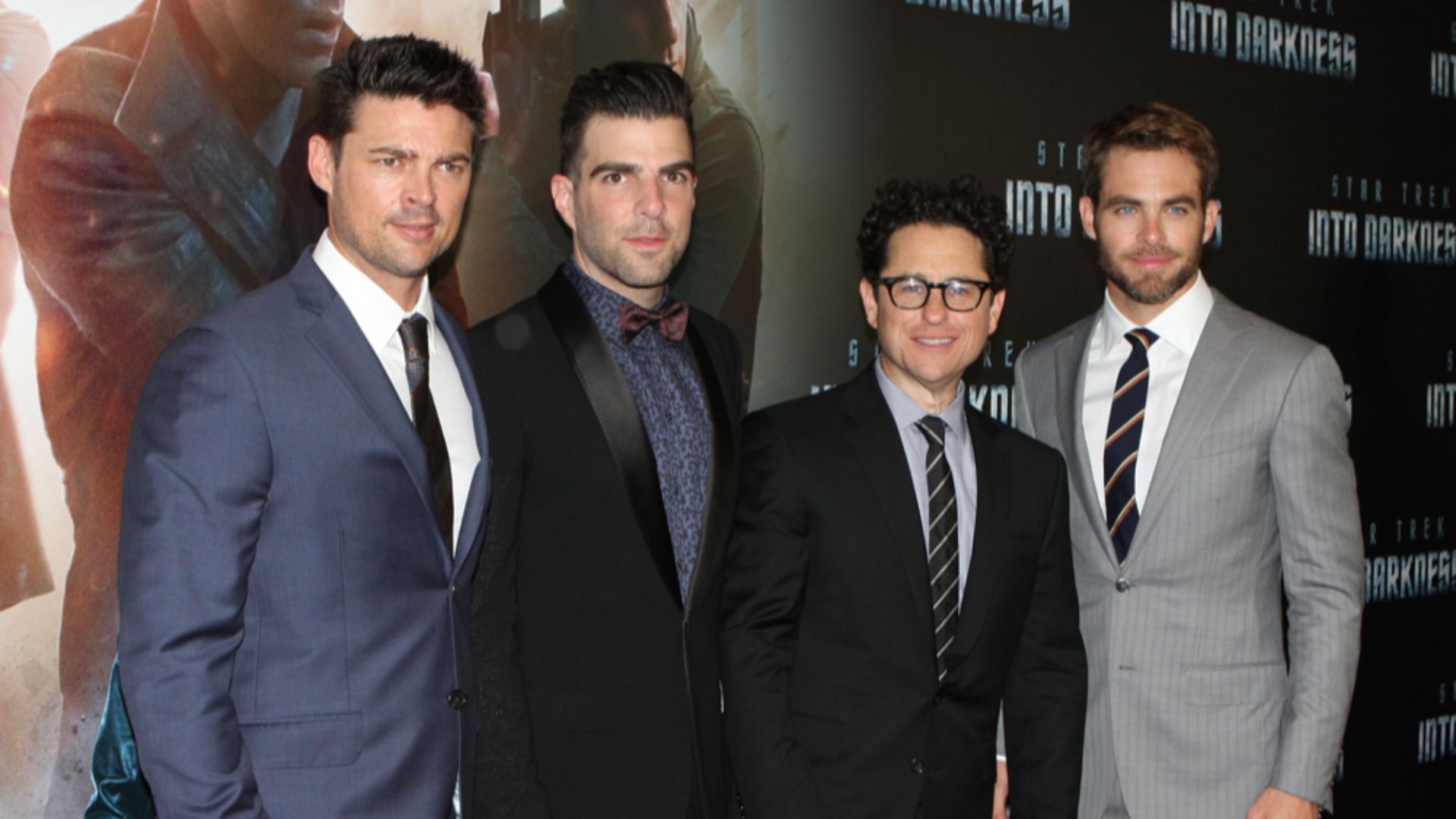
7. Star Trek Into Darkness
It spends a lot of energy chasing the shadow of Wrath Of Khan, and the homage starts steering decisions that should belong to this crew and this timeline. The plot can feel like it is bending itself into a familiar shape instead of finding its own.
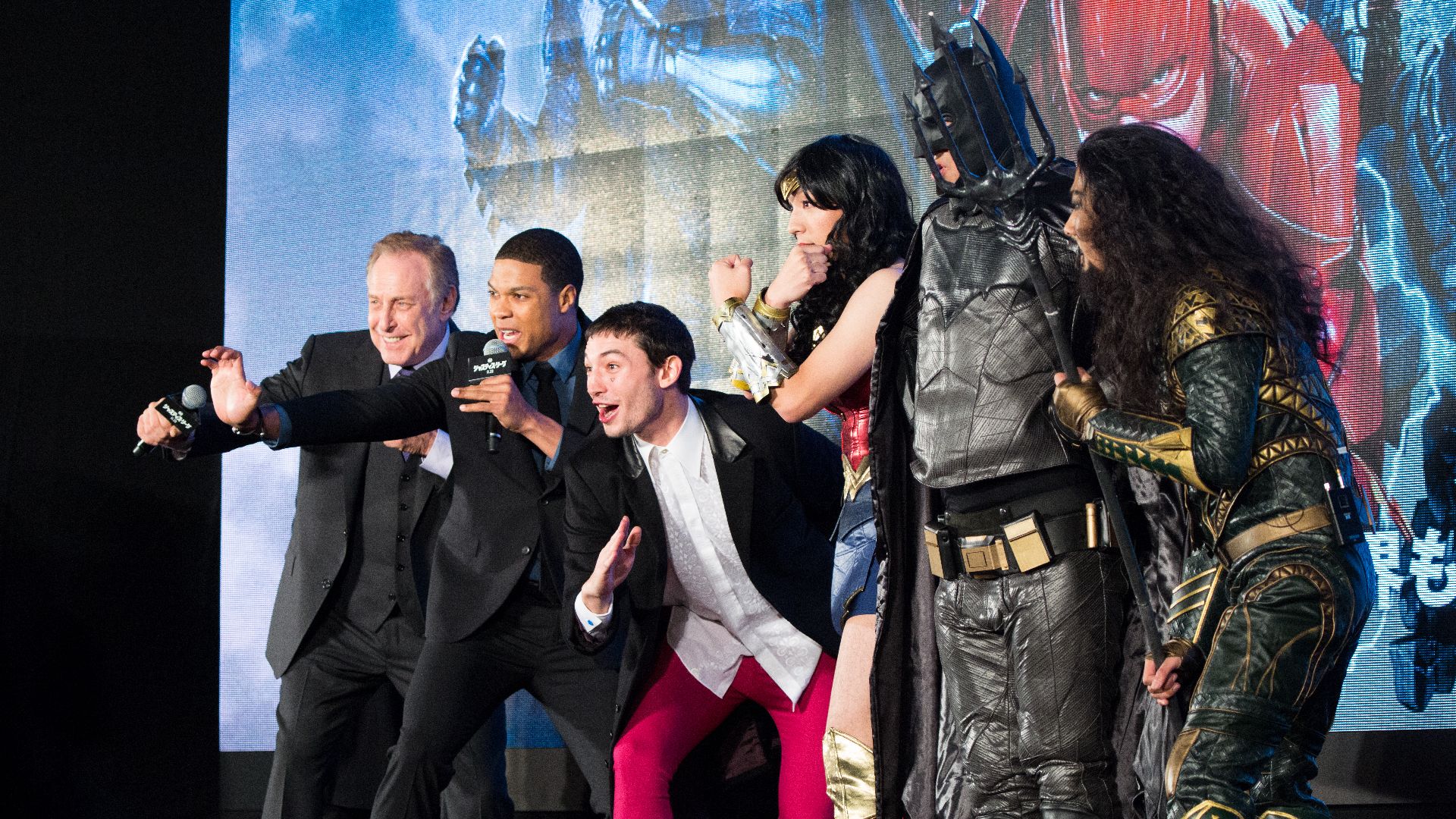
8. Justice League
The theatrical version often plays like an attempt to deliver a greatest-hits tone after backlash, with quips and heroic poses taking priority over a clean arc. You get scenes designed to make fans cheer, while the larger narrative feels patched together.
 commons.wikimedia.org on Google
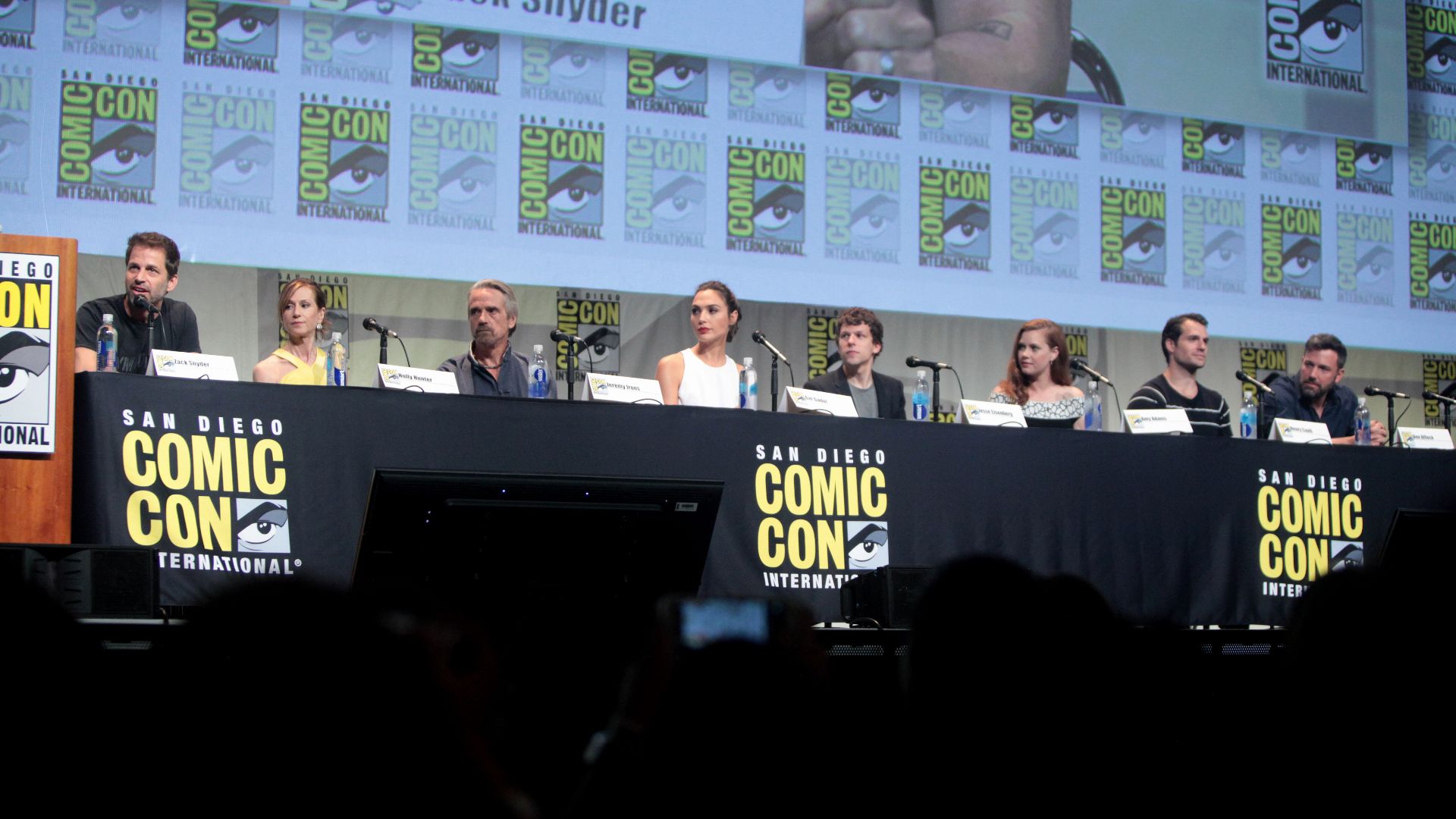
9. Batman V Superman: Dawn Of Justice
Instead of letting the core conflict breathe, the movie keeps stopping to set up future projects with teases and introductions. The story becomes a hallway that keeps opening doors, even when the room you are already in needs attention.
 commons.wikimedia.org on Google
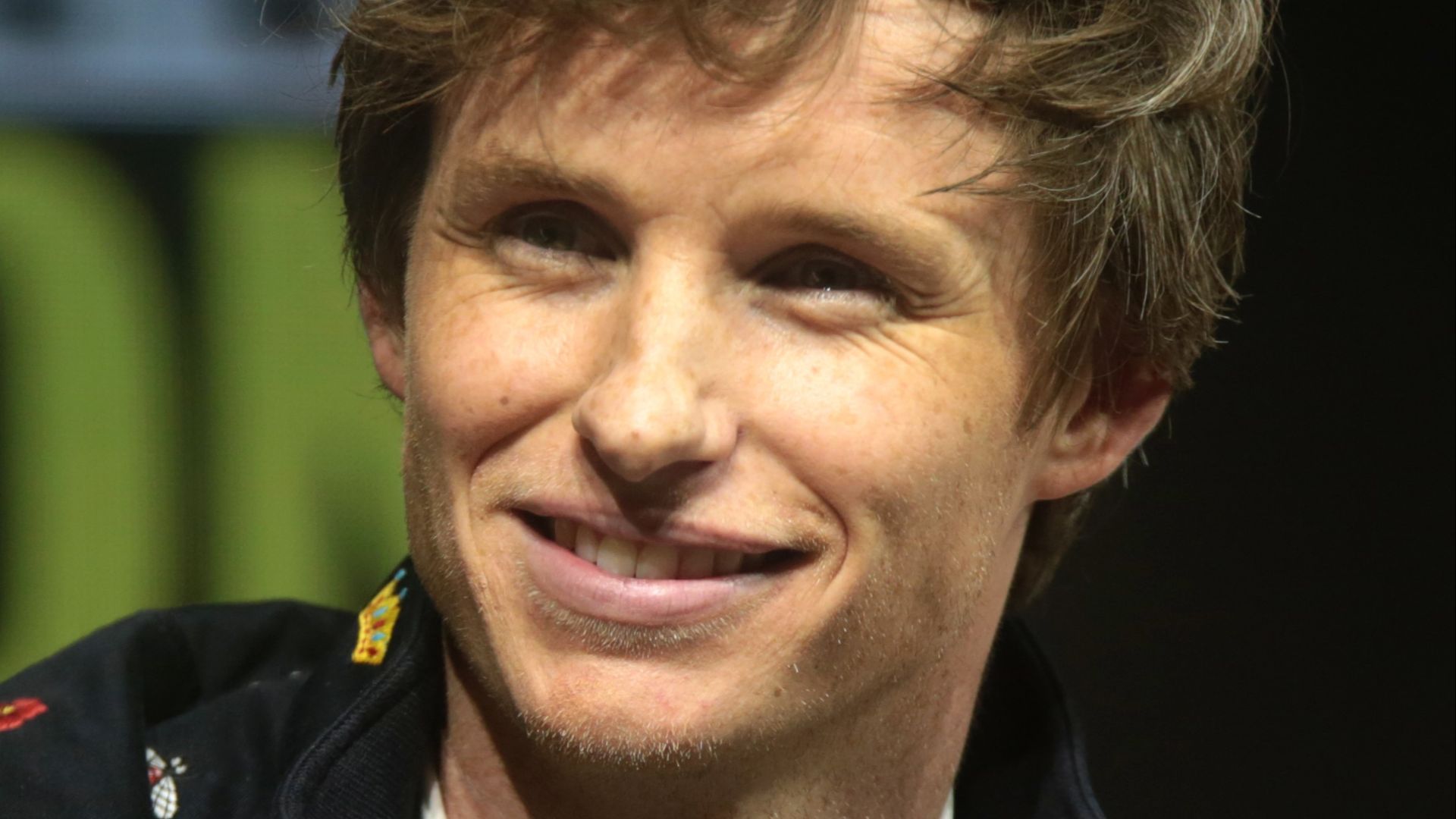
10. Fantastic Beasts: The Crimes Of Grindelwald
It leans heavily on familiar names and lineage reveals, as if ancestry is the main form of drama. When the biggest beats are about who is connected to whom, the present-tense story starts feeling oddly distant.
 Gage Skidmore from Peoria, AZ, United States of America on Wikimedia
11. The Matrix Resurrections
The film is openly aware of its own legacy, yet that self-awareness becomes a loop it cannot always escape. The meta commentary takes up so much space that the forward drive can feel like an afterthought.
 commons.wikimedia.org on Google
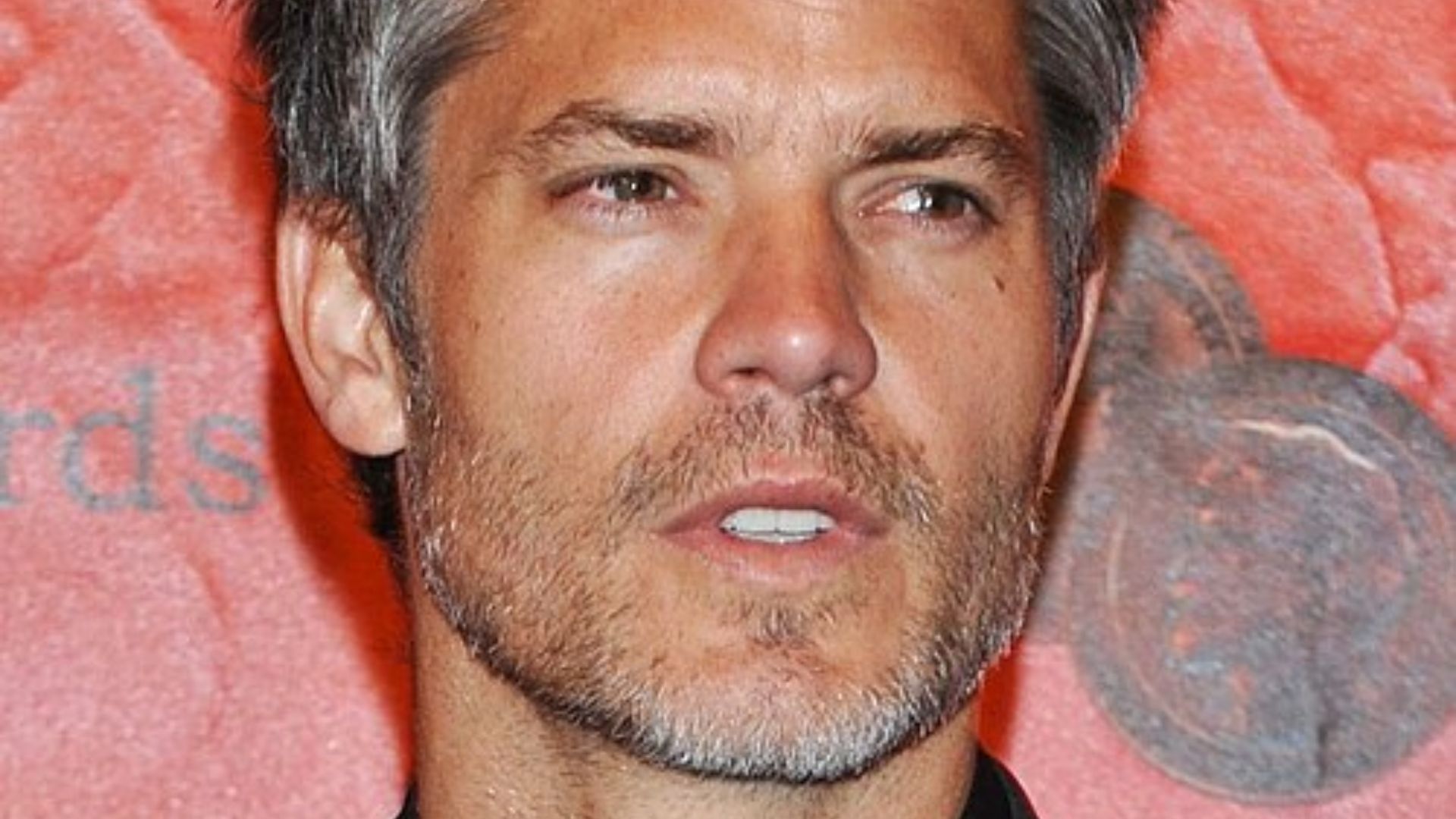
12. The Mandalorian Season Two
The season has strong episodes, yet the parade of recognizable arrivals often pulls focus away from the show’s quieter strengths. It starts feeling like a bridge built to deliver beloved characters, with the main relationship waiting on the side.
 commons.wikimedia.org on Google
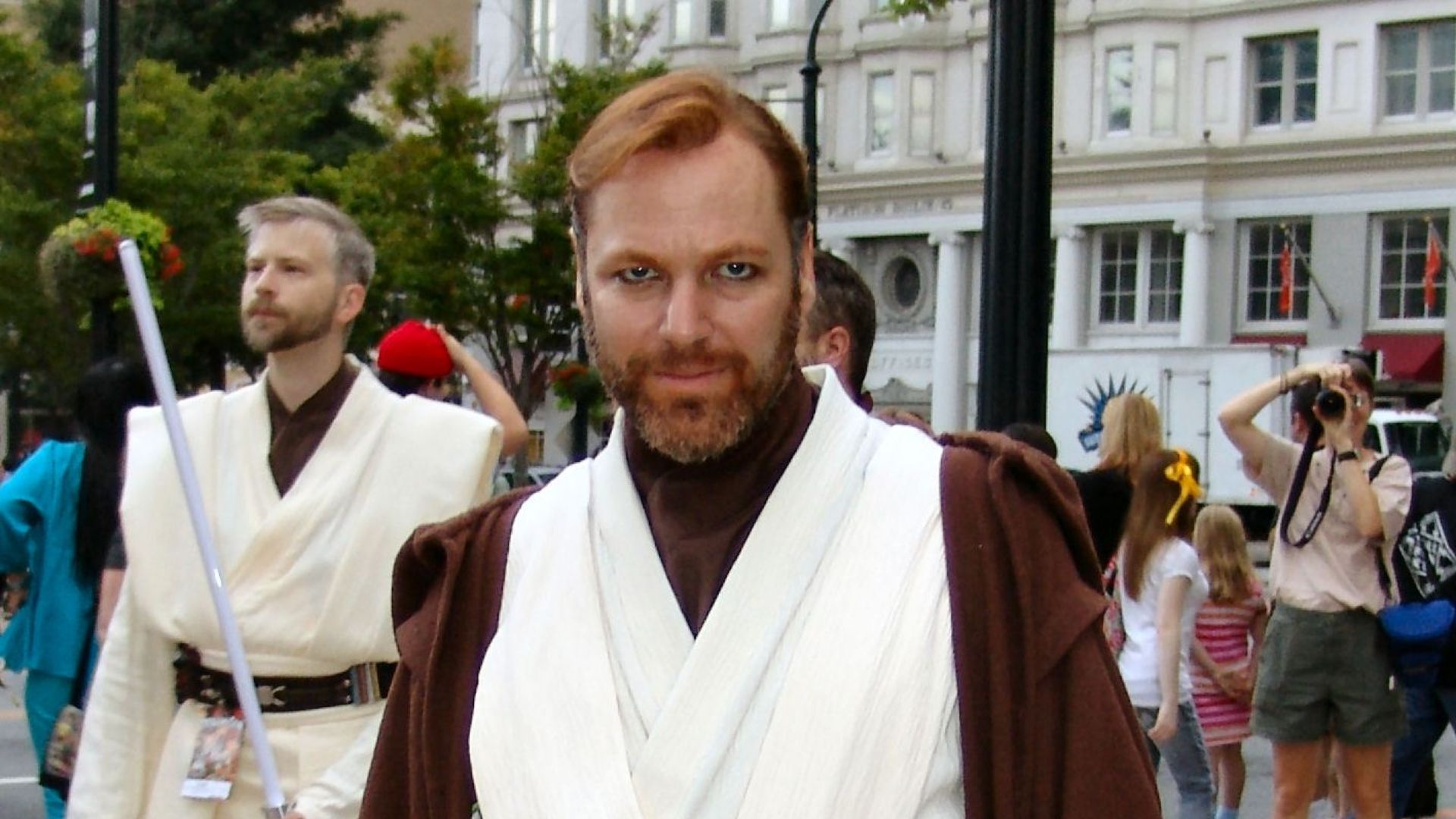
13. Obi-Wan Kenobi
The series has intimate material to mine, yet it frequently leans on prequel-era imagery and familiar confrontations to generate urgency. The story can feel narrowed into moments fans already expect, rather than surprising anyone with a fresh emotional route.
 Dennis Matheson from Atlanta, GA, USA on Wikimedia
14. The Book Of Boba Fett
The show spends time insisting a legend is still cool, then pivots into extended stretches that center a different story entirely. When the biggest excitement comes from borrowing someone else’s momentum, it is hard not to notice the imbalance.

15. The Simpsons Later-Era Cameo Episodes
Celebrity appearances and pop-culture references become the engine, and the family’s grounded weirdness gets pushed to the background. The episodes can start feeling like a room full of guests where the hosts barely speak.
 20th Century Studios on Wikimedia
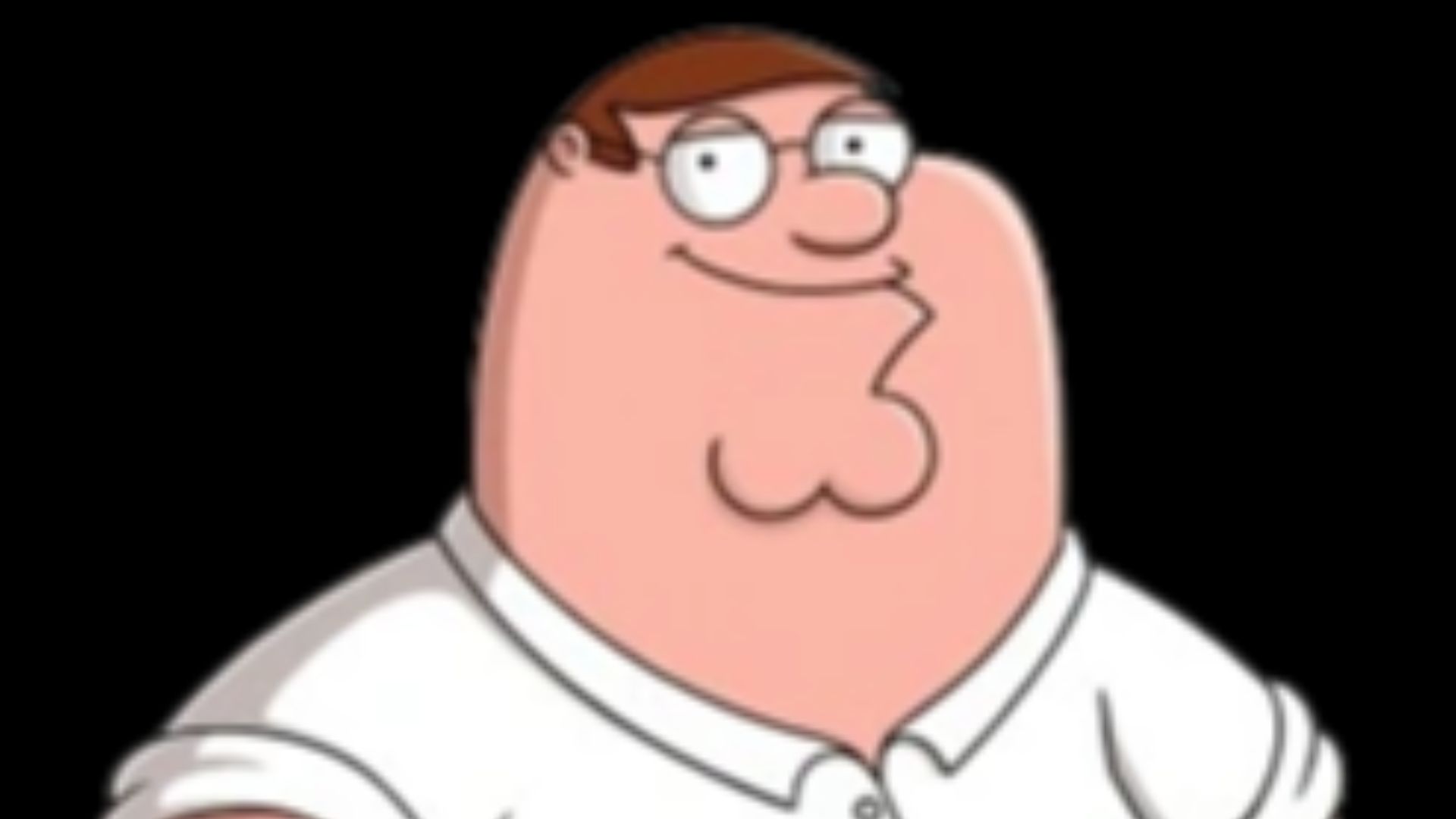
16. Family Guy Cutaway-Heavy Runs
Cutaways can be sharp, yet when they take over, the plot becomes a thin thread holding a pile of jokes. The episode keeps breaking its own rhythm, and any emotional payoff struggles to land.
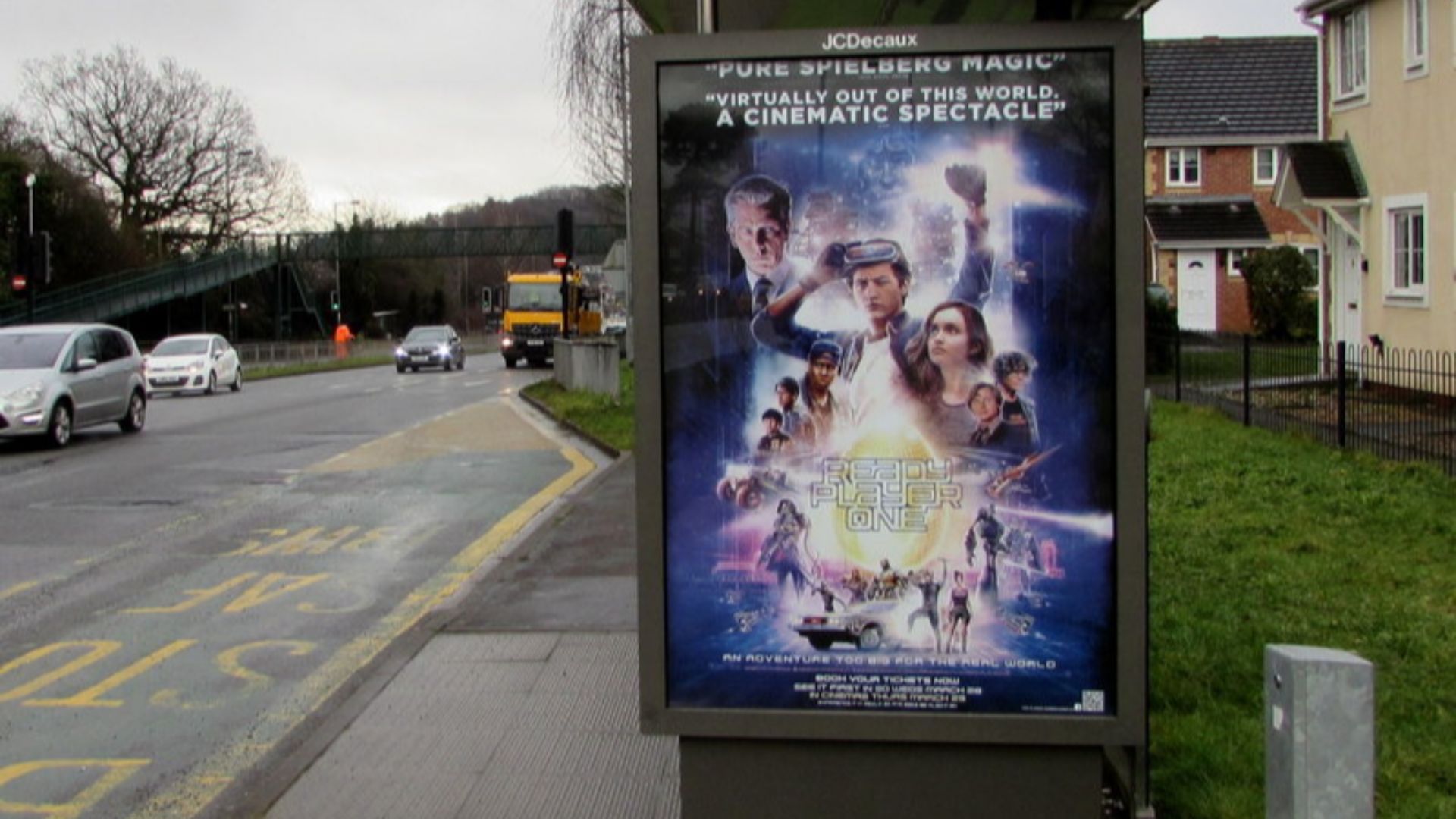
17. Ready Player One
The world-building is stuffed with recognizable objects, and the movie often treats recognition as a substitute for tension. It can feel like watching someone scroll through a museum gift shop while the story waits outside.
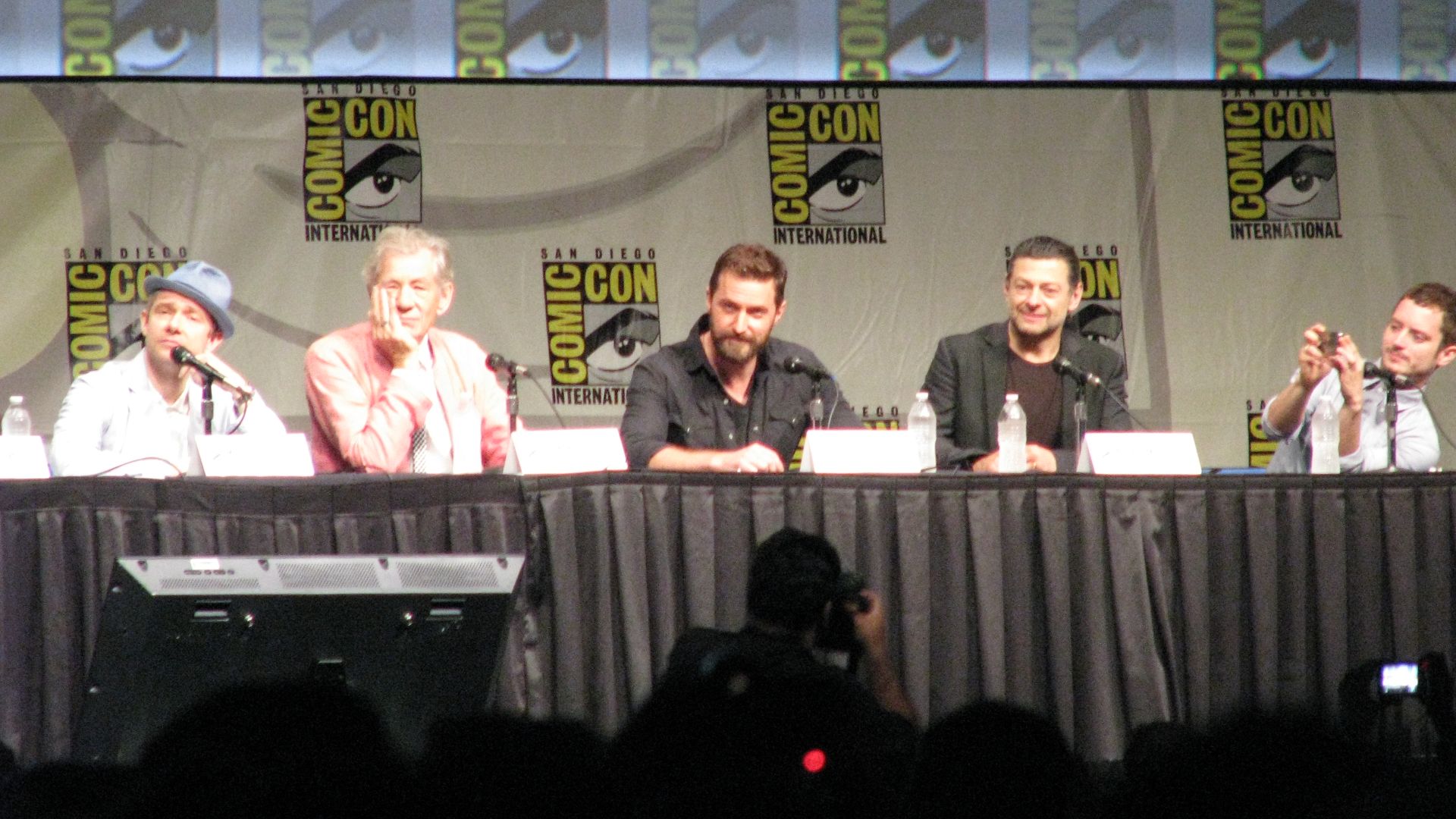
18. The Hobbit Trilogy
There is a smaller, warmer adventure inside those films, yet the runtime swells with connections to The Lord Of The Rings and extra spectacle. The story gets stretched to fit franchise expectations, and the intimacy of the original tale thins out.
 William Tung from USA on Wikimedia
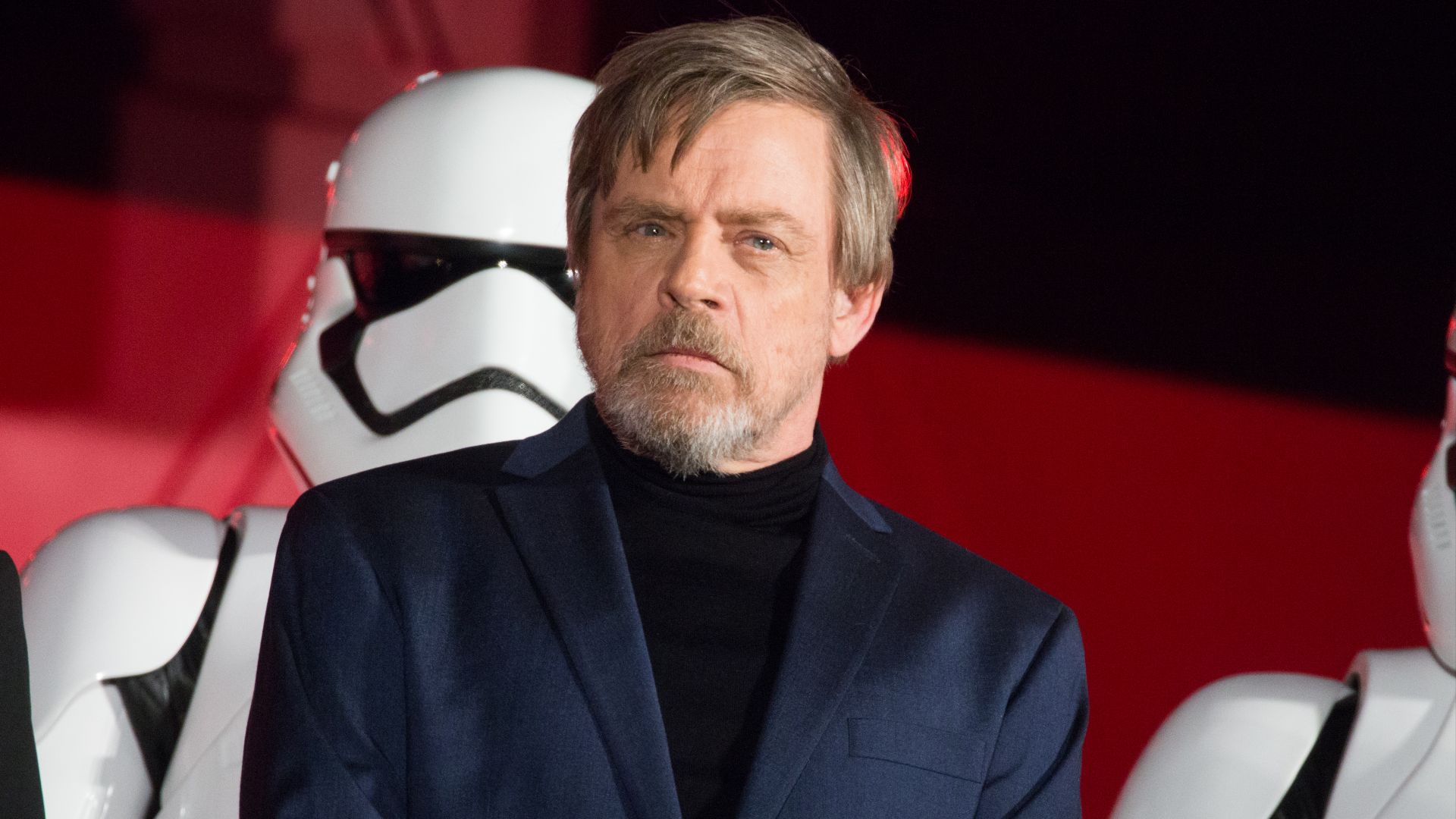
19. The Rise Of Skywalker's Retcon Spiral
When a sequel spends its time correcting the previous entry’s controversies, the story becomes reactive instead of purposeful. You can sense the writers negotiating with the audience, and the characters end up paying the bill.
 commons.wikimedia.org on Google
20. Live-Action Disney Remakes
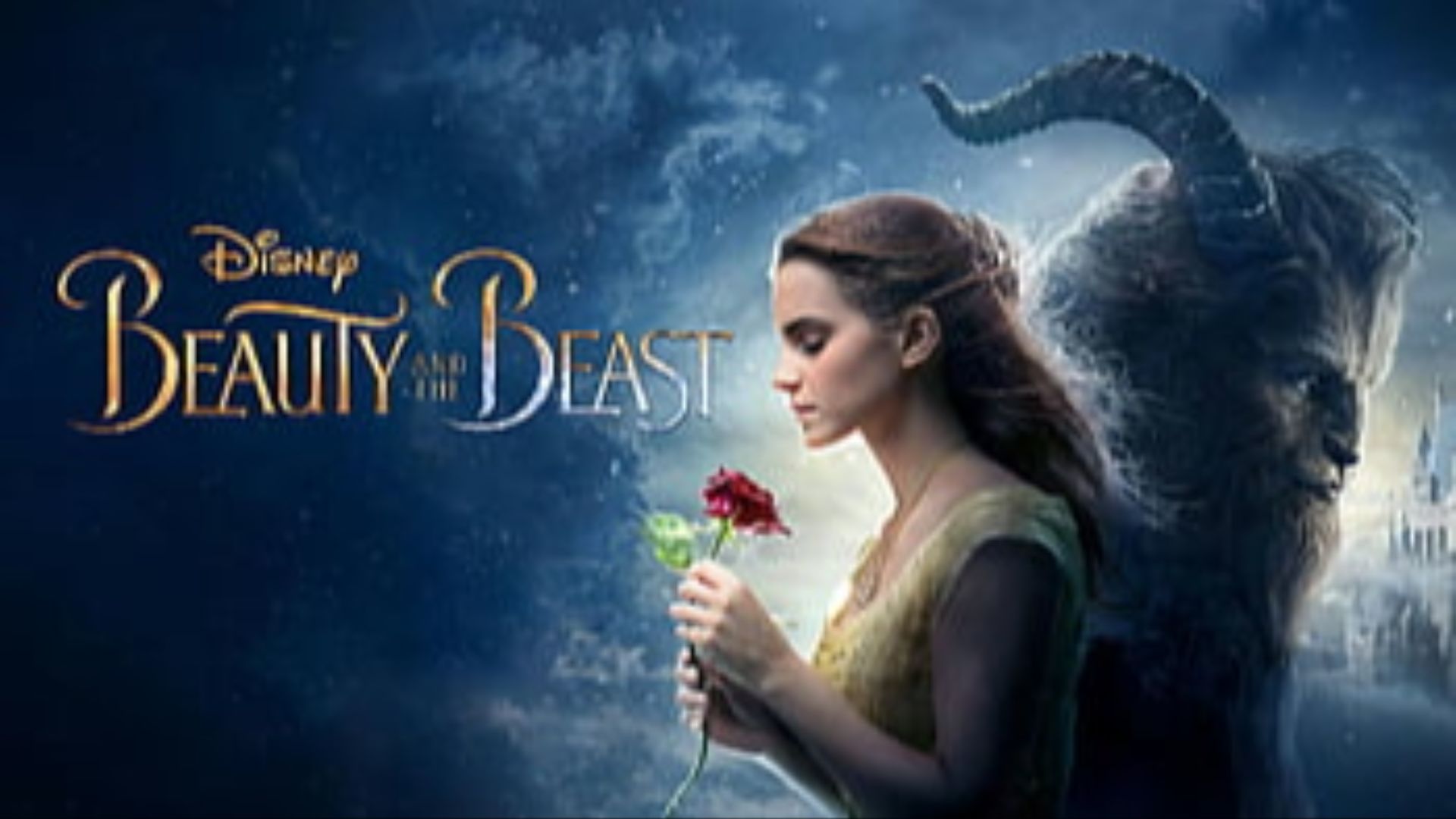
When the main selling point is that a famous scene looks like the famous scene, story becomes a reenactment. The experience turns into spot-the-reference satisfaction, and the remake’s own voice never really gets a clean start.





.jpg)
.jpg)
.jpg)


_Cropped.jpg)
.jpg)