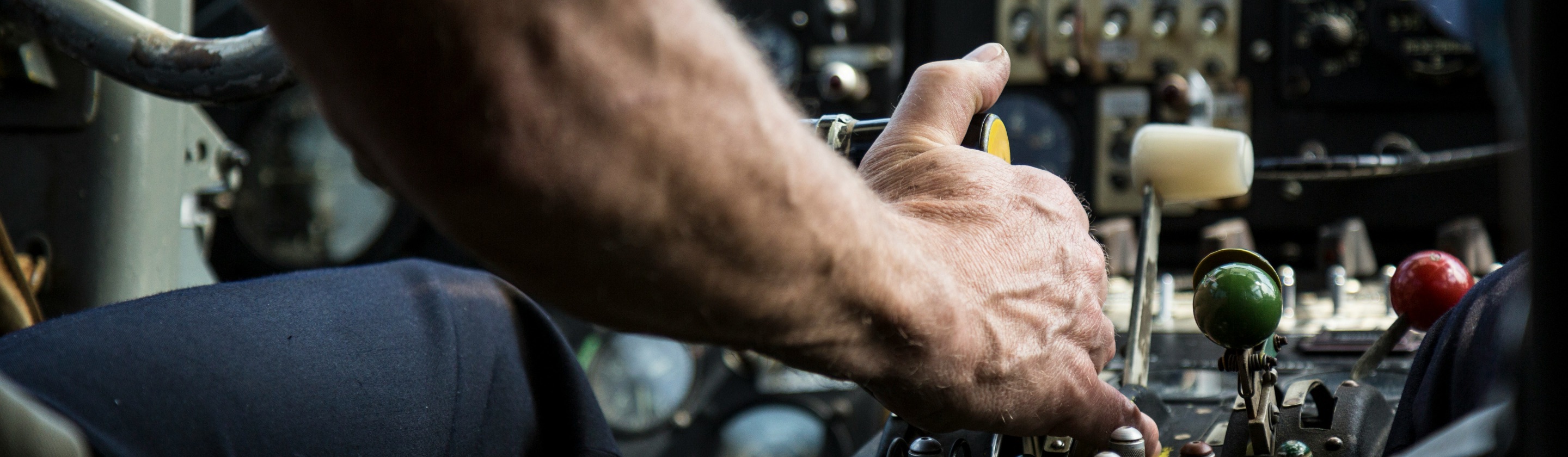
The idea of fully autonomous aircraft has moved from science fiction into serious industry conversation. As artificial intelligence continues to reshape everything from manufacturing to medicine, aviation has naturally become a focal point for those asking whether machines could one day take over the cockpit entirely. As unsettling as the imagery might be, it's a question that touches on safety, economics, and the very nature of human judgment under pressure.
What makes this debate so compelling is that automation isn't a new concept in aviation; it's already deeply embedded in how modern aircraft operate. Autopilot systems have been managing routine flight tasks for decades, and today's aircraft rely heavily on computers to maintain altitude, navigate waypoints, and even execute landings in low-visibility conditions. The real question isn't whether these intelligent systems can play a role in flying; it's whether they can handle everything a trained human pilot can.
What Computers Can Already Do in the Cockpit—and Beyond
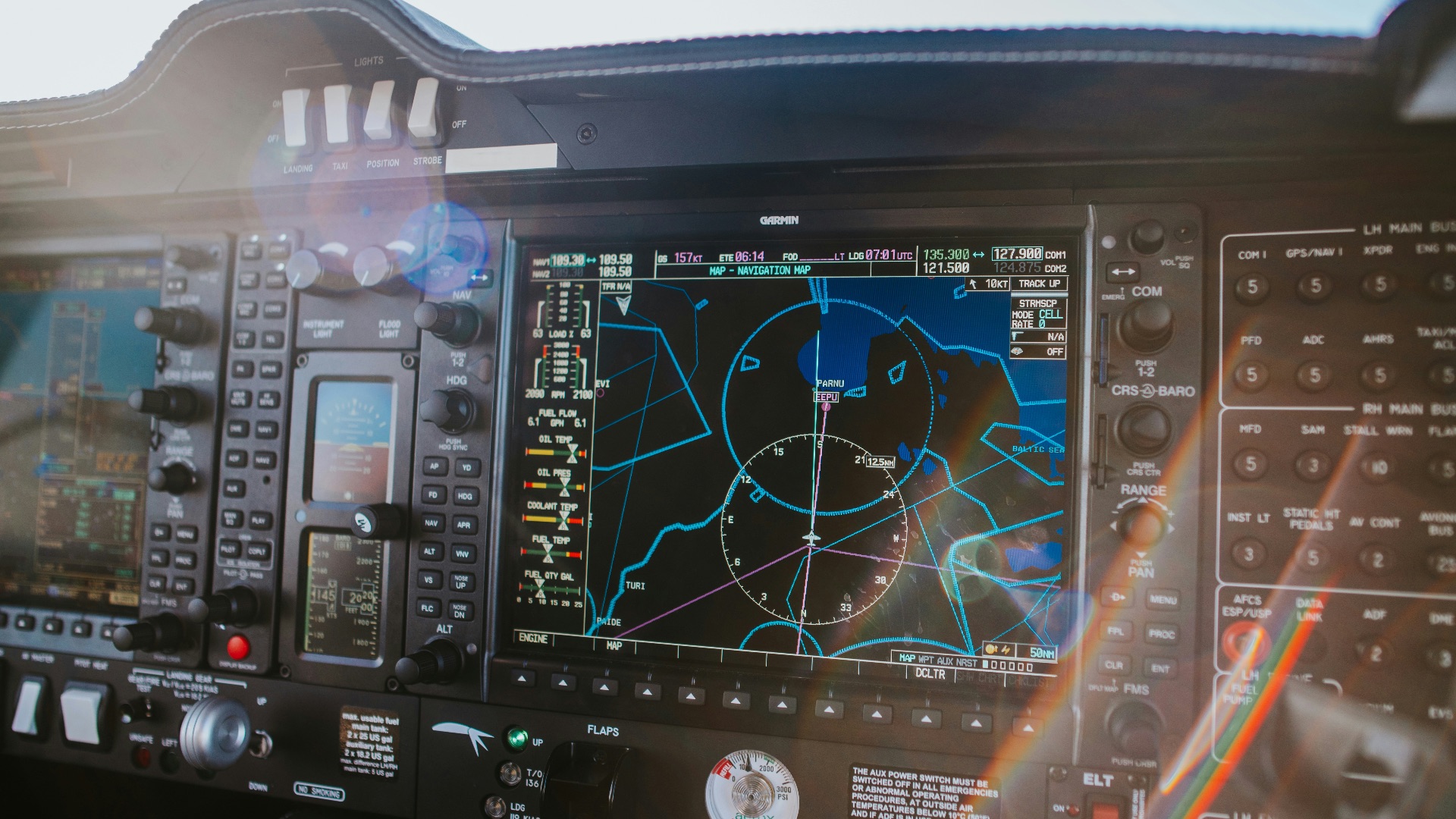
Modern commercial aircraft are far more automated than most passengers realize. Since the 1980s, planes like the Airbus A320 and Boeing 777 have integrated digital fly-by-wire systems, advanced autopilot, and Flight Management Systems that handle a significant portion of each flight's routine operations. Pilots don't manually fly the aircraft for the majority of most commercial trips; instead, they monitor the systems, manage communications, and step in when something unexpected happens.
Flight data puts this in stark perspective. A study from Cranfield University found that 95% of flights had fewer than seven and a half minutes of manual flying, with nearly 80% logging just four minutes of hands-on control across the entire journey. Framed that way, the gap between current automation and full autonomy looks considerably narrower than most people would expect.
And beyond standard autopilot, AI tools are now being used to support pilot decision-making in real time. Airlines like Southwest are using these tools for predictive maintenance, such as analyzing sensor data and technician records to flag potential issues before they cause unplanned groundings. AI-powered air traffic management systems, such as those used by NATS in the UK, are similarly being deployed to optimize routing across thousands of daily flights and reduce delays.
The Case for Going Further: Safety and Cost
Perhaps the more compelling argument, though, is simply what's at stake when humans are in the loop. Research has shown that 85% of all aviation accidents and serious incidents involve human error, with over 60% having human factors as their primary cause; by contrast, aviation hardware and software failures account for a comparatively small share of accidents. While a clean ratio between the two is difficult to pin down—partly because many incidents involve both: automation behaving unexpectedly and a pilot responding incorrectly—the imbalance is stark enough that the case for reducing human exposure to critical decisions can be hard to argue against.
There's also a strong financial case for pushing automation further. Pilots command significant salaries, require extensive ongoing training, and need rest, all of which translate into real operational costs for airlines that are perpetually working against thin margins. If autonomous systems can eventually handle the full scope of what a flight crew does, the savings wouldn't just be incremental; they could fundamentally reshape how airlines are run.
Some automation systems already demonstrate the kind of rapid, precise responses that humans simply can't match. The Automatic Ground Collision Avoidance System, for example, can take control of an aircraft when a pilot is incapacitated to prevent a crash; it reportedly saved a U.S. F-16 in Syria from exactly that fate. These real-world examples make it clear that further automation isn't just theoretical; it's already saving lives in specific, well-defined scenarios.
Why Humans Aren't Going Anywhere Yet
Despite the technological progress, there are serious reasons why full automation in commercial aviation remains a distant prospect. Emergencies rarely follow predictable scripts, and it's in those chaotic, never-before-seen moments that human judgment tends to be most valuable. No system predicted or could have replicated the split-second decision-making that led to the Miracle on the Hudson in 2009, a scenario that required improvisation far beyond anything programmable.
Public trust presents another significant barrier. A 2024 survey conducted by the International Transport Workers’ Federation found that 76% of people would not feel comfortable flying on a fully autonomous aircraft. Airlines are acutely aware that consumer confidence is central to their business, and it's unlikely any carrier would pursue full automation until that sentiment changes dramatically. People tend to find reassurance in knowing an experienced human is in control, and research suggests most people are more willing to accept human error than a computer malfunction when their lives are at stake.
So, the honest answer to whether computers could completely replace human pilots is: probably not anytime soon, and possibly never in the absolute sense. Automation will keep advancing, and pilots' roles will continue to evolve—but the combination of regulatory hurdles, public trust deficits, and the irreplaceable value of human adaptability in emergencies means the cockpit isn't emptying out just yet. The future of flight looks less like a choice between humans and machines, and more like a deepening partnership between the two.