The Internet’s Favorite Amplifier
Going viral is rarely as random as it looks from the outside. The internet rewards certain types of emotion: surprise, relief, outrage, cuteness, awe, and the satisfying feeling of being in on something with everyone else. Sometimes that means a genuinely good moment gets lifted and carried, like a community pulling together or a stranger doing something decent when nobody asked. Other times it means the worst parts of human behavior get supercharged, because outrage travels fast. Here are 10 things that tend to go viral for good reasons, and 10 that tend to go viral for bad ones.

1. A Stranger Helping Without Performing
A quiet act of kindness goes viral when it feels real, like someone helping an elderly person with groceries and not turning it into a brand. People share it because it gives proof that the world still contains decency, and that’s a relief to scroll into.

2. A Small Business Getting Its Moment
A bakery, food truck, or tiny shop can blow up because one product looks incredible and the story is easy to root for. The comments turn into a town square of recommendations, nostalgia, and people making plans they probably won’t keep, but the boost can still be real.

3. A Big, Satisfying Makeover
Before-and-after content works because it compresses effort into a single swipe: messy room to calm room, dull hair to shiny hair, sad curb appeal to charming. It’s not just aesthetics, it’s the feeling that life can be improved with a little focused attention.

4. A Wildly Useful Tip
Some tips spread because they genuinely solve a problem, like a kitchen trick that saves time or a phone setting most people didn’t know existed. It goes viral when it’s easy to test, easy to explain, and makes viewers feel smart for learning it.

5. A Funny, Specific Observation
A joke lands harder when it’s oddly precise, like calling out the exact way people walk faster when they hear someone unlocking a door behind them. Humor like that spreads because it makes everyone feel seen, and nobody has to be mean to enjoy it.

6. An Animal Doing Something Unexpected
Animals go viral constantly, but the best versions are the ones that surprise you, like a cat “talking back” in perfect timing or a dog gently babysitting a kitten. It’s harmless, it’s universal, and it gives the brain a break.

7. A Public Moment Of Joy
A crowd singing, a street musician getting applause, a kid seeing snow for the first time—joy is contagious when it looks unforced. People share it because it’s the rare clip that doesn’t demand anything except a smile.

8. A Clever, Creative Build
A homemade invention, a costume, a woodworking project, a perfectly edited short film—craft spreads when it’s clear someone cared. Even if viewers don’t understand the process, they can recognize skill, and they like cheering for it.

9. A Clear, Calm Explanation
A teacher, expert, or regular person breaking down a confusing topic can go viral because it lowers anxiety. When someone explains something without flexing or shaming, it feels like a gift, and people pass it along like one.

10. A Comeback Story With Receipts
A person bouncing back after a setback spreads when the timeline is clear and the work shows, not just the final glow-up. The internet loves redemption arcs, especially when they don’t require tearing anyone else down.
And now, here are ten negative situations that spark viral moments.

1. A Pile-On Over A Mistake
Someone misspeaks, slips, or has a bad moment on camera, and suddenly millions of strangers are acting like judges. These go viral because outrage is easy, and the internet loves a clear villain even when the story is messy.
 Francisco De Legarreta C. on Unsplash
2. Misinformation That Sounds Simple
Bad info spreads when it’s confident, short, and easy to repeat, especially if it confirms what people already suspect. Corrections rarely travel as far, because the truth usually takes more than ten seconds to explain.

3. A Dangerous Challenge
Stunts and challenges go viral when they look easy and dramatic, which is exactly why they’re a problem. People copy them for attention, and the original clip becomes the match that lights a lot of bad decisions.

4. Public Shaming Without Context
A short clip rarely shows what happened before or after, but it can still ruin someone’s reputation. These go viral because they create instant certainty, and certainty is addictive even when it’s wrong.

5. A Fake Outrage Story
Some posts are designed to make people furious, because fury drives shares and comments. The story might be exaggerated or completely made up, but by the time anyone checks, it has already done its job.

6. A Cruel Prank
Videos of people embarrassing strangers, destroying someone’s property, or crossing boundaries spread because shock gets clicks. The problem is that the harm is real, and the internet rewards the prankster with attention anyway.

7. A Private Moment Leaked Publicly
A breakup text, a personal rant, a family argument—once it’s posted, it’s no longer private, even if it should have been. These go viral because they feel like forbidden content, and people don’t pause long enough to ask who gets hurt.

8. A Misleading Edit
A clip can be cut to change the meaning, and viewers often accept the edited version as reality. It spreads because it’s punchy and clean, while the real story is usually complicated and less satisfying.

9. A Brand Trying Too Hard
Sometimes what goes viral is the cringe: a company forcing slang, pretending to be your friend, or chasing trends with desperation. People share it to laugh at it, and the brand still loses because the joke sticks.
 S O C I A L . C U T on Unsplash
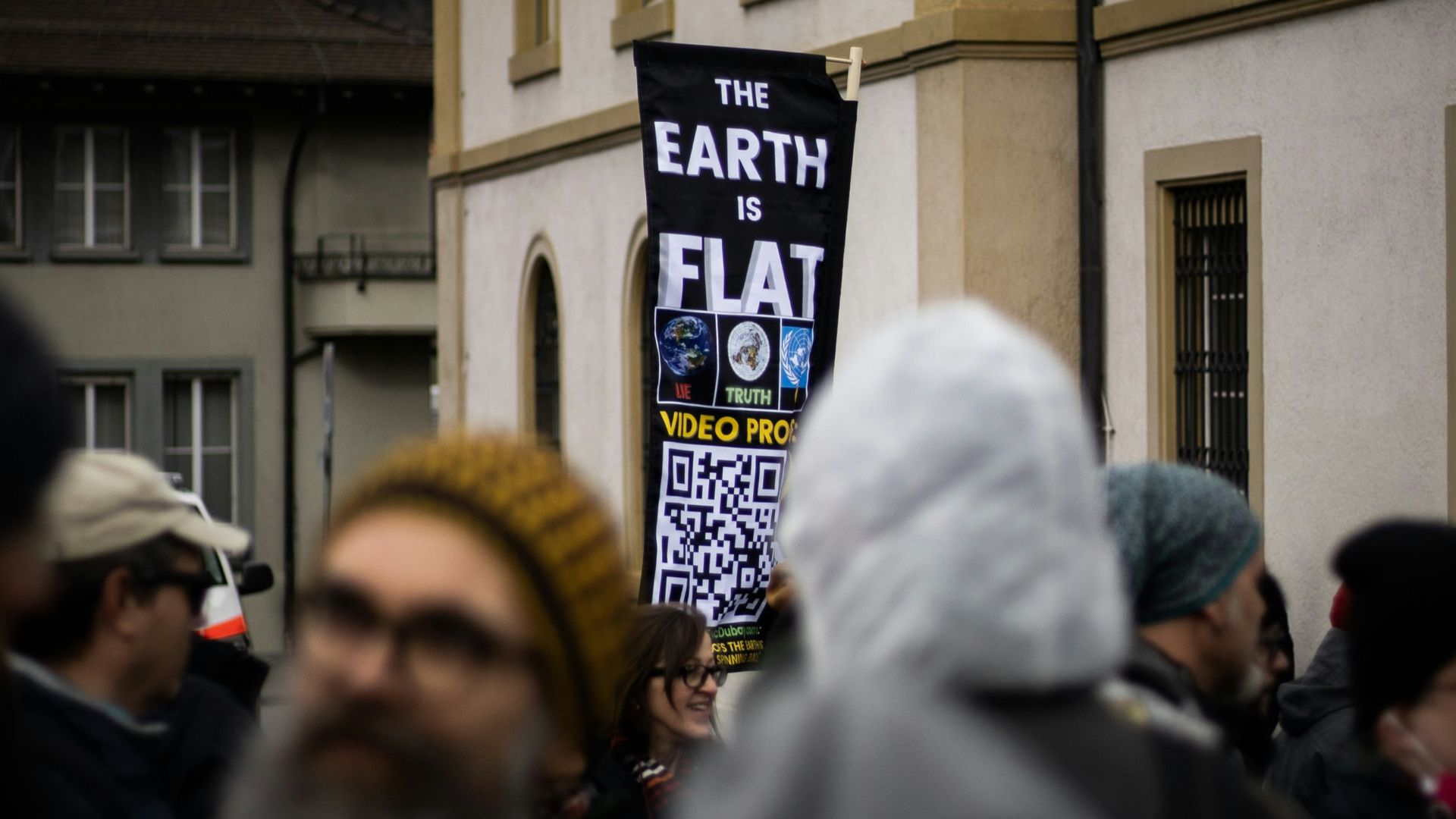
10. A Conspiracy With A Catchy Hook
Conspiracies travel when they offer a simple explanation for complex fear, and they often come wrapped in dramatic music and confident captions. They go viral because they make people feel like they’ve discovered a hidden truth, even when they’ve just been pulled into someone else’s story.