
The Details That Make Tolkien's World Impossible To Put Down
J.R.R. Tolkien spent decades building Middle-earth, and the world he left behind is so dense with lore, language, and worldbuilding that fans are still pulling new threads from it decades after his death. Some of the most beloved details never made it into Peter Jackson's films, living instead in the appendices, The Silmarillion, and the sprawling posthumous volumes that Christopher Tolkien spent his life assembling. Other gems are hiding in plain sight inside The Lord of the Rings itself. Here are 20 of the details that fans love most.
1. Galadriel As Elrond's Mother-In-Law
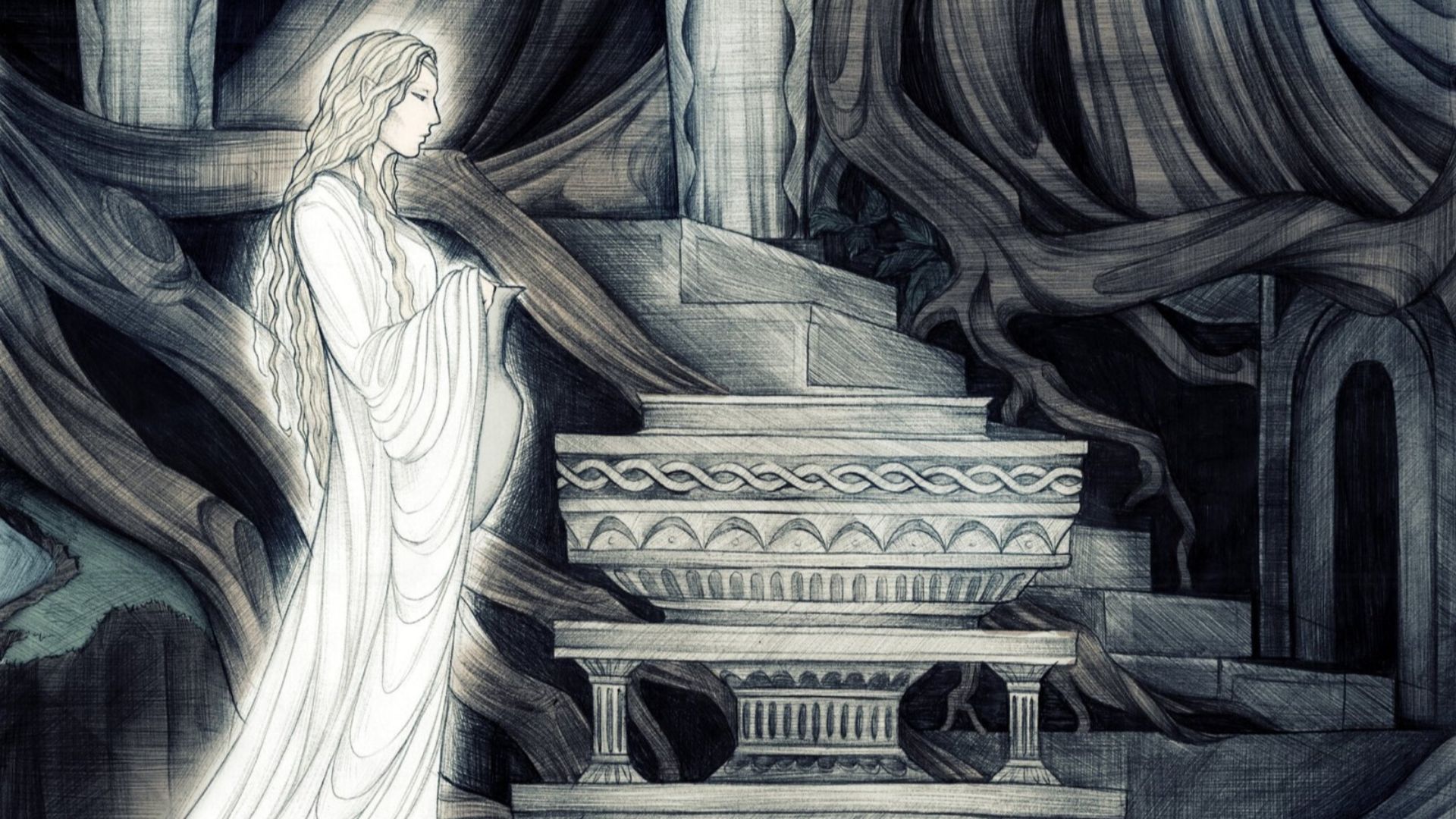
The family trees of Middle-earth's Elves run deep, and one of the most satisfying connections is that Galadriel is Elrond's mother-in-law through the lineage of Celeborn. It gives their interactions in Rivendell and Lothlórien a weight that the text never has to spell out; it’s woven into the genealogy for anyone paying attention.
2. The Athrabeth Finrod Ah Andreth
This philosophical dialogue between the Elf Finrod and the mortal woman Andreth is one of the most quietly profound things Tolkien ever wrote. The two characters talk through mortality, the nature of Men and Elves, and the shadow of Morgoth's corruption over human fate with a depth that rivals serious theological literature.
3. The Lay Of The Children Of Húrin
The poetic version of the Húrin story contains some of the most charged exchanges in all of Tolkien's work, particularly the confrontation between Húrin and Morgoth. There is a raw, tragic defiance in that scene that the prose retellings capture differently, and fans who have read the verse form tend to remember it for a long time.
 Christian Holzinger on Unsplash
4. Fingolfin's Last Stand
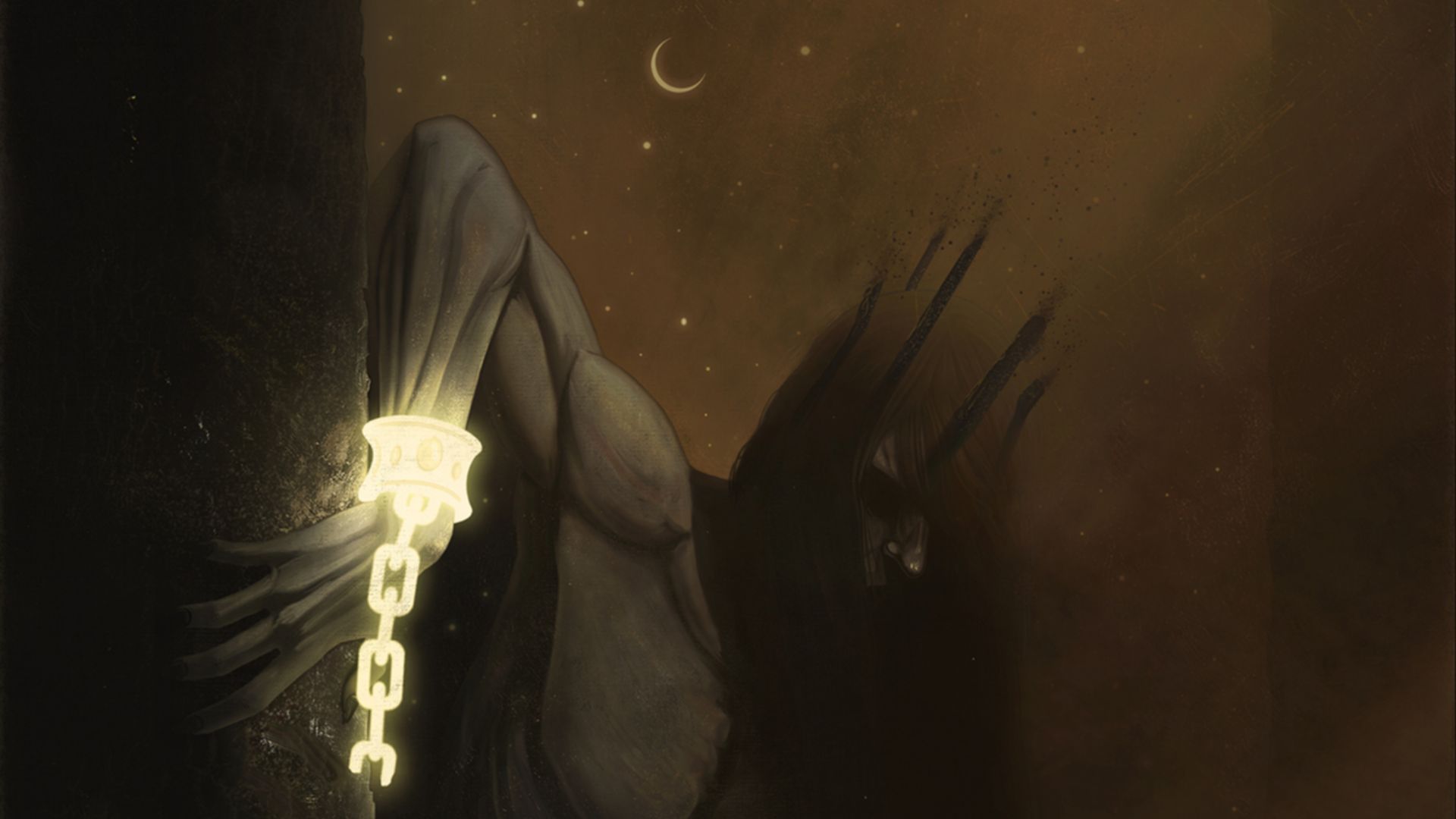
Tolkien's account of Fingolfin riding alone to the gates of Angband to challenge Morgoth to single combat is one of the great heroic moments in the legendarium. The High King of the Noldor wounds the dark lord seven times before he falls, and Morgoth is said to have walked with a limp forevermore.
 Álvaro Fernández G on Wikimedia
5. The Oath Of Fëanor
The full text of the Oath of Fëanor, which bound his sons to pursue the Silmarils at any cost, is one of those pieces of lore that make the First Age feel bound by fate. Once you understand exactly what was sworn and to whom, the catastrophes that follow stop feeling like bad luck and start feeling like a slow-moving, unstoppable consequence.

6. The Notion Club Papers
This unfinished story frames the legend of Númenor as a kind of ancestral memory breaking through into the minds of Oxford academics, linking Tolkien's mythological world to modern England in a way that is both strange and surprisingly affecting.
7. The Story Of Tal-Elmar
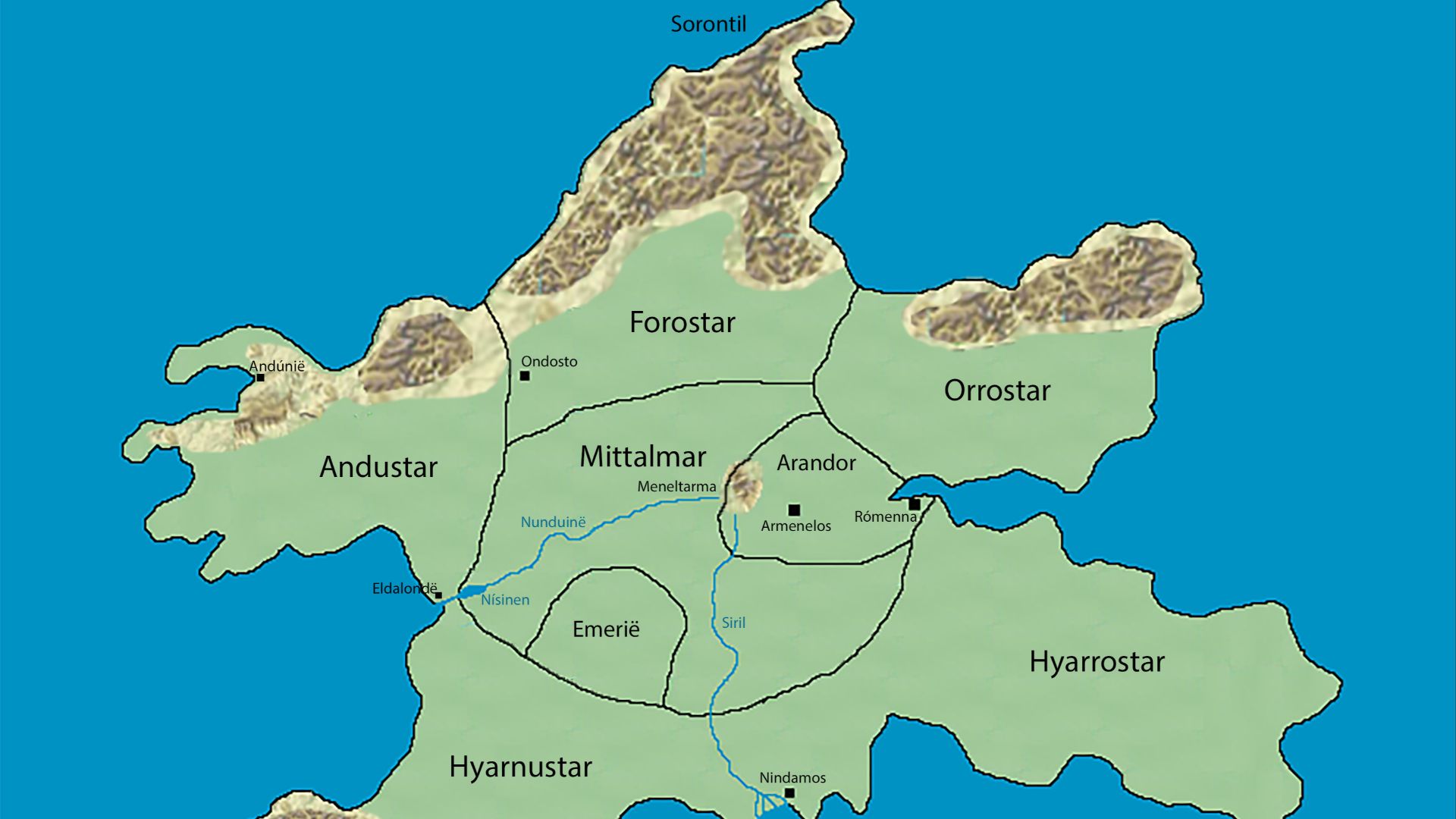
Tal-Elmar is a forgotten gem, a brief story told from the perspective of a man living on the shores of Middle-earth as the great Númenórean ships begin to arrive. Seeing the world through eyes that experience the Númenóreans as an overwhelming, alien presence flips the usual perspective.

8. Law And Customs Of The Eldar
This essay on Elvish marriage, naming, and social structure has an almost anthropological quality that fans of worldbuilding find endlessly satisfying. The detail that Elves consider the act of marriage itself to constitute the wedding, regardless of ceremony, says a great deal about how their culture understands commitment and permanence.

9. Tom Bombadil And The Ring
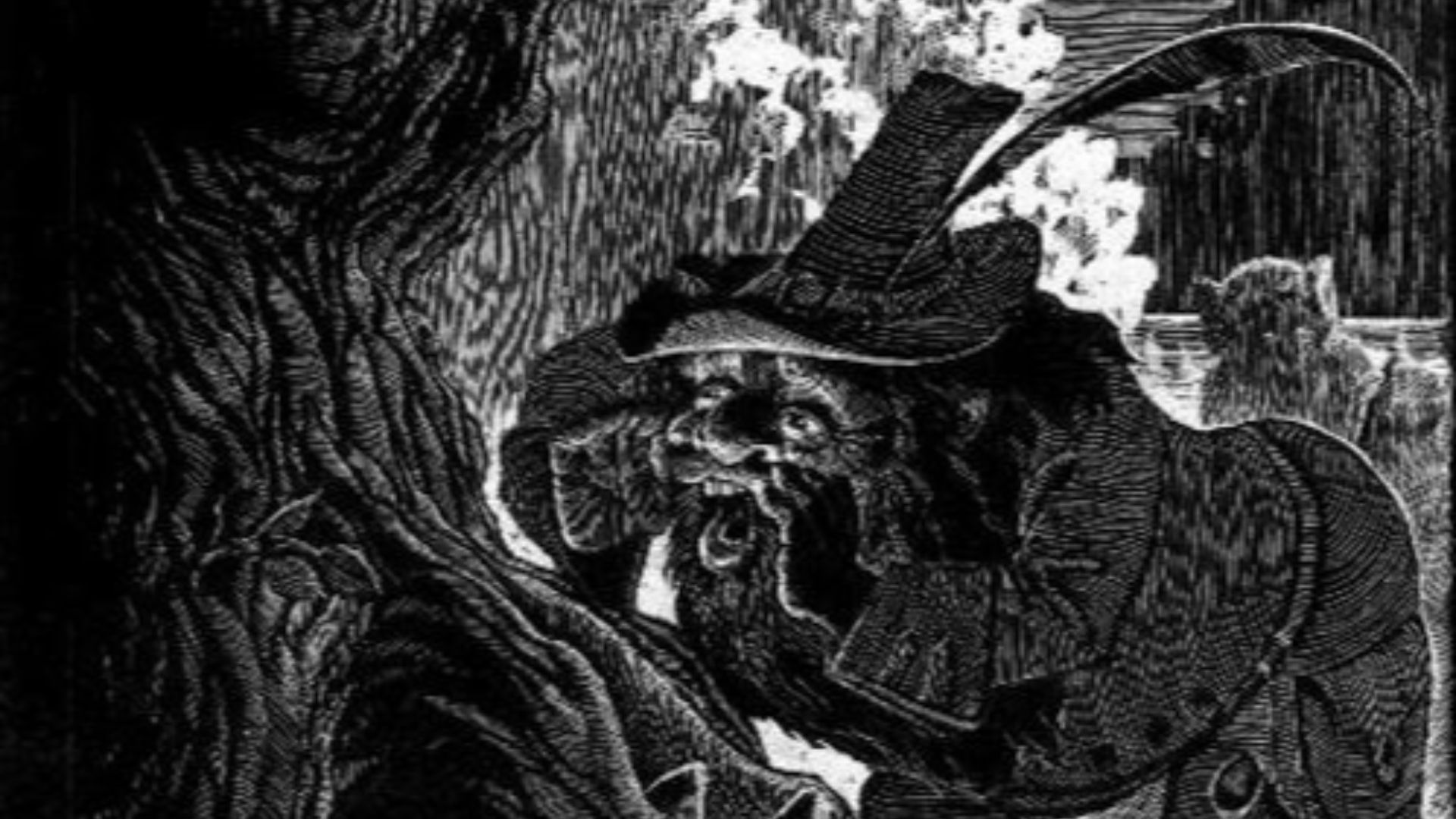
Tom Bombadil's complete indifference to the One Ring is one of the most discussed mysteries in the whole of Tolkien's work. The most compelling element is not just that the Ring has no power over him, but that he seems entirely unaware of why anyone would find it interesting.
 Александр Коротич on Wikimedia
10. Frodo And Sam On The Stairs Of Cirith Ungol
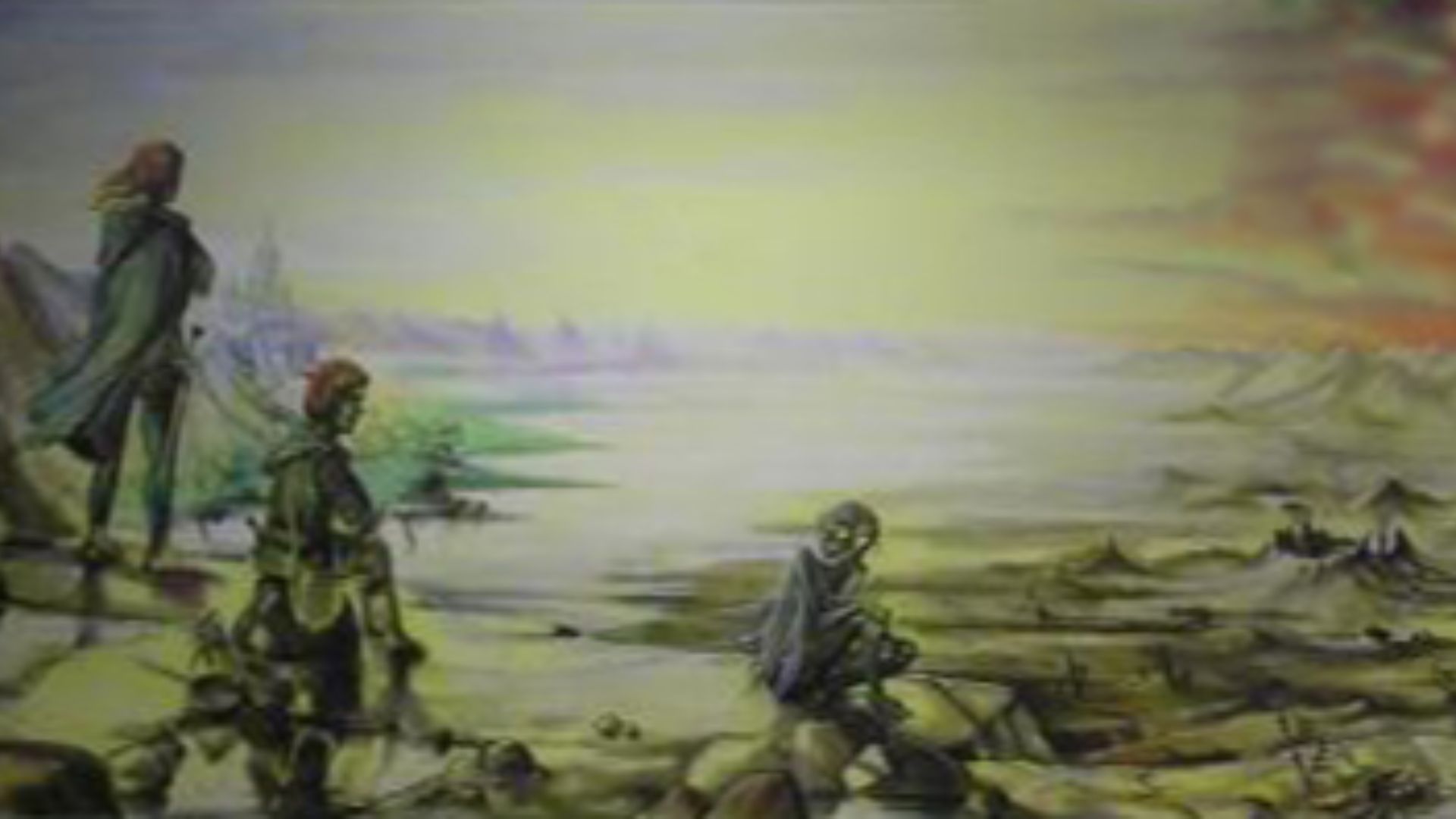
The conversation between Frodo and Sam on the stairs of Cirith Ungol, in which Sam wonders what kind of story they are in, is one of the most self-aware and emotionally rich passages in The Lord of the Rings.
 ZKMalbork.jpg: Tomasz Steifer, Gdansk
derivative work: Rondador (talk) on Wikimedia
ZKMalbork.jpg: Tomasz Steifer, Gdansk
derivative work: Rondador (talk) on Wikimedia
11. Théoden And The Wind
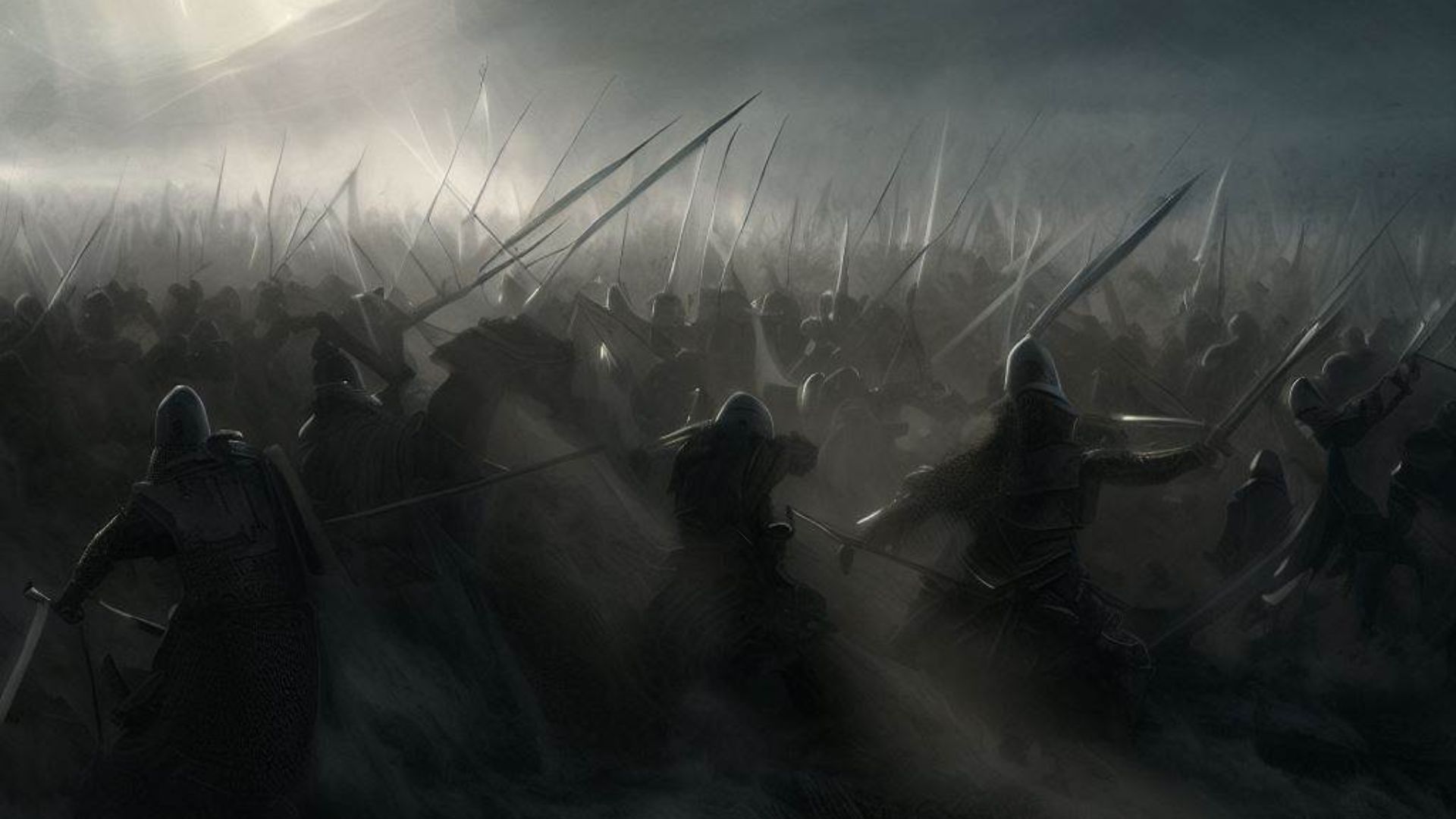
The moment when Théoden senses the wind change before the charge at Pelennor Fields is easy to miss on a first read, but it is a beautifully understated piece of characterization. After everything that has been done to him, that small, alert moment of awareness feels like evidence that the real king was always still in there.
12. Aragorn On Legends And The Green Earth
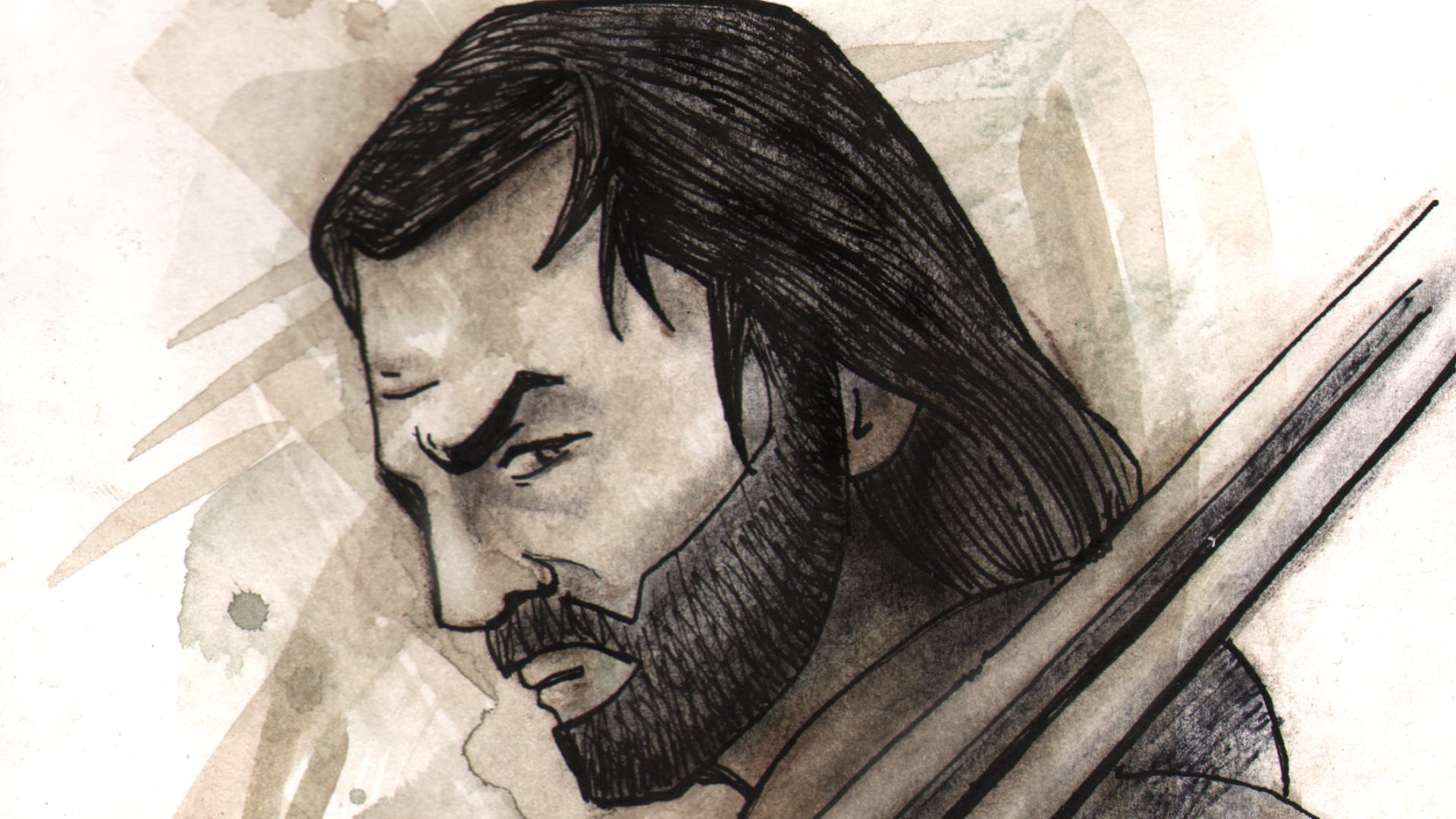
When Aragorn says that a man may do both, referring to the choice between pursuing legends and caring for the living world, it lands as one of the most quietly wise lines in the entire trilogy. It is not a grand speech, and that restraint is precisely what makes it memorable.
13. The White Tree Seedling
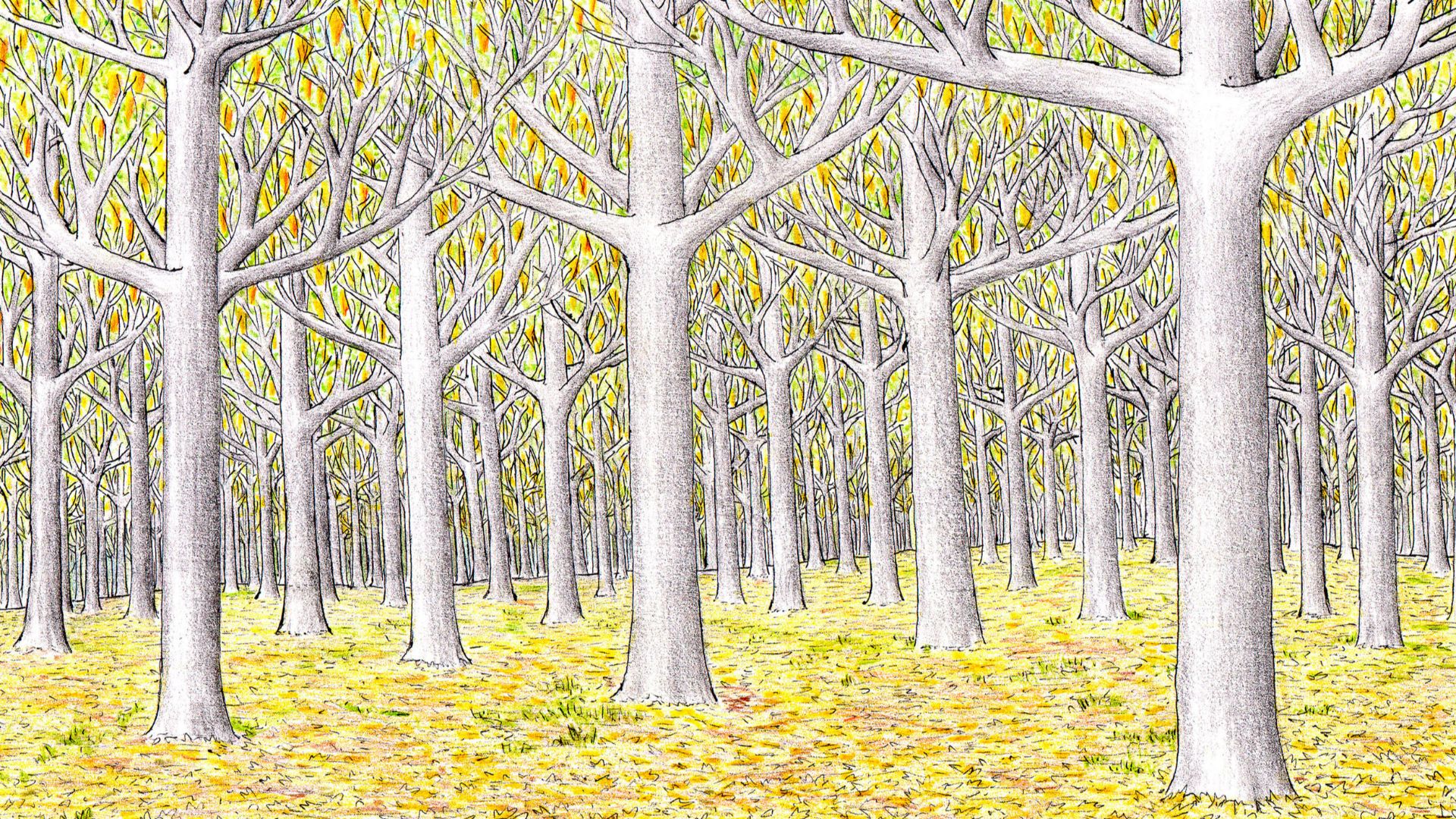
The discovery of a young sapling near the end of The Return of the King connects all the way back to Telperion, one of the Two Trees of Valinor from the First Age. That a single living thread runs from the very beginning of Tolkien's mythology to the renewal of Gondor is the kind of detail that rewards readers who have traveled the full distance of the legendarium.

14. Shagrat And Gorbag
The conversation between the orcs Shagrat and Gorbag in the Tower of Cirith Ungol is one of the most humanizing passages in the book. They grumble about their superiors, worry about their own skins, and talk about wanting a quiet life somewhere far from the war.

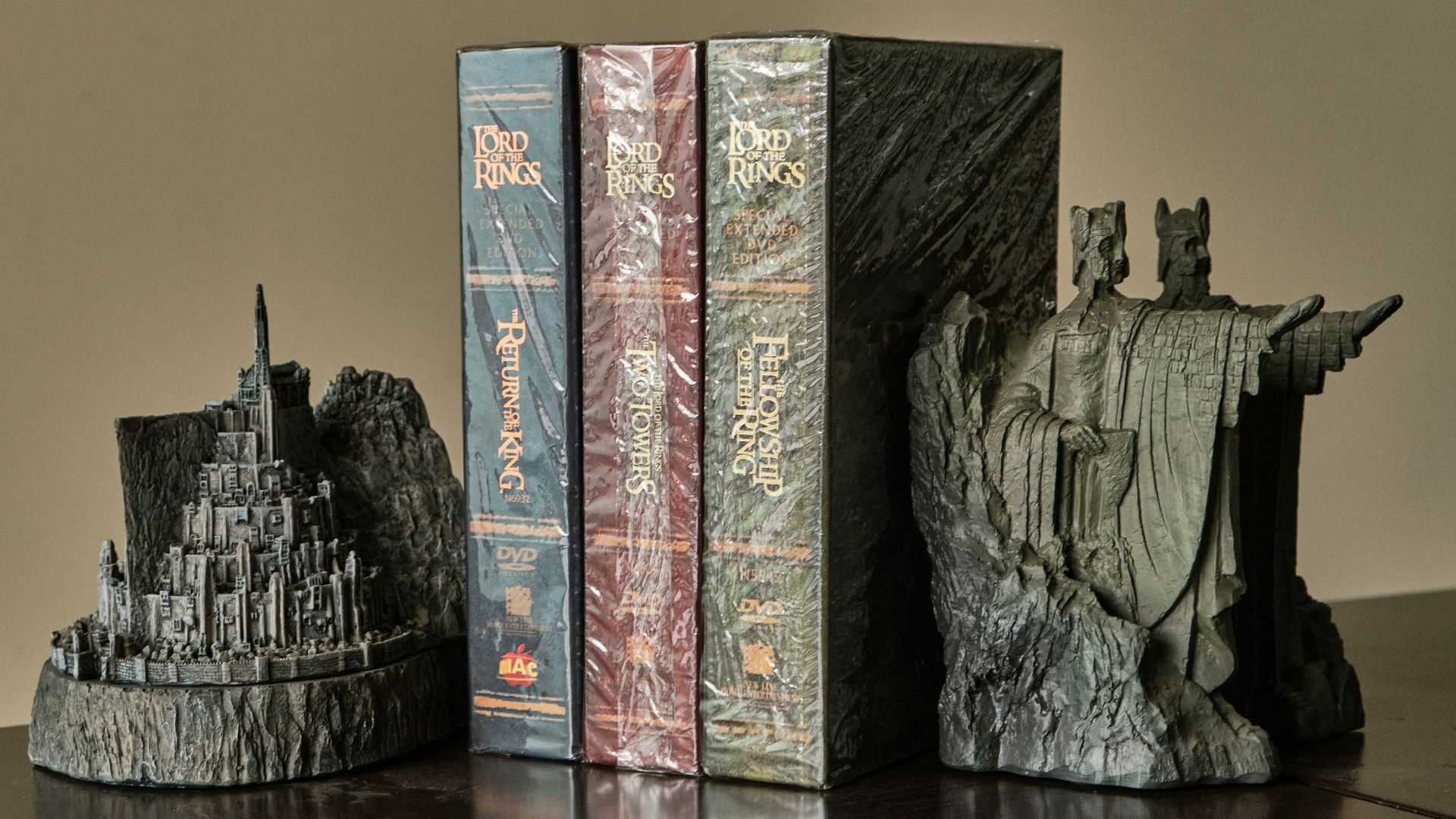
15. The Argonath
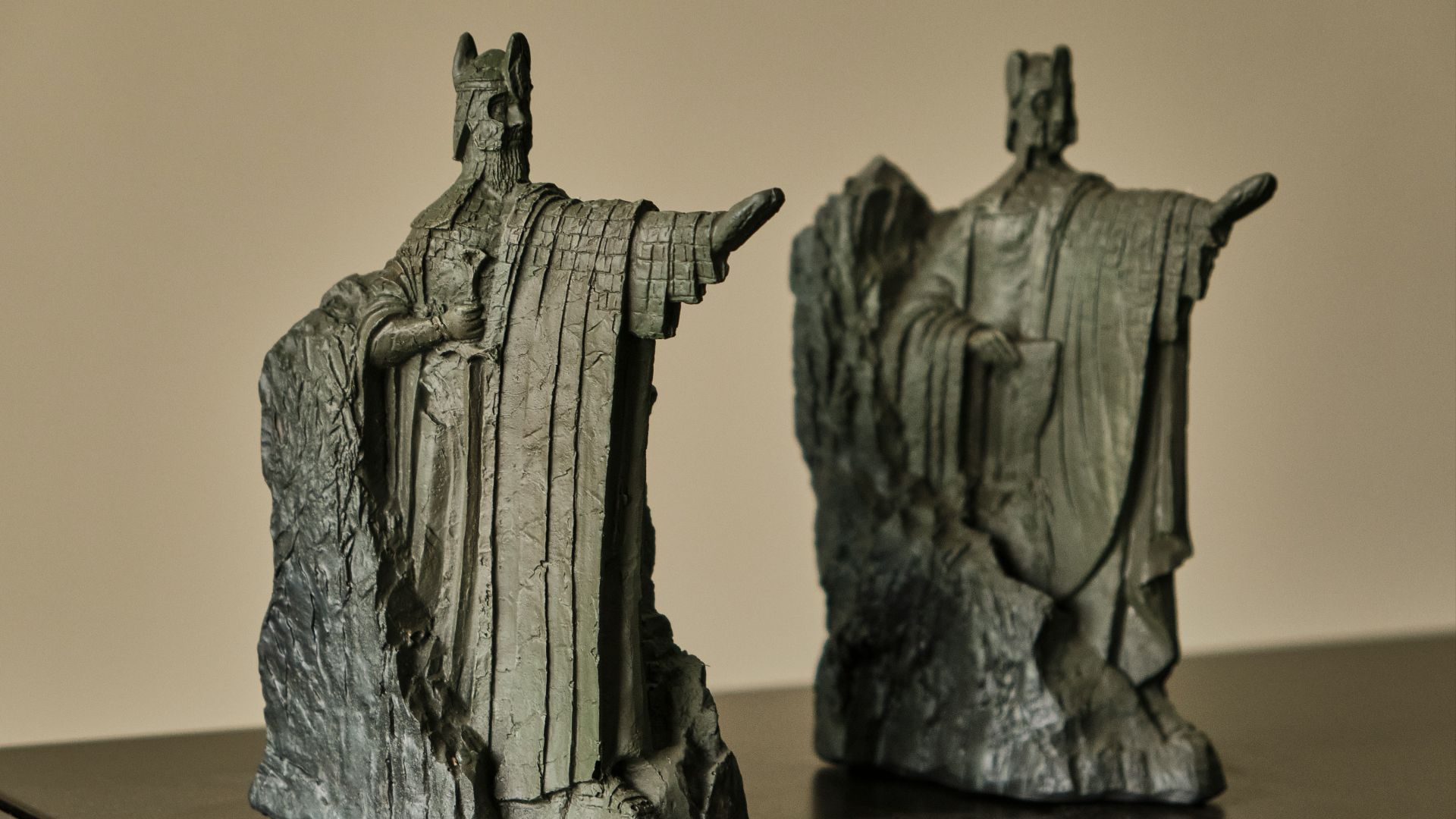
Tolkien's description of the great carved pillars of the Argonath, the kings standing with raised hands in warning above the rushing river, carries a melancholy that goes beyond the visual image. They represent a civilization that was built on a scale almost too large to comprehend and then contracted, slowly, into something much smaller than what it once was.
16. Cerin Amroth
The description of Cerin Amroth, timeless spring, is one of the most purely beautiful passages Tolkien ever wrote. The fact that it is also where Aragorn and Arwen pledged themselves to each other gives the Fellowship's brief stop there a retrospective significance that only deepens on rereads.
 Neral (Matěj Čadil) on Wikimedia
17. The Glittering Caves Of Helm's Deep
Gimli's description of the caves beneath Helm's Deep as vast, torch-lit halls of living stone that men walk past without a second glance is one of the more quietly wistful moments in the book. The idea that something so extraordinary exists right underneath a place associated entirely with siege and survival is a characteristically Tolkienian move.

18. Maglor At The Sea
The fan theory that the sound of the sea carries within it the voice of Maglor, the last surviving son of Fëanor, still wandering the shores in grief and singing his lament, has lodged itself permanently in the fandom's imagination.

19. The Shire's Quiet Sophistication
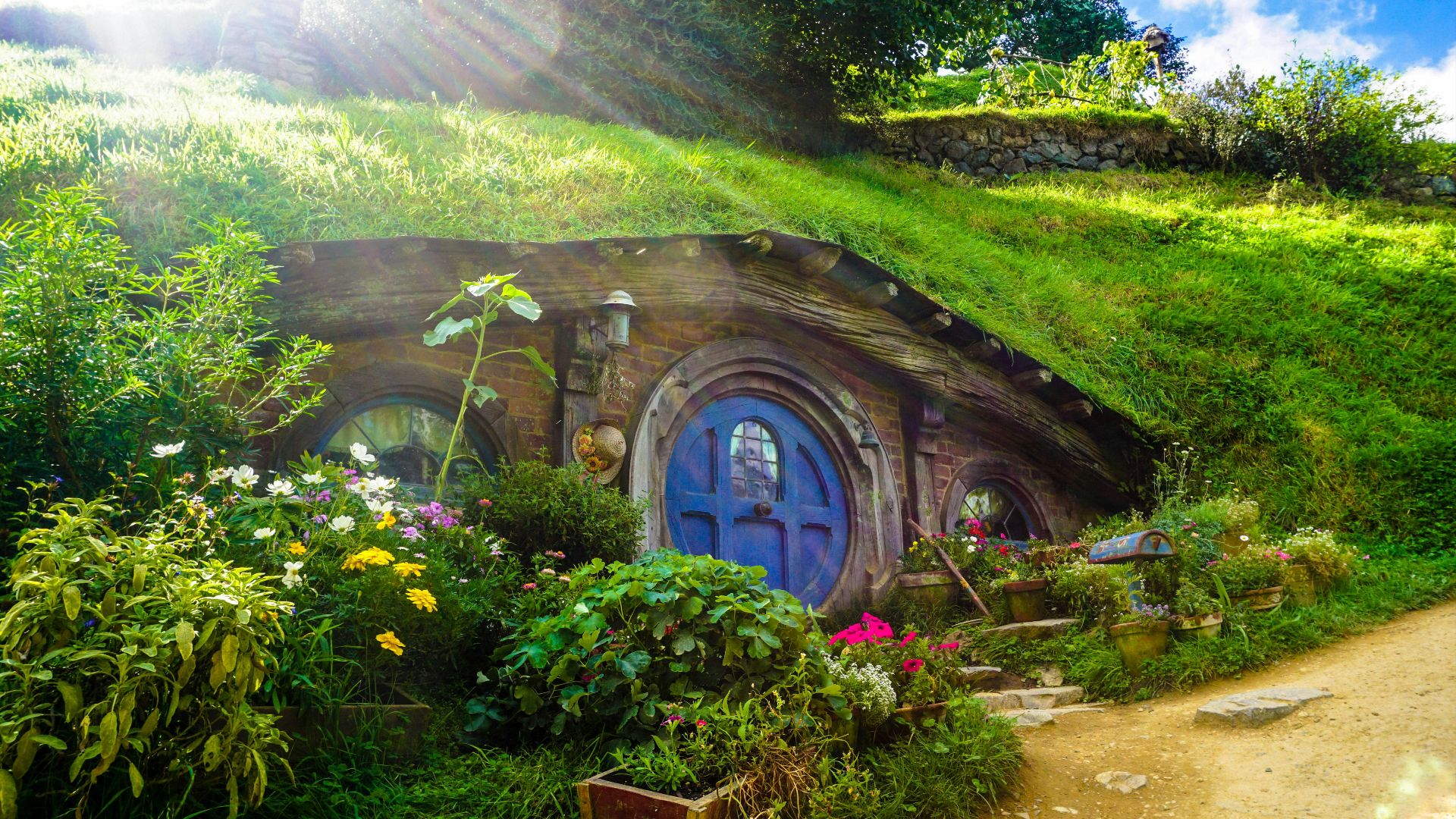
The Shire is easy to read as simple and pastoral, but Tolkien's notes make clear that Hobbit society was in several respects more organizationally and technologically advanced than much of the surrounding world. Their postal system, their precise record-keeping, and their comfort with long-distance trade give them a modernity that the big, heroic kingdoms of Men often lack.
20. Dragons As Fragments Of Morgoth
The theory, supported by Tolkien's own writings, is that dragons were not simply created by Morgoth but were in some sense made from his own power and malice. Each dragon carries a piece of the original darkness, which explains why their presence corrupts so thoroughly and why their defeat always comes at such a high cost.