Is a Home Printer Worth It?
Home printers have always been one of those purchases that seem completely reasonable until you're three months in and staring at a low-ink warning when you've barely printed more than five pages since you've had it. Whether you're working from home, raising school-age kids, or just someone who occasionally needs a hard copy of something important, the question of whether to own a printer is more nuanced than it might first appear. Here are 10 solid reasons why having one at home makes a lot of sense, along with 10 equally valid reasons why you might want to think twice before buying one.
1. You Can Print Important Documents Instantly
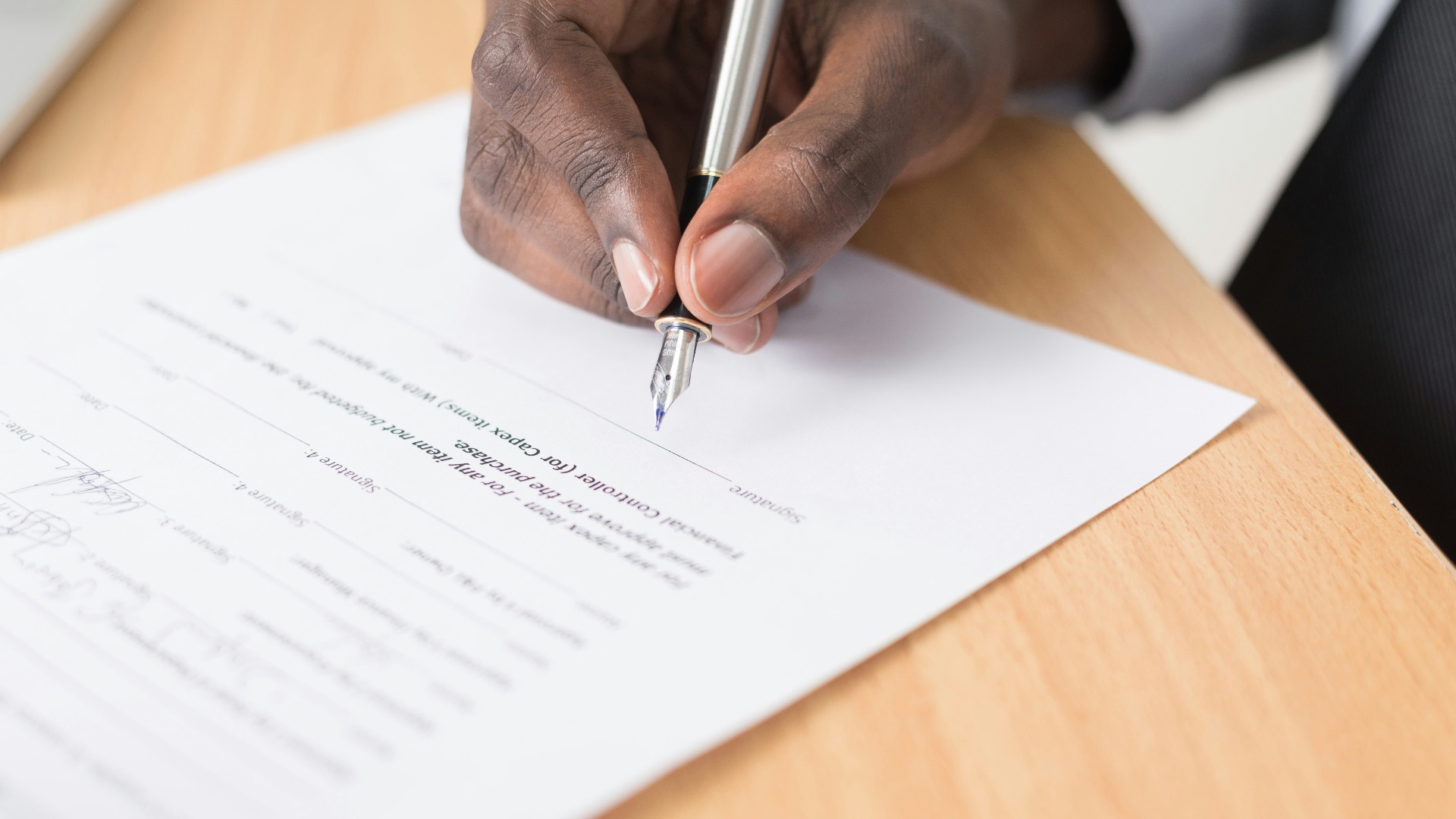
There's a real convenience to being able to print a lease agreement, a medical form, or a tax document without having to run to a copy shop or library. When you need something signed and returned quickly, having a printer at home means you don't have to rearrange your schedule around a trip across town. That kind of on-demand access saves both time and stress, especially during situations that are already a little chaotic.

2. It Supports Kids with Schoolwork
If you have children in school, a home printer is practically a necessity, given how often teachers request printed assignments and study materials. Kids also tend to retain information better when they can physically interact with printed study guides rather than reading everything off a screen.
 Jessica Lewis 🦋 thepaintedsquare on Unsplash
3. Working from Home Becomes Much Easier
Remote workers frequently deal with contracts, reports, and reference documents that are simply easier to review in print than on a monitor. Annotating a physical document with a pen is often faster and more intuitive than navigating comment tools in a PDF editor. A home printer keeps your workflow smooth without requiring you to depend on your employer's office for basic tasks.

4. You'll Save Money on Print Shop Visits
The per-page cost at most print shops and office supply stores adds up surprisingly quickly, especially if you're printing regularly throughout the month. Owning your own printer means you're paying a fraction of that cost per page once you've covered the initial investment. Over time, the savings are genuinely noticeable if printing is a routine part of your life.

5. It Makes Creative Projects More Accessible
Home printers aren't just for documents; they're great for printing photos, art projects, greeting cards, and decorations for events. You don't need to wait for an online order to arrive when you can produce something at home with the right paper and settings. Creative projects tend to happen more spontaneously when the tools to complete them are already within reach.
 Startup Stock Photos on Pexels
6. You Can Print and Fill Forms That Aren't Digitally Friendly
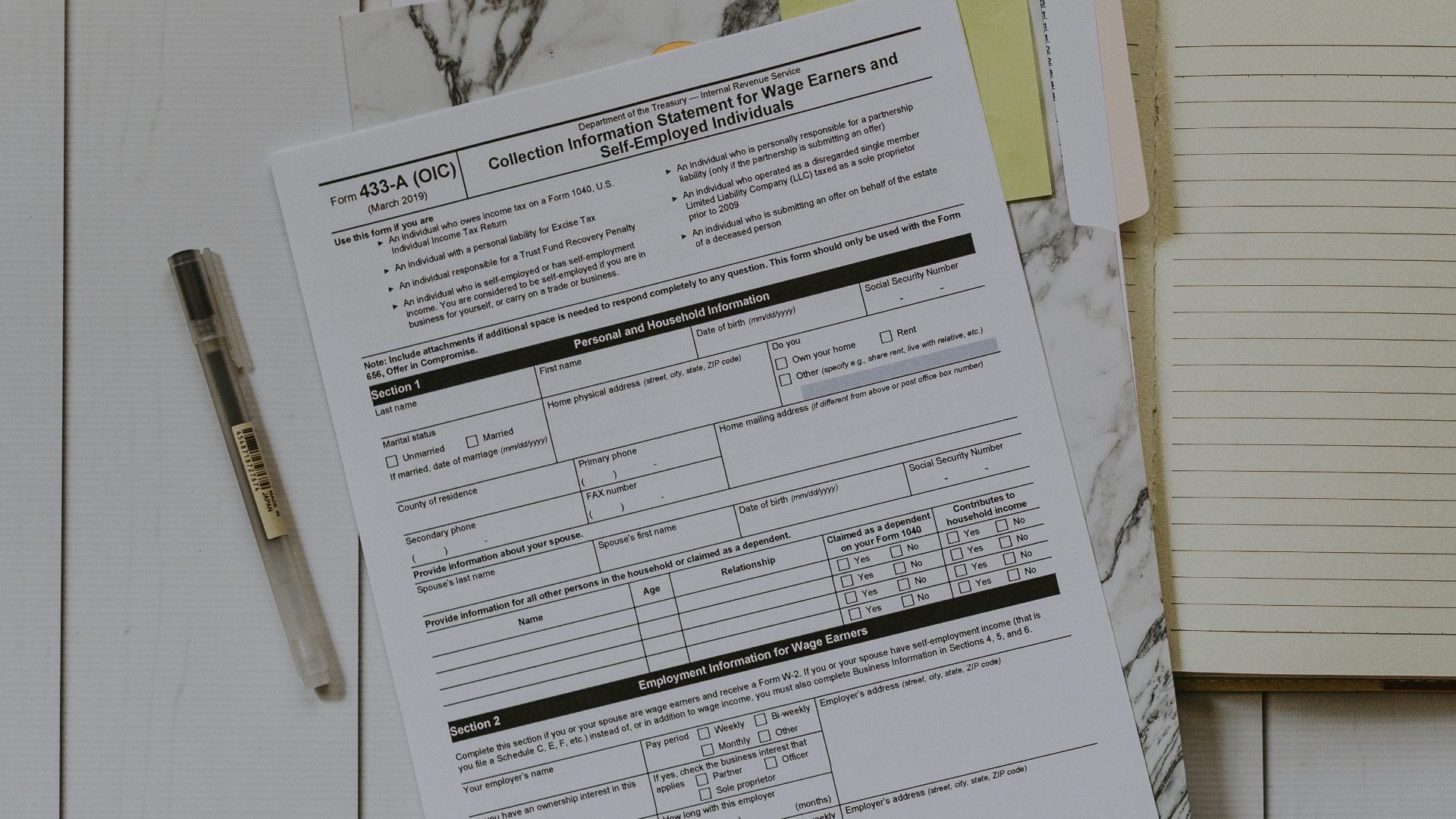
A surprising number of government agencies, medical offices, and financial institutions still rely on forms that are designed to be printed and filled out by hand. Trying to fill these out digitally often results in formatting issues or documents that simply won't accept typed input. Having a printer means you can handle these situations cleanly and professionally without any unnecessary workarounds.
 Cytonn Photography on Unsplash
7. It's Useful During Emergencies and Power Outages
Printed copies of emergency contacts, insurance information, and household documents are genuinely valuable in situations when your phone is dead and the internet is down. Keeping hard copies of critical information is a smart preparedness habit that a home printer makes easy to maintain.
8. Shipping Labels and Returns Are Much Simpler
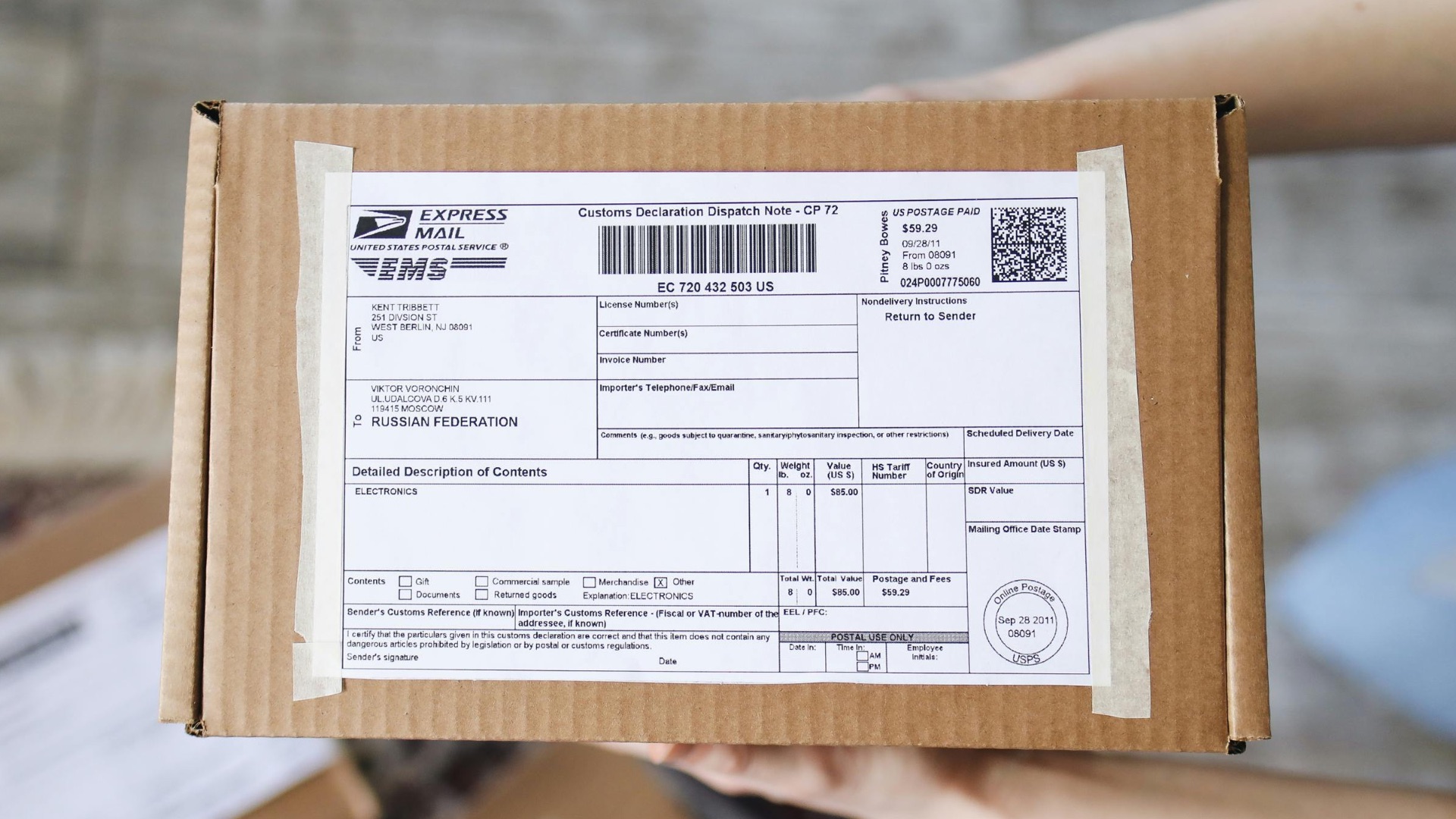
If you shop online frequently, you've likely had to print a return shipping label at some point, and without a home printer, that errand requires a separate trip to a store or carrier location. Being able to print labels at home means you can drop off packages on your own schedule rather than working around someone else's business hours. It's one of those small conveniences that becomes more valuable the more you shop online.
9. It Helps You Stay Organized with Physical Copies
Some people genuinely organize their lives better with printed calendars, to-do lists, and reference sheets pinned somewhere visible rather than buried in an app. Physical organization tools work well alongside digital ones, and a home printer lets you customize and reprint them whenever your needs change. It's a low-cost way to support a planning style that many people find more effective than going fully digital.

10. It Gives You More Privacy for Sensitive Documents
Printing personal financial statements, legal documents, or medical records at a public print station means exposing that information on a shared machine that may store or log your files. Doing it at home gives you complete control over who handles your data and where it goes after printing. For anyone who takes privacy seriously, that distinction matters quite a bit.
As convenient as it can be to keep a printer at home, chances are, though, you won't use it (or need it) as much as you think. Let's jump into why you shouldn't splurge on a home printer.
1. Ink Cartridges Are Disproportionately Expensive
Printer ink is notoriously one of the most expensive liquids you can buy when you break it down by volume, and the cost of replacement cartridges can easily exceed the price of the printer itself within the first year. Manufacturers deliberately sell printers at low prices knowing they'll recoup the margin through ink sales over time. If you're not printing enough to justify the ongoing cost, you're essentially paying a recurring tax for very little benefit.
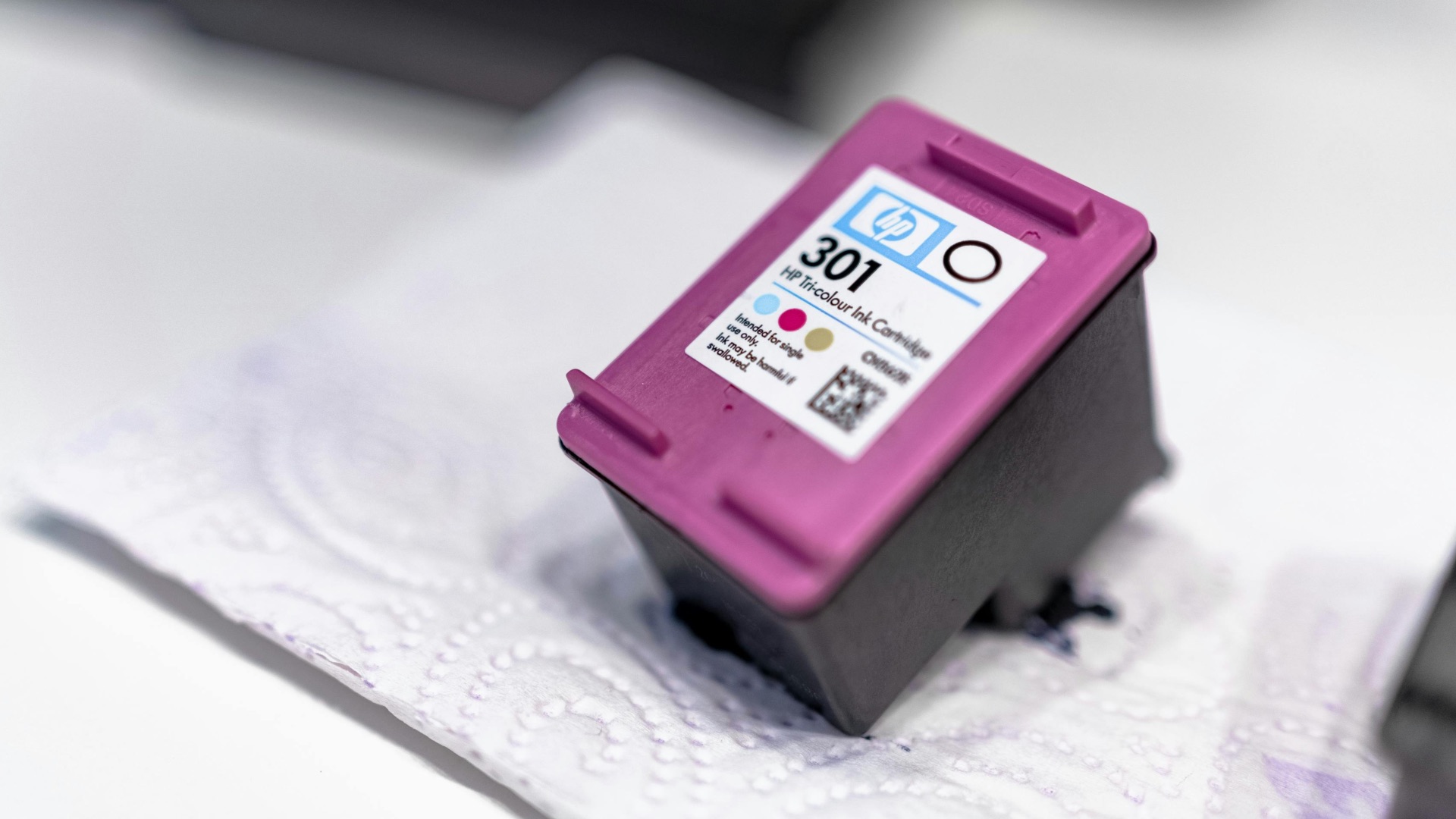
2. Printers Break Down at the Worst Possible Moments
There's a well-known tendency for printers to malfunction precisely when you're on a deadline, and troubleshooting them is rarely a quick or simple process. Paper jams, connectivity failures, and driver conflicts are all common issues that can eat up significant chunks of your time. The frustration of dealing with a broken printer when you urgently need one is a familiar experience that many former printer owners are happy to have left behind.
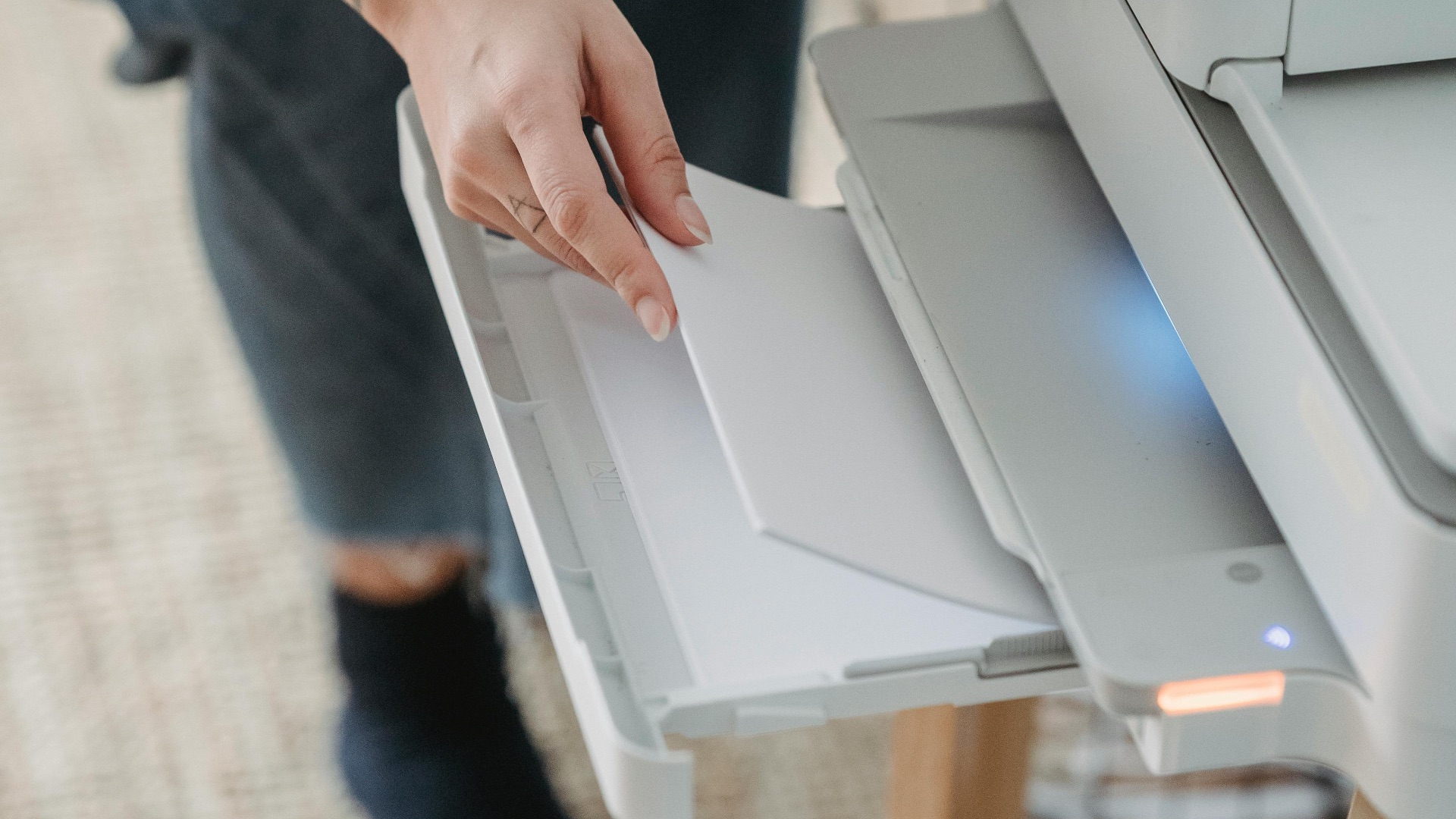
3. They Take Up More Space Than You'd Expect
Even a compact home printer requires a dedicated surface, and once you factor in paper storage and a spot for ink cartridges, you're committing a noticeable portion of your workspace to a single appliance. In smaller homes or apartments, that tradeoff isn't always worth it, particularly if you're already working with limited desk or shelf space. It's worth honestly assessing how much room you're willing to give up before making the purchase.
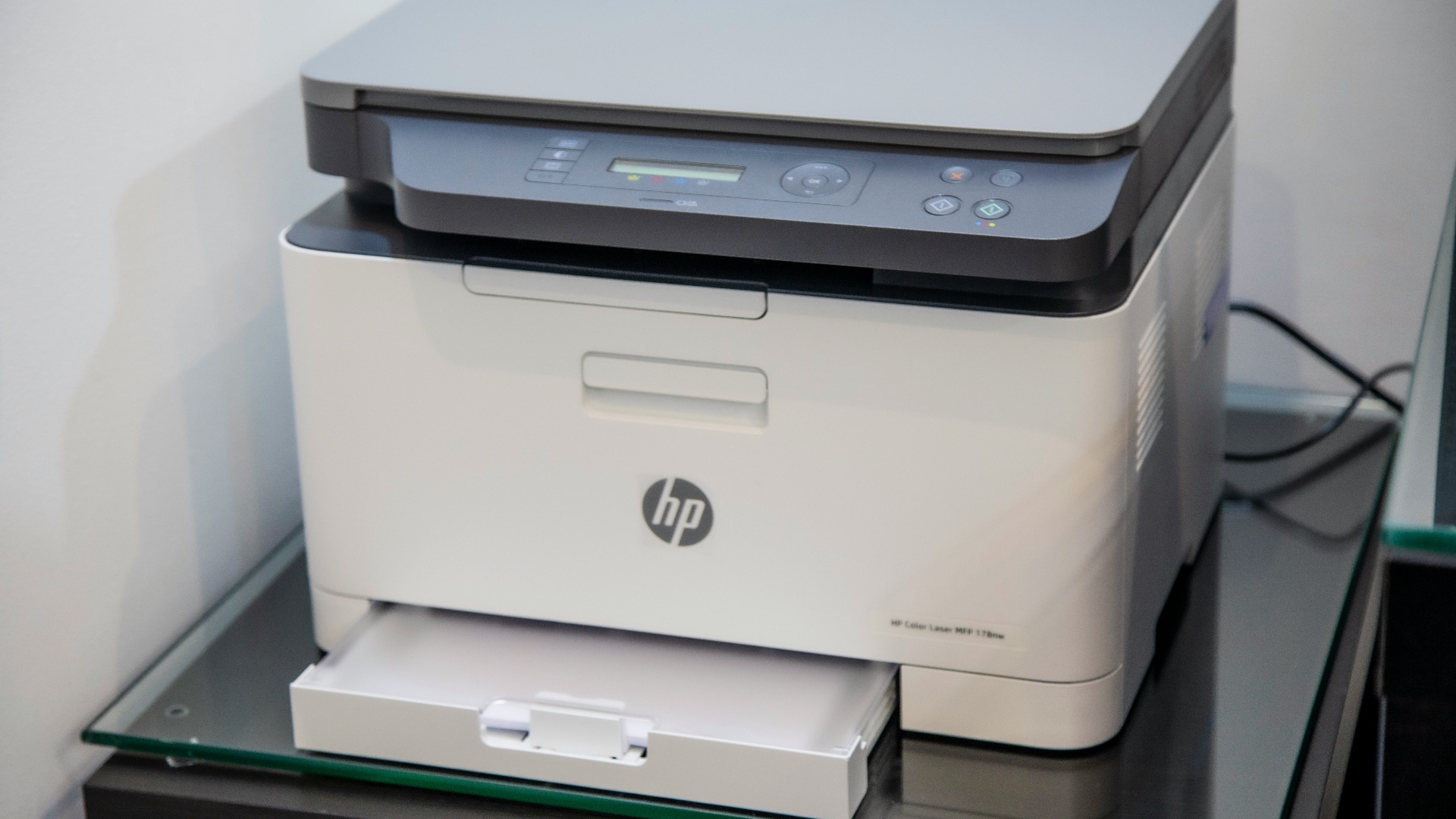
4. Ink Dries Out If You Don't Print Often Enough
One of the more frustrating quirks of inkjet printers is that the cartridges will dry out and clog the print head if the machine sits unused for too long, which is a very real issue for people who only need to print occasionally. You'll then need to run cleaning cycles that use up more ink just to restore basic functionality. For infrequent users, this creates a cycle where you're consuming ink to maintain the printer rather than to actually print anything useful.
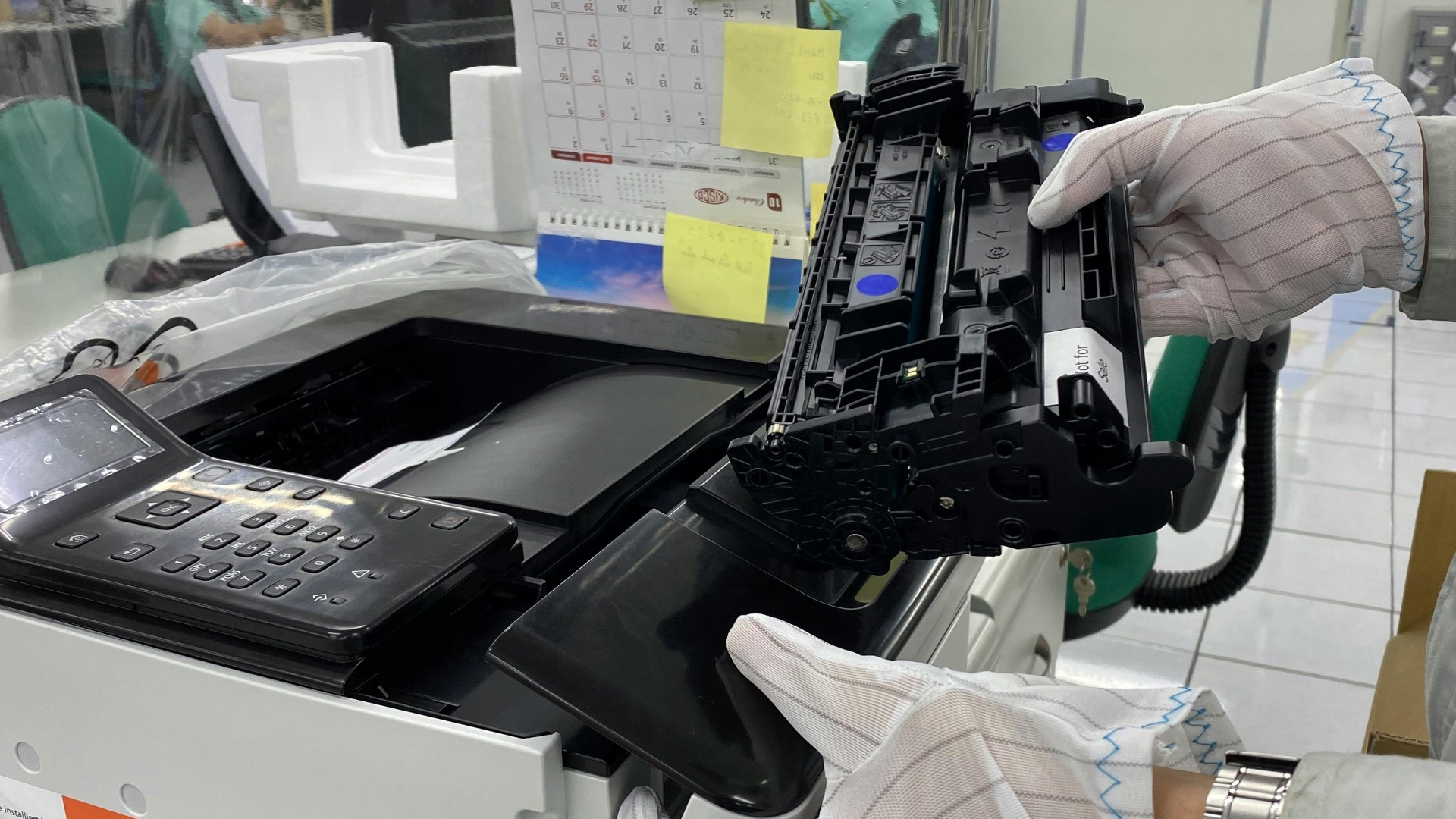
5. Most Printing Needs Can Be Handled Elsewhere
Libraries, office supply stores, and shipping carriers all offer printing services at accessible prices, and many of them let you upload files remotely so your document is ready when you arrive. If your printing needs are modest and infrequent, it's worth calculating whether a few dollars per month at a local shop is actually cheaper than owning and maintaining a printer. For a lot of people who think honestly about their habits, it genuinely is.
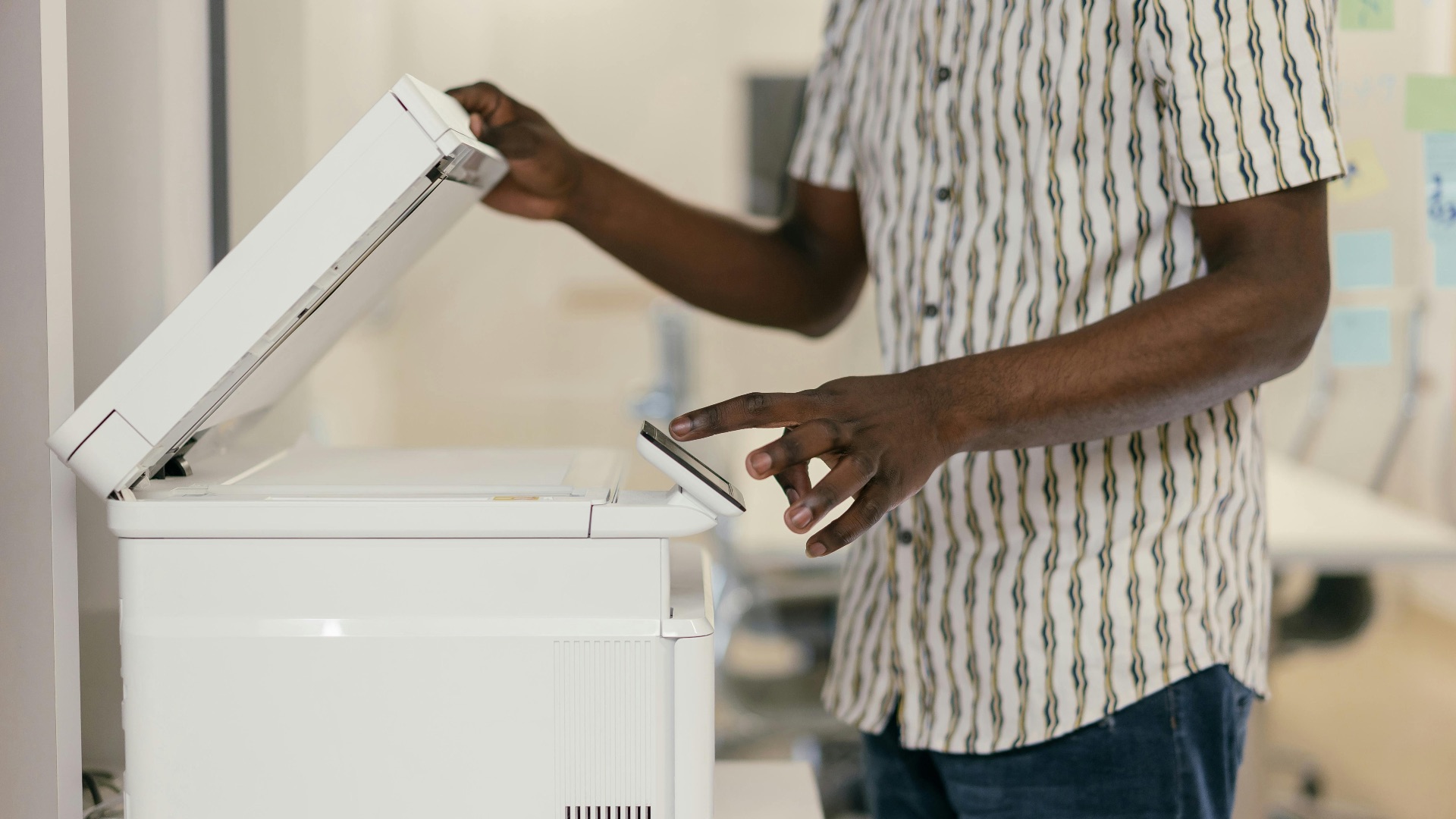
6. Wireless Connectivity Issues Are a Constant Source of Frustration
Modern printers are designed to connect wirelessly to your devices, but that convenience comes with a reliable tendency to lose the connection, require frequent reconnection, or refuse to communicate with certain operating systems after updates. What should be a one-click process often turns into a troubleshooting session involving router settings and driver reinstallation. The technology has improved over the years, but wireless printing still introduces enough friction to be genuinely irritating on a regular basis.
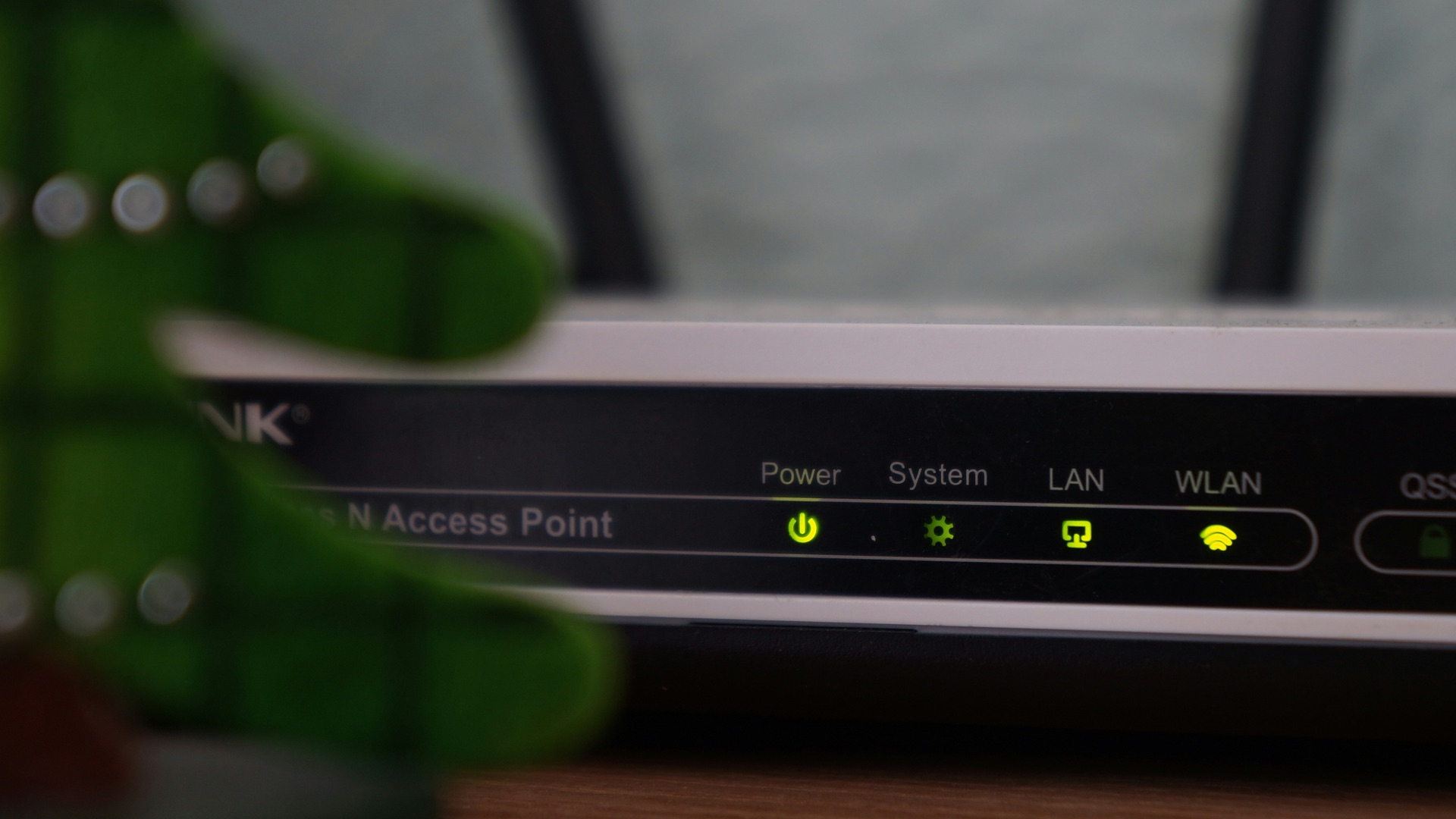
7. They're Not Environmentally Friendly
Home printers contribute to waste in several meaningful ways, including ink cartridges that aren't always recyclable, paper consumption, and the printer itself eventually ending up in a landfill. Consolidated printing at a shared facility or library is a more efficient use of resources than every household running its own machine. If reducing your environmental footprint is something you care about, this is a factor worth weighing.

8. The Initial Investment Doesn't Always Pay Off
Buying a decent home printer requires an upfront cost that's only justified if you're going to use the machine consistently enough to spread that cost across a meaningful number of print jobs. People frequently overestimate how often they'll need to print, which means they end up with a device that collects dust for months at a time.
9. Software Updates and Driver Issues Can Make Them Obsolete
Printers rely on manufacturer-provided drivers and software that don't always keep pace with operating system updates, meaning a perfectly functional printer can suddenly stop working after a routine system upgrade. Many manufacturers phase out support for older models relatively quickly, leaving you with hardware that's incompatible with your current devices. This built-in obsolescence means the true cost of ownership is higher than the sticker price suggests.
10. Digital Alternatives Have Made Physical Printing Less Necessary
The practical need for a home printer has genuinely declined as digital signatures, fillable PDFs, cloud storage, and paperless billing have become standard across most industries. Many tasks that once required a printed document can now be completed entirely online without sacrificing any of the formality or legal validity that once made printing necessary. For anyone living a primarily digital lifestyle, a home printer may simply be solving a problem that no longer exists.