
In 1982, the North American video game market looked invincible. Home console revenues had climbed to $3.2 billion that year, and the Atari 2600 was installed in millions of homes. The 1980 port of Space Invaders had catalyzed the hardware, quadrupling annual unit sales and demonstrating that home console gaming could replicate the arcade experience well enough to sustain a mass market. Atari held somewhere between 70 and 80 percent of the home console market by 1982, and an entire generation of kids had grown up treating cartridges as a normal household expense. Two years later, that same market had cratered to around $100 million — a drop of nearly 97 percent. The industry had not merely stumbled. It had demolished itself.
Understanding how that happened means following three separate threads as they wound toward the same catastrophic knot: a hardware market that flooded its own ecosystem, a software industry that abandoned any standard of quality, and a consumer electronics landscape that abruptly gave families a better option than dedicated game consoles.
The Hardware Glut
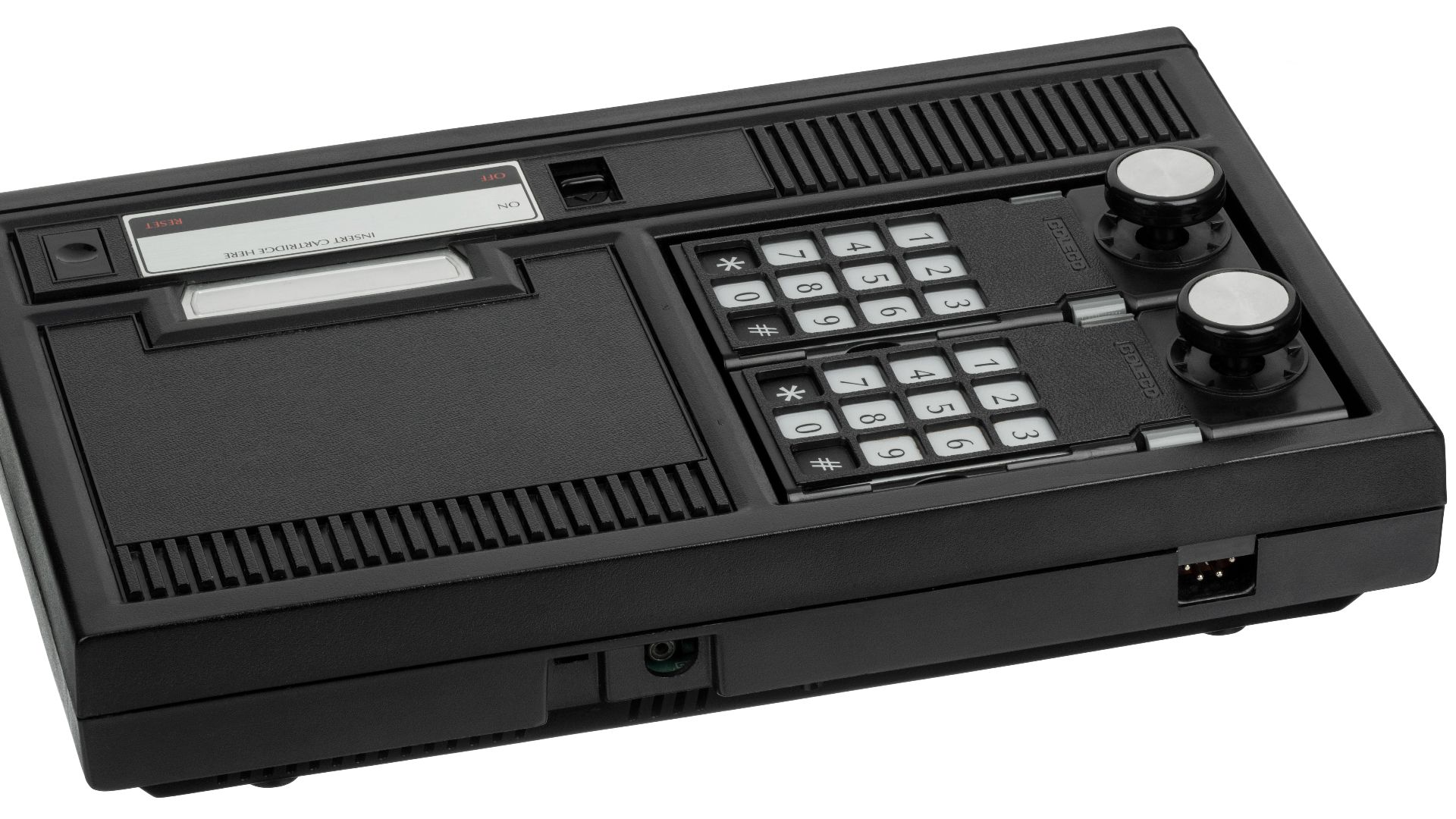
By 1983, Atari no longer had a monopoly on the home video game market. The ColecoVision had sold more than 500,000 units by Christmas 1982 and crossed one million total sales in early 1983, in large part because Coleco had bundled Donkey Kong, which was the most coveted arcade license at the time, with every unit. The Intellivision, Atari 5200, Vectrex, and Odyssey all competed for the same living rooms. Coleco even sold an Expansion Module that allowed Atari 2600 games to run on the ColecoVision, a move that simultaneously acknowledged Atari's library dominance and tried to cannibalize it. The problem really comes down to overproduction. The total number of available console platforms had grown from five in 1977 to over 15 by 1983, each with its own gaming library.
Retailers, caught between manufacturers promising sustained growth and warehouses filled with unsold stock, had no mechanism for returning surplus inventory to publishers who lacked both new products and cash to issue refunds. Games that had retailed for $35 migrated to discount bins at $5.
The serious warning signs appeared in December 1982. Warner Communications — Atari's parent company — announced that its fourth-quarter earnings would be substantially lower than anticipated due to Atari's weakening performance, sending Warner's stock down more than 30 percent in the days that followed. By April 1983, Warner reported an $18.9 million loss for the first quarter, largely attributed to Atari's video game division. Atari's losses accumulated to approximately $536 million by the end of the third quarter of 1983, contributing to Warner's overall annual deficit of $417 million.
The Software Problem
Alongside the rise in hardware availability, third-party publishing had accelerated rapidly after 1979. This was pioneered by former Atari programmers David Crane, Alan Miller, Bob Whitehead, and Larry Kaplan, who founded Activision. Activision's 1982 title Pitfall! sold over four million copies for the 2600 and proved that independent development could produce top sellers. The problem was that Activision's success was the exception to the rule. Hundreds of new developers, attracted by an apparently bottomless market, rushed to ship titles before the Christmas 1982 season. By 1982, over 500 new games had been released for the 2600 in a single year, the vast majority without significant playtesting.
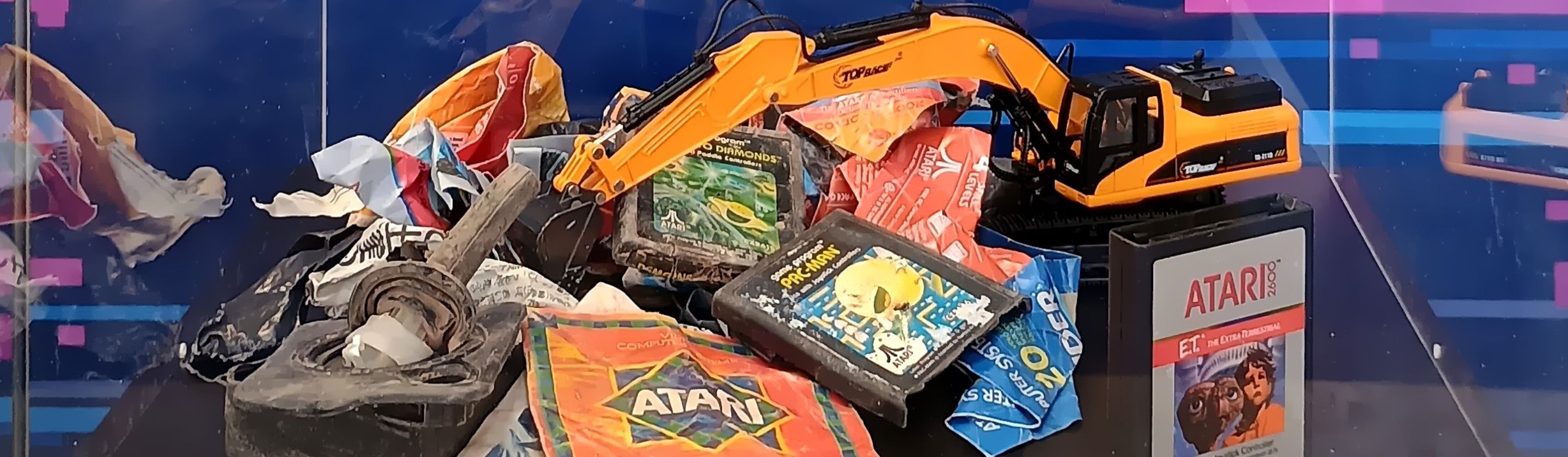
Atari made things worse from within its own walls. The company manufactured 12 million cartridges for its Pac-Man port, despite only 10 million people owning a 2600. The game, obviously, did not do well, alienating the arcade fans who had been the console market's most enthusiastic supporters with its flickering graphics and stripped-down gameplay. The E.T. The Extra-Terrestrial cartridge, programmed in approximately five weeks to reach the 1982 Christmas market, shipped with mechanics so confusing that even sympathetic reviewers struggled to understand them. Atari had reportedly paid between $20 and $25 million to license the property from Universal, betting that the film's popularity would sell units regardless of quality. It failed.
This leads to the event dubbed ‘The Atari Video Game Burial.’ Atari eventually buried excess inventory near Alamogordo, New Mexico. The scale of the burial became the subject of an urban legend claiming millions of cartridges had been dumped. During a 2014 excavation conducted as part of a documentary, former Atari executive James Heller, who had overseen the original burial, clarified that approximately 728,000 cartridges were interred, not the millions the legend had claimed.
David Crane, reflecting on what had happened, was direct: "Those awful games flooded the market at huge discounts, and ruined the video game business." By June 1983, the market for premium-priced titles had shrunk to a fraction of its former size, replaced by a glut of rushed, low-budget releases. Atari had lost $356 million by mid-1983 and was forced to lay off 30 percent of its 10,000 employees.
The Computer
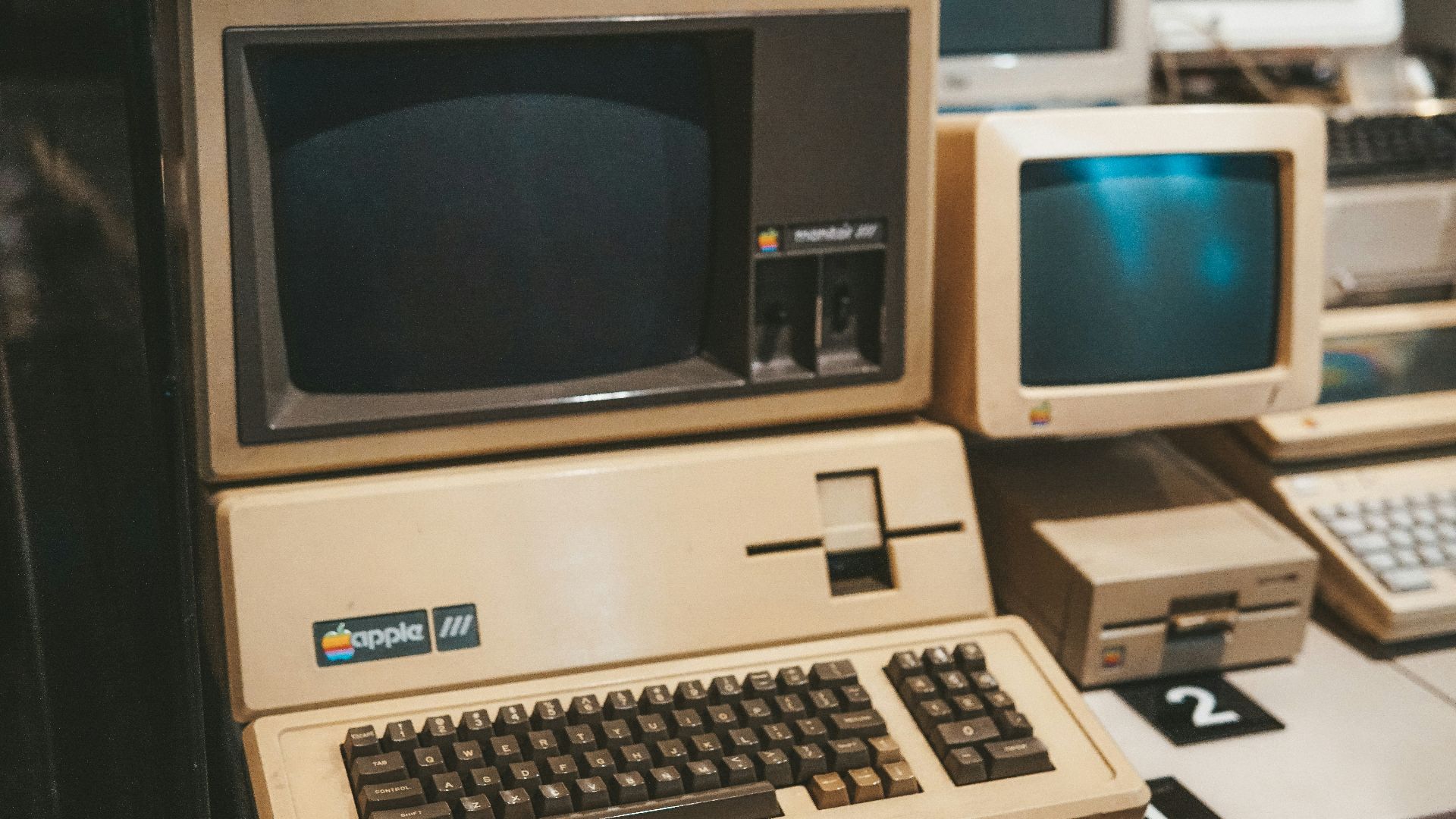
The third pressure came from outside the console market entirely. A price war between Commodore and Texas Instruments in 1982 pulled the cost of home computers down toward console pricing. The TI 99/4A and the Atari 400 both sat at $349; the Commodore VIC-20 was $199, and the C64 launched at $499 but fell rapidly as the price war intensified.
For parents doing the math, the comparison was increasingly stark. A home computer could run games, handle word processing and home accounting, and — crucially — save game progress mid-session, a feature consoles did not offer.
Publishers had built their business on the razor-and-blades model: sell the console at or near cost, then collect ongoing revenue from cartridge sales. When parents started buying home computers instead, that cartridge revenue completely evaporated. Activision, among the most disciplined developers in the ecosystem, eventually began developing games for personal computers in 1984 and 1985 just to stay afloat.
Breakdown And Recovery
The shakeout of this crash was severe. Magnavox abandoned the video game business entirely. Imagic withdrew its IPO the day before its stock was set to go public and later collapsed. Coleco, which had ridden the ColecoVision to initial success, launched the Adam home computer to capitalize on the PC trend. The Adam was priced at $725, suffered persistent quality control failures, and cost the company significant money. Coleco eventually filed for Chapter 11 bankruptcy in 1988. Atari, carrying hundreds of millions in losses from 1983, was broken up by Warner Communications.
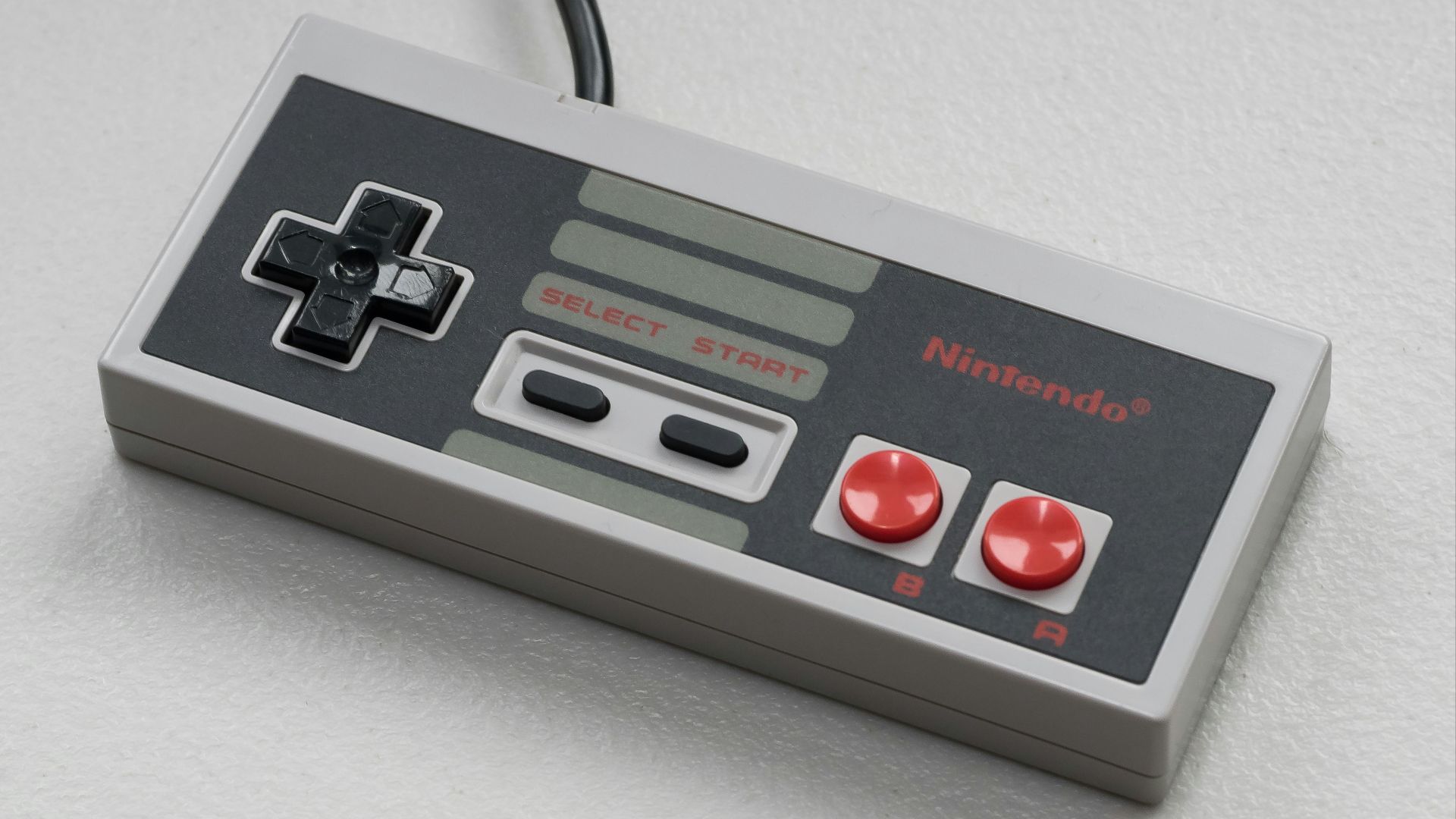
The video game industry's saving grace was Nintendo. The Nintendo Entertainment System received a limited New York release in late 1985 and expanded nationwide in 1986. Nintendo had designed the NES around the lessons of the crash: a proprietary lockout chip prevented unauthorized cartridges from running on the hardware, third-party publishers were initially restricted to releasing no more than three titles per year on the system, and an official Seal of Quality appeared on every approved release.
The strategy worked. By 1988, annual video game sales had recovered to $2.3 billion, with Nintendo controlling approximately 70 percent of the market. By 1989, home video game sales in the United States had reached $5 billion, surpassing the 1982 peak. The market that emerged was structurally different from the one that had collapsed — platform holders controlled what ran on their hardware, publishers faced accountability, and retailers had a seal to point to when restocking shelves.