Free Isn’t Free
It’s easy to assume being the product only happens on sketchy websites or with apps that feel like obvious scams. But it usually shows up in normal, polished places, built into convenience and fun features, and hidden behind design that makes everything feel like your choice. You’re not being tricked in an obvious way. You’re being pushed, little by little, to click, share, rate, watch, invite friends, and spend more time than you planned, because your attention and behavior have value. These services can still be useful, but it helps to notice when that trade is the real business. Here are 20 times you were the product and didn’t notice.

1. A Free App With Endless Tracking
The app costs nothing, but it wants to know where you are, what you do, and how long you hover over a screen. That data helps build profiles, target ads, and shape what you see next, so the download is free but the business model is you.

2. A Quiz That Asks Personal Questions
Personality quizzes and what’s your style surveys feel harmless, but they’re often data collection in a party hat. The answers help segment you into categories that advertisers love, so it’s less about your vibe and more about what you might buy.

3. A Loyalty Program That Tracks Your Habits
Points and discounts come with a receipt that’s basically a behavioral dossier. Stores learn what you buy, when you buy it, and what promotions actually work on you, so you’re not just saving money, you’re training the system.

4. A Free Email Newsletter That Feels Like A Friend
Some newsletters are genuinely great, but many exist to funnel you toward affiliate links, sponsored products, or paid courses. The voice is casual, the recommendations feel personal, and the monetization stays in the background, which means your attention and clicks are the currency.

5. A Social Platform That Rewards Outrage
If a platform constantly shows you content that makes you angry or anxious, it’s usually not an accident. Strong emotions keep you scrolling and commenting, which keeps the ad machine running, so your attention is the product and agitation is a reliable way to hold it.

6. A Free Trial With A Painful Cancellation
The free trial is designed to feel frictionless, but the cancellation is designed to feel like a maze. The hope is that you’ll forget, procrastinate, or give up, which means the product is not just the subscription but your inertia.

7. A Streaming Service That Autoplays Everything
Autoplay isn’t kindness, it’s retention. It keeps you watching longer than you meant to, which helps the platform’s engagement metrics and ad deals, so you’re not just consuming content, you’re inflating numbers.

8. A Search Engine That Watches What You Click
Search feels like a tool, but it’s also a feedback machine. What you click, what you skip, and what you search next helps shape results and ads, which turns your curiosity into training data.

9. Free Wi-Fi With A Catch
Free Wi-Fi at airports, hotels, and cafes often comes with a sign-in page that collects your email, your device info, or permission to market to you. It’s not always sinister, but it is a trade: you get internet and they get access.

10. A Job Application Portal That Harvests Data
You think you’re just applying, but you’re also feeding a system your work history, preferences, and sometimes personality test results. That data can be reused, analyzed, and stored longer than you expect, so the job might not be real but the database is.

11. A Community That Mostly Wants Referrals
Some communities exist to help, but others are built to turn members into recruiters. The vibe is supportive, but the real goal is growth through social pressure, which means your relationships become a sales channel.

12. A Phone Game That Sells Your Impulse Control
Free games often monetize by nudging you into waiting, then offering a way to pay to stop waiting. They’re designed around frustration and relief, not just fun, so you become the product and your impatience becomes the revenue.

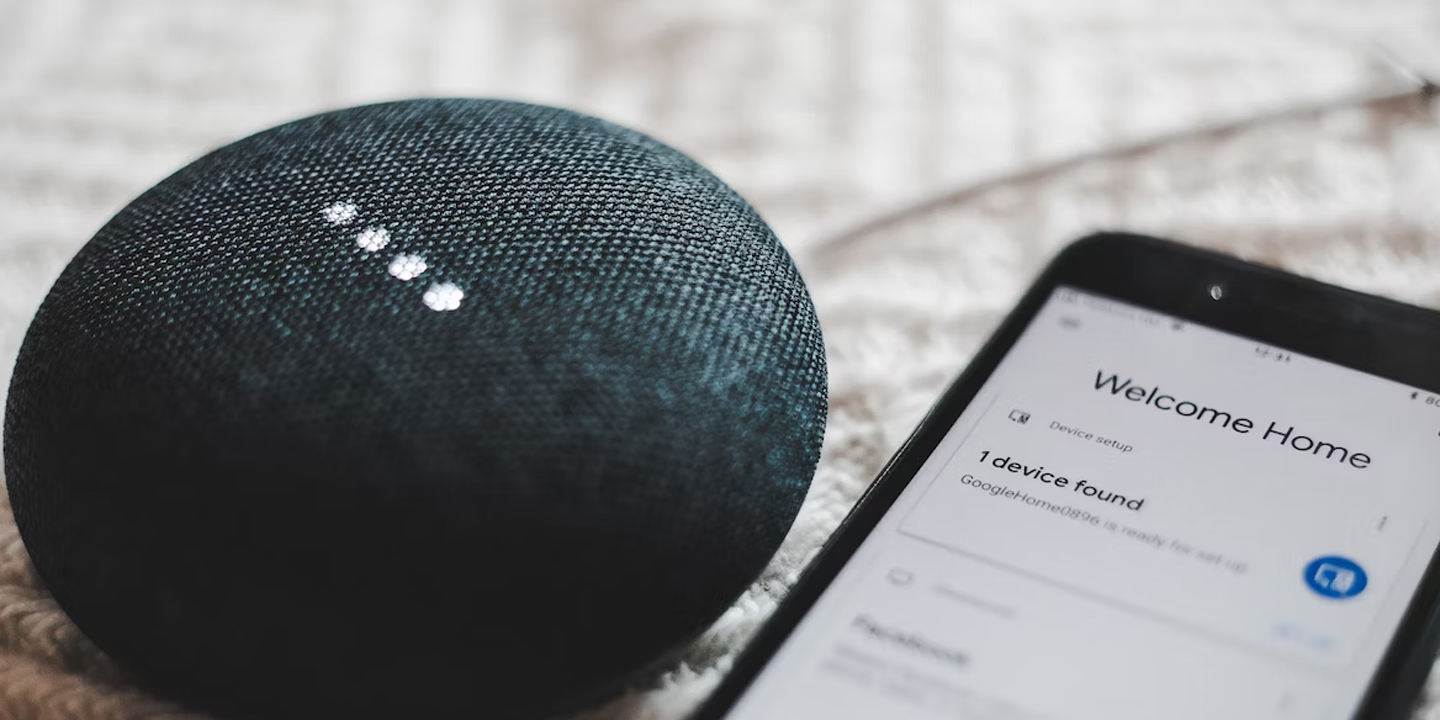
13. A Device That Collects Voice Data
Smart speakers and voice assistants are convenient, but they can also collect data about what you ask and how you speak. Even when companies promise safeguards, the system benefits from learning patterns, which means the product is not just the device but the behavioral information.

14. A Rate Your Driver System
Rating systems feel like accountability, but they also turn you into unpaid quality control. Your feedback trains the platform, shapes worker behavior, and reduces the company’s need for direct oversight, so you’re part of the management layer without being paid for it.

15. A Viral Trend That Uses Your Face
Filters and trends feel playful, but they also normalize handing over facial data and content that keeps platforms buzzing. The trend spreads because it’s fun, and the platform benefits because it gets more posts and more engagement, so your participation is the fuel.

16. A Credit Card Rewards Program
Rewards are real, but so is the tracking behind them. Card companies learn where you spend, what categories you favor, and how you respond to perks, so you’re not just earning points, you’re producing valuable spending data.

17. A Free Budgeting Tool With Affiliate Links
Some finance tools are genuinely helpful, but many make money by steering you toward products they get paid to promote. The advice feels neutral, but the incentives aren’t always, which means your financial anxiety becomes a funnel.

18. A Fitness App That Pushes Personalized Content
Personalized workouts and health tips can be great, but personalization often comes from collecting detailed behavior data. What you do, when you do it, and what you abandon helps the app optimize for retention, so the product is your routine packaged as insight.
19. A Dating App That Keeps You Swiping
Dating apps benefit when you stay on the app, not necessarily when you leave it happy. The design encourages endless browsing, intermittent rewards, and the sense that a better match is one more swipe away, so you’re not just looking for love, you’re feeding engagement.

20. A Share To Unlock Deal
Sometimes you can unlock a feature or get a discount only if you share, invite friends, or post about it. That turns you into the marketing department, using your social credibility as the ad, so the product isn’t the coupon, it’s your network.