When it comes to tech, few brands stir as much debate as Apple. For decades, the company has been synonymous with sleek design, intuitive software, and a premium user experience. But then there’s the iPhone—the crown jewel of Apple’s lineup. Some people treat it like the ultimate gadget, while others argue that Apple’s broader ecosystem is where the real value lies.
It might sound strange to pit Apple against its own product, but the question is worth exploring. Are you better off focusing on the iPhone alone, or does embracing Apple’s full ecosystem offer a clearer advantage? Understanding the strengths and limitations of each approach can help you make a smarter choice, whether you’re shopping for your first device or thinking about an upgrade.
The Case for the iPhone
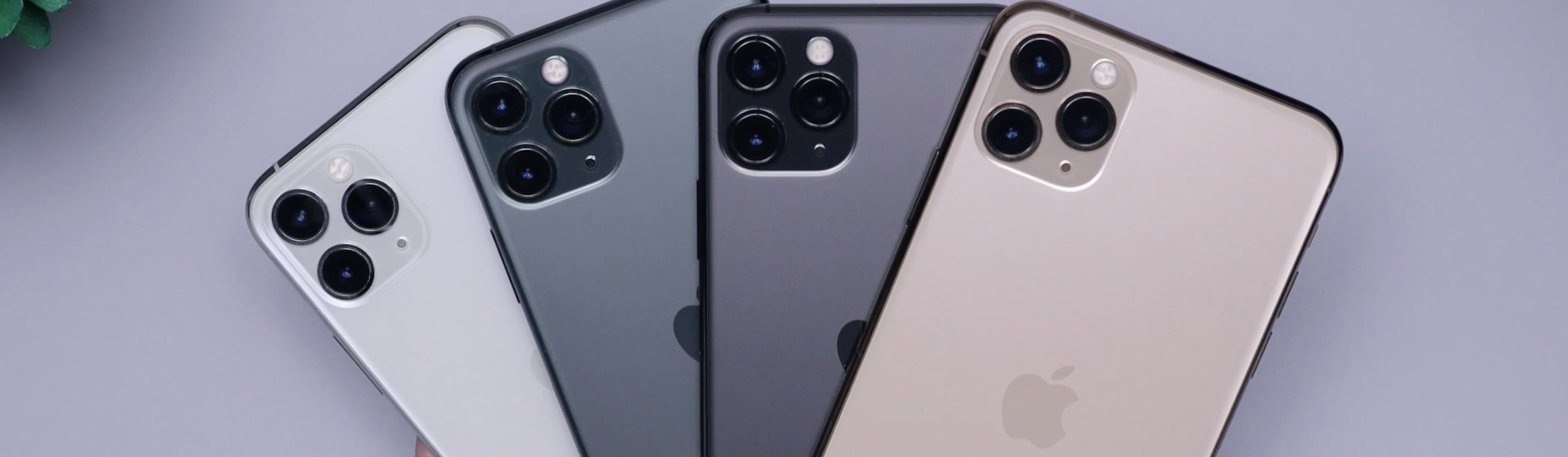
The iPhone has earned its reputation as one of the most iconic smartphones in the world, and for good reason. Its camera, processing power, and software integration consistently rank among the best. When you pick up an iPhone, you’re getting a device that’s not only stylish but also incredibly functional for daily use.
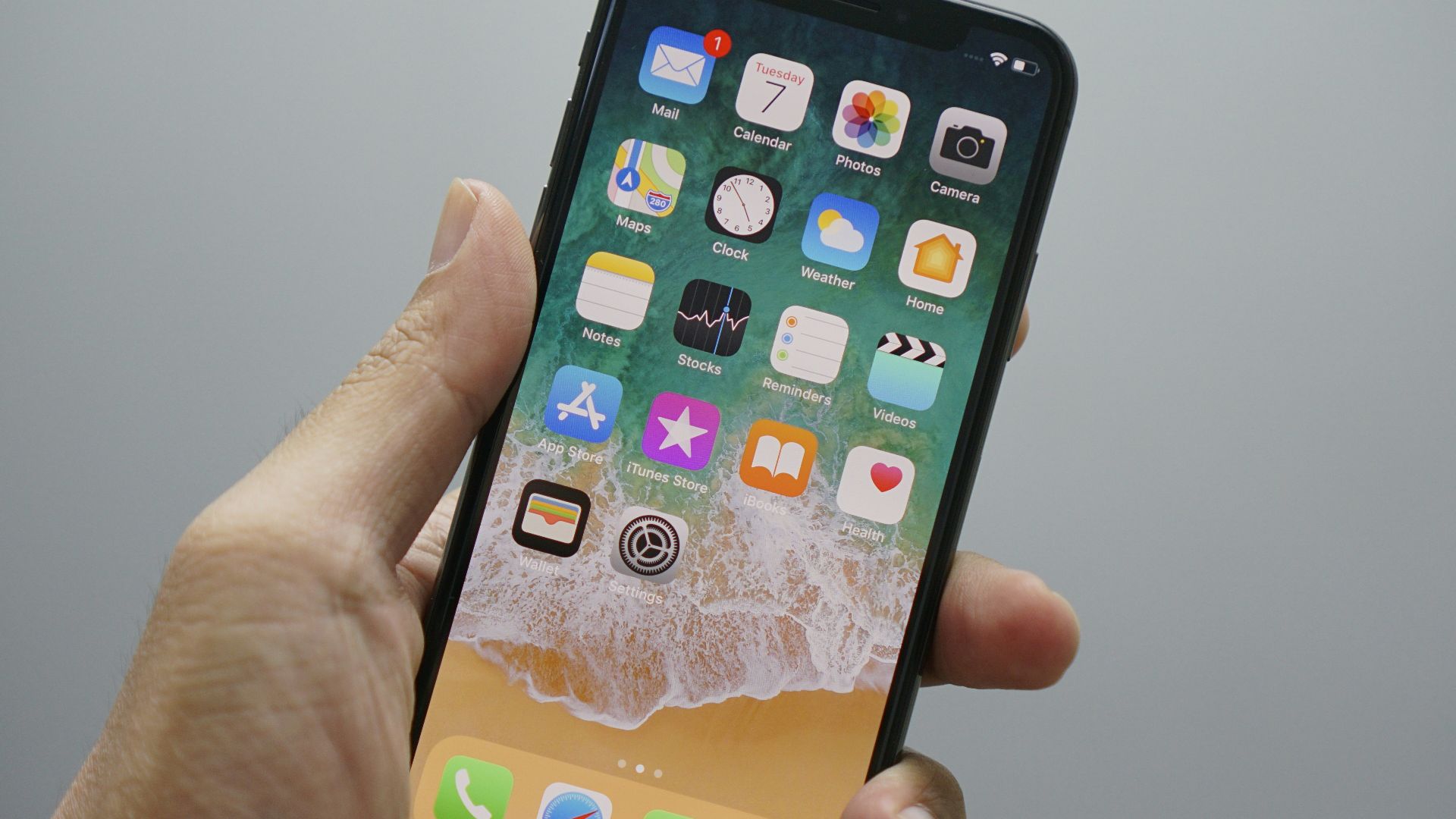
One of the iPhone’s biggest advantages is its simplicity. Apple has always prioritized user experience, which means features are designed to be intuitive. You don’t have to dig through menus to figure out how to take a great photo or set up a new app. This ease of use makes the iPhone appealing for both tech enthusiasts and people who just want a reliable phone.
Another strength lies in performance consistency. Updates to iOS are rolled out to multiple generations of iPhones simultaneously, keeping older models relevant longer than many competitors. Apps are optimized to run smoothly, and features like Face ID and Apple Pay make day-to-day tasks faster and more secure. If you’re looking for a device that can handle everything from streaming to multitasking without hiccups, the iPhone delivers.
The Broader Apple Ecosystem
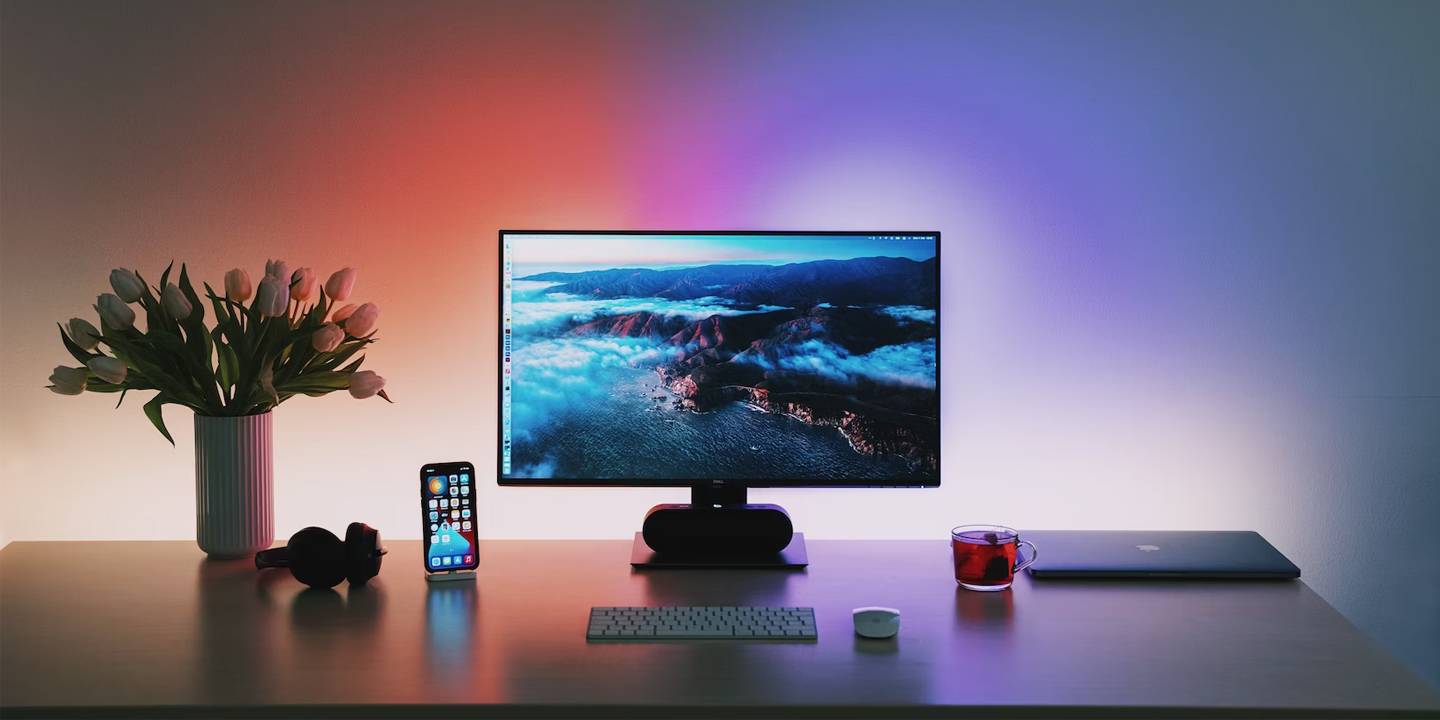
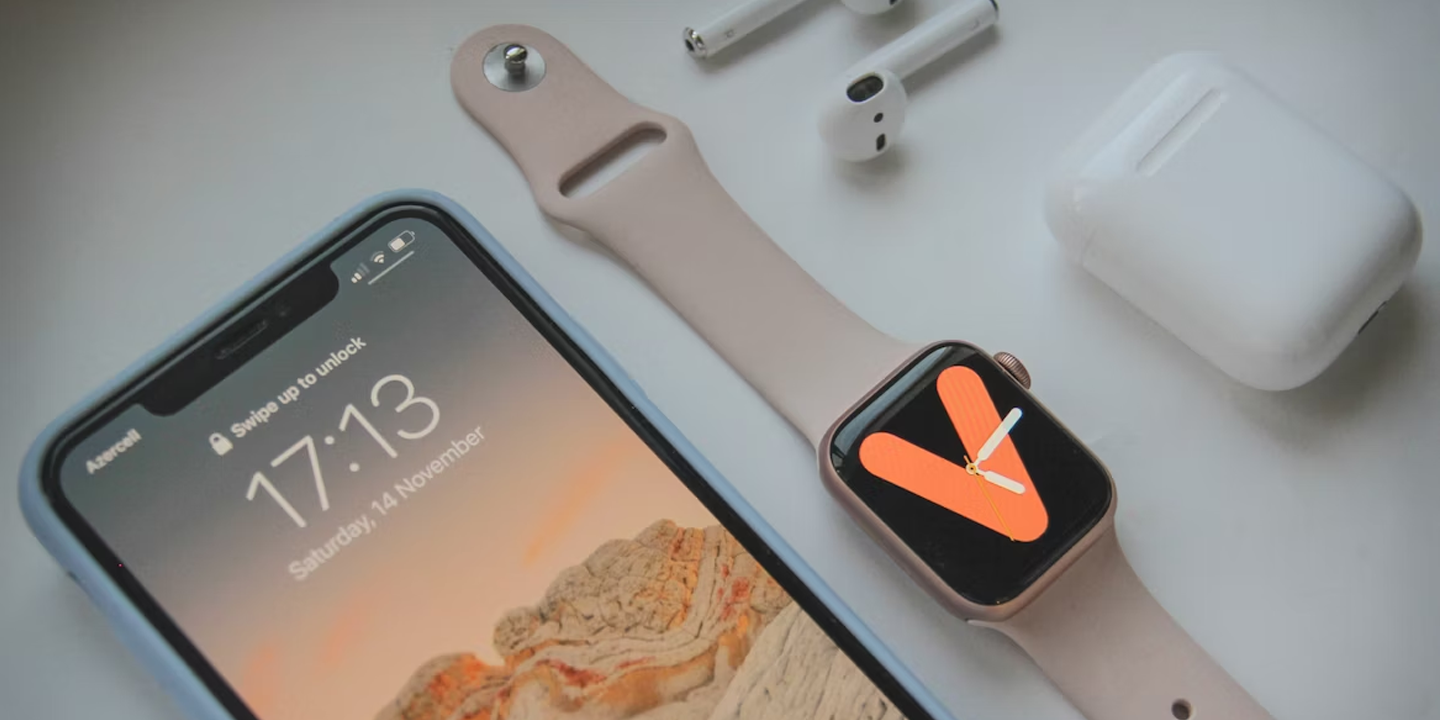
While the iPhone is impressive on its own, Apple’s ecosystem is where the company really shines. Devices like the iPad, MacBook, Apple Watch, and AirPods are designed to work seamlessly together. This interconnectedness means you can start a task on one device and finish it on another without missing a beat.
Take, for example, Handoff and Continuity features. You could start an email on your iPhone during your commute and finish it on your MacBook at home. Or, you can answer a call on your iPad while your iPhone charges across the room. These subtle integrations save time and create a smooth, almost frictionless experience that standalone devices often can’t match.
Even software subscriptions like iCloud, Apple Music, and Apple TV+ enhance the ecosystem’s appeal. They tie all your devices together, making backups, media sharing, and app usage easier and more secure. If you already own multiple Apple products, the ecosystem amplifies the value of each one, turning them into more than just individual gadgets—they become a cohesive system that enhances your daily life.
Cost, Flexibility, and Competition
On the flip side, focusing solely on the iPhone—or Apple products in general—has some downsides. For starters, Apple’s devices come at a premium. You’re paying not just for the hardware but also for the ecosystem and brand cachet. If you’re on a budget or looking for specific features, other manufacturers may offer more flexibility at lower prices.
Flexibility is another consideration. Apple limits certain customizations compared to Android or Windows alternatives. If you enjoy tweaking settings, installing third-party apps freely, or using hardware from different brands, you might find Apple restrictive. The ecosystem’s tight integration is great when all your devices are Apple, but it becomes less useful if you mix and match brands.
Competition also matters. Other smartphones now rival the iPhone’s performance and camera capabilities at a lower cost. High-end Android devices, for instance, often offer bigger screens, higher-resolution cameras, or longer battery life. While the iPhone has strong brand loyalty and consistency, some consumers find better value in products outside Apple’s ecosystem, especially if they don’t plan to invest in multiple devices.
Finding the Right Fit
Ultimately, whether Apple or the iPhone is the “winner” depends on your priorities. If you want a single device that’s reliable, user-friendly, and performs well in almost every category, the iPhone stands out. Its design, software, and long-term support make it a solid choice for someone who values simplicity and consistency.
If you’re looking to maximize convenience and enjoy a seamless digital experience across multiple devices, the broader Apple ecosystem takes the lead. Features like continuity, integrated apps, and device synchronization create a level of synergy that no single smartphone can offer on its own. It’s the difference between owning a tool and being part of a fully equipped system.
At the end of the day, the decision comes down to how you use technology. Are you looking for one standout device, or do you want a network of interconnected gadgets? Both options have clear advantages, and neither is objectively “better” in every scenario. By assessing your priorities, budget, and tech habits, you can choose the approach that fits your lifestyle best.