The Holy Grails of the Digital Age
We’re talking about the unicorns of the industry: items so rare that they usually live behind reinforced glass in museums or in the climate-controlled vaults of reclusive billionaires. These aren't just old electronics; they're the "lost" prototypes, the massive supercomputers that once predicted the weather, and the accidental collaborations that changed history. From gaming consoles that technically shouldn't exist to computers built in a literal garage, here are 20 tech treasures you'll likely never get to see.
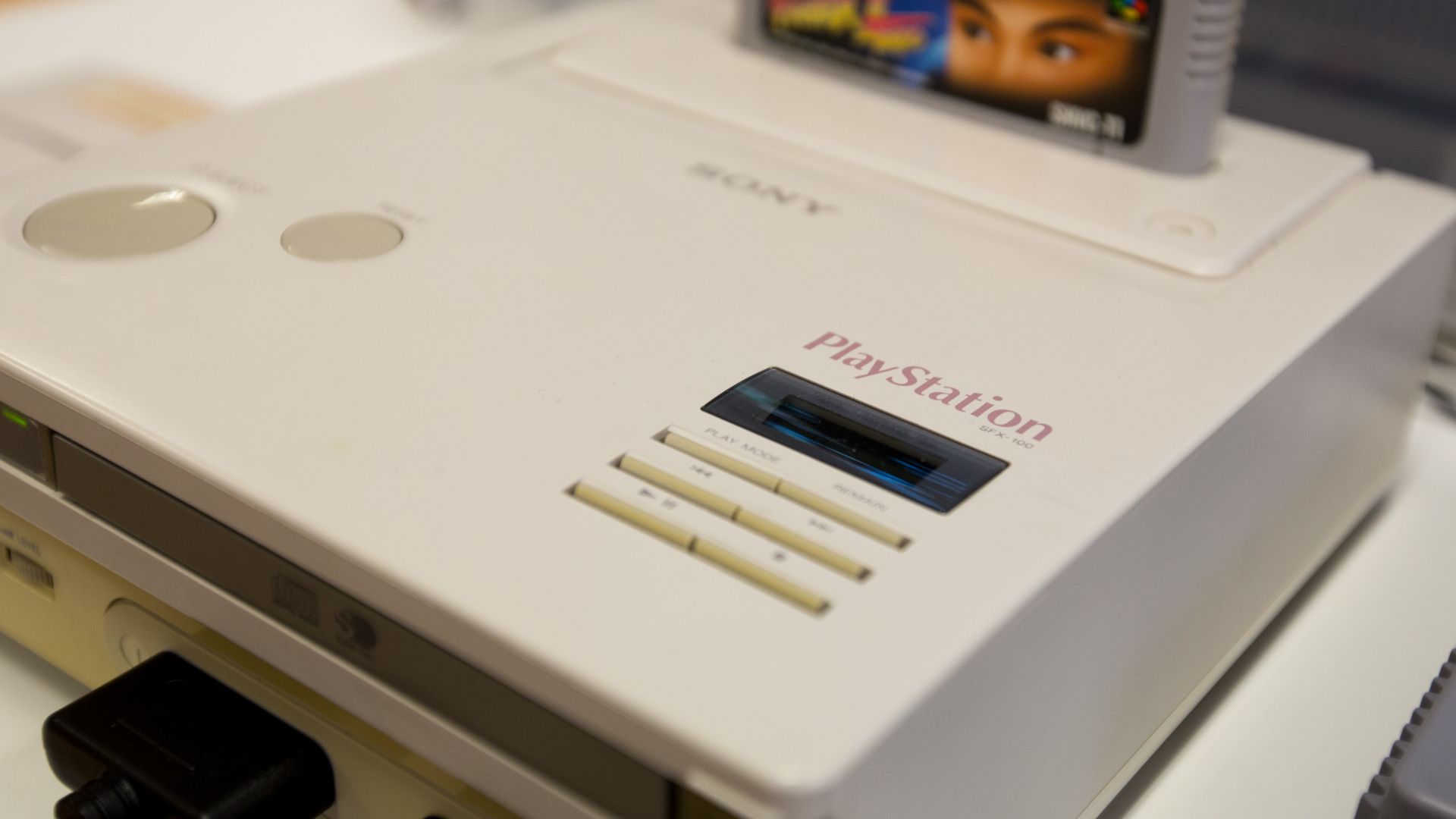
1. The Nintendo PlayStation
In the early nineties, Sony and Nintendo almost teamed up to create a CD-based console, but the deal fell through at the very last second. Only about two hundred prototypes were ever manufactured, and nearly all of them were reportedly destroyed when the partnership dissolved. One lucky soul found a surviving unit in a box of junk, and it eventually sold for hundreds of thousands of dollars at auction.
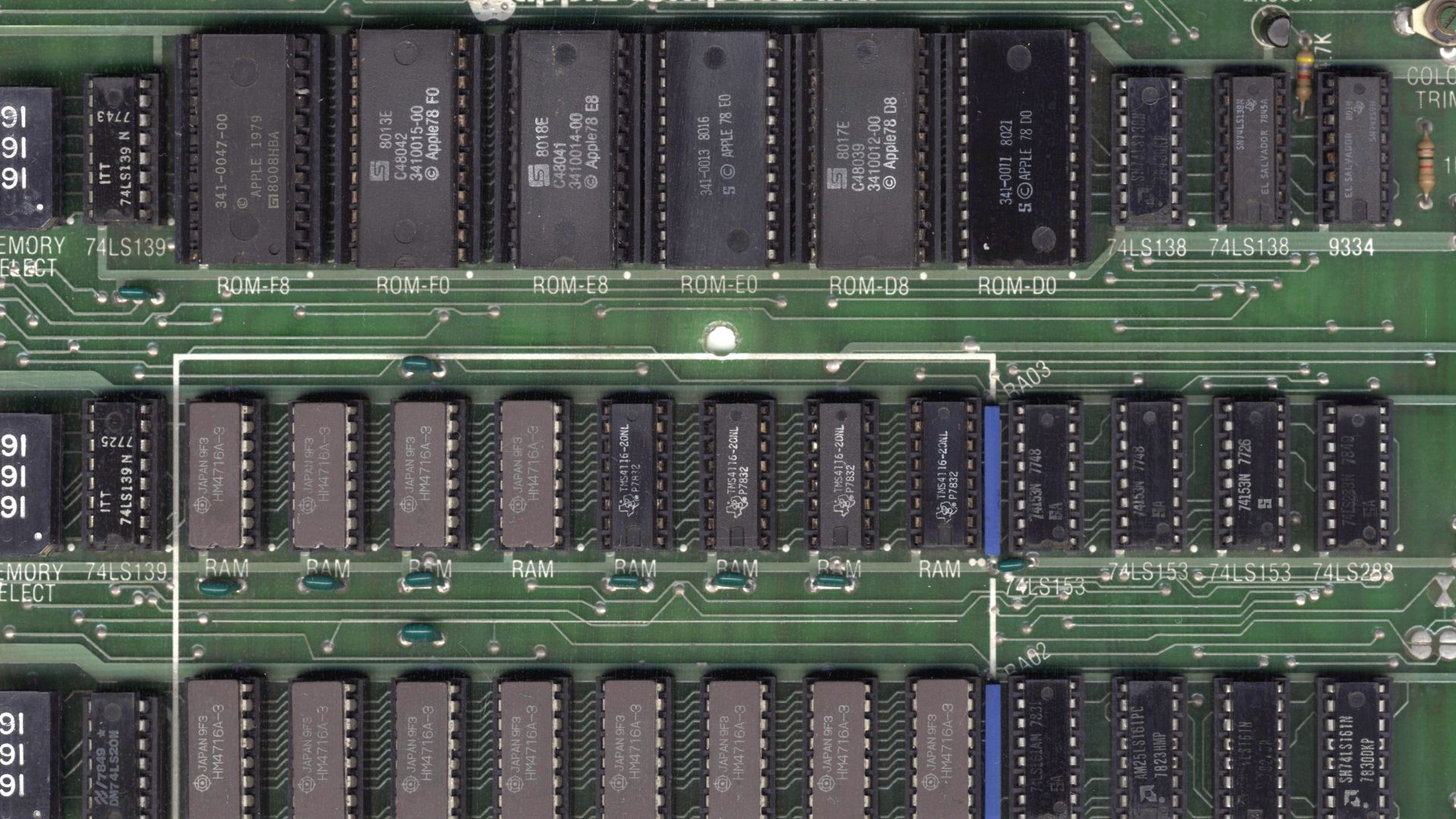
2. Apple I Original Circuit Board
Long before Steve Jobs made Apple into a trillion-dollar industry, he and Steve Wozniak built them by hand in their parents’ garage. About 60 still exist today and look less like a computer than an electronics experiment gone horribly wrong. Expect to pay at least nine figures to own a literal piece of history.
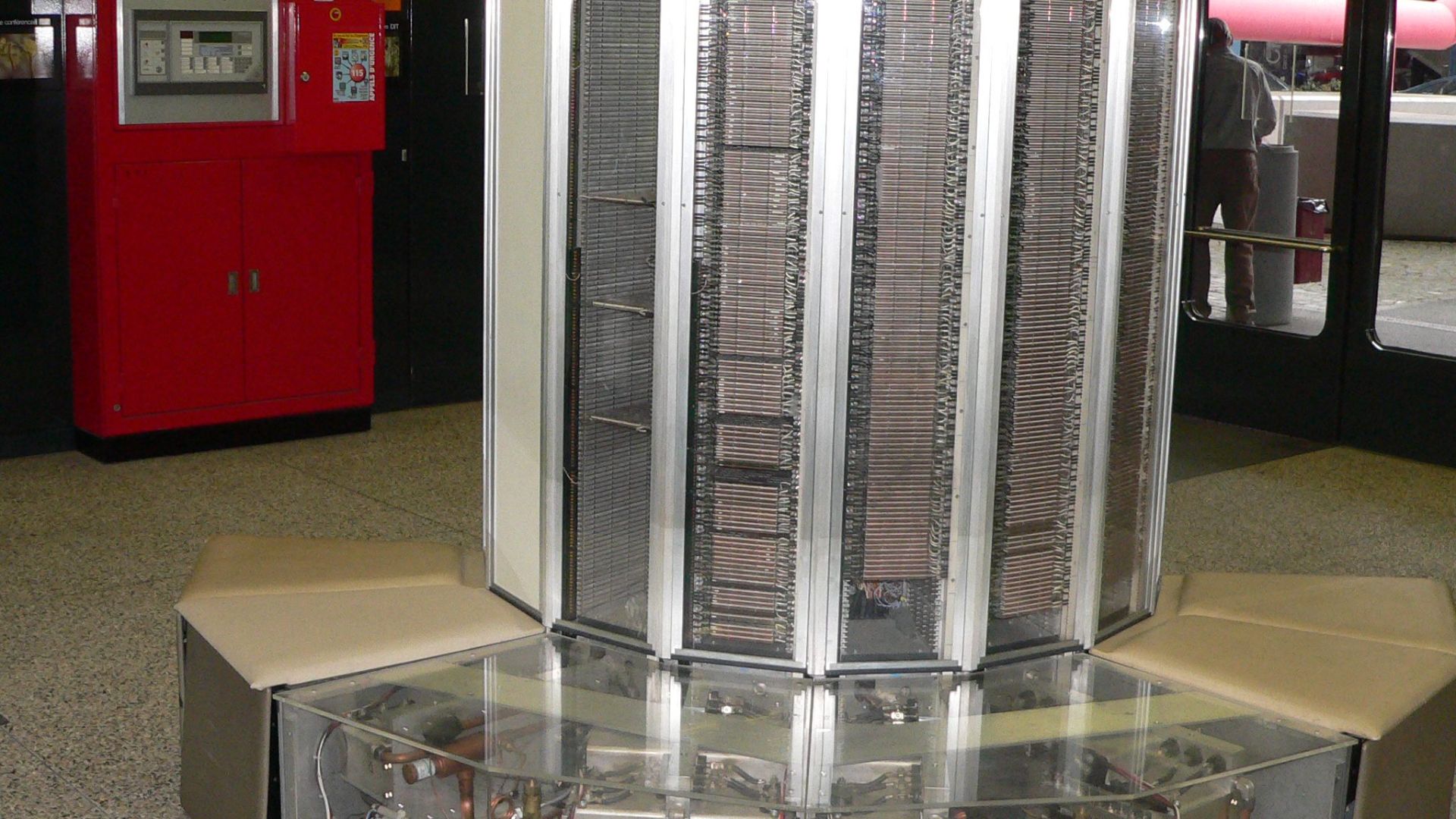
3. The Cray-1 Supercomputer
Back in the late seventies, this was the fastest computer on the planet, featuring a distinct C-shaped design with built-in padded benches for engineers to sit on. Most of these massive machines were decommissioned and scrapped decades ago due to their immense size and power requirements. If you managed to find one, you’d need a dedicated power grid and a small warehouse just to turn the thing on.
4. Sealed 4GB First-Gen iPhone
While plenty of people owned the original iPhone when it launched, few managed to resist opening the box when they first got their hands on it. Factory-sealed models of Apple’s very first smartphone are rare because production of the 4GB model was quickly replaced by the 8GB.
 NRMA Motoring and Services from Sydney, Australia on Wikimedia
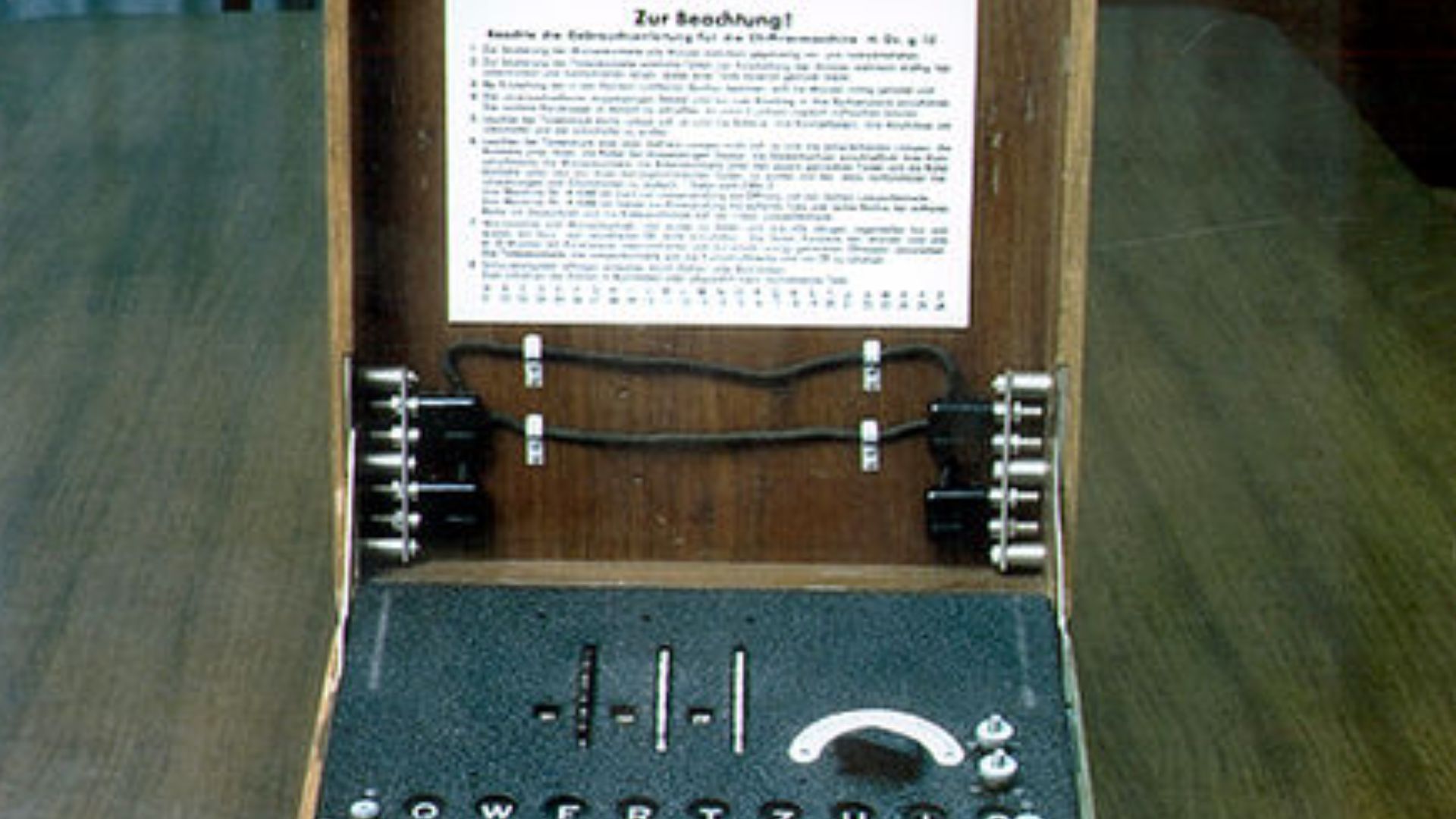
5. The Enigma Machine
The Enigma Machine was used by the Germans during WWII to send coded military messages. Nowadays, they’re collector items for anyone interested in technological history. As far as computers go, they’re about as ancient as it gets, but they were extremely advanced at the time.
6. Commodore 65 Prototype
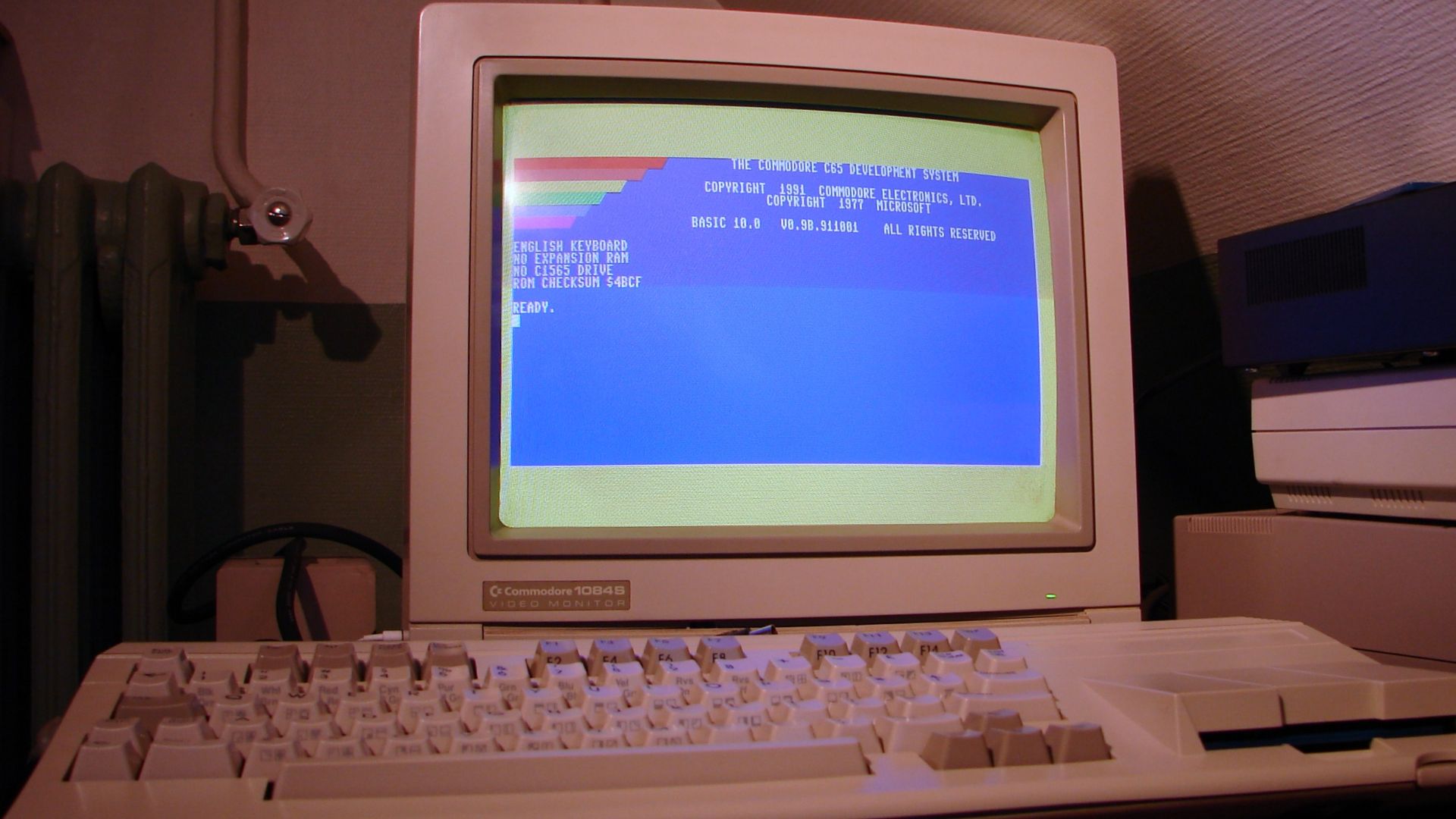
The Commodore 64 line of computers was the best-selling computer of all time, but its follow-up was quietly canceled before ever seeing release. Known unofficially as the C65, several prototypes are rumored to be in the hands of collectors who broke that NDA. If you find one, expect to pay dearly.
7. Apple WALT Phone
Long before the iPhone or the iPad, Apple experimented with a "Wizzy Active Liquid Tablet" that combined a telephone with a touchscreen and a stylus. It was meant to be a high-end desktop companion for business professionals, but the project was scrapped before it ever hit store shelves. Only a couple of working units are known to survive.
8. Nintendo World Championships Gold Cartridge
Nintendo hosted a world gaming tournament way back in 1990, but only gave out 26 gold cartridges as prizes. Winners of the contest received these gold cartridges, but you couldn’t buy them anywhere. It took place before Nintendo power cards, so if you want one you’ll have to pay full-price retro video game nerd status points.
 Cláudio Luiz Castro on Unsplash
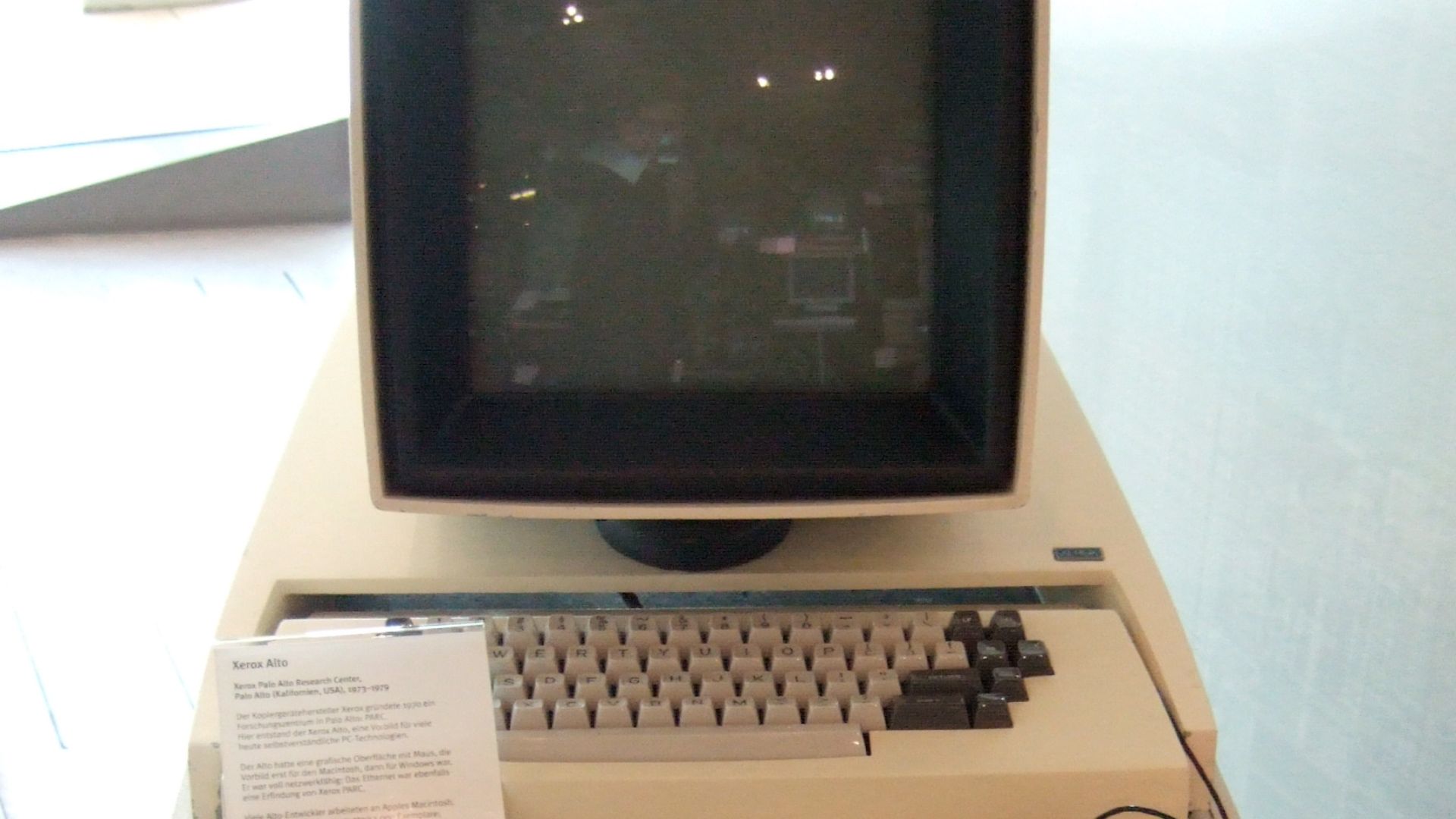
9. The Xerox Alto
This 1973 machine was decades ahead of its time, featuring a graphical user interface and a mouse long before Apple or Microsoft made them famous. It was never intended for individual consumers and was mostly used in universities or at Xerox's own research centers. Getting your hands on a working Alto today is nearly impossible.
10. Atari "Cosmos" Handheld
Atari thought 3D was the future and rushed out a handheld game console that used hologram-like images. Because stores didn’t believe in the gadget, Atari canceled production after investing in packaging. As few as twelve prototype units are thought to still exist, and they are rarely seen up for auction.
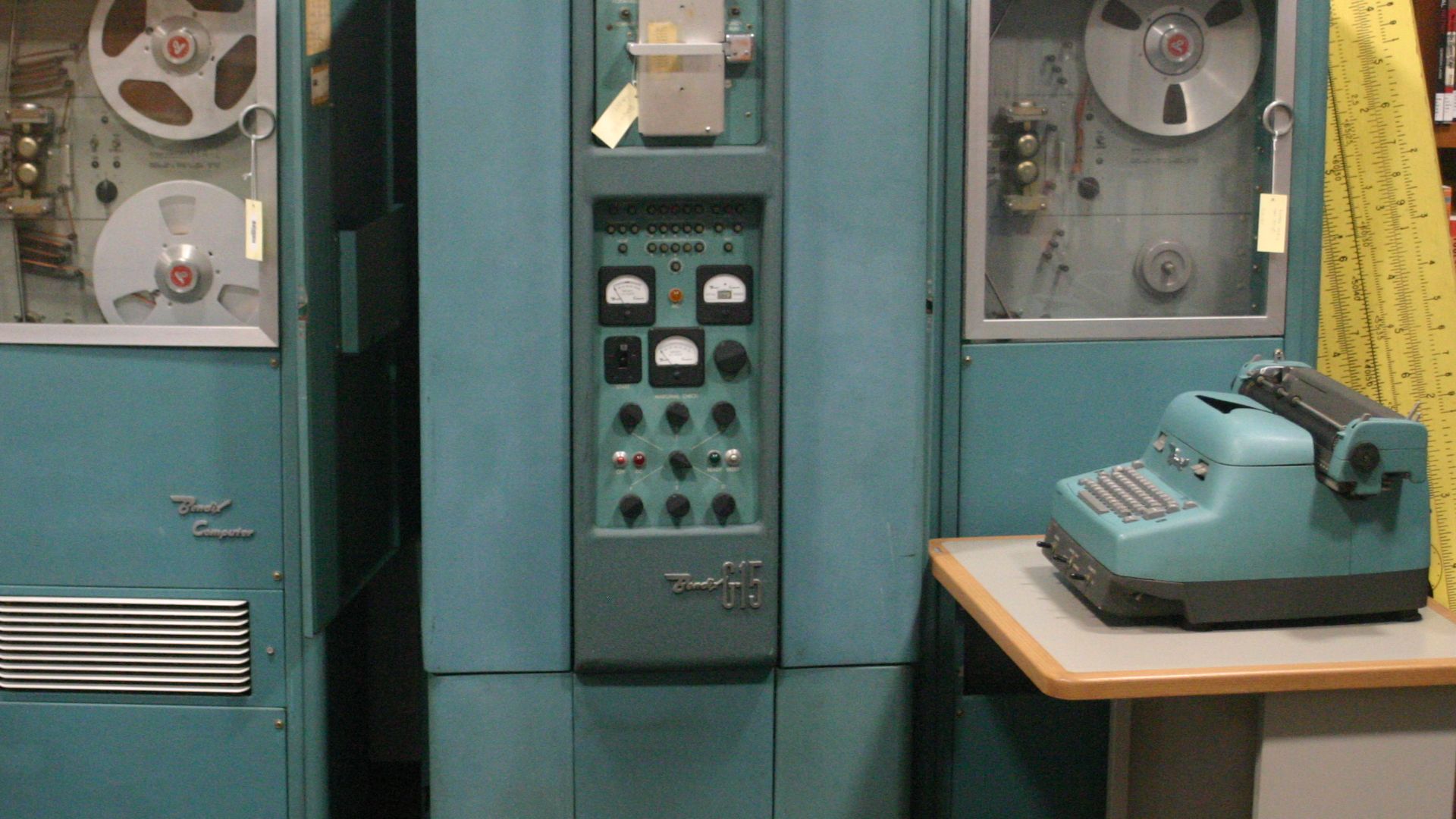
11. Bendix G-15 Computer
Released in 1956, this was one of the first computers that could be operated by a single person, though it was still roughly the size of a refrigerator. It used a magnetic drum for memory and was a favorite among early engineers who didn't want to deal with room-sized mainframes. Since most were leased rather than owned, they were returned to the manufacturer and destroyed once they became obsolete.
12. NeXT Computer (Original Run)
Following his departure from Apple, Steve Jobs created NeXT to sell high-end computers to engineers and researchers. NeXT ended up only selling around 50,000 computers, but they were powerful enough that Tim Berners-Lee used one to create the World Wide Web. Only some of the original units are known to still exist.

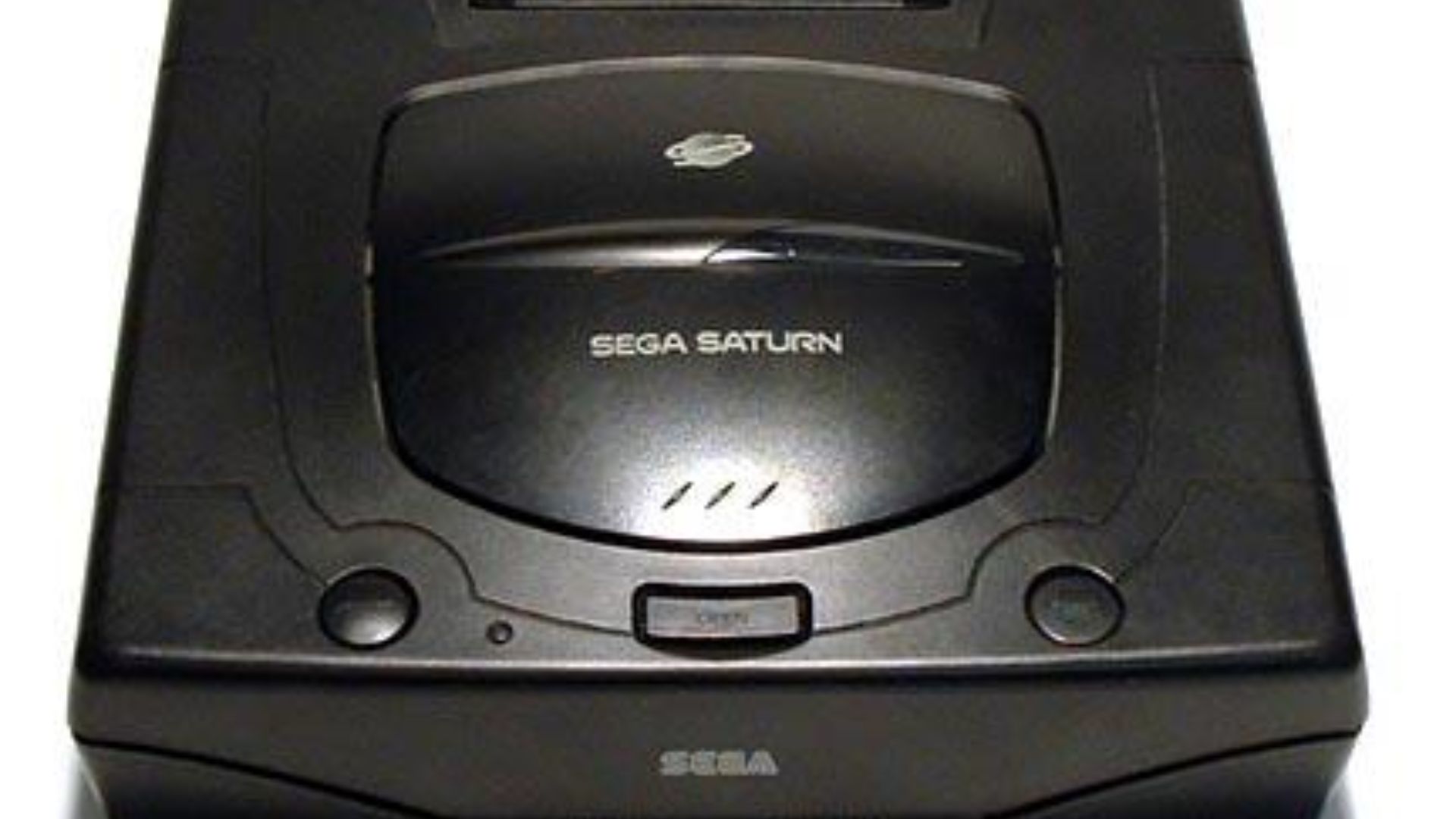
13. Sega Pluto
Capcom was huge in the console world before Sega took over in the Genesis era, but they tried to get one step ahead with the Sega Pluto. They never sold one to the public, instead building two prototypes that were ground into dust. One was rediscovered at a flea market for five dollars because the person didn’t know what it was.
 Antonio Rodríguez on Wikimedia
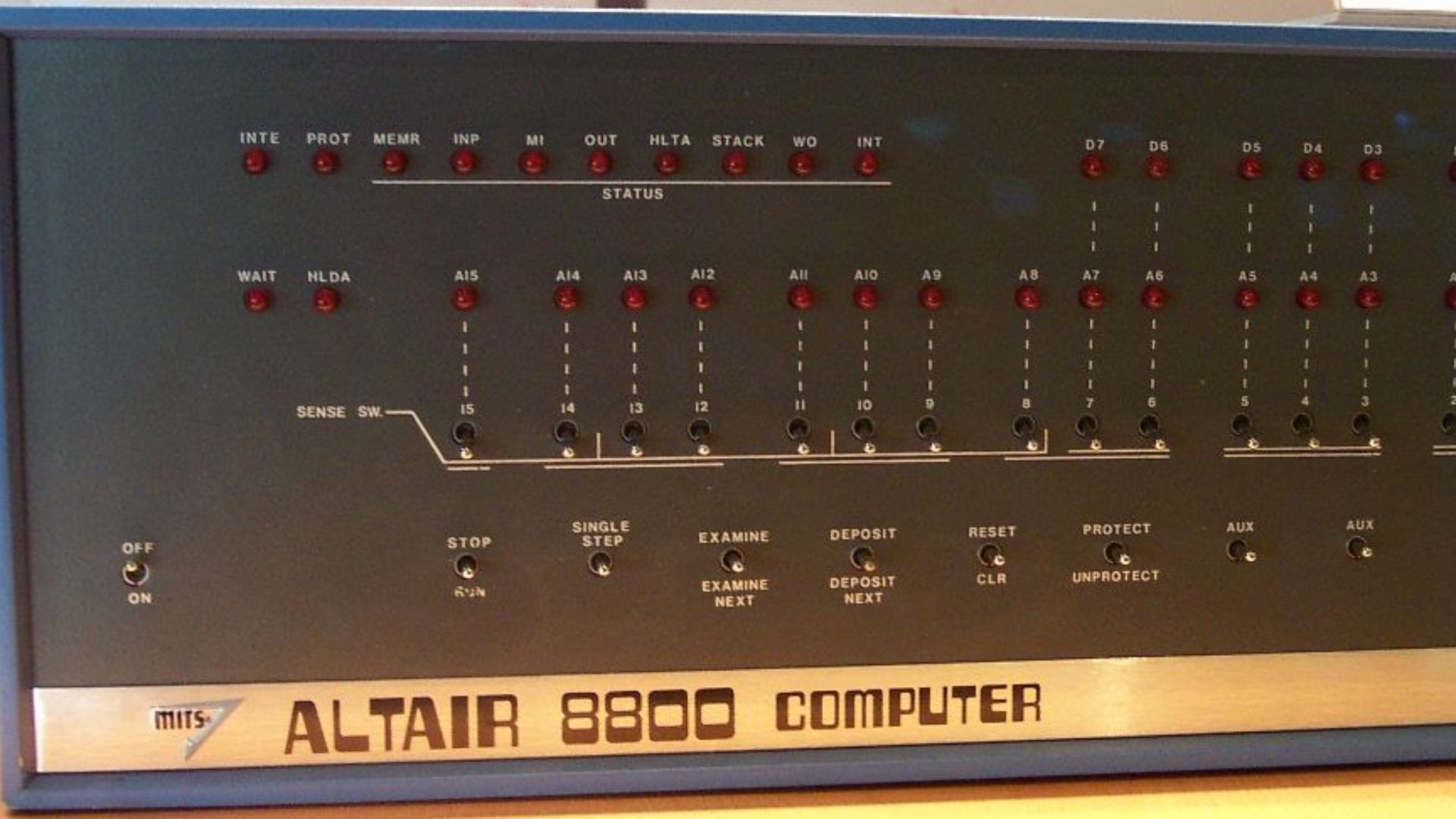
14. Altair 8800 (Original Kit)
You might recognize the Altair as the spark that started Microsoft, back when Gates and friends were still roommates. The majority of buyers back then assembled them from scratch, so an unopened example is pretty rare. Think of it as the birth of the hobbyist computer movement.
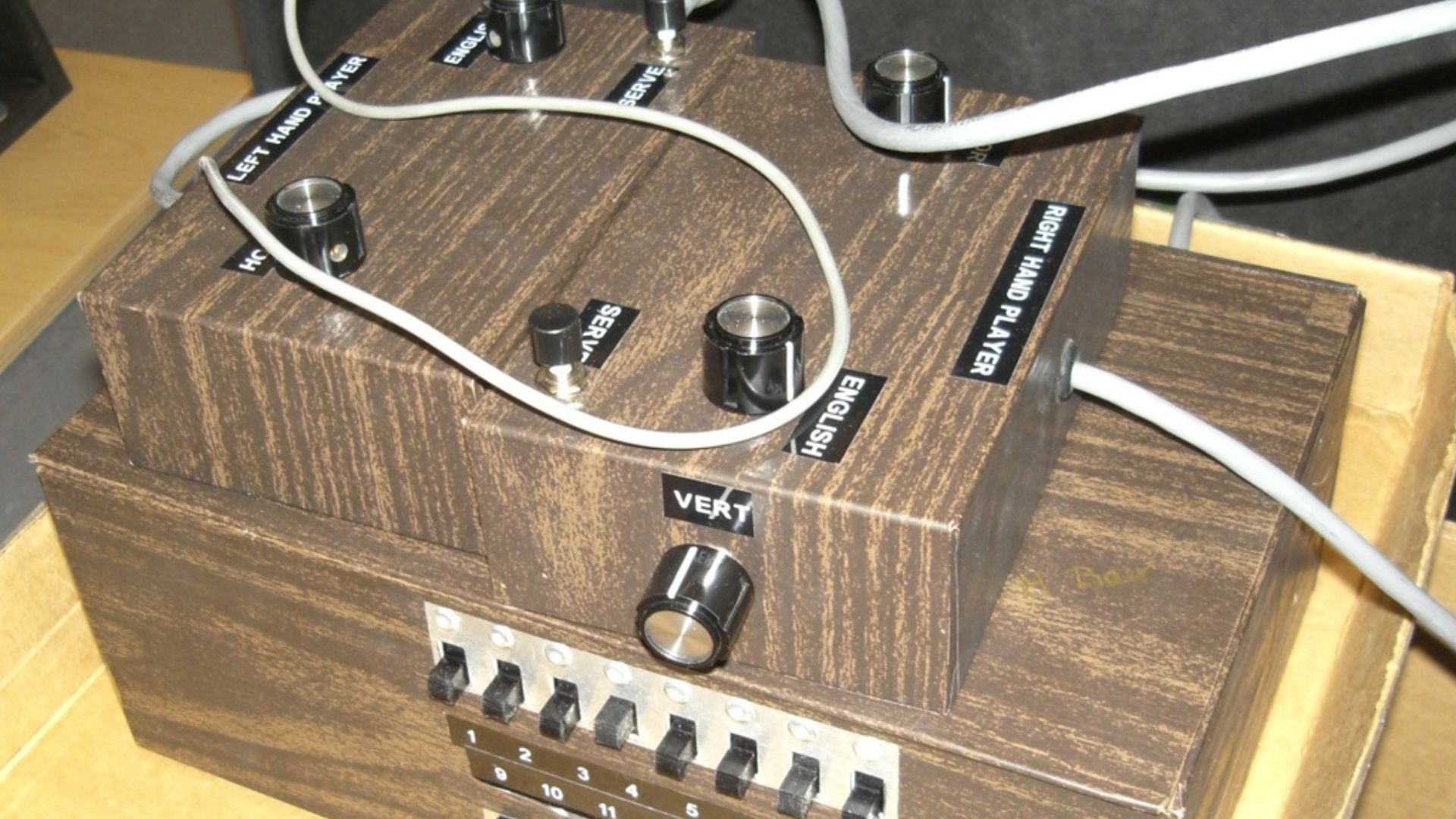
15. The "Brown Box" Prototype
Long before there was an Xbox or PlayStation, there was Ralph Baer’s “Brown Box.” That’s the granddaddy of every video game console to ever point your finger at. No one was allowed to keep theirs, so you’ll have to settle for the one on display at the Smithsonian.
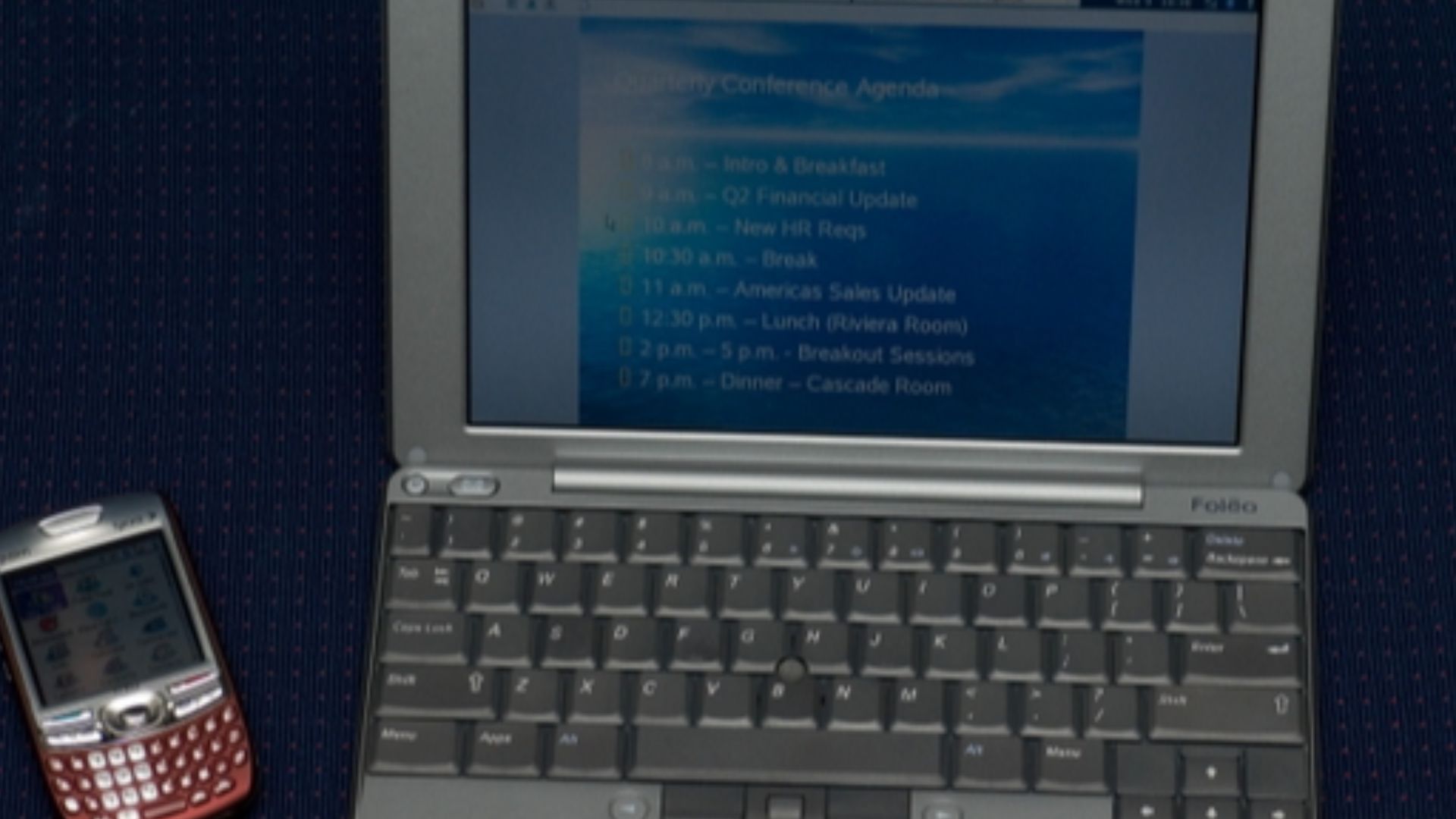
16. Palm Foleo
If people owned a Palm PDA back in the day, Palm tried to sell the Foleo as a companion handheld device. Right before it was announced, they canned the project, which leaves tons of unsold Foleos haunting eBay. A few review units were sold, but none are known to be available right now.
 Thom Cochrane from Auckland, New Zealand on Wikimedia
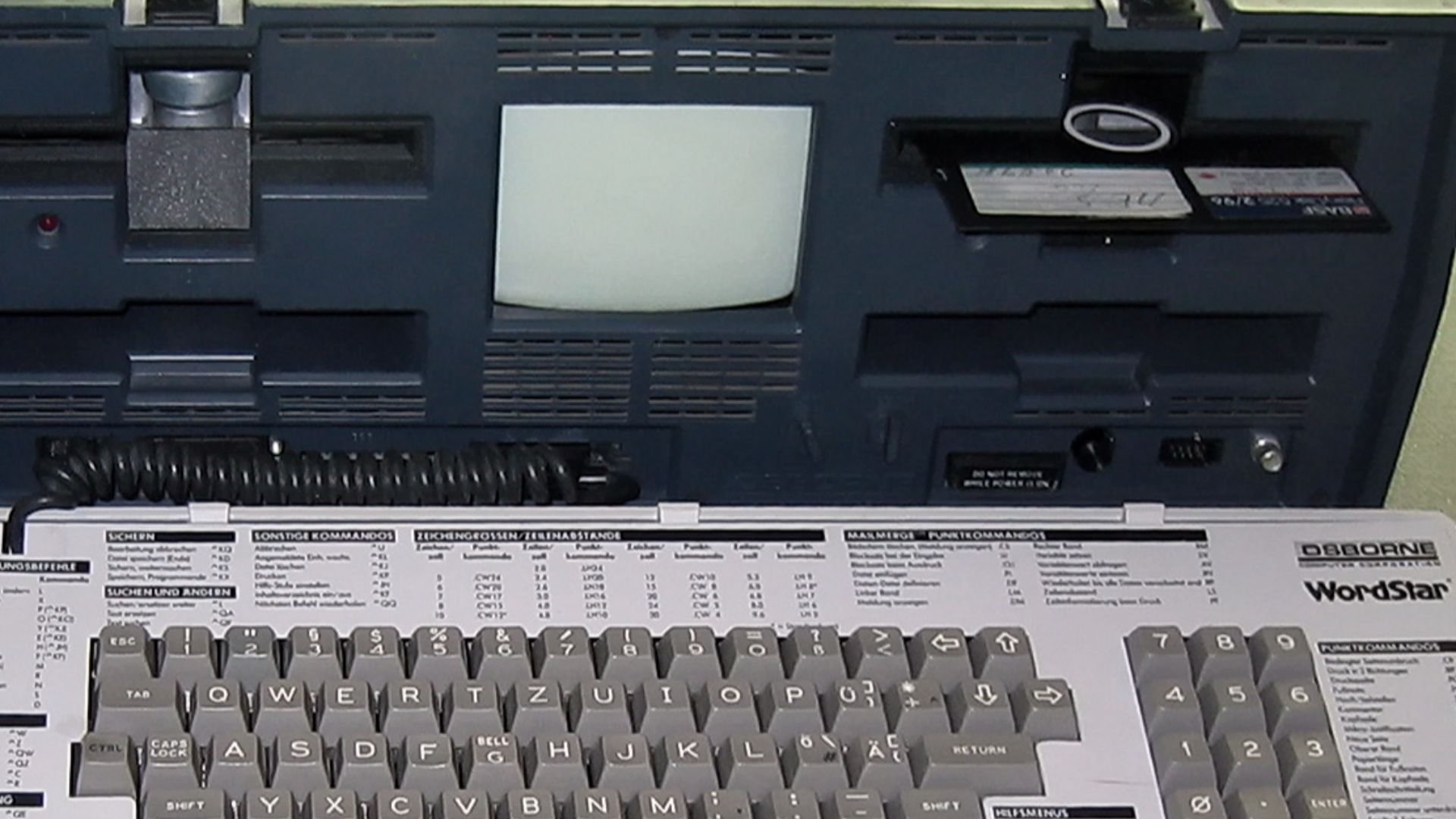
17. The Osborne 1
While it’s technically the first truly portable computer, the Osborne 1 weighed about twenty-four pounds and looked more like a piece of military luggage than a laptop. The company famously went bankrupt after announcing a successor too early, a move now known in business schools as the "Osborne Effect." Because they were so heavy and awkward, very few people kept them as keepsakes over the last forty years.
 The original uploader was -jha- at German Wikipedia. on Wikimedia
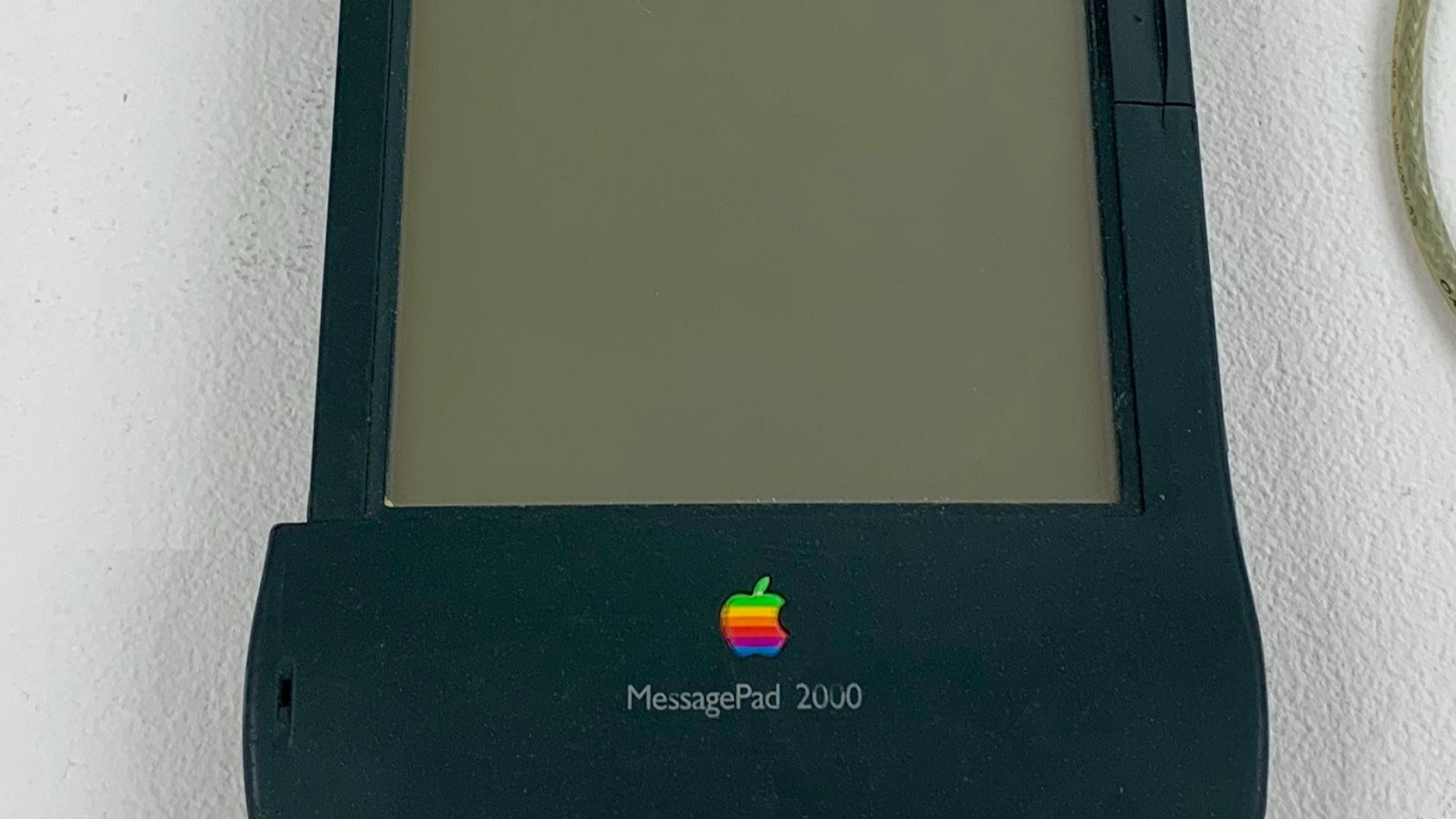
18. Apple Newton MessagePad (Clear Edition)
The Newton was a bit of a flop when it first launched, but Apple produced a special version with a transparent casing for developers and internal staff. These "Clear" editions are highly prized because they show off the complex internal circuitry of the early PDA. They’re much harder to find than the standard green models that eventually languished in bargain bins.
 Federigo Federighi on Wikimedia
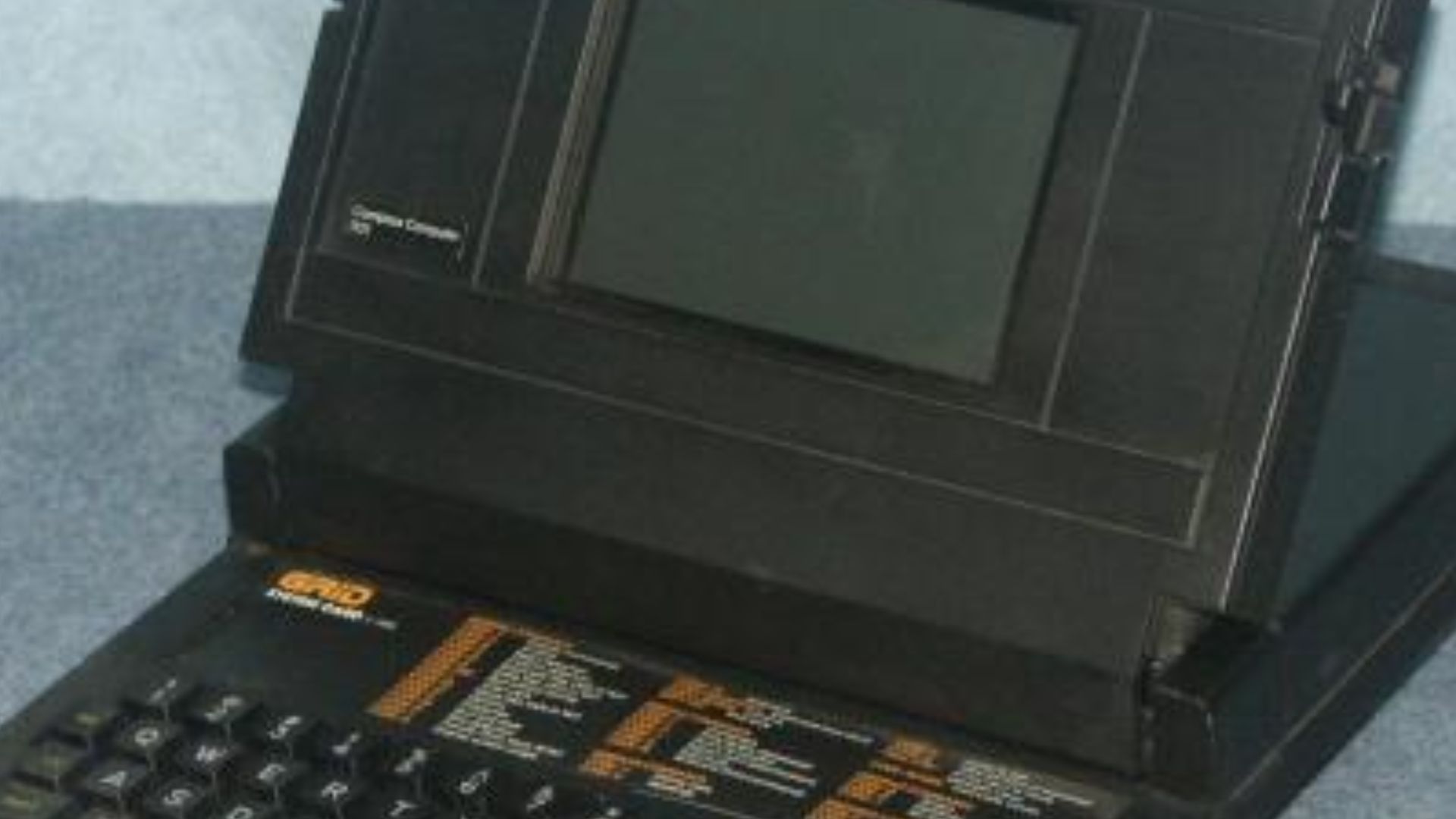
19. Grid Compass 1101
Before there was a clamshell design for laptops, there was the Grid Compass. As durable as it was expensive, these devices made it into outer space on more than one occasion. Coming in at a hefty $20,000 price tag in 1982, very few were sold to the average consumer.
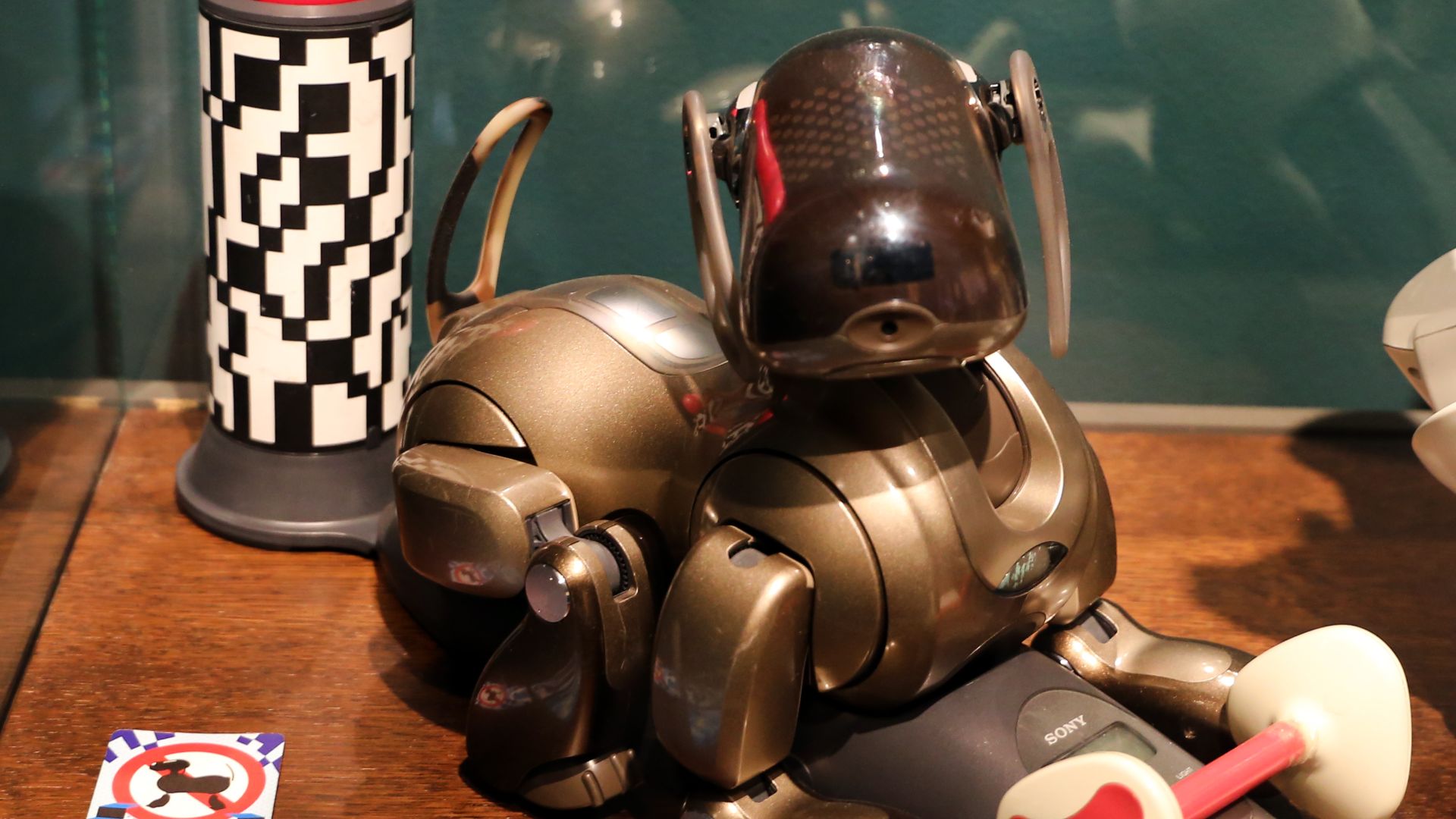
20. The Sony AIBO (First Generation)
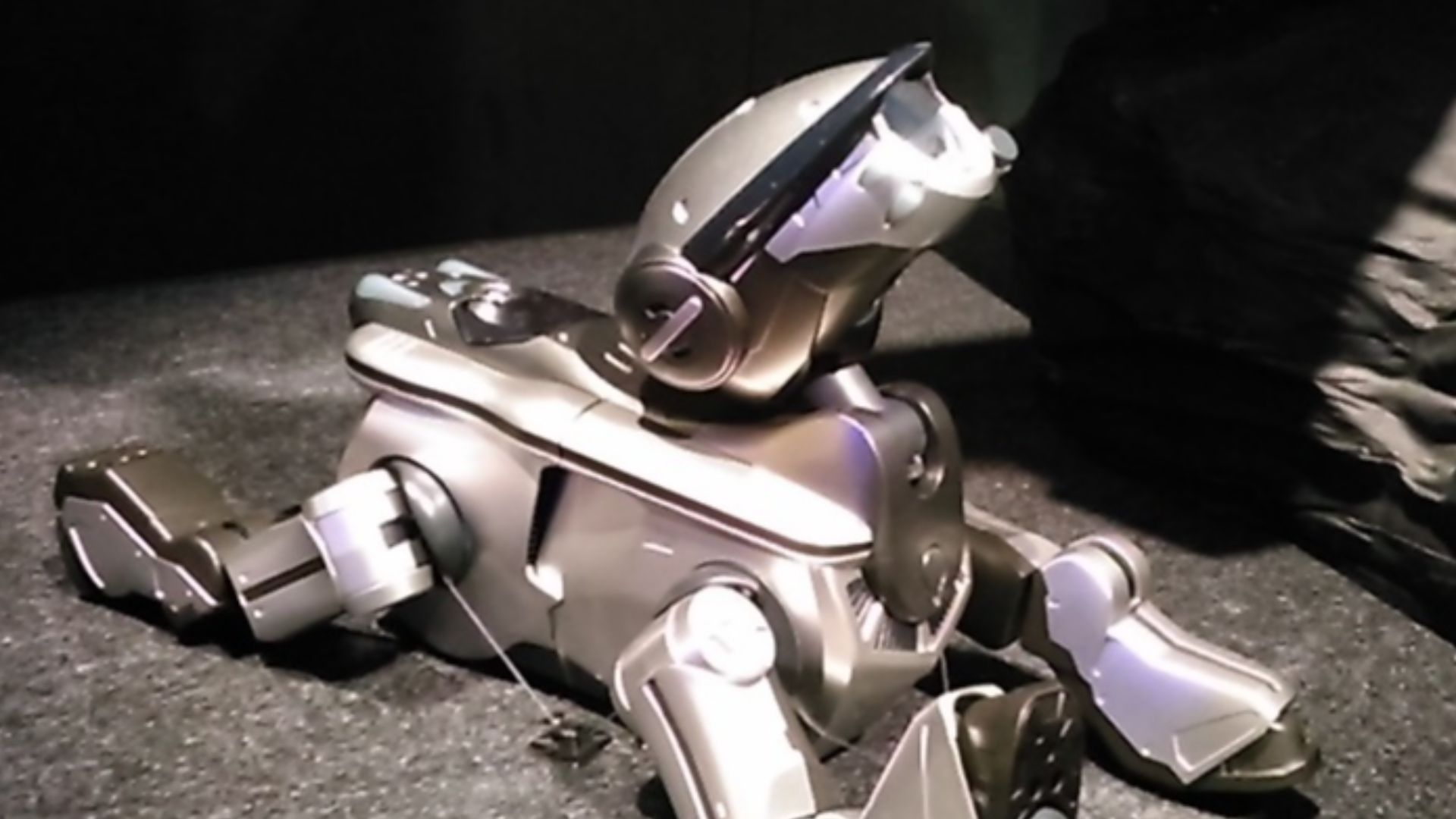
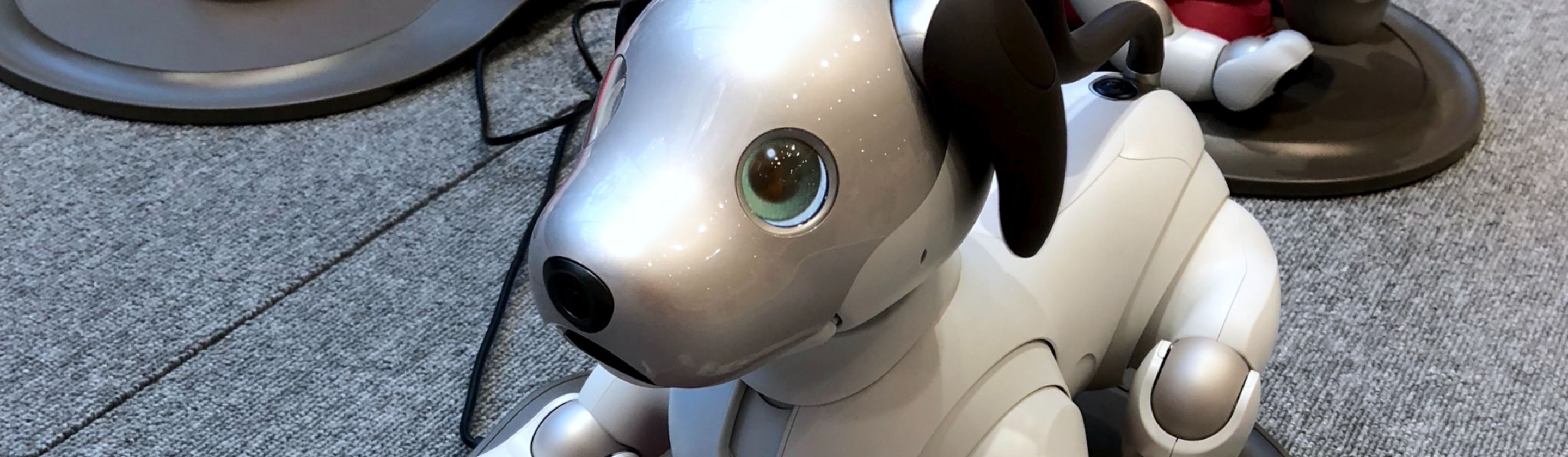
Sony’s robotic dog was the Atari Pokémon back in 1999, but they only sold out by marking the price at $2,500. Aside from requiring constant upgrades, the original AIBOs had a habit of falling apart after 18 years. They were top-of-the-line robotics when they first came out.