What Makes People Stay
Most Twitch advice focuses on growth, which is usually another way of talking about clicks, thumbnails, schedules, and discoverability. That matters, but it misses the thing viewers actually feel while they are there. A loyal chat is not built by accident, and it is not built by raw talent alone. It usually comes from repeated habits that make a stream feel welcoming, alive, and worth returning to, even on days when not much dramatic is happening on screen. The same is true in reverse. Small patterns that seem harmless at first can slowly flatten the mood, make viewers feel invisible, and turn a channel into a place people stop checking. Here are 10 streamer habits that tend to build loyal chats, and 10 that steadily kill a channel.

1. Talking Even When Chat Is Slow
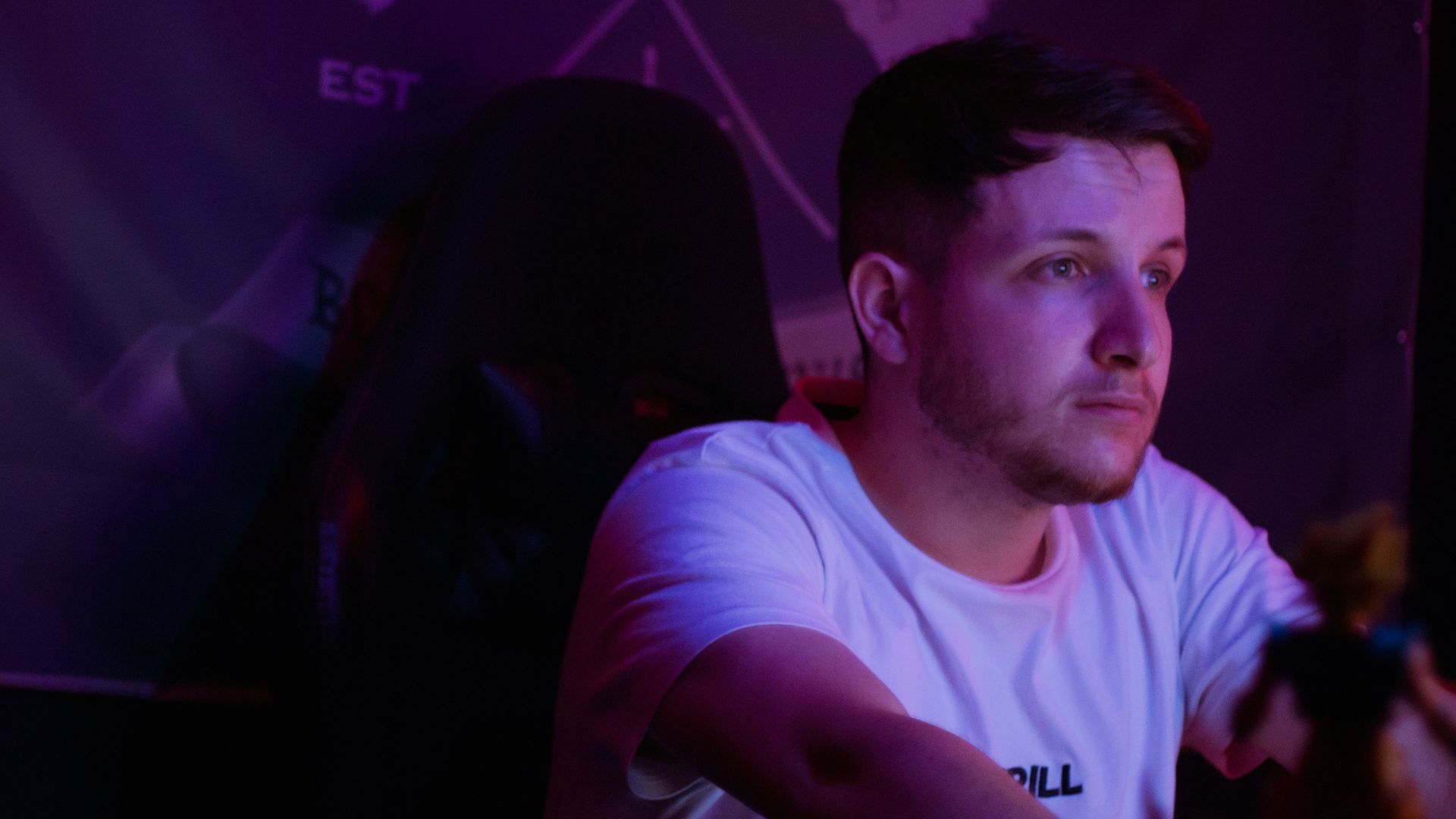
Strong streamers do not wait for a full chat to become interesting. They narrate what they are doing, react out loud, fill dead space naturally, and make the stream feel active even when only a few people are watching. That creates the sense that anyone dropping in has arrived somewhere already in motion.
2. Remembering Regulars
People come back when they feel recognized. A streamer who remembers names, ongoing jokes, recent life updates, or the kind of games certain viewers like creates a channel that feels more like a place than a broadcast. That kind of memory does more for loyalty than a dozen generic thank-yous.
3. Setting A Clear Tone
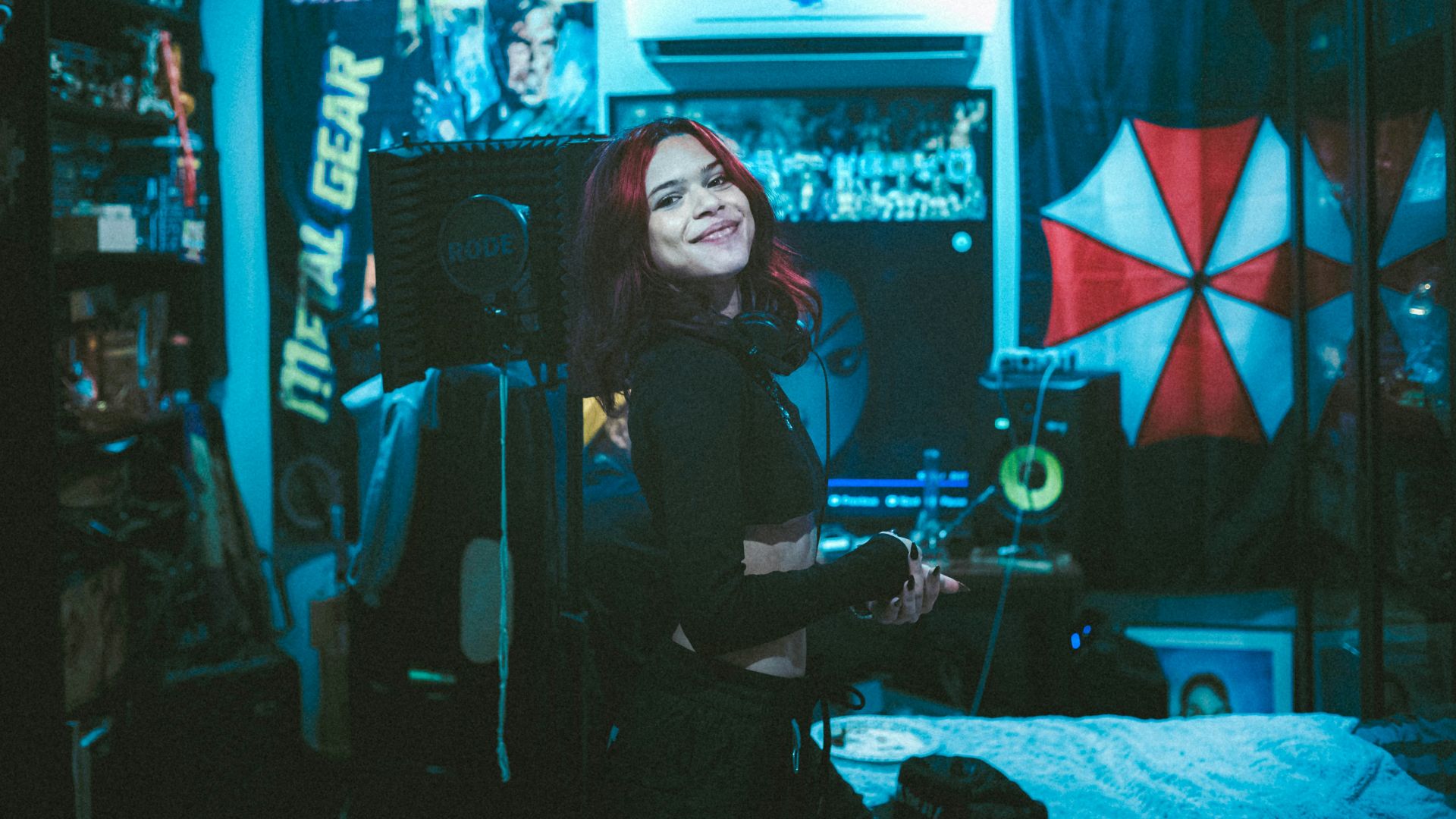
Good chats usually know what kind of room they are in pretty quickly. Whether the tone is calm, chaotic, funny, competitive, or cozy, people settle in faster when the vibe is consistent and the streamer is clearly steering it instead of letting it drift.
4. Responding Like A Person
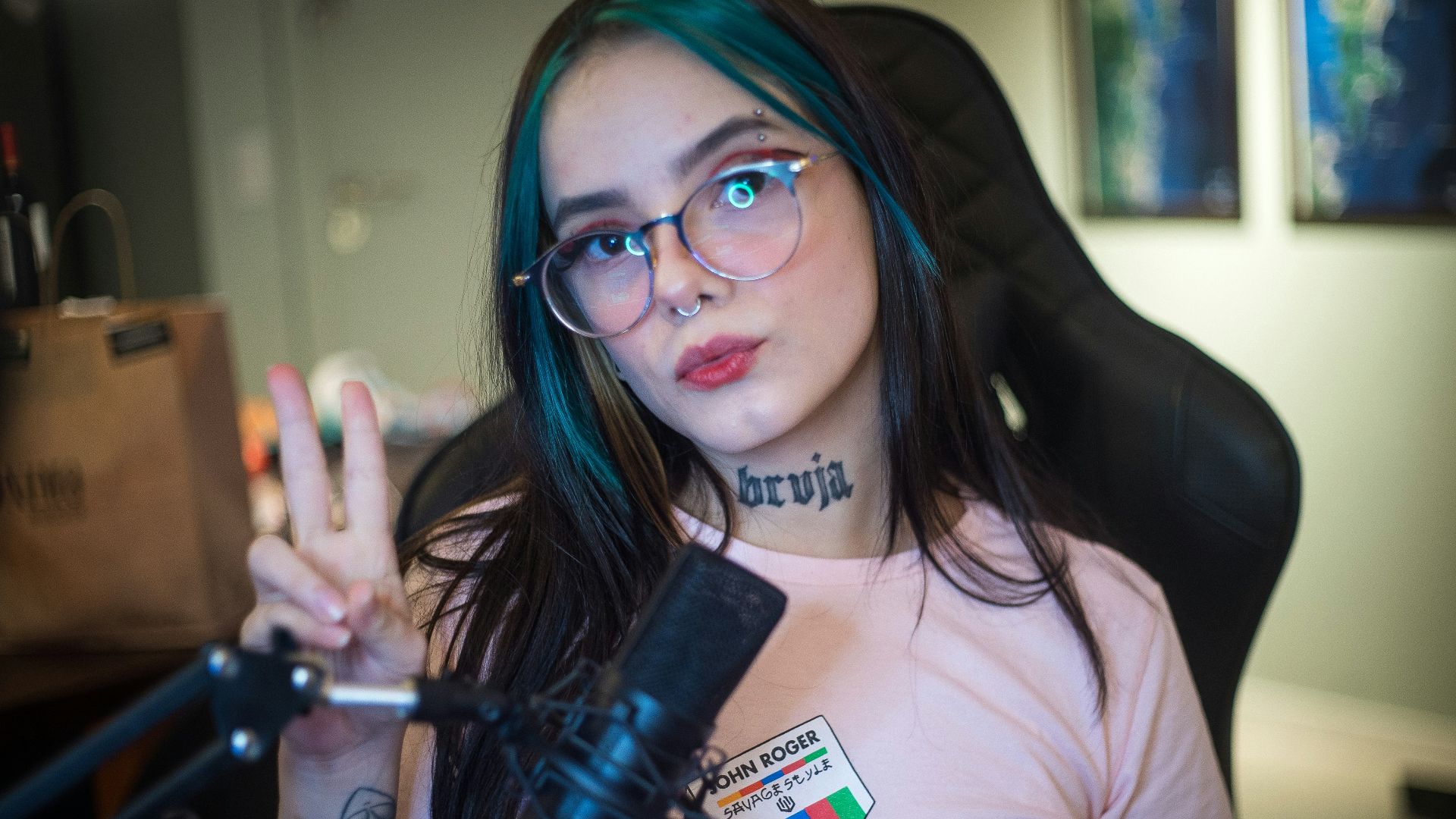
Viewers can tell the difference between being acknowledged and being processed. Streamers who respond with a little specificity, rather than repeating usernames and moving on, make even small interactions feel real. That is often what turns lurkers into chatters over time.

5. Managing Moderation Early
Healthy chats rarely happen by luck. Streamers who set boundaries early, use mods well, and shut down obvious nonsense before it becomes the room’s personality make it easier for normal people to relax and participate. A safe chat is not boring. It is usable.
6. Letting Inside Jokes Grow Naturally
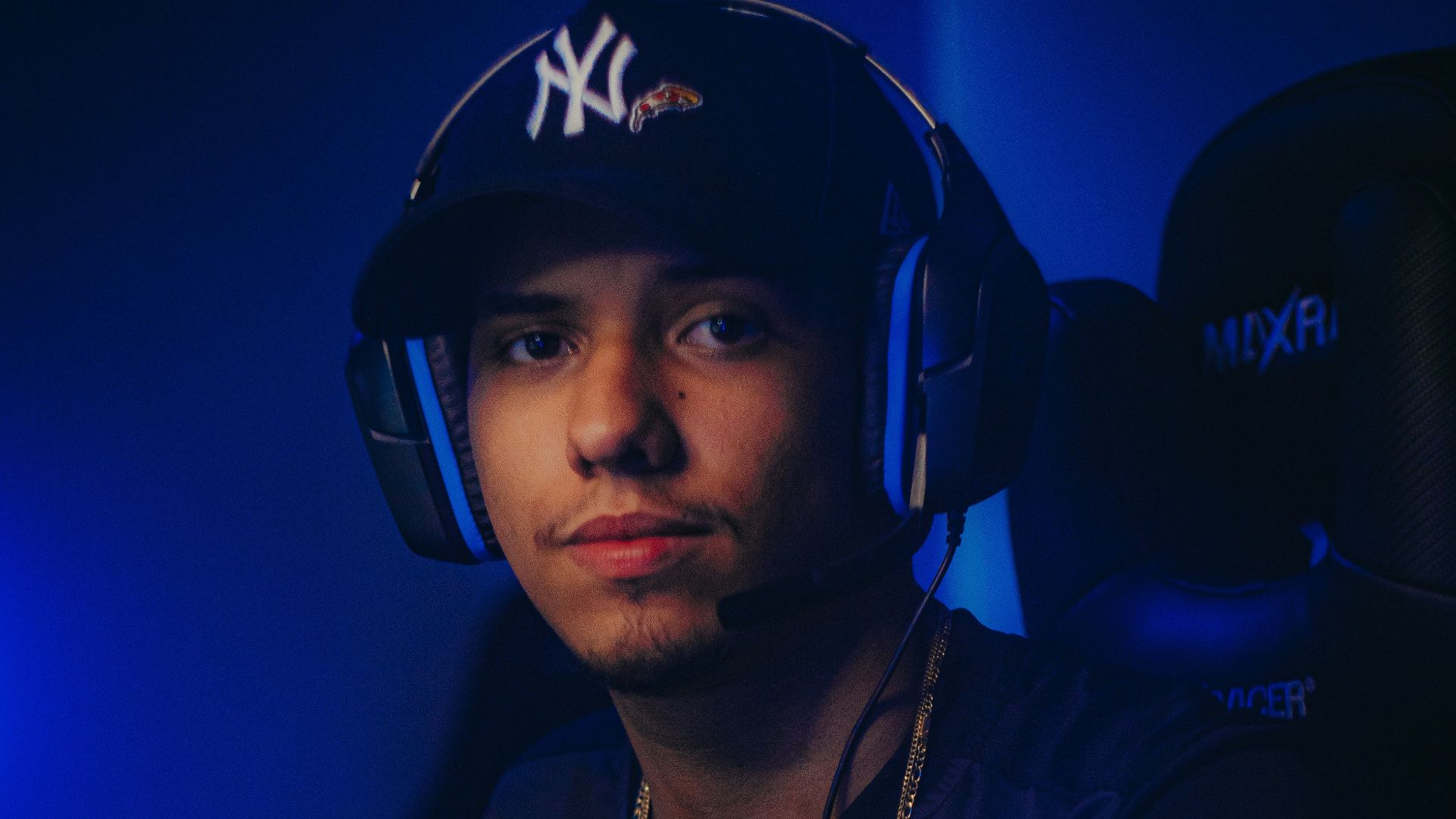
The best channel culture usually comes from repeated moments, not forced branding. A good streamer notices what the community keeps returning to and lets those bits evolve without trying to manufacture every catchphrase or ritual in advance. That makes the culture feel earned instead of pasted on.
7. Having A Reliable Presence
Consistency matters because people build habits around you. That does not just mean going live on schedule, though that helps. It also means showing up with a recognizable energy, so viewers know what kind of experience they are stepping into when they click.

8. Giving Viewers Something To Do
Loyal chats are easier to build when viewers are not just watching passively. Asking opinions, running bits, reacting to chat theories, letting people help with decisions, or simply making room for back-and-forth keeps the channel feeling participatory instead of one-directional.
9. Recovering Smoothly From Quiet Moments
Every stream has slow stretches, awkward pauses, or moments when chat cools off. Streamers who can move through those dips without sounding panicked or defeated keep the atmosphere stable. That emotional steadiness matters more than people realize.

10. Making Appreciation Feel Specific
Generic gratitude is fine, but specific appreciation sticks. A streamer who notices when someone has been around for months, helped the chat, clipped a funny moment, or showed up after a rough day makes viewers feel like their presence actually counts.
A lot of channel decline looks less dramatic than people expect. It is usually not one disaster. Here are ten habits that slowly make the room feel smaller, colder, or harder to enjoy.
1. Only Talking To The Biggest Donors
Nothing flattens a chat faster than making the room feel tiered. When every burst of energy goes to whoever gifted the most subs or dropped the biggest tip, everyone else starts to understand their role very quickly, and it is usually to sit quietly and watch someone else matter.
2. Waiting For Chat To Carry The Stream
A stream dies when the broadcaster expects viewers to generate all the momentum. If the streamer goes silent whenever chat slows down, then every lull gets longer, the pressure on viewers gets heavier, and the whole channel starts to feel like work instead of entertainment.
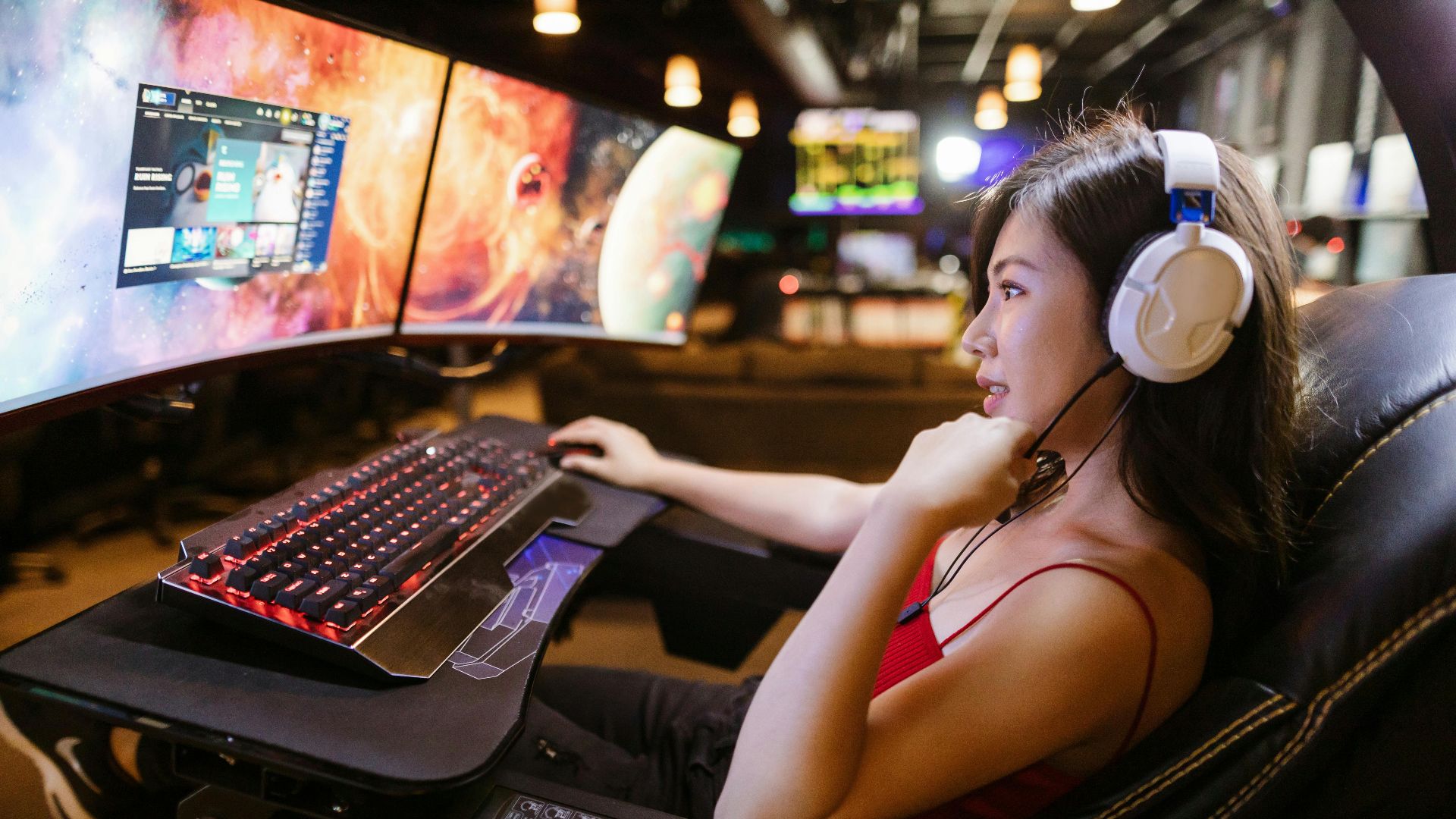
3. Complaining Constantly About Numbers
Occasional honesty is fine, but constant bitterness about low viewers, poor growth, or bad performance changes the whole temperature of a channel. Viewers do not want to feel like they have walked into a live performance review where the main topic is disappointment.
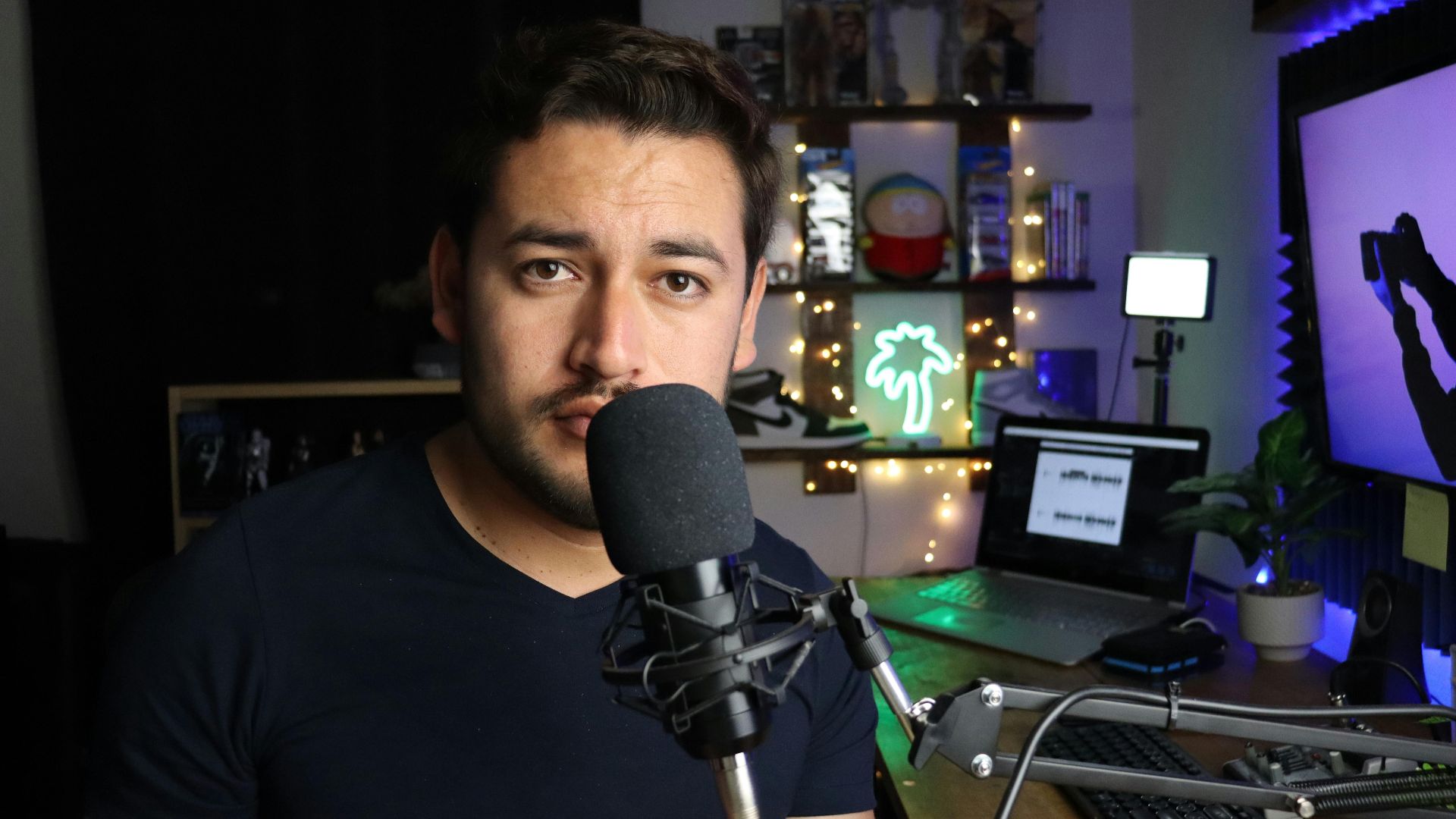
4. Ignoring New Viewers
A lot of streamers get so locked into their existing regulars that new people feel like they are interrupting a private club. Loyal communities still need open doors, and when new chatters are ignored or brushed past, many will simply never try again.
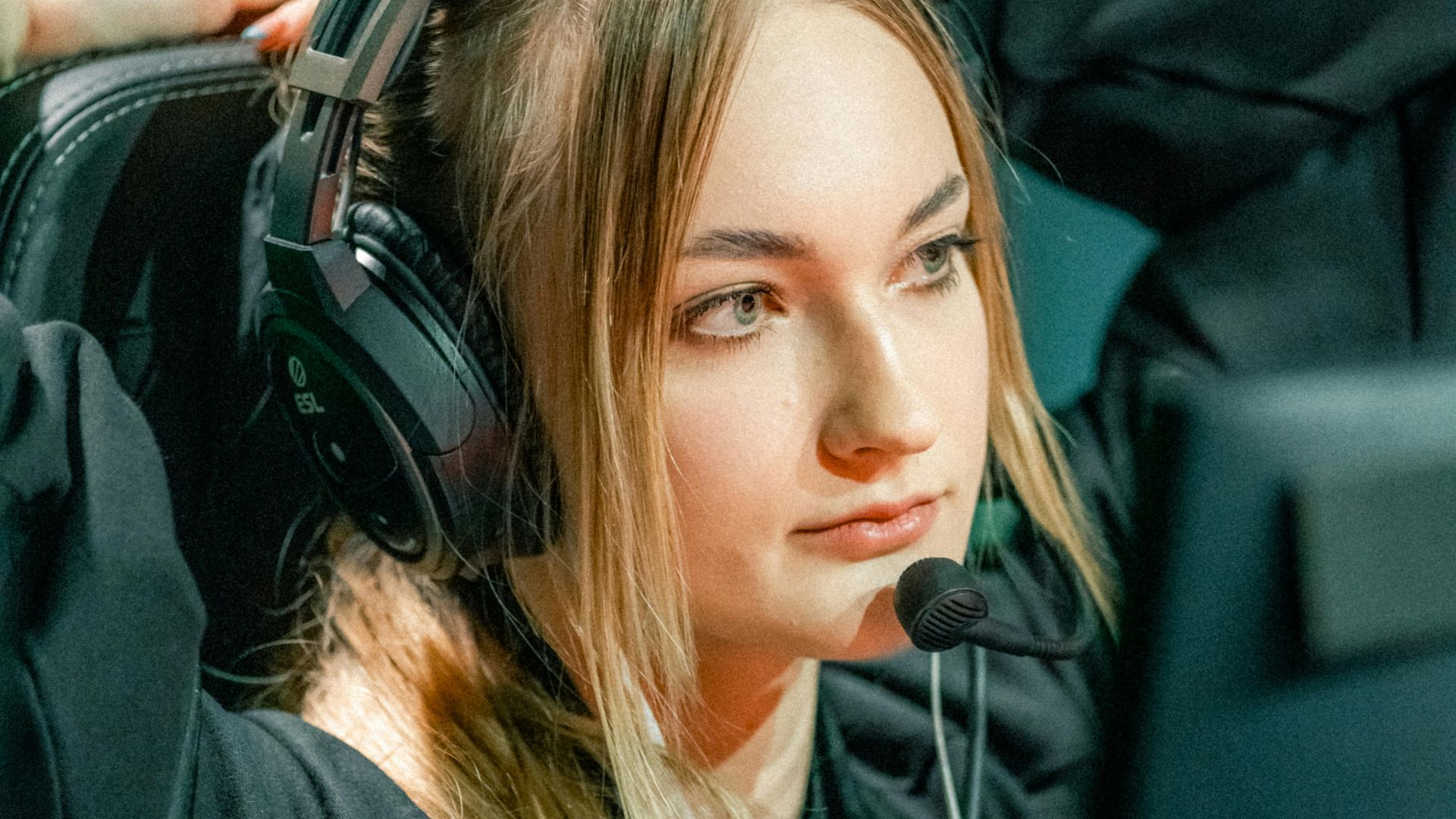
5. Letting One Weird Viewer Dominate Everything
Every chat eventually gets one person who posts too much, steers every topic, or tries to build the whole stream around themselves. If the streamer does not manage that dynamic, the channel starts feeling less like a community and more like a hostage situation with emotes.

6. Faking Energy Too Hard
Forced hype wears people out. Viewers can usually sense when excitement is real and when it is being overperformed in a way that feels anxious, salesy, or exhausting. A steady human presence goes further than nonstop shouting ever will.

7. Making Every Segment About Monetization
There is nothing wrong with subs, bits, sponsors, or reminders. The problem starts when every transition, reaction, or emotional beat gets rerouted into a pitch. Once viewers feel like every moment is being mined for conversion, trust starts leaking out of the room.
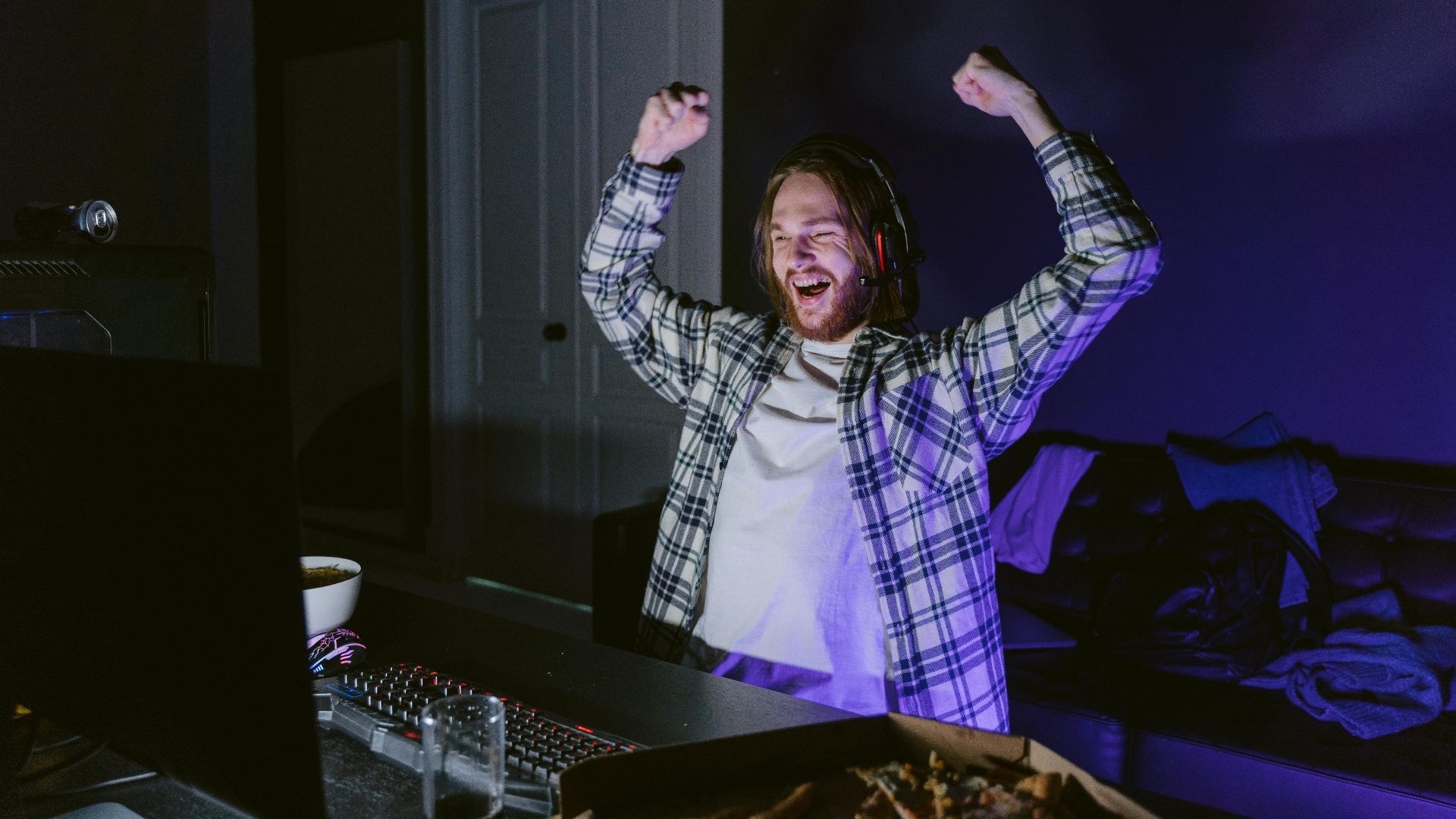
8. Turning On The Audience Too Easily
Some streamers get irritated fast and start treating normal questions, harmless confusion, or mild disagreement like personal disrespect. That kind of defensiveness makes chat tense, because once people think they might get snapped at for saying the wrong thing, many stop speaking at all.
9. Being Inconsistent In A Bad Way
Variety is not the issue. Mood whiplash is. If one stream feels welcoming, the next feels hostile, and the one after that feels half-asleep and resentful, viewers stop knowing what they are signing up for, and uncertainty is bad for habit.
10. Acting Bigger Than The Channel Is
Nothing is more draining than a small stream with the ego of a media empire. When a streamer is visibly dismissive, inaccessible, or too cool to engage while still building their audience, the whole channel can start to feel like a performance of success rather than an actual community people want to join.