Some Complaints Aged Badly. Others Didn't.
Boomer tech arguments usually get flattened into one lazy stereotype. Either they’re baffled by every app update, or they’re off to the side muttering how the internet ruined civilization. A lot of older adults learned email when it was still clunky, adapted to online banking when branches started cutting hours, and figured out smartphones after decades of rotary phones, answering machines, and desktop towers. At the same time, some of their warnings about privacy, notifications, kids on screens, and overhyped gadgets have aged a lot better than plenty of younger people want to admit.

1. They Can’t Learn
This argument falls apart the second you remember how many Boomers had to move from typewriters to IBM PCs, then from paper files to email, then from MapQuest printouts to iPhones. A lot of them didn’t grow up tapping glass screens, sure, though plenty have spent the last 40 years relearning the basics every time work, money, travel, or family life moved online.
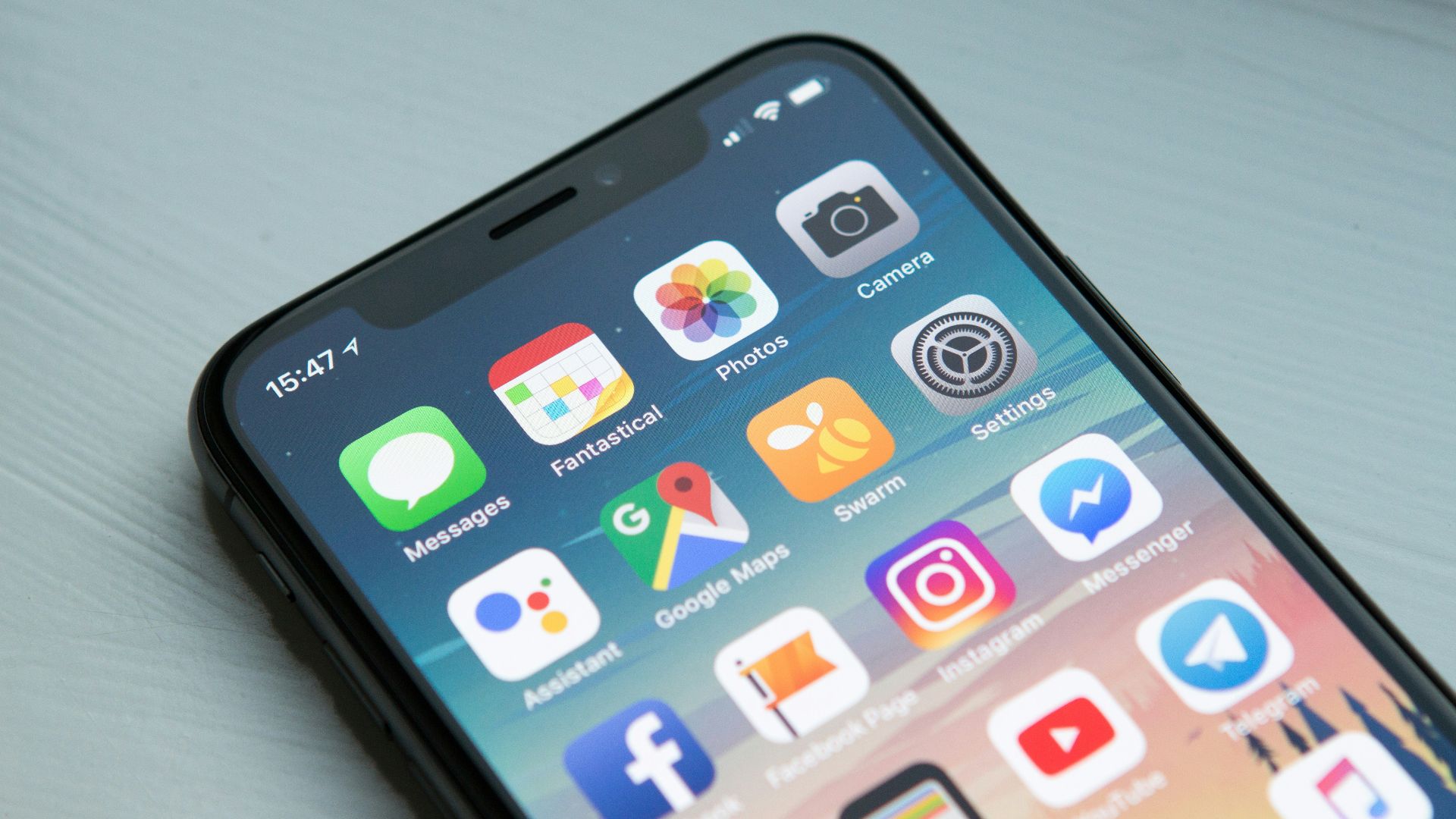
2. Phones Are Too Complicated
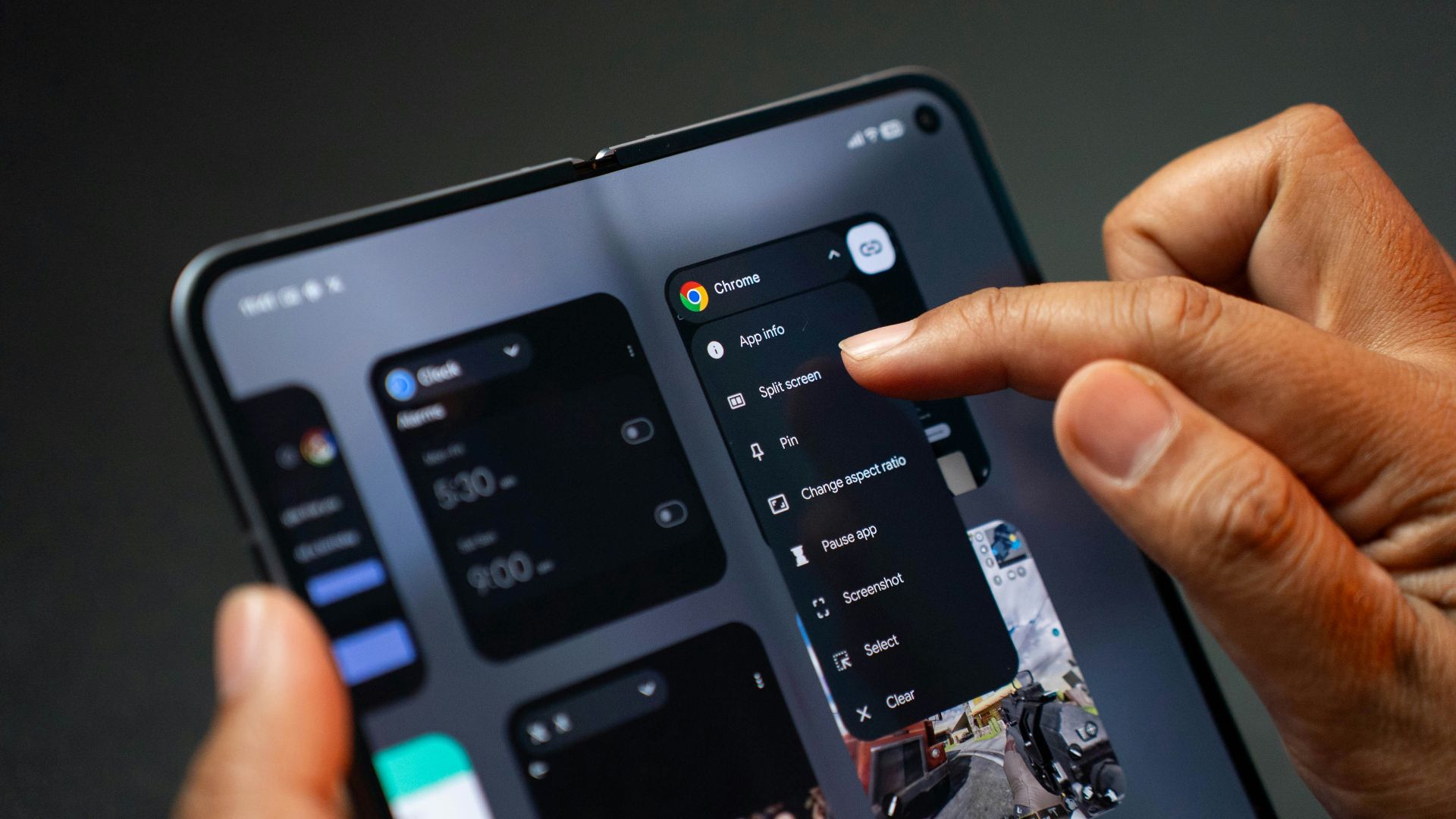
Smartphones can be cluttered, badly designed, and stuffed with software no one asked for, though that’s not the same as unusable. It's often just a matter of taking the time to read the options the phone gives you, or testing out a few buttons for yourself.

3. Phones Are "Just Phones"
This idea hasn’t made sense for years. In 2026, a phone is also your tickets, two-factor codes, grocery list, camera roll, transit pass, medication reminder, boarding pass, parking meter payment, and even a flashlight. Sure, it could be "just a phone" to you, but society has long left that idea in the dust.
4. Instant Experts
A 22-year-old might edit a video on TikTok in under three minutes and still panic when the Wi-Fi drops or the printer starts talking nonsense. Being raised around screens doesn’t automatically make someone calm, capable, or good at troubleshooting when systems break.

5. A Lack Of Support
A lot of support experiences are still frustrating, which is fair. That said, there are plenty of phone lines, in-home setup services, accessibility settings, live chat, screen readers, voice controls, and simpler device modes built specifically for people who want to simplify their tech experience.
 Berkeley Communications on Unsplash
6. Never Making An Upgrade
Yes, boomers do buy new tech. They just tend to wait until the very last second to do so. While it's not a bad thing to wait until you really, really need a new phone, a lot of other tech-related struggles boil down to older or obsolete technology.
7. It's Just For Kids
The idea that social media was just for kids stopped in the mid-2000s. Facebook neighborhood groups, family photos, local event pages, travel tips, gardening communities, church livestreams, and Marketplace listings are full of older users who figured out pretty quickly that social media isn’t only dance videos and bad slang.

8. AI Replaces Everyone
AI is changing work, no question, though whole industries don’t usually transform overnight. Most offices still move through new tools the same way they always have, which is desperately slow and uneven.

9. Gaming Is Pointless
You could argue that first-person shooters don't offer anything to society, but it completely ignores another side of gaming. Plenty of Boomers now play Wordle, Candy Crush, Wii bowling, Mario Kart with their grandkids, or strategy-heavy games that scratch the same part of the brain older hobbies used to.

10. Privacy Was Easier Back Then
Privacy was never spotless in the pre-Internet era. Credit records, mailing lists, workplace files, government records, nosy neighbors, and plain old gossip were all there before apps started harvesting location data. The real change is scale and speed, not the existence of the problem.

1. Wait It Out
This idea has aged beautifully. First-generation foldables, glitchy smart home gear, bug-riddled software launches, and expensive devices all make the wait-and-see approach look pretty smart.

12. Scroll Addiction
They said endless scrolling seemed unhealthy, and they weren’t wrong. Most of us know the feeling now, opening Instagram or TikTok for a minute, then looking up half an hour later.
13. Too Much Screen Time
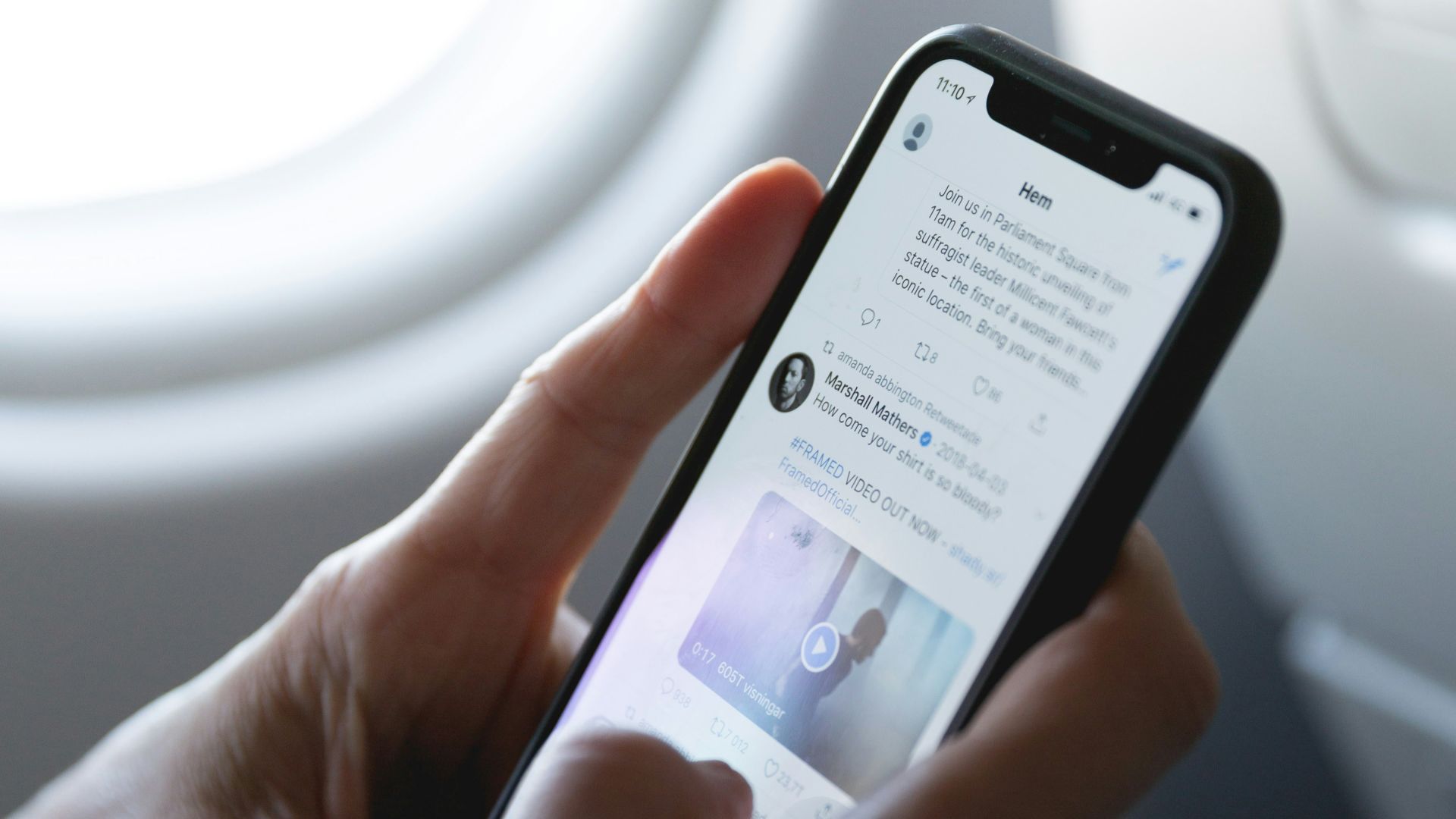
A lot of parents now sound suspiciously like the people they used to roll their eyes at in 2008. Too much screen time makes sleep, attention, and mood worse. Even adults can feel it happen after a long stretch of YouTube, games, group chats, and binging a TV show.

14. Free Isn’t Free
That old suspicion turned out to be pretty accurate. If you’re not paying money, there’s a decent chance you're paying for information.
15. AI Hype
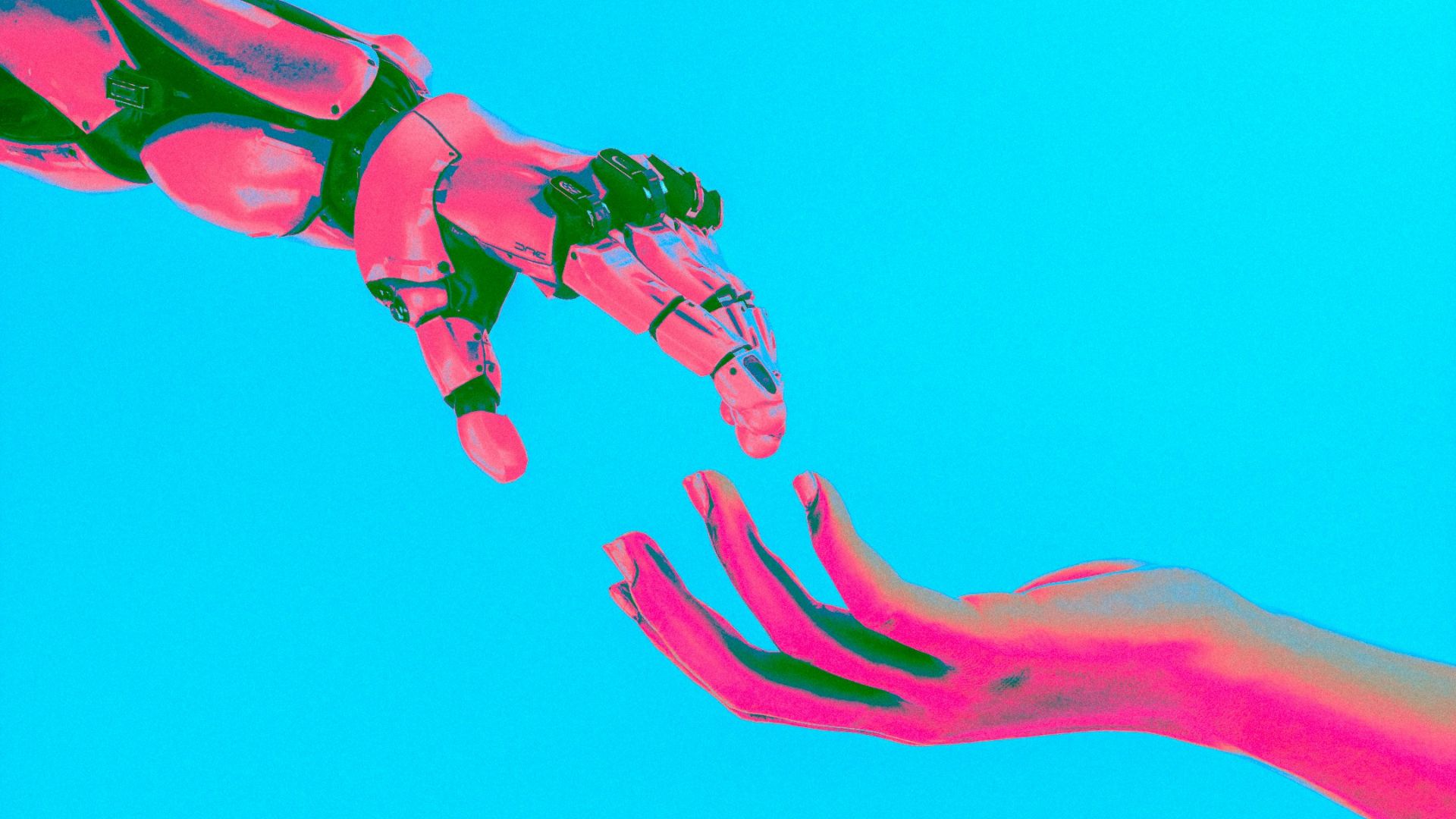
Boomers' side-eyeing tech promises weren’t always about being stubborn. Again, some AI tools are useful, but they're not perfect. There's still a lot to be wary of with this next generation of software.
16. Notification Overload
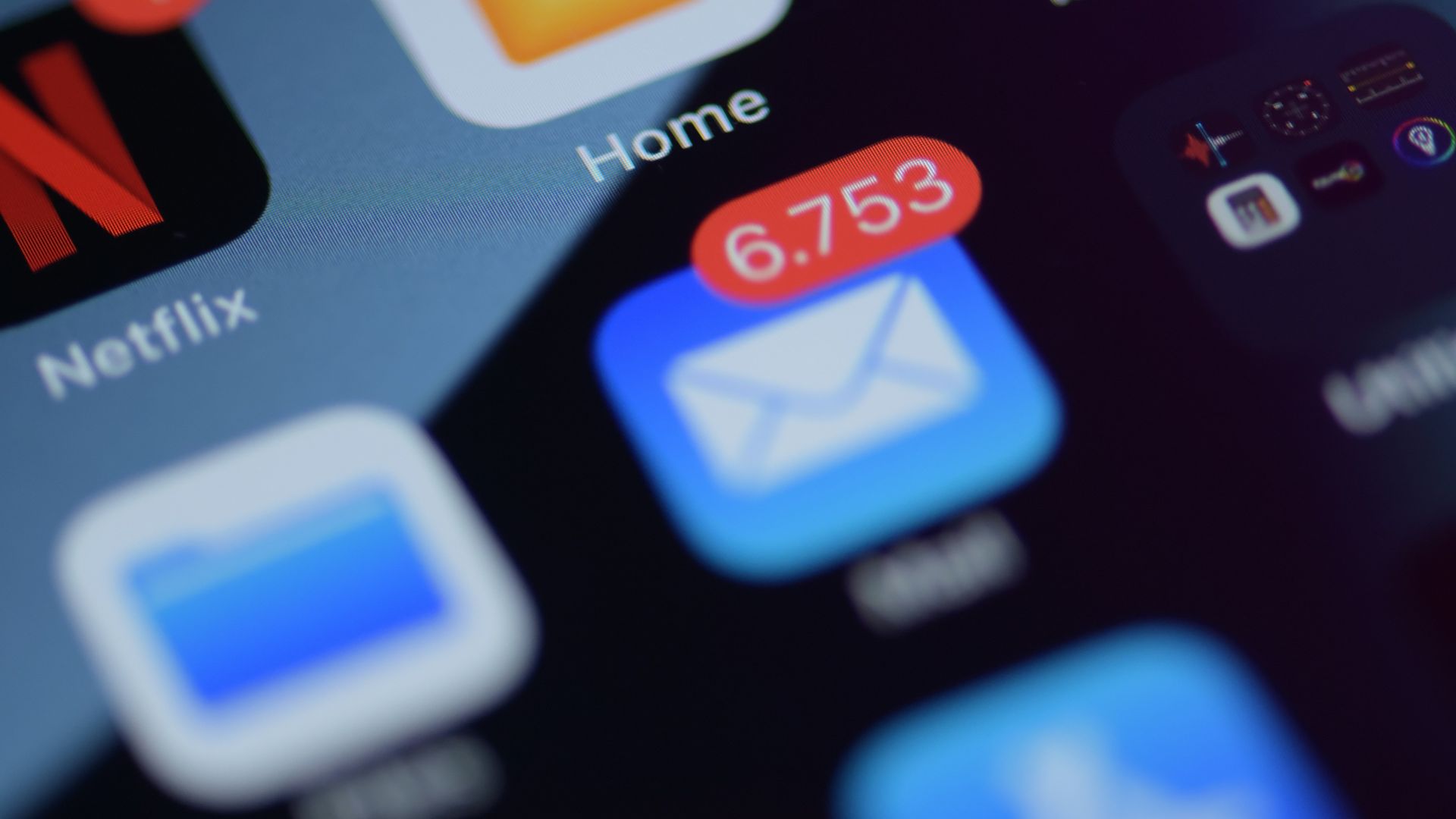
That’s one of the easiest ones to prove in daily life. A phone buzzing with Slack, texts, news alerts, package updates, calendar nudges, sports scores, and an app reminding you to drink water can break your attention so often that even small tasks start feeling exhausting.
17. Keep The Disc
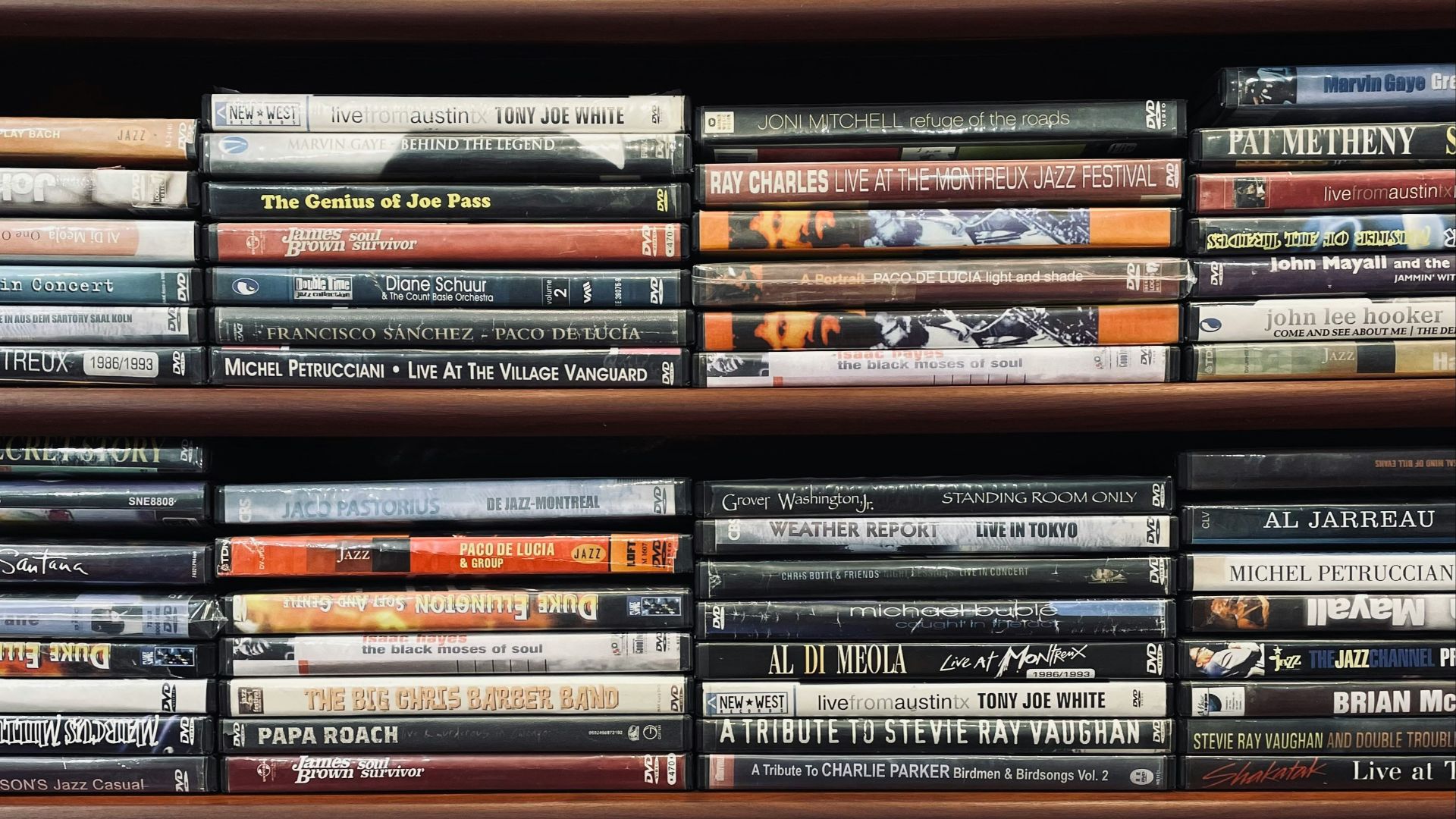
Streaming is convenient, right up until a movie disappears, a show changes platforms, or your Wi-Fi goes down. A DVD shelf, a stack of game discs, or a downloaded music folder still offers a kind of reliability that cloud services can’t promise.
18. Cash Still Helps
Digital payments work 99% of the time, but there are plenty of problems that come up with being 100% cashless. A network or terminal error, extra fees, or even cash-only locations like the farmers market throw your digital wallet to the wind.

19. Real Life Wins
Video calls helped a lot of people through lonely stretches, especially throughout the pandemic. Even so, most of us know there’s a difference between a Zoom square and sitting across from someone at a kitchen table, hearing the side comments, the pauses, and the little human details that never translate through the camera.

20. Keep It Simple
A clean app that does one job well often survives longer than the one trying to be your planner, your therapist, your social network, your shopping assistant, and your life coach all at once. Once you’ve watched a perfectly useful app get redesigned into clutter, it gets a lot easier to admit they had a point.