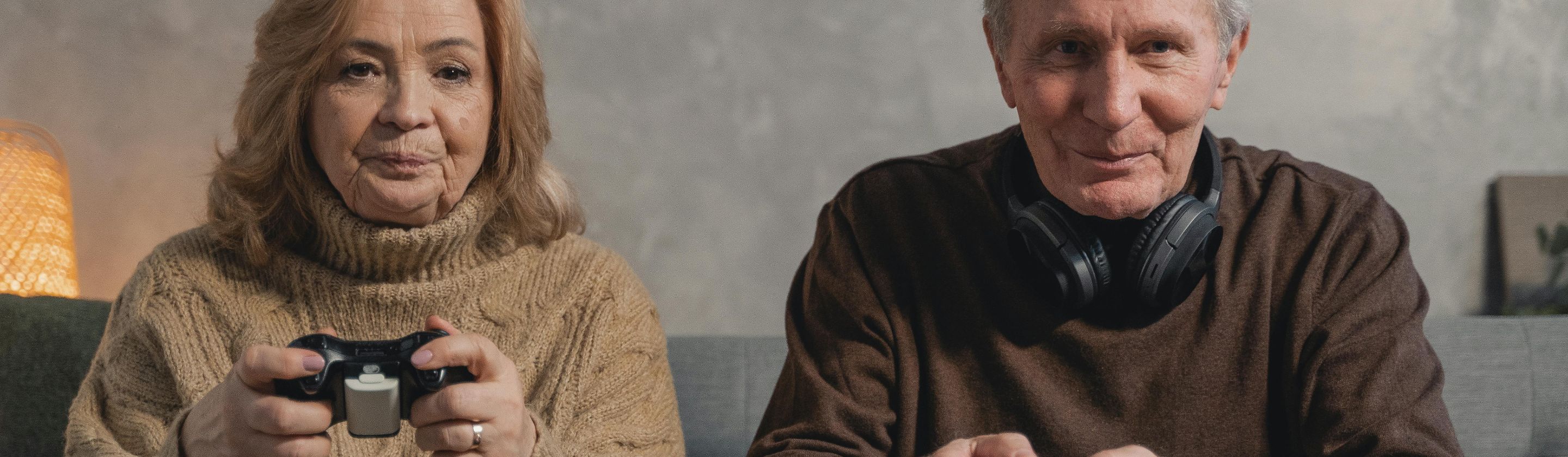
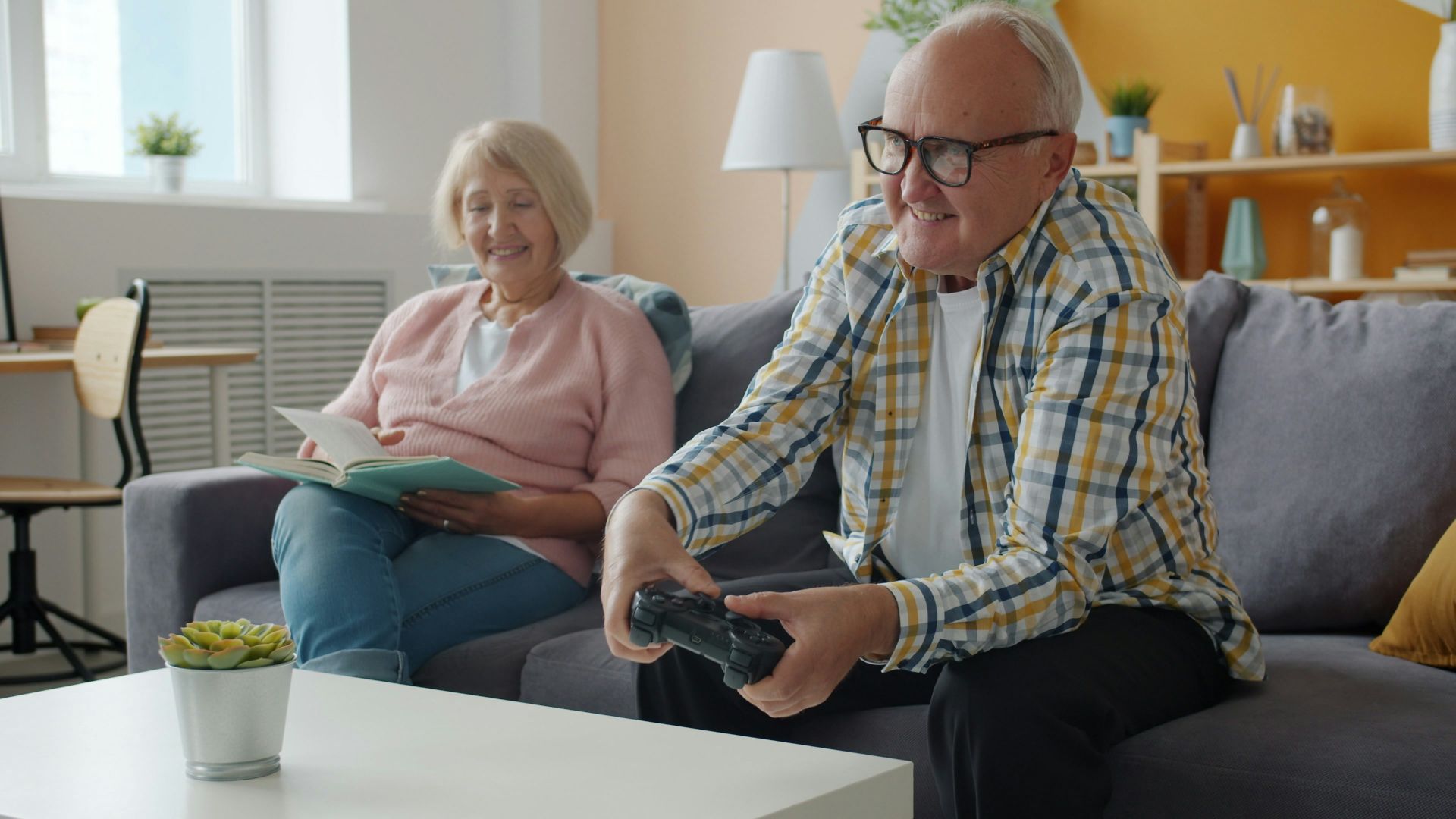
Gaming still gets talked about like it belongs to younger people, yet the research around older adults has gotten a lot more interesting. For seniors, games can be a low-pressure way to stay engaged, challenge the brain, and make daily routines feel a little less flat. The evidence is not a blanket promise that every game helps in every situation, though several studies and reviews do show real benefits in cognition, mood, social well-being, and some areas of physical function.
That more careful framing matters. The strongest results tend to show up with structured cognitive training, serious games, and exergames, which are games that mix play with physical movement. Researchers have also been clear about the limits, including technology barriers, variation in study quality, and the fact that some results are promising rather than settled, as covered in the UCSF NeuroRacer research, the JMIR review on serious games, and the Healthcare review on exergames.
Games Keep The Mind Active
One reason games can matter for seniors is pretty simple: a good game gives the brain something to do. Attention, memory, reaction time, planning, and problem-solving can all get pulled into the mix, which makes gaming more than a way to fill an hour before dinner. That does not mean every little app on a tablet suddenly counts as cognitive training, though the better-designed studies do show that certain kinds of play can sharpen specific mental skills, as seen in the NeuroRacer study.
The clearest example is the UCSF NeuroRacer study published in Nature. In that study, older adults trained on a custom three-dimensional multitasking game for about 12 hours over a month, and the researchers found gains in multitasking, sustained attention, and working memory that were still detectable six months later. UCSF’s summary of the work also reported that the trained older adults improved enough to outperform untrained people in their 20s on the multitasking measure used in the study, which is a pretty striking result even if you are not usually impressed by lab findings from a screen.
The safest takeaway is not that seniors need one magic game or that every kind of gaming does the same thing. What the research supports is a little more grounded than that: mentally demanding play seems to work best when it stays challenging without turning frustrating, and when people come back to it often enough for the training to stick. That is actually encouraging, because it leaves room for games to feel enjoyable and useful at the same time, which is usually how habits survive real life.
Supporting Mood And Social Connection
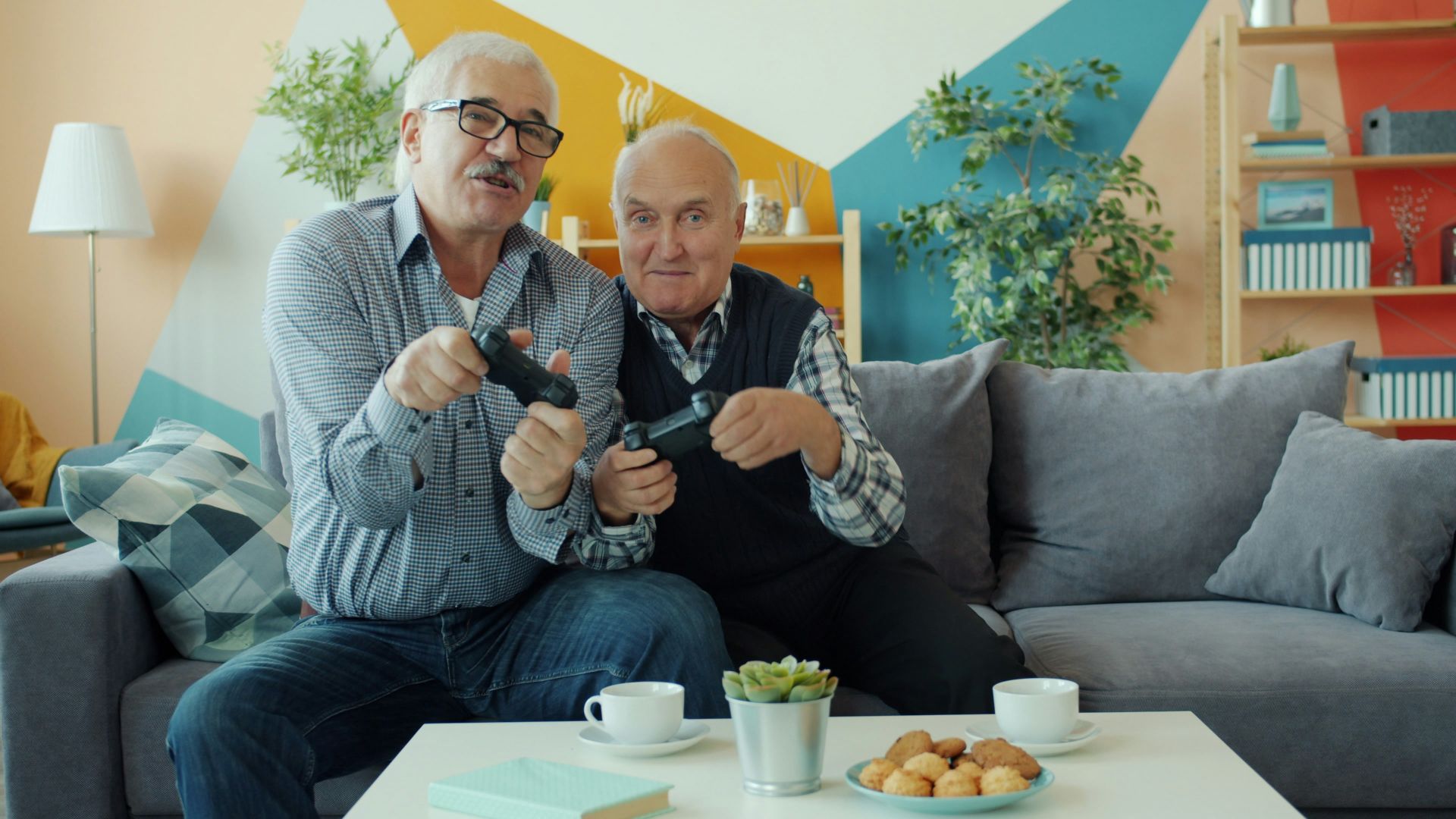
Aging can make social life feel smaller in ways that creep up on people. Friends move, health changes, driving gets harder, and the routines that once made connection easy do not always hold together forever. A shared game cannot solve loneliness on its own, though the research on exergames does point to promising improvements in social well-being, including reduced loneliness, increased social connection, and more positive attitudes toward others, as reported in this JMIR review.
Mood is another place where the evidence is stronger than a lot of people might expect. A 2022 systematic review and meta-analysis in JMIR Serious Games looked at 17 studies involving 1,280 older adults and found that serious games reduced depression symptoms overall, with a standardized mean difference of negative 0.54. The same review found that games involving physical activity had particularly meaningful effects, which makes sense, really, because movement and play together can do more for a person’s mood than sitting alone with one more passive distraction.
This side of gaming matters because it offers more than just a way to stay busy. A game can create small goals, routine, shared wins, and that nice little feeling of progress, and those things carry more emotional weight than people sometimes admit. Researchers in the depression review also pointed out practical barriers, including technology use, device cost, and physical discomfort in some cases, so the best results are likely to come from games that are easy to access and comfortable to play, not systems that feel like one more headache.
Games Encourage Movement And Confidence
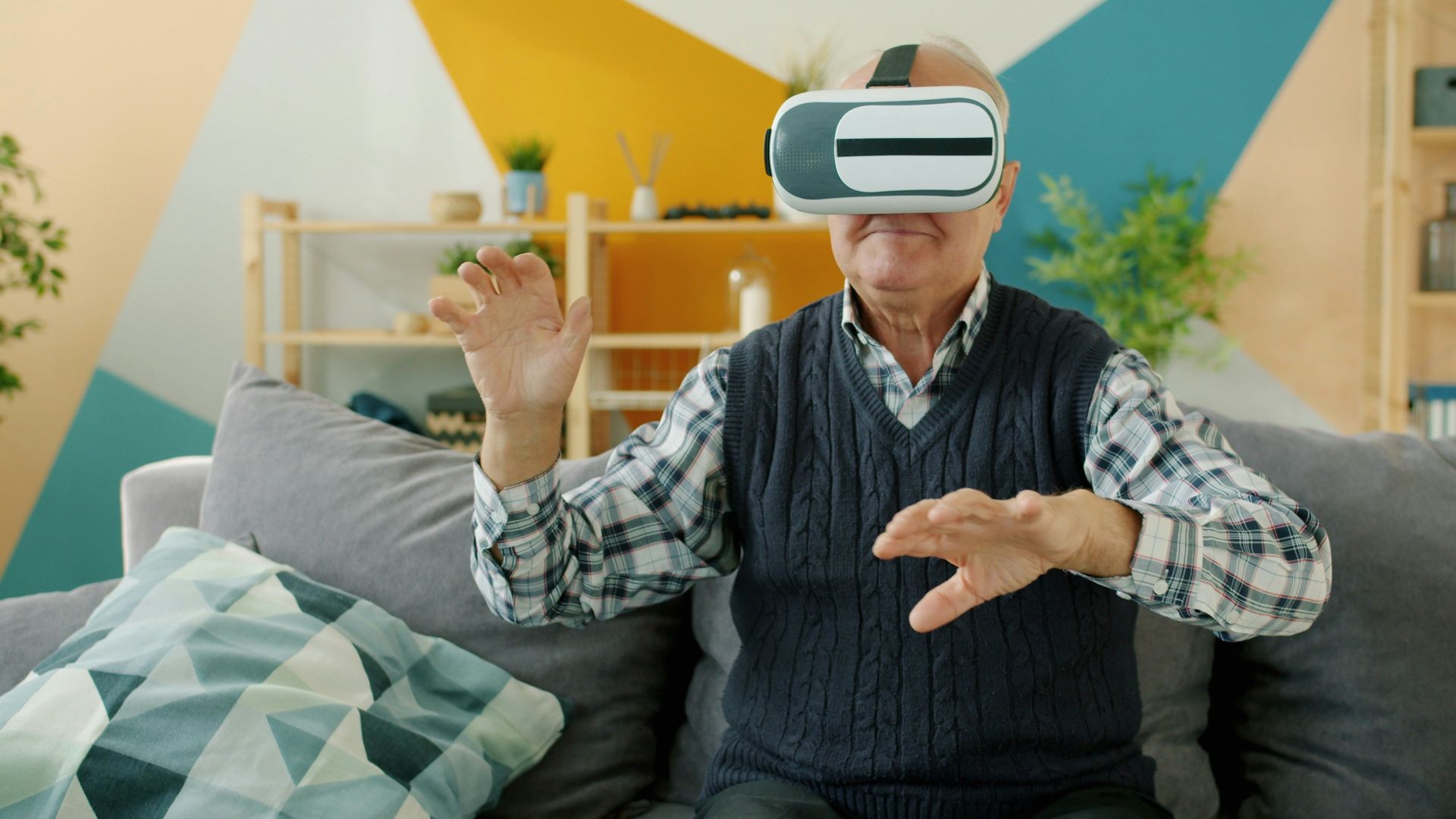
The physical side of gaming is where exergames really stand out. A 2023 systematic review and meta-analysis in Healthcare looked at 20 studies in adults over 60 and found significant improvements in balance measures and fall-risk outcomes in exergame groups compared with controls. That is encouraging for pretty obvious reasons, because balance and fall risk are tied so closely to independence, confidence, and everyday safety.
This is also where the wording needs to be careful and clean. The same review found low certainty of evidence for balance and fall-risk outcomes, and the authors reported that 30.83% of the extracted risk-of-bias information was rated high risk. So the results are promising, yes, though they are not the kind of evidence that supports huge sweeping claims, miracle language, or any of the usual internet nonsense that shows up the second a health topic gets popular.
Even with those limits, the bigger picture is still pretty encouraging. The exergame review reported an overall adherence rate of 85.72%, which suggests many older adults will stick with game-based movement programs when the setup feels manageable, and the JMIR depression review found that community and home settings worked well for serious games. Put all of that together, and the conclusion is refreshingly practical: for seniors, gaming can be a useful part of healthy aging when it is approachable, repeated over time, and matched to what a person can actually enjoy doing.