New Words That Comics and Cartoons Gave Us
When most people think about comic books and cartoons, they picture colorful heroes, memorable characters, dramatic scenes, and villains with elaborate schemes for world domination, but the influence they have stretches well beyond those illustrated or animated panels. Over the decades, writers and artists working in the medium have contributed a remarkable number of words and phrases to the English language—many of which you use regularly without ever thinking about where they came from. From "kryptonite" to "Cowabunga" and everything in between, these 20 words were all either coined or popularized by comics and cartoons.
1. Kryptonite
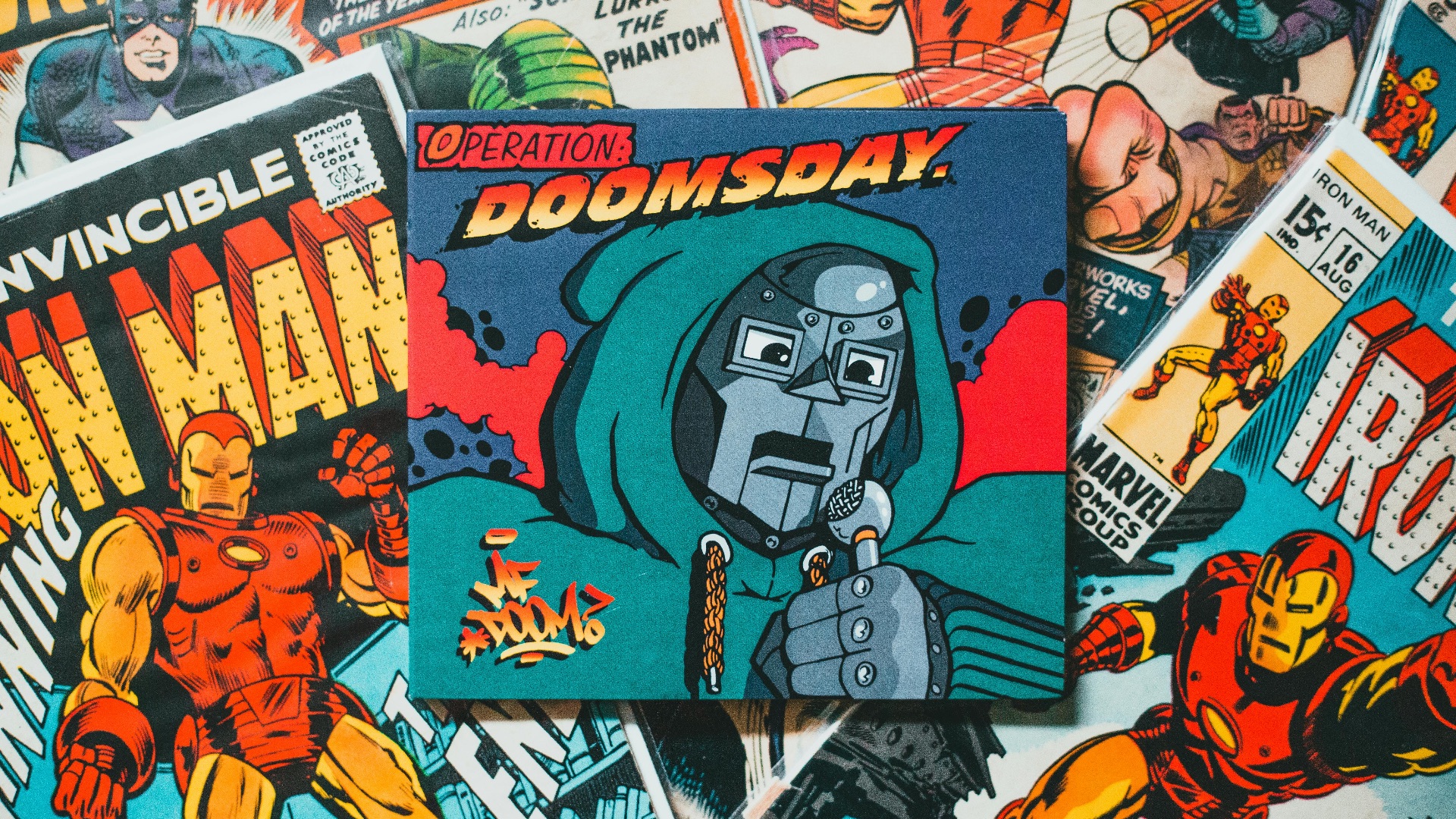
Kryptonite made its first appearance in The Adventures of Superman radio show in 1943 before showing up in the comics in 1949, where it was established as the one material capable of weakening the otherwise invincible Man of Steel. The word itself was built from "Krypton," the name of Superman's home planet, combined with the standard mineral suffix "-ite." It's now one of the most universally recognized terms in the English language for describing a person's fatal weakness, and you'll hear it everywhere from sports broadcasts to job interviews.
2. Whammy
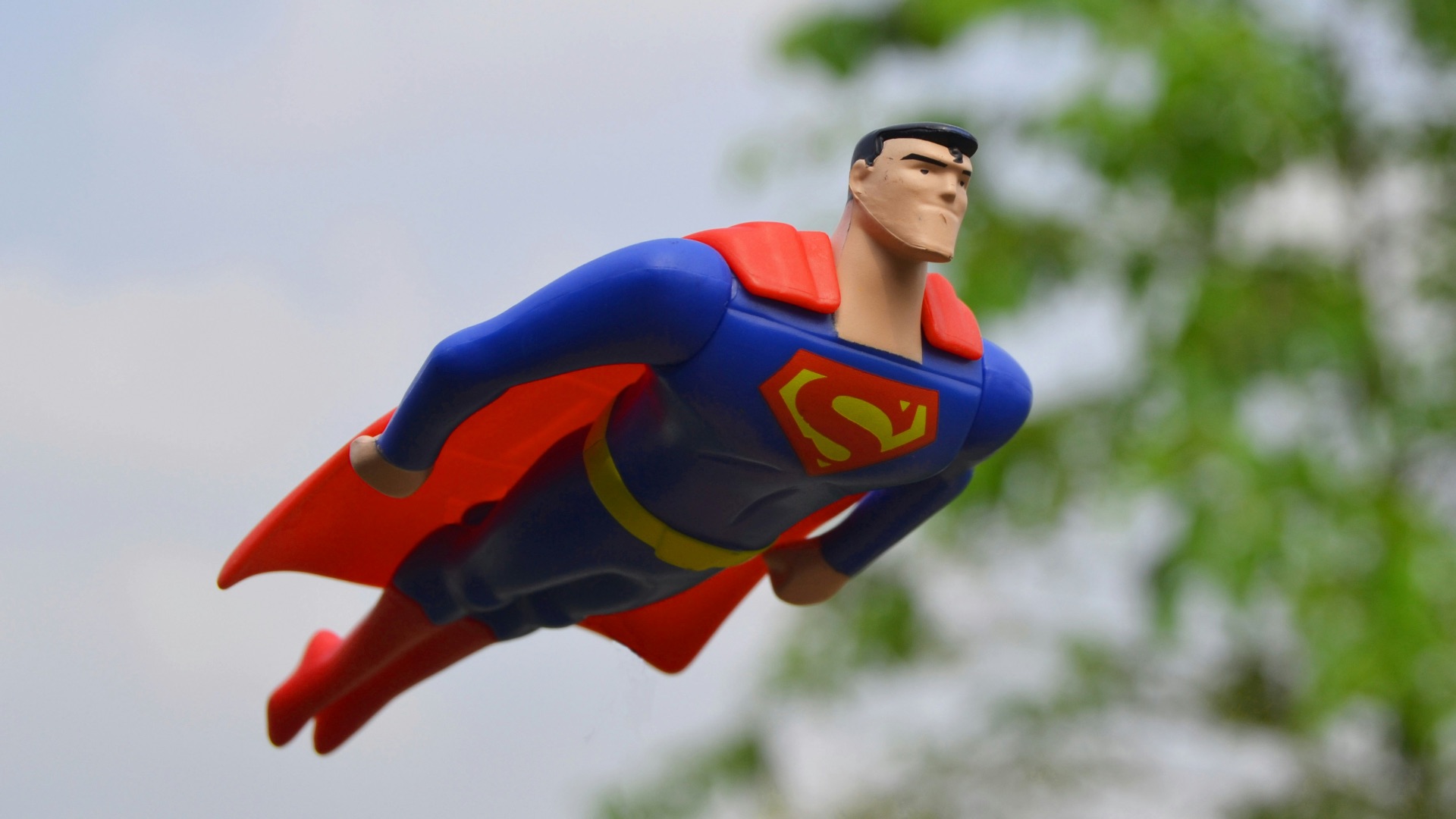
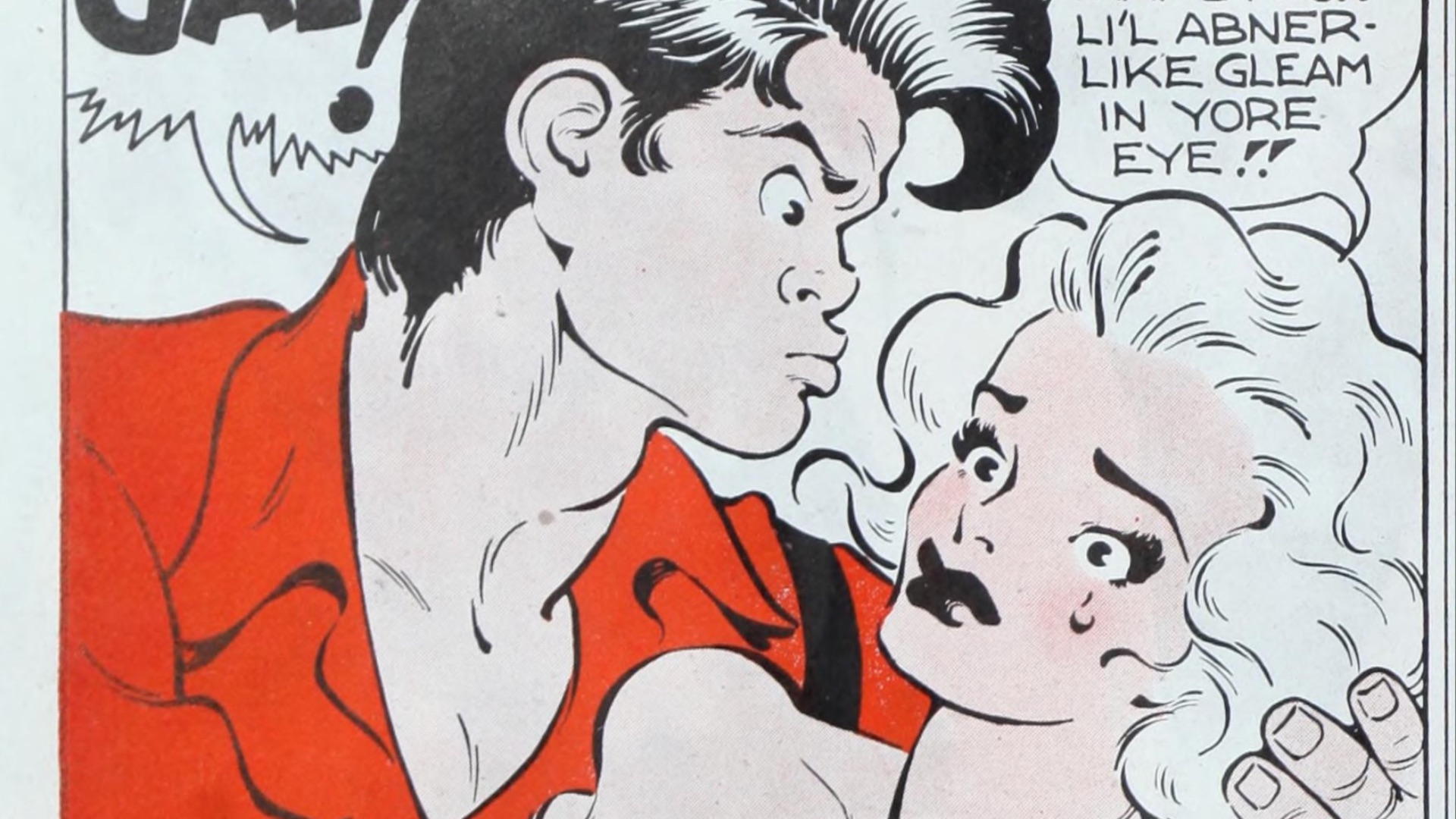
Al Capp's long-running comic strip Li'l Abner is responsible for launching the word "whammy" into popular speech, thanks to a recurring character named Evil Eye Fleegle who could put a devastating curse on anyone simply by pointing at them. The strip ran from 1934 to 1977 and gave readers both the "whammy" and the even more catastrophic "double whammy" as Fleegle deployed his powers with gleeful abandon. Both expressions stuck around long after the strip ended, and you'll still hear them used today whenever someone's on a particularly bad streak of luck.
 Internet Archive Book Images on Wikimedia
3. Goon
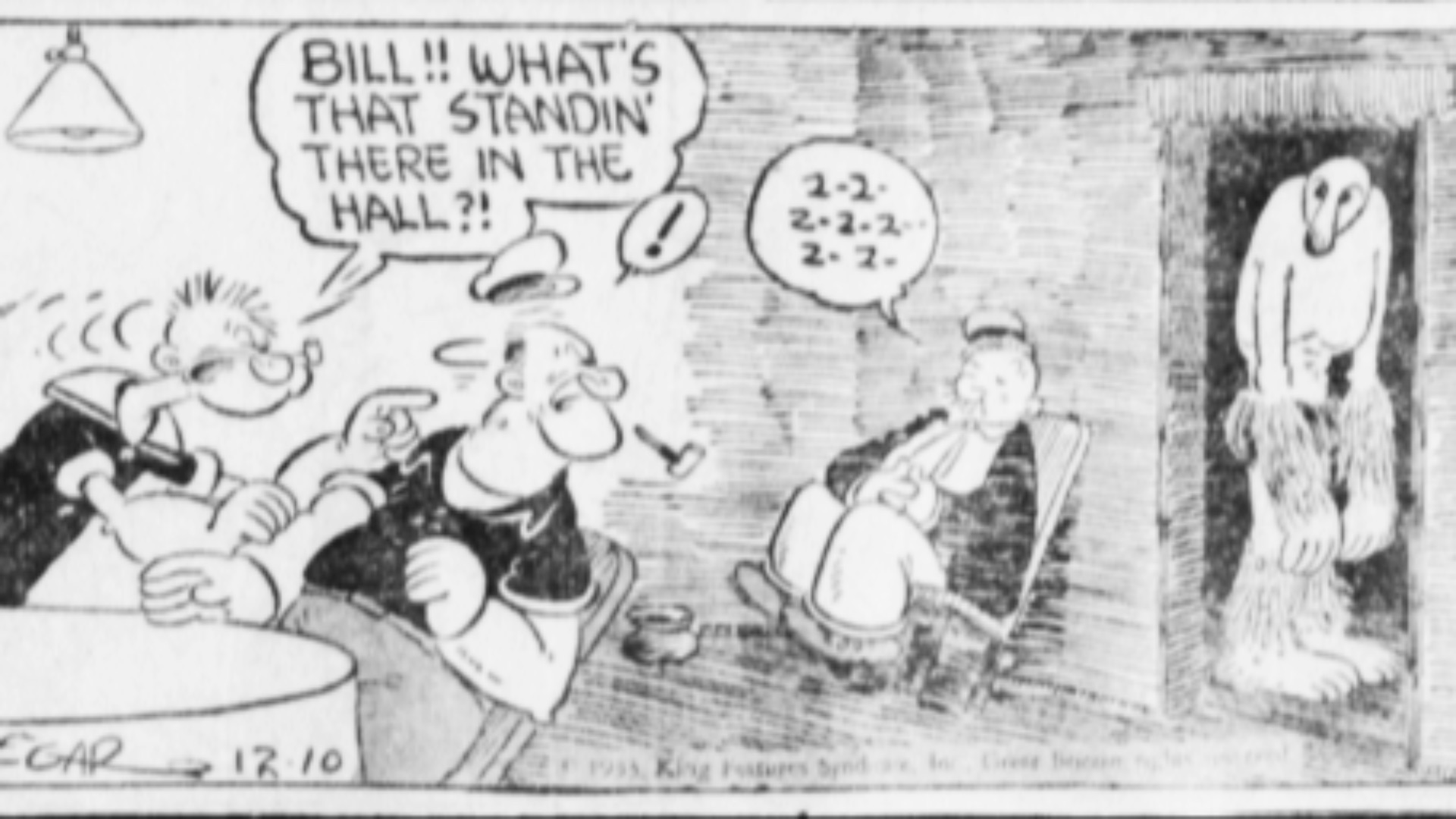
E.C. Segar's Popeye comic strip introduced the world to Alice the Goon in 1933, a large, brutish character whose name helped reshape the word's meaning in everyday English. While "goon" had floated around in some earlier usage, Segar's character gave it the specific association with a dim-witted hired muscle type that persists to this day. It's now a staple of crime dramas, comedy, and casual conversation whenever someone needs a word for a particularly menacing but not-too-bright henchman.
4. Jeep
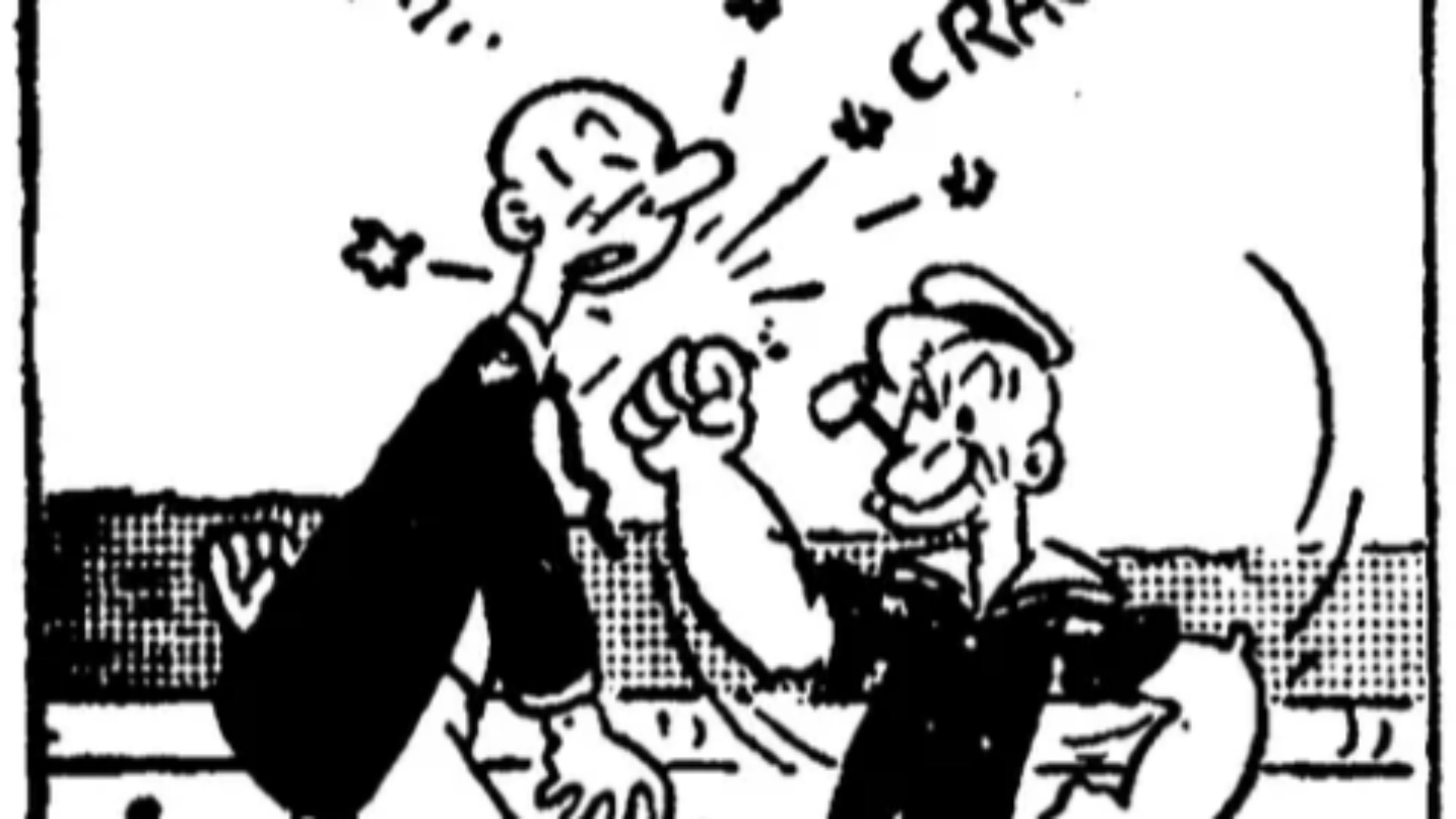
The Jeep, one of the most iconic vehicles in American history, actually takes its name from a creature in the Popeye comic strip rather than any military acronym. E.C. Segar introduced Eugene the Jeep in 1936 (a small, magical animal with the ability to do almost anything), and World War II soldiers reportedly borrowed the name for the Army's versatile new vehicle. It's one of the stranger origin stories in automotive history, and it all traces back to a comic strip about a sailor with abnormally large forearms.
5. Twitterpated
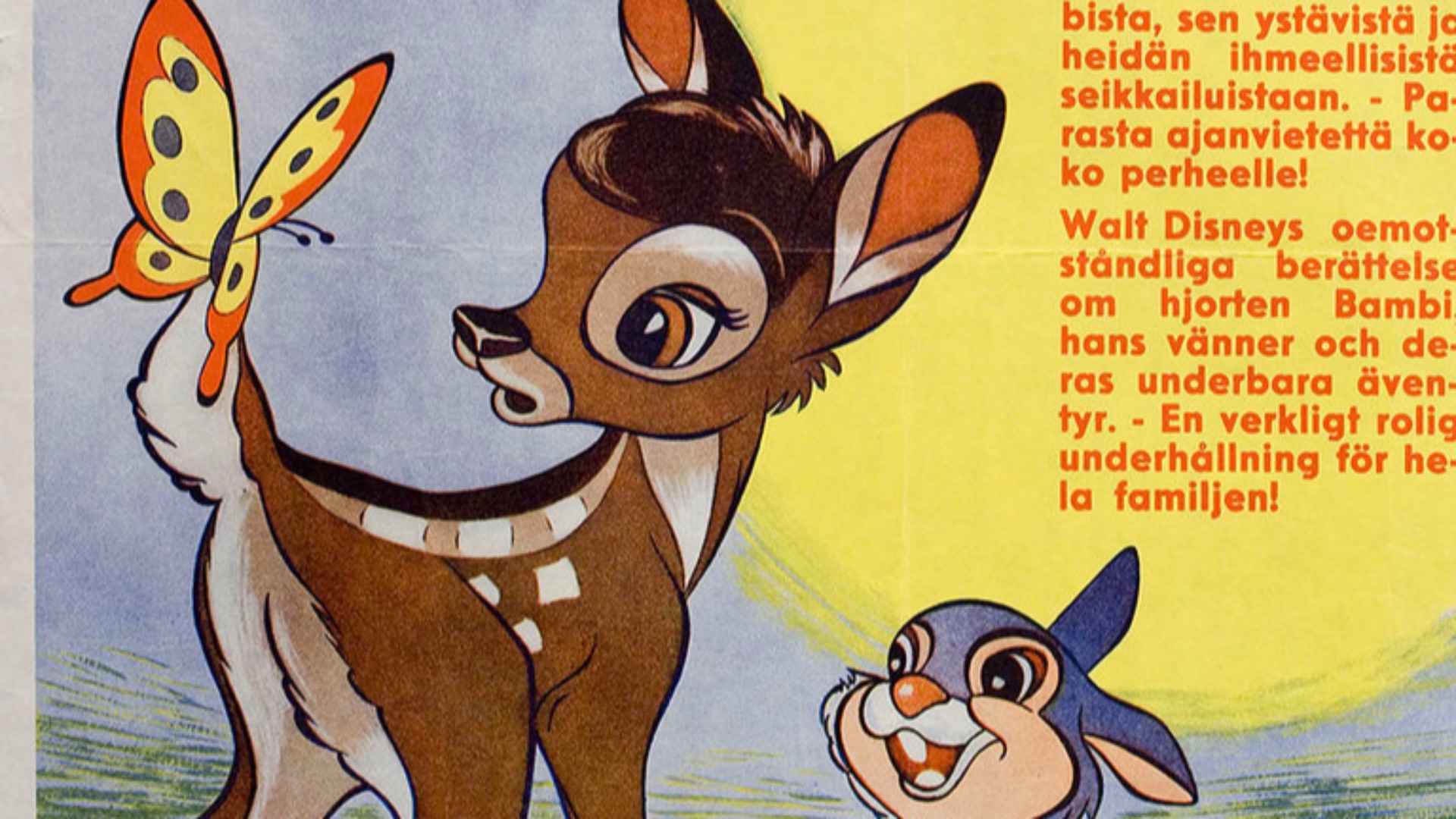
"Twitterpated" made its debut in Disney's 1942 animated film Bambi, when the wise Friend Owl warns Bambi and Thumper about the dizzy, disorienting feeling that comes with falling head over heels in love. The word was built from "twitter," which had carried the meaning of tremulous excitement since the 1670s, and "pate," an old-fashioned word for the top of one's head, so to be "twitterpated" is essentially to have your head completely scrambled by romantic feelings.
6. Good Grief
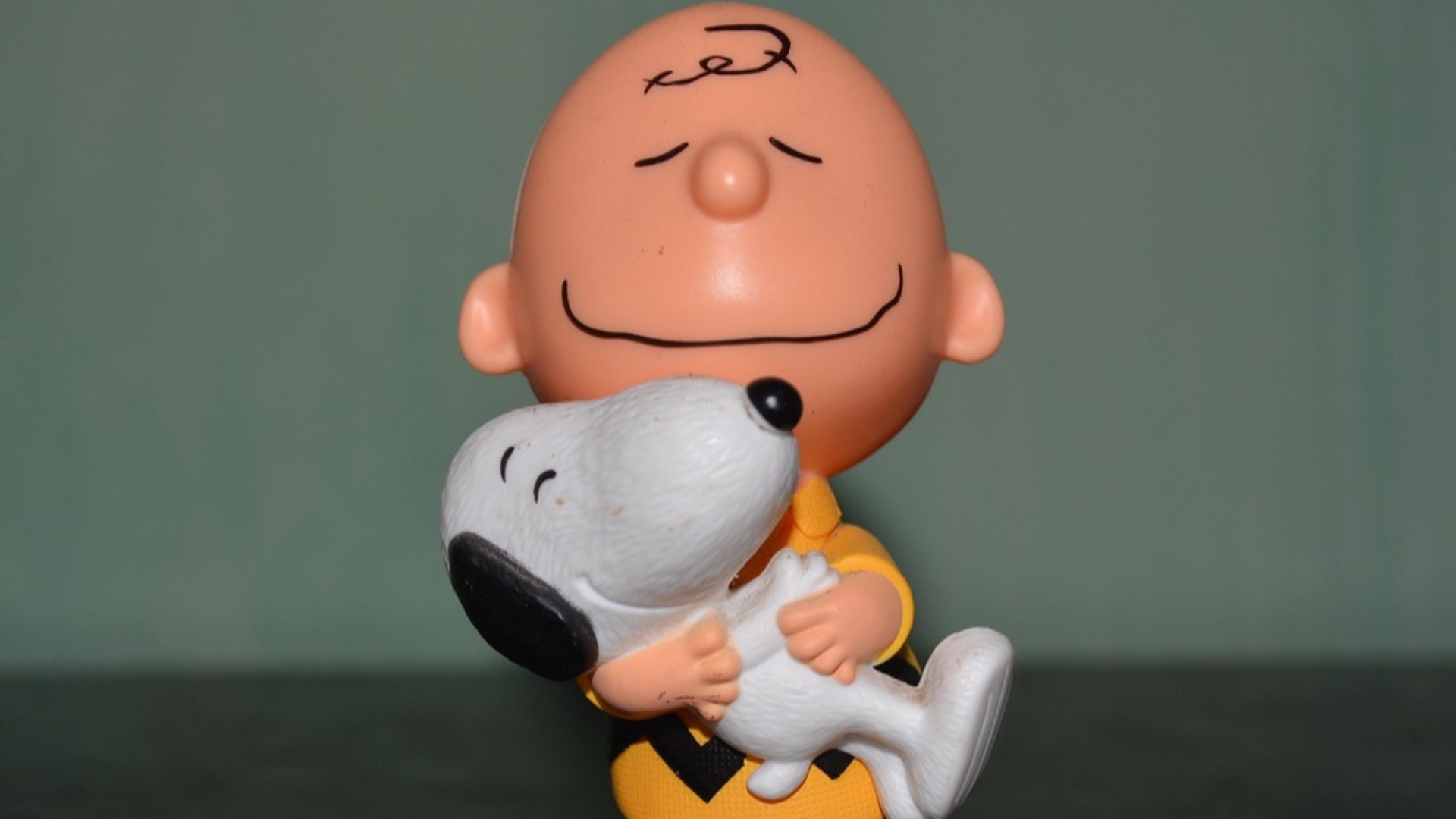
Charlie Brown's go-to expression of exasperated disappointment became a fixture of American speech thanks to Charles Schulz's Peanuts comic strip, which debuted in 1950. Schulz leaned into the phrase repeatedly over the strip's 50-year run, giving it a specific emotional texture tied to Charlie Brown's perpetually deflated worldview. Even people who've never read a Peanuts strip know exactly what you mean when you say it, and that's a testament to how deeply the strip embedded itself in the culture.
7. Malarkey
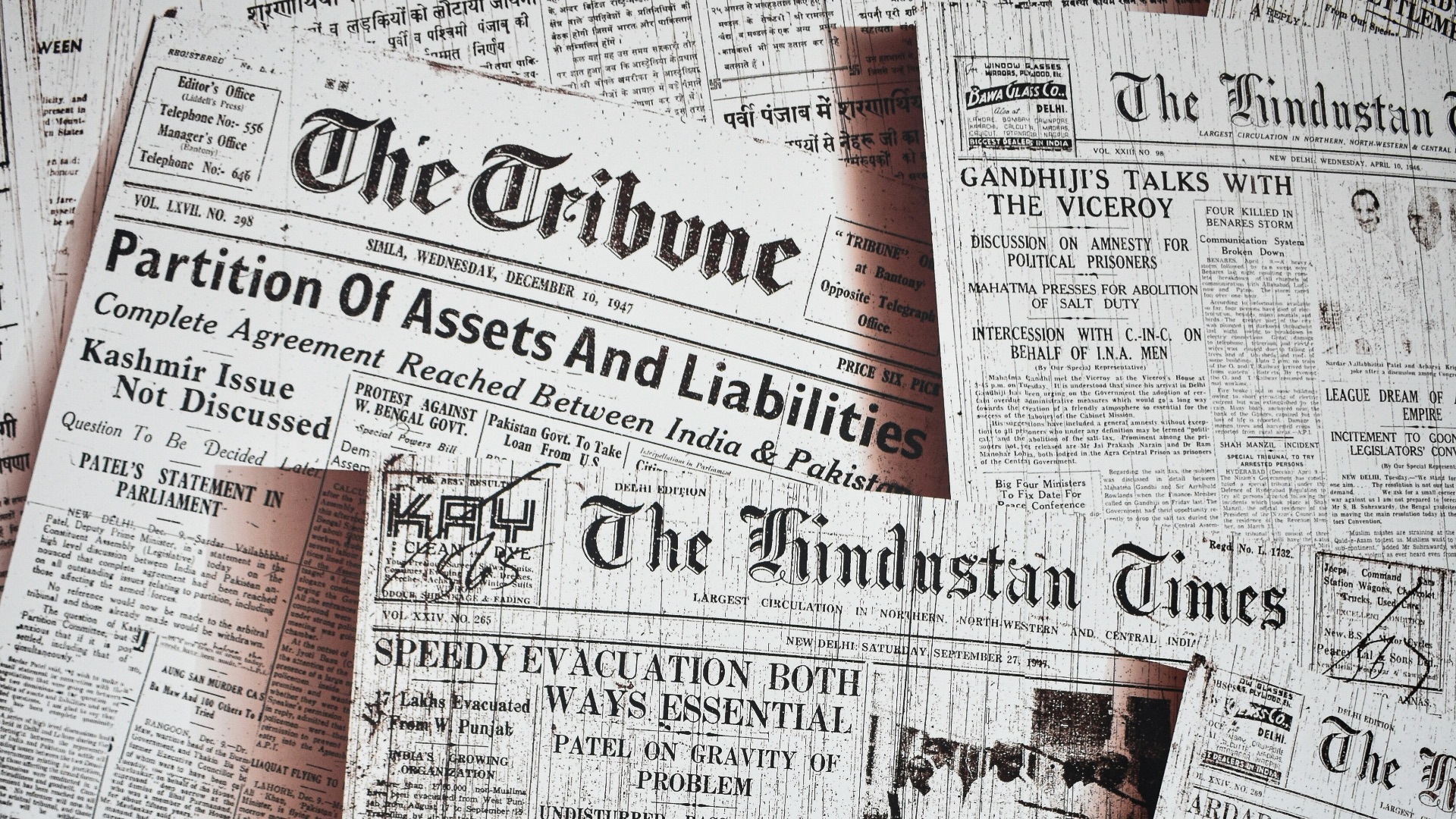
Newspaper comic strips of the early 20th century were a hotbed for colorful American slang, and "malarkey" (or "malarky," used to dismiss something as pure nonsense) became one of the era's most enduring contributions to casual speech. The word's exact origins are somewhat murky, but it flourished in the exaggerated, wisecracking dialogue that defined the funny pages, and it spread quickly into broader American vernacular from there.
8. Nimrod
In the Bible, Nimrod was described as a legendary and extraordinarily skilled hunter, which is exactly why Bugs Bunny used the name as a sarcastic nickname for the hapless Elmer Fudd in Looney Tunes cartoons of the 1940s. The joke was that calling a bumbling, repeatedly outwitted hunter a "nimrod" was pointed irony, but over time, audiences unfamiliar with the biblical reference simply assumed the word meant someone foolish or inept. That mistaken interpretation took hold and spread, so today "nimrod" is used almost universally to describe a dim-witted person, a complete reversal of its original meaning, all because of a cartoon rabbit.
9. Zilch
The word "zilch," meaning absolutely nothing, traces back to a comic character named Mr. Zilch who appeared in the American humor magazine Ballyhoo in the early 1930s. The character was a deliberately exaggerated nobody, and his name gradually became a standalone term for the concept of zero or nothingness. It's now a firmly established piece of casual American English, and you'll hear it in everything from locker room talk to business negotiations whenever someone wants to emphasize that the result was a complete and total zero.
10. Milquetoast
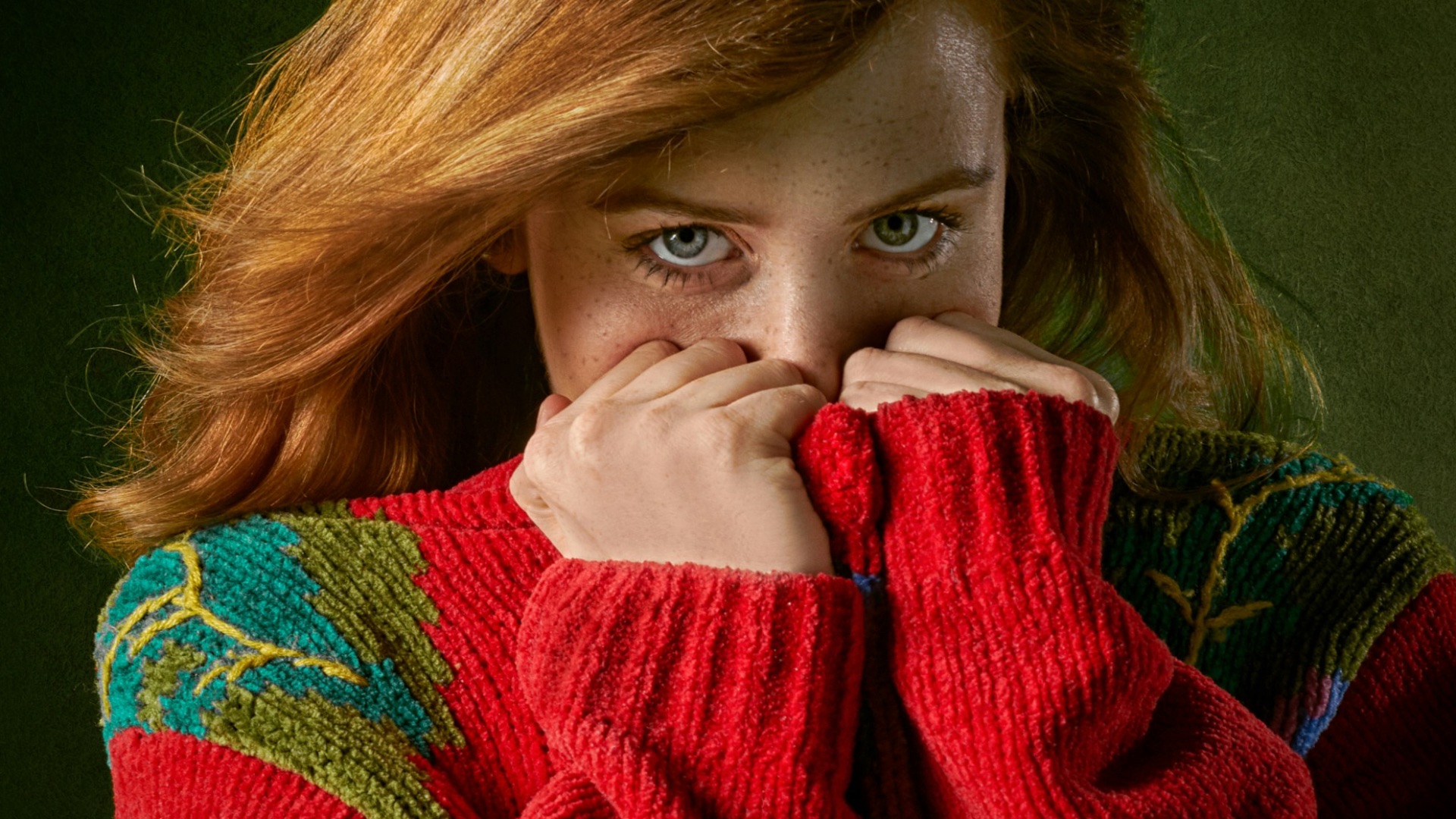
Harold Tucker Webster introduced Caspar Milquetoast (a play on the snack "milk toast") in his comic strip The Timid Soul in 1924, and the character was such a precise and recognizable portrait of meekness that his name became a common adjective almost immediately. Caspar was the kind of man who apologized for everything, avoided all confrontation, and shrank from any situation that required even mild assertiveness, making him a universal reference point for spinelessness. The word "milquetoast" (often lowercased) has been used ever since to describe anyone who's excessively timid or submissive.
11. Spider-Sense
Stan Lee and Steve Ditko introduced "spider-sense" (or "spidey-sense") in the very first Spider-Man comic in 1962, using it to describe Peter Parker's instinctive awareness of incoming danger before it arrives. The phrase has since crossed over into everyday language in a significant way, with people regularly saying their "spider-senses are tingling" when something about a situation just doesn't feel right.

12. Speedster
While "speedster" had some prior general usage referring to fast vehicles, the comics industry gave it a completely new identity as the standard term for a superhero whose primary ability is extreme speed. The Flash comics were central to cementing this usage, with "speedster" becoming the go-to descriptor for any hero or villain operating in the speed-based category. It's now used across comics, film, television, and fan discussions as a recognized genre term that practically everyone in pop culture understands.

13. Shazam
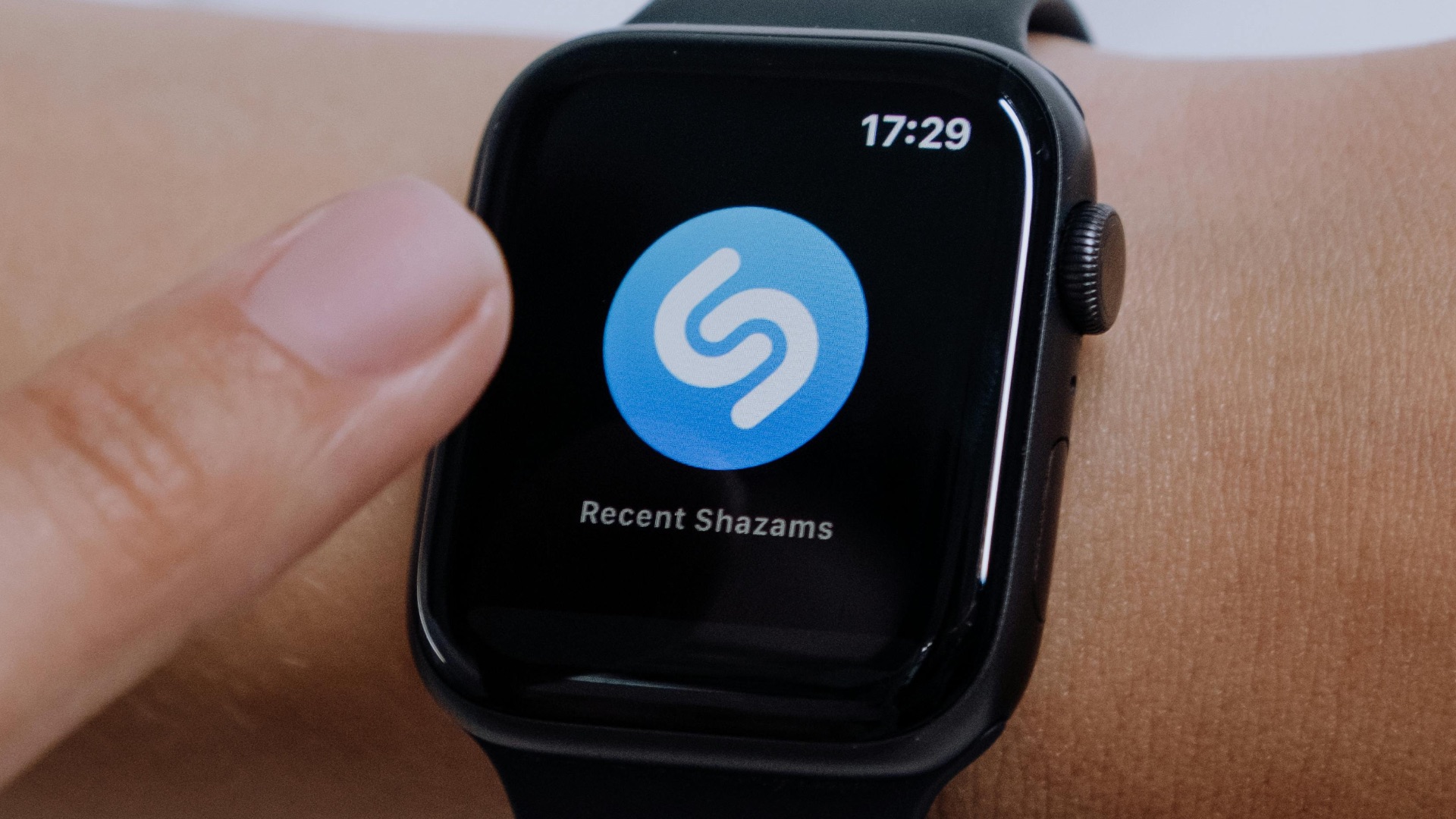
Captain Marvel made his debut in Whiz Comics #2 in 1940, and his origin story gave the world one of comics' most recognizable exclamations: "Shazam!"—the magic word that transformed young Billy Batson into a superpowered hero. The word was constructed as an acronym drawing on the names of legendary figures whose powers Billy would inherit: Solomon, Hercules, Atlas, Zeus, Achilles, and Mercury. It's since taken on a life entirely separate from the comics, used in everyday speech as a triumphant exclamation when something impressive happens, and DC Comics eventually renamed the character Shazam in 2011, cementing the word's place in pop culture permanently.
14. Cowabunga
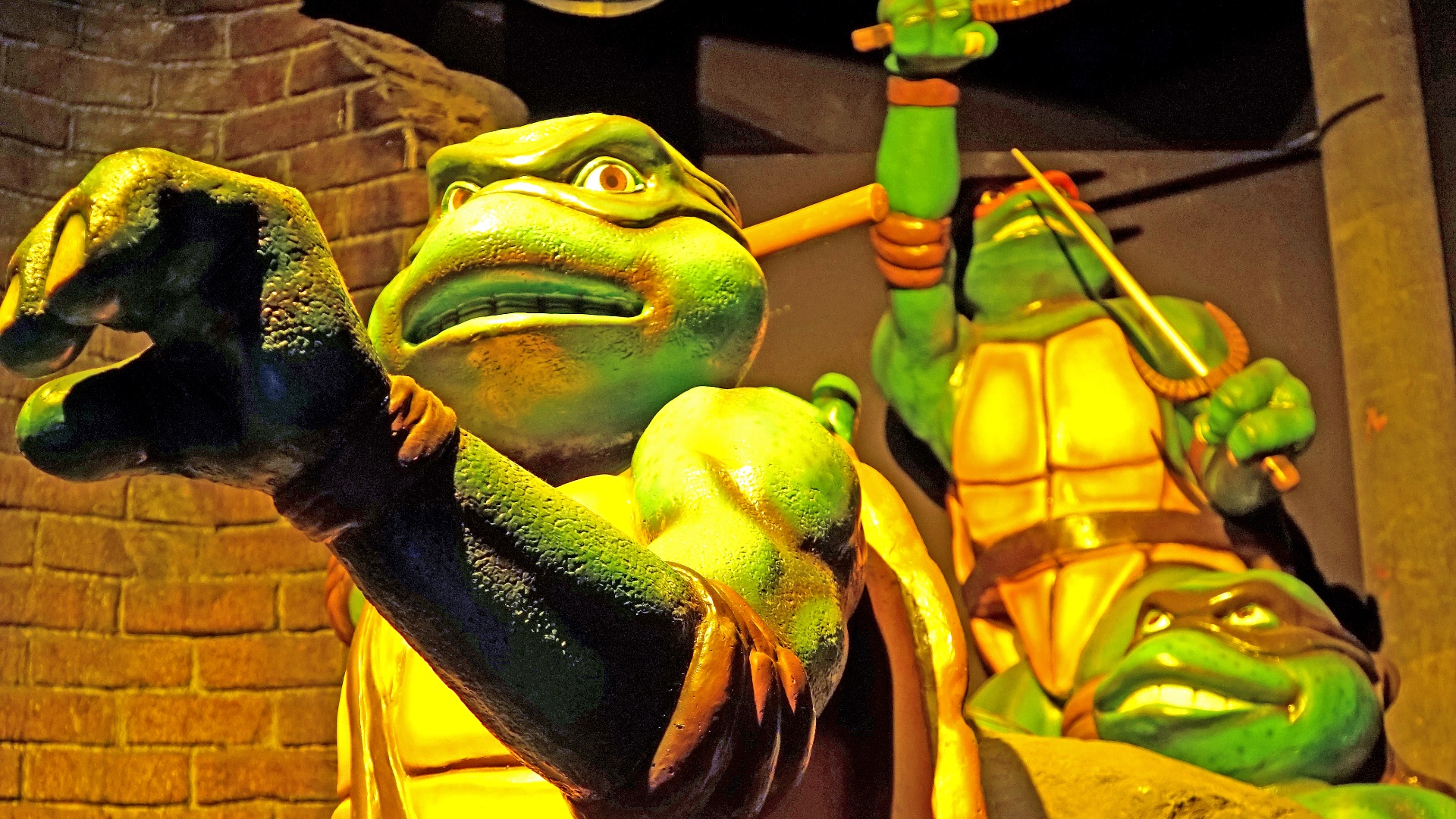
"Cowabunga" has one of the more well-traveled histories on this list: it started as a comical exclamation on the Howdy Doody TV show in the late 1940s, then made its way into Charles Schulz's Peanuts strip before finding its most famous home in the world of the Teenage Mutant Ninja Turtles. The Turtles began as a Mirage Studios comic book in 1984, but it was the wildly popular 1987 animated series that turned "cowabunga" into the defining catchphrase of an entire generation of kids.
15. Web-Slinger
"Web-slinger" was coined in the early pages of Spider-Man comics as a nickname for Peter Parker, and it's become one of the most enduring character monikers in superhero fiction. The compound works because it's descriptive, rhythmic, and immediately evocative of how the character moves through the city, and it's been used consistently across comics, animated series, films, and merchandise ever since.
16. Poindexter
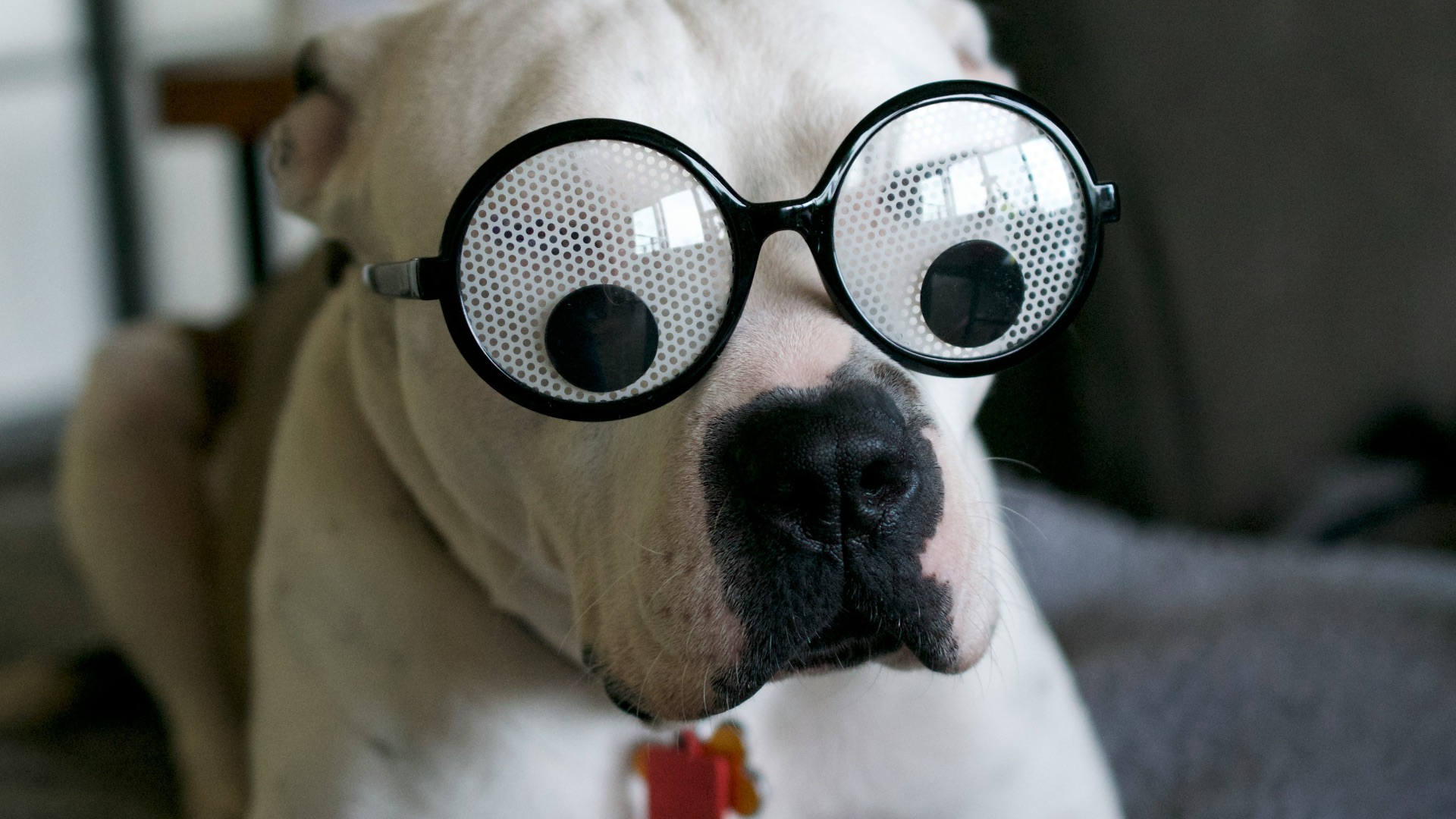
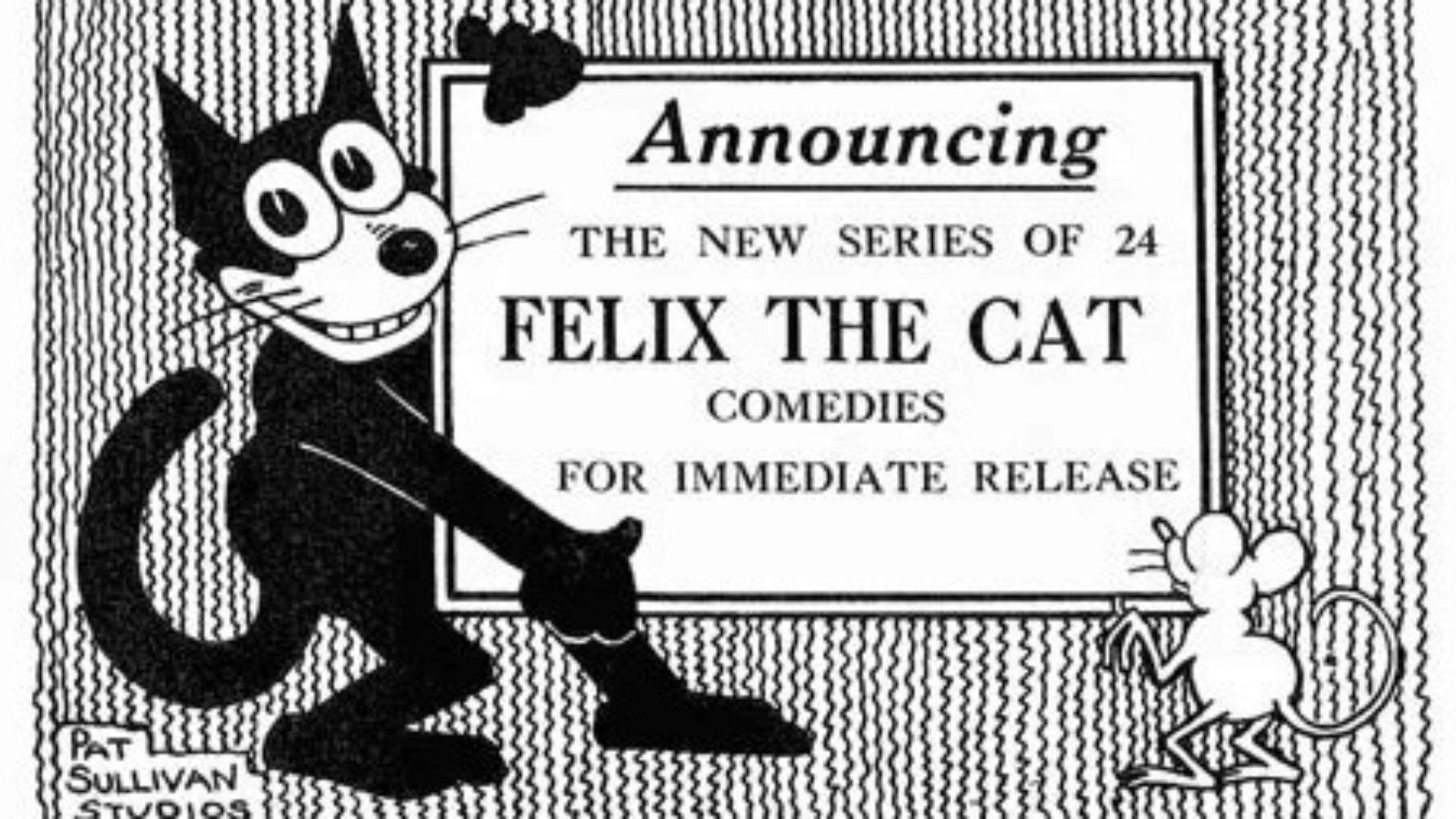
The 1959 animated Felix the Cat series introduced a character named Poindexter: the Professor's impossibly brilliant young nephew, complete with thick glasses and an encyclopedic knowledge of everything. The name already had a somewhat bookish ring to it, but the character's personality was so perfectly aligned with the stereotype of the brainy, socially awkward intellectual that "poindexter" quickly evolved into a general term for that type of person. It's been used that way in schools, workplaces, and pop culture ever since, applied affectionately or mockingly depending entirely on the context.
 Pat Sullivan Studios on Wikimedia
17. Newlywed
George McManus launched his comic strip The Newlyweds in 1904, following the comedic domestic adventures of a young couple freshly married and completely unprepared for everything that comes next. The strip was enormously popular, and it helped drive "newlywed" into common usage as the standard term for someone recently married—a compound that's now so natural-sounding that it's hard to imagine it ever needing an origin story. Before it was popularized by McManus, you could be newly wed, but not a newlywed.
18. Worrywart
J.R. Williams used the term "worry wart" in his long-running newspaper comic strip Out Our Way, where it described a character prone to excessive and often needless anxiety about everything. The strip had a wide readership throughout the mid-20th century, which helped spread the term across American households until it became a completely standard part of the language.

19. Cromulent (and Embiggen)
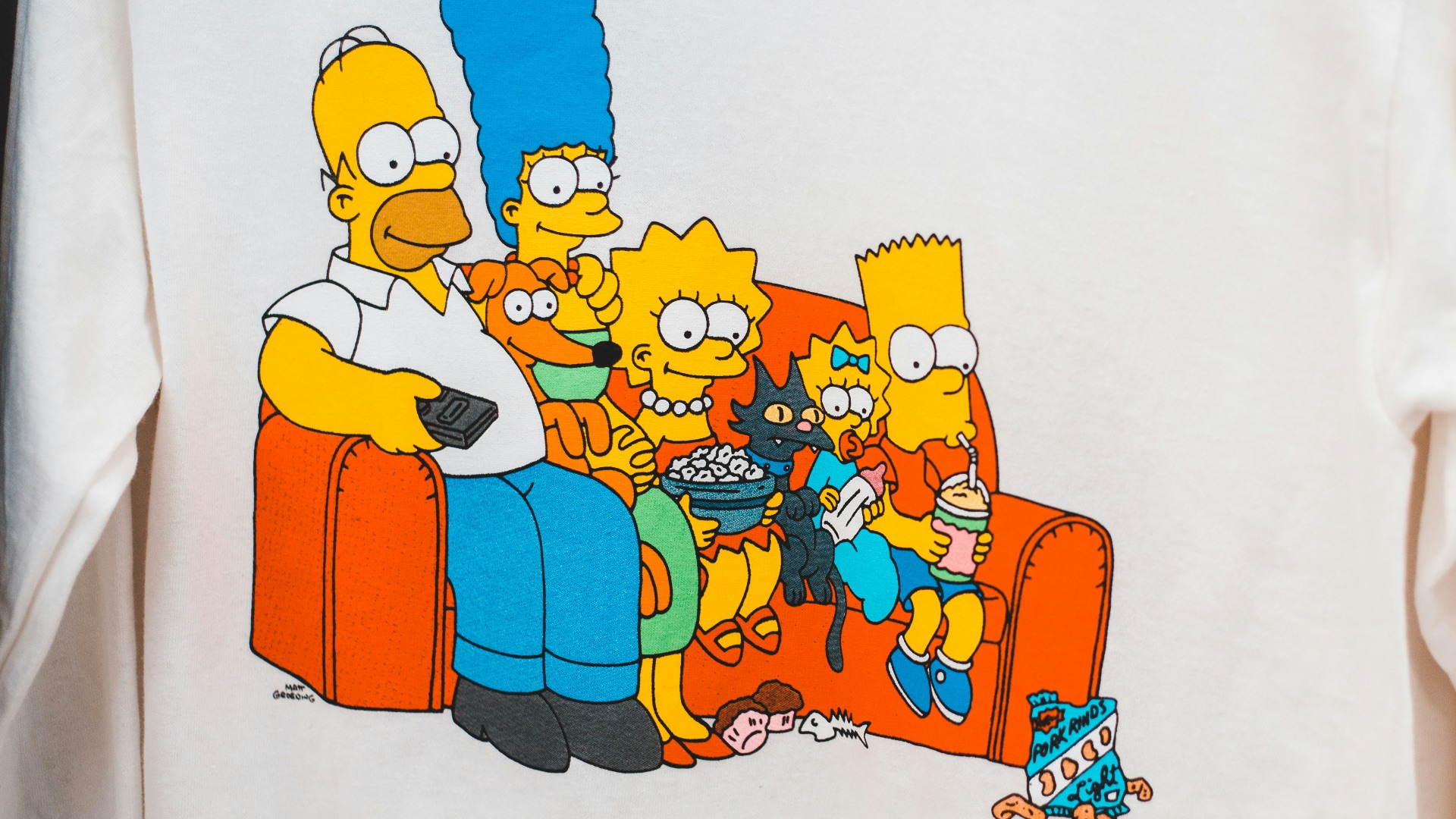
The Simpsons has contributed more to the English language than almost any other television series, and two of its best coinages arrived in the same 1996 episode (S7E16): "embiggen" and "cromulent."After Ms. Krabappel mentioned she'd never heard "embiggen" before (meaning "to make larger or more impressive"), Miss Hoover replies that it's a "perfectly cromulent word." (Cromulent, of course, means "acceptable" or "fine.")
20. Brainiac
The character Brainiac first appeared as a Superman villain in Action Comics #242 in 1958, a hyper-intelligent alien with a computer-like mind who collected and miniaturized entire cities as trophies. The name was coined by DC Comics writer Otto Binder, and it worked so effectively as a shorthand for cold, calculating intelligence ("brain" and "maniac") that it quickly escaped the comics page and entered everyday speech. Today, calling someone a "brainiac" is a completely standard way to describe a highly intelligent person, and most people who use the word have no idea it started out as the name of one of Superman's most dangerous enemies.