The Life of a Streamer
From the outside, streaming looks like one of the most laid-back careers you could possibly stumble into. You play games, chat with people online, and get paid for it—what's not to love? But for every highlight reel of viral moments and massive subscriber milestones, there's a whole lot happening behind the scenes that most viewers never get to see. If you're thinking of starting your own channel, you might want to think again.
1. You're Just Playing Games All Day
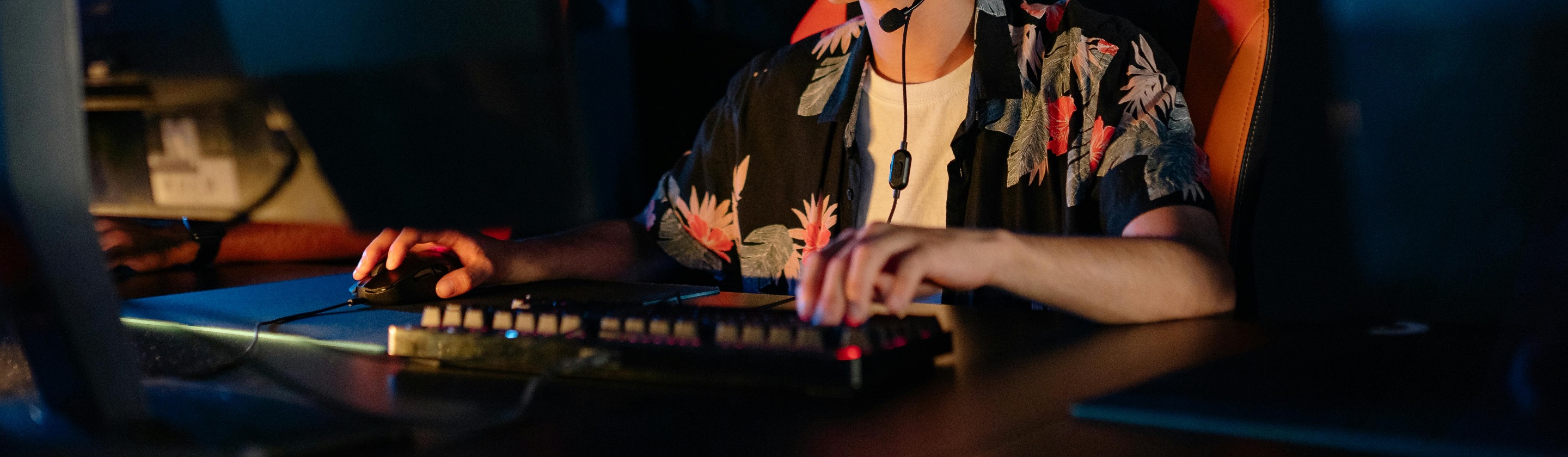
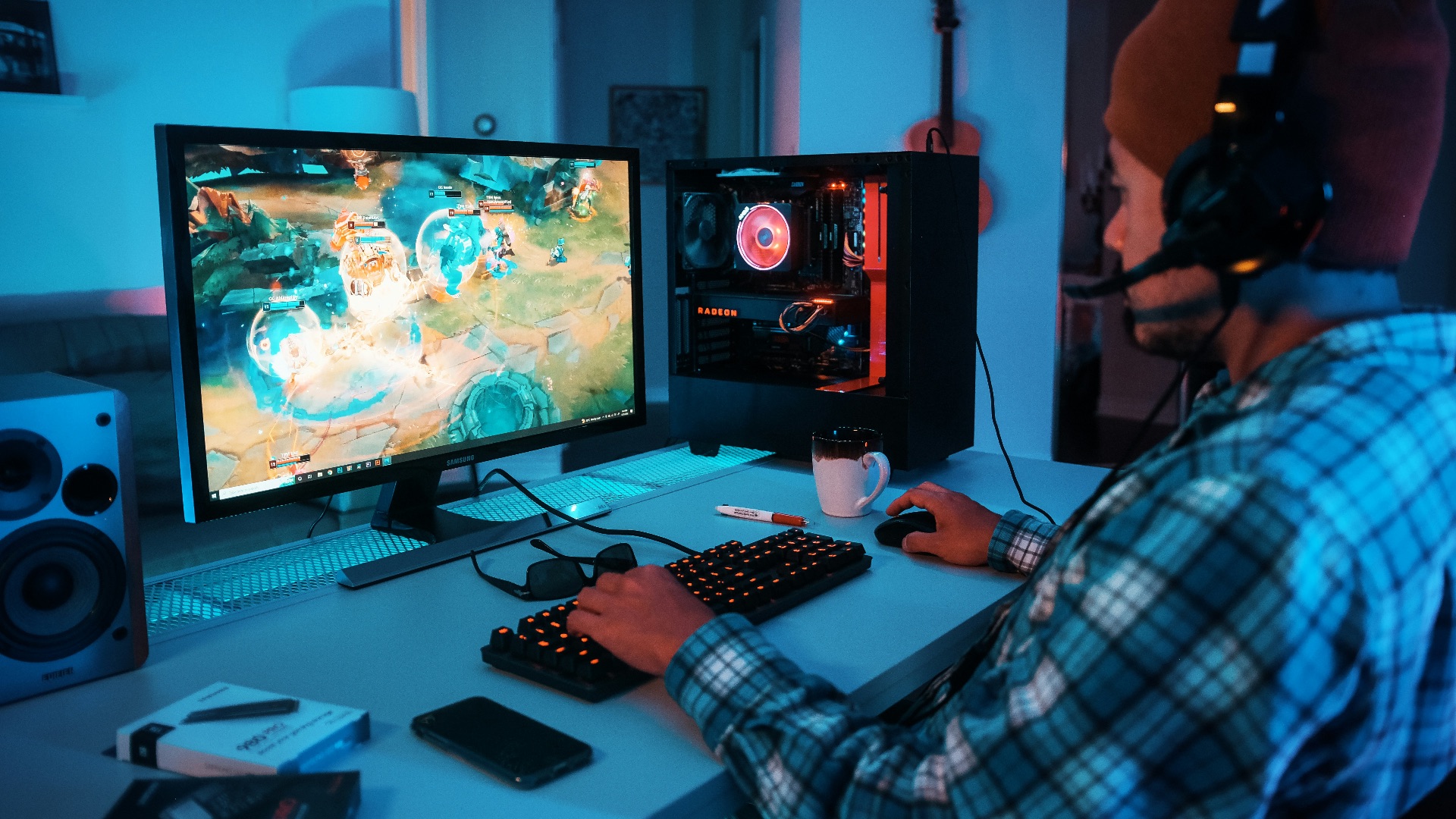
On the surface, streaming appears to be nothing more than sitting down, loading up your favorite game, and having a good time. Viewers tune in and see someone doing exactly what they'd be doing on a lazy Saturday afternoon anyway. It's easy to look at that setup and think the hardest part of the job is choosing which game to play next.
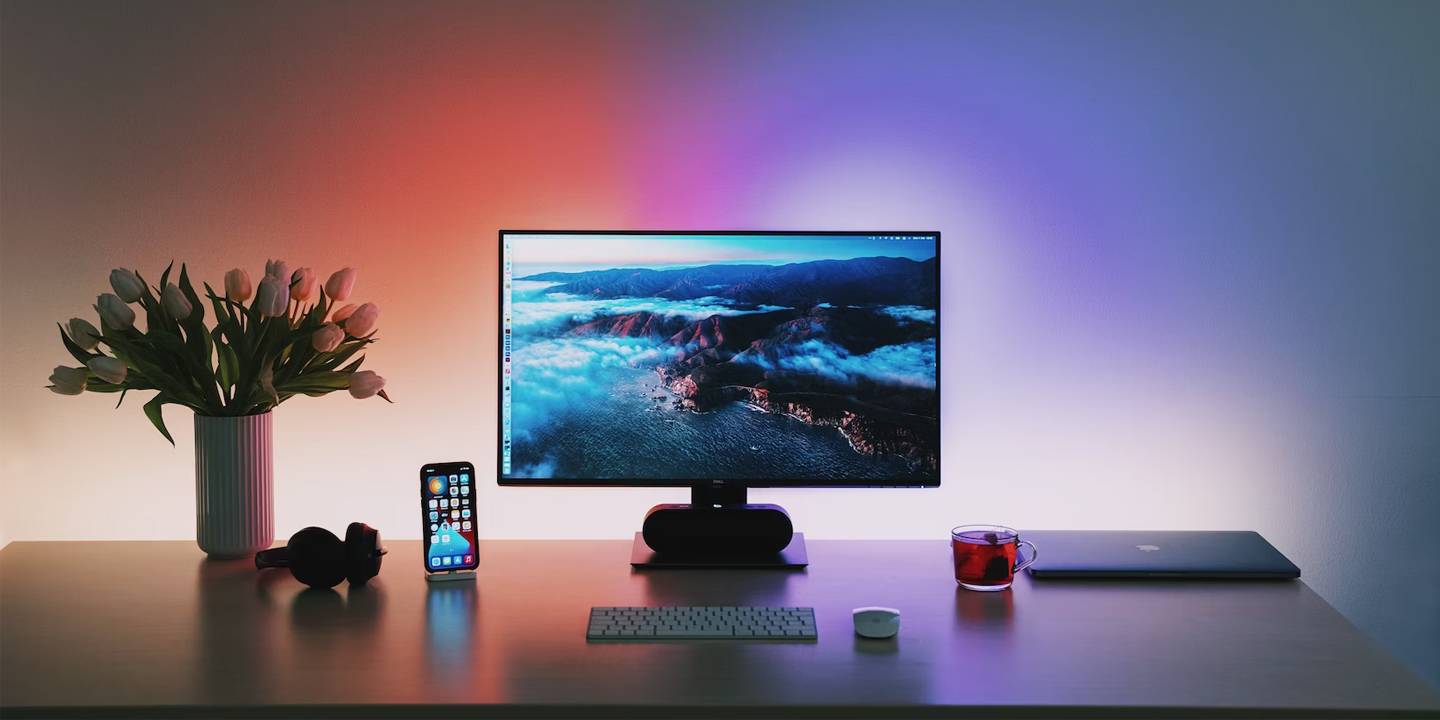
2. The Equipment Basically Runs Itself
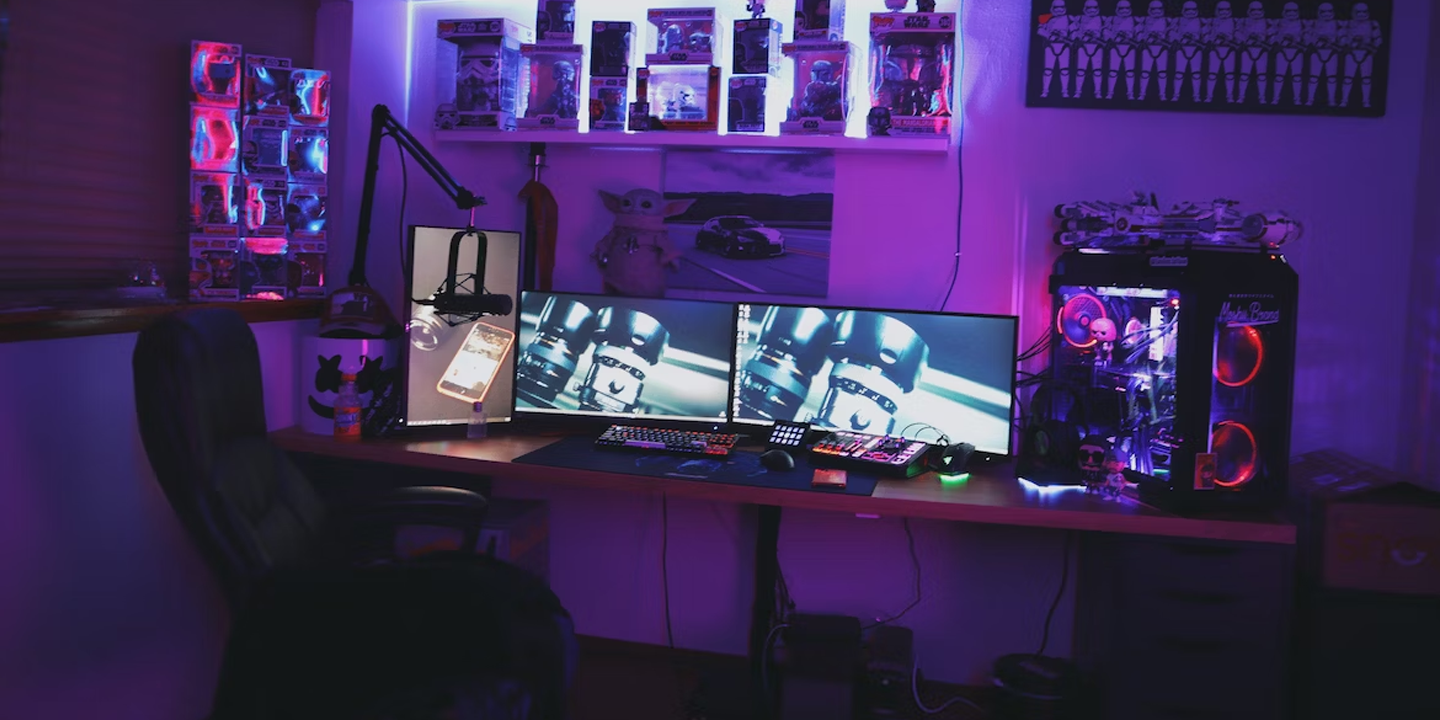
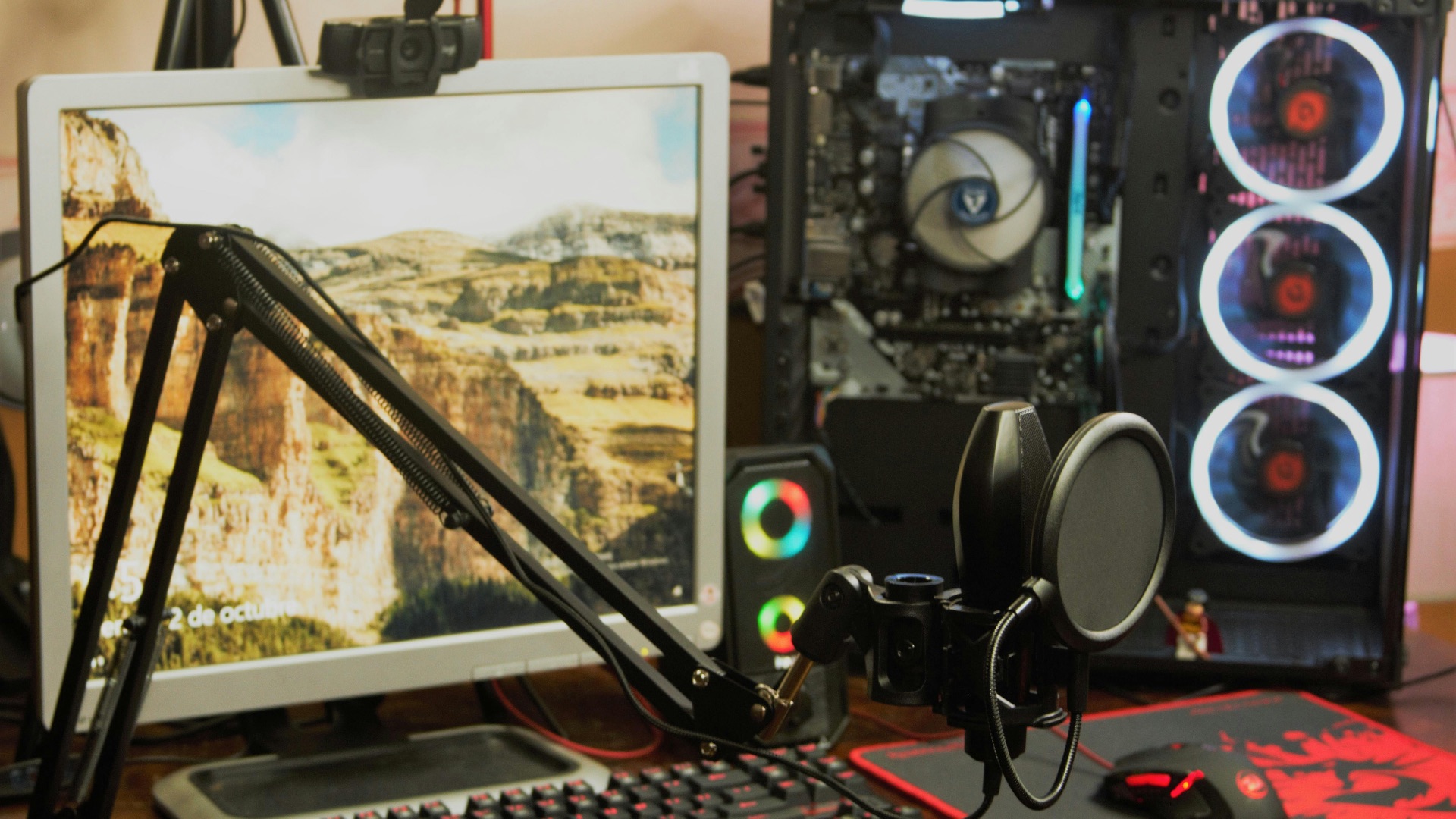
A nice chair, a decent microphone, and a camera pointed at your face...that's all it takes, right? At least that's what it seems. When everything is up and running smoothly, a stream can look completely effortless from the viewer's side. The tech just seems to work, the audio sounds clean, and you'd never guess there was any setup involved at all.
 Jorge David Arley Campos on Pexels
3. Your Audience Does the Entertaining for You
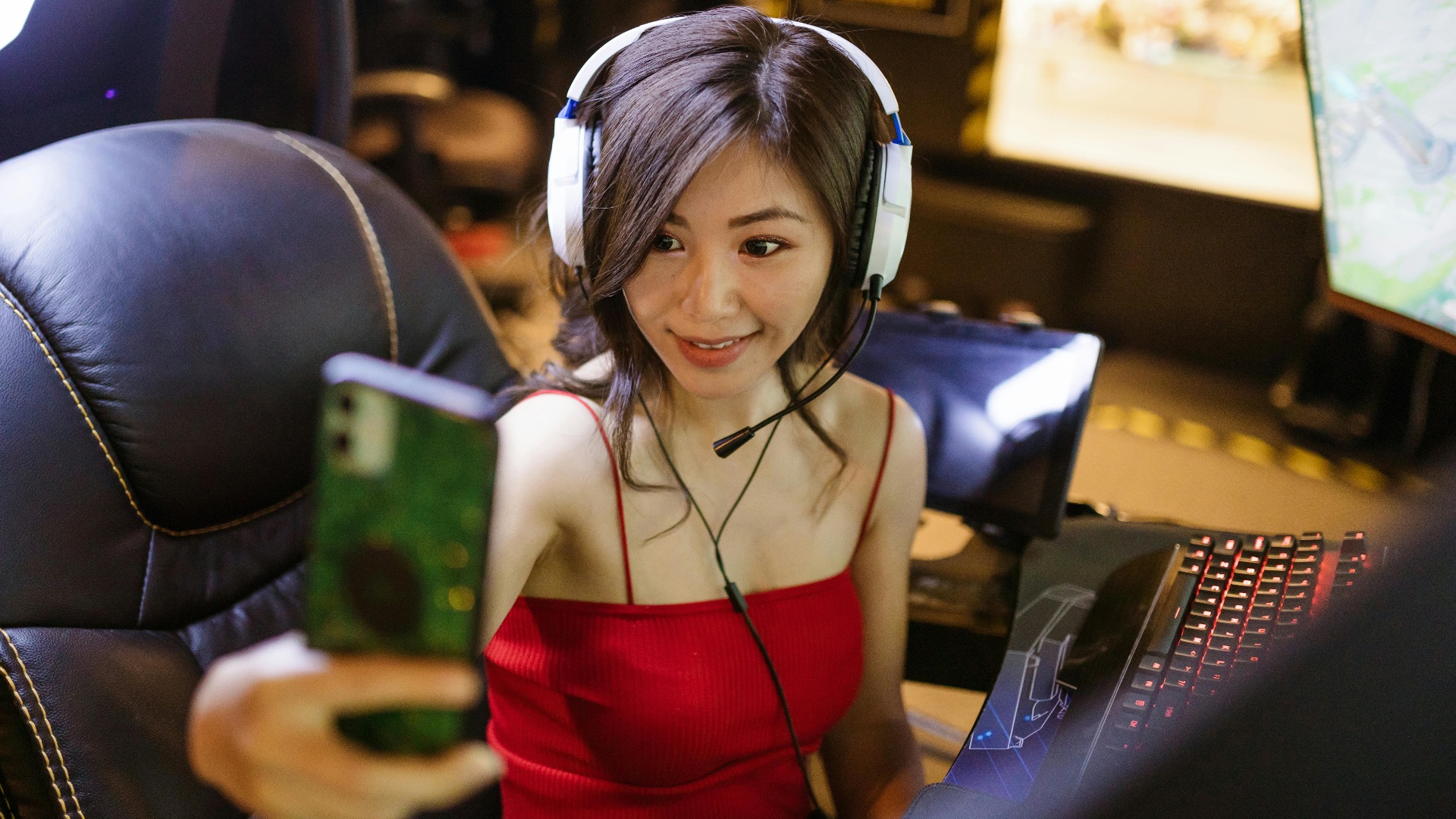
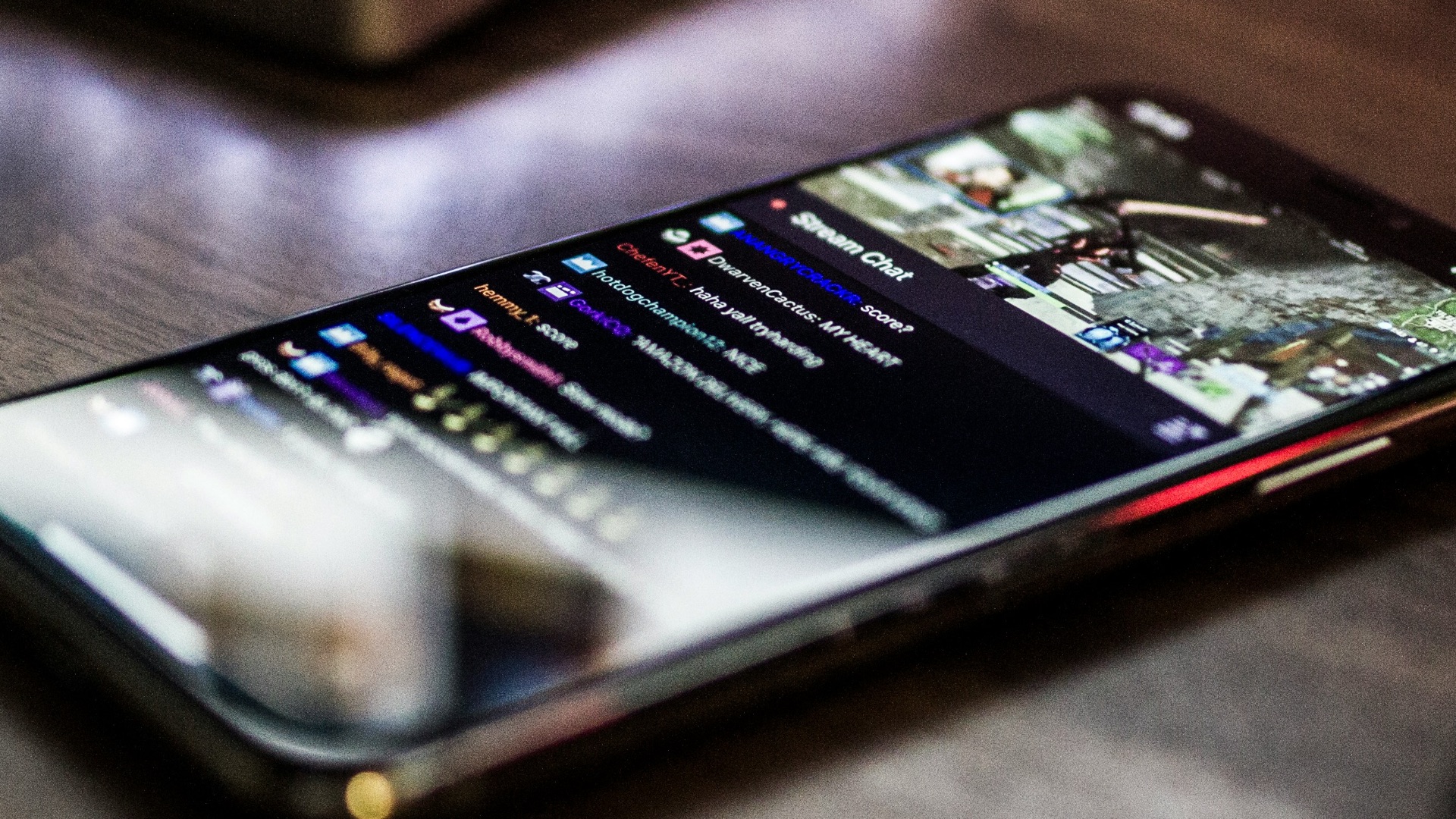
Streamers have whole chat rooms full of people sending messages, making jokes, and keeping the energy up throughout a broadcast. It can look like the community basically carries the conversation while the streamer just reacts and laughs along. From that angle, it seems like you'd never have to work too hard to keep things interesting.
 Caspar Camille Rubin on Unsplash
4. Streaming Hours Are Totally Flexible
Nobody is telling streamers when to clock in or how long to stay on. They go live when you feel like it, wrap up when they're done, and answer to nobody but themselves. For anyone grinding a traditional nine-to-five, that kind of schedule freedom looks incredibly appealing.
5. Building a Following Happens Organically
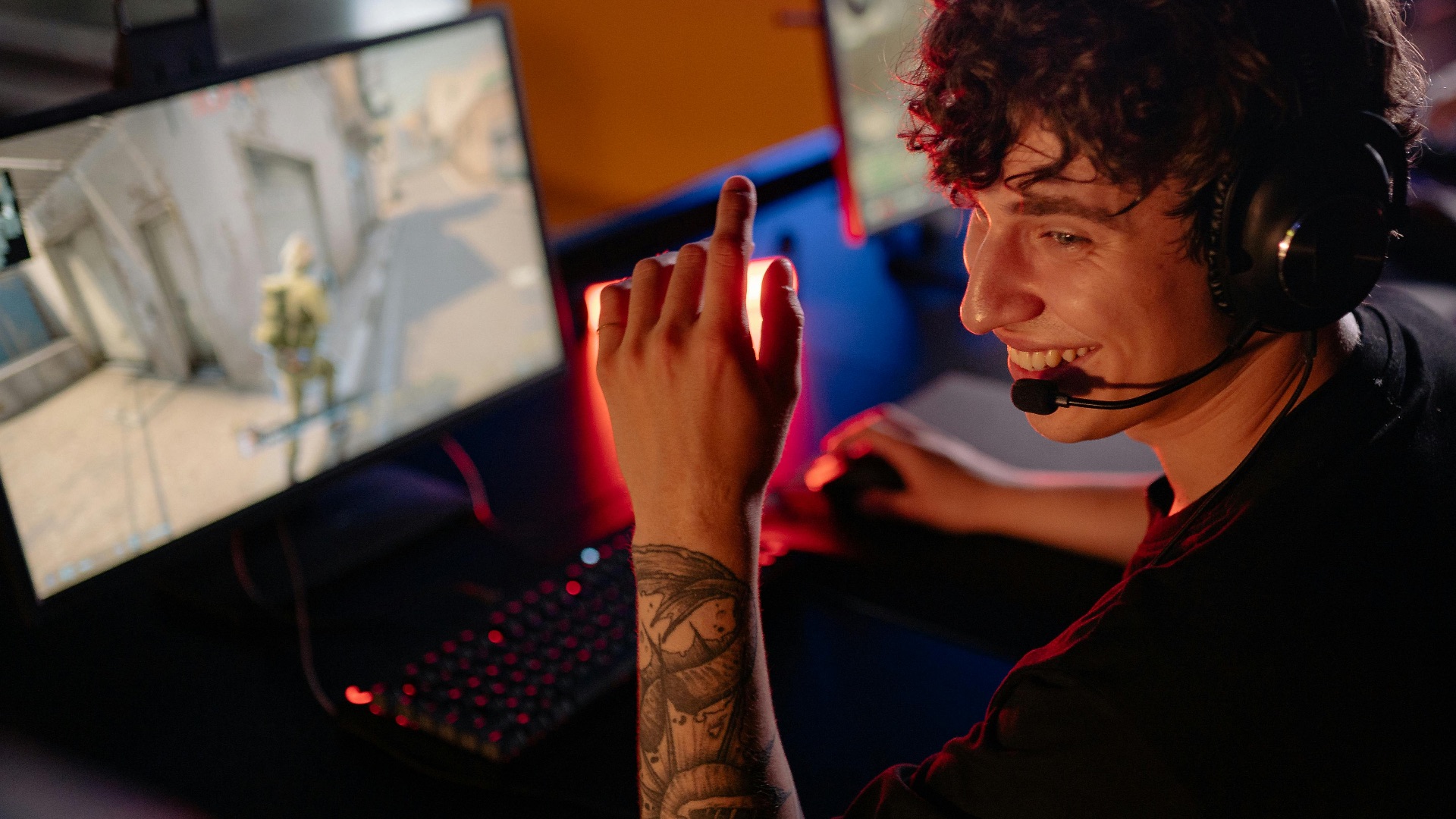
You see streamers with thousands of loyal viewers and assume they just showed up one day and people followed. Clips go viral, someone gets a shoutout from a bigger creator, and suddenly there's an audience waiting every time they go live. It all looks like a natural snowball effect that doesn't require much deliberate effort.
6. The Money Seems to Flow Pretty Easily
Subscriptions, donations, brand deals, ad revenue—the income streams for a popular streamer can look abundant and almost passive. Viewers throw tips during exciting moments, sponsors slide into DMs with partnership offers, and the whole financial picture looks pretty comfortable from the outside. It gives the impression that once you hit a certain size, the money more or less takes care of itself.

7. You Never Have to Leave the House
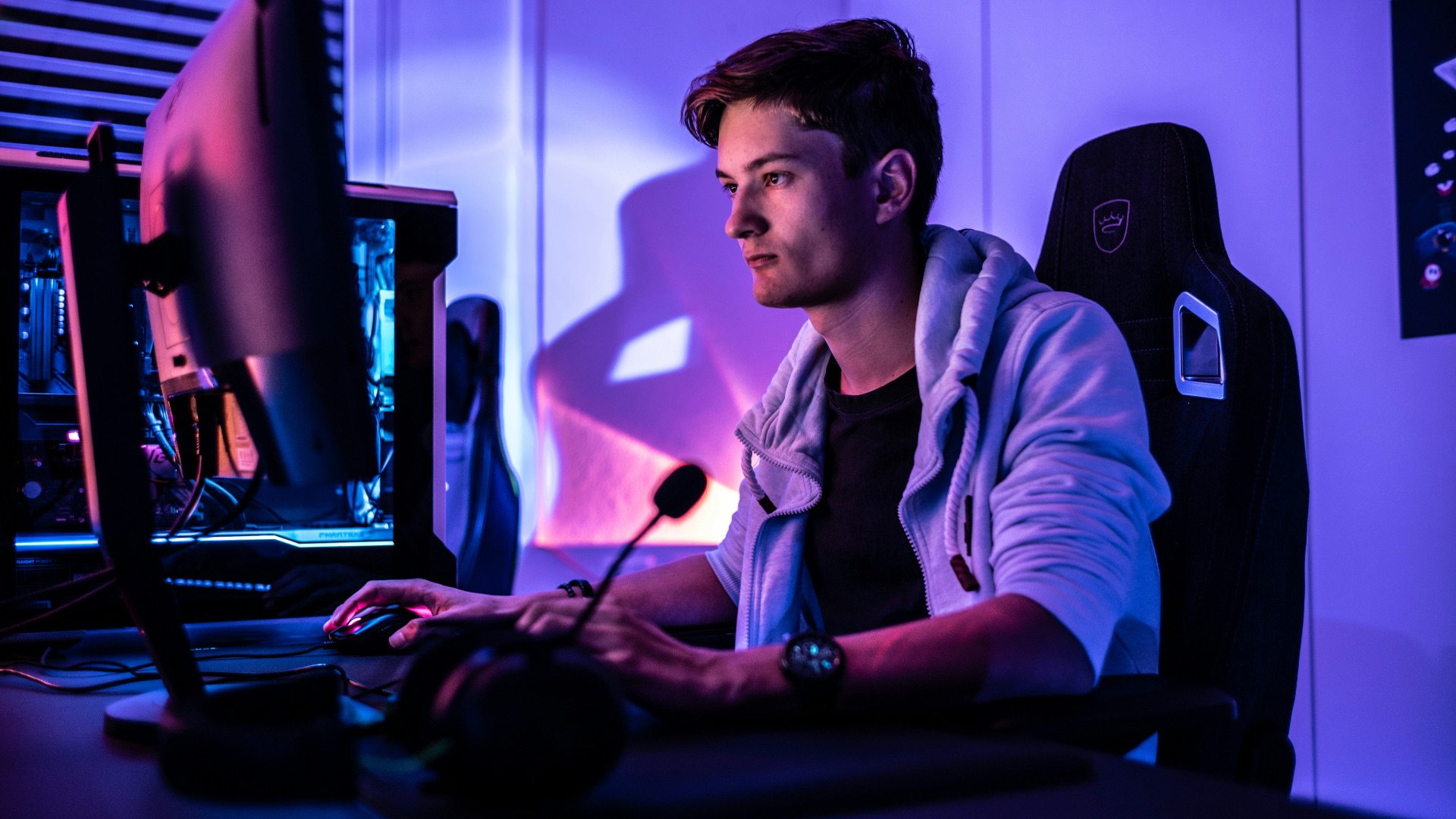
Working from home in a comfortable setup, streaming in whatever you're wearing that day, and skipping the commute entirely sounds like the dream. There's no dress code, no open-plan office, and no fluorescent lighting buzzing overhead. Viewers see someone broadcasting from a cozy room and think the work-life balance must be pretty hard to beat.
8. Content Ideas Are Everywhere
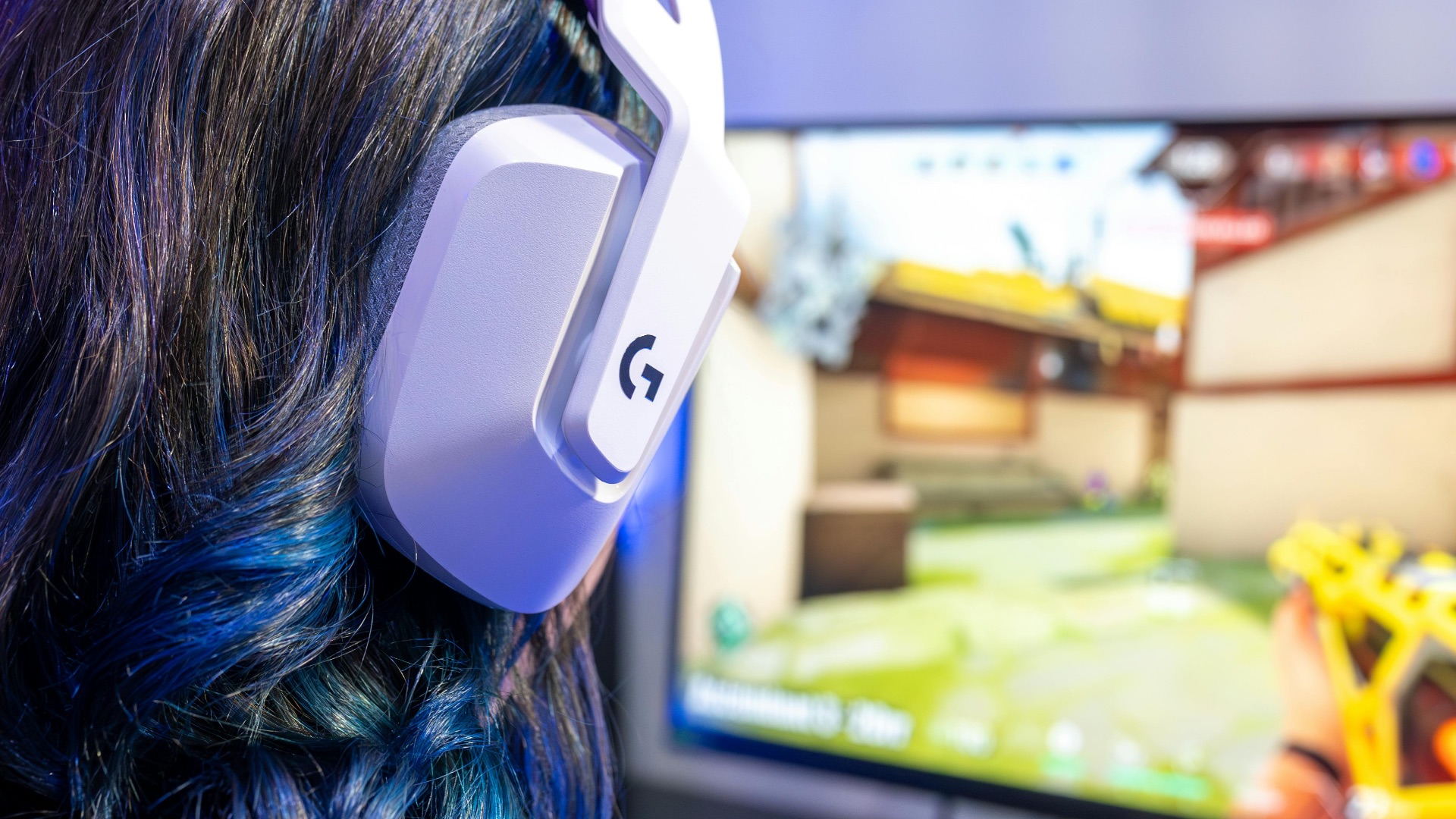
With new games releasing constantly and trending topics popping up every week, it seems like a streamer would never run out of things to talk about or play. There's always something new to react to, a challenge going around, or a game everyone's obsessing over. From the outside, the content calendar practically fills itself.
9. The Community Feels Like Hanging Out with Friends
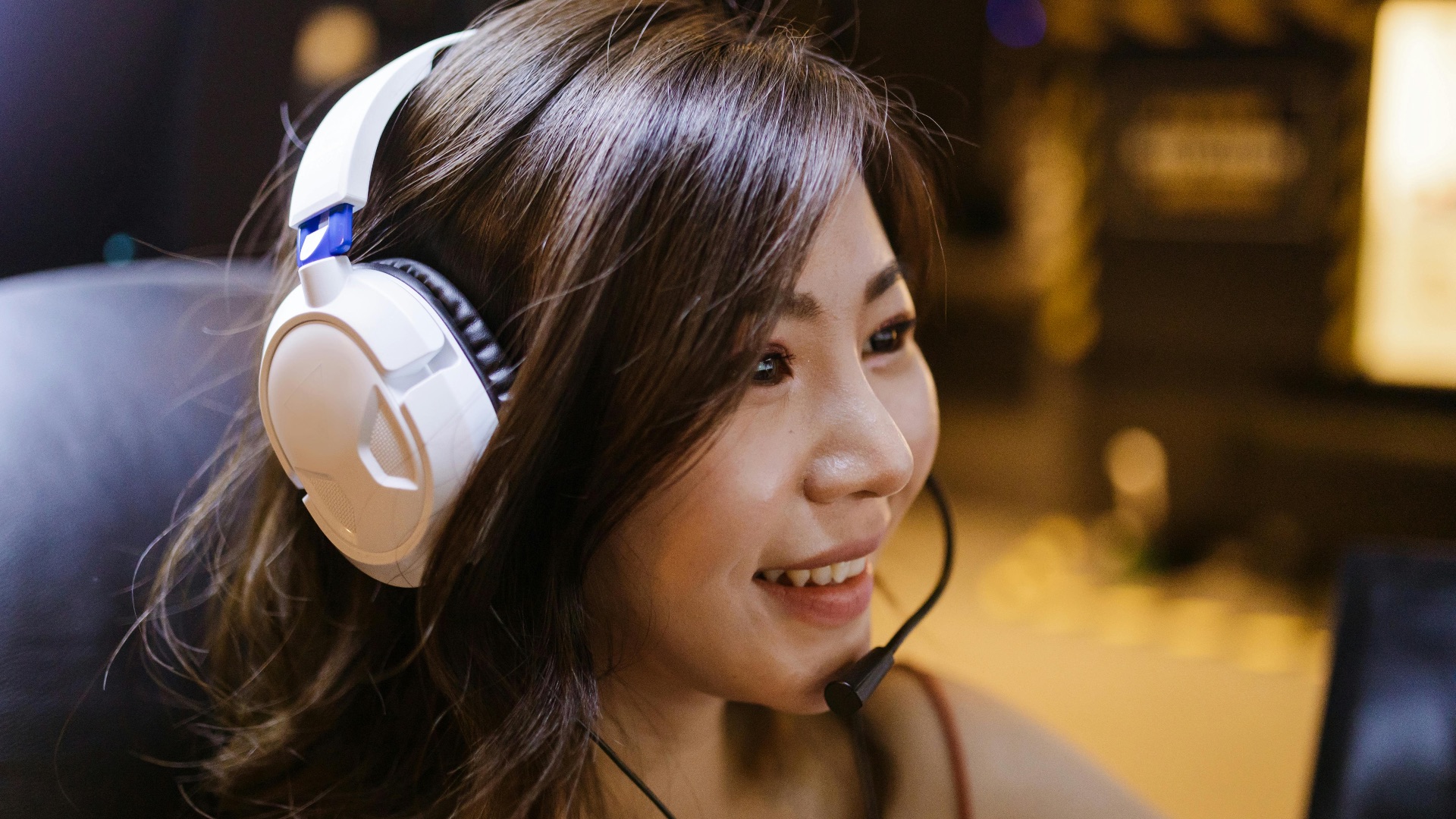
Watching a streamer interact with their regular viewers looks warm, fun, and genuinely social in the best way. There are inside jokes, recurring nicknames, and a sense of camaraderie that make the whole thing feel like a group hangout rather than a broadcast. It's easy to think that building that kind of community must come naturally once you start streaming consistently.
10. Success Looks Like It Comes Fast
Thanks to viral clips and social media highlight reels, it often seems like streamers blow up overnight. You hear about someone going from a few dozen viewers to tens of thousands in what feels like no time at all. The success stories are the ones that get shared, which makes the whole path look a lot more direct than it usually is.
Now that we've covered how breezy the streaming life can appear, it's worth taking a closer look at what's actually going on behind the scenes. The reality of building and sustaining a streaming career is often a very different story.
1. Streaming Is a Full-Time Production Job
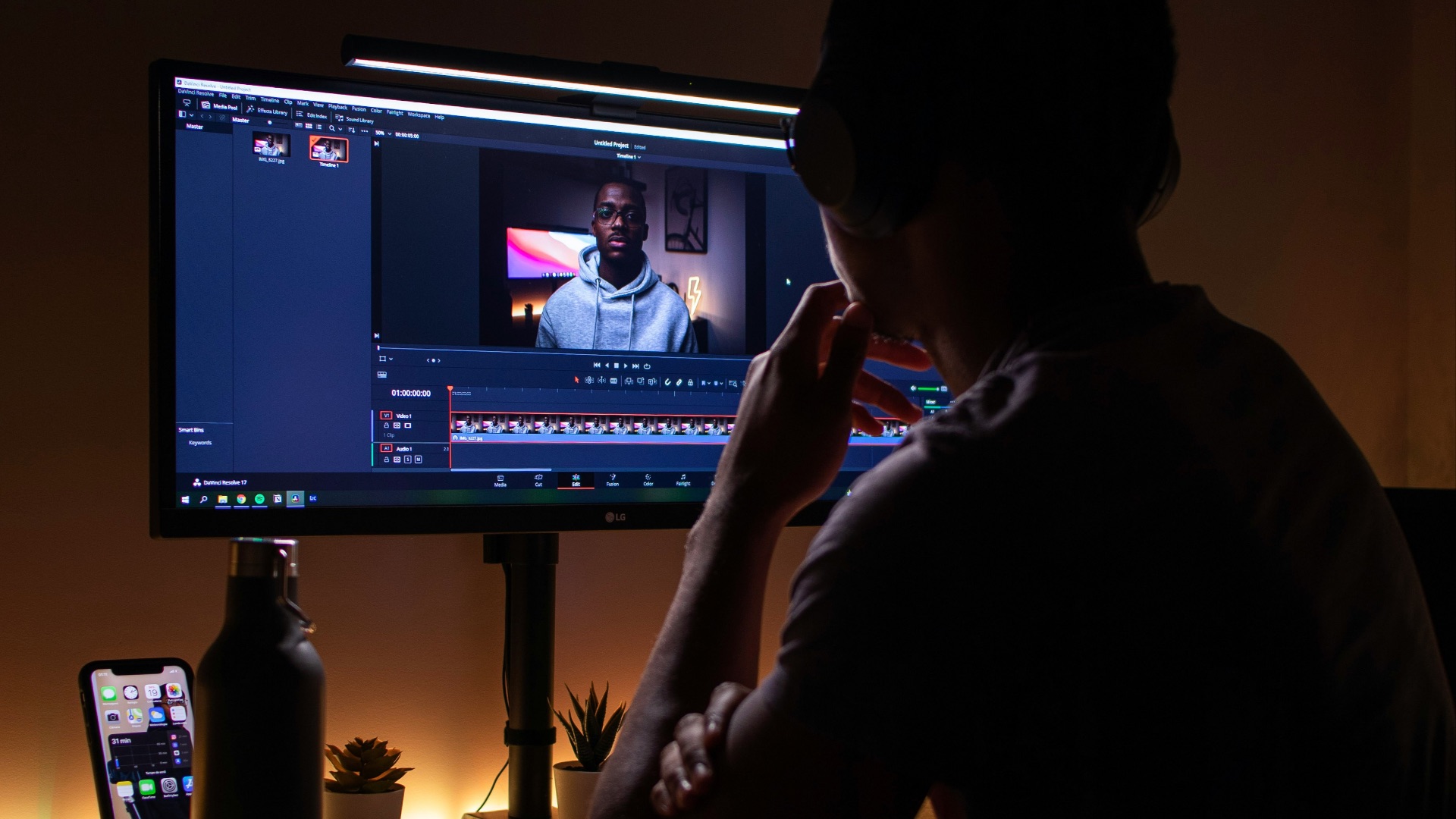
Every broadcast requires audio checks, scene setups, overlays, alerts, and sometimes troubleshooting technical issues in real time while keeping a smile on your face. Streamers are essentially running a one-person media production, handling everything from directing to editing to customer service all at once. It's far more demanding than it looks when you're watching someone casually play through a story game.
 Nubelson Fernandes on Unsplash
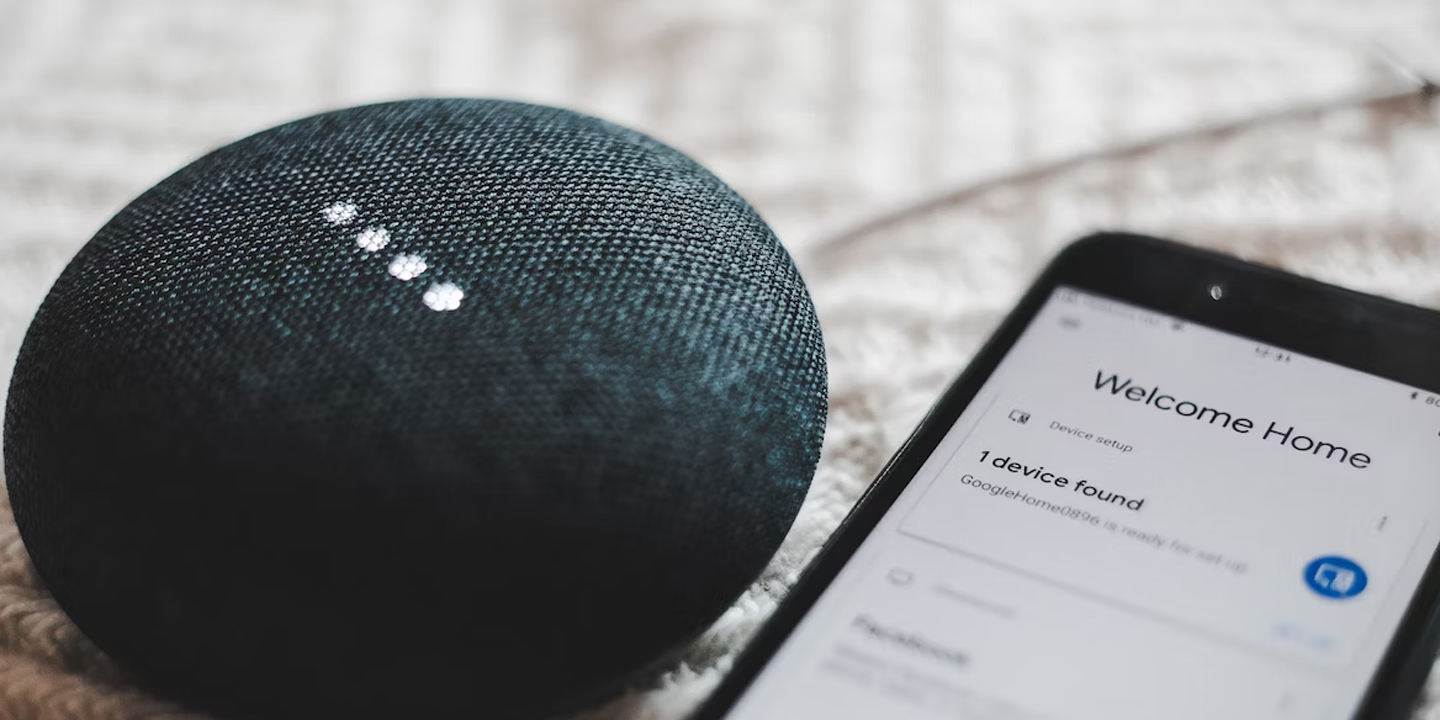
2. The Technical Failures Are Constant
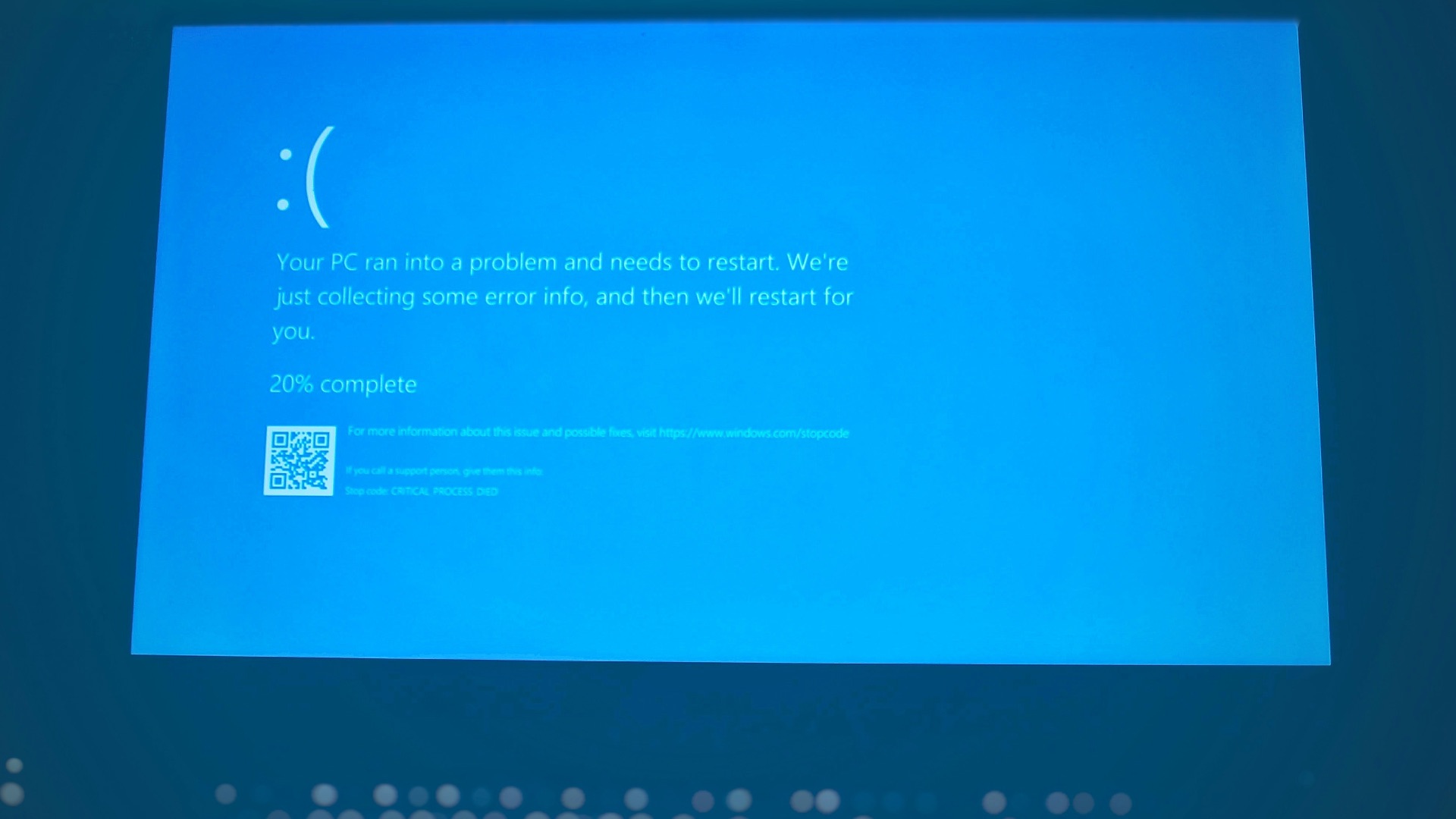
Dropped frames, audio desync, internet outages, and software crashes are all part of the job in ways that viewers rarely see. When something goes wrong mid-stream, you have to fix it fast while keeping your audience engaged and your frustration under wraps. The polished streams you watch represent a fraction of the total hours spent fighting with equipment that decided to stop cooperating.
3. Entertaining a Live Audience Is Exhausting
There's a significant difference between playing a game for fun and performing while doing it for an extended period. Streamers are expected to be engaging, responsive, and high-energy for hours at a time, even on days when they're tired, stressed, or just not feeling it. Maintaining that level of presence is a real skill that takes considerable effort to sustain.
4. Growth Is Painfully Slow for Most People
The overnight success stories are the exception, not the standard experience most streamers have when they're starting out. The majority of creators spend months or even years building an audience from single-digit viewer counts, streaming to a mostly empty room and still showing up consistently. It's a long game that requires a level of patience and persistence that the highlight reels don't really advertise.
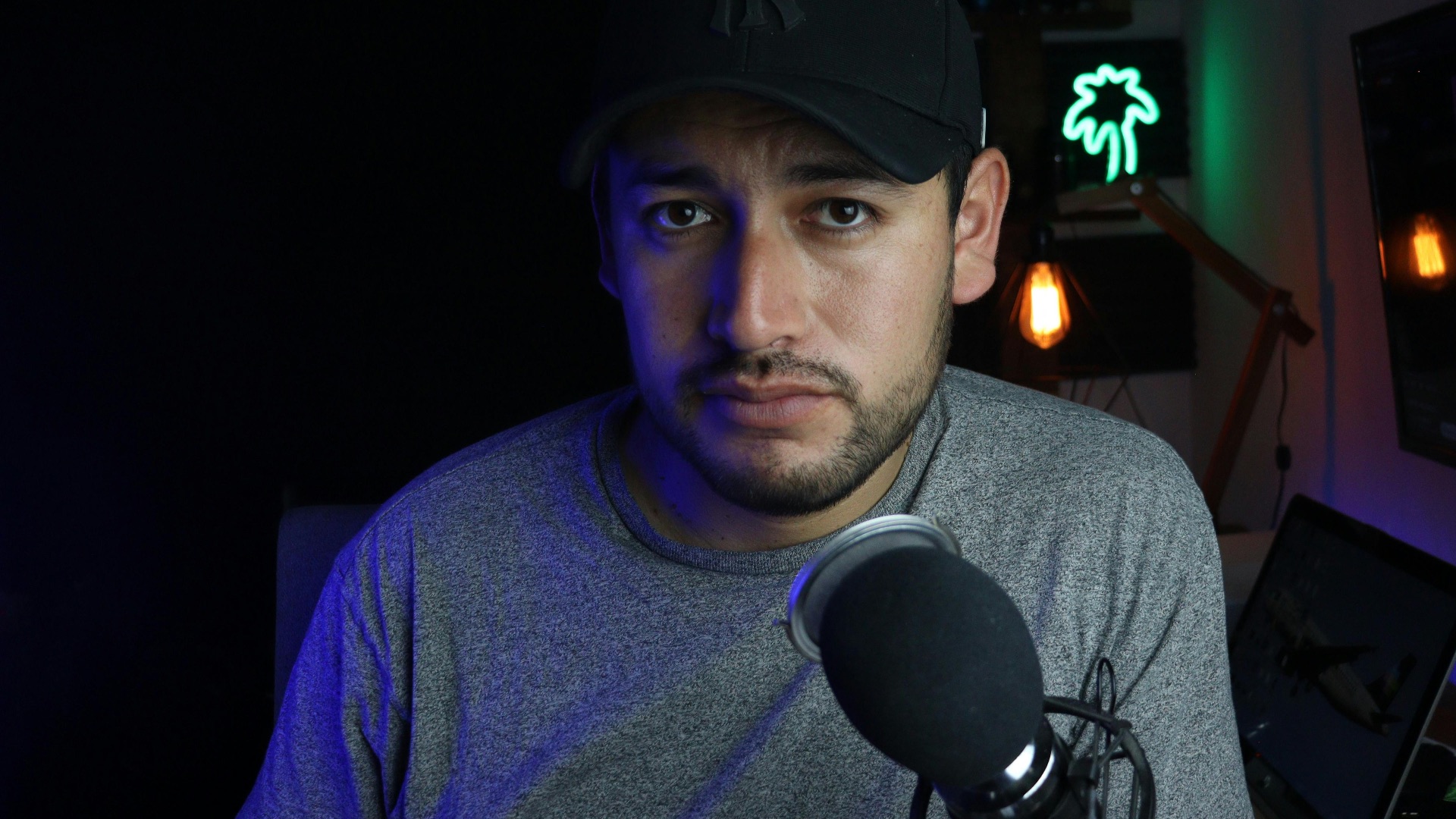
5. Income Is Inconsistent and Unpredictable
The idea of passive streaming income sounds appealing until you realize how volatile it actually is in practice. Subscription numbers fluctuate, sponsorship deals dry up, and platform algorithms can shift overnight in ways that directly affect your earnings. Many streamers go through long stretches of financial uncertainty before, or even after, finding a stable income.

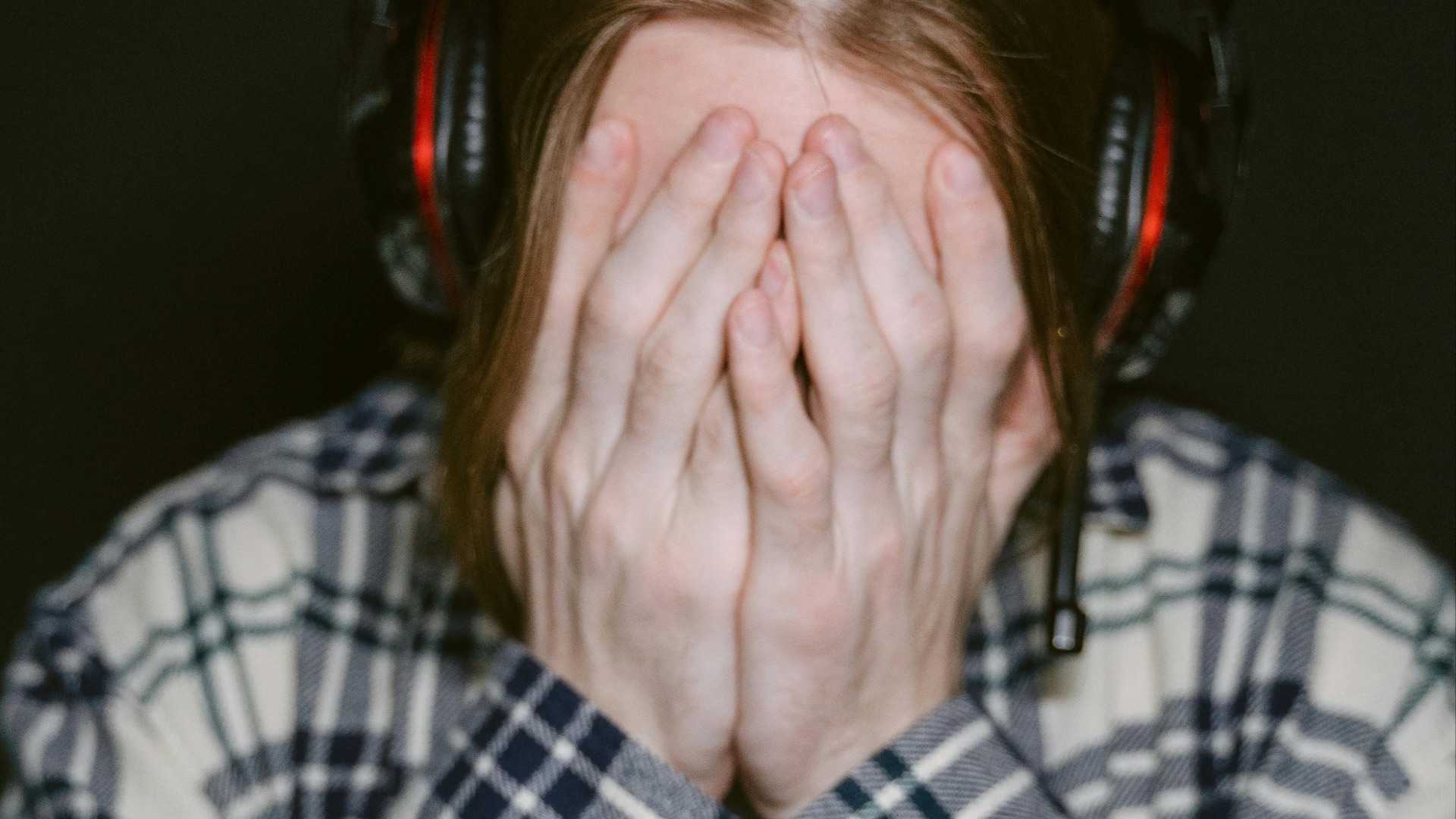
6. Burnout Hits Hard and Fast
When your hobby becomes your job and your job requires you to be publicly entertaining on a regular schedule, the mental load adds up quickly. Streamers often feel pressure to go live even when they need a break, because taking time off can mean losing momentum and viewers. The combination of creative pressure, performance demands, and audience expectations makes burnout a genuinely common experience in the streaming world.
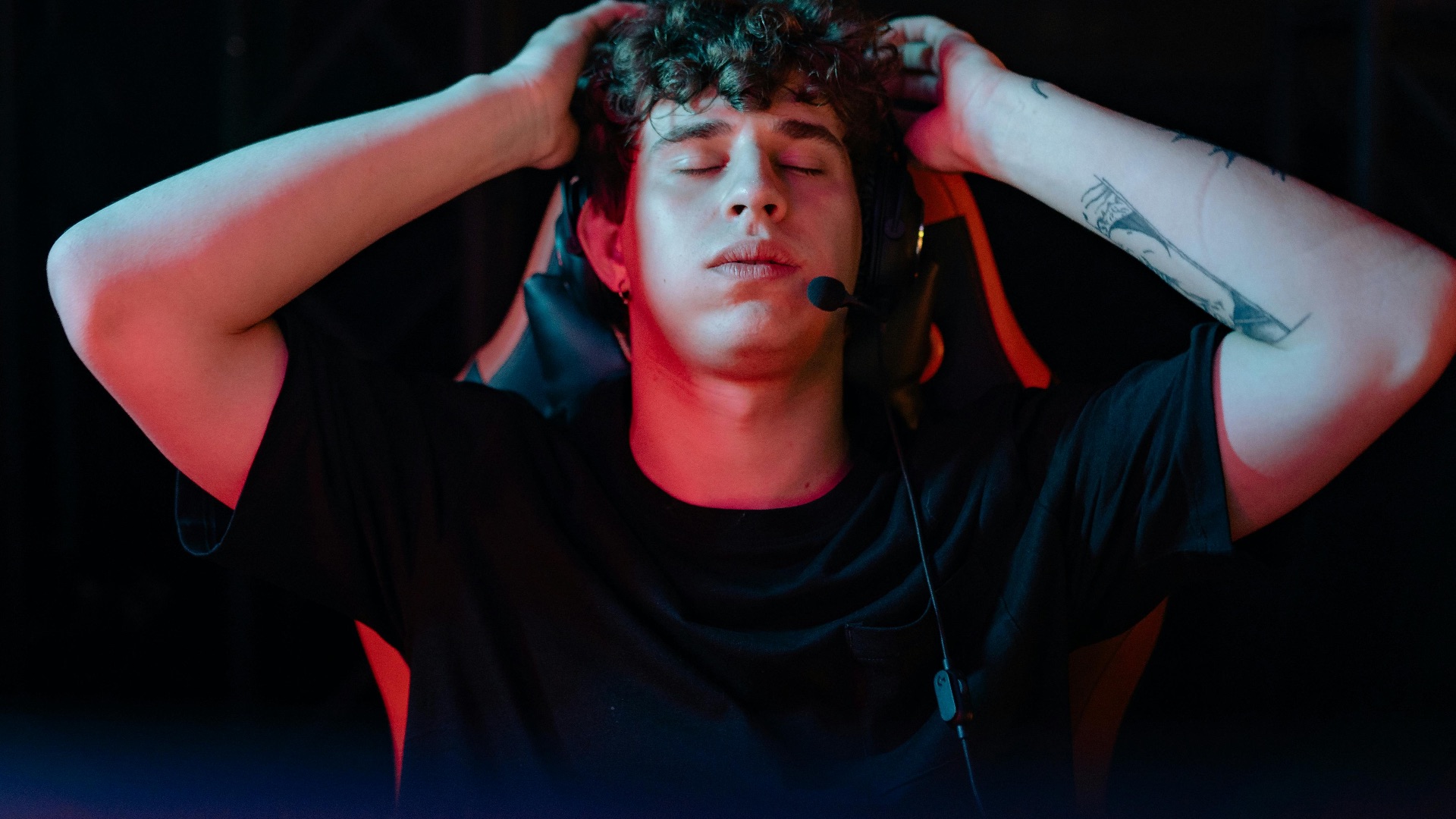
7. Your Personal Life Becomes Part of the Content
Audiences get attached to streamers as people, which means your personality, relationships, and day-to-day mood inevitably become part of what you're offering. Keeping boundaries between your public persona and your private life is a constant balancing act that many creators struggle with. The more your audience grows, the harder it becomes to keep certain parts of your life just for yourself.
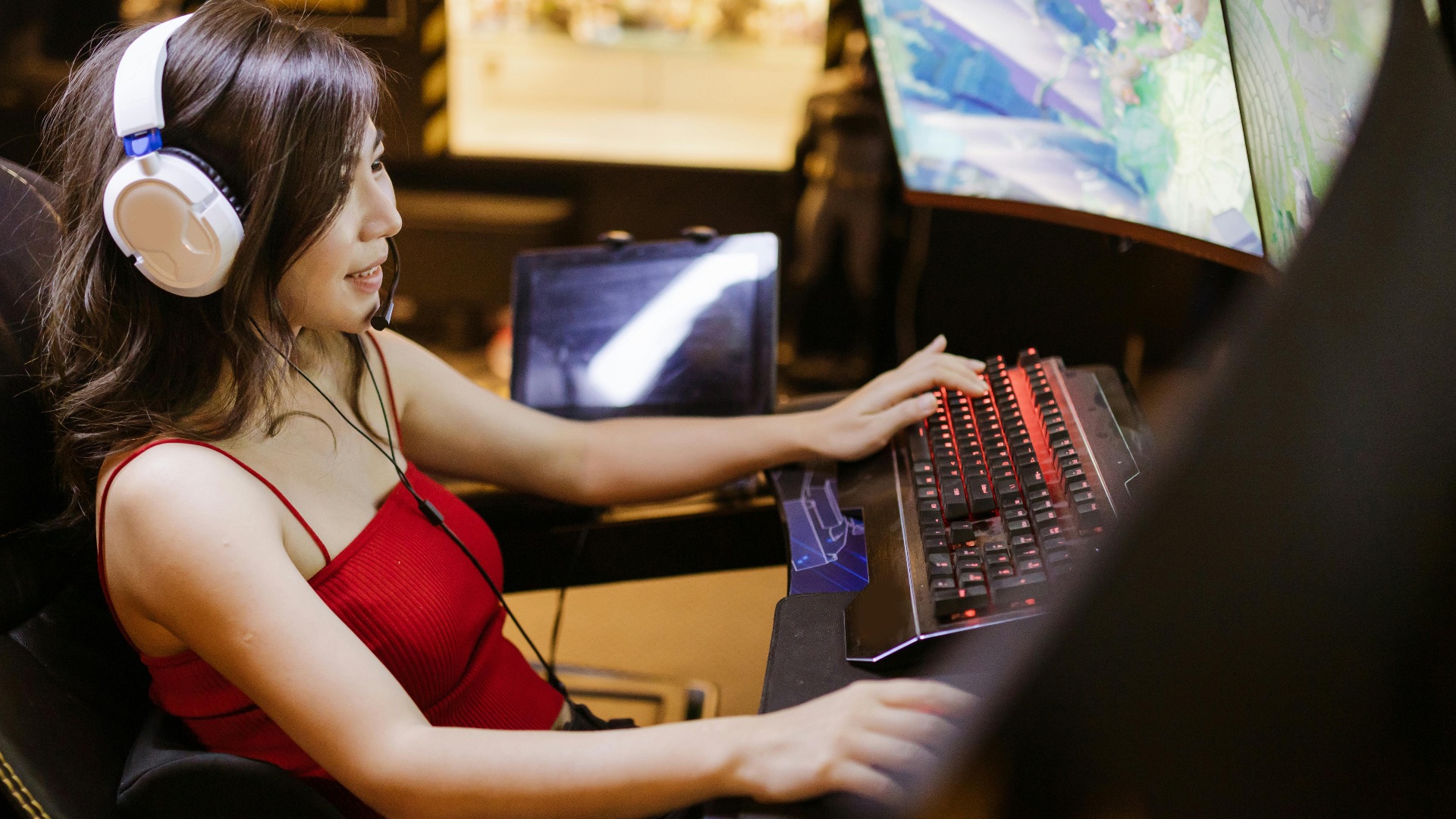
8. Building a Community Takes Intentional Work
Those warm, tight-knit communities don't form by accident; they're the result of consistent engagement, moderation, and a lot of effort put into making viewers feel welcome. Streamers spend time outside of broadcasts responding to messages, managing Discord servers, and keeping toxic behavior out of their spaces. It's essentially community management layered on top of everything else the job already requires.
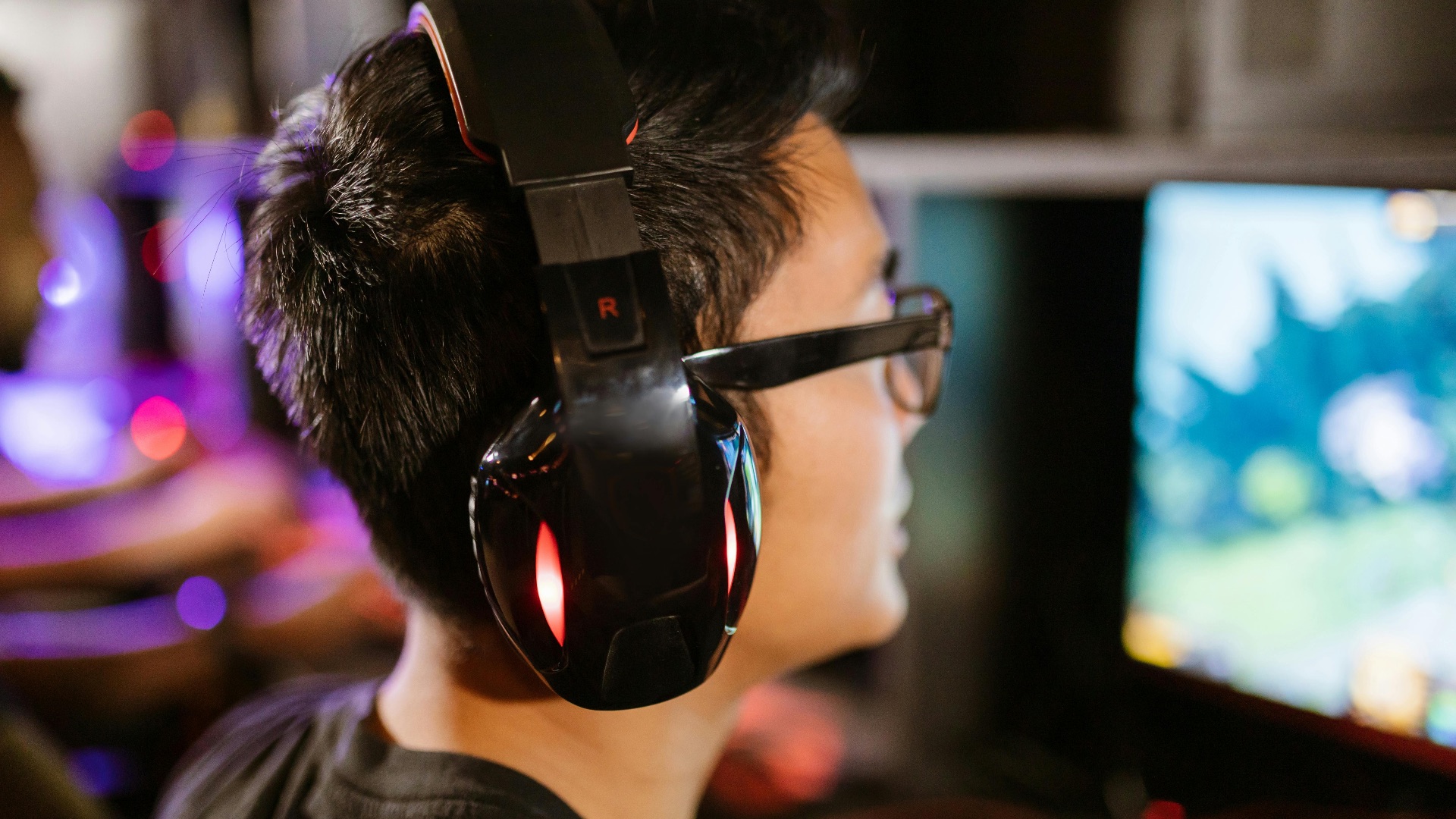
9. You're One Algorithm Change Away from Starting Over
Platforms update their discovery features, adjust their monetization policies, and shift what content they prioritize with little to no warning. A streamer who's been steadily growing can suddenly find their visibility slashed simply because the platform decided to restructure how it surfaces content. It creates a level of career instability that most traditional jobs simply don't carry.
10. The Mental Health Toll Is Real
Streaming in public means opening yourself up to criticism, harassment, and comparison on a daily basis. Many streamers deal with loneliness despite appearing constantly surrounded by people, and the pressure to perform consistently can take a serious toll over time. It's a career path that requires a strong sense of self and a solid support system outside of the screen.