

When Doom launched in 1993, it didn’t just introduce players to a new kind of game; it redefined what action in gaming could feel like. Developed by id Software, it built on earlier titles like Wolfenstein 3D but pushed speed, intensity, and immersion to new levels. The game’s fluid movement and relentless pacing stood out immediately. Players weren’t just exploring environments. Instead, they were reacting quickly and constantly. That shift helped lay the groundwork for modern first-person shooters.
At a time when many games were slower and more methodical, Doom encouraged fast decision-making and aggressive play. Its design rewarded quick reflexes and situational awareness rather than cautious movement. This approach became a defining feature of the genre. Even decades later, its influence is still visible in both classic and modern shooters. The game didn’t just succeed commercially; it changed expectations.
Speed and Movement Changed Everything
One of Doom’s most important contributions was its emphasis on speed. Players could move quickly through levels, dodge enemy attacks, and reposition constantly during combat. This created a sense of urgency that kept gameplay engaging at all times. Unlike slower-paced games of the era, standing still often meant losing, as movement became a core survival mechanic.
The game’s controls were also designed for responsiveness and fluidity. Even with keyboard-only input in its original release, players could navigate environments smoothly. This made fast-paced action feel natural rather than overwhelming. Later adaptations with mouse support further enhanced precision and control. These improvements helped establish the control standards used in shooters today.
Level design also supported this emphasis on motion. Maps featured interconnected rooms, hidden paths, and vertical elements that encouraged exploration at speed. Players were rarely confined to narrow corridors without options. This openness allowed for dynamic encounters and quick decision-making. It created a gameplay loop that rewarded both skill and adaptability.
Combat That Encouraged Aggression
Doom introduced a combat style that pushed players to stay active and engaged. Enemies attacked in groups and from multiple directions, forcing constant movement. There was little room for passive play or waiting for the right moment. Instead, success depended on reacting quickly and managing threats in real time. This approach made every encounter feel intense.
Weapons also played a key role in shaping the game’s pacing. Each weapon, from the shotgun to the rocket launcher, was designed for immediate impact. Switching between them quickly became part of effective gameplay. The variety allowed players to adapt to different situations without slowing down, encouraging a more aggressive and fluid combat style.
The absence of features like reloading further contributed to the game’s speed. Players could fire continuously without interruption, maintaining momentum during fights. Health and ammo pickups were scattered throughout levels, rewarding forward movement. This design kept players pushing ahead rather than retreating. It reinforced the idea that action should remain constant.
Technology and Community Impact
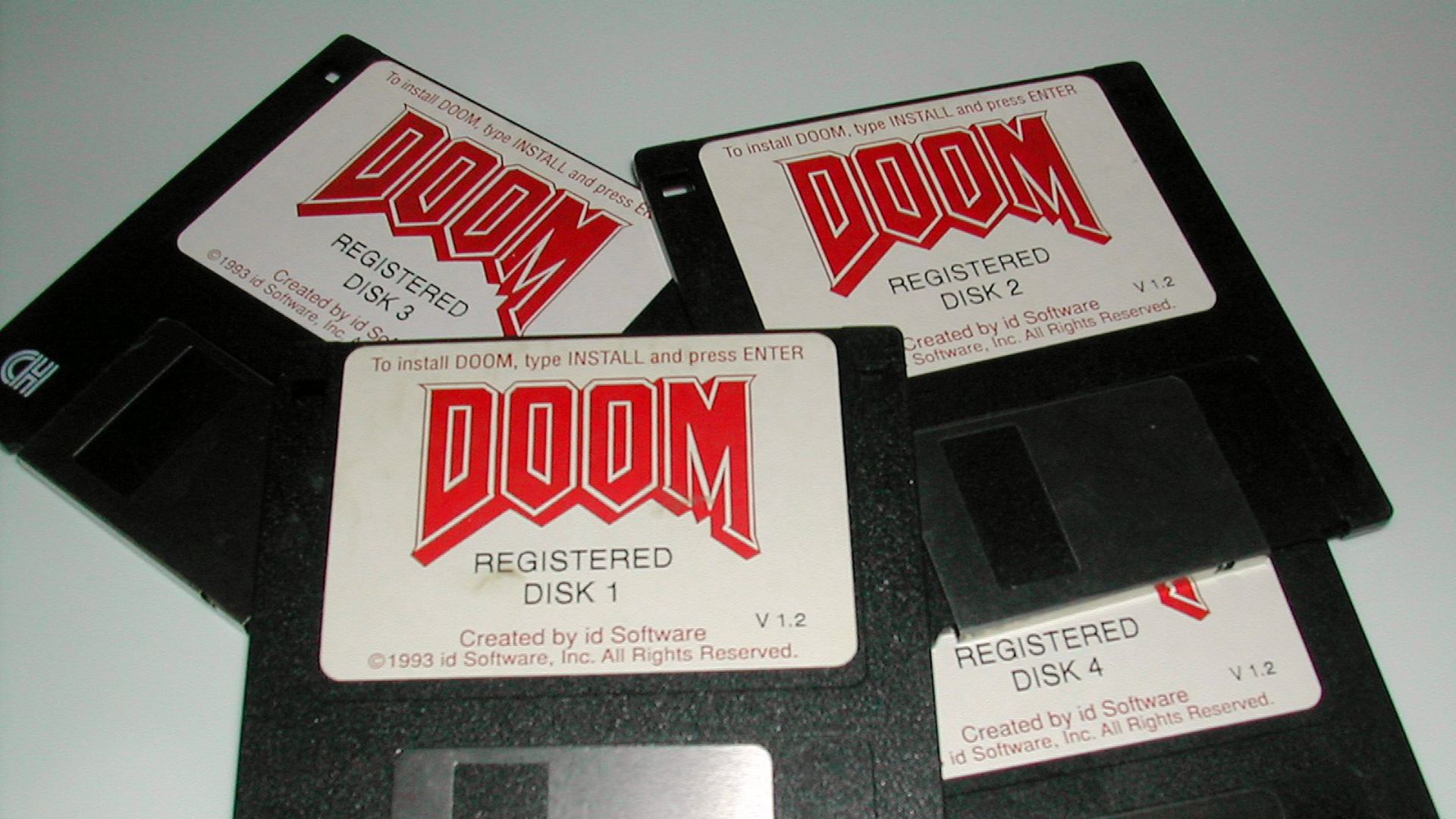
Doom’s technical achievements were just as important as its gameplay innovations. Its engine created the illusion of 3D environments while running efficiently on available hardware. This allowed for larger, more complex levels than many earlier games. The smooth performance helped maintain the fast pace that defined the experience. It showed what was possible with clever design and optimization.
The game also played a major role in popularizing multiplayer gaming. Its local network “deathmatch” mode introduced competitive play that was both fast and chaotic. Players could face off against each other in real time, adding a new dimension to the genre. This feature became a foundation for future multiplayer shooters. It demonstrated the appeal of competitive, fast-paced gameplay.
Another lasting contribution was its support for user-created content. Doom allowed players to modify levels, graphics, and gameplay elements through files known as WADs. This fostered a creative community that extended the game’s lifespan, turning modding into an important part of gaming culture as a result. It also influenced how developers approached community engagement in later titles.
Doom didn’t just pioneer fast-paced shooters, it defined many of the principles that still shape the genre today. Its focus on speed, aggressive combat, and player freedom created an experience that felt fresh and intense. The game’s technical innovations and community impact further cemented its legacy. Even now, its influence can be seen in countless titles that prioritize movement and momentum. It remains a landmark title in gaming history.