Batman Can't Be Your Favorite Superhero If You Believe In Any Of These Common Misconceptions
Batman Can't Be Your Favorite Superhero If You Believe In Any Of These Common Misconceptions
The Batman You Think Exists
You’ve heard the takes in comic shops and online threads, where confident voices recycle the same assumptions. Batman gets flattened into slogans instead of substance. These misconceptions ignore decades of history, context, and growth shaped across generations. Read on to see Gotham, Bruce Wayne, and the choices defining him with clearer eyes.
1. Batman Is A Lone Operator
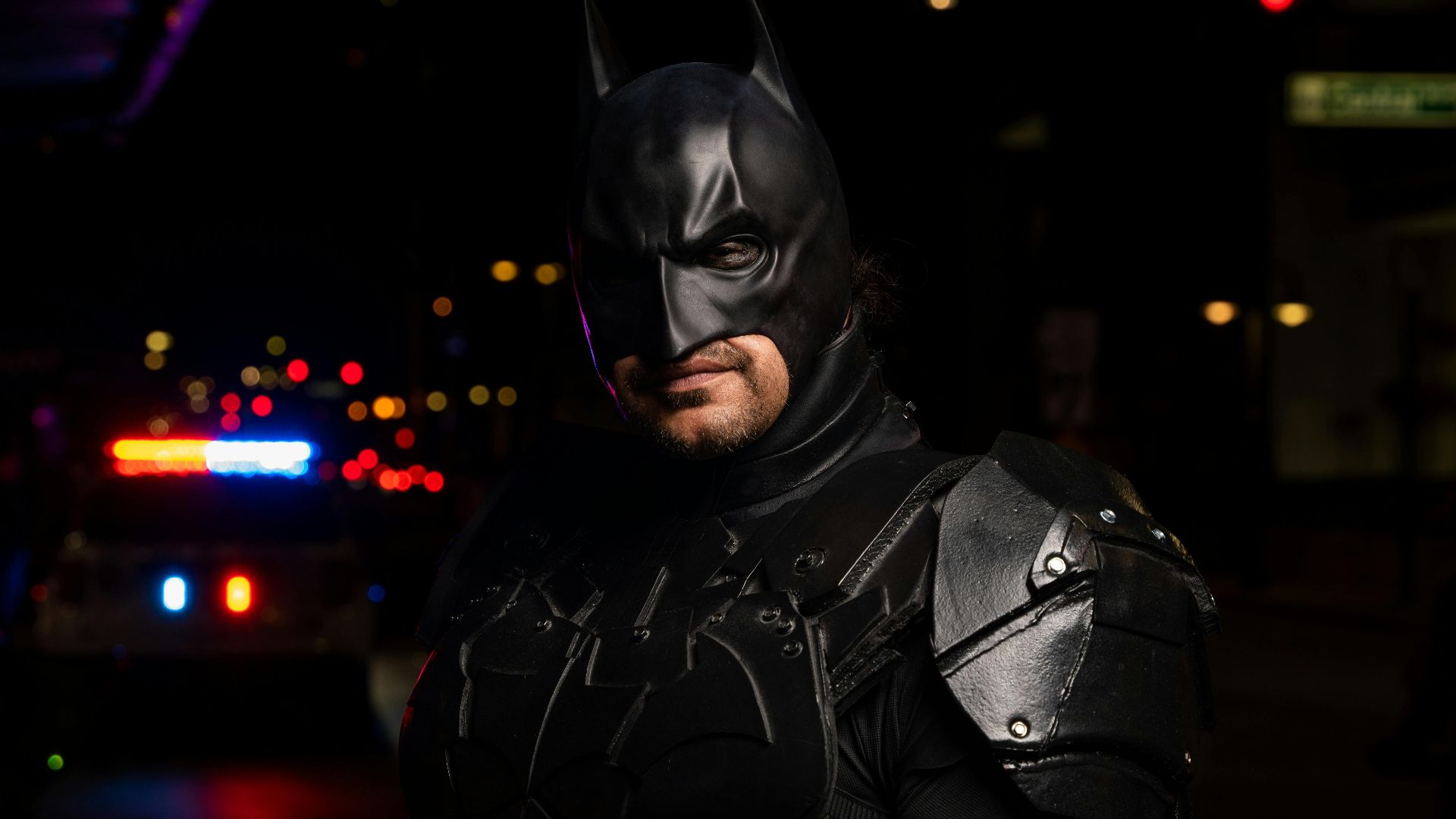
Batman rarely works alone. Since the 1940s, he has relied on Robins, Batgirl, Nightwing, Red Hood, and the Bat-family in stories like Knightfall and No Man’s Land. He partners long-term with Commissioner Gordon and co-founded the Justice League. Batman: The Brave and the Bold regularly shows him teaming up.

2. Bruce Wayne Is Just A Mask
Bruce Wayne expresses compassion and moral values taught by his parents through philanthropy and social influence. The Dark Knight Returns and Batman: Year One show both identities sharing humanity. Bruce experiences real emotions and relationships. Some comics depict him exaggerating his public persona through disguises or extravagant parties.

3. Batman Is A Bad Father
Bruce trained and supported Grayson, Jason Todd, Tim Drake, and Damian Wayne, despite communication struggles. Stories show them expressing love and gratitude. Batman and Robin arcs highlight sacrifices driven by family bonds. Post-Crisis and Rebirth continuities emphasize stability, guidance, and eventual adoption.
4. Prep Time Makes Him Invincible
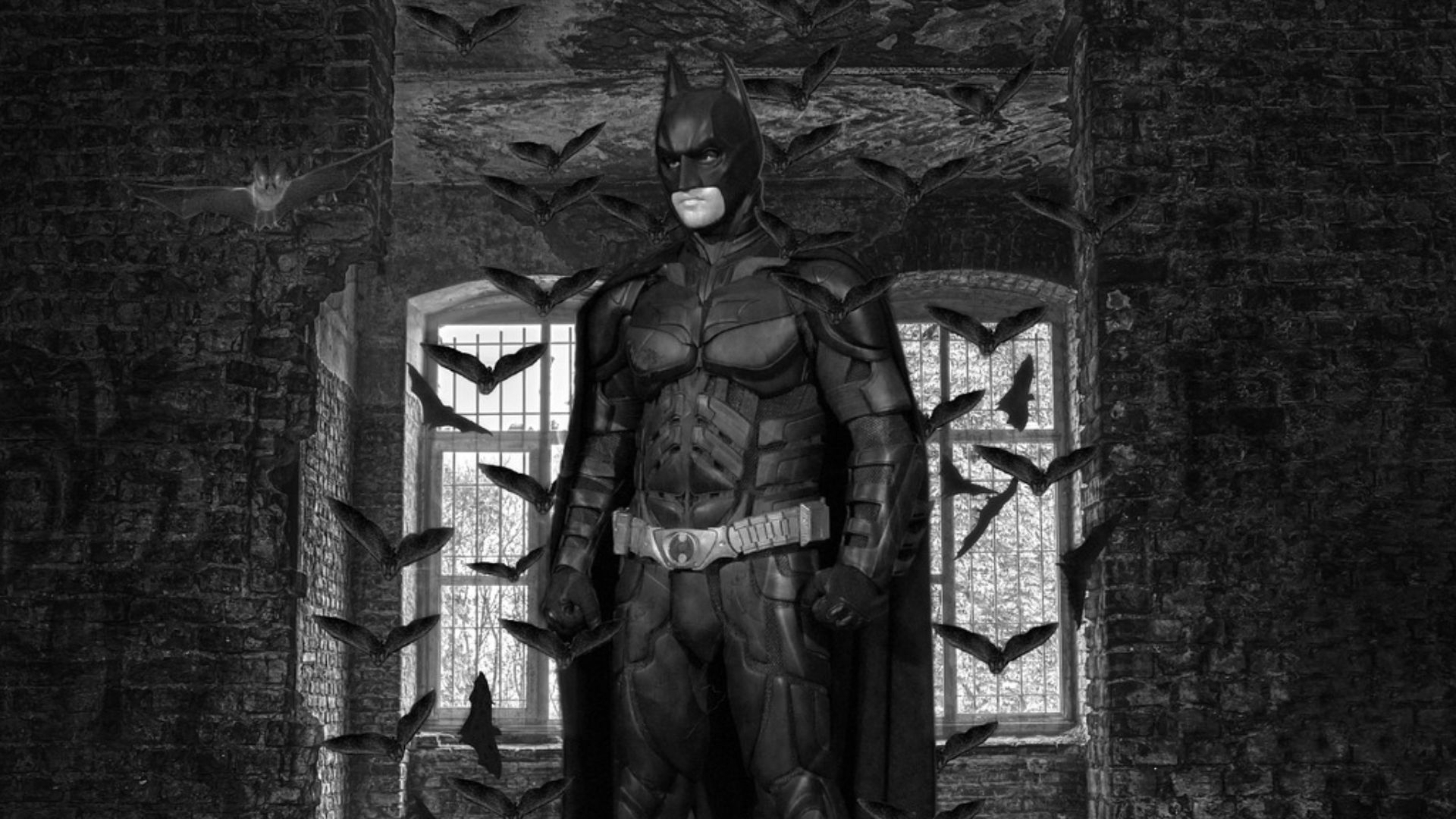
The prep-time idea comes from Tower of Babel, where contingencies succeed selectively. Batman has been defeated by Doomsday and Superman without proper preparation. His planning reflects human caution, not invincibility, often requiring allies or luck. One Justice League file even detailed defeating Santa Claus.

5. Batman Loves Violence
Batman primarily uses non-lethal force and seeks rehabilitation for low-level criminals. His code prioritizes justice rather than vengeance. Core comics portray restraint, while films and games heighten brutality. He has also secretly funded job training programs for reformed offenders encountered during patrols.
6. Batman Targets The Vulnerable
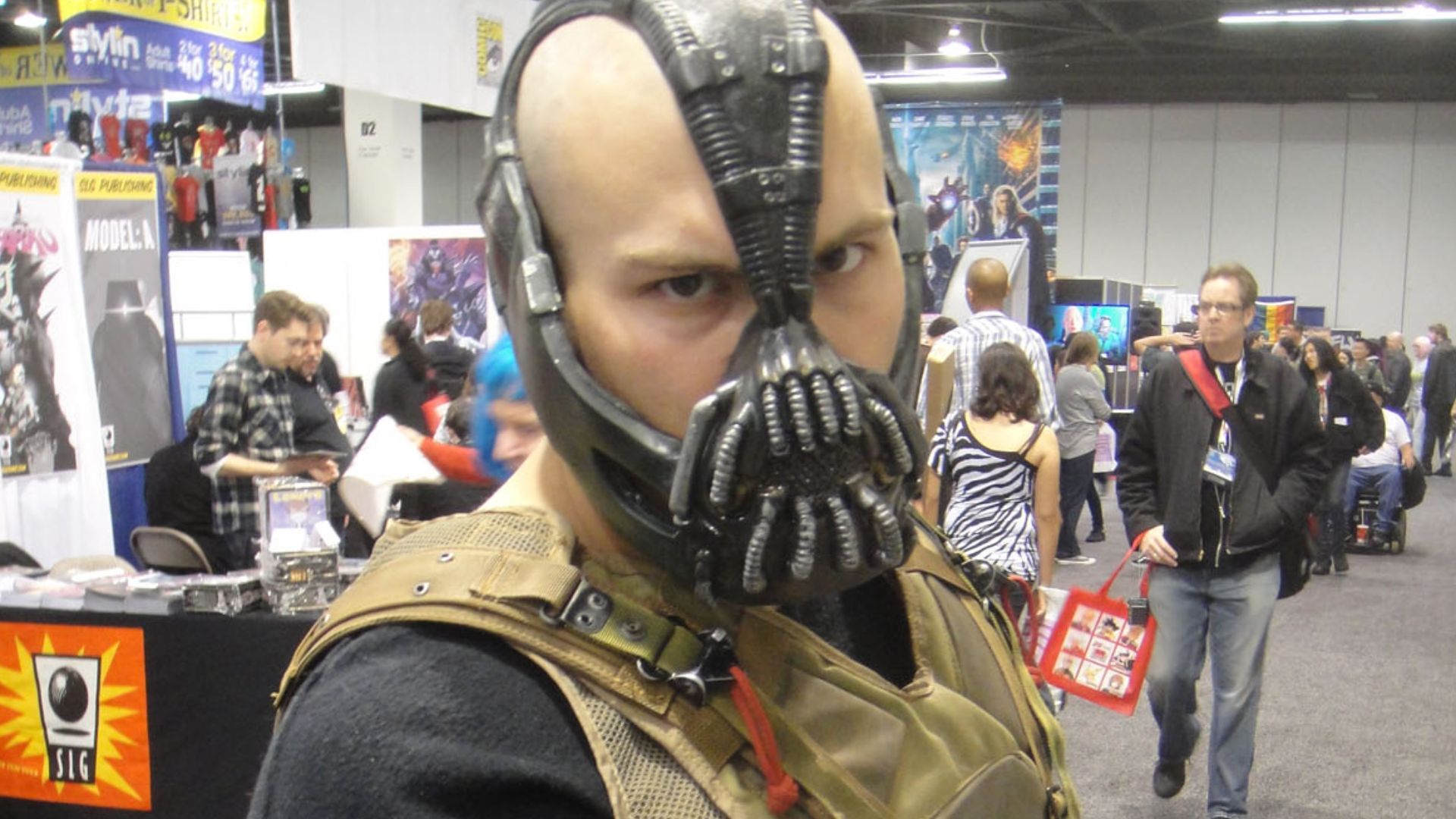
Batman’s enemies also include wealthy, sane figures like Ra’s al Ghul, Bane, and Black Mask. He fights elite corruption and corporate crime with the same zeal. He also supports better mental health treatment. One comic even shows him helping a petty thief find work at Wayne Enterprises.
 The Conmunity - Pop Culture Geek from Los Angeles, CA, USA on Wikimedia
7. Batman Is Power-Hungry
This superhero’s vigilantism responds to Gotham’s extreme crime and corruption, not a hunger for control. Stories show him rejecting power grabs and working within legal boundaries through Gordon. His moral code centers on protection and hope. In Justice League Unlimited, he even joins a support group.
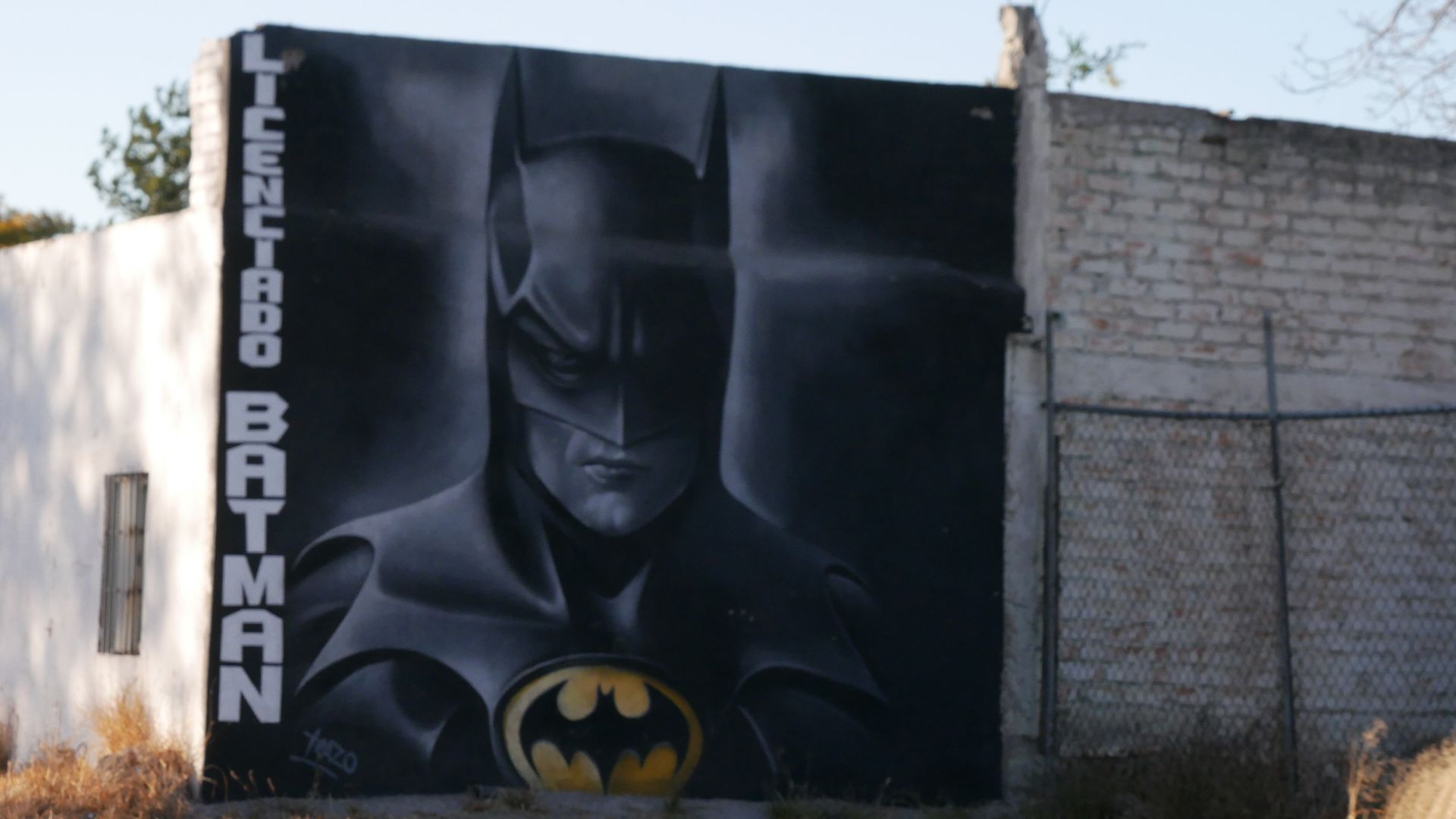
8. Bruce Wayne Does Nothing With His Money
Do you know that Bruce secretly funds Gotham’s hospitals, charities, and anti-poverty programs through the Wayne Foundation? Corruption often disrupts progress, as shown in The Long Halloween, but he keeps fighting through philanthropy.

9. Batman Runs On Revenge
Anger isn’t the whole story. Batman’s mission is to prevent others from experiencing his loss. Batman: Year One stresses compassion and long-term safety. He mentors younger heroes to stop cycles of violence rather than continue them.
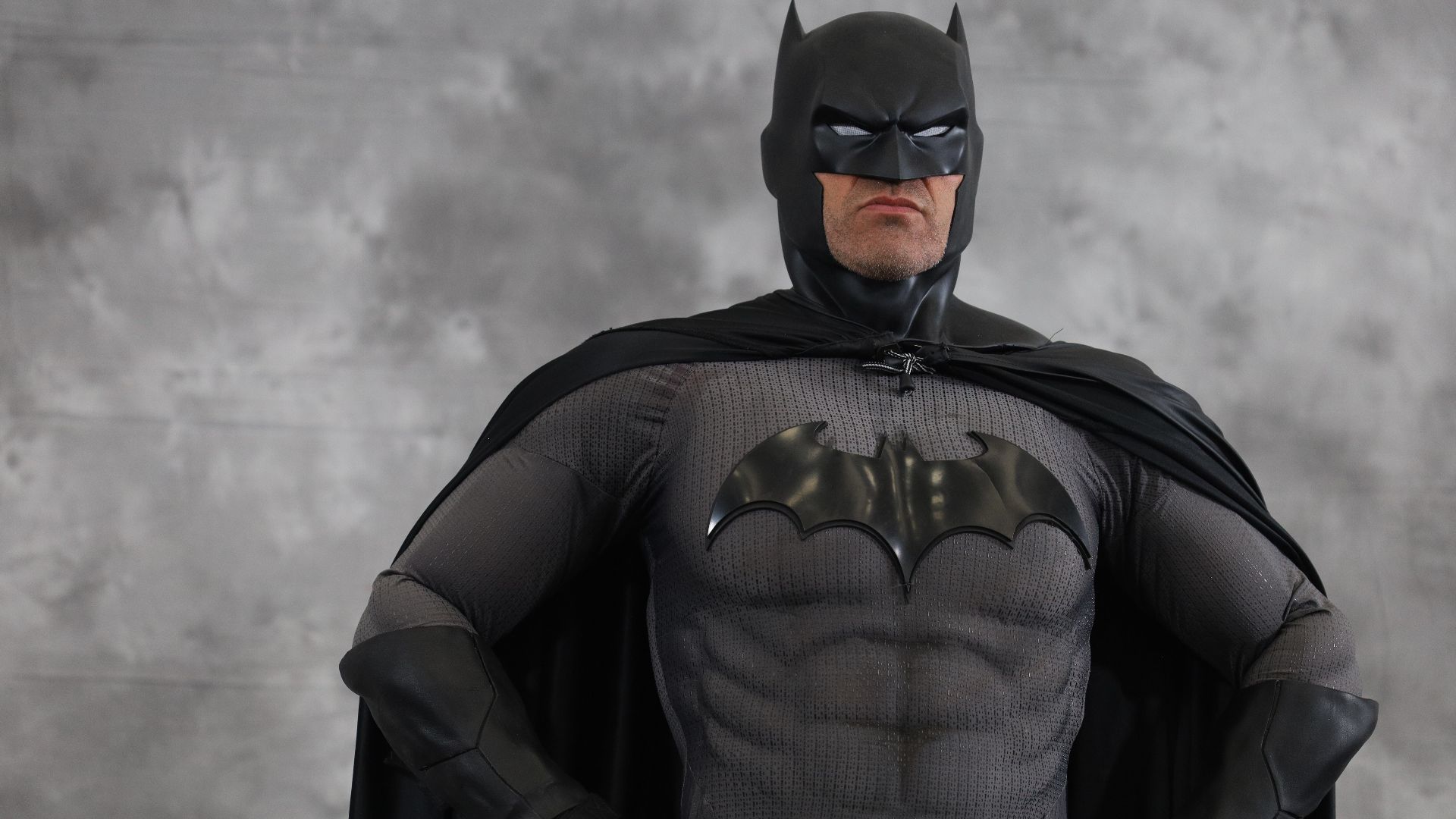
10. Batman Never Kills
The no-kill rule developed over time. Early stories from 1939–1940 show him using guns and lethal force. However, the rule solidified around Batman #4 in 1940 and tightened after the Comics Code. Modern canon values life due to parental influence.
11. Alfred Raised Bruce
Alfred Pennyworth didn’t raise Bruce from childhood. He debuted in Batman #16 in April 1943, years after Batman began. Early portrayals showed him bumbling. Bruce trained himself during global travels. Alfred learned the secret identity accidentally.
12. Wayne Manor Was Always Home
Wayne Manor wasn’t originally Bruce’s childhood home. Early stories show him purchasing it as an adult to support Batman’s operations. Later retcons changed it into a family estate. The Batcave was discovered after the purchase. Bruce once joked about the manor’s drafty charm while hiding secret passages from guests.

13. Bruce Adopted Grayson Immediately
Bruce took Grayson in after his parents’ murder in Detective Comics #38 in 1940, partly to train him against Zucco. Formal adoption came decades later in Batman: Gotham Knights #17 in 2001. Grayson chose to stay and become Robin.
14. Grayson Wasn’t The First Robin
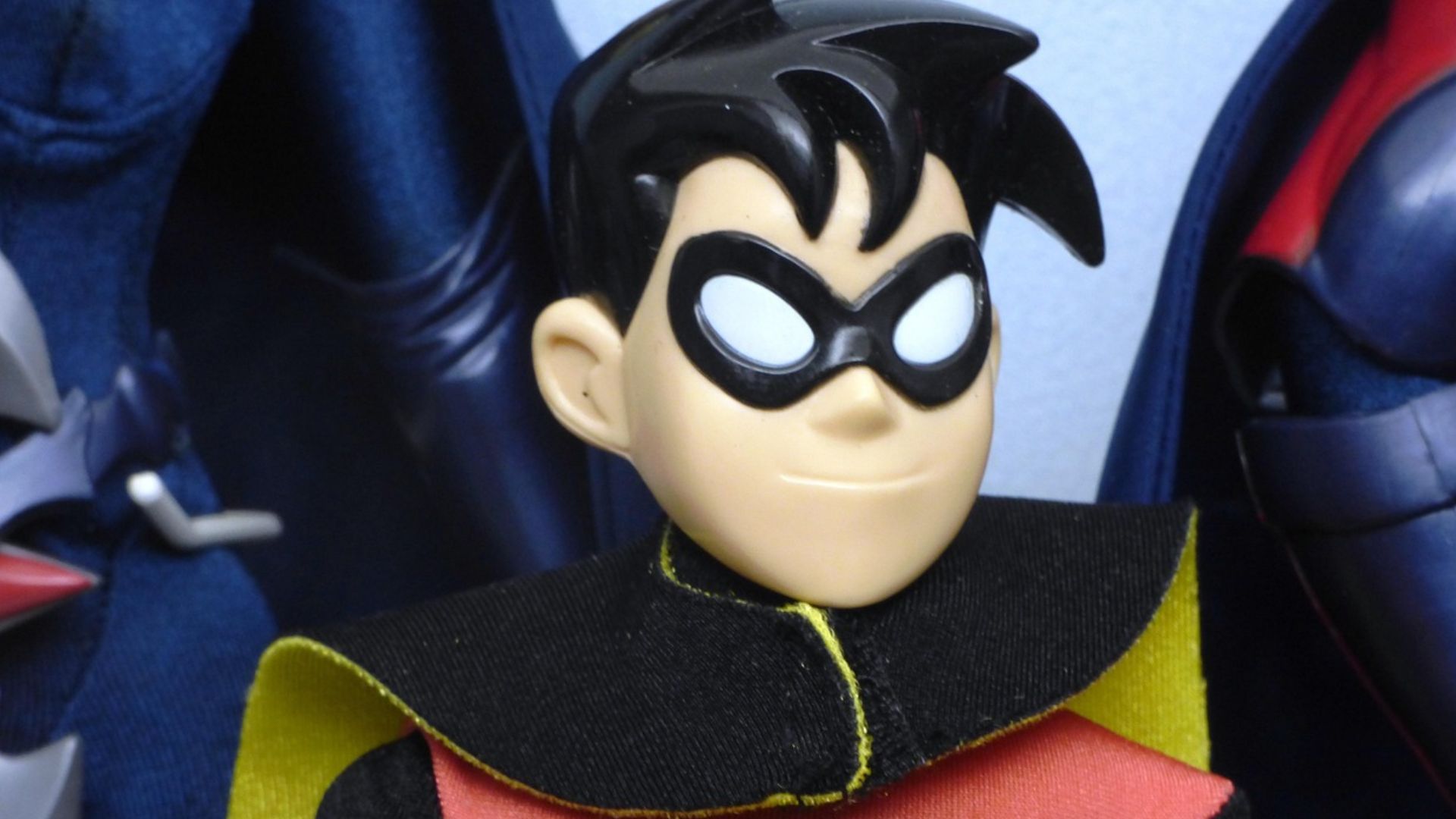
Grayson debuted as Robin in Detective Comics #38 in 1940 and defined the role publicly. A 1955 story showed young Bruce privately briefly dressing as Robin, but Grayson established the hero identity. Every later Robin followed his model. His acrobatics even inspired circus tributes inside Batman comics.
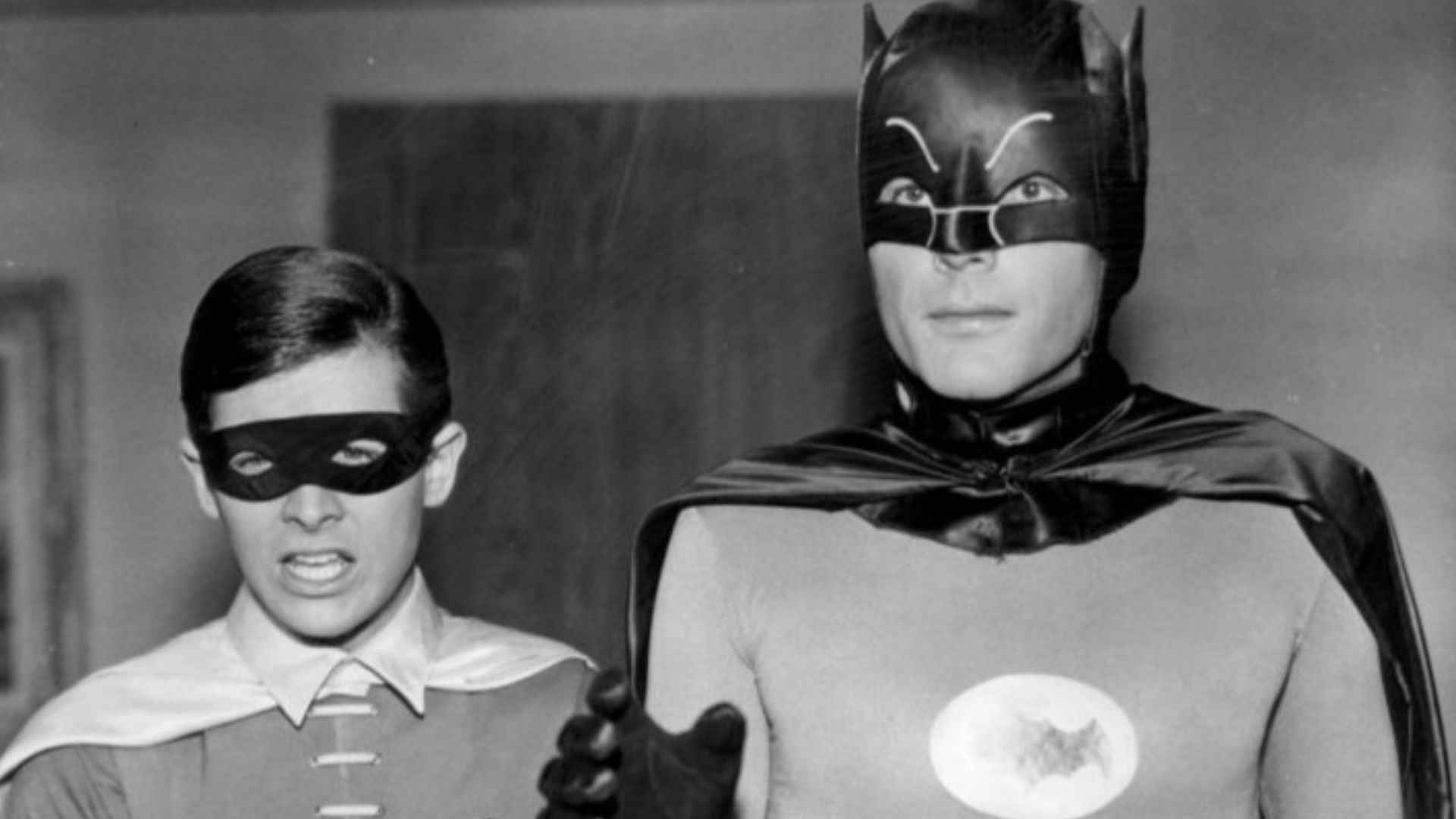 Greenway Productions-producer of both the television series and the 1966 film. on Wikimedia
15. Joker Fell By Accident
The Joker’s fall in The Killing Joke from 1988 was meant to happen. Alan Moore depicts him jumping into chemicals while escaping Batman. Accidental versions appear in adaptations like the 1989 film.
16. Batman Never Has Fun
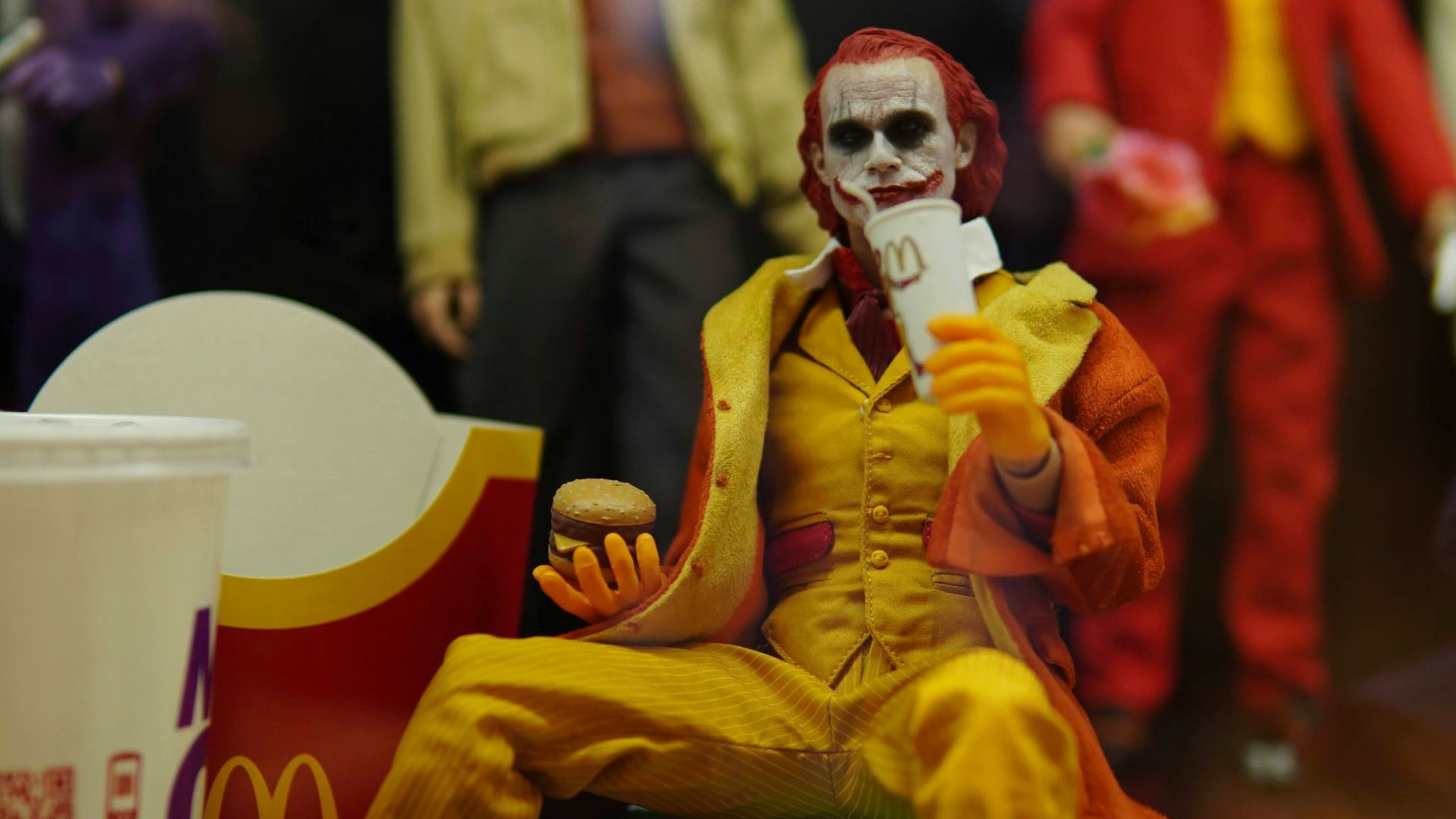
Batman: The Brave and the Bold highlights sarcasm and lighter moments. Sometimes, he shares laughter with allies and family. Adam West’s 1960s portrayal leaned fully into camp. One Silver Age comic even shows Batman smiling while riding a dinosaur, proving humor has long existed in canon.
17. Batman Hates Superman
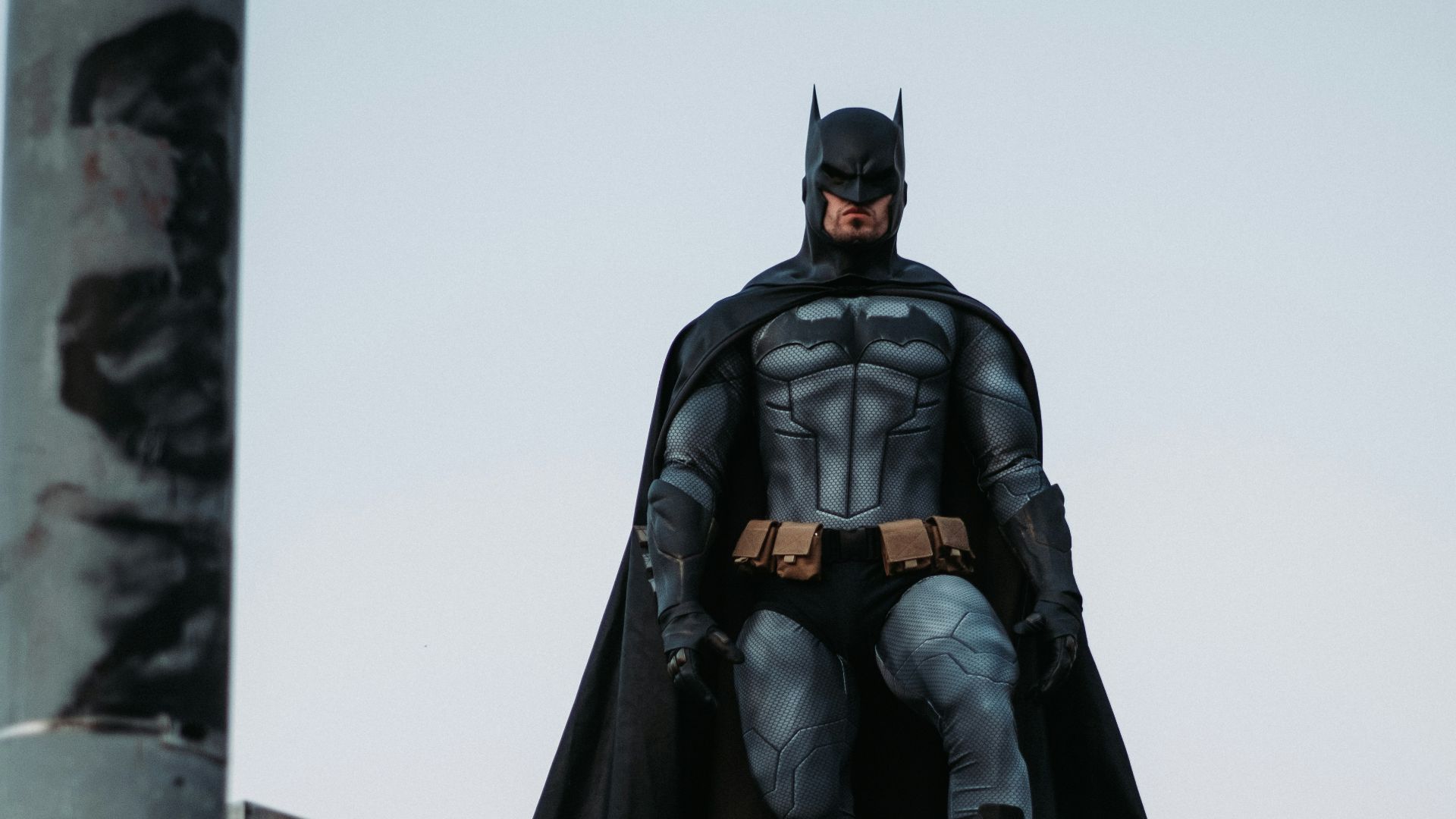
This pair was not always at loggerheads. They co-founded the Justice League and respect each other’s methods. In one lighthearted moment, Superman even talked Batman into attending a Justice League karaoke night. Rivalries usually appear in alternate timelines.
18. Batman Is The Smartest Hero
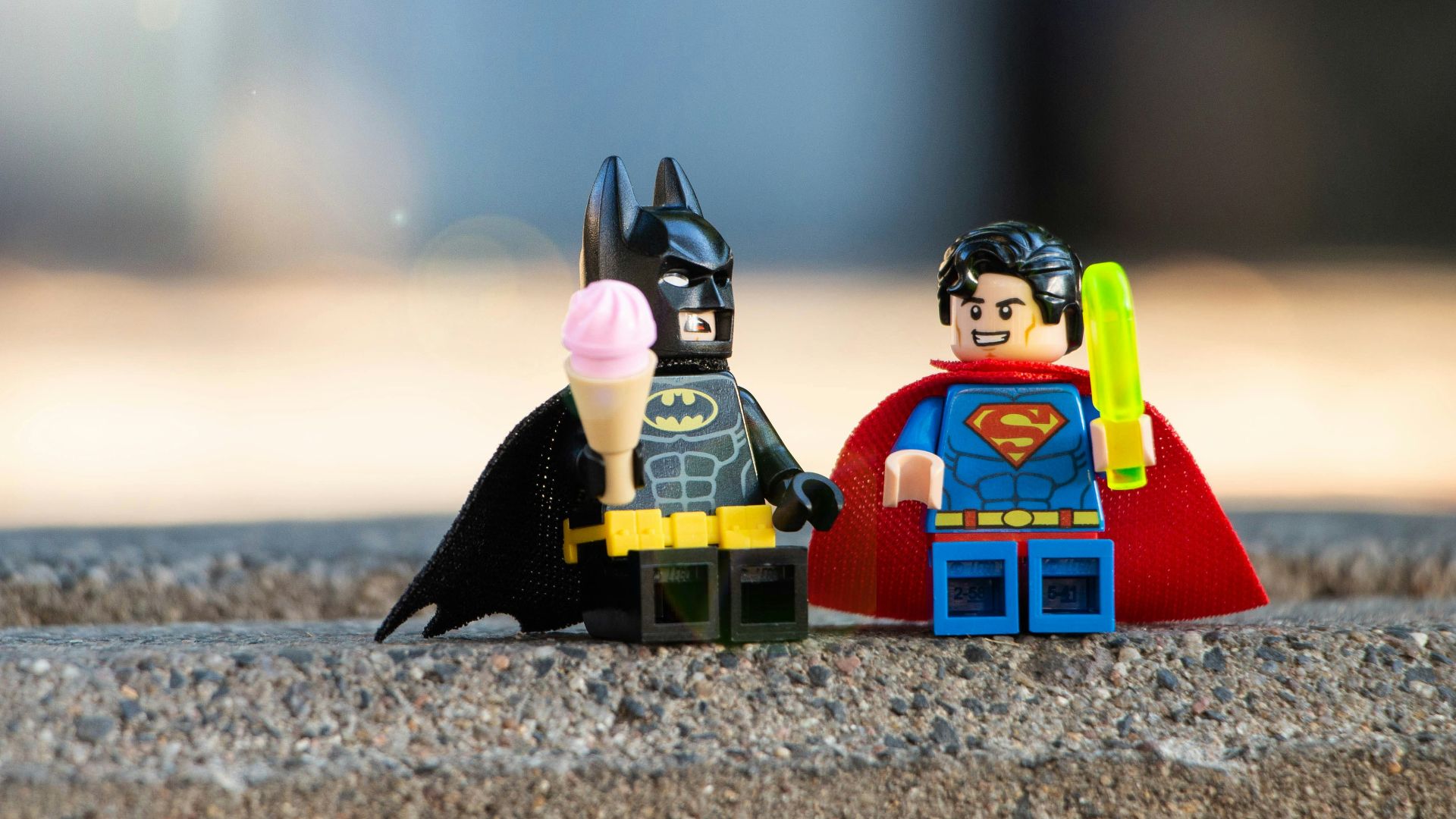
Yes, Batman excels as a detective, but others surpass him in specific fields. Mr. Terrific, Ray Palmer, and Brainiac 5 outpace him scientifically or strategically. While his skills shine at a human scale, he still openly collaborates with smarter allies.
19. Batman Never Uses Guns
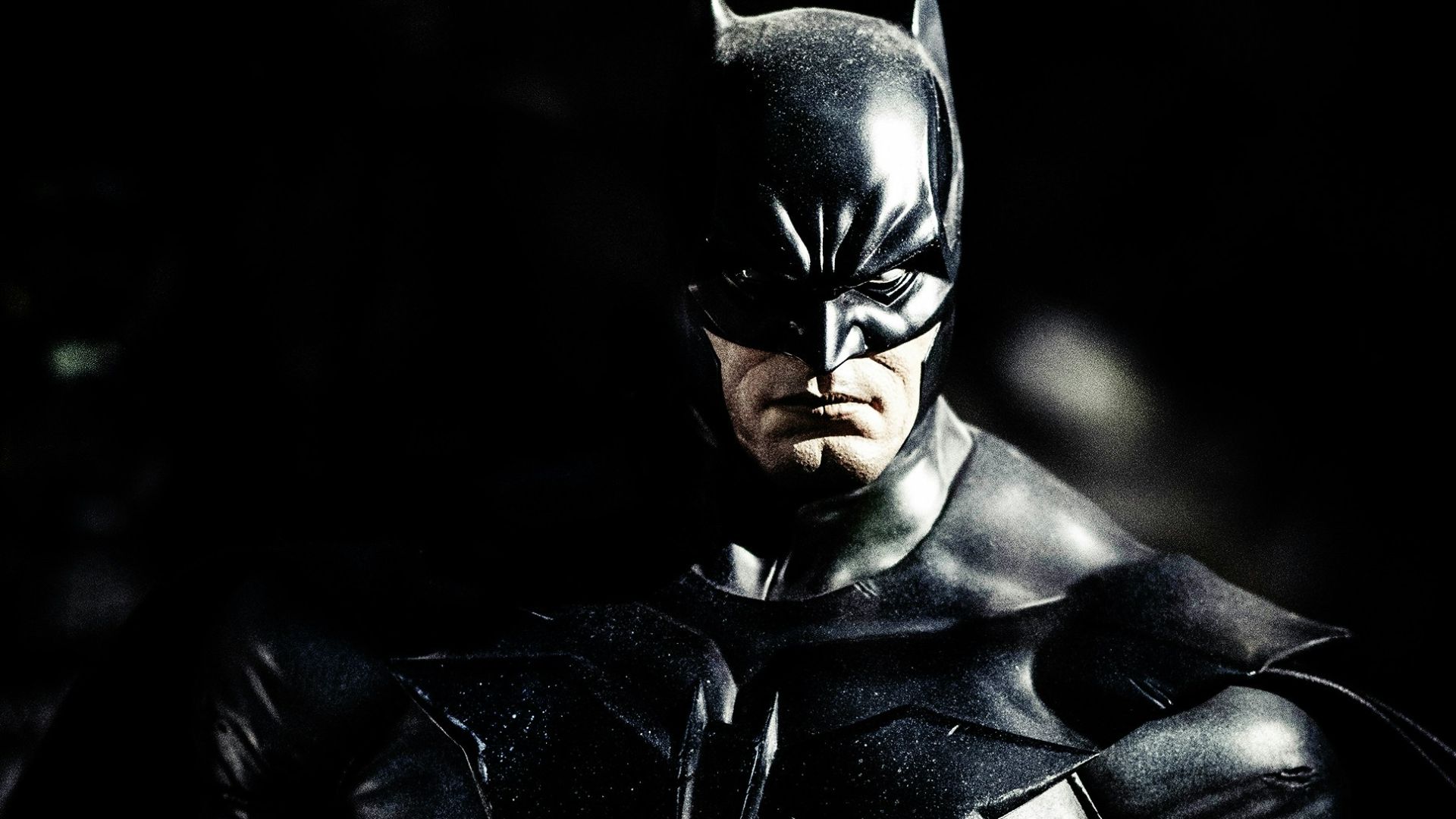
Early Golden Age stories from 1939–1940 show Batman using firearms at least five times. His aversion developed later, alongside the no-kill rule, around 1940–1941. He has since used advanced non-lethal weapons and even his parents’ pistol in Final Crisis. One early tale shows him discarding a gun symbolically.
 Syed Abdul Khaliq from Shah Alam, Malaysia on Wikimedia
20. Bob Kane Did Everything
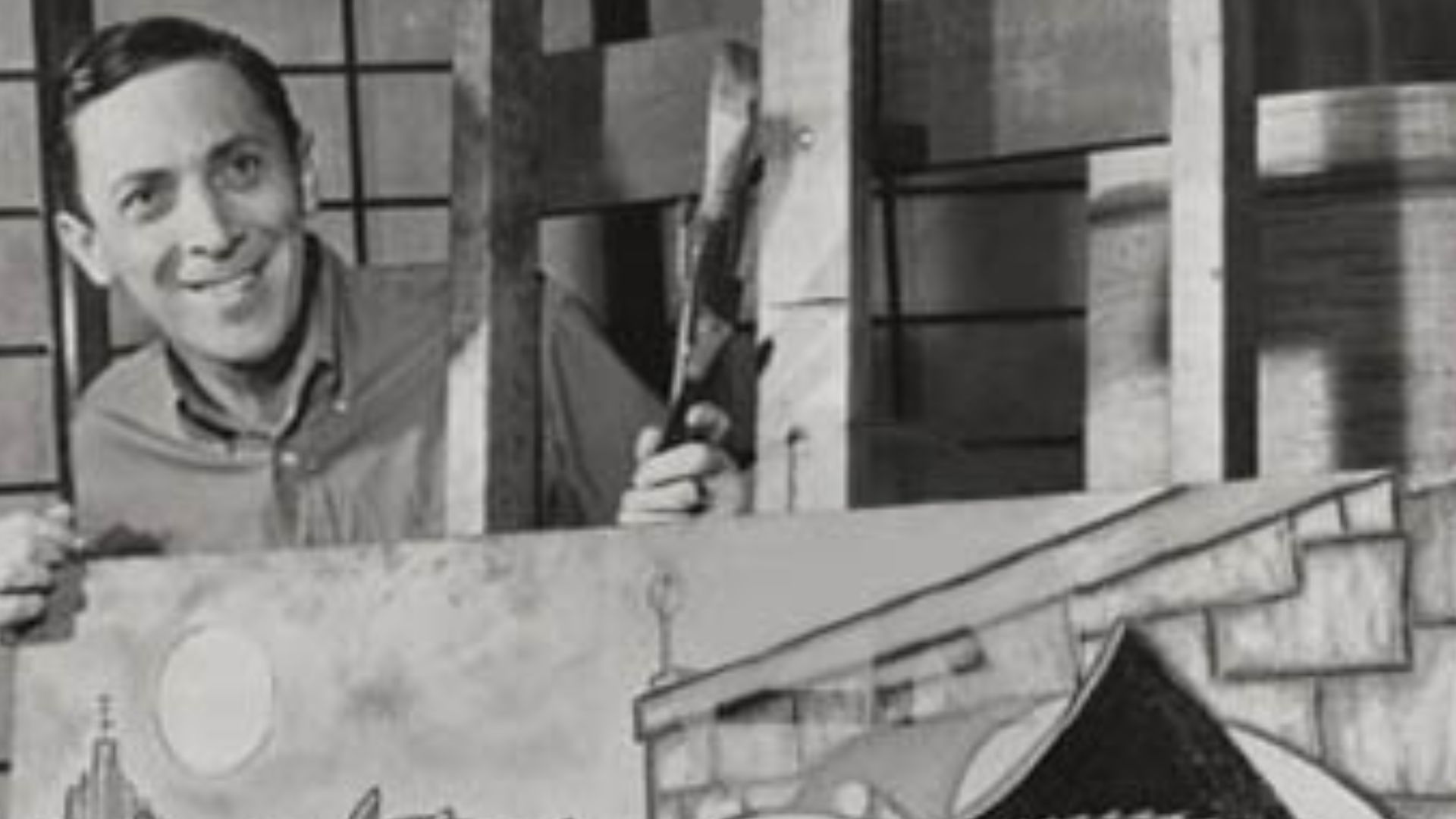
Bill Finger shaped Bruce Wayne’s name, costume, detective persona, and villains, including the Joker. Bob Kane received sole credit until DC officially recognized Finger as co-creator in 2015. Finger worked uncredited for decades. He reportedly named Batman after seeing a bat while brainstorming.