
When The “Right” Takeaway Became The Wrong One
Comics love a tidy takeaway, even when the story itself is messy and complicated. You can feel it in the last-panel snap of a newspaper strip and in the old narration boxes that practically wag a finger at you. A lot of those morals were shaped less by wisdom and more by whatever a publisher thought was safe, especially once the Comics Code Authority pushed mainstream books toward clean heroes, tidy institutions, and problems that could be solved without challenging the grown-ups in charge. The result is a long trail of lessons that made sense to someone at the time and now read like a cultural fossil. Here are twenty times comics pushed a message that has aged in a way that doesn't fully hold true today.

1. Authority Is Always Right
Code-era superhero and crime comics often treat police, judges, and official institutions as fundamentally trustworthy, because publishers were under pressure to avoid stories that made authority look corrupt or foolish. You end up with morals where the rebellious character is automatically irresponsible, even when the rules are clearly unfair.

2. Sympathy For The “Wrong” Person Is Dangerous
In a lot of sanitized crime stories from the 1950s and early 1960s, the moral steers you away from understanding why someone broke the law and toward simple punishment as the correct ending. That message lands awkwardly now, because modern readers expect at least some room for desperation, bias, and the messy reasons people get trapped.

3. Panic Is Patriotism
The Red Scare propaganda comic Is This Tomorrow: America Under Communism! (1947) treats suspicion as a civic duty and fear as common sense. The moral trains you to see enemies everywhere and to treat paranoia as maturity, which is a lesson that tends to rot a community from the inside.

4. Colonialism Is A Helpful Adventure
Tintin in the Congo presents a colonial worldview as normal fun, with the hero positioned as the competent outsider and local people treated like background. The moral, even when it’s unspoken, keeps circling the idea that domination is guidance and gratitude is expected.
5. Wartime Dehumanization Is Acceptable
Golden Age wartime comics regularly turned enemy nations into caricatures to keep the moral simple and the feelings hot. Captain America’s 1941 debut cover punching Hitler captures the era’s bluntness, and plenty of wartime stories went further into teaching readers who deserved empathy and who did not.

6. Persistence Beats Rejection
In Archie, romantic pursuit is often treated as harmless even when it’s clearly unwanted, because the chase is the joke and the engine of the series. The moral ends up rewarding the person who won’t back off with attention and plot momentum, which reads more like pressure than charm now.
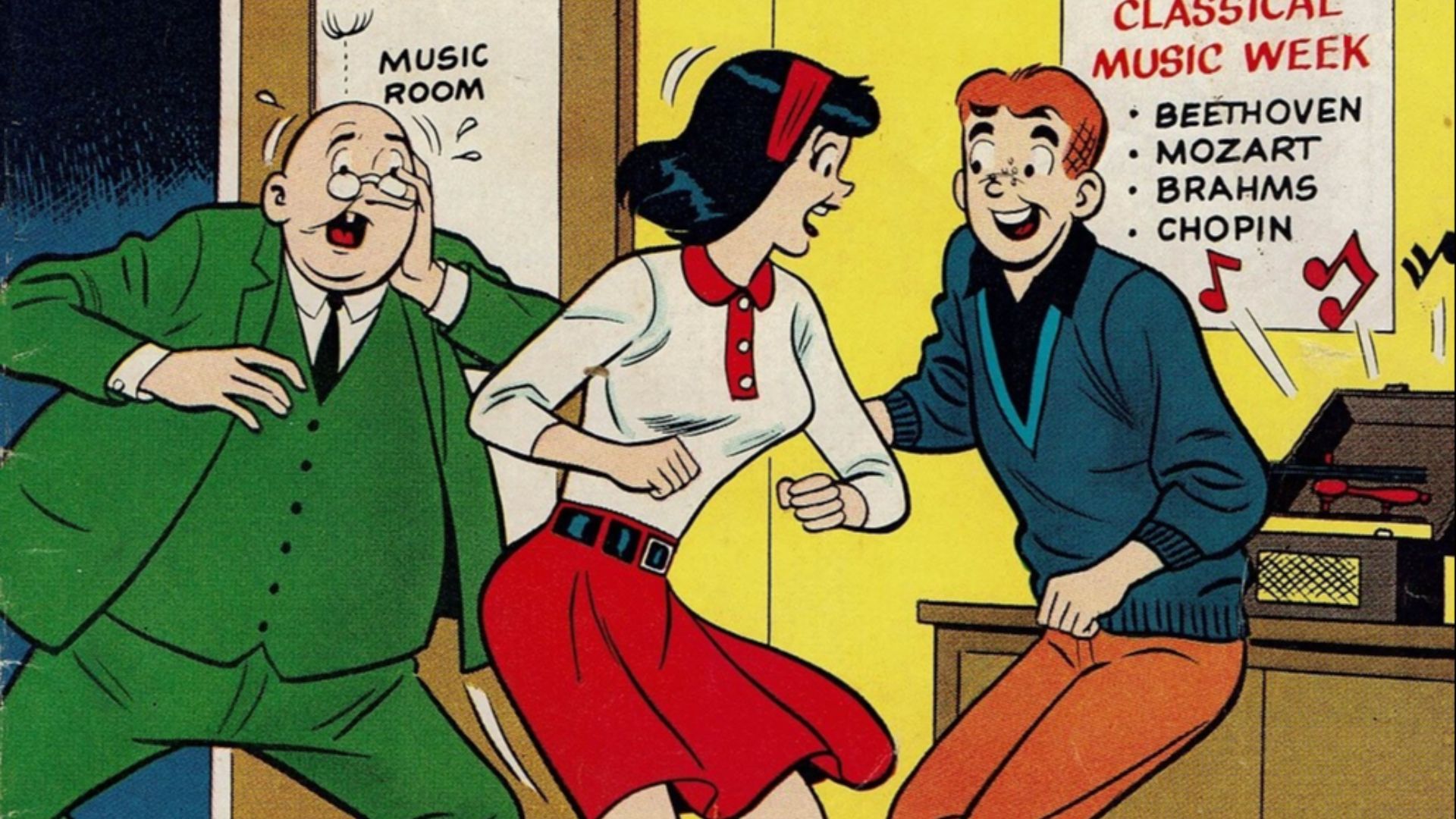 Cover artist: Bob White (1928 - 2005) on Wikimedia
7. Girls Should Compete Over A Guy
The Betty-Veronica rivalry in Archie is classic, and it also teaches a steady lesson that girls are supposed to fight each other for male attention. Archie’s indecision stays framed as lovable, which quietly shifts the cost of the mess onto the girls as if it’s their job to manage it.
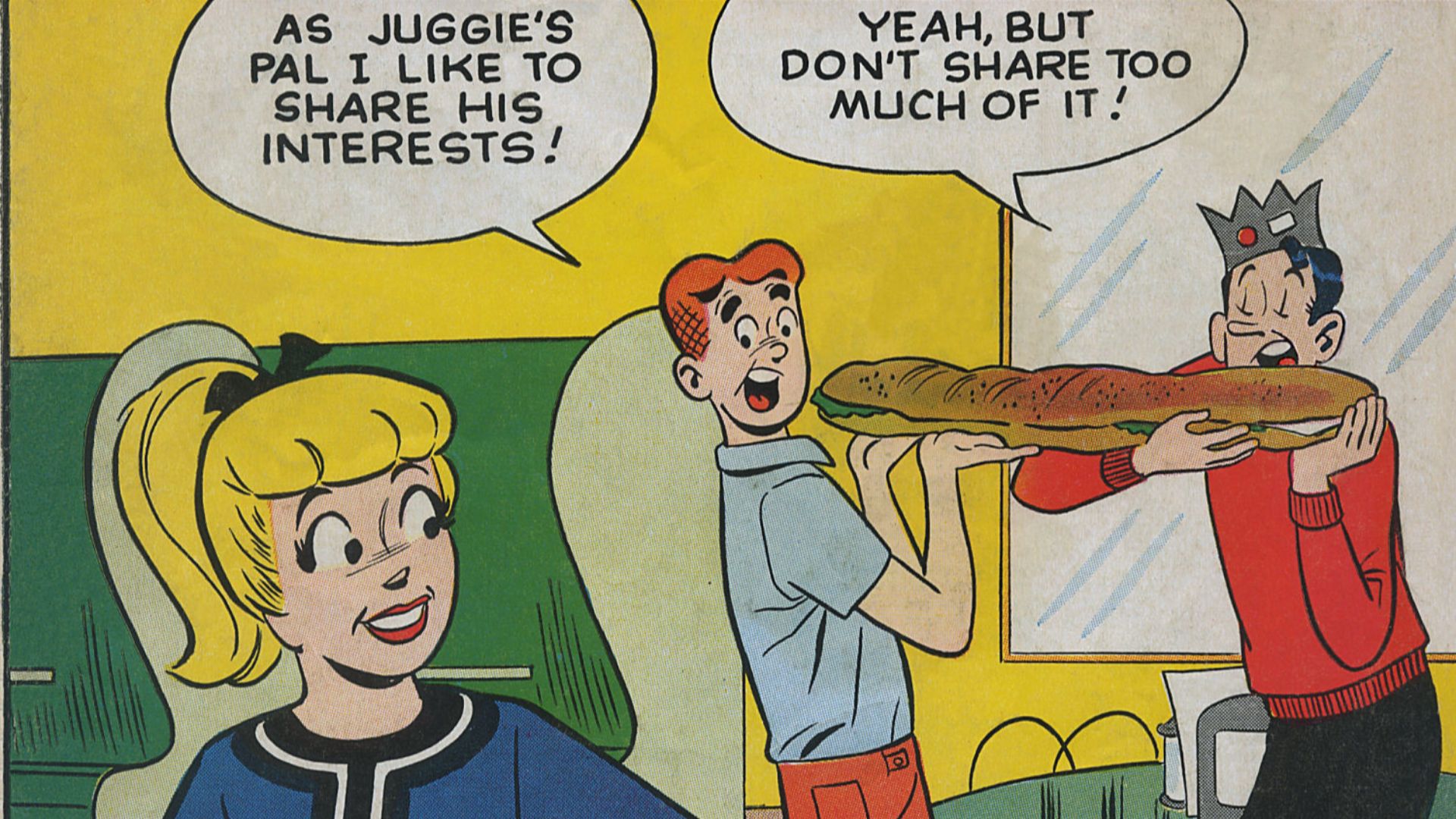 Cover artist: Samm Schwartz (1920 - 1997 on Wikimedia
8. A Woman’s Biggest Goal Should Be Marriage
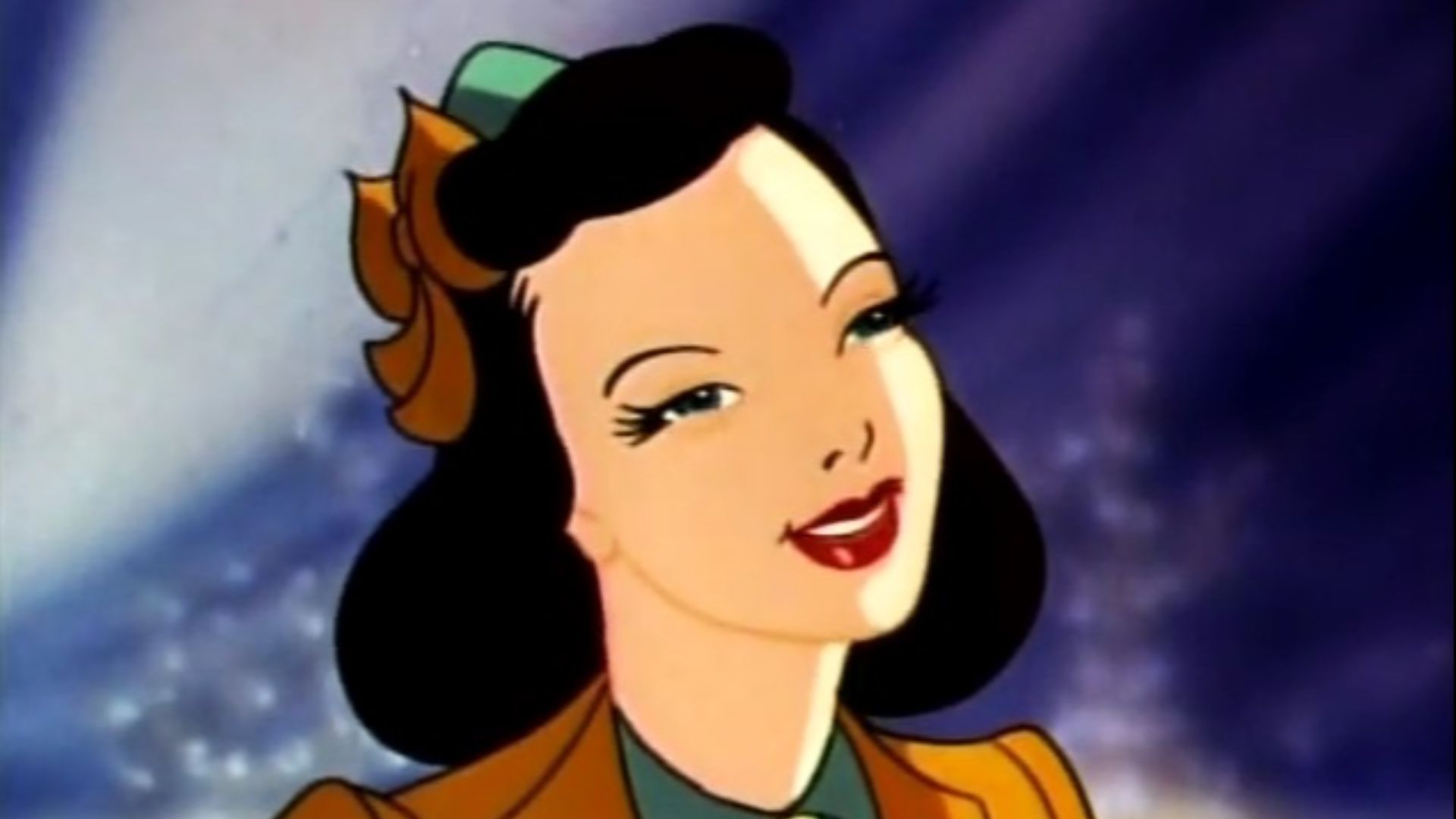
Superman’s Girl Friend, Lois Lane ran for years with stories where Lois’s “win” was often getting Superman to marry her, even when she’s portrayed as smart and ambitious. The moral shrinks her world down to a single outcome and treats everything else as a detour.
 Fleischer Studios on Wikimedia
9. Empathy Can Be Taught Through An Identity Switch
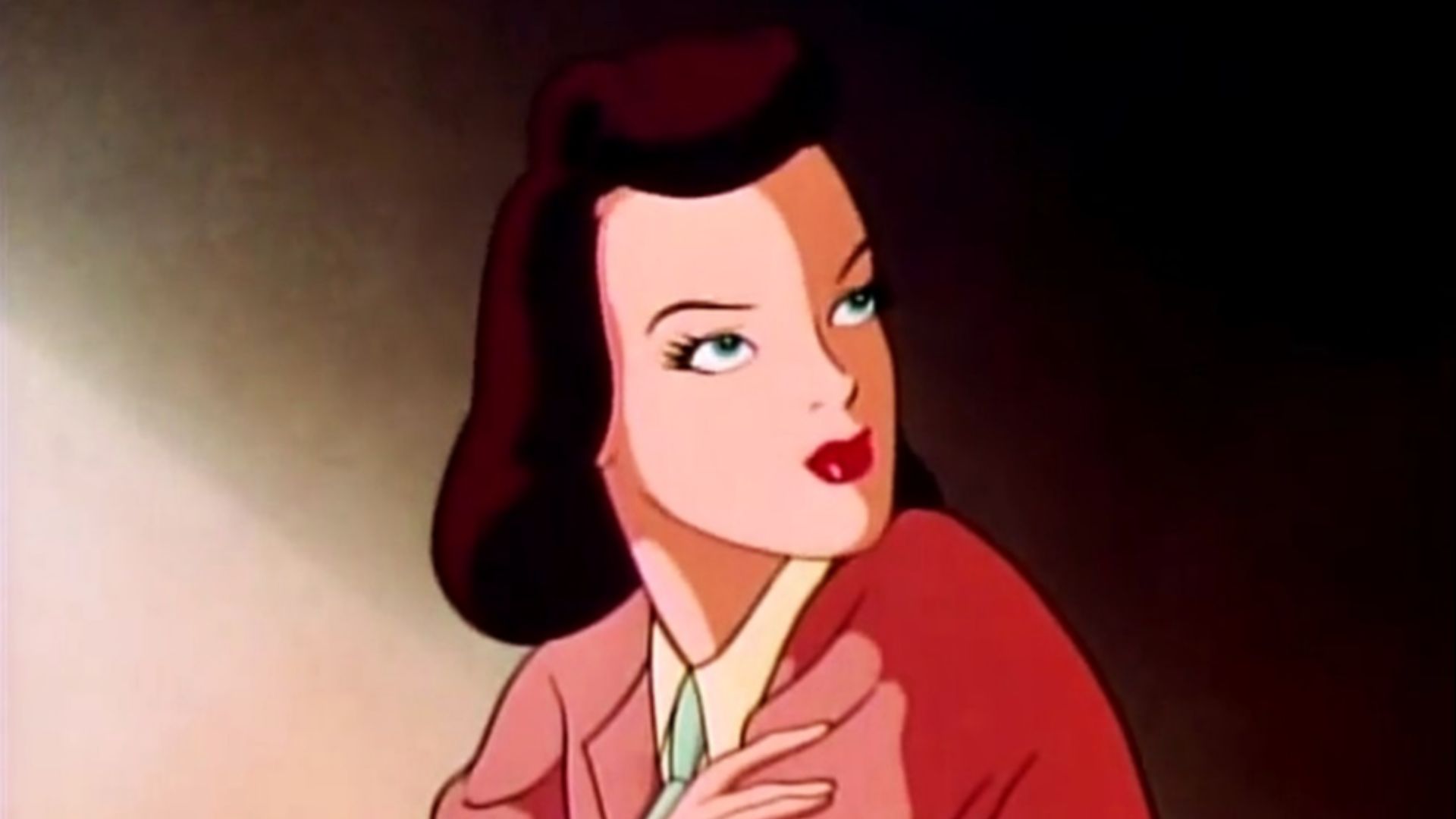
In Superman’s Girl Friend, Lois Lane #106 (1970), Lois is transformed so she can experience racism firsthand and report on it. Even when the goal is awareness, the moral centers the temporary experience of the observer and treats identity like something you can put on, learn from, and remove.
 Fleischer Studios on Wikimedia
10. A Wife Should Smooth Everything Over
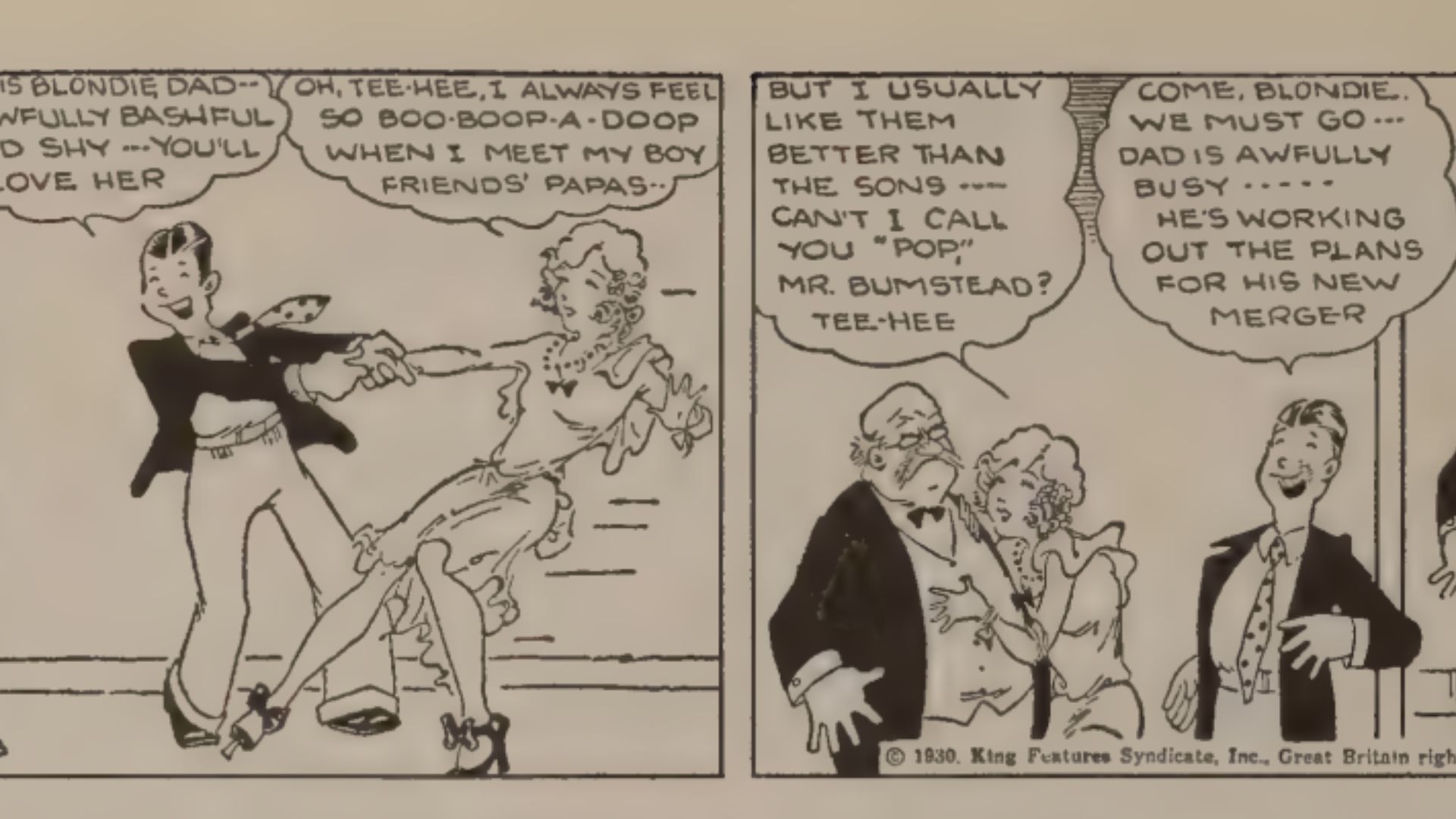
In Blondie, Dagwood’s chaos is the recurring spark, and Blondie’s competence is what quietly keeps the household and social world intact. The moral teaches that steady emotional management is part of being a good partner, even when the workload is clearly unequal.
11. A Miserable Marriage Is Normal And Funny
The Lockhorns made decades of humor out of open contempt between spouses, with cruelty treated as the standard rhythm of domestic life. The moral becomes “stick it out and trade insults,” which lands less like comedy now and more like a picture of normalized resentment.

12. Spankings And Humiliation Are Legitimate Parenting Tools
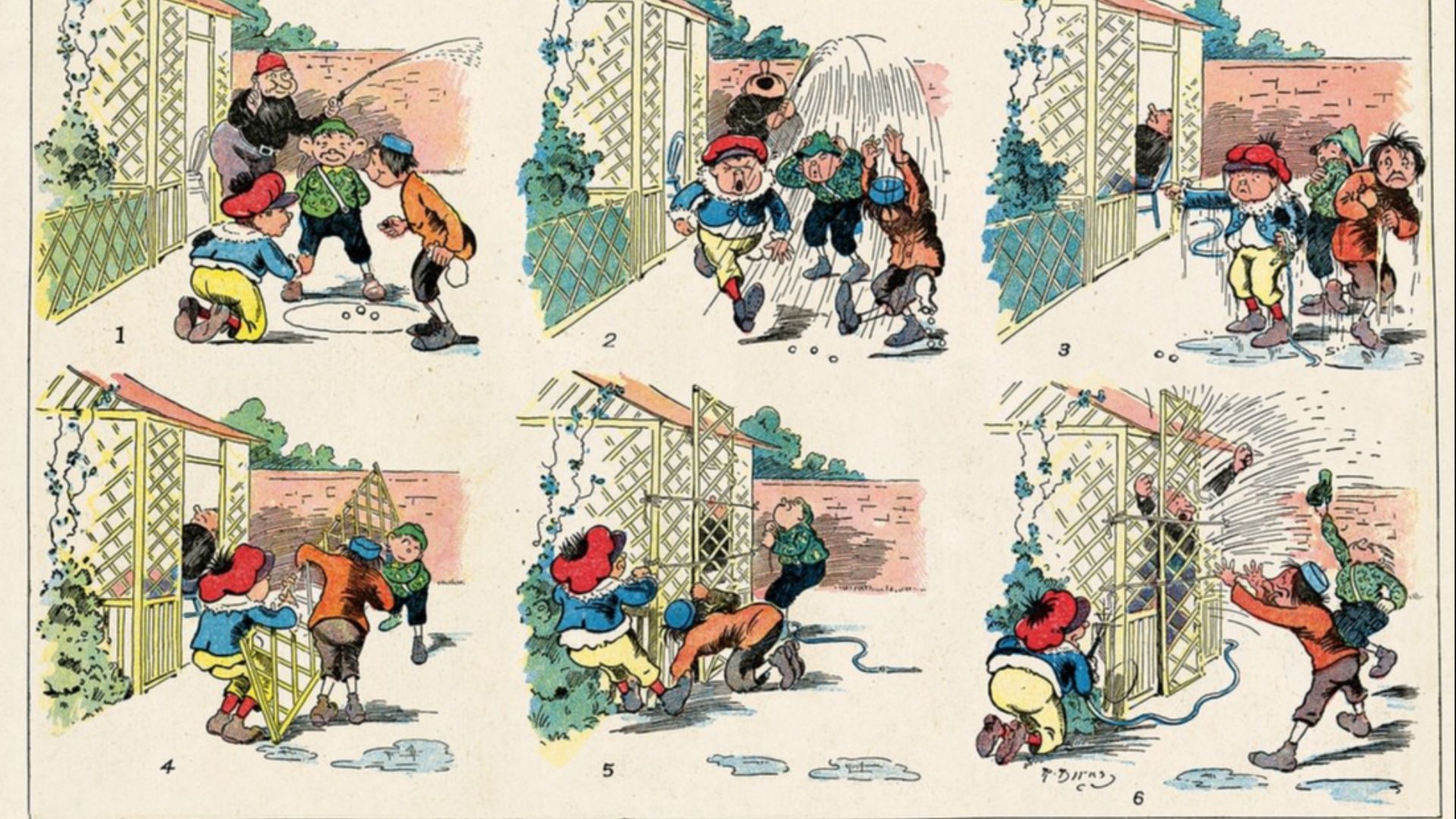
The Katzenjammer Kids built its whole loop around misbehavior followed by punishment, including physical discipline played as deserved and satisfying. The moral trains you to see shame as educational and pain as a clean reset button, a lesson that clashes with how seriously people take bullying and child well-being today.
 commons.wikimedia.org on Google
13. Boys Will Be Boys, So Girls Must Be The Responsible Ones
In a lot of mid-century humor strips and comics, the moral treats boys’ chaos as natural and girls’ caretaking as expected. You can feel versions of this dynamic across the culture of old family comics, where the punchline depends on one group being excused and the other being tasked with cleanup.

14. Endurance Is The Only Response To Being Treated Badly
Peanuts is subtle and often tender, yet it also repeats patterns where Charlie Brown absorbs ridicule, disappointment, and dismissiveness and keeps returning anyway. The moral can land as persistence without boundaries, which reads differently when we now expect stories to value self-protection as well as resilience.
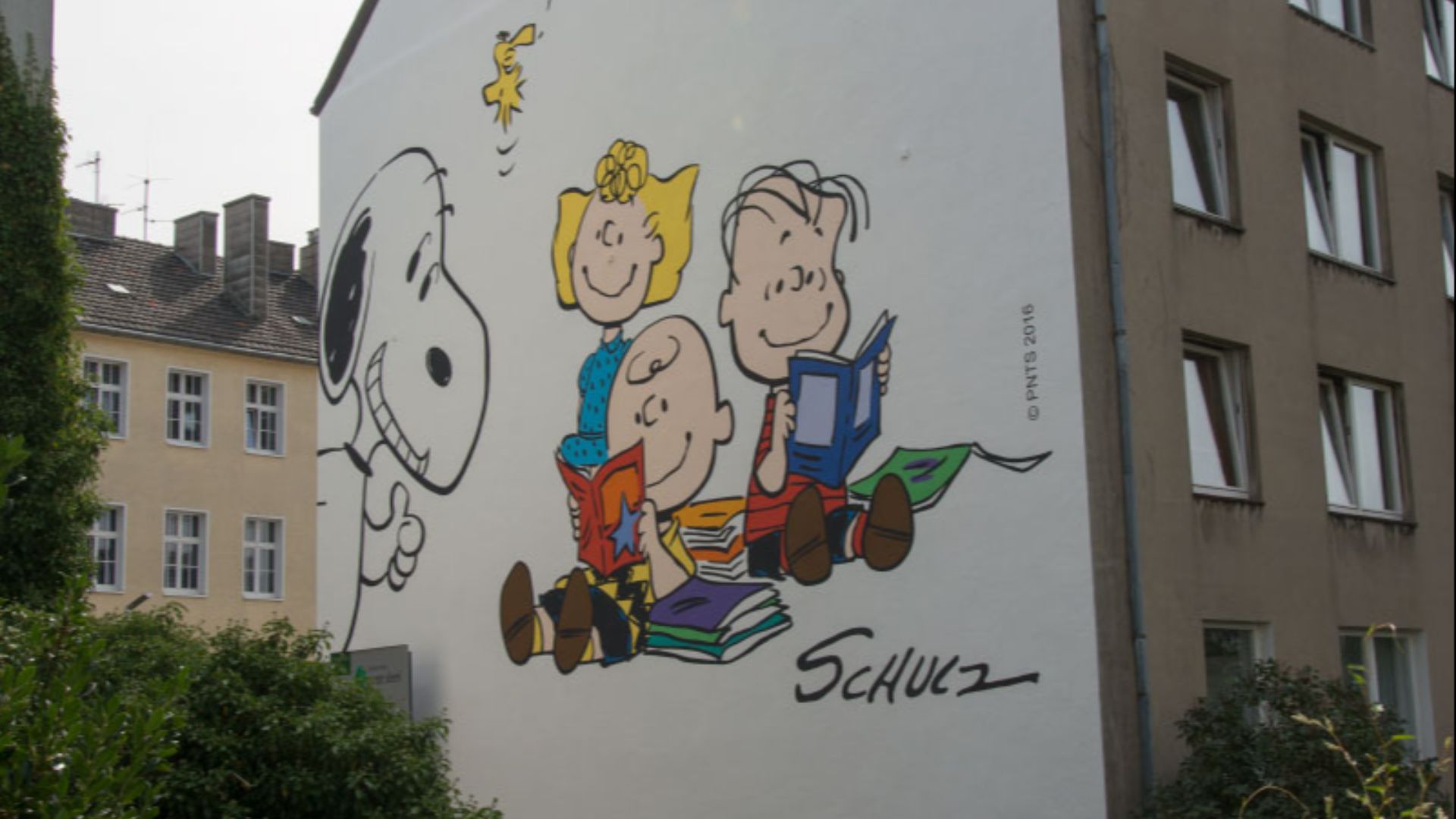
15. Mean Humor Is Harmless If It’s Routine
A lot of long-running comics normalize casual cruelty because the format depends on repeated friction, not growth. When the same character gets mocked every day and nobody ever repairs the damage, the moral quietly becomes “this is just how relationships work,” which is a rough lesson to internalize.

16. Body Shaming Is Motivation
Garfield made overeating jokes and diet misery into dependable punchlines, and older comics broadly used weight as shorthand for laziness or lack of self-control. The moral teaches that ridicule is a reasonable corrective and that appetite is a character flaw, which sits badly in a culture more aware of stigma and its harm.

17. Disability Is A Problem The Story Should Fix
Barbara Gordon’s long era as Oracle mattered to readers who rarely saw disabled heroes treated as capable and central. Later continuity shifts that prioritize restoring her as Batgirl can echo an older moral that a character’s best life starts when disability disappears, not when the world adapts and respect deepens.

18. Mental Illness Means Danger
Batman stories built around Arkham often use mental illness as an aesthetic of chaos and threat, where instability signals violence and confinement is the default solution. The moral becomes fear-first and simplifies people into hazards, reinforcing stigma even when the storytelling is stylish.

19. Real Justice Requires Someone Who Breaks The Rules
The Punisher is built on the idea that lawful systems are too slow or too weak, so violence becomes the only serious answer. The moral treats escalation as clarity and restraint as softness, which can feel cathartic in fiction and corrosive as a lesson about real society.

20. Cynicism Equals Maturity
Stories like Frank Miller’s The Dark Knight Returns helped set the tone for eras where harshness reads as realism and hope reads as childish. The moral teaches that tenderness is naïve and cruelty is proof you understand the world, a lesson that ages poorly once you notice how often cynicism is just a pose that stops imagination.





.jpg)