
When Saving the Day Isn’t in the Cards
Some games let you ride into the sunset with fireworks and a perfectly timed credits roll. And sure, we’d like to pretend those were the only ones out there, but some titles can’t help themselves from going in the opposite direction. These stories commit to the idea that the hero can fight hard, do the right thing, and still come up short in the end. (Major spoilers ahead—there’s no good way to break this news to you.)
1. Halo: Reach
Make no mistake: Noble Team doesn’t lose because they’re sloppy or unprepared. They lose because the math was never on their side. Pull off as many heroic rescues as you want. Make as many smart calls as you can. It won’t matter. Even your victories feel like temporary patches on a world that’s going to doom you anyway. The ending doesn’t give you a triumphant escape or a last-minute reversal, either. And it definitely doesn’t apologize for that choice. By the time the final fight arrives, you understand you’re not there to win—you’re really just there to make the loss cost the enemy something.
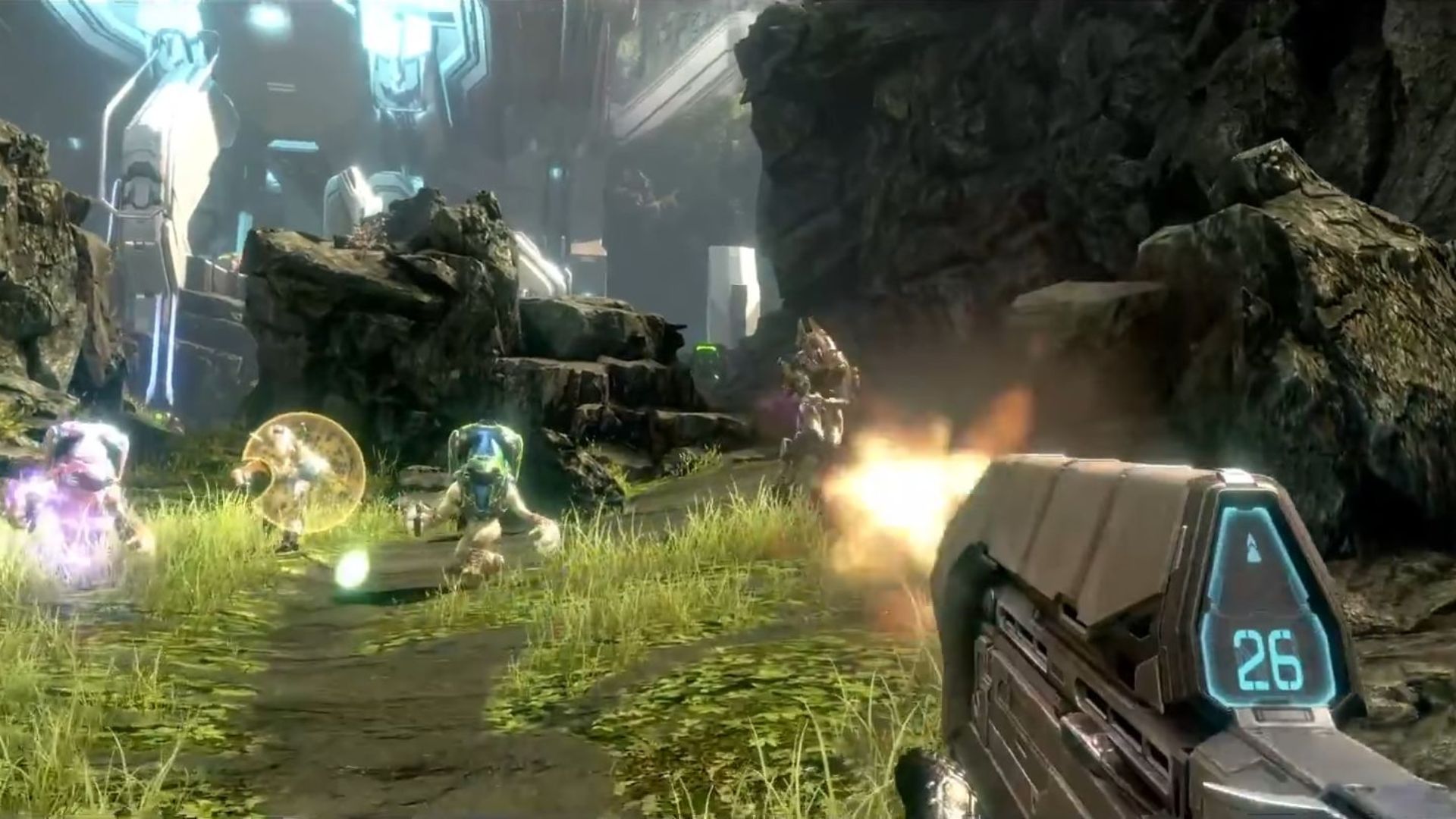
2. Red Dead Redemption
Poor, poor John. Marston spends the whole game chasing the idea that doing enough “good” will buy him a future. You help strangers, you take down criminals, and you try to protect your family (no Abigail slander, thank you). Then the story reminds you that past sins will always come back to stare you down behind a barn door. The finale gets us misty-eyed every time: John’s efforts matter, but they don’t save him. It’s a classic case of the hero doing what he can and still getting outgunned by forces bigger than him. And it’s the kind of thing we only play once.
 Clastr Cloud Gaming on Unsplash
3. Spec Ops: The Line
Oh sure, this one’s set up like a straightforward military shooter, and then it steadily strips away any comfort with the familiar. As Captain Walker, you keep pushing forward under the belief that decisive action will fix the chaos. The game keeps letting you act, which is exactly the problem, because each choice digs the hole deeper—all without you knowing. Sure enough, by the end, it’s hard to argue you “won” anything, even if you survived the firefights. In reality, you lost in every way you could lose: physically, morally, and psychologically. If you just sat unsettled at the end, that’s the whole point.

4. Shadow of the Colossus
Wander’s goal sounds noble at first: defeat the colossi, save the person you love, and go home. But it was never going to be that simple. The twist is that the world doesn’t treat your mission as heroic, and it offers plenty of signals that you should be worried. Each colossus you fell makes you more capable and more corrupted, which is a pretty bum bargain hiding as progress. When the final consequences arrive, the game frames your victory as a catastrophe that you personally delivered. You can forget about a clean celebration, too. The ending only lands with chilling certainty.

5. Final Fantasy X
Tidus and Yuna fight for a world free of Sin, and on paper, that sounds like a recipe for triumph. Heaven knows we thought it would be. But the “solution” comes with a high cost. You can feel the group’s bonds growing stronger, which makes the ending hit even harder. The story doesn’t set up sacrifice as glamorous; it treats it as a necessary heartbreaker, and that’s something you need to make peace with. When Tidus fades, it’s not a twist for shock value, but the final step in a plan built on painful rules. The hero loses, and that’s exactly what makes the world’s win possible.

6. The Legend of Zelda
Don’t be fooled: this adventure game only looks charming on the surface. Then you realize the island’s existence depends on a dream. Link can’t save Koholint without ending it, and the closer you get to the finale, the more the residents feel like real people with real stakes. When you wake the Wind Fish, you succeed in your mission while effectively wiping away everything you came to care about there. You get to leave, but it’s not a victory parade; it’s a quiet exit with complicated feelings. And honestly, it’s hard to feel good about yourself by the time the credits roll.
7. BioShock Infinite
DeWitt’s story is built on regret, avoidance, and a desperate attempt to outpace consequences. So, as you probably guessed, that won’t win any awards in the end. The game escalates into multiverse chaos, then narrows to an unsettling conclusion that refuses to let him walk away. The final “answer” isn’t a clever gadget or a big boss fight; it’s a decision that removes Booker from the equation entirely. It’s tidy in a narrative sense and brutal on a human one. The more you think about it, the more you realize that it’s a finale that closes the book by burning the page.

8. NieR
Sure, you can fight to protect the person you love. And the game encourages you to believe that perseverance is important. Then the story reveals how badly everyone has misunderstood the situation, including you. The “hero” has been operating on partial truths, and the world has been collapsing in ways your quest can’t reverse. By the time you reach the end, the outcome isn’t a satisfying rescue so much as a confirmation of tragedy already in motion. Even the choices that feel compassionate can have devastating downstream effects. The worst part is, you never know what’s coming until it’s too late.

9. NieR: Automata
Oh, we’re not done yet. This one plays with perspective and purpose, asking you to question who the heroes even are. You’ll spend hours watching characters cling to mission statements that stop making sense. Then, when the truth comes into focus, the struggle becomes less about “winning” and more about choosing what kind of meaning to build. The ending route that matters most is moving, but it’s not exactly a simple success story. The heroes are battered, compromised, and forced into sacrifices that don’t really feel like a choice. You may end the game hopeful, but you can’t call it a clean victory.

10. Persona 3
In a lot of RPGs, the final boss exists to crown the hero with glory, and that’s a comfort we all anticipate. Not this time. Persona 3 uses its finale to underline a glaring responsibility. The protagonist keeps fighting because nobody else can hold the line, and that kind of burden feels heavy, not heroic. In the end, your win comes paired with irreversible loss. It’s not up for debate, either. (No, you didn’t just “fall asleep” after saving the world.) It’s a tender, gut-wrenching closure—yeah, maybe you stop the disaster, but you also pay for it with your future.

11. Metal Gear Solid 3
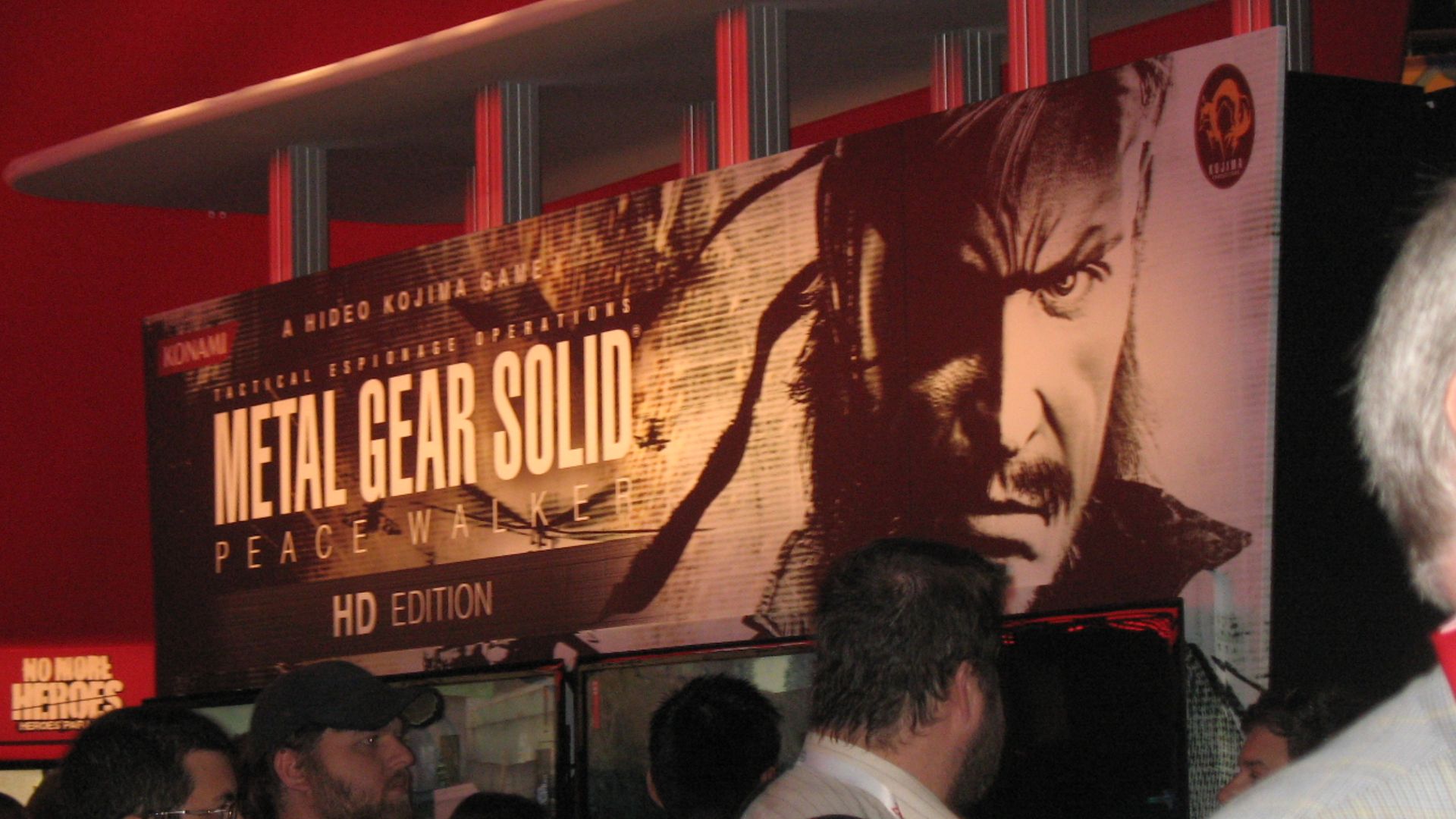
Big Boss completes the mission, defeats the enemy, and becomes the legend history will praise. The problem is that the final duel is framed as something closer to an execution than a triumph. You’re forced to confront what loyalty costs when it’s demanded by institutions that don’t have to carry the emotional weight. The hero “wins,” but the victory damages him in a way that never really heals over time. To make it worse, it’s a subtle sort of misery: controlled, respectful heartbreak. When the credits roll, you’re just sitting there, understanding that success and loss can actually look eerily similar.
 Dennis Amith from USA on Wikimedia
12. The Last of Us Part II
The Last of Us already brought us some incredible storytelling, and the sequel didn’t let up either. You’re basically smack-dab in the middle of where you left off. This story is relentless about consequences, and it refuses to make vengeance feel satisfying. You chase a target with single-minded focus, and the game keeps asking what the chase is doing to you. Even when you’re skilled, persistent, and “right” in your own mind, the losses just keep stacking. By the end, you’ve survived, but it isn’t framed as winning. Relationships are shattered, identity is compromised, and the emotional damage is permanent.

13. Inside
It’s always the quiet games that hit you the hardest. Inside keeps its storytelling minimal, which makes its ending feel even more stark. The premise is simple: you guide a child through a nightmare of surveillance and experimentation, hoping for a clear escape. Instead, the game steers you toward a transformation that’s equal parts liberation and horror. Your tiny “hero” reaches freedom, but not in a way that preserves who he was. There’s no reassuring speech or tidy explanation to soften the blow. You’re left with an ending that feels final, unsettling, and oddly calm about what it just did.

14. Far Cry 5
Most games train you to believe the antagonist’s apocalyptic rhetoric is exaggerated—and it usually is. Yeah, the villain wasn’t bluffing. Far Cry 5 plays expectations like a fiddle. Go ahead, dismantle the cult piece by piece, liberate regions, and feel like you’re restoring order. Then the story reveals that your competence doesn’t really matter against the larger event just around the corner. The ending doesn’t reward your heroics with stability. All it does is hand you a catastrophe and a bitter sense of inevitability. It’s the kind of conclusion that makes you rethink every confident step you took, and it’s not a good feeling.

15. Cyberpunk 2077
V’s story is built around borrowed time, and though you go in knowing that, the game never fully lets you forget it. You can chase different alliances, make big plays, and build a reputation that turns heads across Night City. Still, most endings underline a hard truth: you can’t always out-negotiate a death sentence. Even the more “successful” conclusions tend to feel like trades rather than wins. The hero might secure fame, revenge, or even freedom, but it’s often paired with the loss of self or certainty. You finish the game feeling like you survived the plot and not the outcome.

16. Silent Hill 2
Well, what do you know? In a world with Pyramid Head and terrifying nurses, we were actually the villain all along. James goes to Silent Hill in hopes of finding his wife, and the town answers by instead forcing him to face himself. The game’s most iconic endings don’t hand you a clean redemption arc, either. They confront you with grief, denial, and the consequences of what you did. Even when an ending offers some sort of resolution, it’s not a feel-good bow on a dark story. You can’t undo the past, and you can’t unlearn everything that you discover.
 Roger Murmann from Eppertshausen, Deutschland on Wikimedia
17. L.A. Noire
Cole Phelps is competent, ambitious, and often correct, which makes his downfall sting even more. You spend the game chasing truth through corruption and personal compromise, sniffing out clues and intimidating sneaky suspects. But even when you close cases, the world around you stays messy and morally compromised. In the end, you aren’t crowned as a spotless hero—you just get a front row seat to a career full of trade-offs. There’s an honesty to it that feels almost old-fashioned in the best way. That said, we respect the commitment to consequence, but still wish Cole had gotten a softer landing.

18. Kingdom Hearts
This prequel sets up a trio of protagonists with distinct personalities and goals, and they’re the kind of people you get attached to. That’s exactly what makes the ending’s sweep so harsh. Terra falls under manipulation. Ventus is left in a fragile state. Aqua is stranded in a nightmare realm. You’re just forced to sit there and accept a systematic dismantling of the team you’ve grown attached to. Worst of all, you finish knowing the “good guys” didn’t stop the plan that mattered most. It’s a bold choice for a series known for bright optimism, but it lands with surprising weight.

19. God of War III
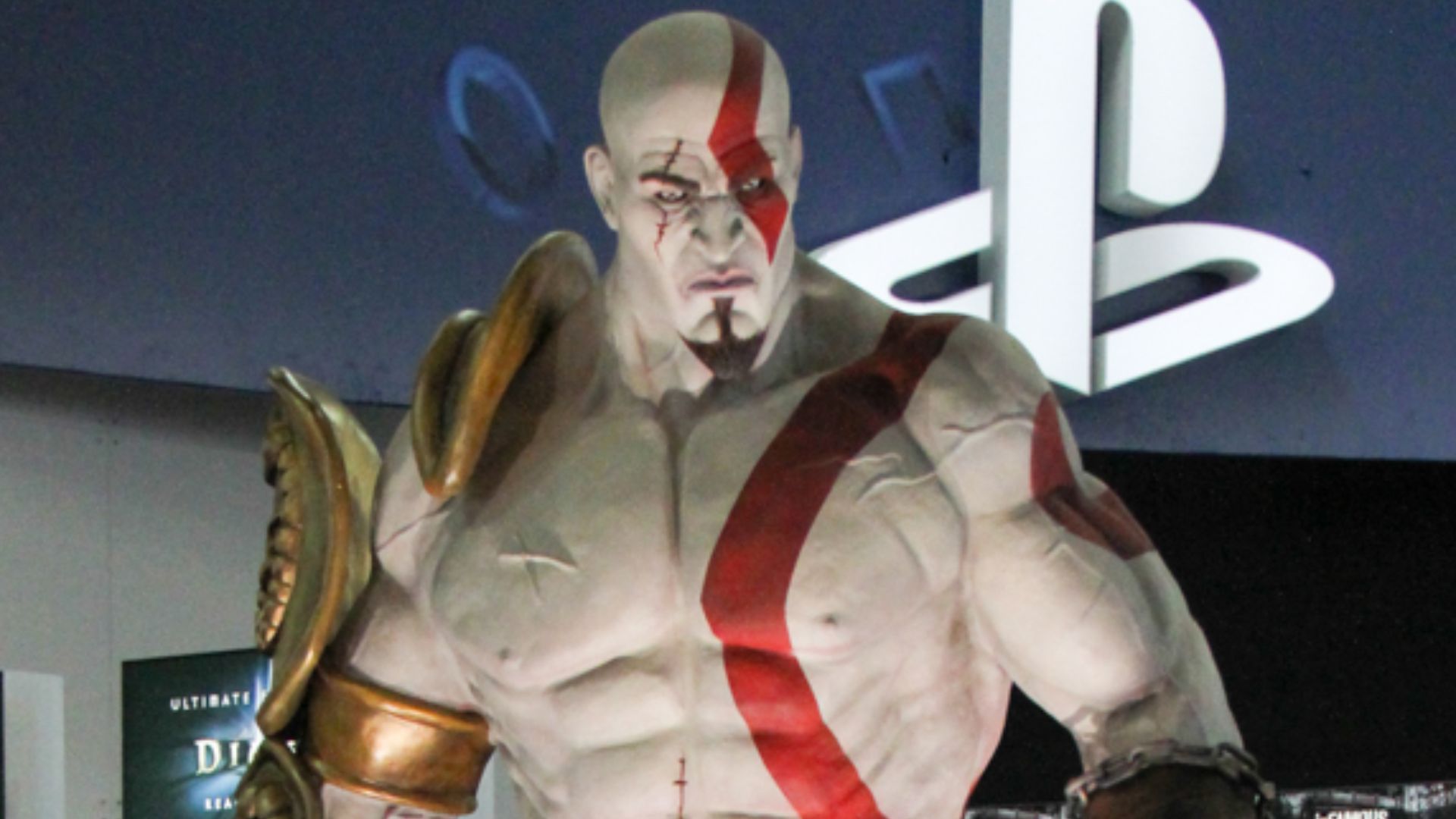
Kratos spends the game as an engine of rage, and the gameplay makes that rage feel powerful and efficient (when we can actually land a good blow). The story, however, is clear-eyed about what happens when revenge becomes the only guiding principle. You can topple gods and smash through mythic obstacles, but the collateral damage isn’t background decoration. By the end, the hero has achieved his vendetta and left the world in shambles. The conclusion doesn’t paint Kratos as a savior; it frames him as a force that couldn’t stop consuming. There are no neat moral lessons here—just a definitive loss.
 Paulo Guereta from São Paulo on Wikimedia
20. Dark Souls
Dark Souls doesn’t do “happily ever after.” It barely does “happily for now”! You fight through a brutal world, overcome bosses, and finally reach a decision that’s supposed to matter. The catch is that both major outcomes carry a sense of futility; the cycle itself is the real enemy. If you link the fire, you prolong an age that’s already crumbling, and the act looks more like surrender than triumph. Should you reject it, you don’t fix the world so much as accept a different kind of darkness. Either way, the hero’s journey ends without the comfort of a win.