The Fandom Becomes The Face
Some people like a franchise. Other people move in, repaint the walls, and make it their whole online neighborhood. At first, it is a profile picture, a quote, or a joke only other fans understand. Then the algorithm notices, the followers show up, and the person starts posting like they are unofficially employed by the thing they love. Here are 20 ways people build their entire online identity around one franchise.

1. Using A Character As Their Profile Picture
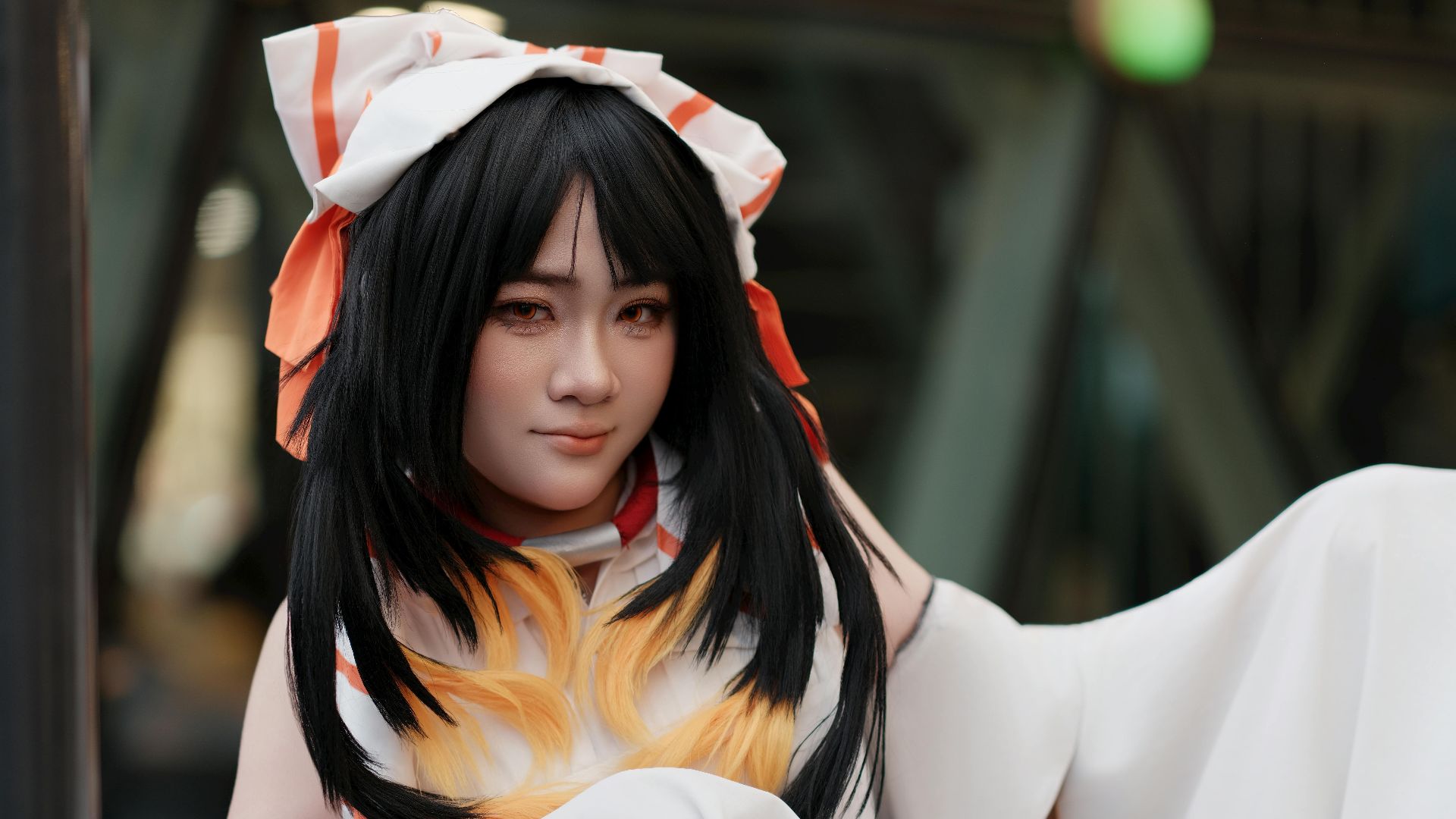
The profile picture is usually the first sign. It might be a hero, a villain, a side character, or one specific frame that only real fans recognize. After a while, the character becomes more recognizable than the person behind the account.
2. Turning Quotes Into A Personality
A good quote can be fun. Repeating the same line under every post is different. At some point, it stops feeling like a reference and starts feeling like the only emotional vocabulary the account has.

3. Making Every Bio A Fandom Signal
The bio becomes a tiny shrine. There is a house, faction, team, district, guild, planet, clan, or alignment listed like it belongs on a government form. Anyone outside the fandom may not understand it, but that is partly the point.
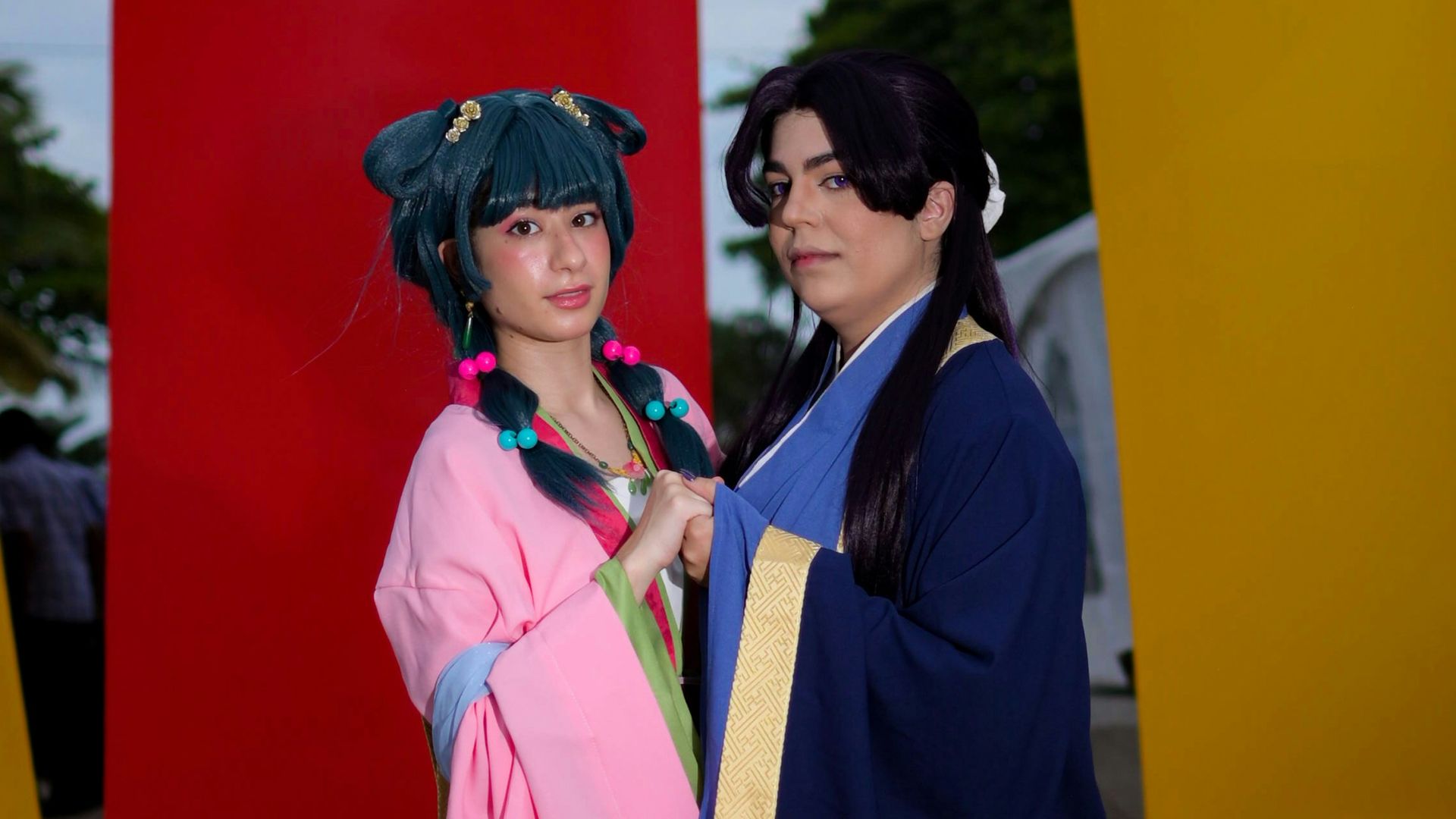
4. Replying To Everything With Reaction GIFs
Reaction GIFs are the gateway habit. One franchise slowly becomes the only source of facial expressions, sarcasm, disappointment, joy, and outrage. The account no longer says how it feels. It posts the same three characters making the face.
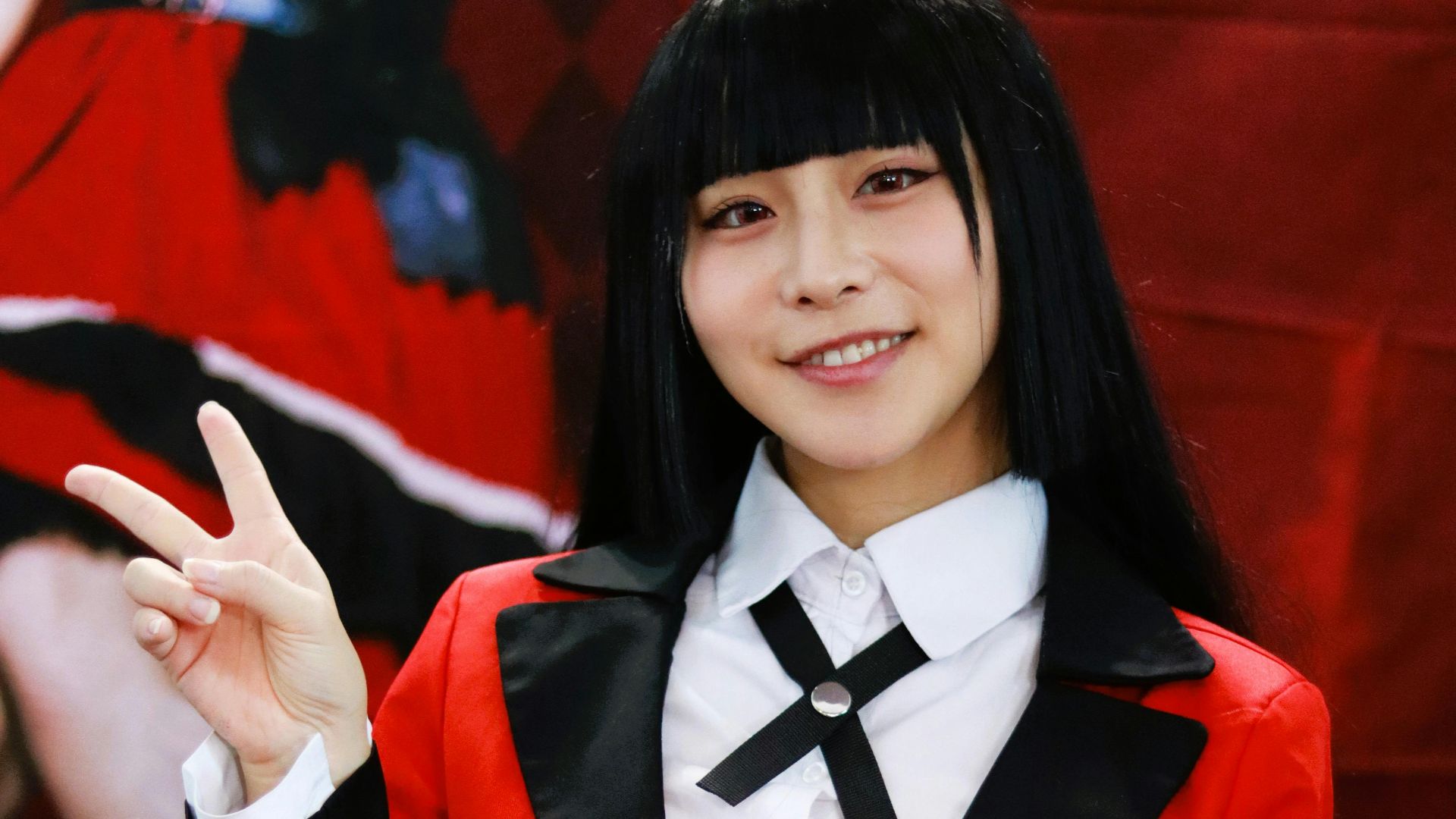
5. Treating New Announcements Like Breaking News
A trailer drops, and suddenly the feed turns into a newsroom. There are timestamps, frame grabs, theories, corrections, and emotional statements written like public service announcements. The person may not know what is happening in actual world news, but they know which costume changed in scene four.
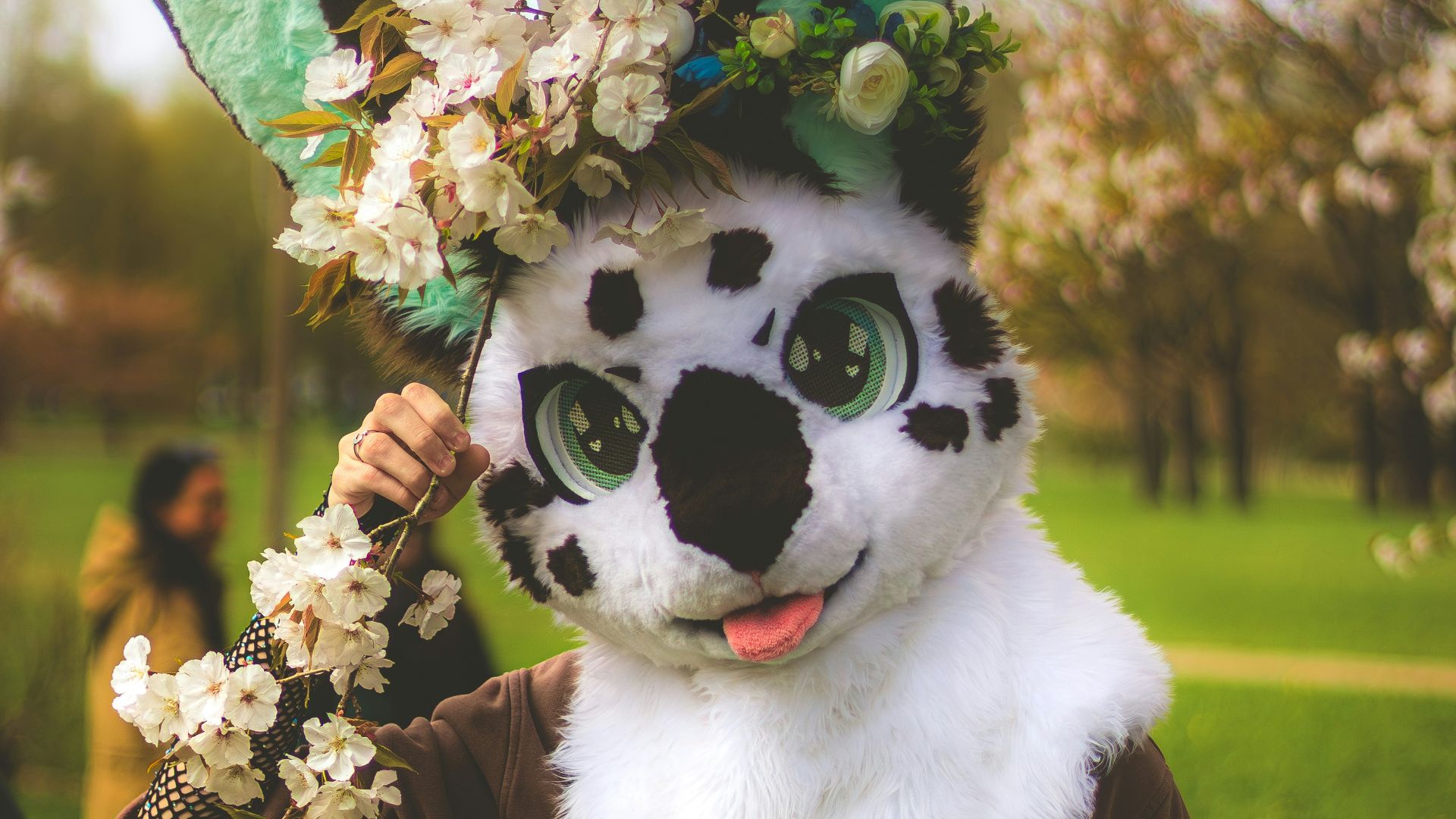
6. Defending Bad Installments Like Family Members
Every franchise has a weak chapter. The fully committed fan does not simply admit this and move on. They build a case, cite deleted scenes, blame studio interference, and explain why everyone else failed to understand what was clearly a misunderstood masterpiece.
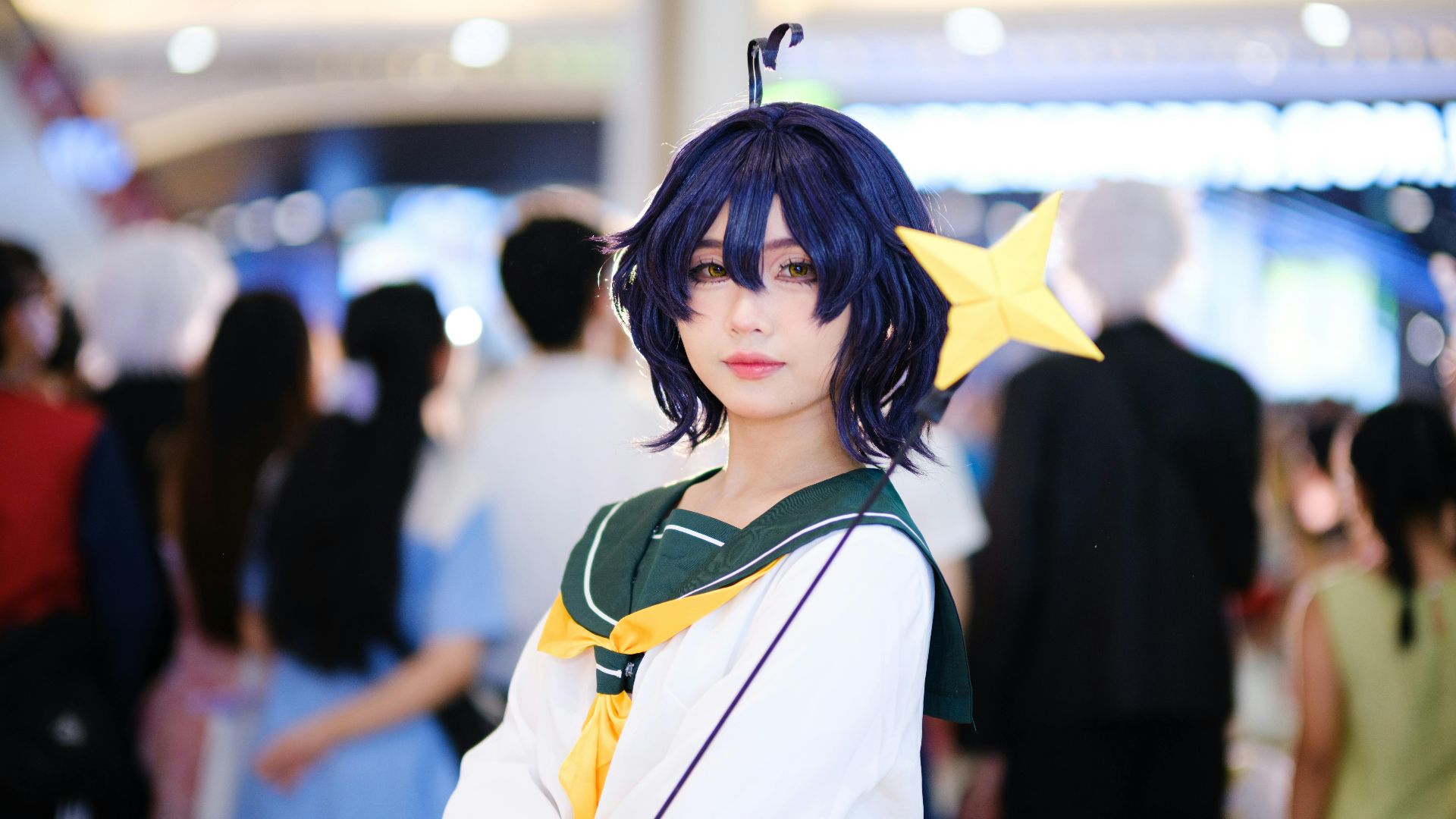
7. Making Aesthetic Edits Their Main Language
The account becomes a steady stream of moody clips, slowed-down scenes, color-coded collages, and character photos set to sad music. It is not just posting anymore. It is curating a vibe where everyone looks haunted, powerful, or about to make a terrible romantic decision.
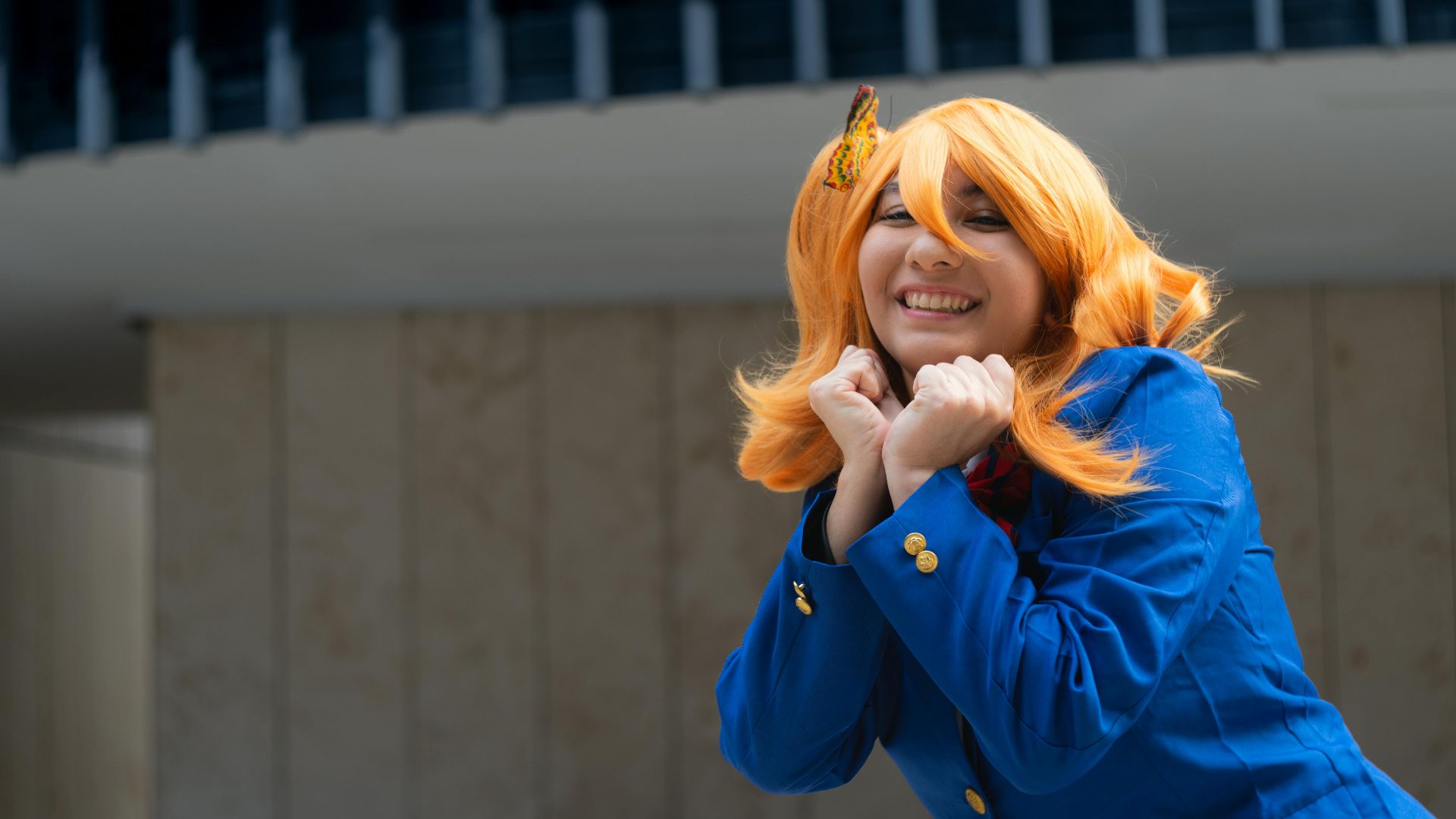
8. Sorting Real People Into Franchise Categories
Friends, celebrities, coworkers, and strangers online all get assigned roles. Someone is “so main character coded,” someone is “definitely a Slytherin,” and someone else has “final boss energy.” The franchise becomes a social sorting machine.

9. Treating Merchandise Like Proof Of Loyalty
A hoodie is not just a hoodie. It is evidence. Shelves, mugs, posters, figures, limited drops, and convention purchases become part of the public record, especially when arranged carefully behind a desk or bed for maximum visibility.
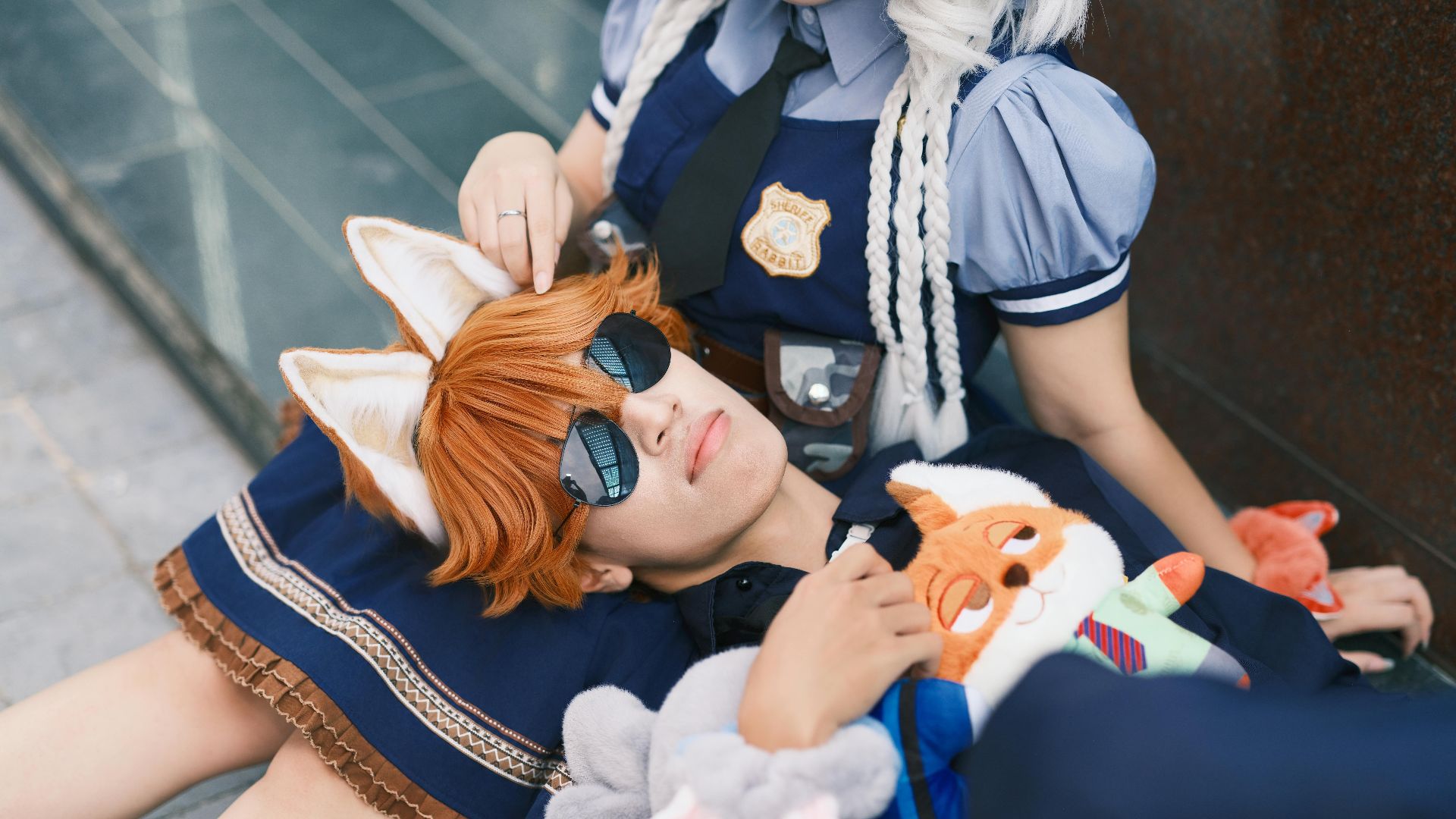
10. Rewriting Every Trend To Fit The Franchise
No trend stays general for long. A popular meme format appears, and within an hour, it has been remade with the same characters, same ships, and same arguments. The account is not participating in internet culture as much as translating it into one familiar language.

11. Building A Personality Around One Favorite Character
The favorite character becomes a mirror, a mascot, and sometimes a warning sign. The fan posts their lines, defends their choices, copies their style, and insists that nobody else really understands them. The character’s issues become personal branding.
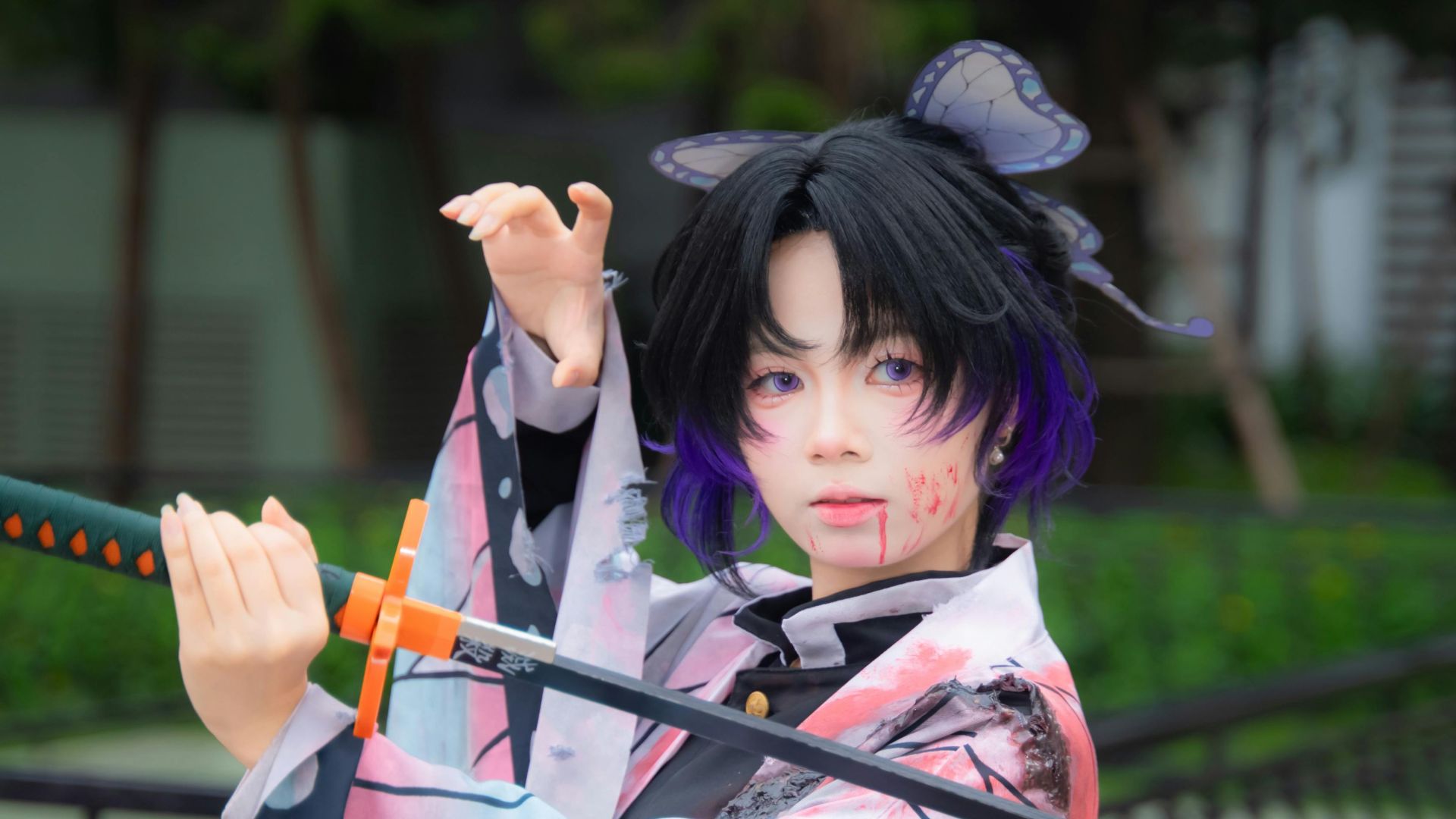
12. Picking Fights Over Canon
Canon arguments can run forever because nobody has to win for them to continue. A single detail from a sequel, spinoff, interview, or sourcebook can fuel weeks of posts. The more obscure the evidence, the more serious the tone becomes.
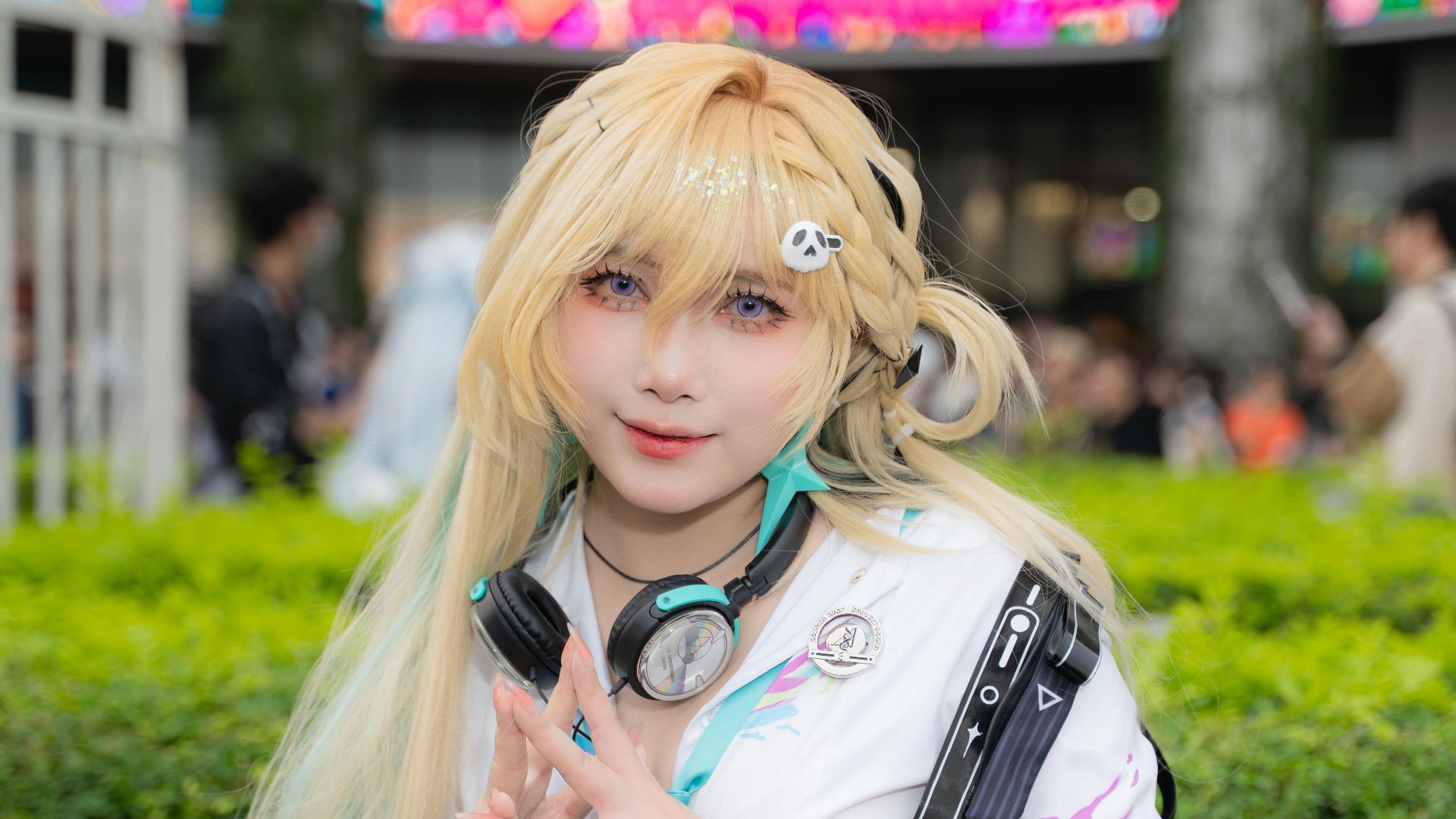
13. Making Shipping A Full-Time Obsession
For some accounts, romance theories are the whole business model. Every glance becomes proof, every costume color means something, and every opposing ship is treated like an organized threat. The franchise may have dragons, spaceships, or superheroes, but the real plot is two people standing near each other.
14. Treating Actors Like Extensions Of The Characters
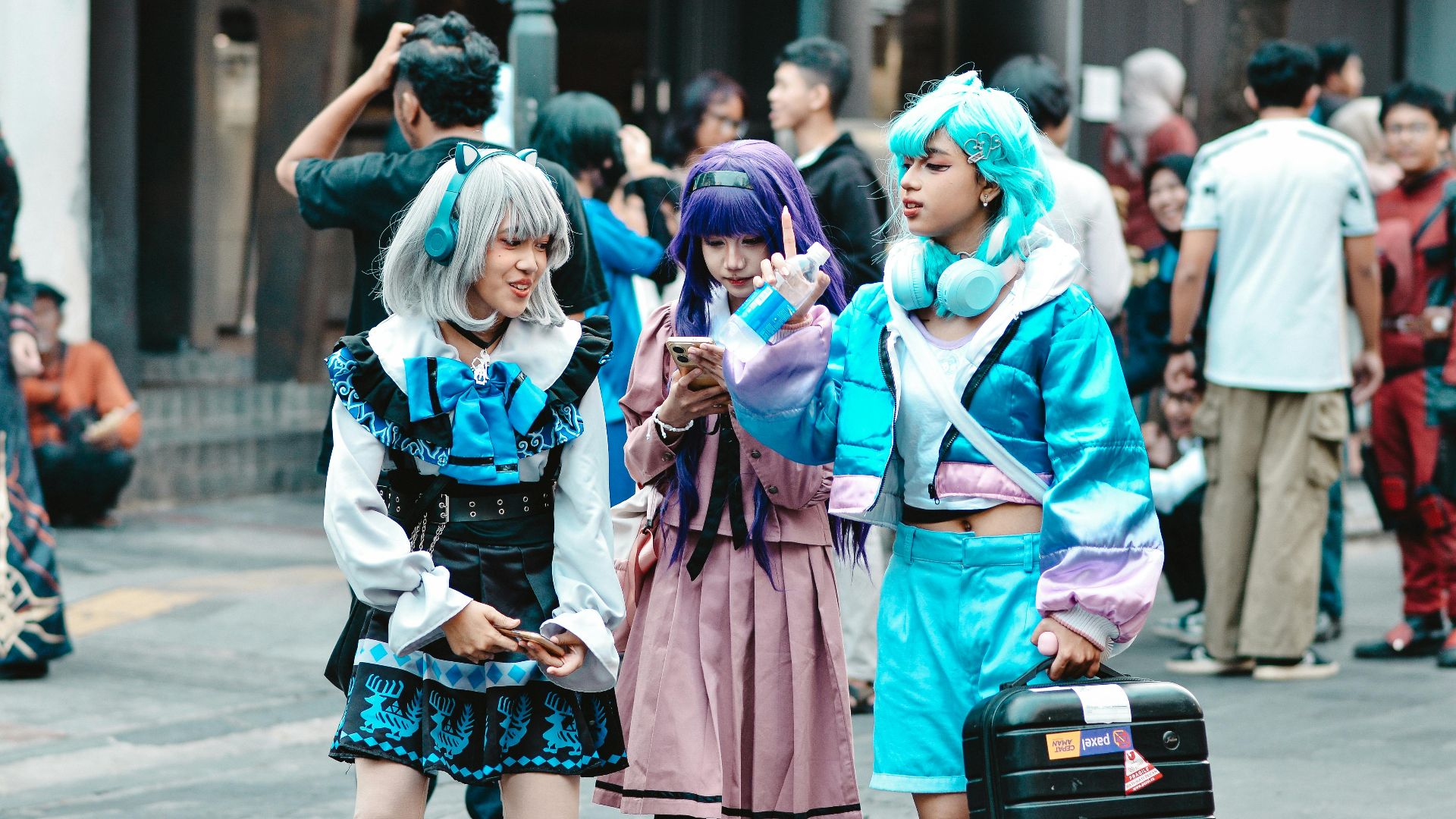
This is where things can get strange fast. The actor gives an interview, wears an outfit, or dates someone, and the fanbase reads it through the character they played. The account starts blurring the line between performance, marketing, and a stranger’s actual life.
15. Using Inside Jokes As A Gatekeeping Tool
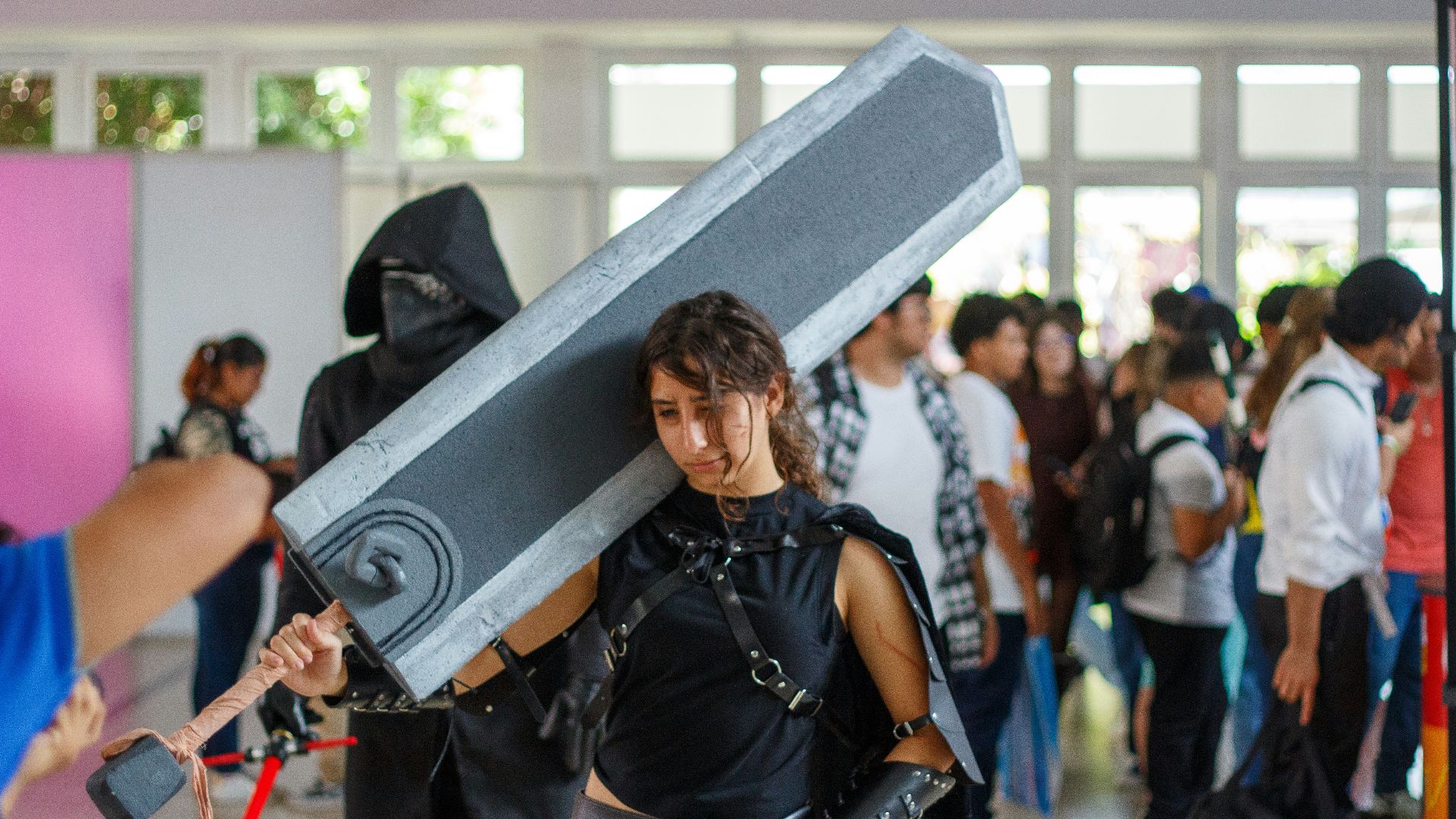
Inside jokes can make fandom feel warm and specific. They can also become a locked door. The account drops references with no context, then acts annoyed when outsiders do not understand why a random object, food, or date is supposed to be hilarious.
16. Turning Criticism Into A Personal Attack
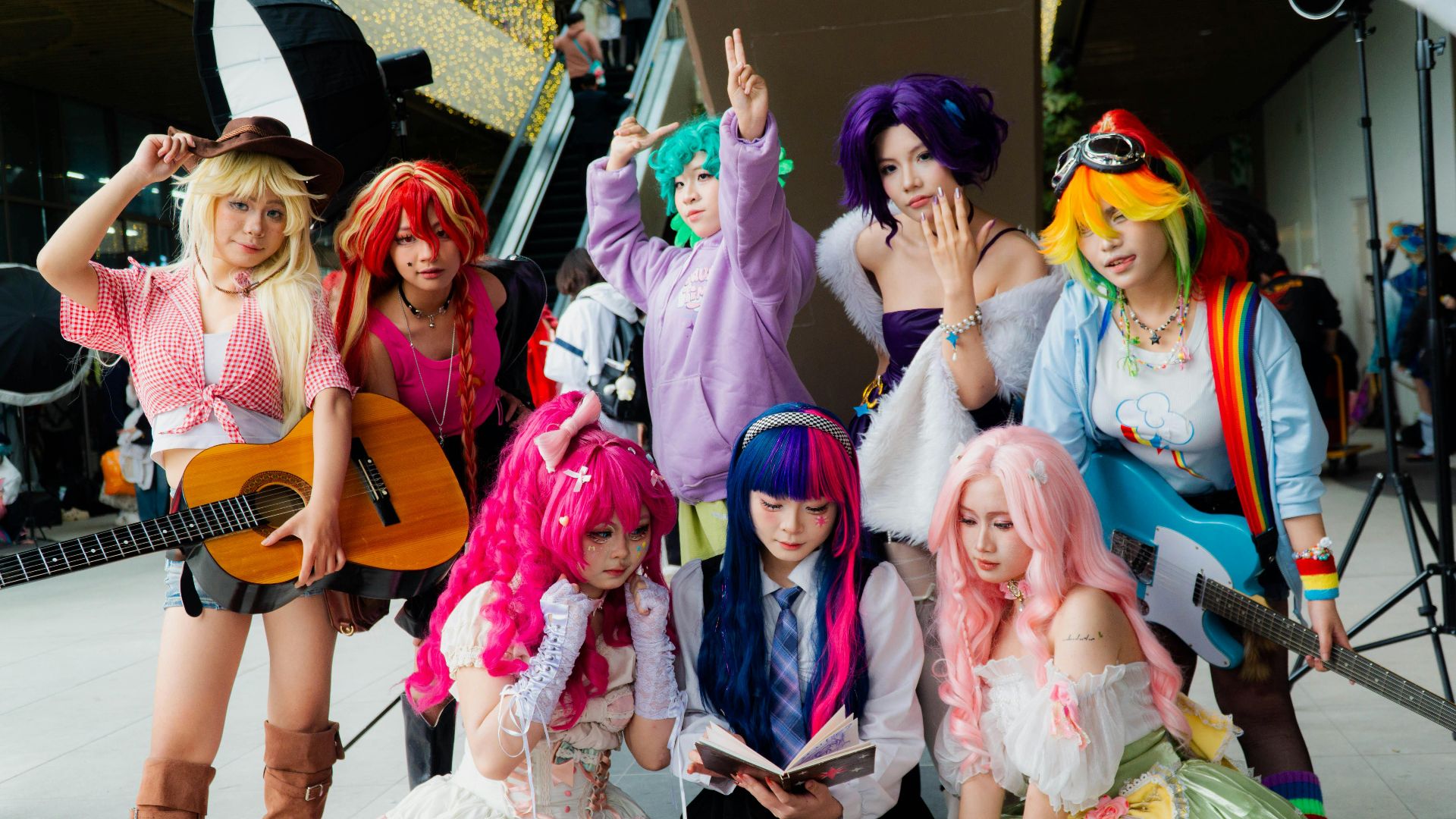
When the franchise is part of someone’s identity, criticism lands differently. A bad review does not feel like an opinion about a movie, game, or book. It feels like disrespect toward a community, a memory, and the version of themselves that found comfort there.
17. Organizing Life Around Release Dates
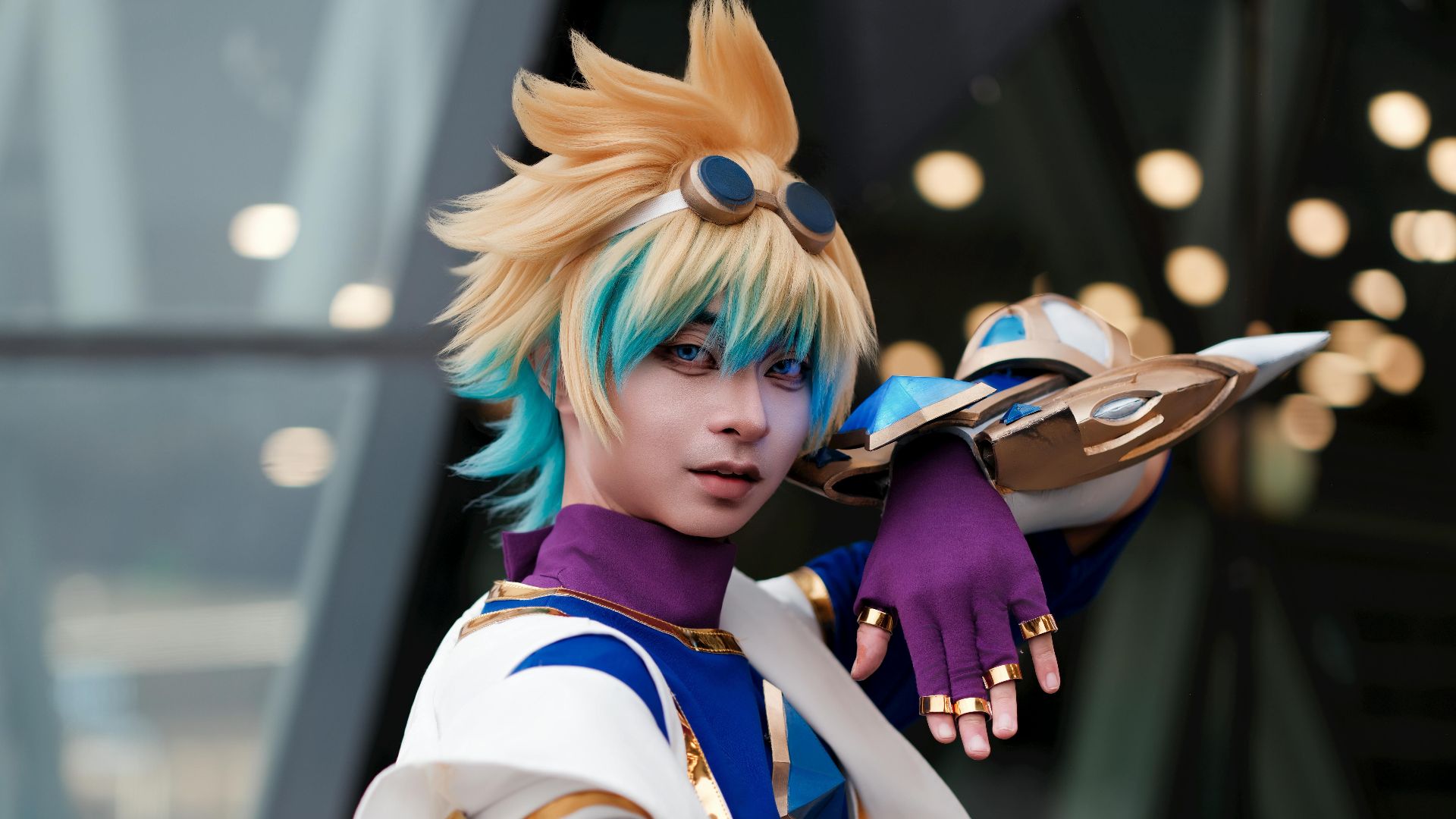
The calendar starts to revolve around premieres, patches, finales, trailers, conventions, and preorders. Birthdays may get softer announcements than a teaser poster. The franchise does not just take up attention; it starts setting the rhythm of the year.
18. Making Deep Lore Sound Like Common Knowledge
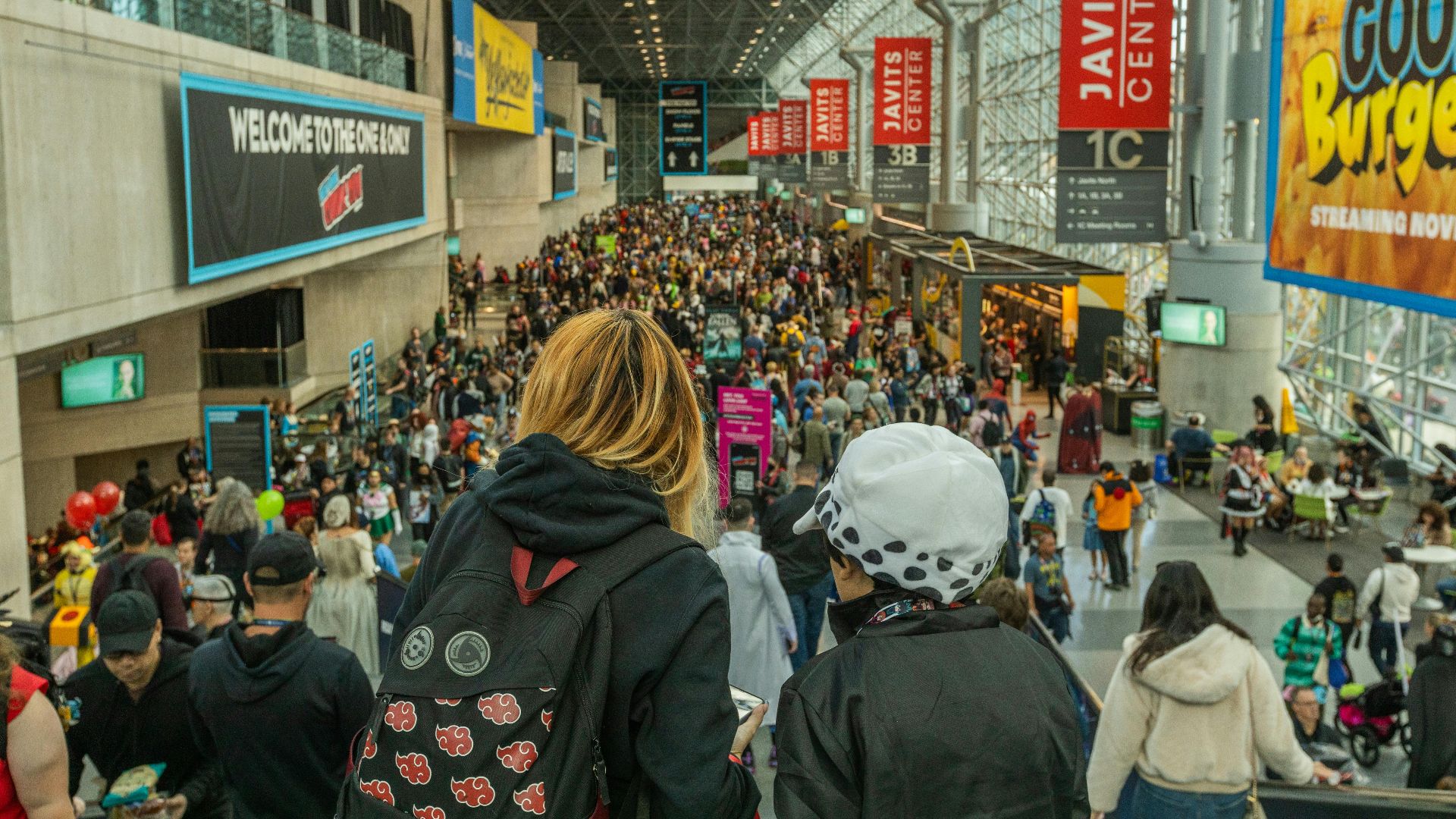
Every fandom has lore people talk about like everyone should already know it. The account casually references ancient wars, side quests, family trees, timelines, magic systems, or discontinued comics with total confidence. Outsiders need a glossary just to understand the complaint.
19. Performing Exhaustion But Never Leaving
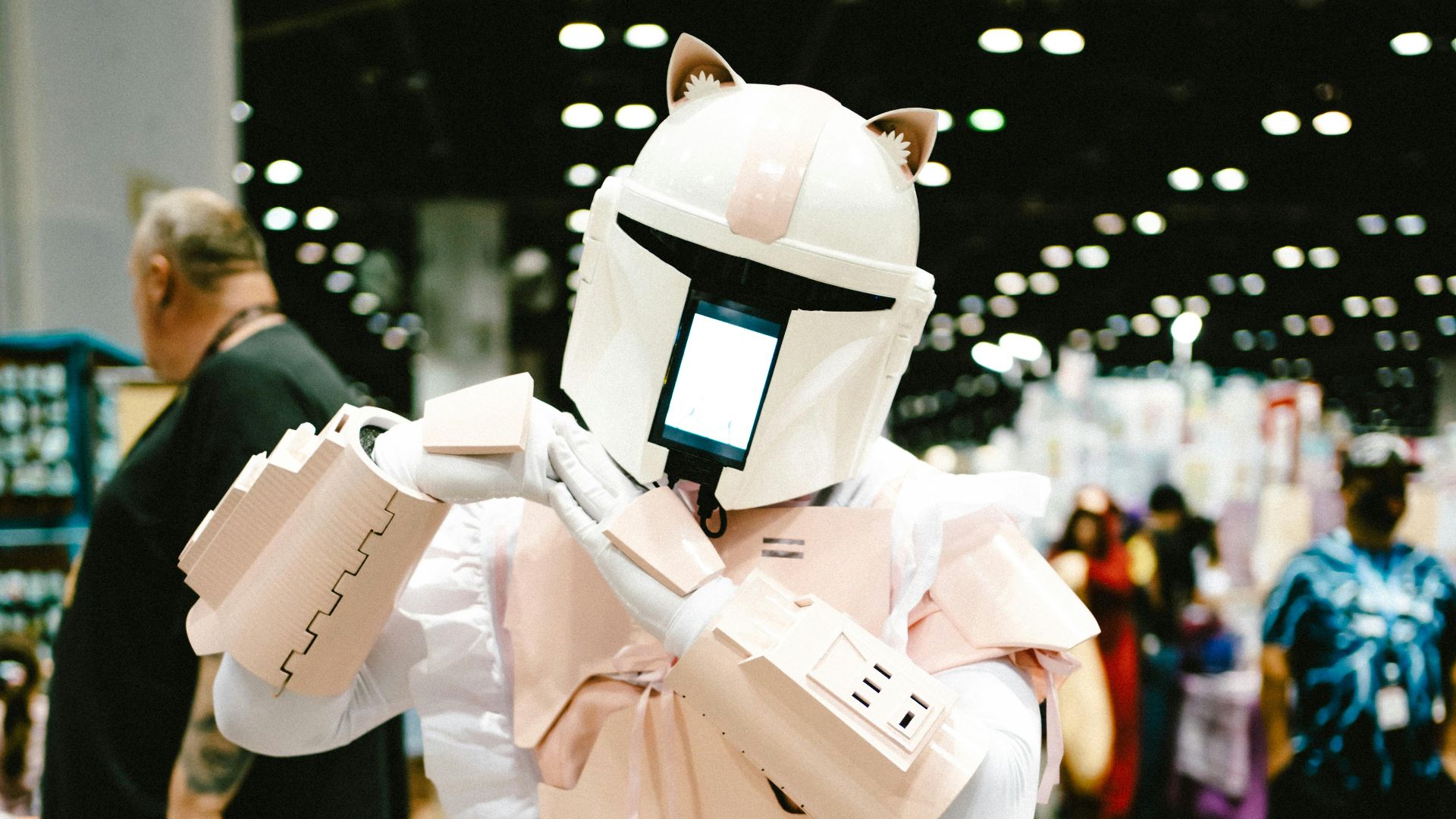
The account posts about being tired of the franchise, tired of the fandom, tired of the discourse, and tired of the creators. Then it posts six more times before lunch. Leaving would mean giving up the structure, the audience, and the thing everyone knows them for.

20. Becoming The Franchise Person In Every Group
Eventually, the identity leaves the platform. Friends tag them in every related post, send them every trailer, and ask for explanations they did not request. The person may have other interests, but online, the brand is set: they are the one who knows everything about that one thing.