When the Words Feel a Little Too Perfect
You've probably read something online and felt that strange, nagging sense that something was off. Sure, there's perfect grammar and the sentences flow smoothly, but somehow, it still reads oddly hollow or maybe weirdly cheerful. Most people think the absolute telltale sign that something is AI-generated is the presence of em dashes, but there are plenty of other obvious hints, too. In fact, once you read through this list of 20, you'll probably spot AI-written work everywhere.
1. "It's Not X, It's Y"
AI loves a reframe, and you'll notice it constantly reaching for this particular construction to add emphasis or depth to a point. Phrases like "it's not laziness, it's strategy" or "it's not a setback, it's a redirection" pop up so frequently in AI-generated content that they've become a bit of a giveaway. If every other paragraph seems to be redefining something in a dramatically more positive light, there's a good chance a chatbot wrote it.

2. Nonsensical Metaphors and Similes
AI will sometimes generate comparisons that sound poetic on the surface but completely fall apart when you actually think about them. You might come across something like "her thoughts were a library that had never been dusted" and find yourself wondering what the heck that's even supposed to mean.

3. Overuse of Certain Words
There's a specific vocabulary that AI leans on heavily, and once you notice it, you'll start spotting it everywhere. Words like "dramatic," "sharp," "practical," "quietly," and "genuinely" appear with a frequency that no human writer would naturally produce. If you're reading something and the same few descriptors keep cycling through, that's a strong hint the content was probably generated.

4. The Rule of Three
Humans use the rule of three, too, but AI uses it almost compulsively. You'll regularly see AI-generated content list exactly three examples, three benefits, or three reasons, regardless of whether three is actually the most logical number to use. When every single point comes neatly packaged in threes, you might want to scrutinize the text a bit more.

5. "This Isn't Just About X, It's About Y"
This construction is closely related to the "It's Not X, It's Y" pattern, but AI uses this structure so often that it deserves its own spot on this list. You'll see it in think pieces, listicles, and motivational content: "This isn't just about productivity, it's about reclaiming your time." Have a scroll through your LinkedIn feed and you'll probably catch live examples within five seconds.
6. Random Ellipses
Ellipses can create genuine suspense or signal a trailing thought, but AI tends to use them in spots where sentences would read just fine without them. You'll see structures like "it's not random, it's... necessary," with the pause adding no real effect and only interrupts the flow. If you're seeing ellipses scattered throughout a piece without any clear purpose, that's worth noting.
7. Repetitive (and Sometimes Redundant) Phrasing
AI doesn't always notice when it's saying the same thing twice, just with slightly different wording. You might read a sentence like "this approach is effective and produces strong results" and realize those two things are essentially the same claim restated. Or you might read one idea only to see it pop up again later in the content, as if AI forgot that they already covered it earlier. Either way, repetition is a pretty telltale sign.

8. Patterns, Patterns, Patterns
If you read a full article and notice that every paragraph opens the same way, follows the same rhythm, and wraps up with the same kind of concluding sentence, you're probably looking at AI-generated content. Human writers naturally vary their structure because they're responding to the material and their own instincts; AI, on the other hand, tends to reproduce the same stuff over and over.

9. No Build-Up
Ask an AI to write a short story, and you'll almost certainly get exactly what you prompted it to write. That might sound like what you want, but then you have a story that has no build-up whatsoever, just a plot that unfolds exactly as you told it to. Human writers know that tension and emotion have to be earned through pacing, and they understand that readers need to be led somewhere before the payoff lands. AI tends to skip that process entirely, moving from scene to scene in a way that's technically complete but emotionally flat.

10. Horrible, Horrible Dialogue
Another thing you'll quickly realize if you tell AI to generate you a story is that every character sounds the same. Characters often say "witty" or "clever" lines (or God forbid, nonsensical similes) that no real human would ever say in real life. If everyone in a story speaks with the same cadence and hollow dialogue, AI probably wrote those lines.

11. A Consistently Pleasant Tone, No Matter the Topic
Human writers bring frustration, confusion, humor, and grief into their work depending on what they're covering; AI tends to maintain the same upbeat, uncanny, friendly tone regardless of the subject matter. You could ask it to write about something difficult or troubling, and the result will still feel oddly formulaic and composed.
 Jacqueline Munguía on Unsplash
12. Em Dashes
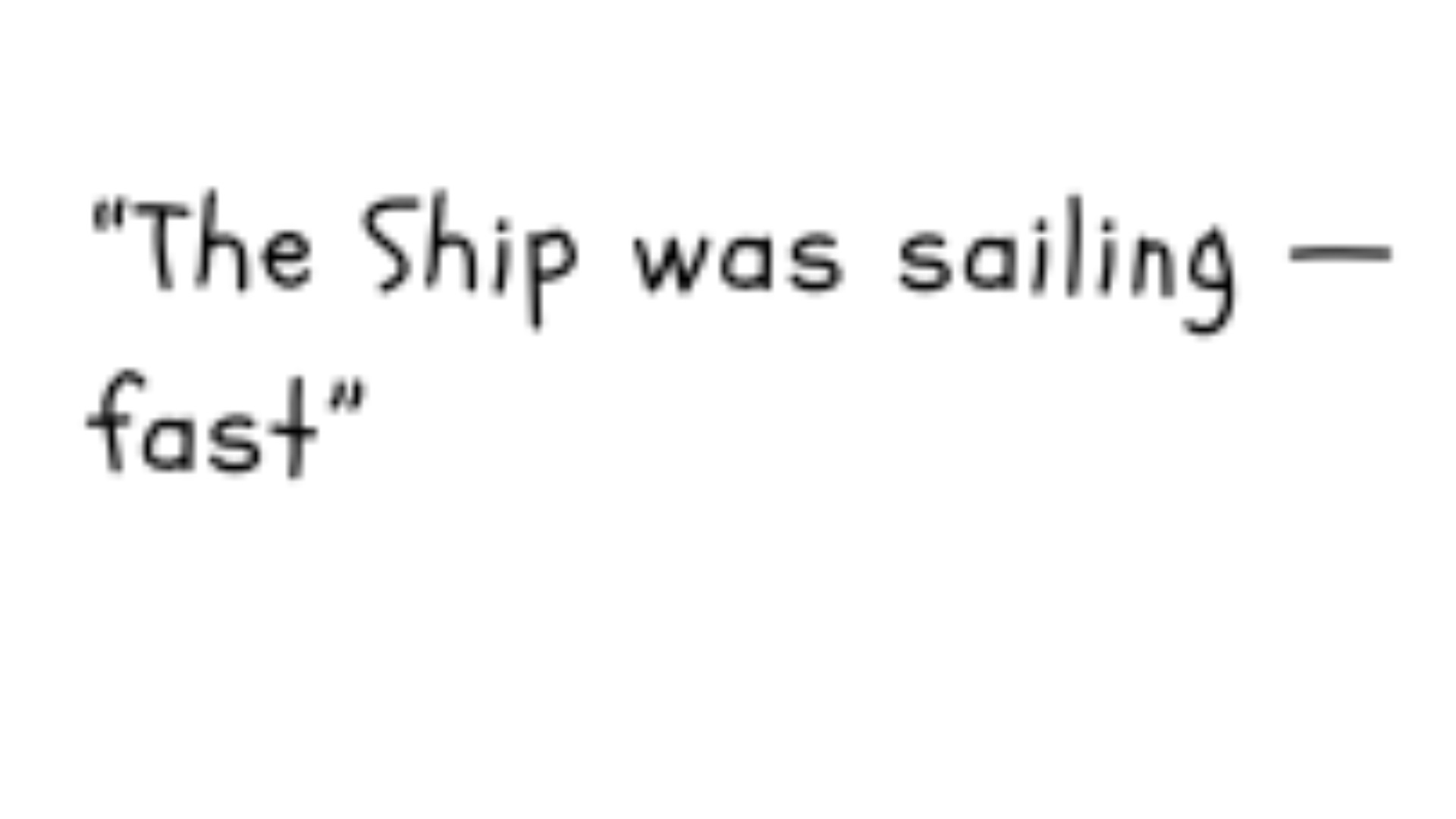
Human writers use em dashes too, but AI has a particular affinity for them that borders on obsessive. They'll appear multiple times per paragraph, often in places where a comma or colon would suffice. If you're seeing em dashes in almost every sentence—you might be dealing with AI. (See what we did there?)
13. "Not X, Not Y, Just Z"
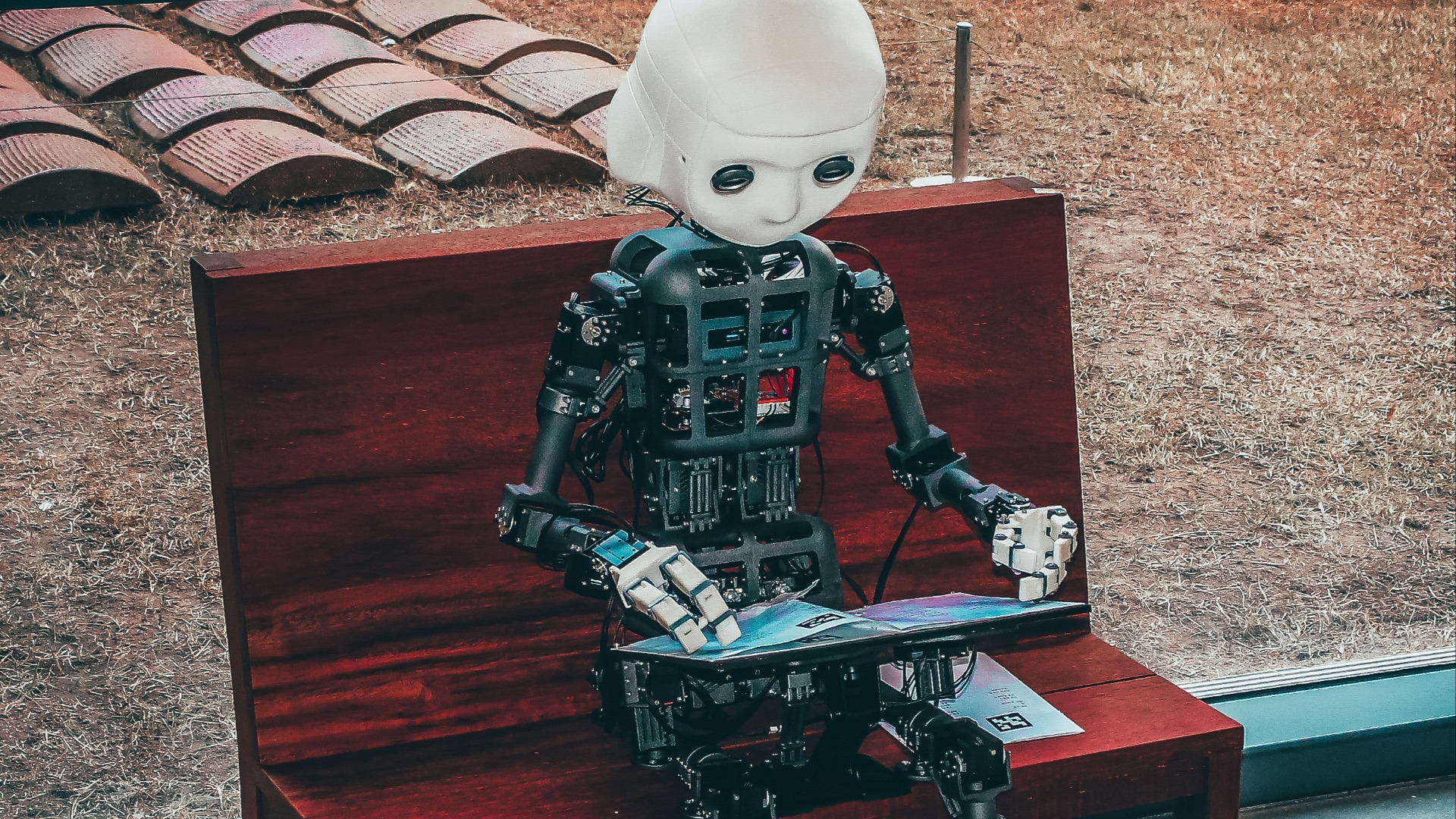
This is another rhetorical construction that AI reaches for constantly: not bold, not complicated, just simple. Once you know about it, you'll probably notice it everywhere, so let that be a sign. Human writers may employ this structure as well, but knowing that AI loves it, they at least know to ease up on using it or swap it out altogether.
14. Random Bolded Words
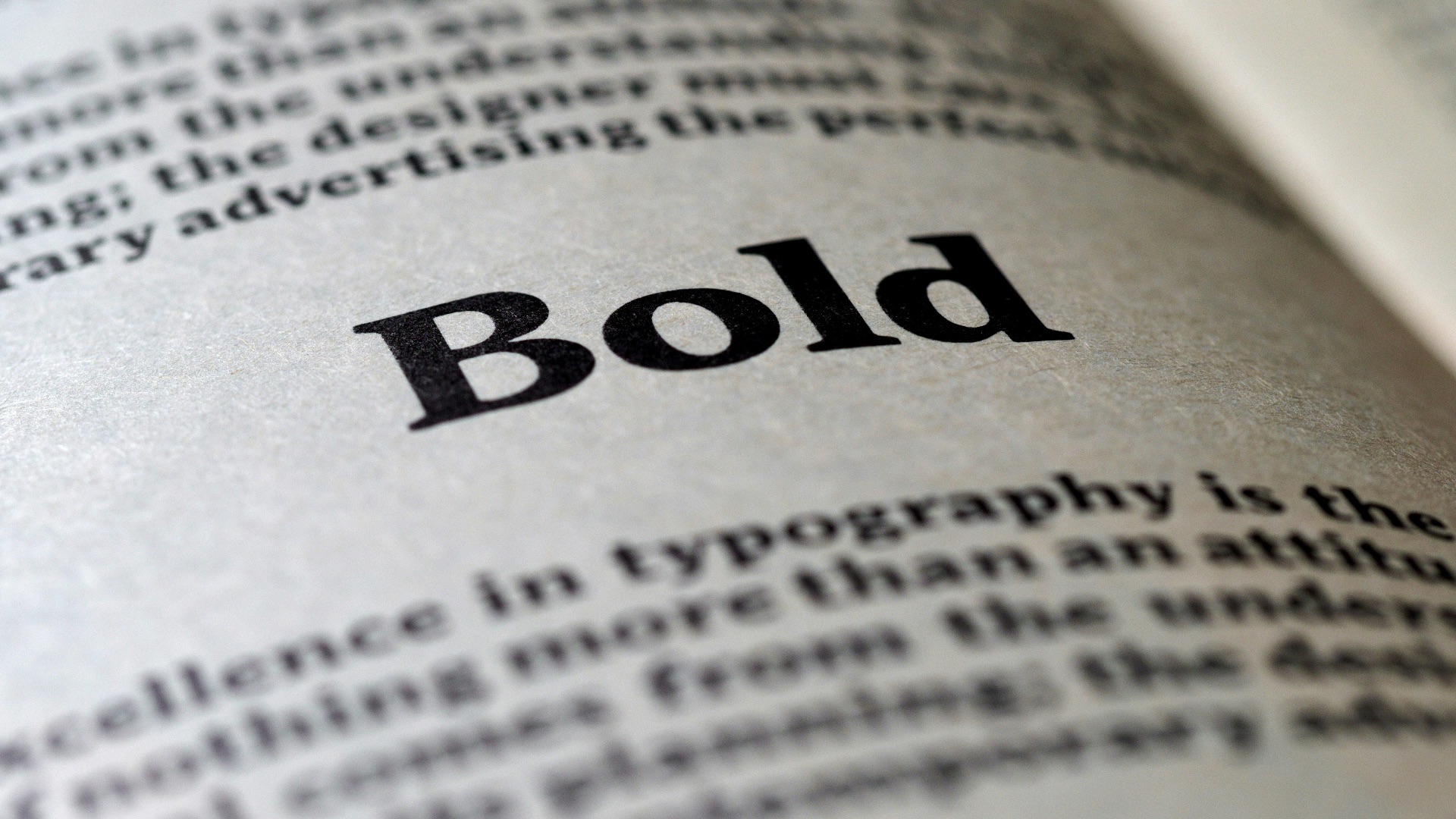
AI-generated content sometimes bolds words or phrases mid-sentence for emphasis. That means you might get sentences like this, even though italics (or no formatting at all) would probably be the better choice. Unlike a human writer who might bold a term for a specific reason, AI tends to bold things almost entirely at random.
15. Listing Things in Bullet Points
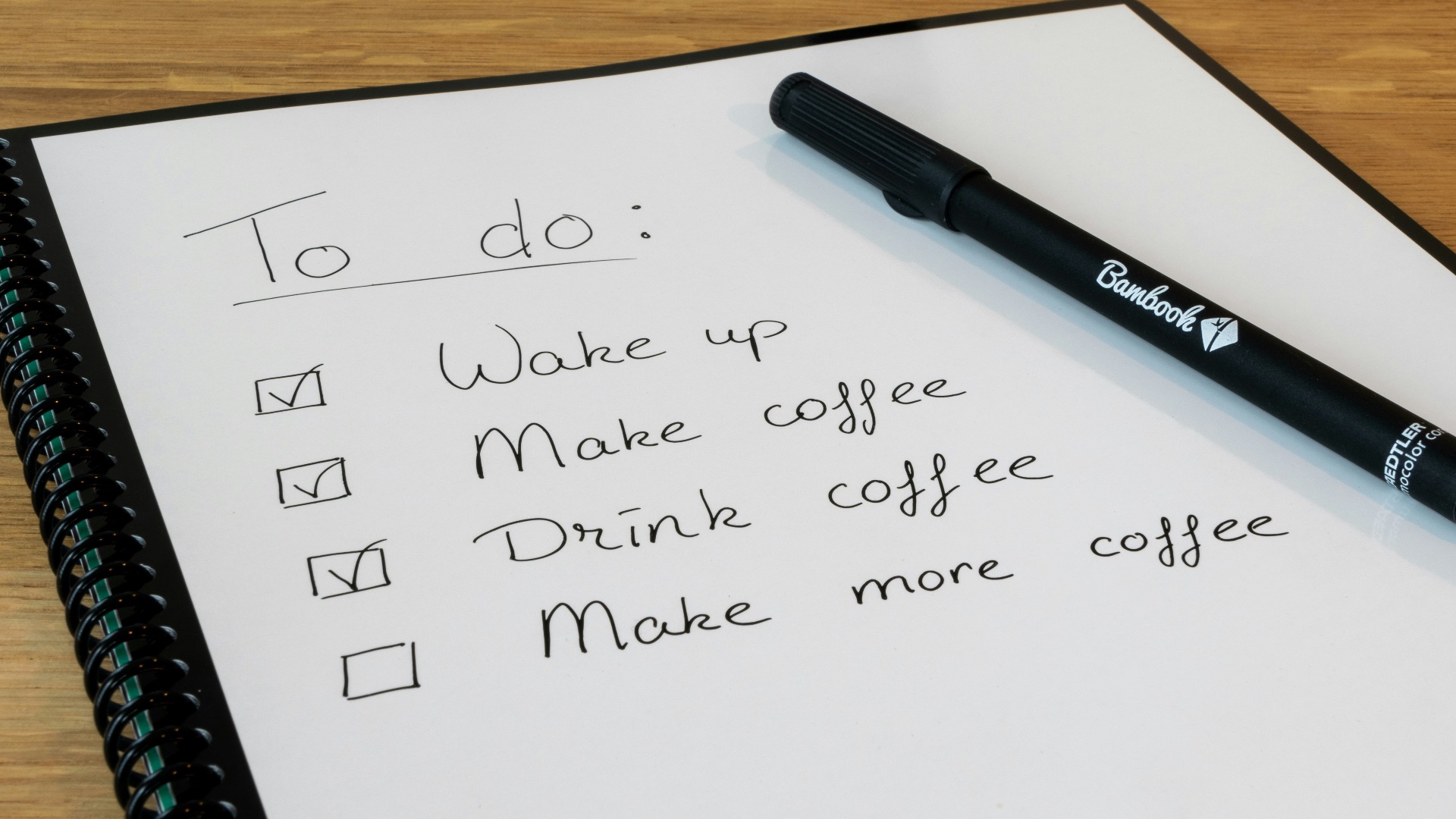
Bullet points are a perfectly valid formatting choice, but AI tends to default to them even when the content would read much better as flowing prose. Where a human would naturally write in paragraphs, AI breaks everything into a tidy, structured list. Again, have a scroll through your LinkedIn feed and you'll probably see what we mean.
16. No Surprises or Tangents
Human writing wanders sometimes, and that's what makes it interesting and unique. A writer might take a detour into a personal anecdote, make an unexpected connection, or throw in specific examples drawn from their own experiences; AI, on the other hand, almost never does any of that. The content stays tightly on track from start to finish, and it'll spit out exactly what was prompted.

17. Overly Polished Writing
There's a time and a place for polished, formal writing, and a YouTube comment section or a Reddit thread is not it (well, unless you're a licensed professional replying on a more serious post). If you're reading someone's comment and it's grammatically immaculate, includes a plethora of em dashes, and wraps up with a clear concluding thought or has that eerie, cheery tone to it, it probably wasn't typed by a person but generated by AI. Humans know when to write more formally and when to write more casually, so if there's a mismatch, you might want to take note.
18. Quotation Marks Around Words and Phrases
AI may sometimes put quotation marks around words to signal that they're being used in a specific or slightly ironic way. That means you'll see phrases like "the so-called 'experts'" or "a truly 'transformative' experience" where the quotes aren't really needed. Human writers use this device too, but with considerably more "restraint" and "intentionality." (That was sarcasm, by the way.)

19. Flagged by AI Detection Tools
AI detection tools are designed to analyze writing patterns and flag content that's likely been generated by AI, and while they're not infallible, a flag is still worth taking seriously. It's important to note that human-written work has occasionally been incorrectly flagged as AI as well (tell it to analyze a classic novel from the 1980s and it might tell you it's AI), which is a real and frustrating problem, so a positive result alone isn't always definitive proof. That said, if the other signs on this list are also present alongside a detection flag, be wary.
20. Hallucinations
This is one of the most concrete signs of all: AI will sometimes state incorrect information with complete confidence, citing statistics, studies, or quotes that don't actually exist. Worse yet, it'll lie pretty convincingly, and unless you double-check yourself, you might be fed a made-up fact. So, if you spot a factual claim in a piece that you can't verify anywhere else (at least not with any credible sources), there's a real chance it was fabricated by the model that wrote it.