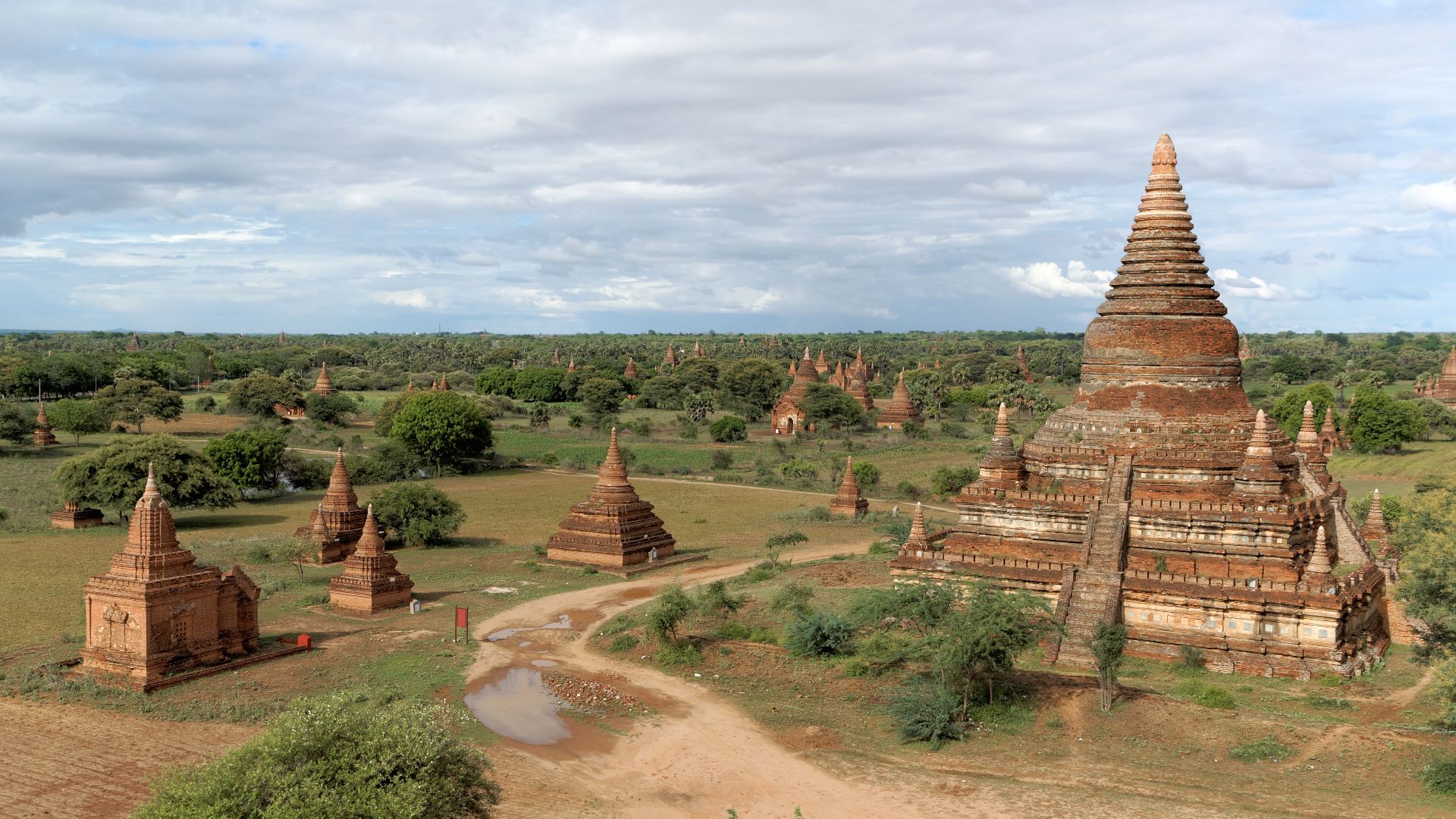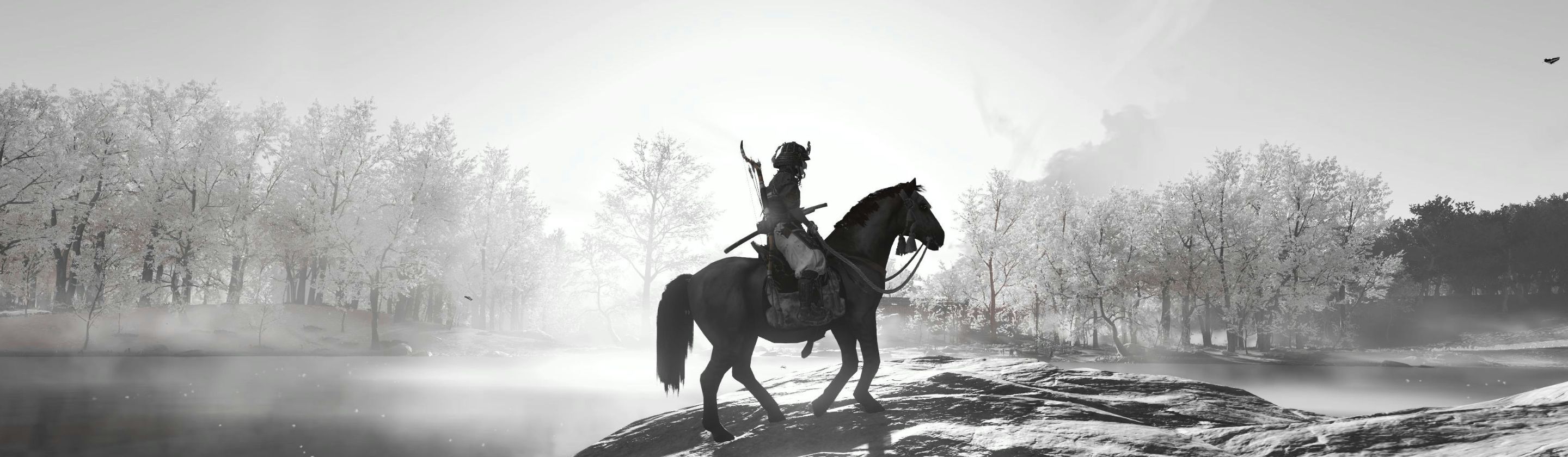
The History Made For This Adventure Franchise
The Assassin’s Creed franchise has provided us with an incredible array of world history. From the first game’s approach to the 10th-century crusades to the most recent game set in 16th-century Japan, we’ve been able to explore so many historical locations in a new and exciting way. Luckily for Ubisoft, there’s still so much more history they can explore, as we have a never-ending list of wars, invasions, and gleaming cities that faced some of the worst destruction you can imagine. To help the developers come up with some new ideas, we’ve provided 20 of our favorite picks to base the next installment on.
1. Münster’s Cathedral Quarter
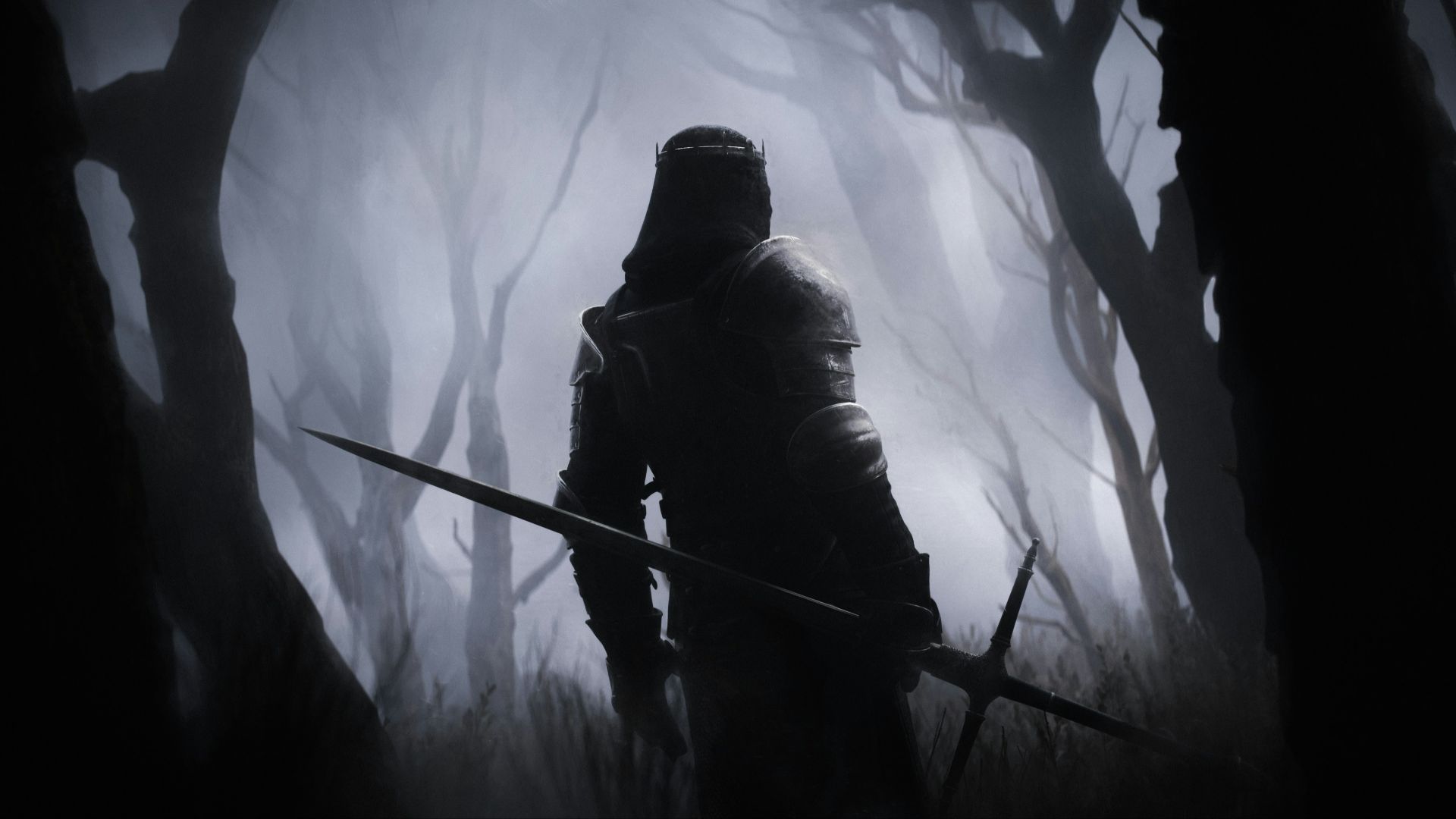
Münster in 1534 and 1535 was the center of the Anabaptist kingdom, when Jan of Leiden and his followers turned the Westphalian city into their so-called New Jerusalem. That stretch around the cathedral, the marketplace, and the civic heart of town already has the siege politics, religious panic, and cramped movement routes an Assassin’s Creed story would put to good use.
2. Old City of Dubrovnik, Croatia
Dubrovnik became a major Mediterranean sea power from the 13th century onward, and its walled city still has some pretty serious historic weight. The stone lanes, harbor access, monasteries, and palaces would give Ubisoft a map that feels dense in all the right ways.
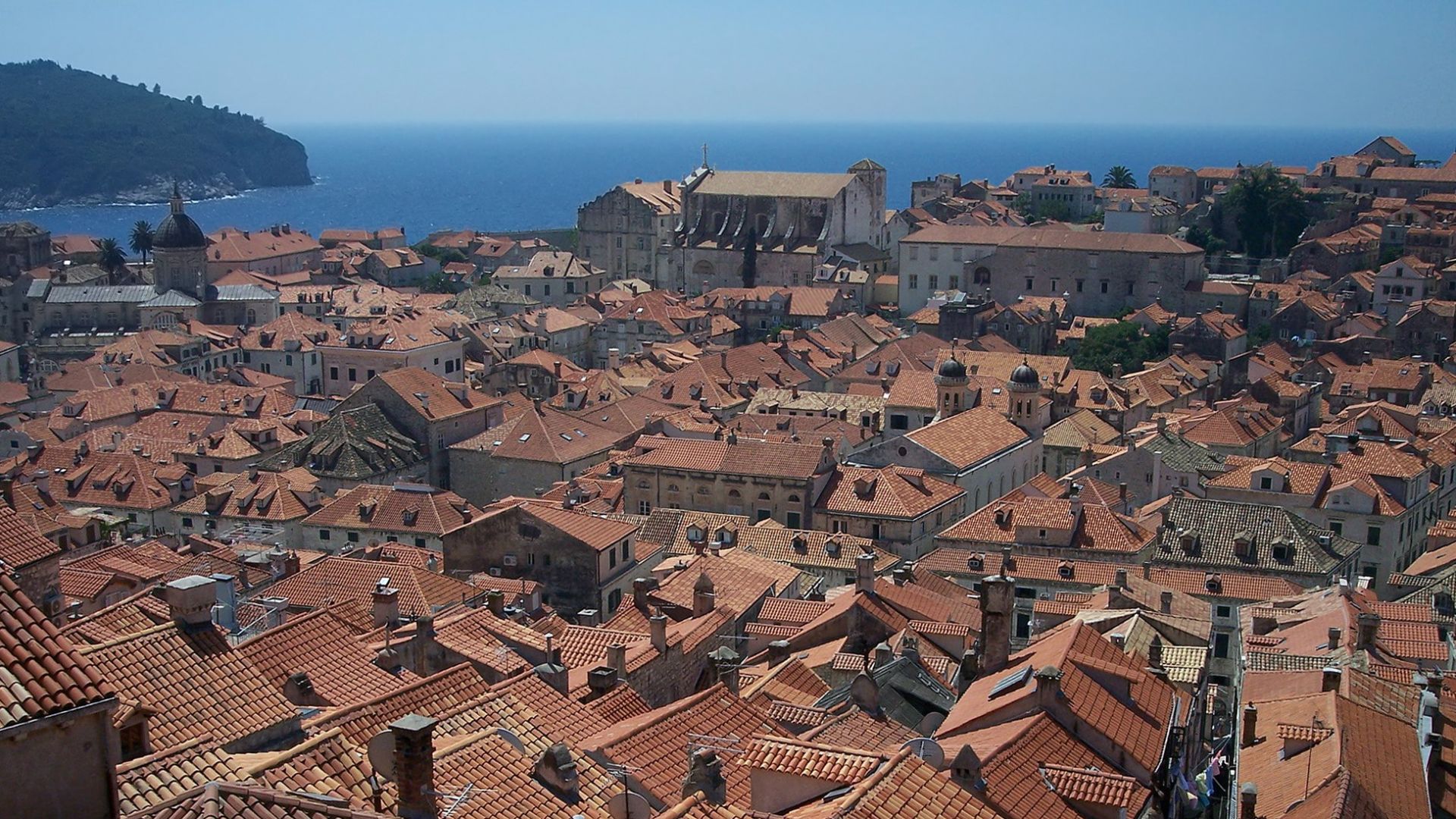 László Szalai (Beyond silence) on Wikimedia
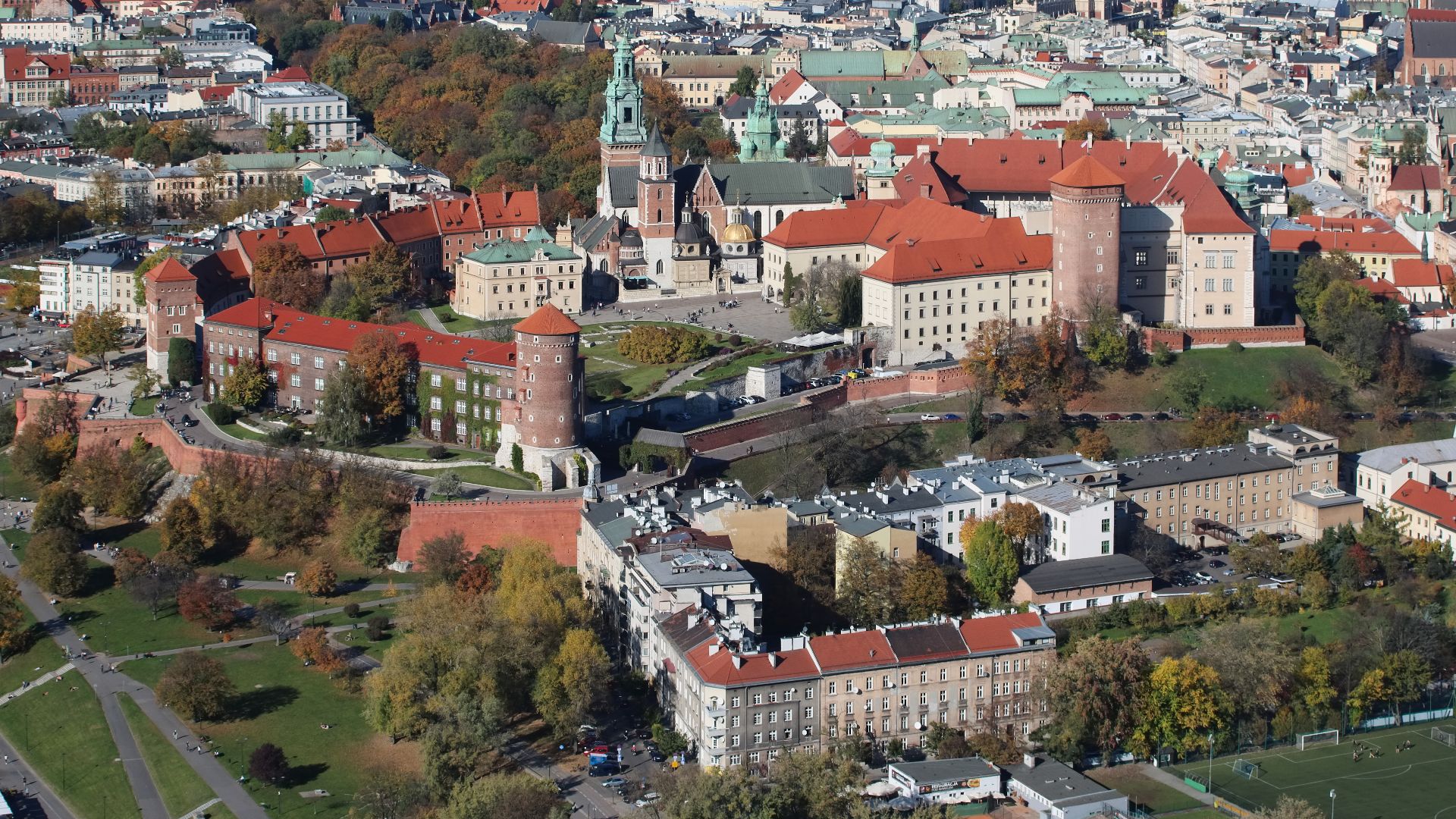
3. Historic Centre of Kraków, Poland
Kraków’s old core grew as a 13th-century merchants’ town at the foot of Wawel, and it still carries that mix of public commerce and royal gravity. Europe’s largest market square, the surviving fortifications, Kazimierz, and the rise toward the castle would give a game plenty of natural social and physical contrast.
4. Malbork Castle, Poland
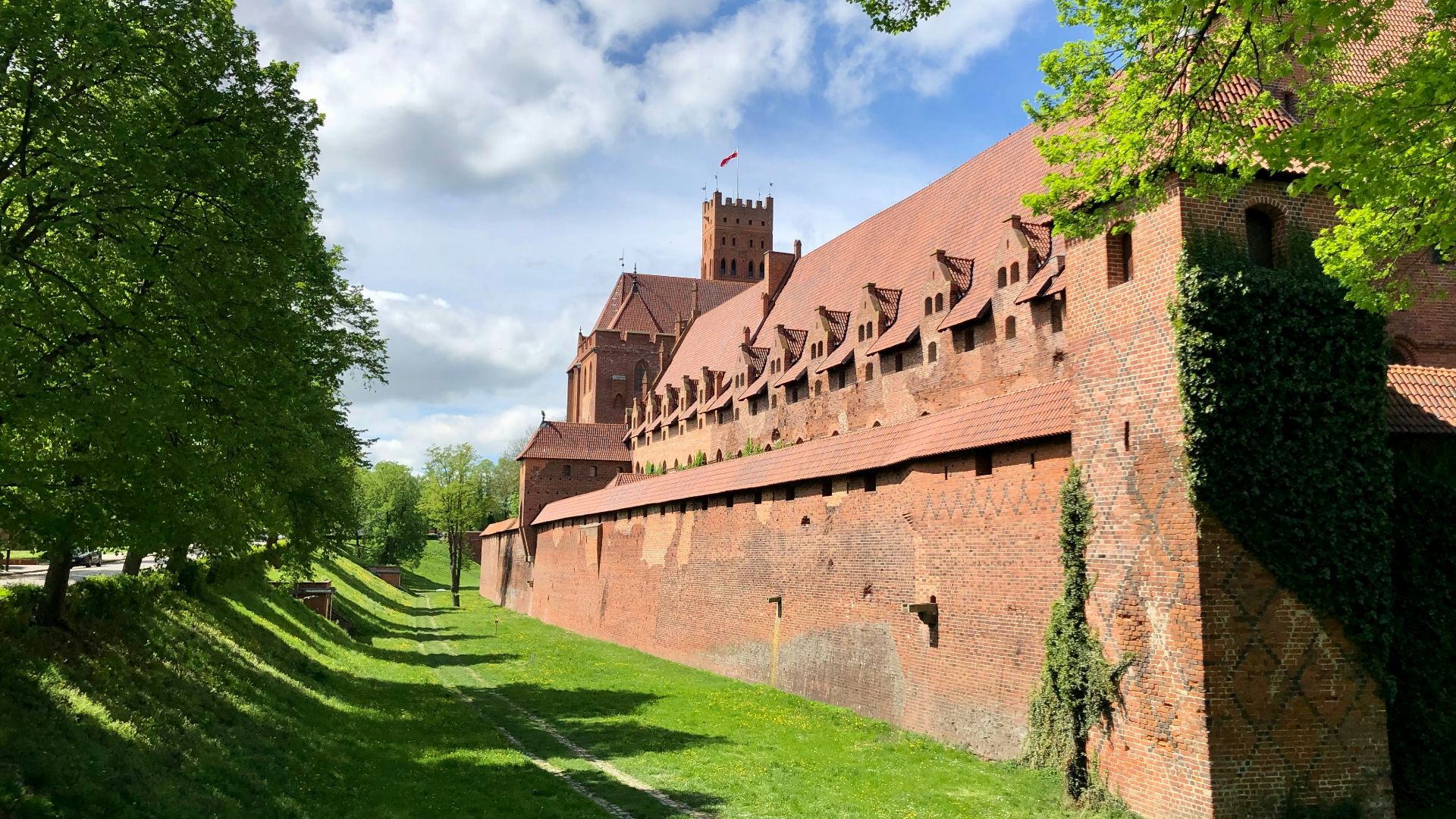
Malbork is the kind of fortress that feels like it was planned by people who trusted no one, which is already a good start for this kind of franchise. Its tripartite layout of High Castle, Middle Castle, and Outer Bailey would be excellent for a pretty sweet stealth mission.
5. Historic Fortified City of Carcassonne, France
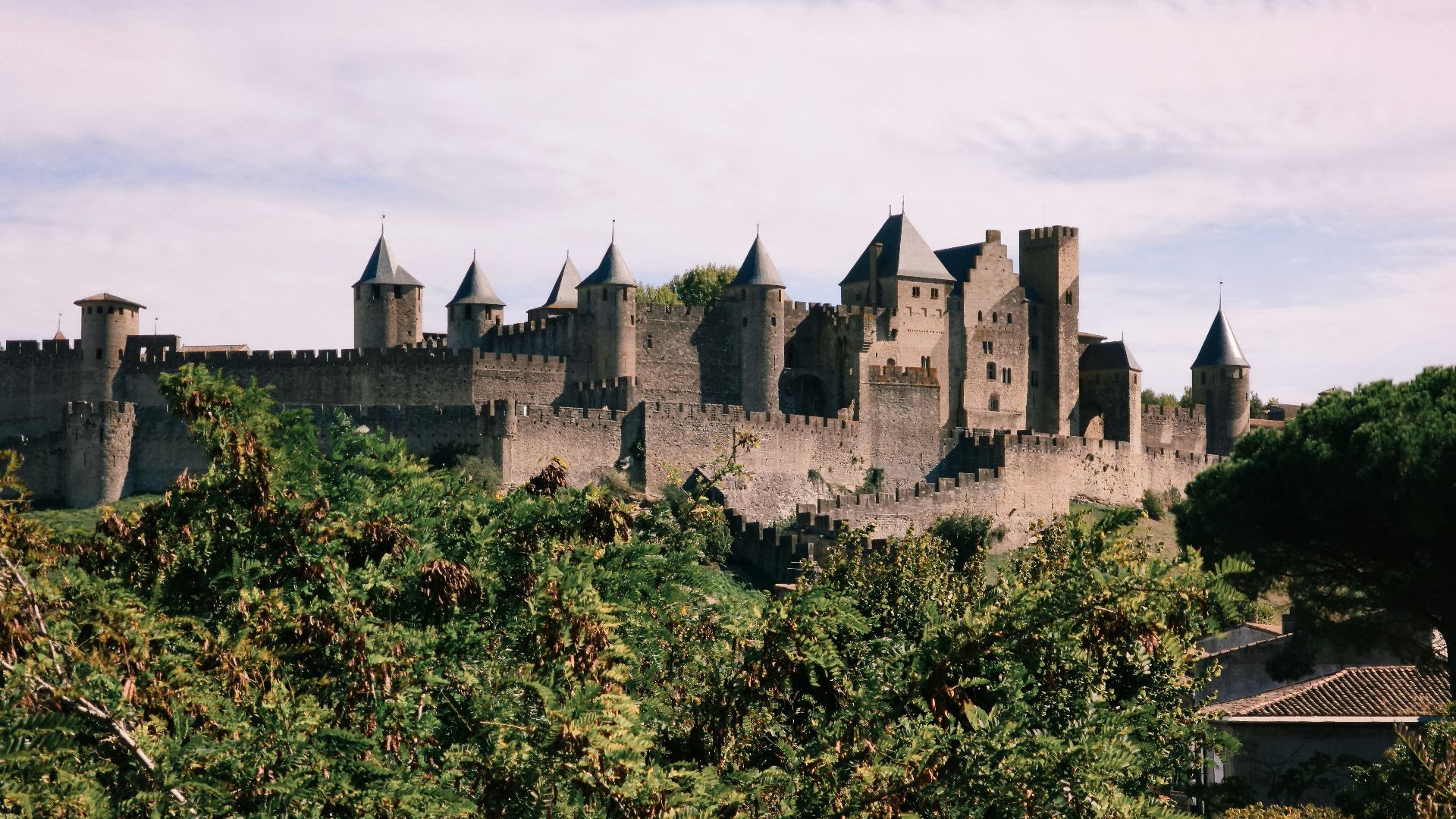
Carcassonne had a fortified settlement on its hill long before the medieval city took the shape people know today. The surviving walls still look severe in a way modern games rarely get to use well. Its castle, streets, and Gothic cathedral would make for a tighter, more vertical setting than the series’ broader urban sprawl maps.
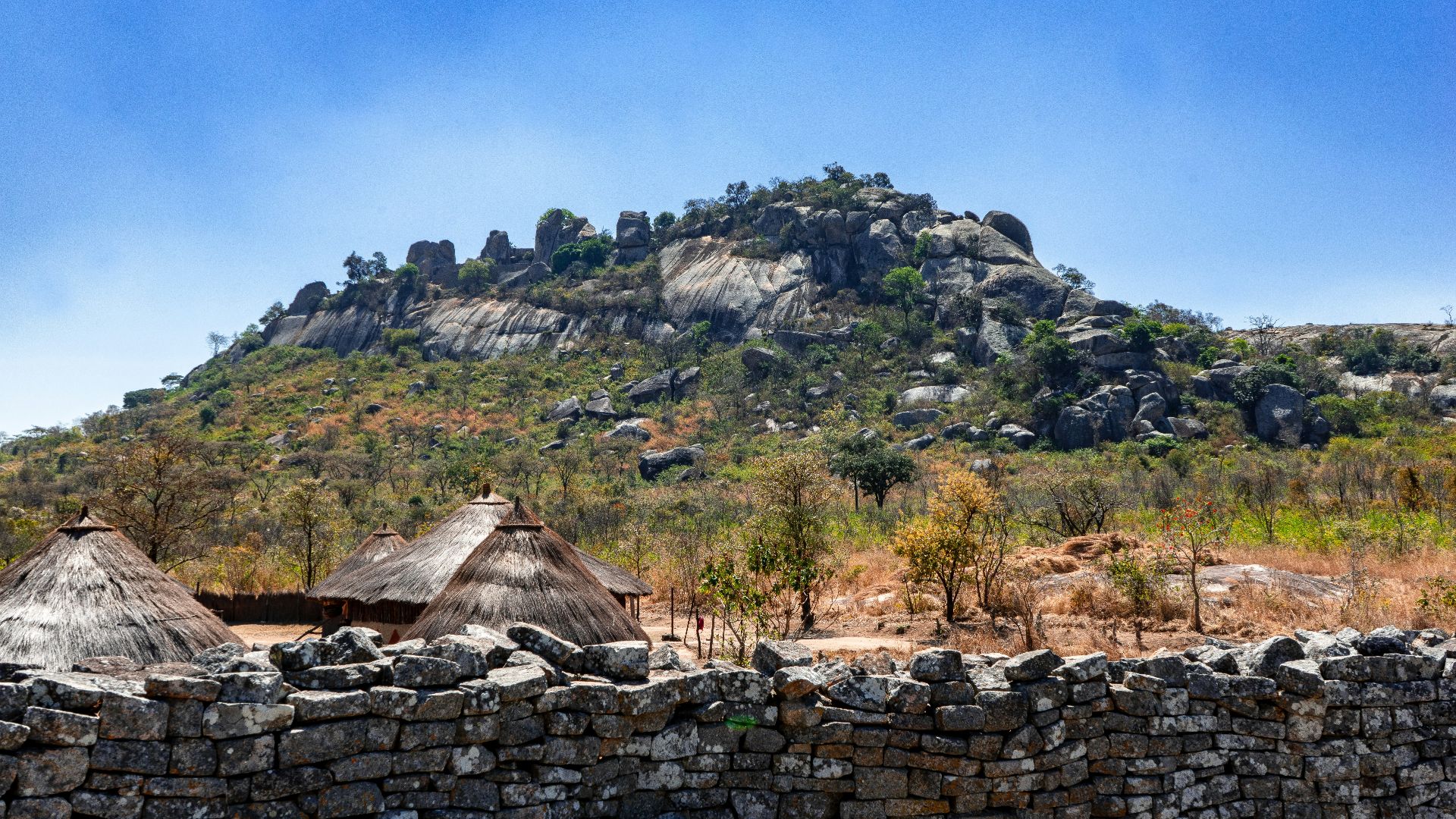
6. Great Zimbabwe, Zimbabwe
Great Zimbabwe was a major Shona center between the 11th and 15th centuries, both as a political capital and a trading hub. The stone enclosures, hill complex, and sheer scale of the site would let the series step into sub-Saharan history with some real substance.
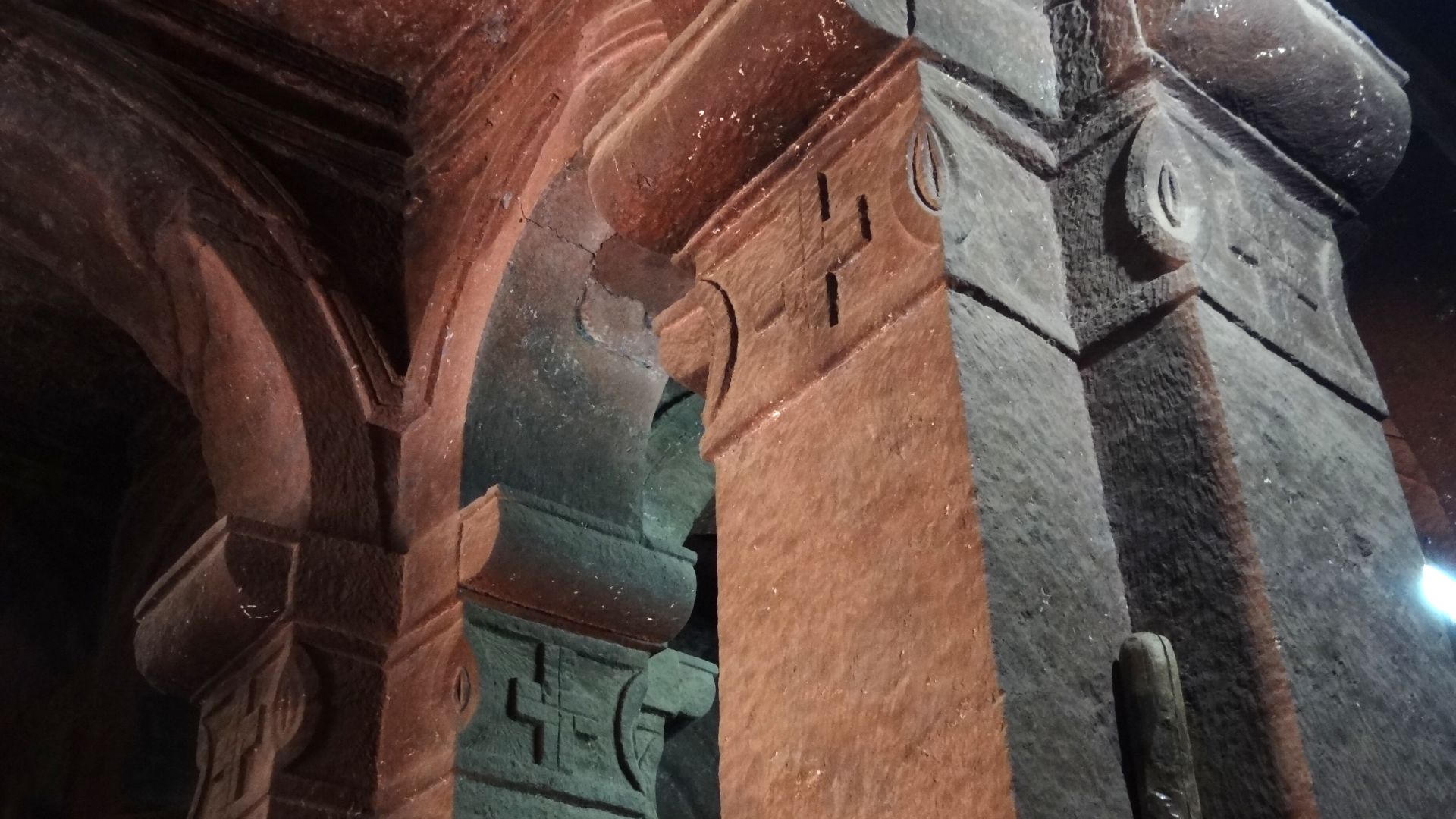
7. Rock-Hewn Churches of Lalibela, Ethiopia
Lalibela’s 11 medieval churches were carved directly into the rock in the 13th century and are still active places of pilgrimage, which gives the site a kind of continuity that’s hard to fake. The trenches, passageways, and monolithic church forms would feel memorable in a way most cathedral settings don’t.
 Adam Jones from Kelowna, BC, Canada on Wikimedia
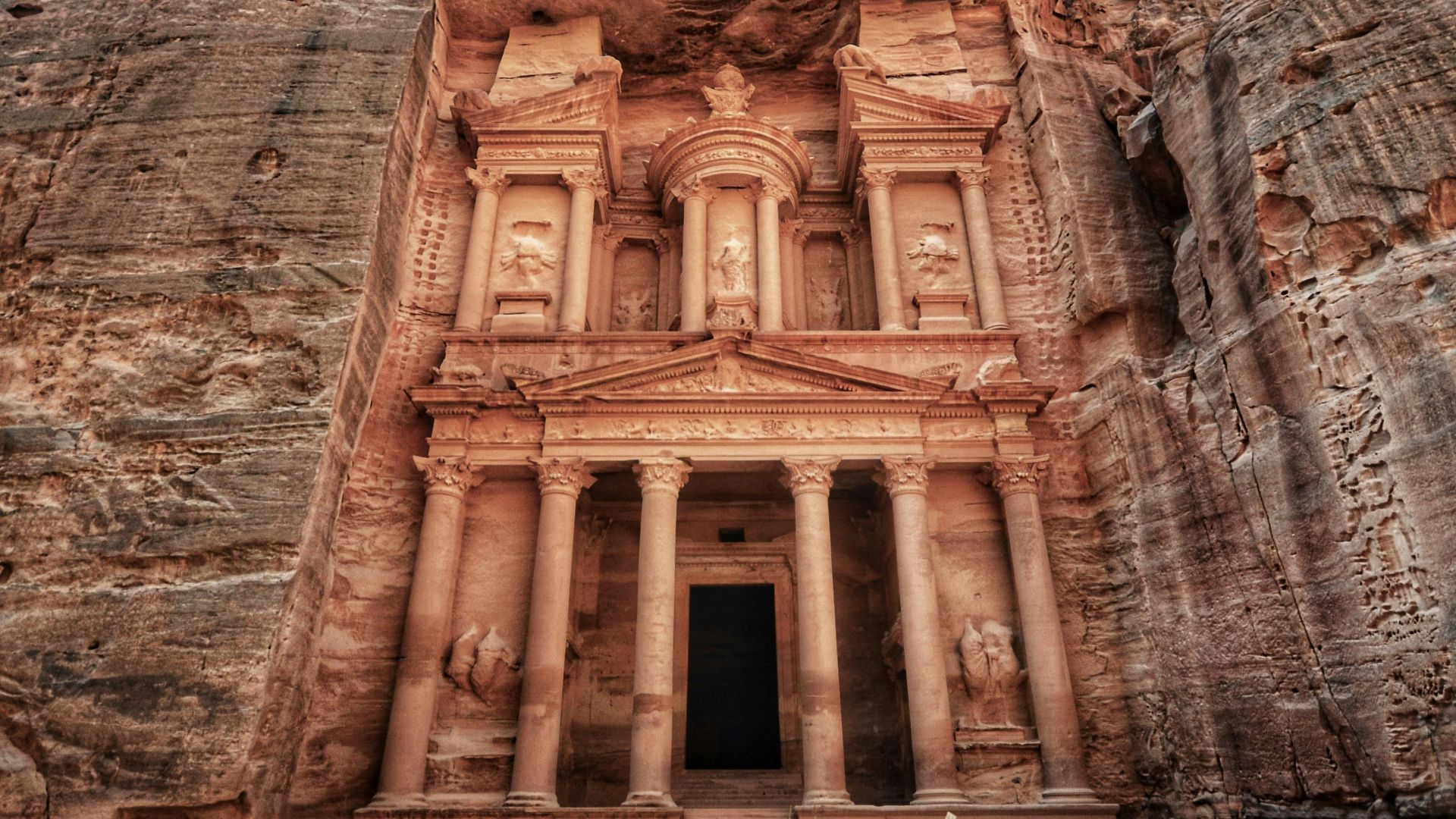
8. Petra, Jordan
Petra was the center of a Nabataean kingdom in Hellenistic and Roman times, complete with some gorgeous rock-cut facades. A game set here could do a lot with narrow approaches like the Siq, hidden tombs, water systems, and the uneasy feeling that every route was built to be controlled.
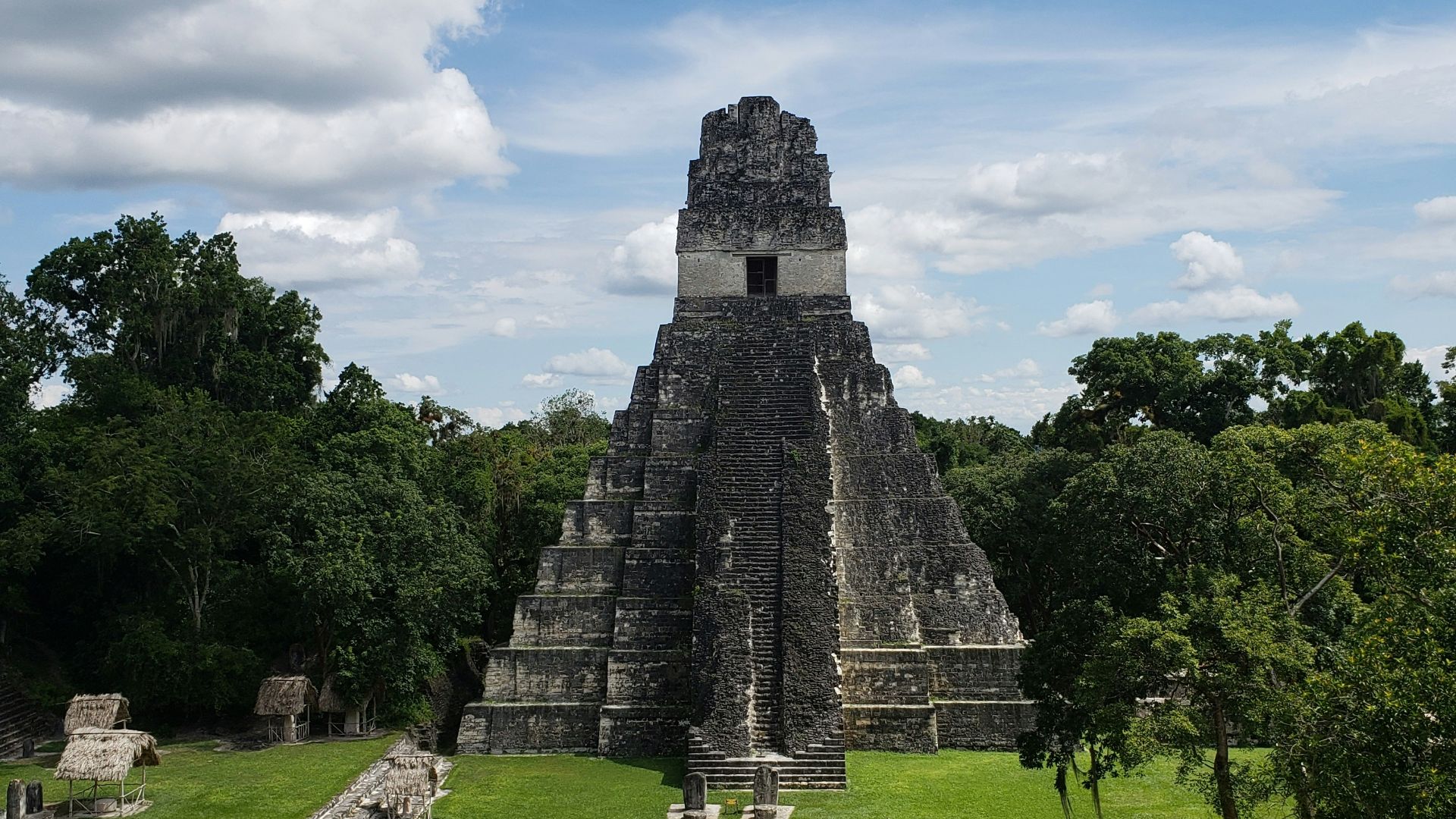
9. Tikal, Guatemala
Tikal was inhabited from roughly the sixth century BCE to the 10th century CE, and its ceremonial center still rises out of thick forest with temples, palaces, and public squares linked by ramps. That gives it a shape very few Assassin’s Creed settings have had, where the architecture feels monumental, but the jungle is always pushing back in.
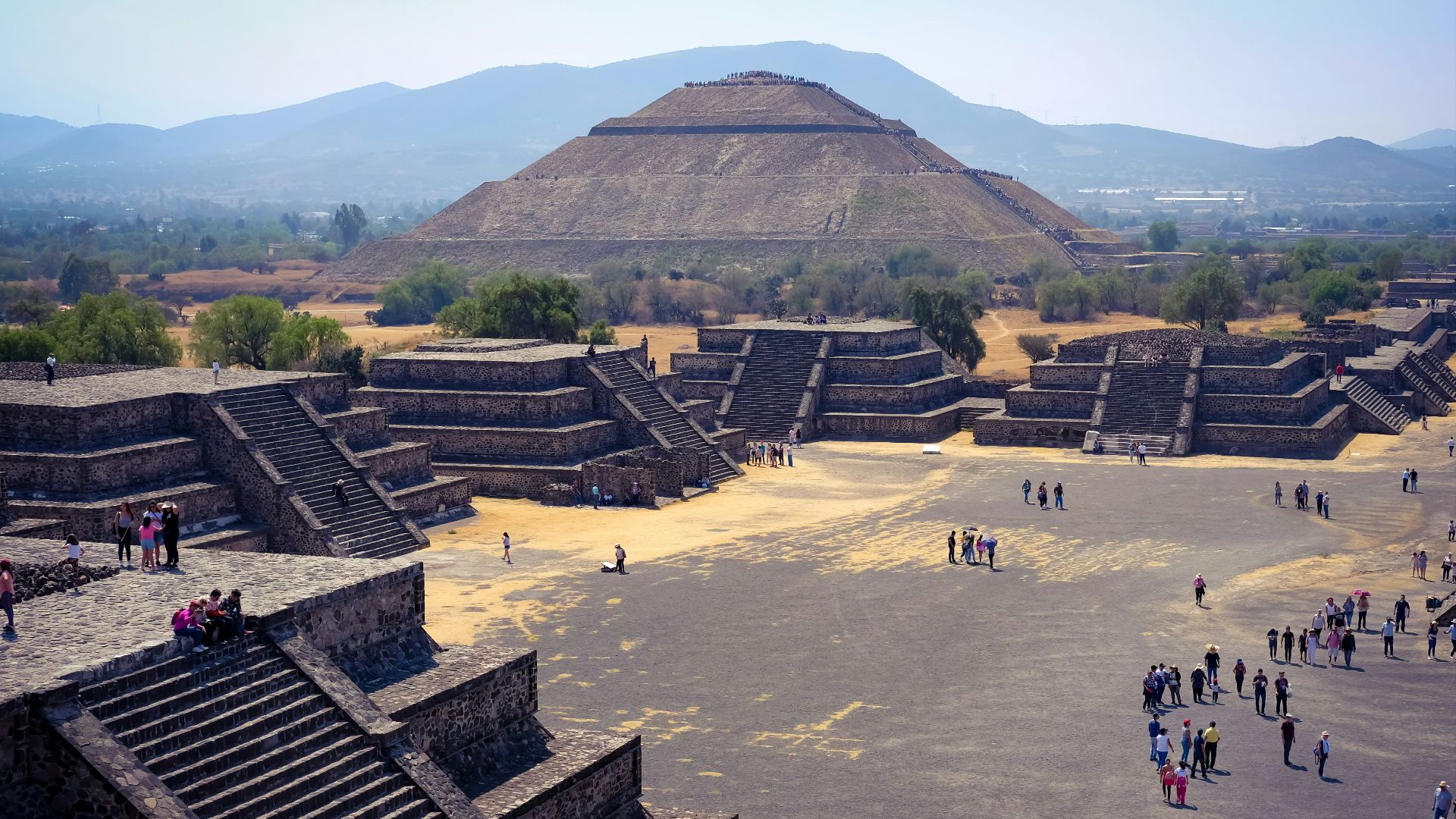
10. Teotihuacán, México
Teotihuacan sat about 50 kilometers northeast of modern Mexico City and grew into one of the most powerful urban centers in Mesoamerica between the first and seventh centuries CE. The Avenue of the Dead, the Temple of Quetzalcoatl, and the Sun and Moon pyramids would give the series a setting with huge ceremonial spaces and a very controlled urban plan.
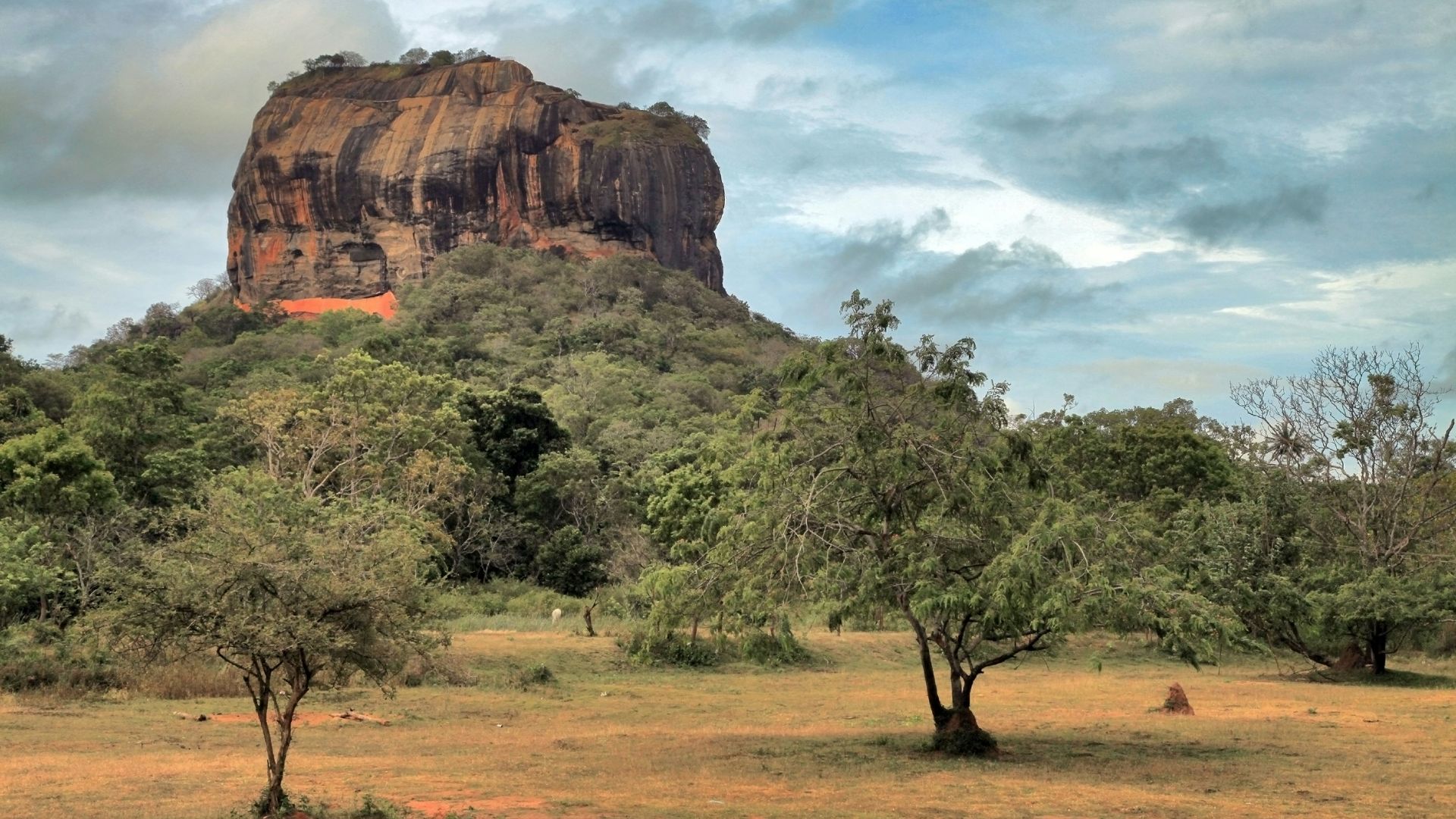
11. Ancient City of Sigiriya, Sri Lanka
Sigiriya was built by King Kassapa I in the late fifth century, with a palace on a granite rock rising about 180 meters above the plain. Just think about how cool a palace on top of a mountain would look as you scale the rocky cliffs.
 Dmitriy Suponnikov on Unsplash
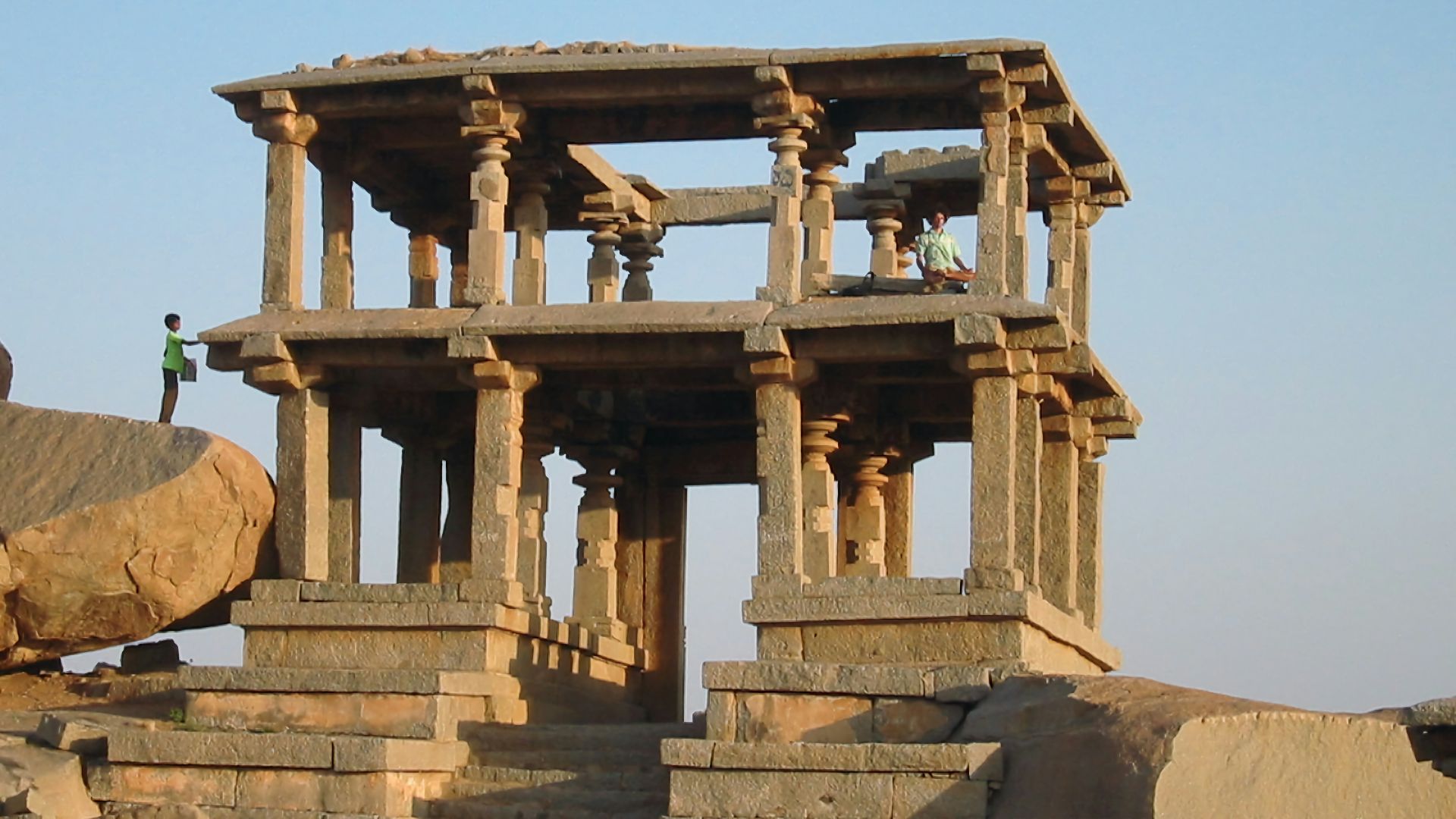
12. Group of Monuments at Hampi, India
Hampi was the last capital of Vijayanagar, and travelers in the 14th to 16th centuries wrote about the scale and wealth of what they saw there. The bazaars, temples, palace remains, and boulder-strewn terrain would thrive in the Assassin’s Creed map, showcasing both the ceremonial side and the rougher outer layers of the area.
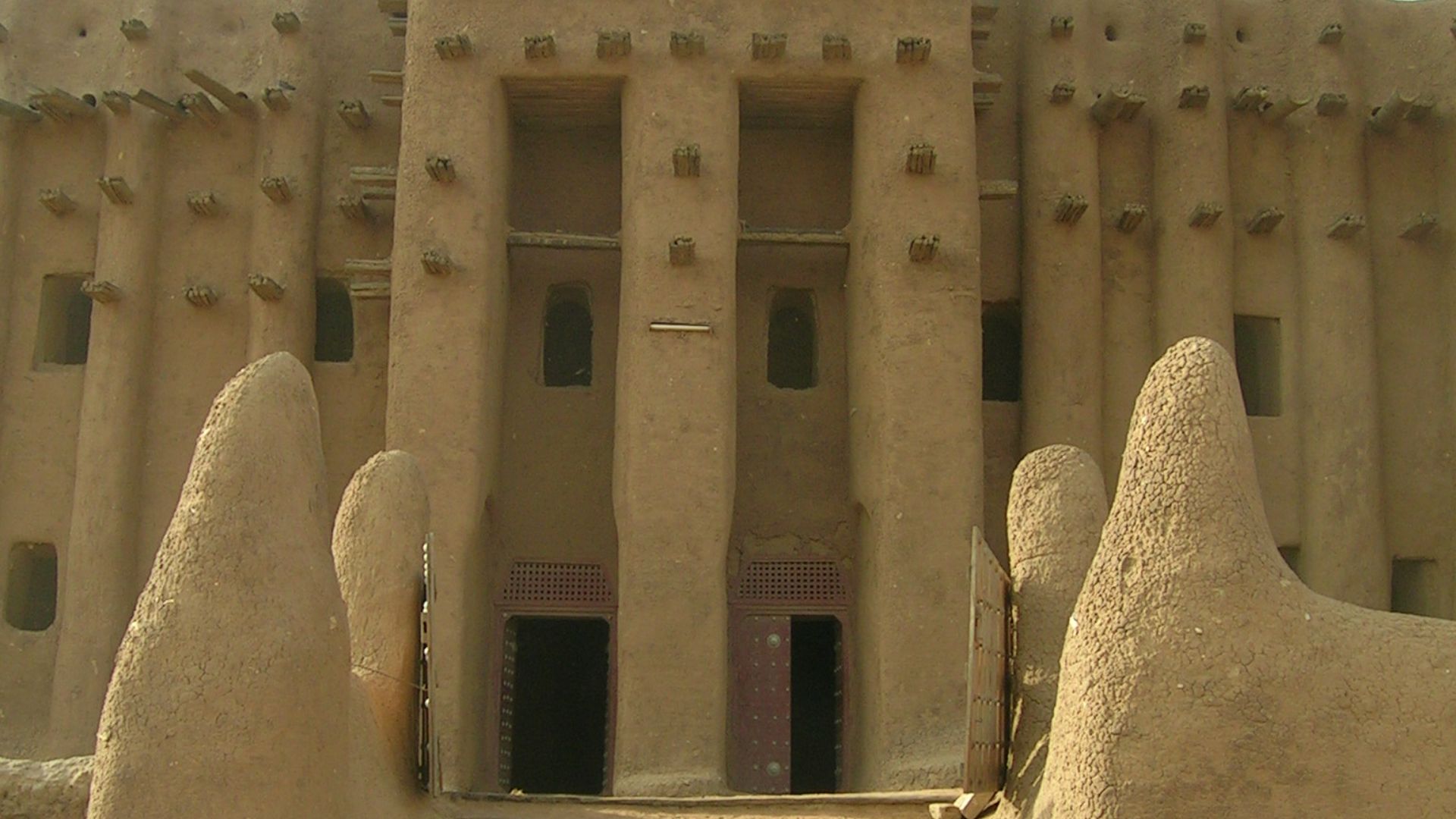
13. Old Towns of Djenné, Mali
Djenné’s old towns combine dense earthen architecture, long trade history, and a religious legacy that still shapes how the place is read. A game here could move between Islamic scholarship and trans-Saharan commerce during the 3rd century CE.
 Francesco Bandarin on Wikimedia
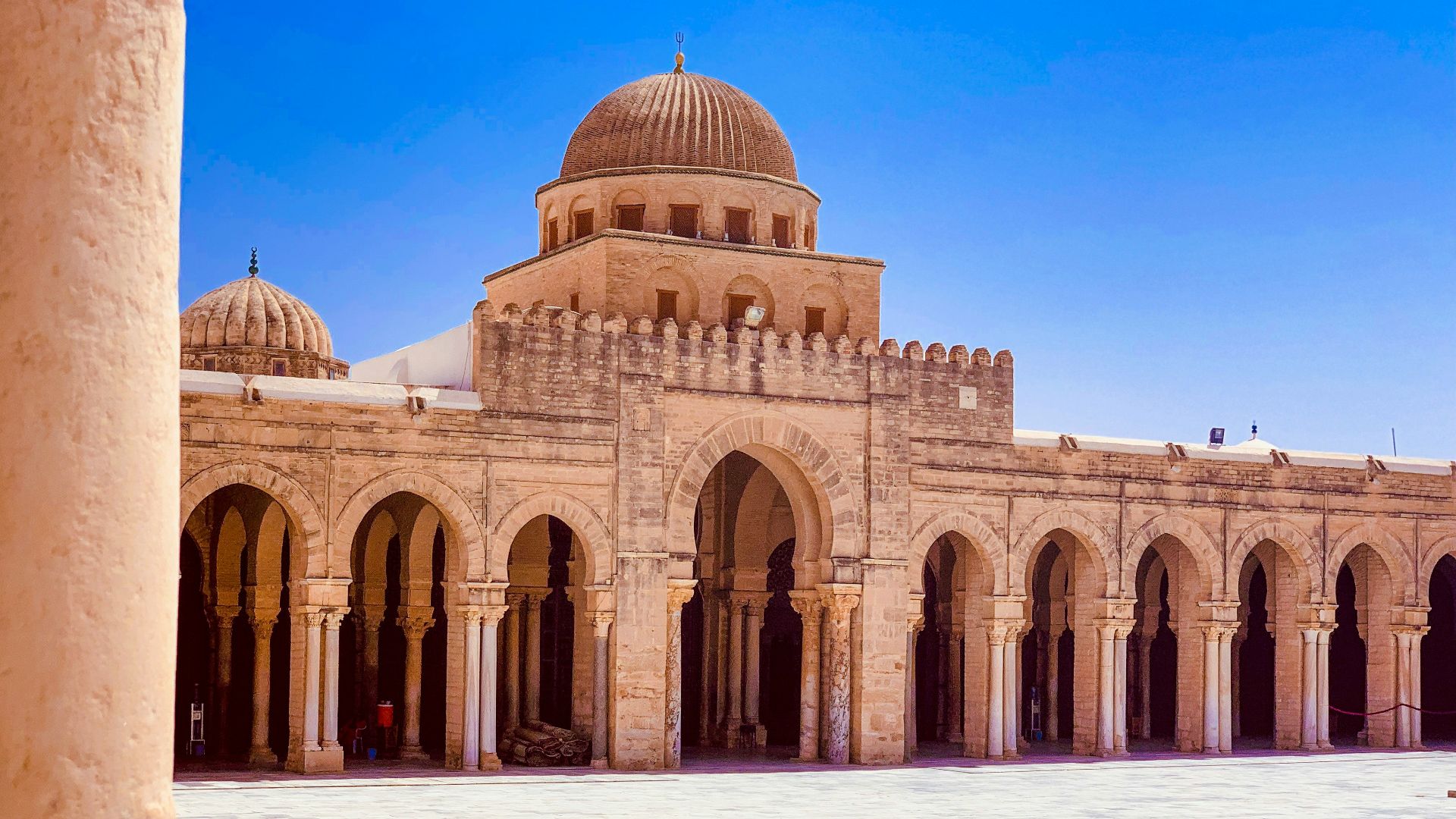
14. Kairouan, Tunisia
Founded in the seventh century, Kairouan became one of the most important cities of the early Islamic world. The Great Mosque, the Aghlabid Basins, the Zawiya of Sidi Sahib, and the tight urban fabric would give the series a setting where religion, infrastructure, and state power all sit close together.
15. Cahokia Mounds, Illinois
Cahokia was the largest pre-Columbian settlement north of Mexico, with nearly 1,600 hectares and around 120 mounds during its main Mississippian period. While we’ve had Assassin’s Creed games in North America, Ubisoft hasn’t approached anything around the 10th century.
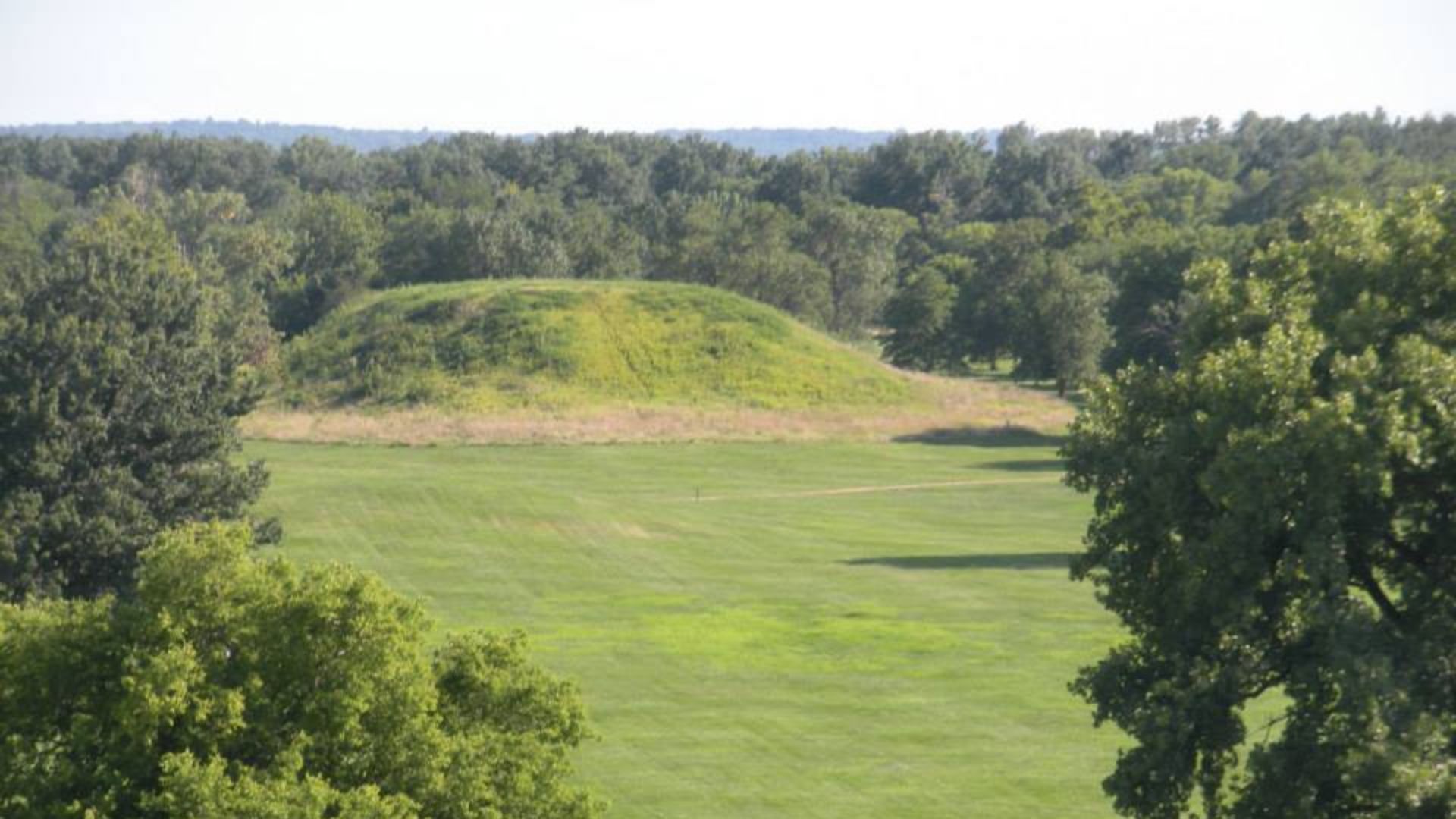 Stephanie A. Terry on Wikimedia
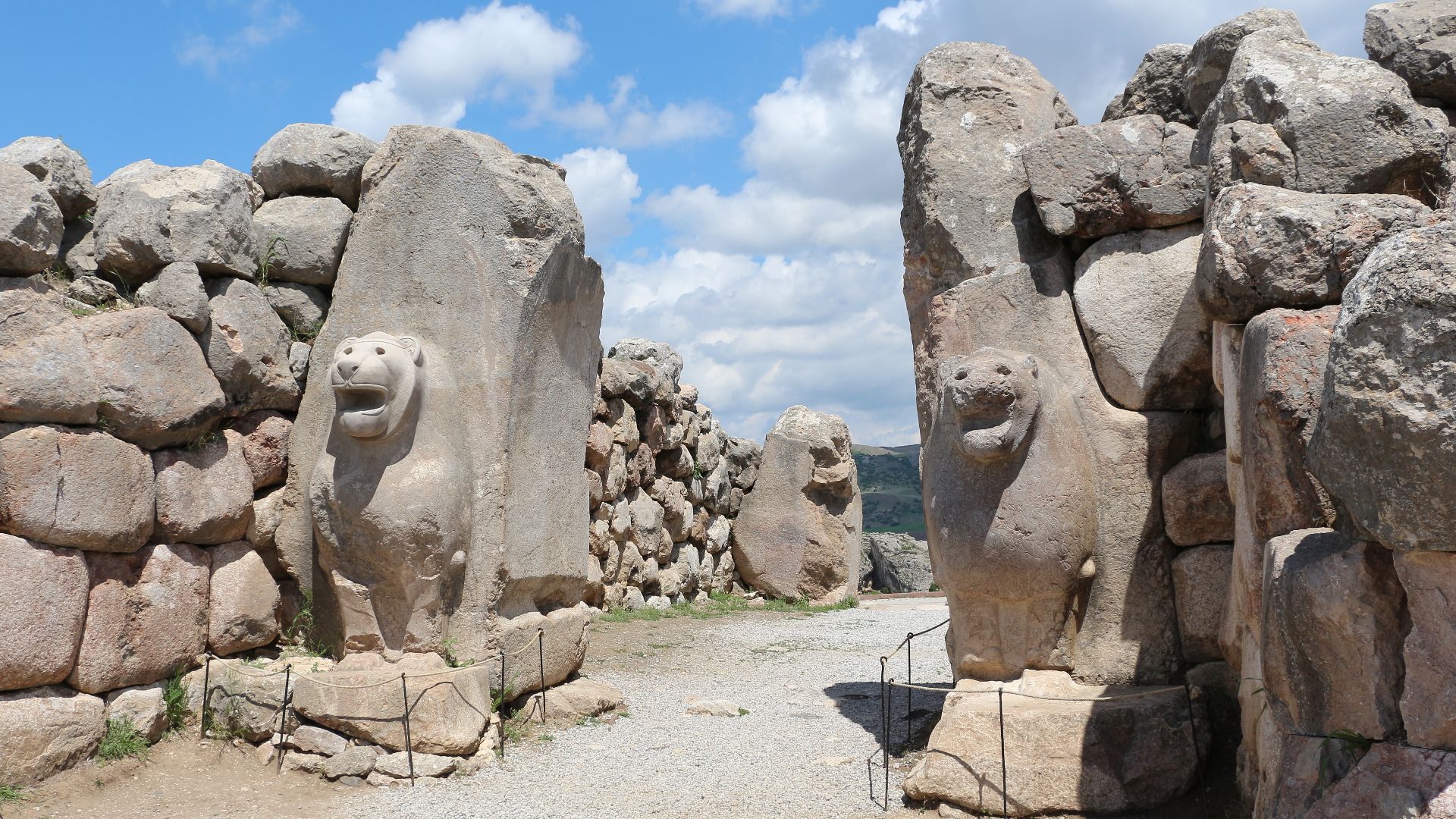
16. Hattusha, Türkiye
Hattusha was the capital of the Hittite Empire, and the surviving site still showcases the urban planning, temples, fortifications, and the famous Lion Gate and Royal Gate. It would give Assassin’s Creed a Bronze Age setting with actual administrative heft.
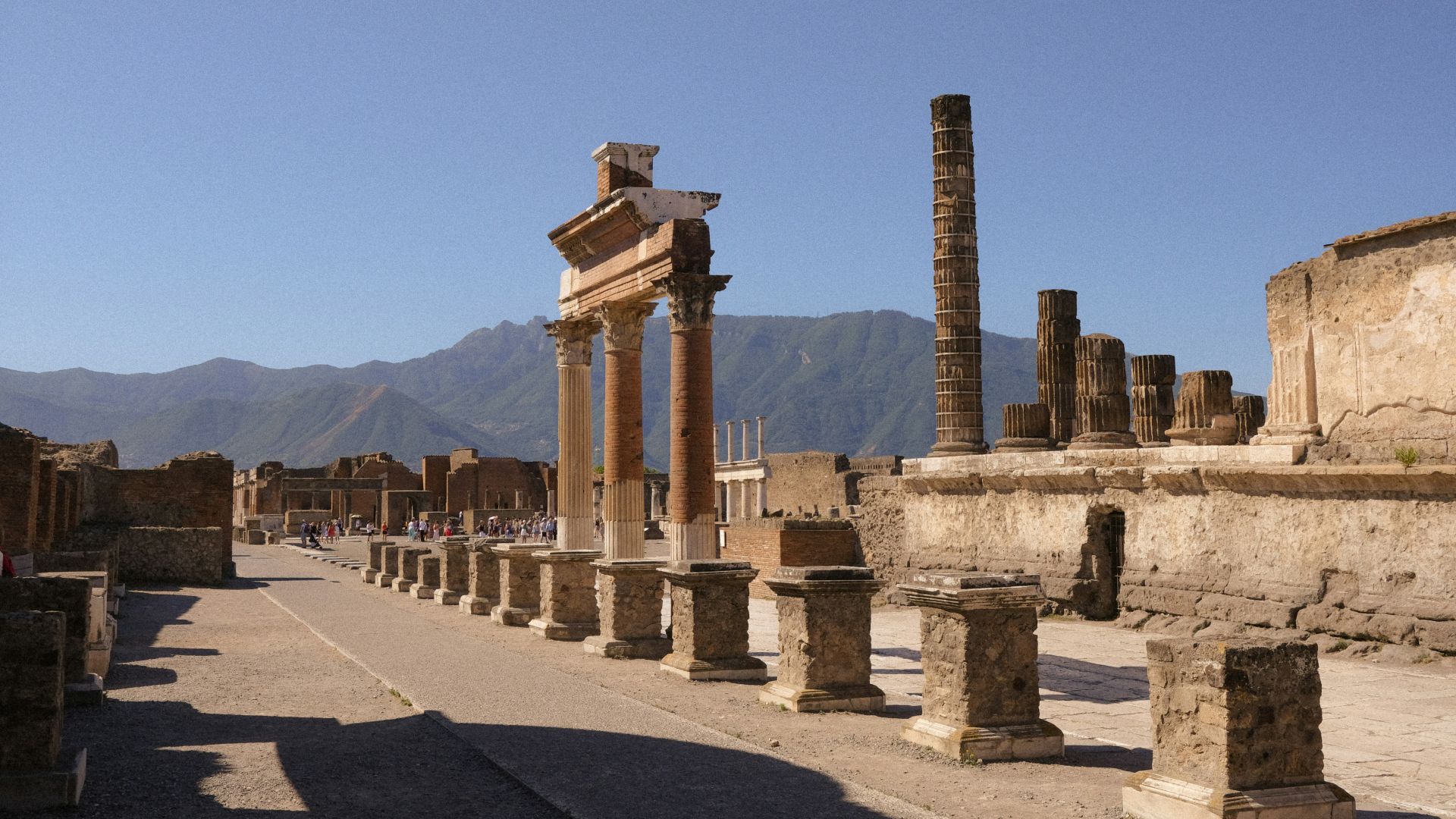
17. Ancient Merv, Turkmenistan
Merv is one of the oldest and best-preserved oasis cities along the Silk Road, with remains spanning about 4,000 years. That kind of long, layered occupation is catnip for a series built on buried factions, old trade routes, and some good old-fashioned fighting.
18. Old Bridge Area of Mostar, Bosnia and Herzegovina
Mostar’s old bridge zone pulls together pre-Ottoman, Ottoman, Mediterranean, and western European elements in one small urban area. The bridge itself would be the obvious centerpiece, though the real strength is how the surrounding streets tighten around it.
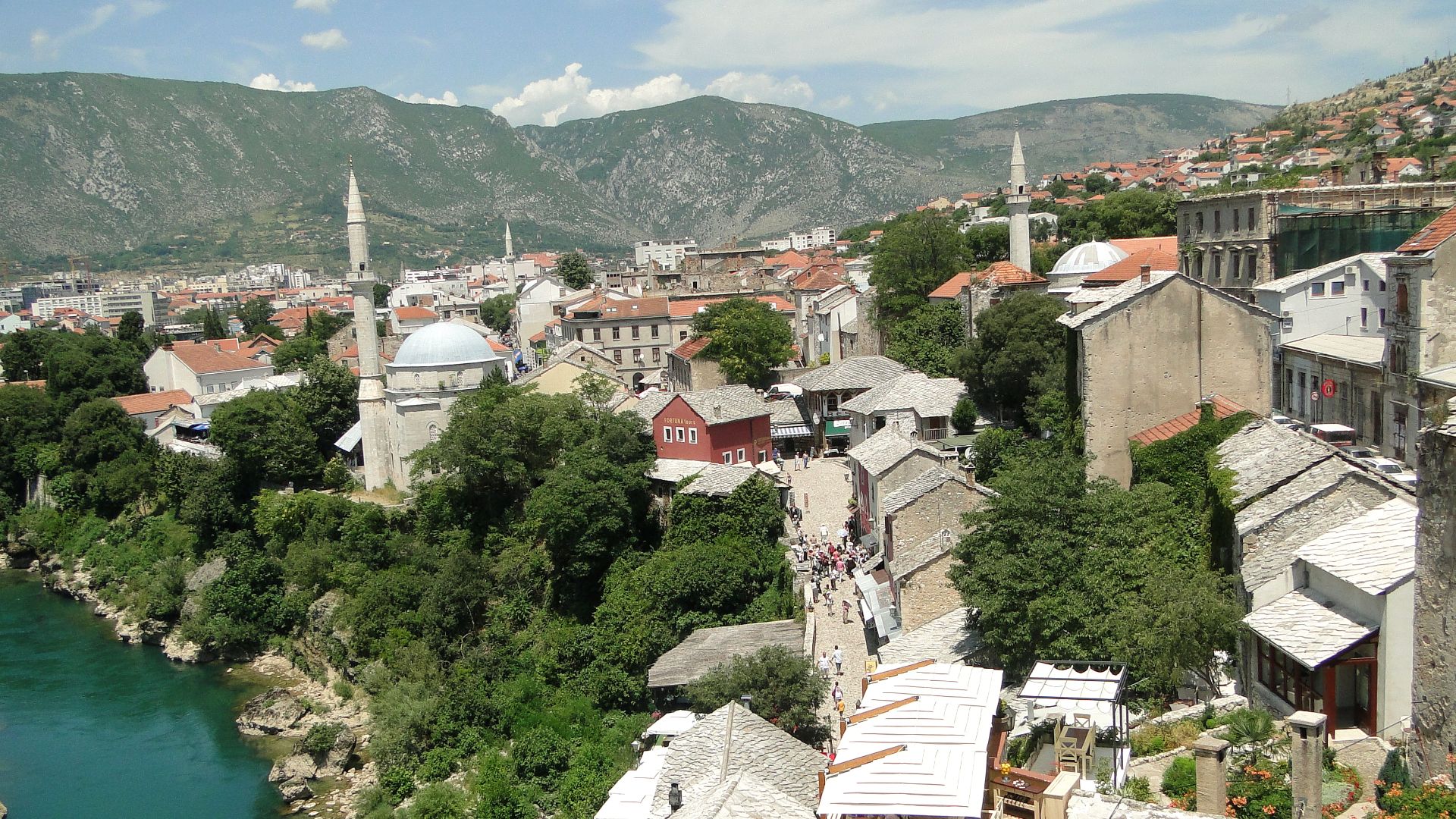 Adam Jones, Ph.D. on Wikimedia
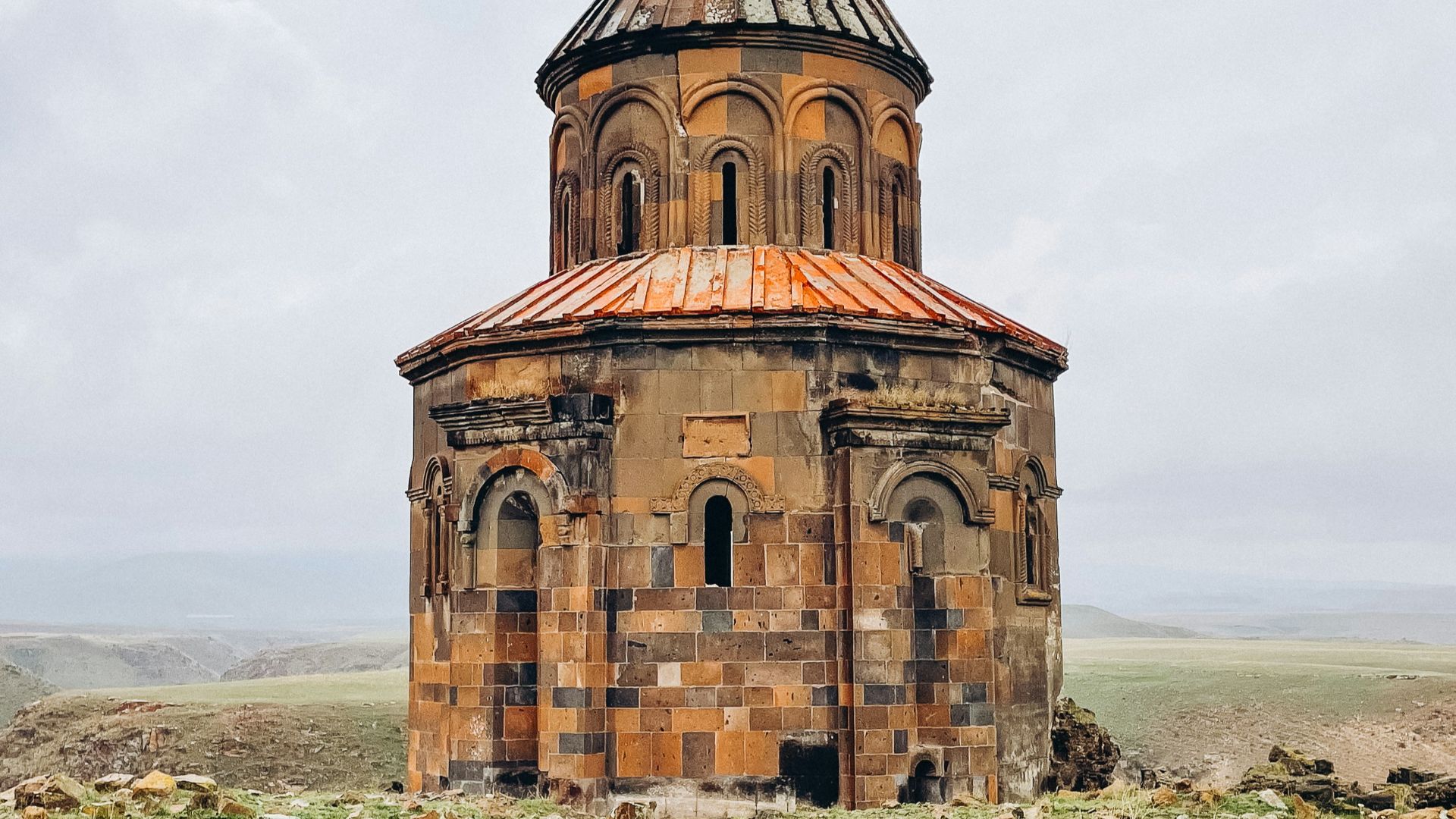
19. Archaeological Site of Ani, Türkiye
Ani flourished in the 10th and 11th centuries as the Bagratid Armenian capital, and later remained important under Byzantine, Seljuk, and Georgian rule. The result is a medieval city where churches, mosques, fortifications, and merchant routes all sat in the same windswept place.
20. Bagan, Myanmar
Bagan was the capital of the Pagan Kingdom from the ninth to the 13th centuries, and its sacred landscape still holds a huge spread of temples, stupas, monasteries, frescoes, and pilgrimage sites. It’s one of those places where the skyline alone would carry half the atmosphere, and the rest would come from moving through the dust, courtyards, and tight stairways between shrines.