


We know this sounds dramatic. What do you mean, swaths of young adults are quitting gaming altogether? We promise, this isn’t as dramatic as it sounds. While younger adults are pulling back on certain types of gaming, there’s still a massive group of people still wired in. In fact, over 205 million Americans aged five to 90 play video games regularly, with 60% of adults playing every single week.
So what’s happening with the young adults? Well, it comes down to money. U.S consumers aged 18 to 24 spend 25% less money on video game products in April 2025 than they did the previous year. What this tells us isn’t that it’s about the quality of the games, it’s more so that games aren’t the epicentre of how young folks like to spend their time.
The Budget Pressure

The clearest evidence starts with spending. In that same Circana snapshot covered by GameSpot, overall spending by 18-to-24-year-olds was down about 13% year over year, but games took a harder hit than several other tracked categories. That makes sense, really. Between the price of games, consoles, and membership subscriptions, it’s difficult to justify the expense if it’s not your favorite way to pass the time.
The bigger economic backdrop doesn't exactly make leisure spending feel carefree, either. The Bureau of Labor Statistics said the unemployment rate for Americans ages 16 to 24 was 10.8 percent in July 2025, and the employment-population ratio for that group was 53.1 percent, down from 54.5 percent a year earlier. For people just getting started at work, or trying to hang onto unstable early-career jobs, that kind of picture can make every nonessential purchase feel a little heavier.
Debt pressure adds another layer. The U.S. Department of Education said collections on defaulted federal student loans resumed on May 5, 2025, ending a long pause, and a St. Louis Fed analysis found that the share of Americans ages 20 to 64 who were 30 days delinquent on credit card payments reached 12.1 percent in the first quarter of 2025. Those aren't youth-only figures, and they don't tell us why any one person skipped a new release. They do, though, fit the broader mood: leisure spending is much more stressful than it was a few years ago.
Gaming Isn’t For Everyone
Time matters almost as much as money here, maybe more for some people. ESA's 2025 numbers show that gaming isn’t a youth-specific habit, with half of American players now 35 or older. The old image of young adulthood as endless free evenings for grinding levels, chasing unlocks, and sinking hours into whatever everyone else was playing just doesn't fit as neatly anymore.
Public opinion helps fill in what market data can't fully capture. In online discussions about quitting or cutting back on games, people keep circling back to the same themes: work, rising costs, less free time, and the feeling that gaming had become a mindless default instead of something they were actively choosing.
What comes through in those conversations isn't outrage, exactly. It's more like a recalculation. A hobby can be fun and still lose ground once people start lining it up against sleep, exercise, side income, relationships, or even an evening that doesn't leave them feeling glued to another screen. Read that way, the pullback looks less like some anti-gaming crusade and more like a very normal adult reshuffling of priorities.
Other Digital Habits
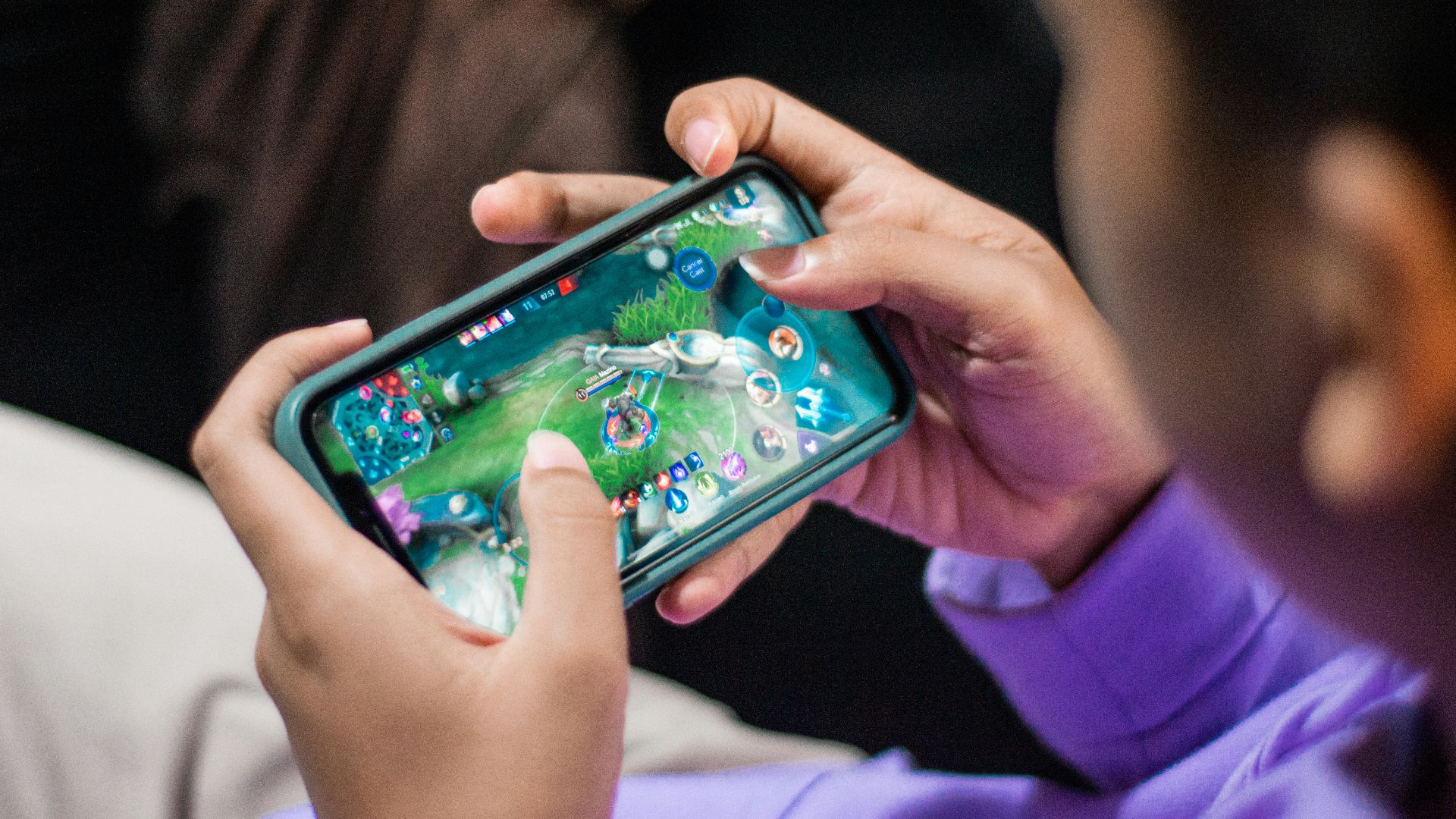
That said, another part of this is that young adults aren't necessarily logging off. They're just spreading their attention around differently. Sensor Tower's State of Mobile Gaming 2025 report says mobile game in-app purchase revenue grew 4% in 2024, while time spent rose 8% and sessions increased 12%. So quick, low-friction play is still doing just fine, even while premium gaming purchases drop.
The wider market tells a similar story. Newzoo's Global Games Market Report 2025 projects $188.8 billion in game revenues and 3.6 billion players worldwide, while also noting that console is the fastest-growing platform, while mobile growth is slowing in mature markets. What this tells us is that the gaming industry is by no means going under. Gaming is still enormous. It's just not a simple story anymore where young players automatically keep spending more every year.
Then there's the industry itself, which hasn't exactly been radiating stability. GDC's 2026 State of the Game Industry says 28% of surveyed professionals were laid off in the past two years, and half said their current or most recent employer had conducted layoffs in the past 12 months. That doesn't directly tell us what consumers will do next, but it does help explain why some players seem less willing to treat every major release like a must-buy event.
The safest takeaway is pretty straightforward. Public evidence supports the idea that many young adults are spending less on games, thinking harder about the time they put into them, and making more room for other priorities. Young adults aren’t leaving gaming for good. What the data can support, and support well, is that gaming no longer gets an automatic pass from a generation dealing with tighter money, busier lives, and plenty of other ways to spend a night.