Do You Know What You’re Doing?
Most people like to think they're at least decent at video games, but it’s time we faced facts: not everyone has what it takes to make it behind the controller! Some people can pick up games across different genres, and sometimes, the real issue has a way of showing up again and again, no matter what you're playing. Let’s put the rumors to rest and finally figure out where you fall!

1. You Skip the Tutorial
You tell yourself you don't need instructions, and then you immediately forget how to crouch, reload, or open the map. Within minutes, you're pressing every button and then getting frustrated when nothing works. Well, what did you think would happen?

2. You Blame the Game
The moment something goes wrong, oh, it must be that the game mechanics are broken. Suddenly, the levels are “unfair.” It doesn't seem to occur to you that running straight into danger over and over might be part of the problem. The truth is, when every loss is somehow the game's fault, your self-awareness probably isn't carrying much weight.
3. Your Inventory Is a Disaster
Say what you want about those who organize, but at least they have their lives figured out! You, on the other hand, pick up everything, organize nothing, and then act surprised when you can't find the one item you actually need.
4. You Ignore Basic Strategy
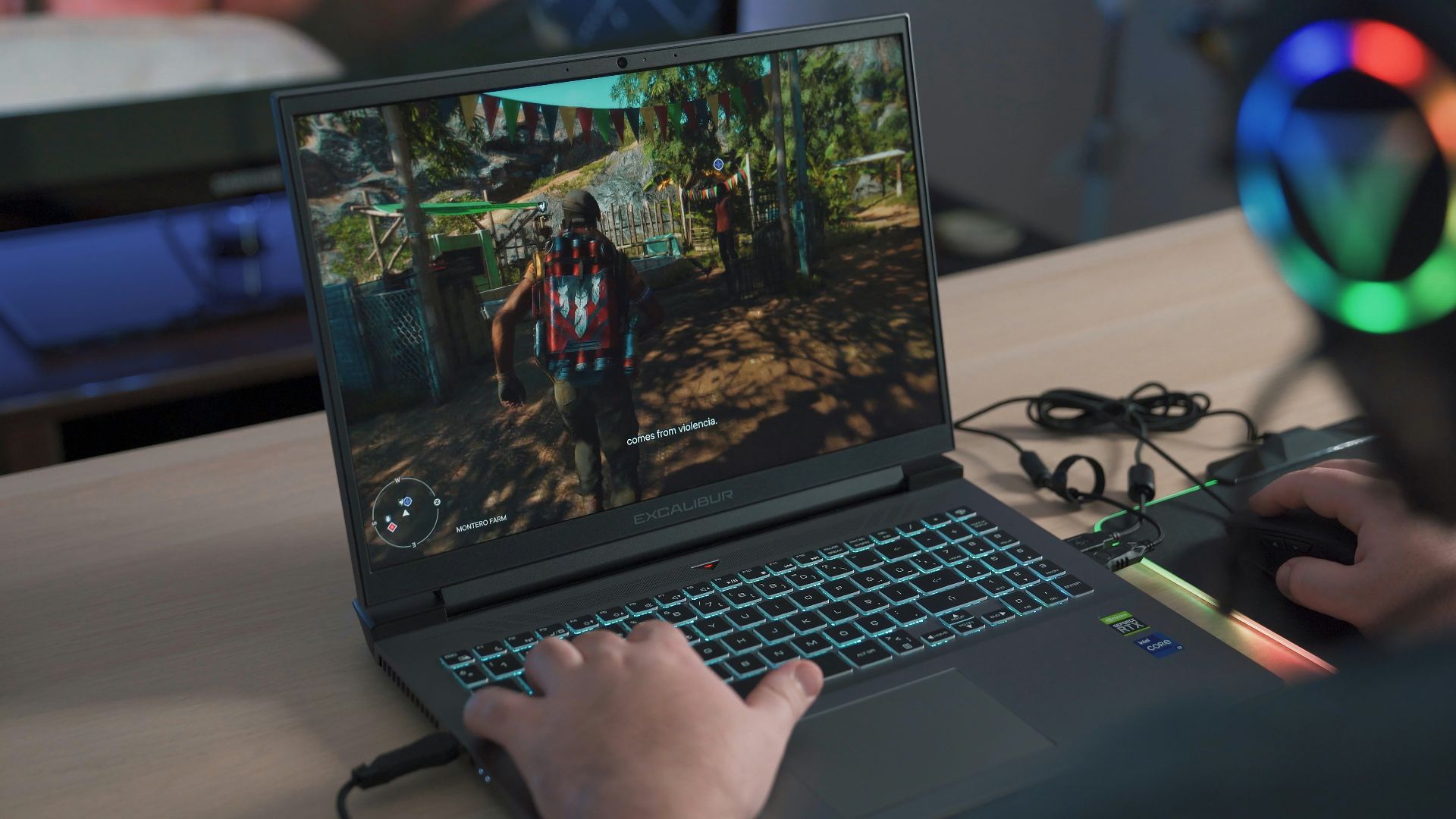
Games require you to adapt to the situation—but you keep doing the same thing and hoping it works this time. We appreciate the stubborn confidence, but that plan rarely improves just because you believe in it.

5. You Panic
Like it or not, games are going to get aggressive. What separates the boys from the men is how they act in the face of a boss or a swarm of zombies. If you stop thinking clearly and make everything worse, the issue likely isn’t with the game.

6. You Never Learn
There you are, standing there after a battle…with absolutely no interest in what went wrong. There's no reflection, no adjustment, and no sign that the same mistake won't happen again five minutes later. Sure enough, what happens? You guessed it: another mistake.
7. Your Teammates Go Quiet
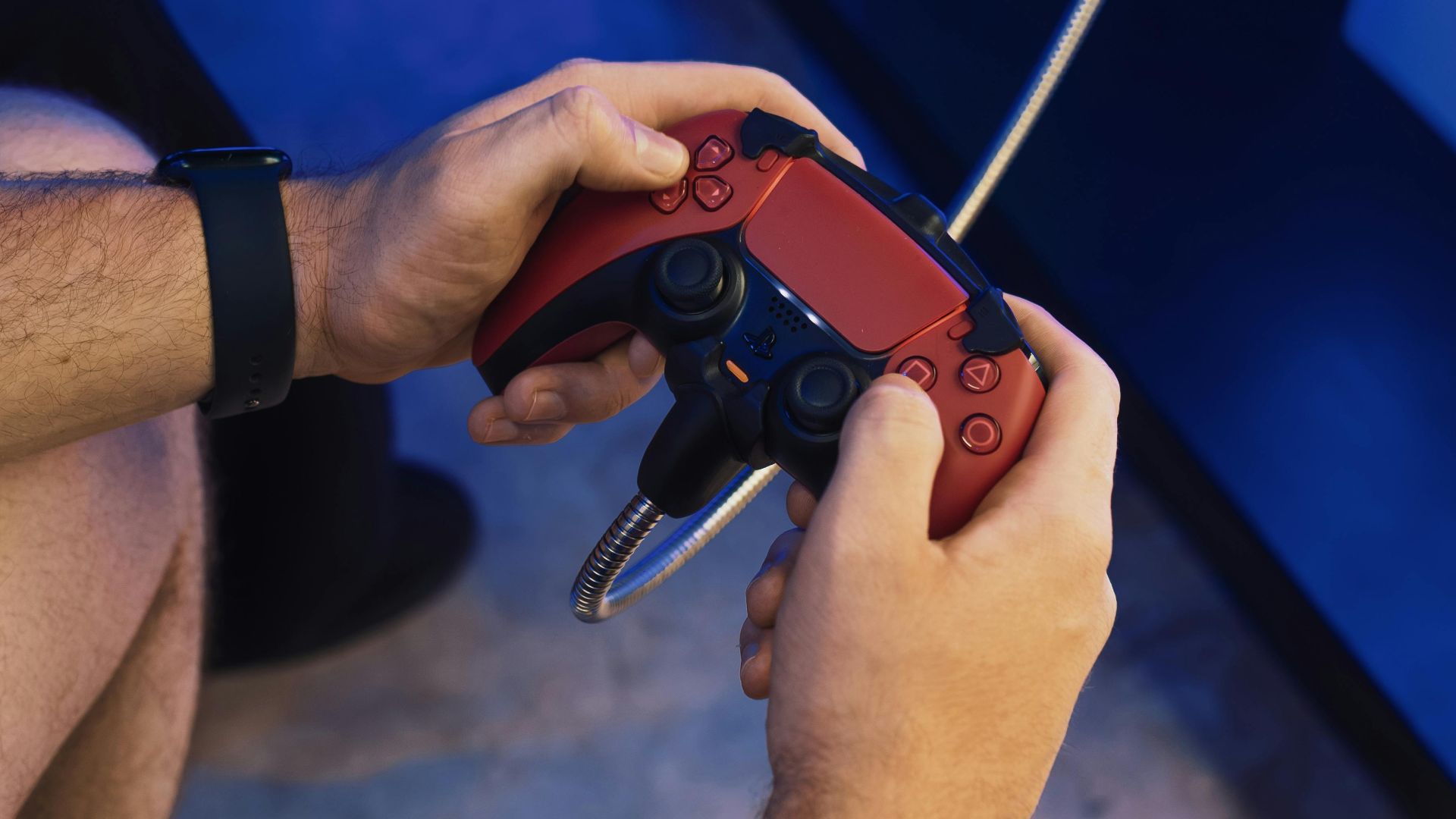
At first, people are usually quick to offer suggestions or encouragement because they think you'll work with them. Then they notice you're wandering off alone or making decisions nobody can explain. When the silence hits, it's not a compliment.
8. You Focus More on Style Than Results
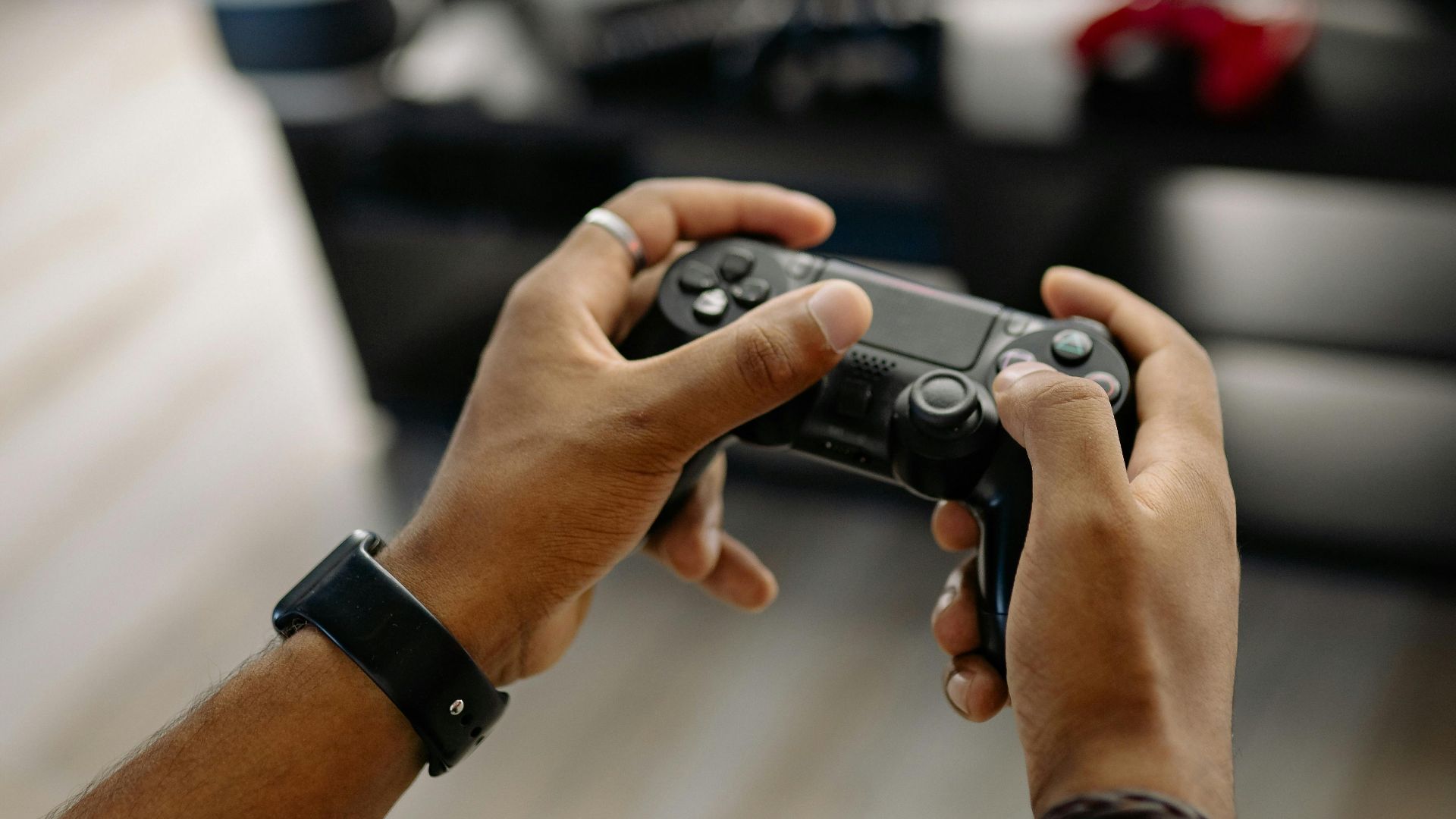
Hey, there’s nothing wrong with wanting to look cool! But you can’t care more about skins or banners than you do about winning. Once the game actually starts, your confidence has to survive contact with reality.

9. You Mash Buttons
Don’t get us wrong—some games call for classic button-mashing! But whenever the pressure rises, any sense of timing or control shouldn’t leave your hands entirely. If you start pressing buttons faster, not smarter, don’t hope the game will magically reward enthusiasm.
10. You Say You're "Just Playing for Fun"
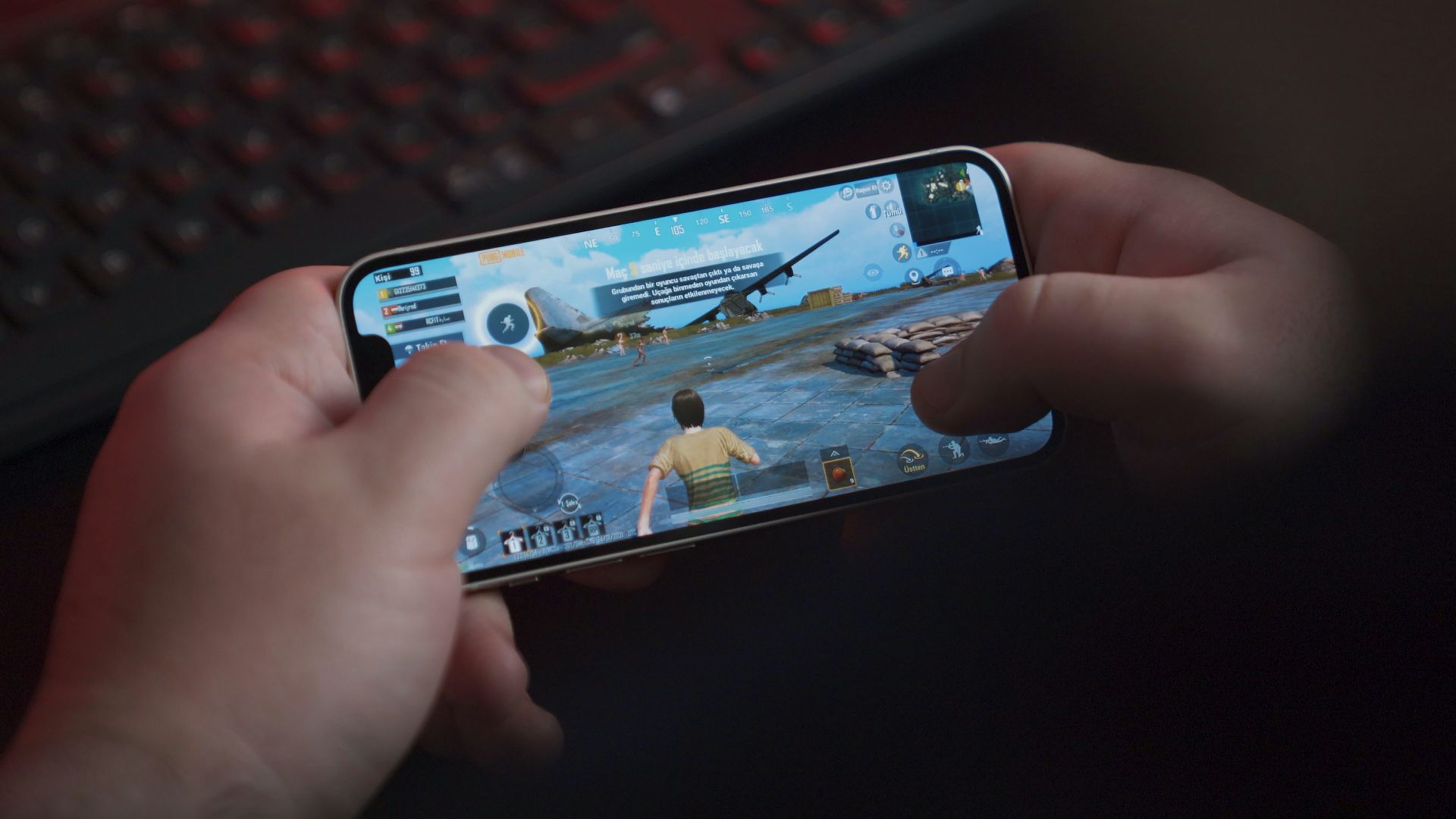
There's nothing wrong with playing casually, but you tend to announce that fact most often when you've been outplayed. The phrase arrives a little too quickly, almost like you were waiting to save face…and people notice.

Now, not every strong player needs a ranking screen or a highlight reel to prove they're good at video games! Let’s dive into a few ways to prove you’re as good as you say you are.
1. You Understand Games Faster Than Most
You don't need endless repetition to figure out how a game works; you pick up systems, patterns, and priorities immediately. While other players are trying to understand the basics, you've already started noticing what actually matters. Make no mistake: that kind of clarity points to real skill.

2. You’re Calm Under Pressure
Busy moments don't make you lose control, and that’s a huge plus. You keep your attention where it needs to be, and even when a mission gets chaotic, your choices remain measured. A player who can stay composed when others fall apart is usually operating at a high level.

3. You Make Smart Adjustments
When something isn't working, you don't keep forcing the same plan out of stubbornness. Gamers know how to adapt and learn from their mistakes, which is exactly what you do! That flexibility separates talented players from people who only like games when everything goes their way.

4. You Notice Details Others Miss
Everyone loves to chirp the gamer who reads every note or inspects every building, but they’re also the ones in the dirt when you have the details figured out! You pay attention in a way that gives you useful information before everyone else catches on, and over time, that awareness gives you a serious advantage.

5. You Don’t Waste Movement
There's a purpose to what you do, even if others don’t think so at first. You aren't just active for the sake of looking busy—your inputs support a clear decision. Real gamers remember that efficient play comes from experience, discipline, and a strong sense of timing.
6. You Improve Even After Winning
Weaker players stop thinking once things go their way, but you still notice what could've been cleaner. How could you have done it better? What will make this even easier next time? You’re always ahead of the curve.

7. Other Players Follow You
In team-based games, people trust your judgment because your decisions have direction. You don't need to dominate every conversation for others to recognize that you know what you're doing, either. That quiet authority says more about ability than boasting ever could.

8. You Recover From Mistakes
Even strong players slip up, but what sets you apart is how little time you spend wallowing. You correct the problem, reset your focus, and continue without letting one little slip define your style. Recovering cleanly shows discipline as much as talent.
 Mohamed Albasyouni on Unsplash
9. You Perform Well in Different Genres
Oh, what’s that? A new genre? That’s okay! Your skill doesn't disappear when genres change or the mechanics become unfamiliar. When your strengths translate consistently, that's simply a sign the fundamentals are firmly in place.

10. You Make Difficult Play Look Easy
The most impressive part of your style isn't just that you can handle demanding situations, but that you often do it without looking rushed. You make everything look easy, even if you’re sweating inside, and when control remains visible under pressure, people pick up on it.