When World-Building Exceeds Limitations
Some games manage to feel vast, detailed, and immersive without requiring massive storage space. Instead of relying on sheer size, they use clever design, atmosphere, and smart mechanics to create the illusion of something much larger. You might spend hours exploring, only to realize the actual file size is surprisingly small. These 20 titles prove that scale is often about perception, not gigabytes.
1. Hollow Knight
The world unfolds in a way that feels much larger than it technically is. Interconnected areas loop back on themselves, creating a sense of depth and discovery. Subtle environmental storytelling makes each region feel distinct. You’re constantly uncovering new paths, which keeps the world feeling expansive.
2. Stardew Valley
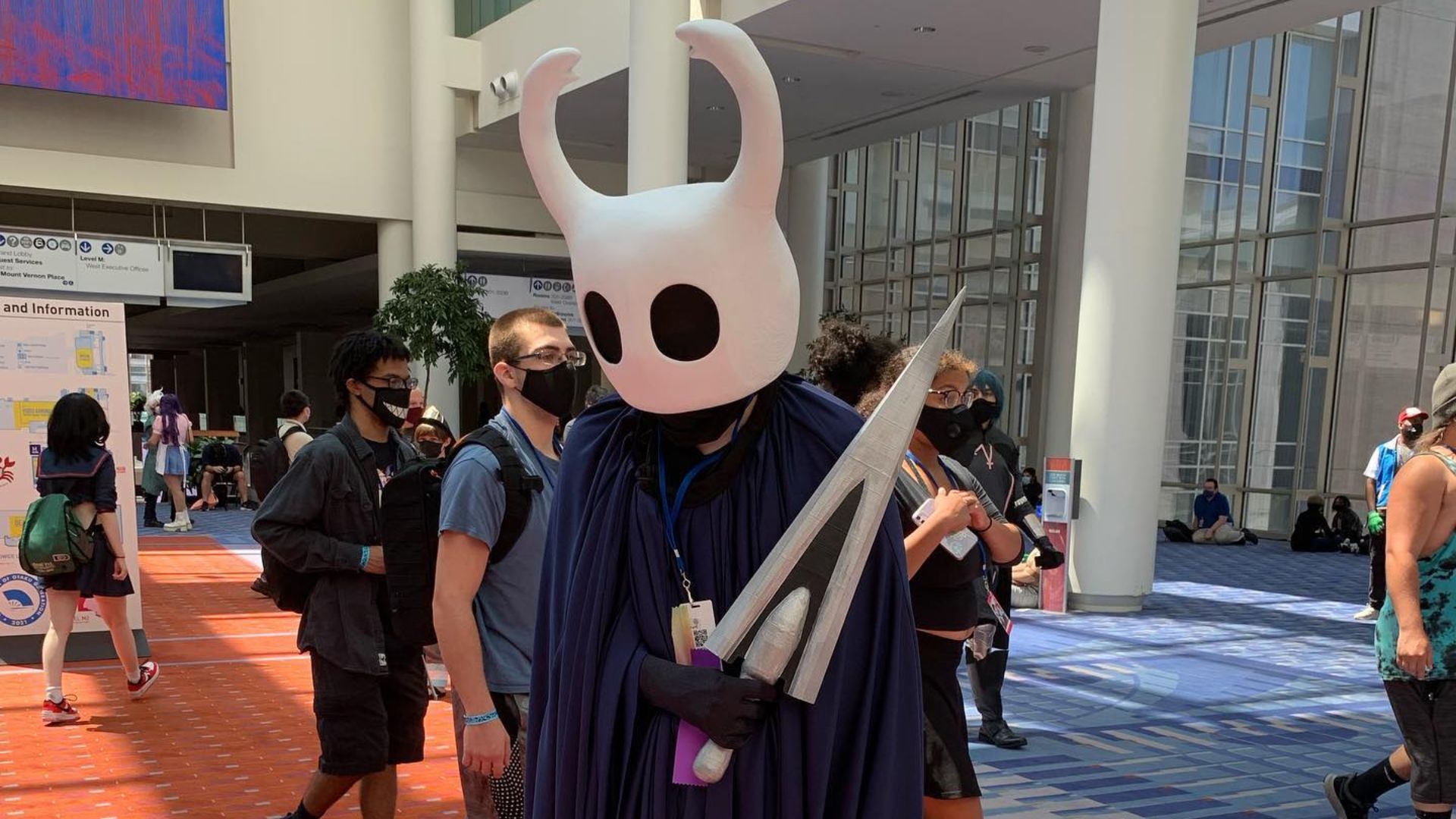
At first glance, the map of this game seems simple, but it quickly opens up. Between farming, relationships, and hidden areas, there’s always something to do. The day-night cycle and seasonal changes add variety. It creates the impression of a living, breathing world.
3. Undertale
The environments are relatively compact, yet they feel meaningful and layered. Dialogue choices and character interactions expand the experience beyond physical space. Each area leaves a lasting impression despite its size. The world feels larger because of its emotional depth.

4. Celeste
Levels are tightly designed, but they never feel repetitive. Each section introduces new mechanics that keep exploration engaging. The pacing makes the journey feel longer and more substantial. It’s a focused experience that still feels full.
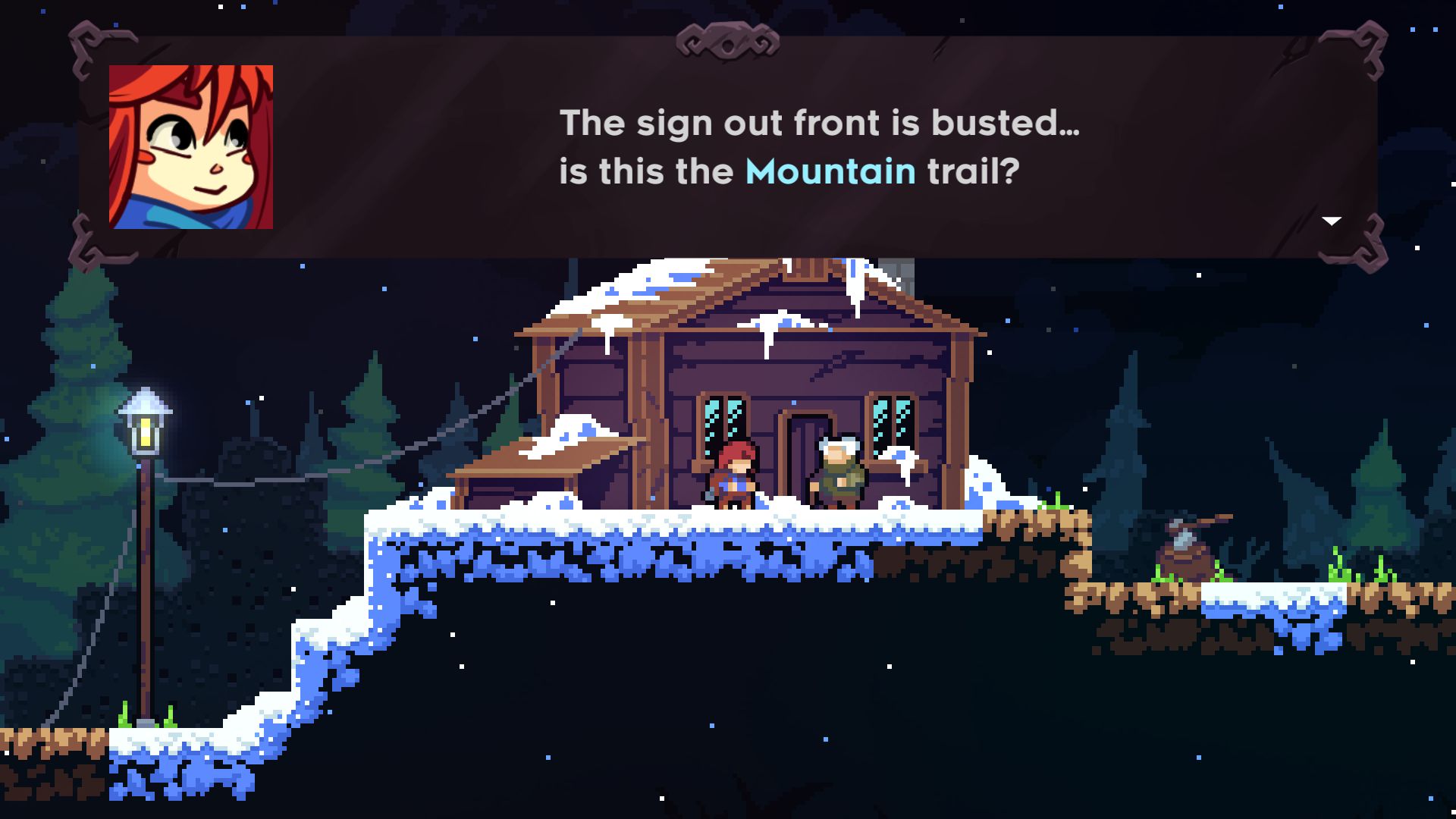 Maddy Makes Games on Wikimedia
5. Terraria
Even with a modest file size, the game offers a surprising amount of variety. Procedurally generated worlds ensure no two experiences are identical. Exploration, crafting, and combat all contribute to a sense of scale. It feels like there’s always more beneath the surface.

6. A Short Hike
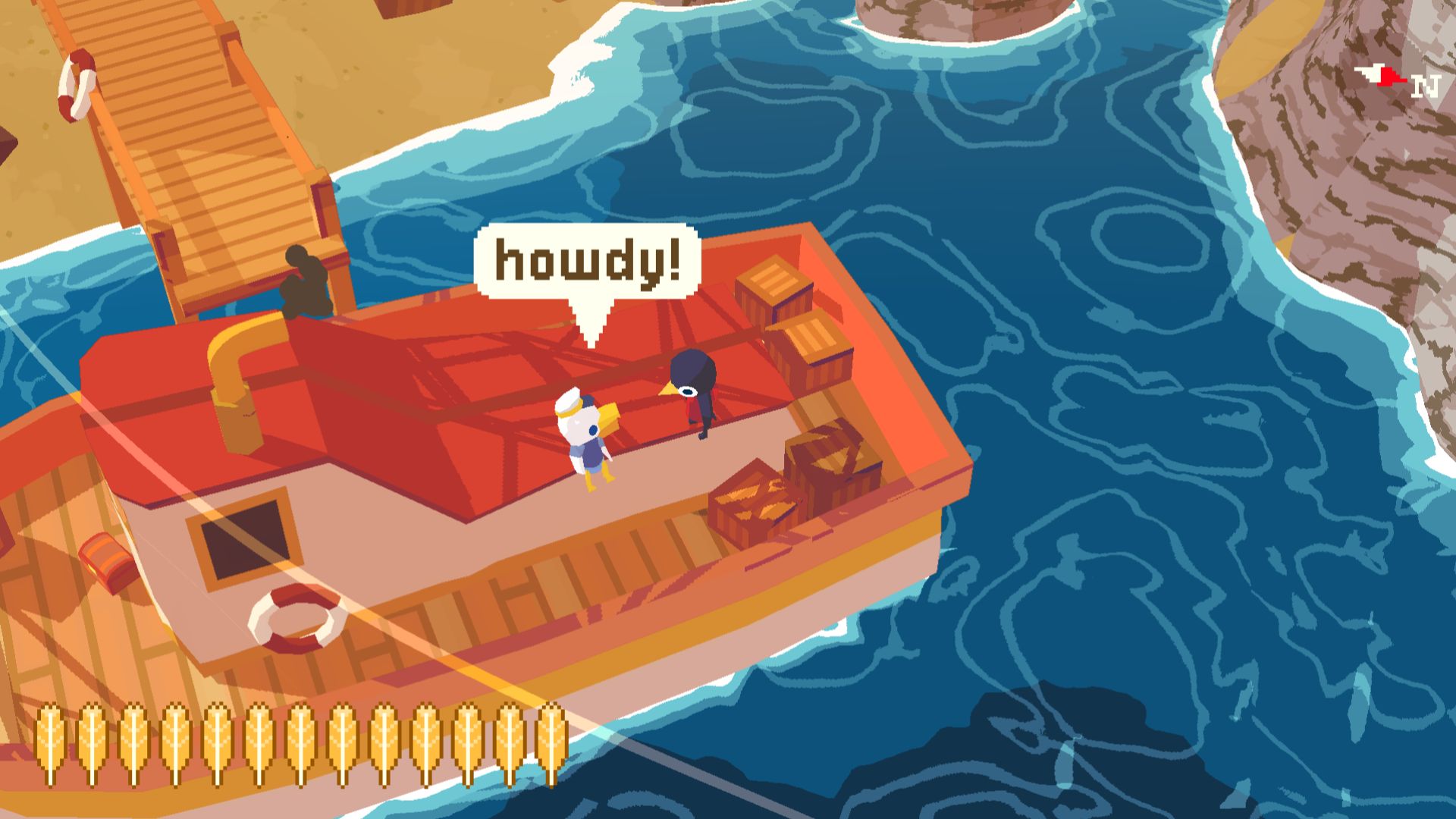
The map is small, but vertical exploration changes how it feels. Climbing and gliding make the environment seem more expansive. Side activities and hidden items encourage thorough exploration. It’s compact but incredibly rich in experience.
7. Papers, Please
Most of the game takes place in a single location, yet it feels expansive in scope. The evolving rules and moral choices create complexity. Each day introduces new challenges and story elements. The world grows through its systems rather than its size.
 This is modification of a logo owned by Lucas Pope for Papers, Please. on Wikimedia
8. Disco Elysium
The playable area isn’t huge, but it’s dense with detail. Conversations and choices add layers that make the world feel vast. Every interaction reveals something new, and the depth of storytelling creates a strong sense of scale.

9. Dead Cells
Procedural generation keeps the environment feeling fresh. Even though levels are limited in size, they rarely feel repetitive. The constant variation adds a sense of unpredictability, creating the illusion of a much larger world.

10. The Witness
The island isn’t massive, but it’s carefully designed. Every area connects in ways that reward observation. Puzzles are integrated into the environment, making exploration meaningful. The world feels bigger because it’s so thoughtfully constructed.

11. Firewatch
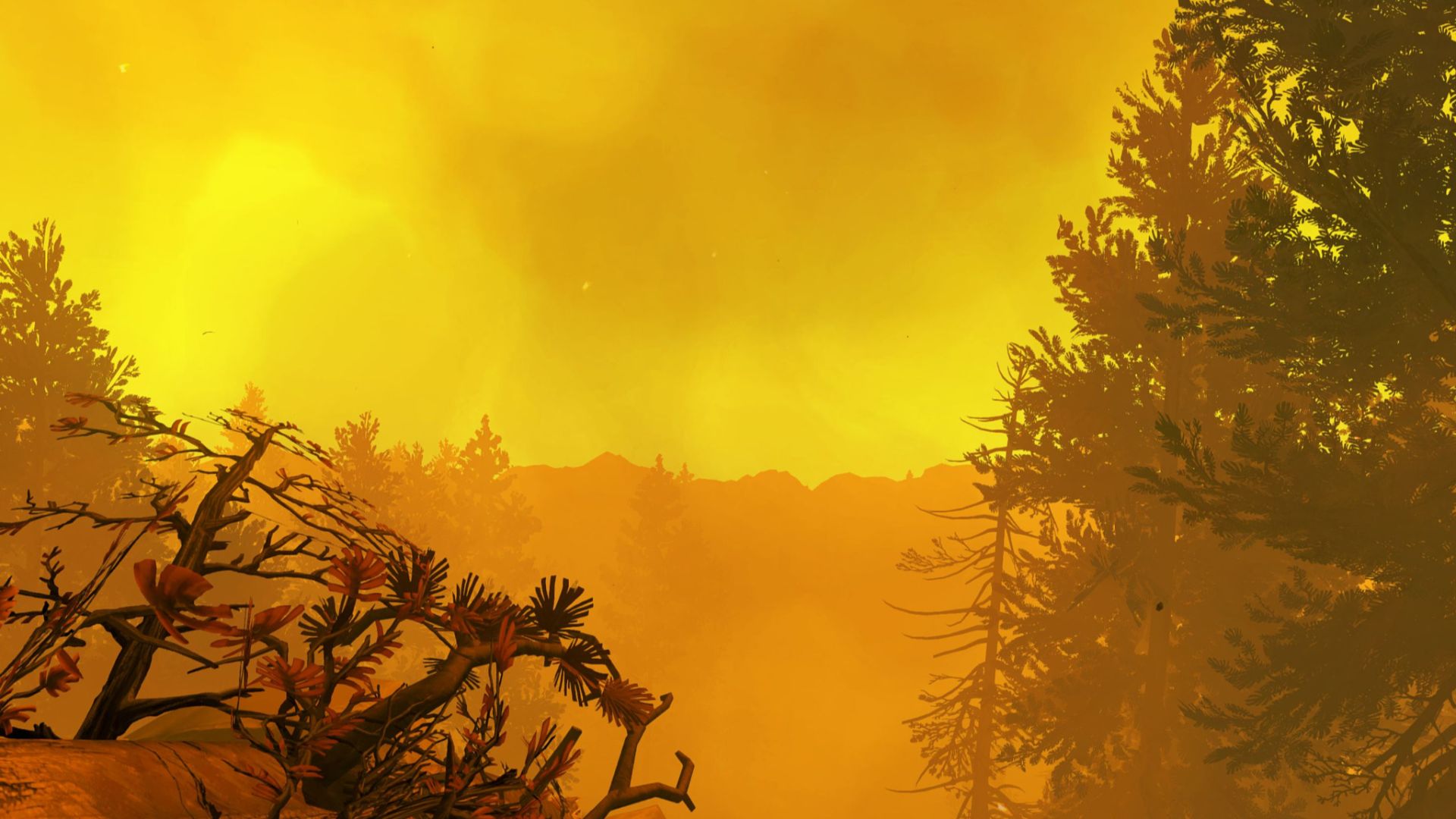
The setting is confined to a forest, yet it feels expansive. Natural pathways and visual landmarks guide exploration without feeling restrictive. Dialogue adds emotional depth to the environment. The world feels alive despite its limited scope.
12. Hyper Light Drifter
The map is relatively compact, but it’s filled with secrets. Visual storytelling encourages exploration without explicit guidance. Each region has its own identity and challenges, and the density of content makes it feel larger than it is.
13. Journey
The experience is short and contained, yet it feels vast. The use of scale, lighting, and music creates a strong sense of space. Movement through the environment feels significant. It gives the impression of a much larger journey.
 Nikita Kachanovsky on Unsplash
14. Limbo
The world is linear, but it feels immersive and complete. The atmosphere creates a sense of depth beyond the physical layout. Each section introduces new challenges that keep things engaging. It’s a small space that feels fully realized.

15. Inside
Like its predecessor, the environment is controlled and focused. However, the level of detail and pacing make it feel expansive. Each scene builds on the last in a meaningful way. The world feels cohesive and larger than its boundaries.

16. Subnautica
The world isn’t infinite, but it feels vast due to its design. Vertical exploration and limited visibility add to the sense of scale. Different biomes create variety within a contained space, making it feel much larger than its file size suggests.

17. Factorio
The map can expand, but even early on, it feels enormous. Systems and automation create a sense of growing complexity. The world evolves based on your actions. This progression makes it feel larger over time.

18. Outer Wilds
In this game, the solar system is small, yet it feels expansive. Each location offers unique mechanics and discoveries. Time-based progression adds another layer of depth. Exploration feels meaningful and far-reaching.
19. Minecraft (Early Versions)
Earlier versions had smaller worlds compared to later updates. Even so, procedural generation made them feel endless. Player creativity expanded the perceived size of the environment, and the world felt as big as your imagination allowed.
20. Spelunky
Levels are short and randomized, but they create a sense of unpredictability. Each run feels like a new experience. The variety keeps the world from feeling repetitive. It’s a compact design that feels much larger in practice.