
What Games Bring Out
People like to call games an escape, but that only tells half the story. The minute someone gets dropped into a fictional world with choices, pressure, and enough freedom to follow their own instincts, real personality starts showing through. It comes out in what they protect, what they ignore, what they hoard, and what they treat like it actually matters. A made-up world can still reveal very real habits. Here are 20 ways people accidentally reveal their true selves through fictional worlds.

1. They Tell On Themselves Through Side Quests
Some players head straight for the main objective and never look back. Others cannot ignore a random villager with a problem, even when the game is screaming about urgency. That split says a lot about curiosity, obligation, and whether someone believes small stories still matter.
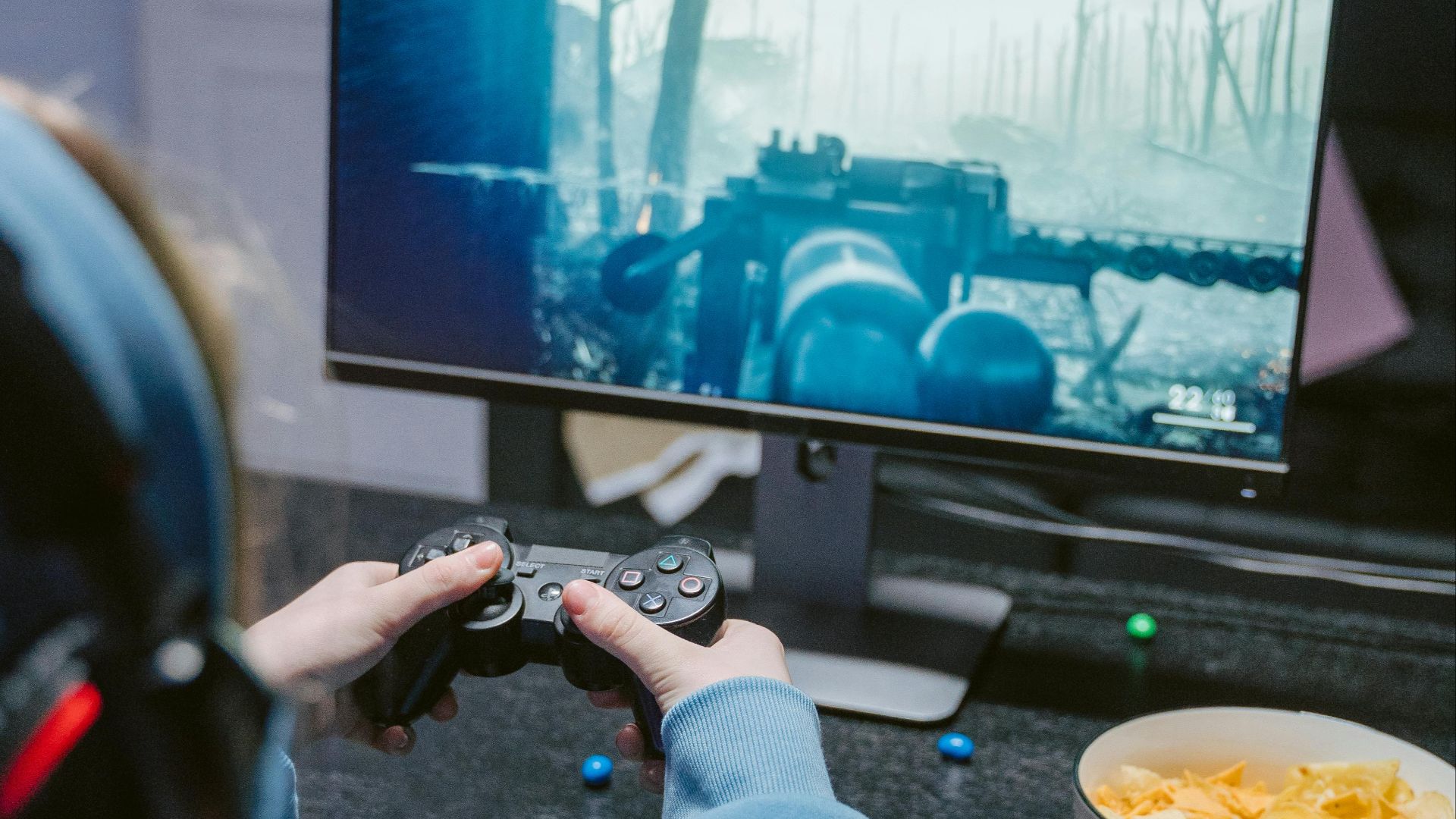
2. Their Loot Habits Give Them Away
You can learn a lot from the person who opens every crate and checks every corner. You can also learn a lot from the person who walks past resources because they assume they will be fine. One player is built around preparedness, while the other is working from trust, optimism, or chaos.

3. Their Morality Gets Simple Fast
Games strip moral choices down to instinct. Some people cannot betray an NPC, even for a better reward, while others treat every decision like a strategy problem. That usually reveals whether someone leads with feeling or outcome.

4. They Reveal Their Need For Control
Open-world games make this obvious fast. Some players need every marker cleared and every section explored before they can move on. Others are comfortable leaving parts of the map untouched, which usually says something about how they handle uncertainty and incompletion.

5. Their Build Choices Are Personal
Give people a class system and they usually reveal themselves. Some go for raw damage because they like direct, forceful solutions. Others build support, healing, or tank roles because they are more comfortable protecting the group than being the center of attention.

6. Character Creation Says Plenty
Character creators are basically personality mirrors. Some people spend forever adjusting details because it matters how they enter the world. Others hit default and move on. That usually tells you a lot about self-image, patience, and how much they care about presentation.

7. Crafting Exposes Their Temperament
Crafting systems divide people quickly. Some players genuinely enjoy gathering materials and slowly building toward something useful. Others act offended that the game expects them to care about ore, herbs, or recipes. It is a clean read on who likes process and who only wants payoff.

8. They Show How They Treat The Weak
There is always a fragile companion, awkward recruit, or underpowered party member. Some players protect them anyway and get attached. Others drop them the second the stats stop making sense. That choice often reveals how quickly someone starts measuring worth in practical terms.

9. Their In-Game Home Reveals A Lot
The second a game lets people decorate, organize, or settle somewhere, the truth starts leaking out. Some players build warm, functional spaces with lighting, storage, and actual care. Others live in a bare room with one chest and no interest in pretending otherwise.

10. They Reveal Their Relationship To Rules
Tutorials and game systems are a personality test in disguise. Some players learn the mechanics and stick to the intended path. Others immediately start looking for loopholes, exploits, and ways to break the system. Games make it obvious who respects rules and who sees them as a challenge.

11. Power Changes People Fast
Games hand people power much faster than real life does. Once someone gets strong enough, rich enough, or dominant enough, something real usually comes out. Some become generous and playful, while others get bossy, mean, or weirdly obsessed with control.

12. Their Dialogue Choices Form A Pattern
People like to pretend dialogue picks are random, but they rarely are. Some always choose the diplomatic option, while others go straight for sarcasm, intimidation, or chaos. After a while, those choices start sounding a lot like the version of themselves they most enjoy being.

13. Resource Hoarding Says Plenty
Game currency and items may be fictional, but people get very real about them. Some players hoard potions, ammo, and rare items until the game ends. Others spend everything right away because they think resources are meant to be used. That usually says a lot about scarcity and trust.

14. Pressure Reveals Their Real Habits
Timed missions, boss fights, and stealth sections tend to strip people down fast. Some get calmer and more focused when things go wrong. Others rush, spiral, blame the controls, or fall apart immediately. Fictional pressure still exposes real coping habits.

15. Multiplayer Shows Respect Or The Lack Of It
Co-op games make certain traits impossible to hide. Some players show up prepared, communicate clearly, and understand that other people’s time matters. Others drift in late, ignore the plan, and expect the group to absorb their mess.

16. Competition Brings Out Their Fairness
Losing in a game tells you a lot. Some people can lose cleanly, stay normal, and move on. Others turn into complainers, excuse machines, or instant conspiracy theorists the second things stop going their way.

17. They Reveal Their Capacity For Wonder
Some players still stop for scenery, music, weather, and weird little details the game did not need to include. Others move through gorgeous worlds like they are hurrying through an airport. The difference usually comes down to whether someone leaves room for awe when there is no reward attached.

18. They Show Whether They Need To Win Dirty
Some people want to win, but still want it to feel earned. Others will abuse every broken mechanic available and call it smart. That difference says a lot about whether someone values outcome alone or still cares how they got there.

19. Their Save Files Reveal Their Relationship To Regret
Some players keep multiple save files so they can undo every bad choice. Others trust one autosave and live with the consequences. That is usually not just a gaming habit. It often reflects how much control someone needs to feel comfortable moving forward.

20. They Always Show You What Matters To Them
In the end, fictional worlds reveal people through emphasis. One player remembers the lore, another remembers the most efficient route, and another remembers the companion they refused to leave behind. What someone pays attention to in a game is rarely random. Most of the time, it is the clearest clue to what they value in real life.