
Instant Hooks vs. Slow Burns: How First Impressions Shape the Experience
The opening minutes of a game can define how you feel about everything that follows. Some titles immediately pull you in with strong pacing, clear direction, and engaging mechanics, while others take their time building toward something bigger. Neither approach is inherently wrong, but it does affect how quickly you feel invested. When a game starts strong, you’re more likely to stay curious and engaged. On the other hand, slower openings can test your patience before revealing their full value. Knowing the difference helps you set expectations and decide what kind of experience you’re in the mood for. Here are 10 games with the best first 10 minutes and 10 that take forever.
 Evgeniy Kondratiev on Unsplash
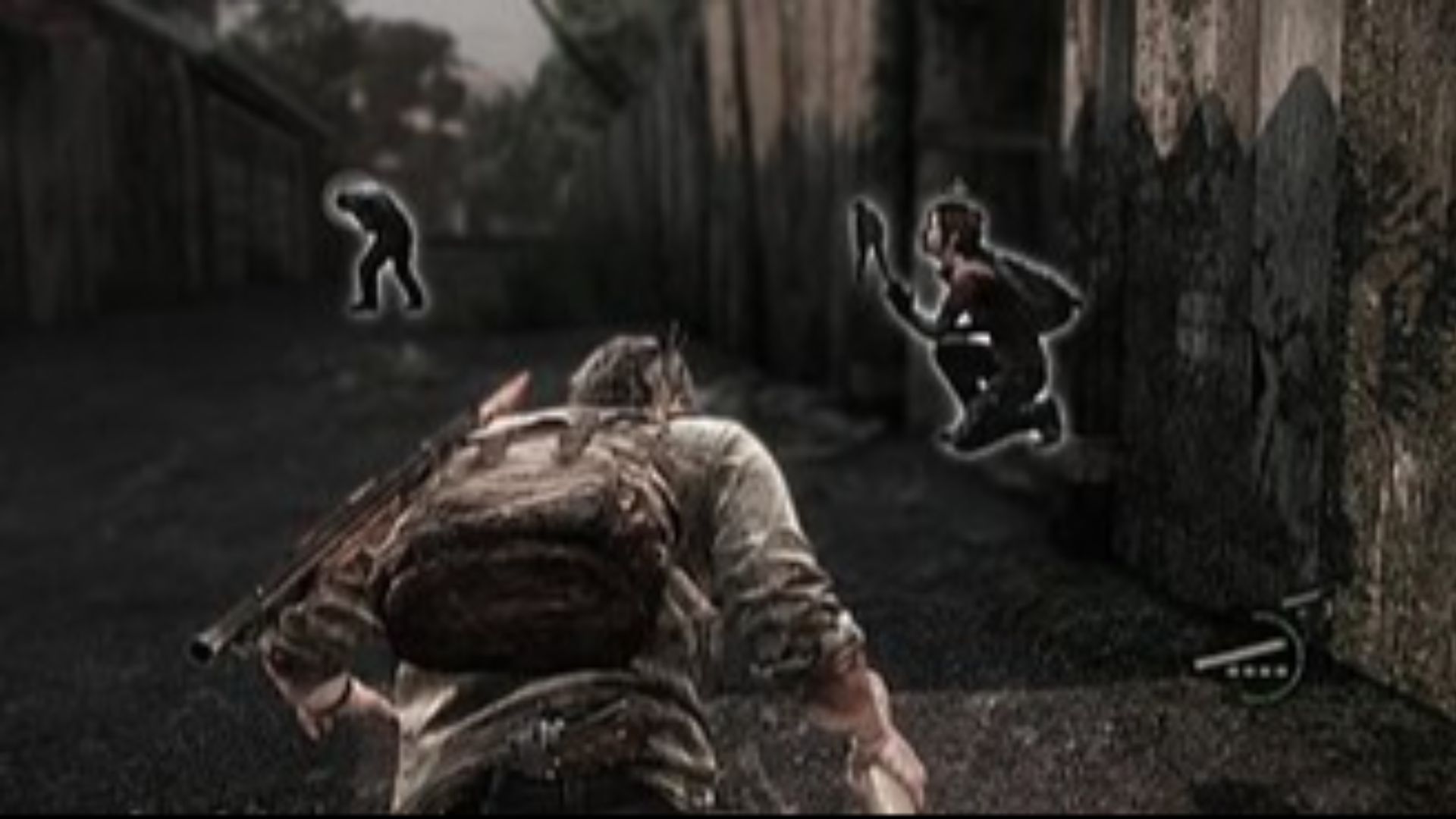
1. The Last of Us
The opening immediately establishes emotional stakes and a clear sense of urgency. You’re placed into a high-pressure situation that teaches mechanics without feeling instructional. The pacing feels deliberate, but never slow. Within minutes, you understand the tone and direction of the entire experience.
 Ngô Thị Quỳnh Lâm on Wikimedia
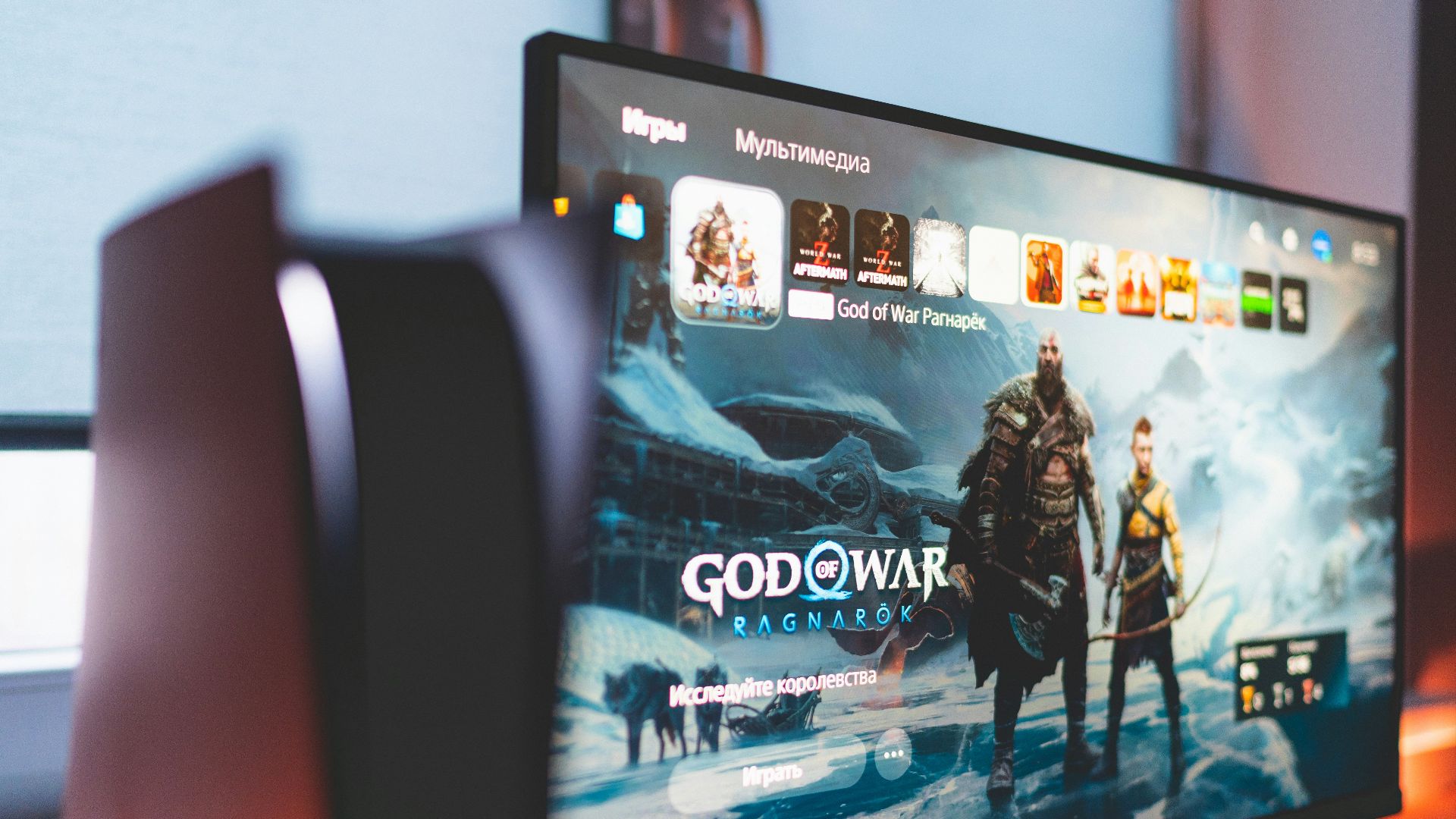
2. God of War (2018)
This game starts with a grounded, character-focused moment that quickly transitions into interactive storytelling. You’re seamlessly introduced to combat and exploration. The early sequence builds curiosity without overwhelming you. It creates a strong emotional and mechanical foundation right away.

3. Uncharted 2: Among Thieves
You begin in a dramatic situation that demands immediate attention and interaction. The game teaches movement and survival while maintaining tension. There’s no delay in getting you involved, and that early intensity sets the tone for everything that follows.
 Mathieu Improvisato on Unsplash
4. Resident Evil 7
The opening uses atmosphere and uncertainty to draw you in quickly. You’re encouraged to explore while feeling a constant sense of unease. It introduces core mechanics without over-explaining them. That balance keeps you engaged from the start.
5. BioShock
From the moment you gain control, the setting is visually and narratively striking. You’re guided just enough to understand your surroundings. The early gameplay naturally introduces key systems and quickly establishes a strong identity.

6. DOOM (2016)
The game wastes no time getting you into action. Movement, combat, and pacing are introduced almost instantly. You learn by doing rather than through lengthy explanations. This approach keeps the energy high from the beginning.
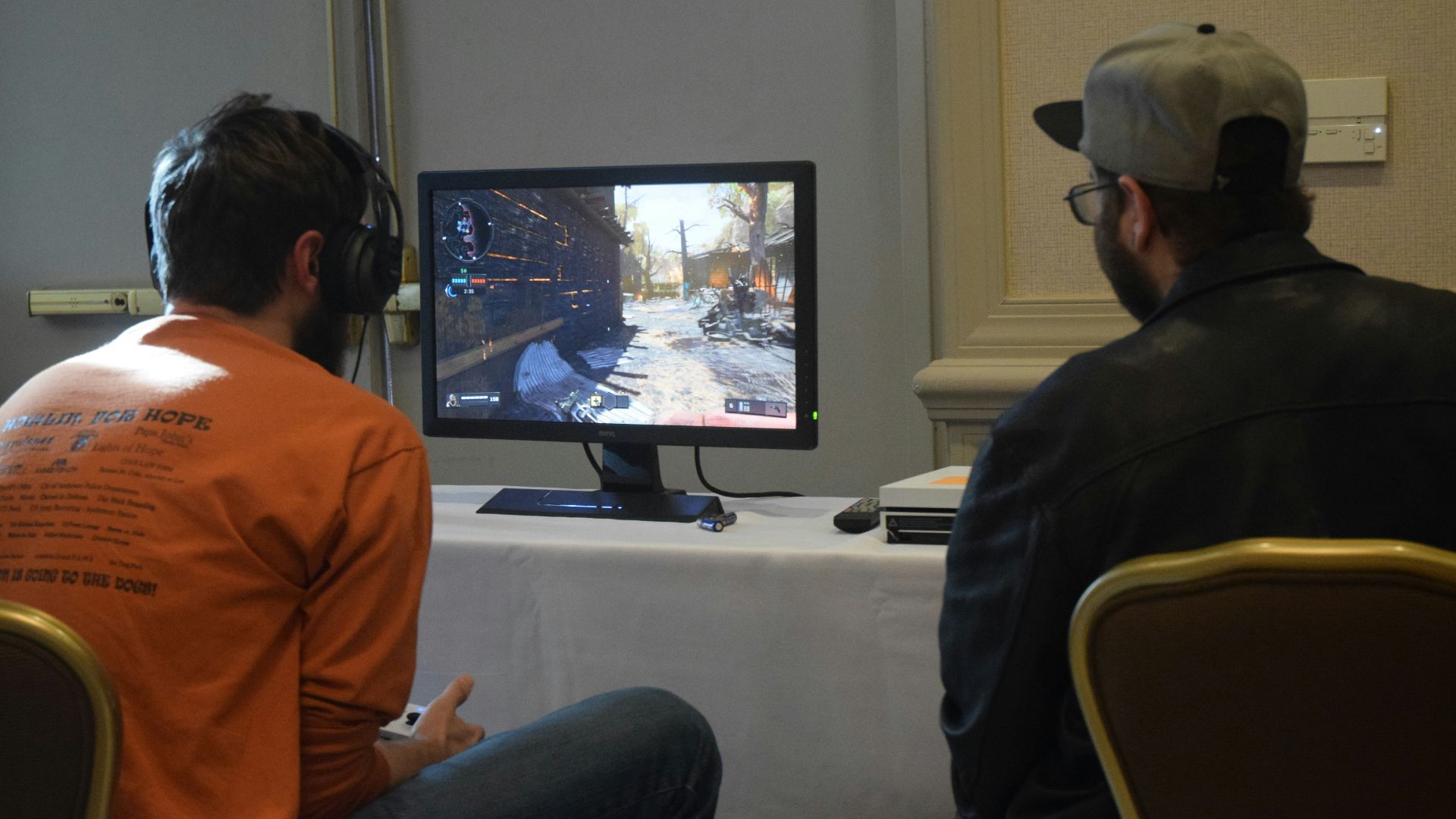
7. Spider-Man (PS4)
You’re placed directly into a fast-paced sequence that highlights movement and combat. The controls feel intuitive within minutes. There’s a clear sense of momentum that carries you forward. It quickly shows you what makes the experience enjoyable.
 Marvel Entertainment on Wikimedia
8. Half-Life 2
The opening uses subtle storytelling and environmental cues to build interest. You’re guided through a setting that feels alive and purposeful. Mechanics are introduced gradually but effectively, and the world itself keeps you engaged early on.
 Long Zheng from Melbourne, Australia on Wikimedia
9. Portal
The game starts with a simple concept that becomes immediately interactive. You’re encouraged to experiment and learn through trial and error. The early puzzles are accessible but engaging, creating a satisfying sense of progression right away.

10. Ghost of Tsushima
The introduction blends cinematic presentation with interactive gameplay. You’re guided through combat and exploration in a visually striking setting. It establishes tone, mechanics, and stakes without delay. That balance makes the opening feel complete and engaging.

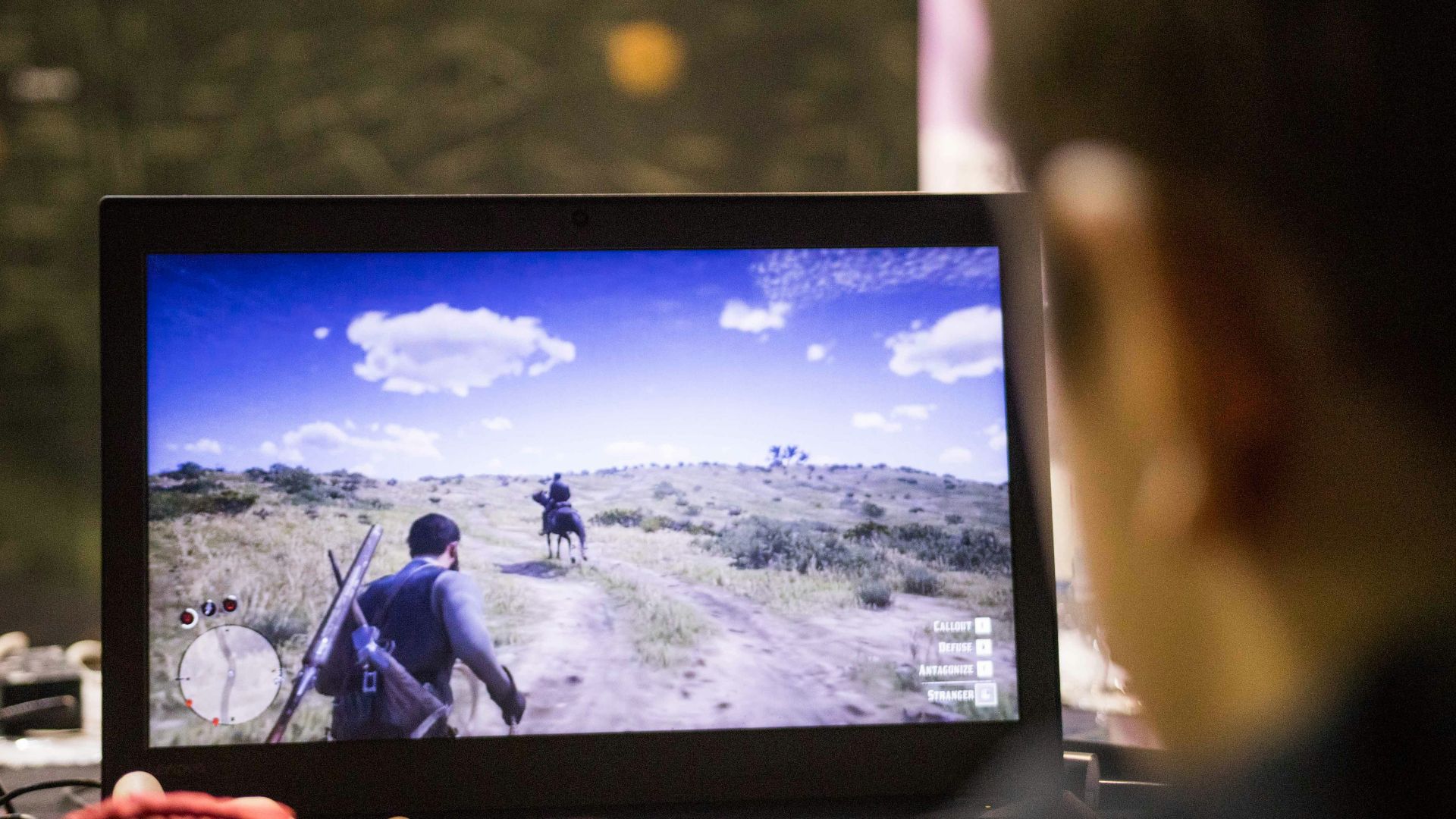
1. Red Dead Redemption 2
The opening section focuses heavily on slow-paced storytelling and movement. You spend a lot of time learning basic controls in a limited environment. While it builds atmosphere, it can feel restrictive at first. The experience becomes more engaging once the world opens up.
 Clastr Cloud Gaming on Unsplash
2. Death Stranding
Early gameplay emphasizes traversal and mechanics that aren’t immediately intuitive. You’re introduced to systems gradually, which can feel slow. The narrative also takes time to unfold. It requires patience before the full experience becomes clear.
 KniBaron from Bangkok, Thailand on Wikimedia
3. The Witcher 3: Wild Hunt
The beginning area is designed to teach systems and world-building. While detailed, it can feel slower compared to later sections. You’re introduced to multiple mechanics at once. The pacing improves once you move beyond the starting region.

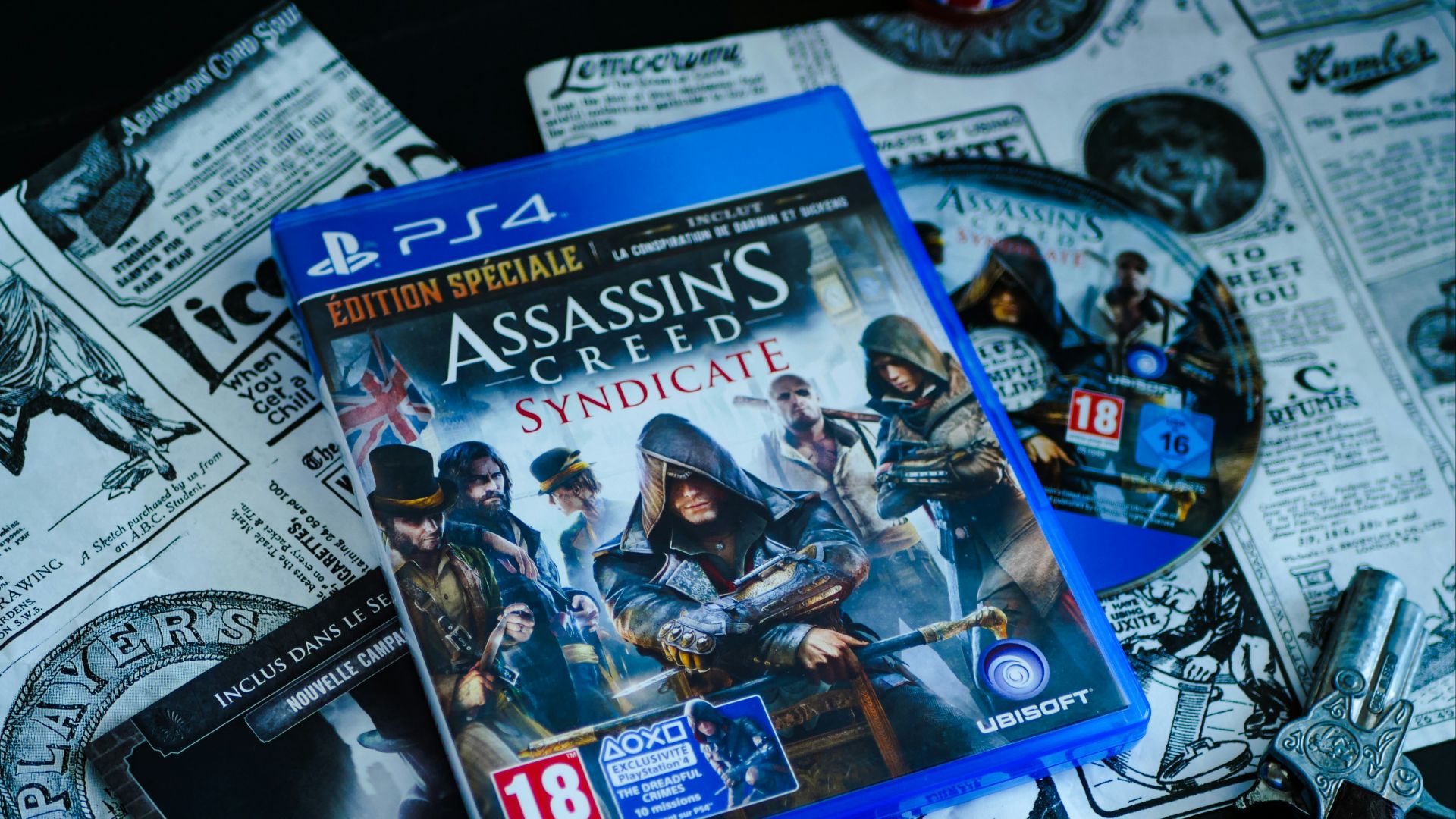
4. Assassin’s Creed Valhalla
The opening focuses on establishing backstory and basic systems. You spend time in a confined area before reaching the main setting. This can make the early experience feel drawn out. The game becomes more engaging once exploration expands.
5. Final Fantasy XIII
The early hours are highly linear and restrict player freedom. You’re guided through a series of structured encounters. Mechanics are introduced slowly over time. It takes a while before the gameplay fully opens up.

6. Persona 5
The introduction includes extended story sequences and tutorials. You’re given limited control during the early stages. While the narrative is strong, it takes time before gameplay variety increases.
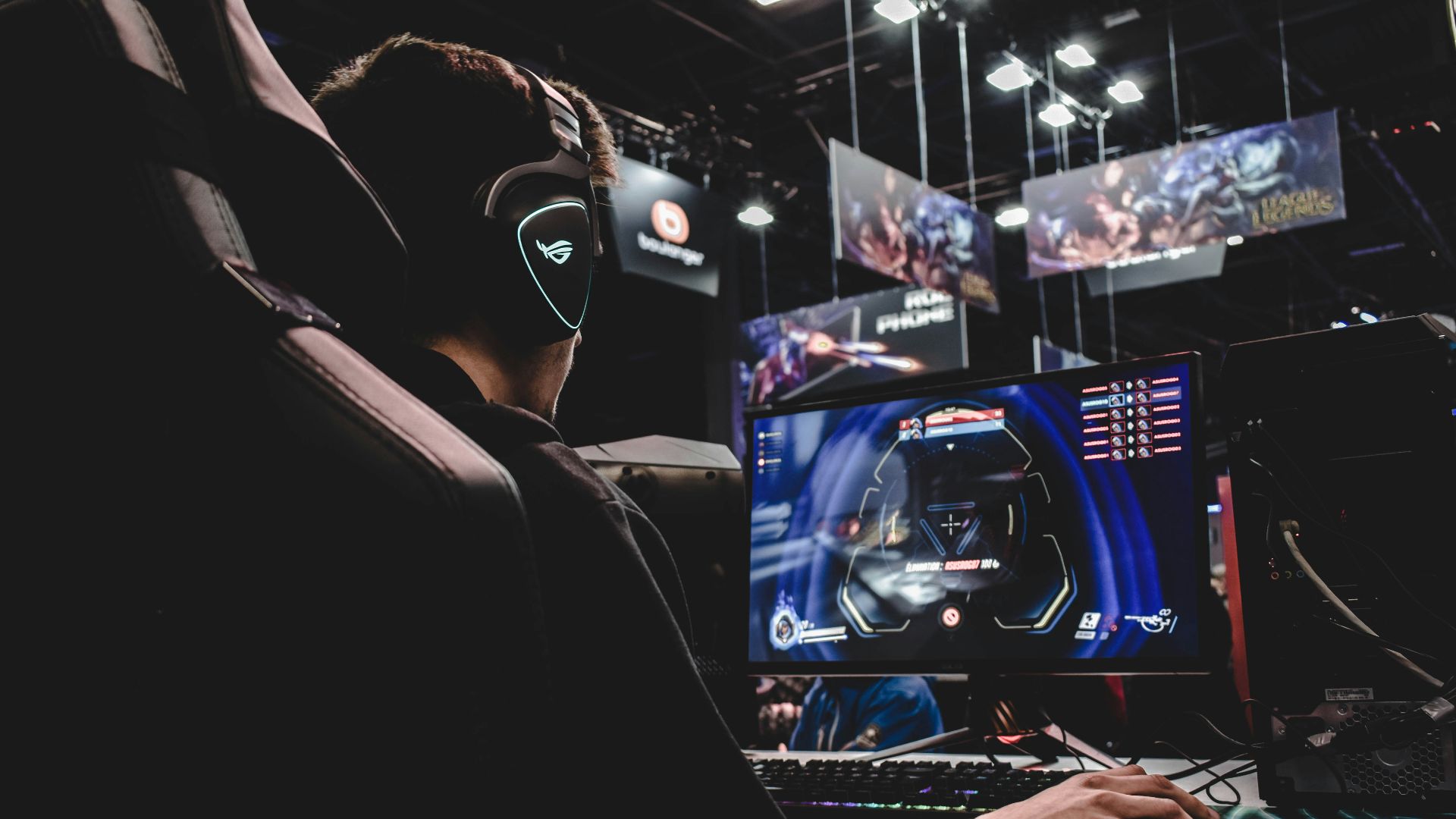
7. Monster Hunter: World
The game introduces many systems and mechanics in its early stages. This can feel overwhelming and slow at the same time. You’re encouraged to learn gradually through repeated actions. It becomes more rewarding once you understand the systems.
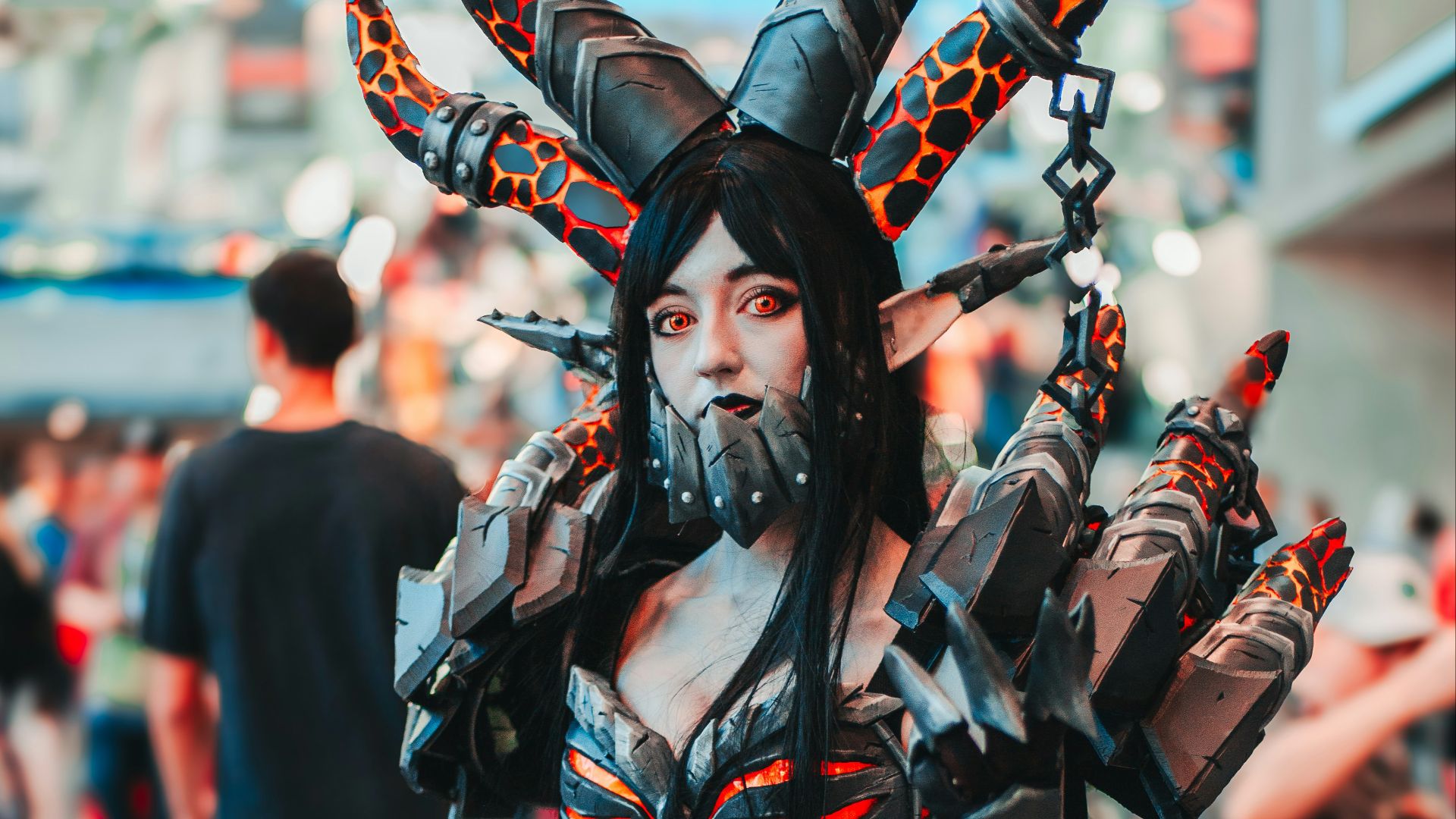
8. Horizon Zero Dawn
The opening section focuses on backstory and early character development. You spend time learning basic mechanics in a controlled setting. While visually engaging, the pacing can feel measured.

9. Kingdom Hearts II
The early portion places you in a different setting with limited abilities. You spend a significant amount of time before reaching the main character’s full gameplay.
 JackalsMotives from United States on Wikimedia
10. Skyrim
The introduction includes a scripted sequence that limits freedom. You’re guided through basic mechanics before entering the open world. While necessary, it can feel slow for returning players. The experience becomes more engaging once exploration is unrestricted.