
Not Every Fight Left A Mark
Tech rivalries used to double as generational identity, the kind of thing people picked a side of without much debate. Some of these fights actually shaped the products everyone still uses today, deciding which format survived and which company got to write the rules. Others burned bright for a couple of years and then evaporated so completely that half the internet has forgotten they happened. Here's 10 rivalries that defined a decade, followed by 10 that barely made it past a news cycle.

1. Apple vs Microsoft
The fight between Apple's closed, design-driven ecosystem and Microsoft's open, install-anywhere operating system decided how an entire generation experienced personal computing. Steve Jobs and Bill Gates traded jabs publicly for years, and the rivalry outlived both of their direct involvement in daily operations.
2. Nintendo vs Sega
"Genesis does what Nintendon't" turned a marketing slogan into an actual cultural rivalry that split playgrounds down the middle in the early 1990s. Sonic versus Mario became shorthand for an entire console generation's identity, not just a comparison between two mascots. Nintendo eventually outlasted Sega as a hardware maker, but the rivalry itself defined an era of gaming.
 Dimitris Asproloupos on Unsplash
3. Betamax vs VHS
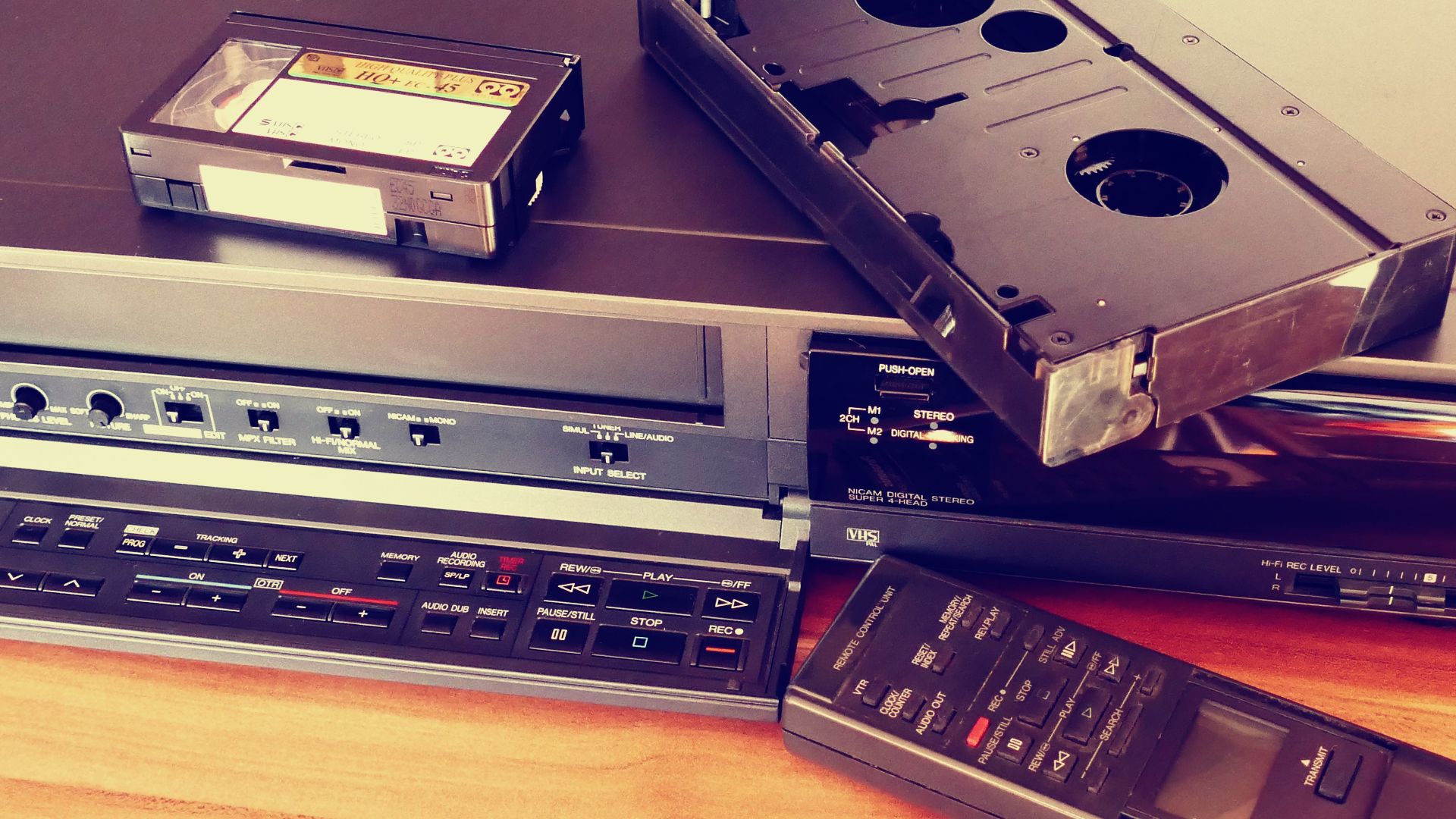
Sony's technically superior Betamax lost to JVC's VHS largely because VHS offered longer recording times and cheaper licensing to other manufacturers. The format war taught the entire electronics industry that better technology doesn't automatically win. Decades later, Betamax is still shorthand for a superior product that lost anyway.
4. Xbox vs PlayStation
Microsoft's entry into console gaming turned Sony's PlayStation dominance into a real fight for the first time. Marketing campaigns got increasingly aggressive on both sides, each one betting its entire console strategy on exclusive titles. The rivalry pushed both companies to compete harder on hardware power than either might have alone.

5. Napster vs The Recording Industry
Napster's file-sharing software didn't just anger record labels, it forced the entire music industry to rebuild its business model from scratch. Lawsuits shut Napster down within a couple of years, but the shift toward digital music it started never reversed.
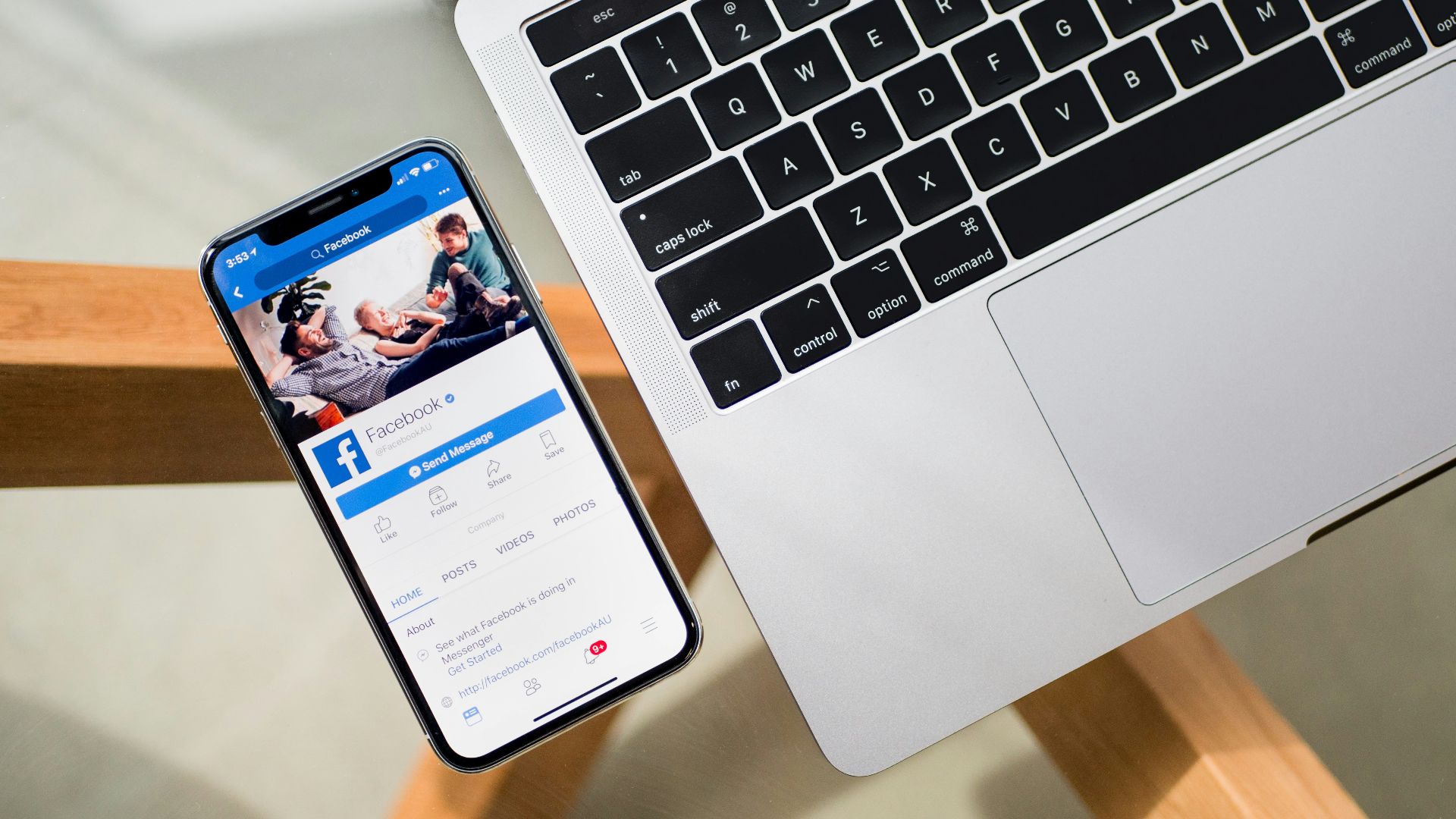
6. Facebook vs MySpace
MySpace dominated social networking first, complete with customizable profile pages and top eight friend lists that meant more than they should have. Facebook's cleaner interface and real-name culture won over college campuses one school at a time before expanding everywhere else. Within a few years, MySpace went from cultural giant to afterthought.
 Timothy Hales Bennett on Unsplash
7. Netflix vs Blockbuster
A mail-order DVD startup challenging the biggest video rental chain in the country looked laughable at first, right up until it wasn't. Blockbuster reportedly turned down a chance to buy Netflix outright in the early 2000s, a decision that became a business school cautionary tale. One company streams into hundreds of millions of homes today, and the other exists mostly as a nostalgia museum in Oregon.
8. iPhone vs BlackBerry
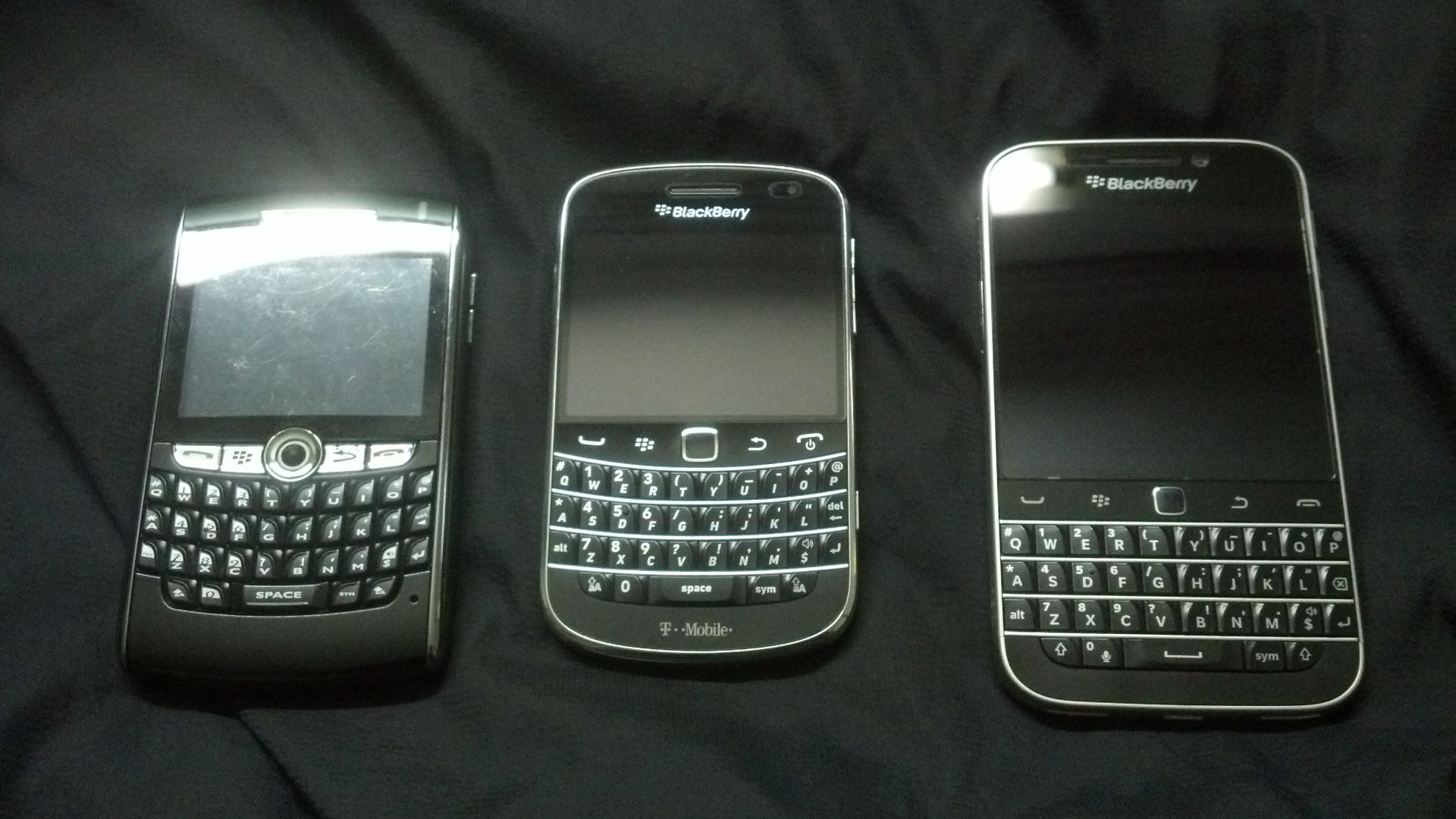
BlackBerry owned the smartphone market through physical keyboards and secure email before the iPhone's touchscreen made the keyboard look obsolete almost overnight. Corporate IT departments clung to BlackBerry longer than consumers did, delaying the inevitable by a few years. The rivalry ended so decisively that BlackBerry eventually stopped making its own hardware entirely.
9. HD DVD vs Blu-ray
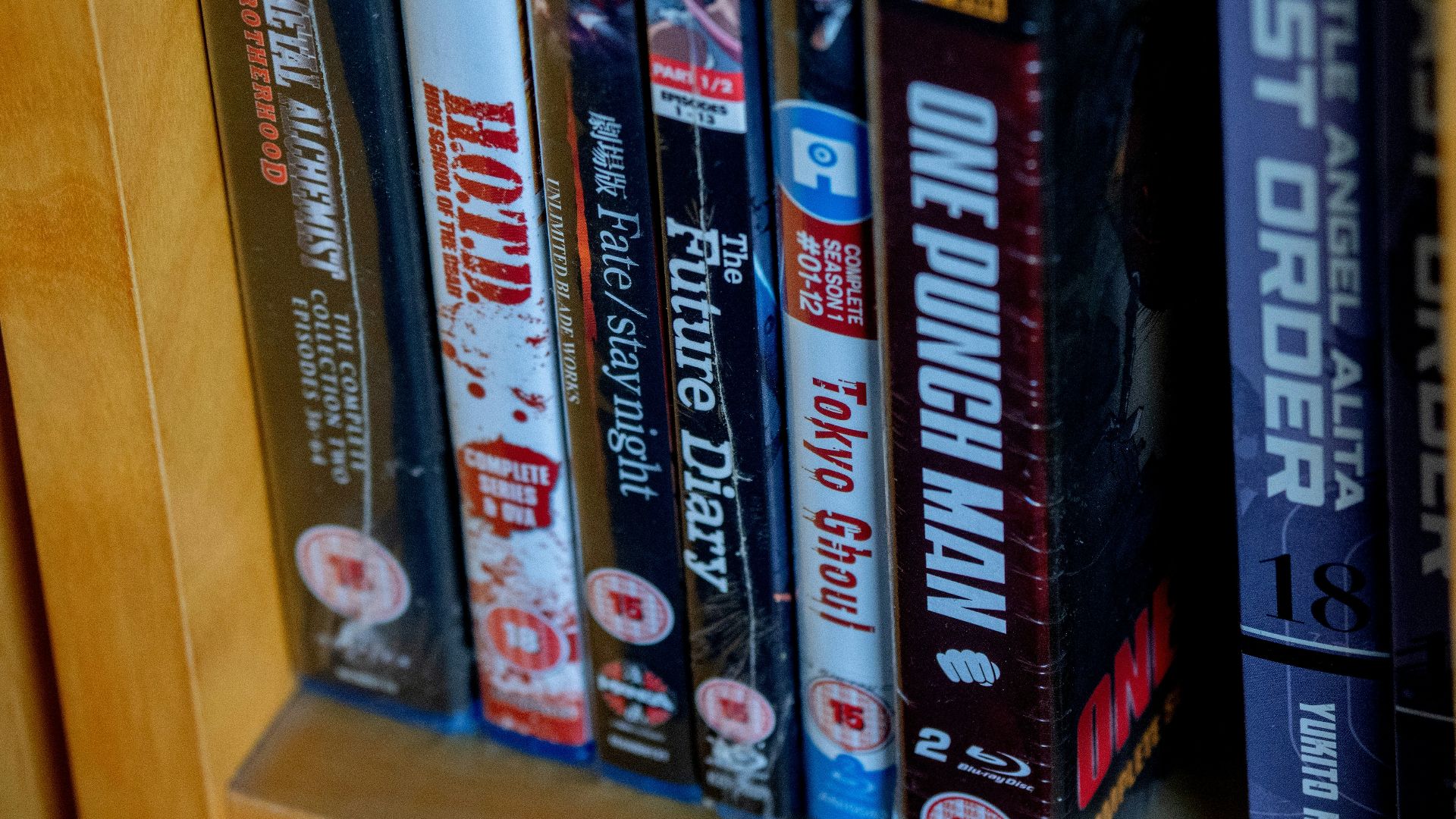
Two incompatible high-definition disc formats forced consumers to bet on a winner before buying a single expensive player. Sony's backing of Blu-ray through the PlayStation 3 gave it a built-in installed base that HD DVD never matched.
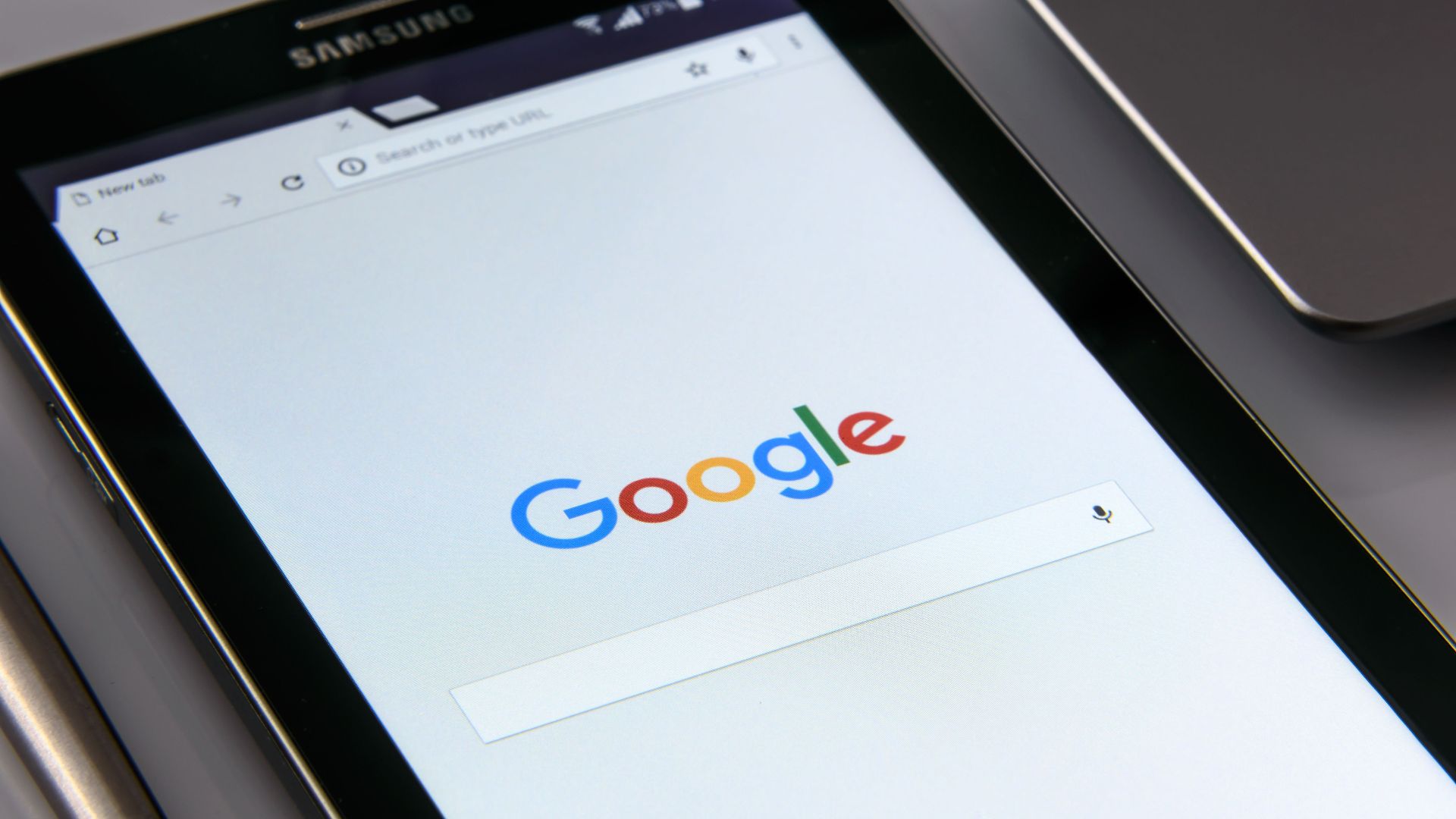
10. Google vs Yahoo
Yahoo built an internet directory model that made sense until Google's search algorithm made browsing categories feel hopelessly outdated. Yahoo actually had a chance to buy Google early on and passed, a decision that ranks among the most expensive mistakes in tech history. Google went on to define an entire era of the internet, while Yahoo slowly became a cautionary footnote.
Now, here's 10 rivalries that felt just as urgent at the time and vanished just as fast.
1. WordPerfect vs Microsoft Word
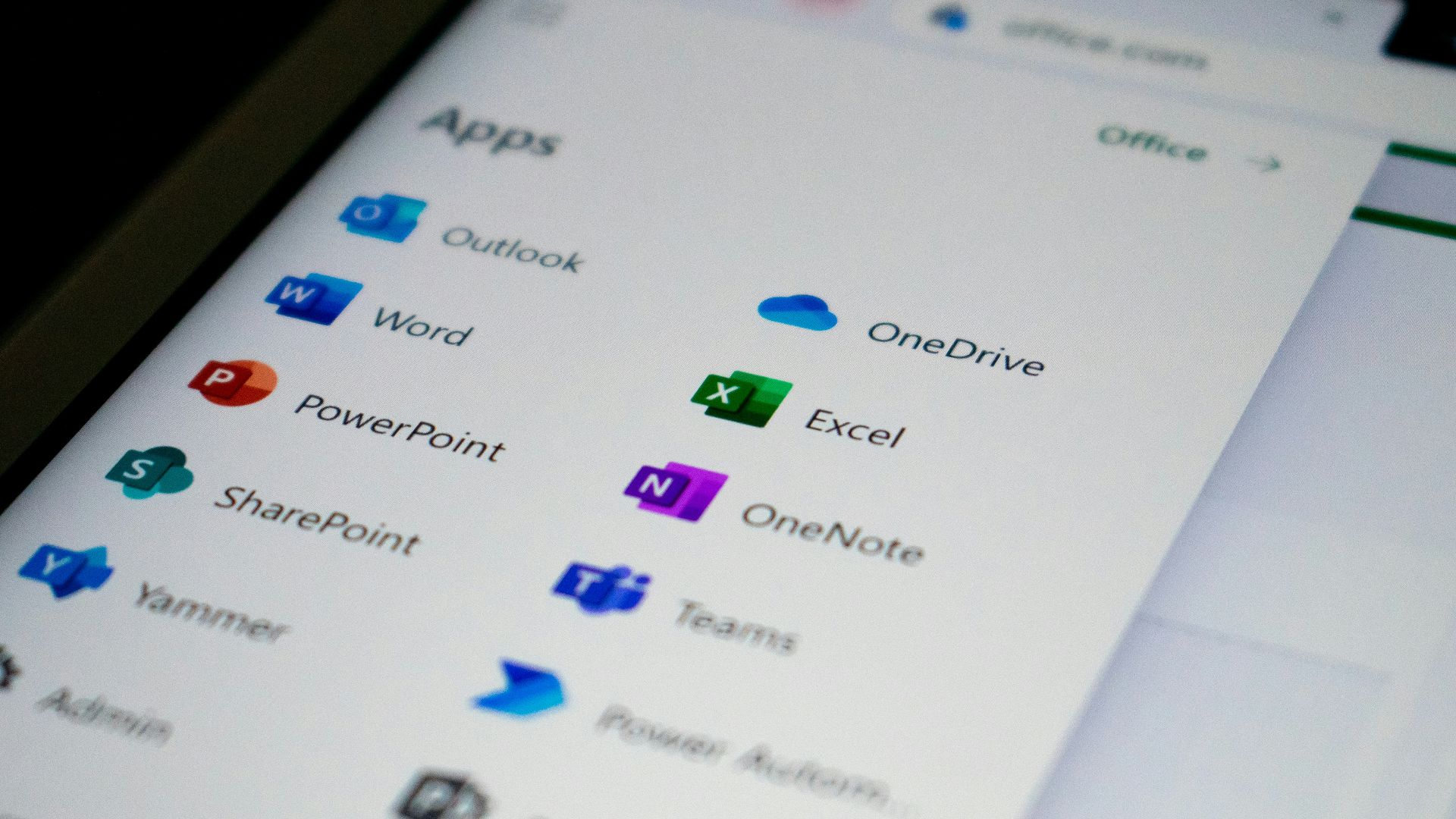
WordPerfect dominated word processing through most of the 1980s, especially among law firms that depended on its keyboard shortcuts. Microsoft bundled Word into Office and undercut WordPerfect on price and integration until the rivalry simply stopped being close. Most people under forty have never heard of the software that once ran the legal industry.
2. Lotus 1-2-3 vs Excel
Lotus 1-2-3 was the spreadsheet program that made business computers worth buying in the first place, dominating the category for most of the 1980s. Microsoft Excel eventually out-executed it on features and integration with Windows, and Lotus never recovered its footing. The company that once defined spreadsheets is now a footnote in IBM's corporate history.

3. AOL vs CompuServe
Before broadband, AOL and CompuServe fought over who would get to be America's front door to the internet, complete with dial-up modems and those unmistakable welcome chimes. AOL eventually bought CompuServe outright in the late 1990s, ending the rivalry by absorbing it entirely.
 Glenn Carstens-Peters on Unsplash
4. Zune vs iPod
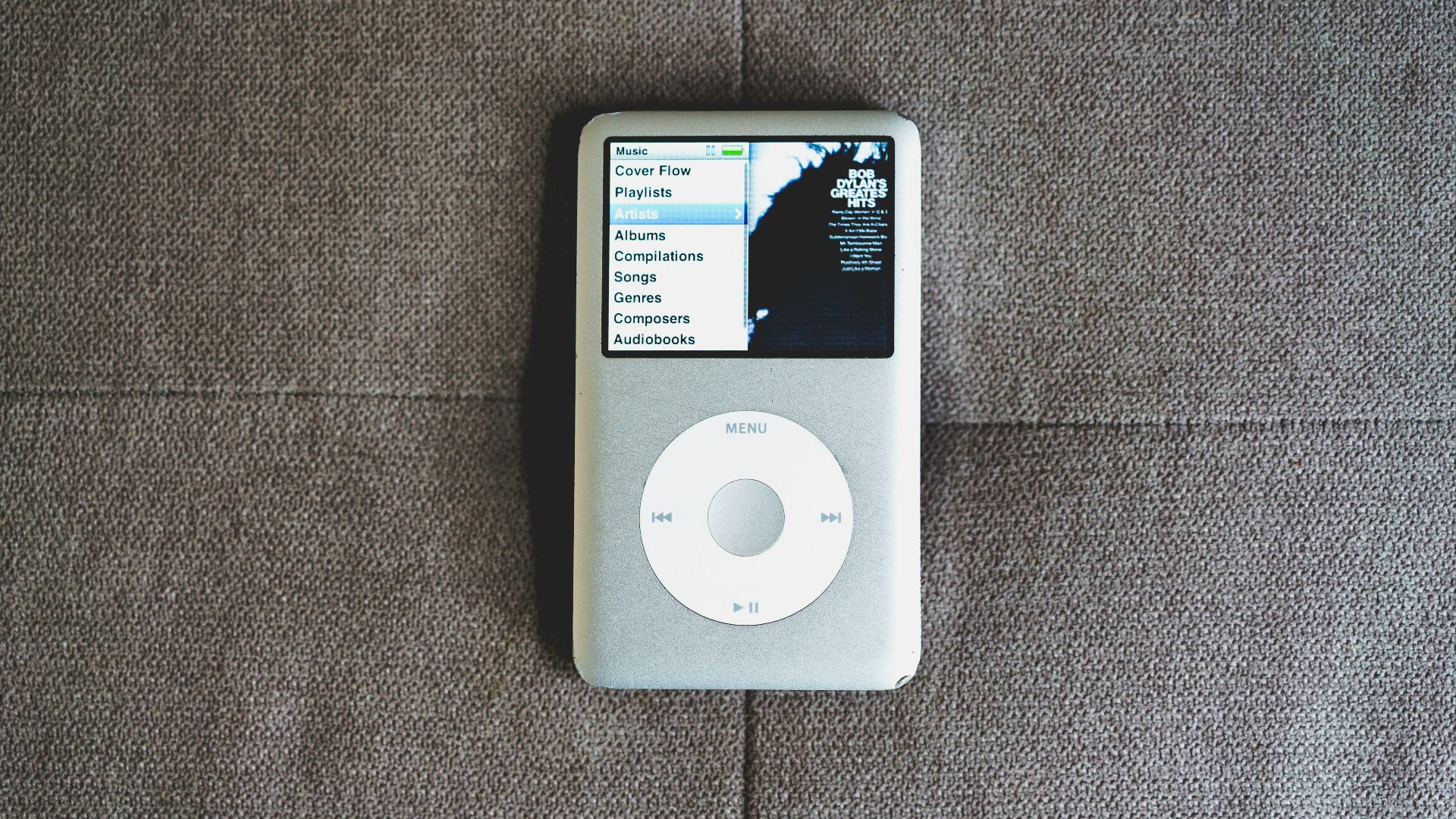
Microsoft's answer to the iPod launched with reasonably competitive hardware and lost anyway, mostly on branding and a head start it never closed. The Zune became an internet punchline almost immediately, despite reviewers pointing out it wasn't actually a bad device. Microsoft discontinued it within a few years, and most people forgot it existed almost as fast.
5. Yahoo Messenger vs AIM
Instant messaging had two dominant players fighting over screen names and away messages long before texting took over that role completely. Both platforms eventually got swallowed by smartphones and social media DMs, shutting down for good within a few years of each other. An entire generation's away message culture disappeared without much of a send-off.

6. TiVo vs ReplayTV
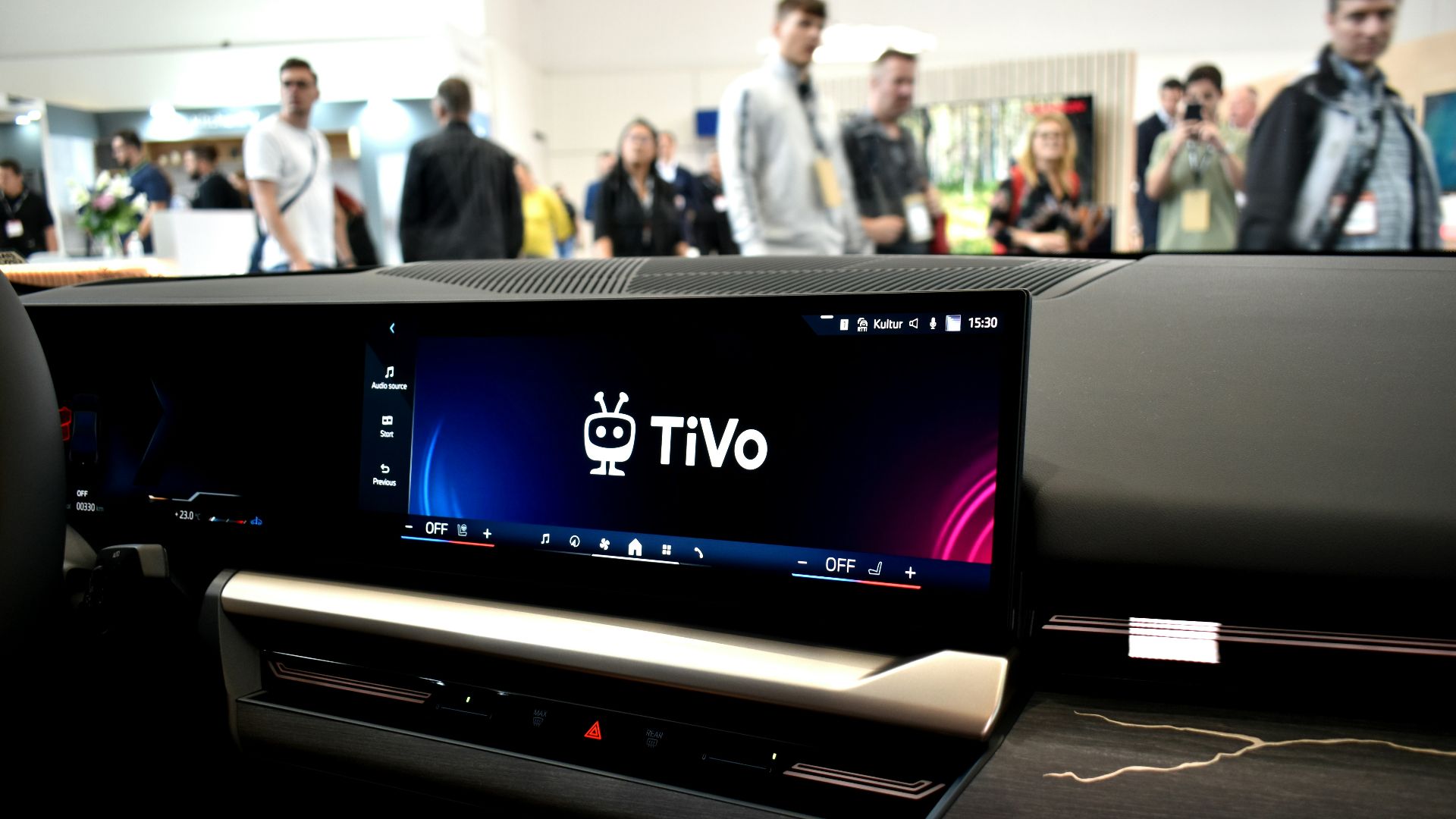
Digital video recorders were a real leap forward when they first let people pause and rewind live television, and TiVo and ReplayTV fought hard over the category. Cable companies eventually built DVR functionality directly into their own boxes, making both standalone products increasingly unnecessary. Streaming made the entire rivalry irrelevant within about a decade.
7. Digg vs Reddit
Digg ruled online link aggregation until a controversial redesign in 2010 sent its users looking for somewhere else to go. Reddit absorbed a huge wave of displaced Digg users almost overnight and never looked back.
8. AltaVista vs Google
AltaVista was the search engine most people actually used before Google's cleaner results page and better algorithm made it look outdated within a couple of years. It had a real head start and a much bigger user base when Google launched. Almost nobody under thirty has ever typed a query into it.
9. Google+ vs Facebook
Google threw enormous resources behind a social network meant to unseat Facebook, complete with mandatory sign-ins across other Google products. Adoption never matched the investment, and the platform limped along for years without ever posing a real threat.

10. Friendster vs MySpace
Friendster technically invented the modern social network before MySpace copied the format and outgrew it within a couple of years. Slow servers and clunky design pushed users toward the newer platform faster than Friendster could fix its own technical problems. It's largely forgotten now as the rivalry that happened right before the rivalry everyone actually remembers.