Where Your Money Actually Matters
Walk into any electronics store and it's easy to assume the price tag reflects the quality, but that's rarely how it actually works. Some categories reward spending more in a way you'll notice every single day you use the thing. Others are a straight-up commodity, where the $12 version does exactly what the $60 version does. Knowing which is which saves real money without leaving you stuck with something that breaks in a month. Here's 10 pieces of tech worth spending more on, followed by 10 that aren't.

1. Noise-Cancelling Headphones
If you commute, travel, or share a workspace, the gap between cheap ANC and the good stuff is night and day. Budget noise cancellation tends to introduce a hiss or pressure feeling that gets tiring fast, while the better models block real-world noise without making your ears feel strange after a few hours.

2. Your Primary Work Laptop
A laptop you use eight hours a day is not the place to save $200. Cheaper machines tend to cut corners on the keyboard feel, the screen quality, and the battery life, three things you'll notice constantly instead of once at checkout.
 Glenn Carstens-Peters on Unsplash
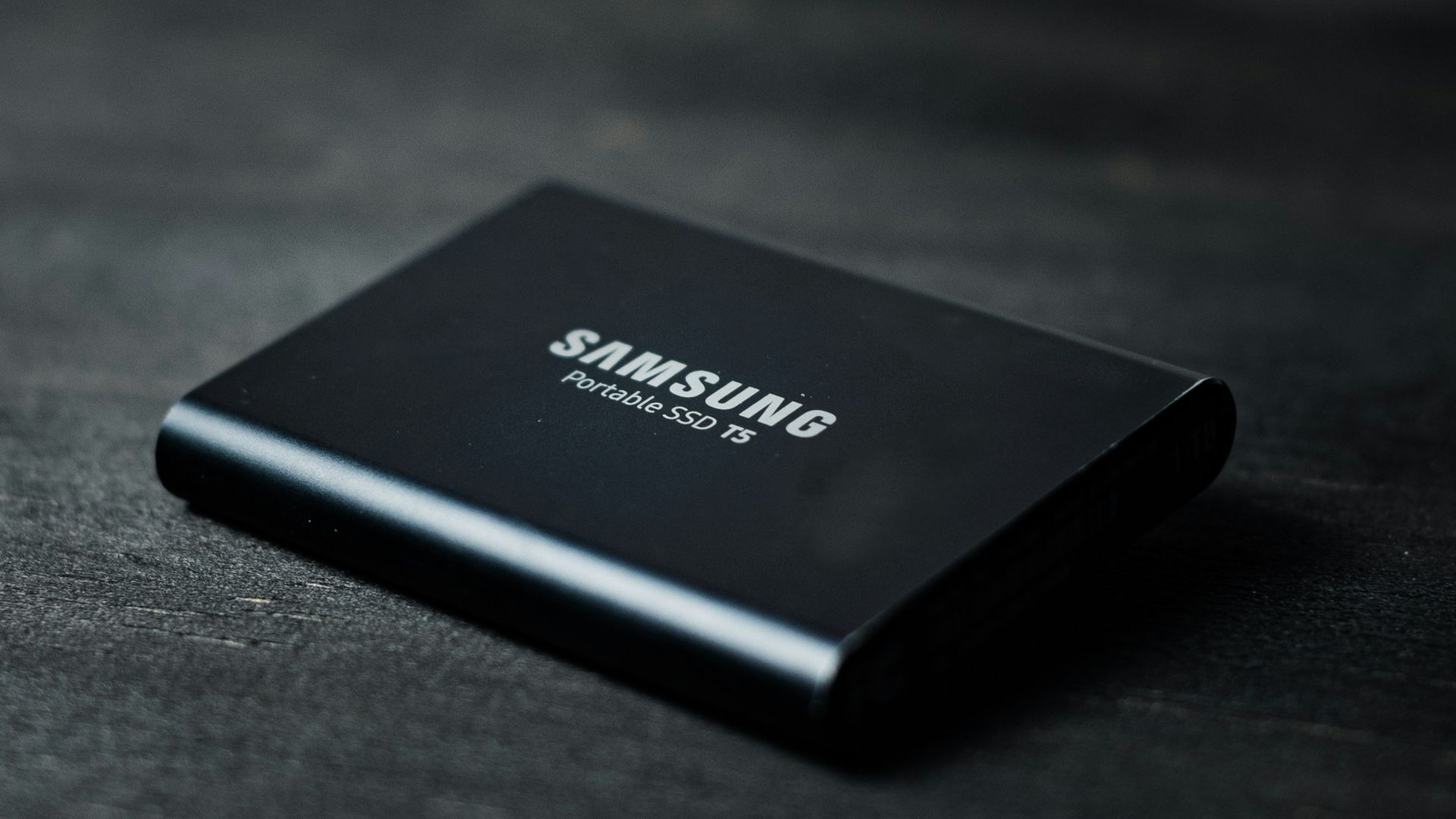
3. An External SSD or Backup Drive
Cheap external drives fail more often, and when they do, whatever was on them tends to go with them. Paying more here buys faster transfer speeds day to day and a meaningfully lower chance of losing years of files at the worst possible moment.
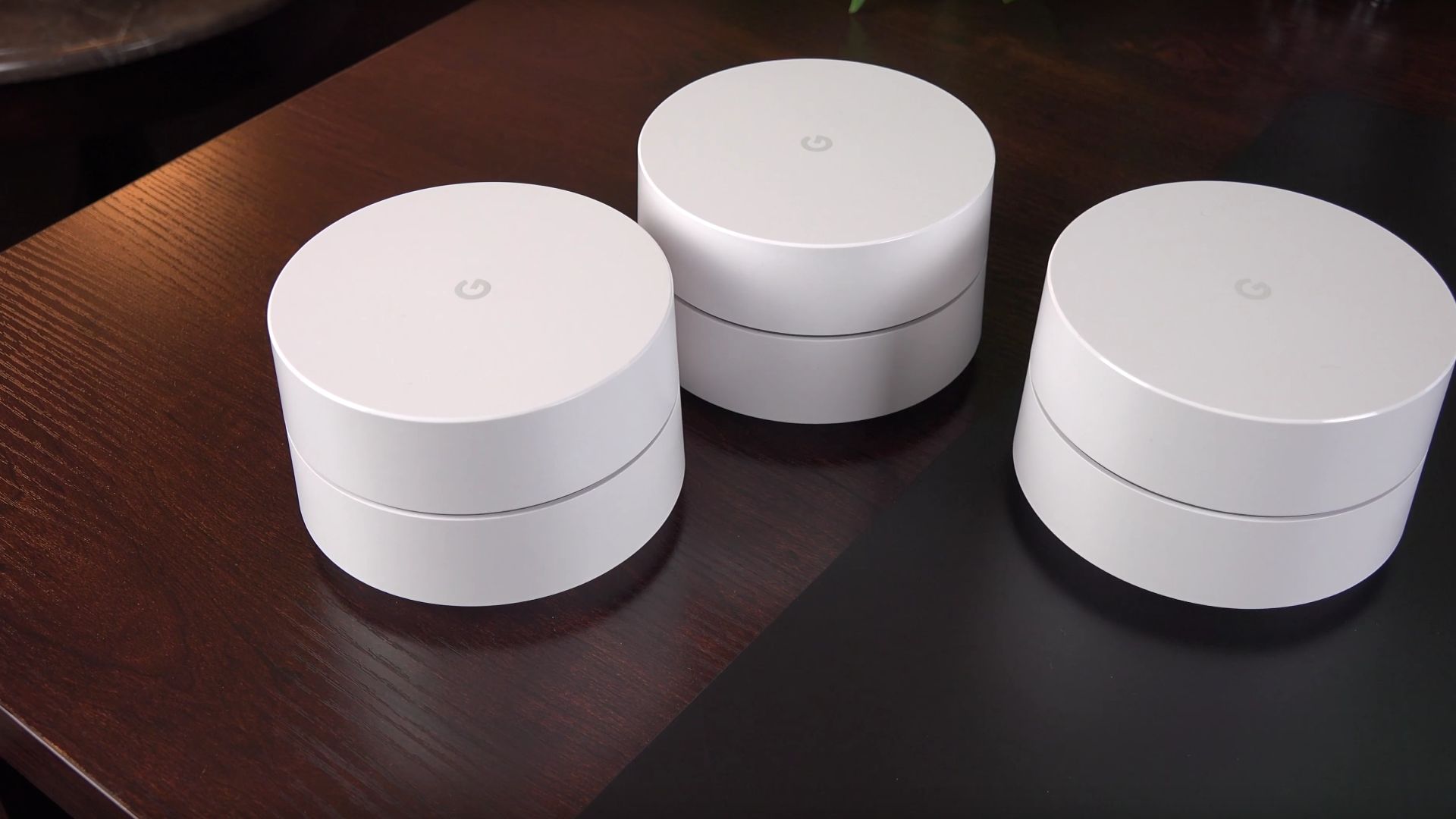
4. A Mesh Wi-Fi Router
A budget router might handle one laptop in the next room fine, but add a few smart devices, a couple of phones, and someone streaming video, and it starts to buckle. A solid mesh system holds a stable connection across a whole house instead of dropping out the moment you walk into the kitchen.
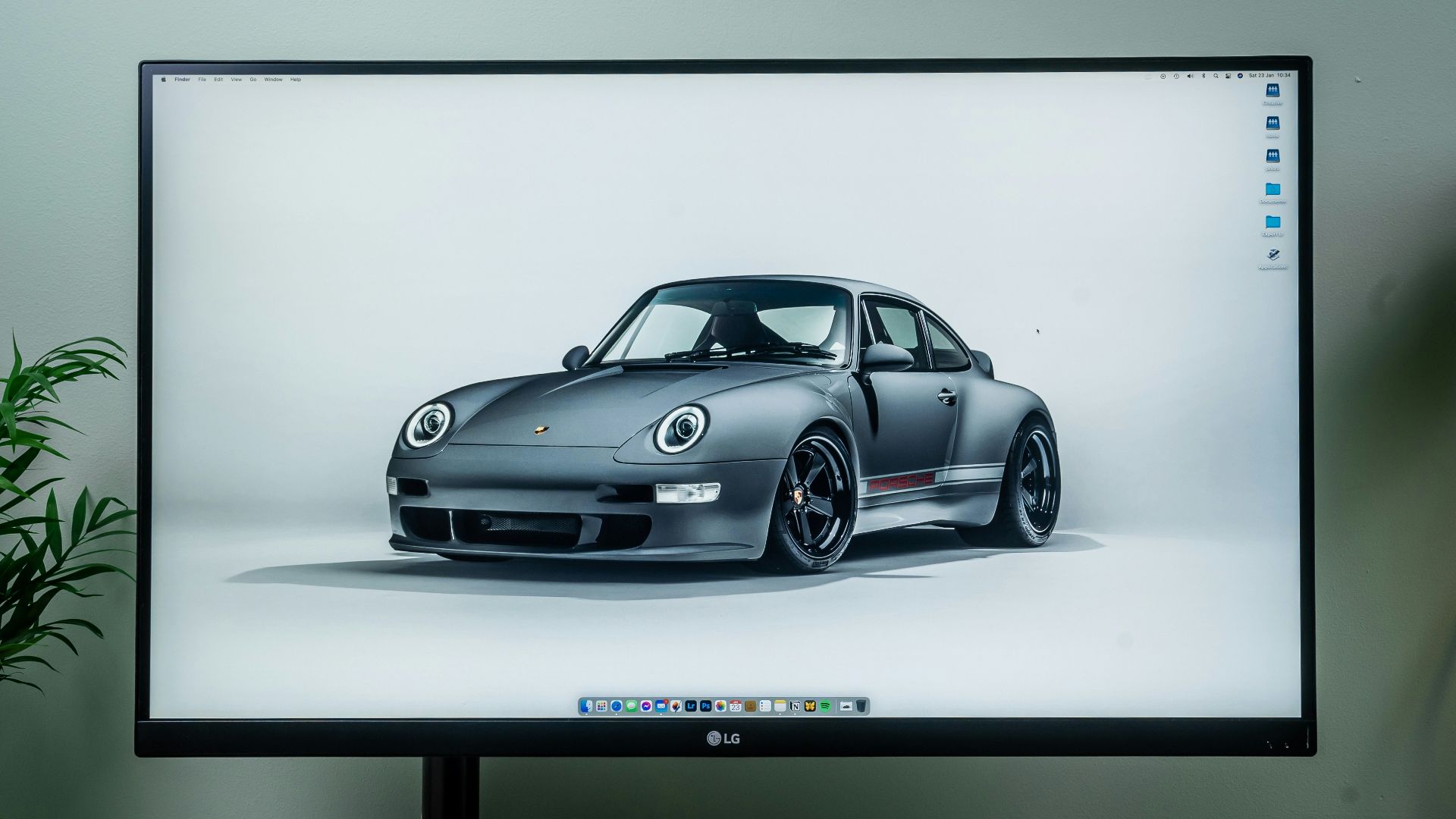
5. A Monitor You Work On
Staring at a mediocre panel for hours leads to real eye strain, and a dim or washed-out screen makes everything from spreadsheets to photo edits harder than it needs to be. A better monitor pays for itself in comfort alone if it's sitting in front of you all day.
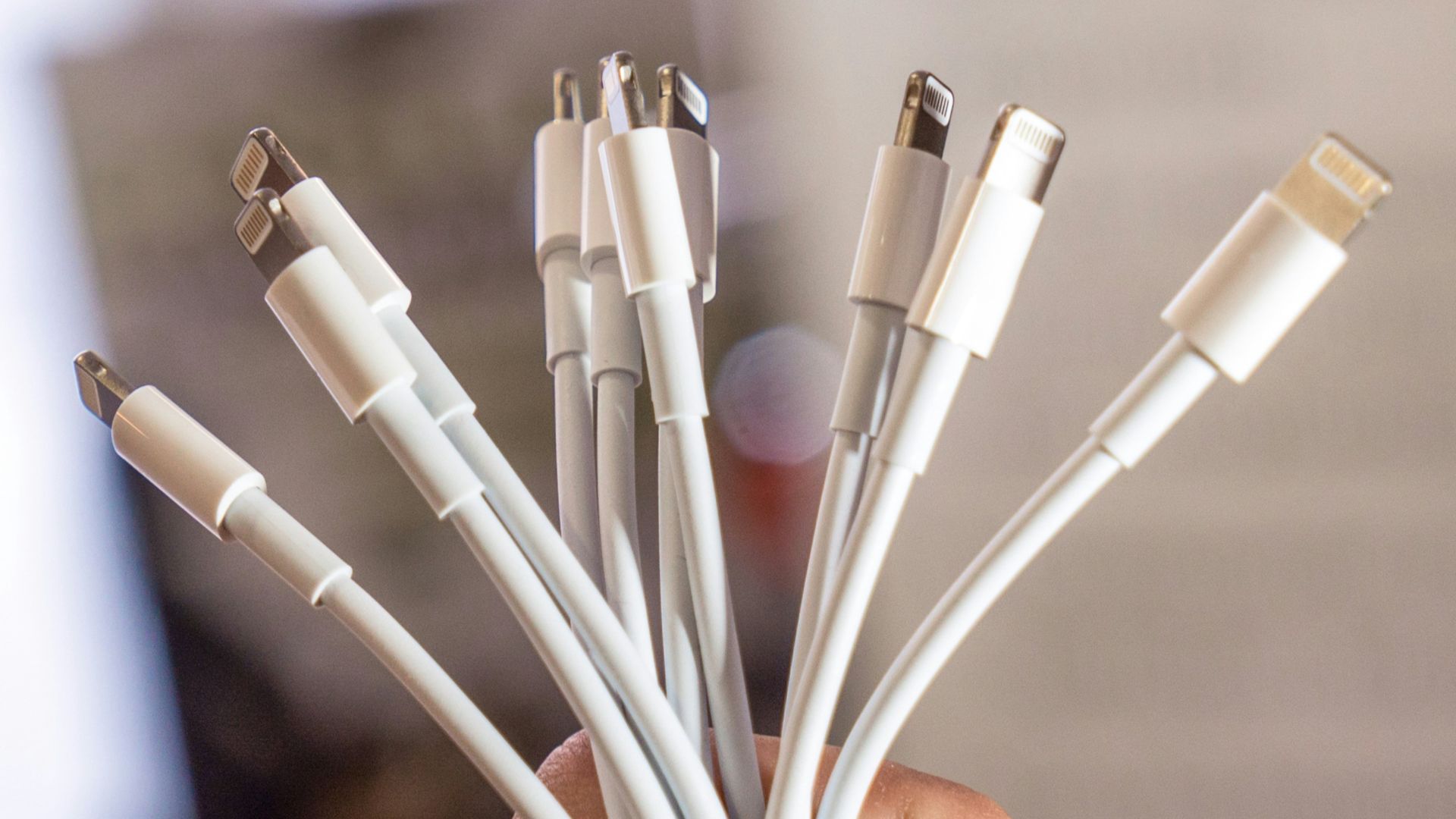
6. Charging Cables and Wall Adapters
Cheap, uncertified chargers are a genuine fire and battery-damage risk, not just a durability gamble. Spending a bit more buys proper safety certification and a cable that survives daily bending instead of fraying at the connector within weeks.
7. A Robot Vacuum
The navigation tech is where the real difference lives. Budget models bump around randomly and miss whole sections of a room, while pricier ones map the space properly and actually finish the job instead of getting stuck under the couch.

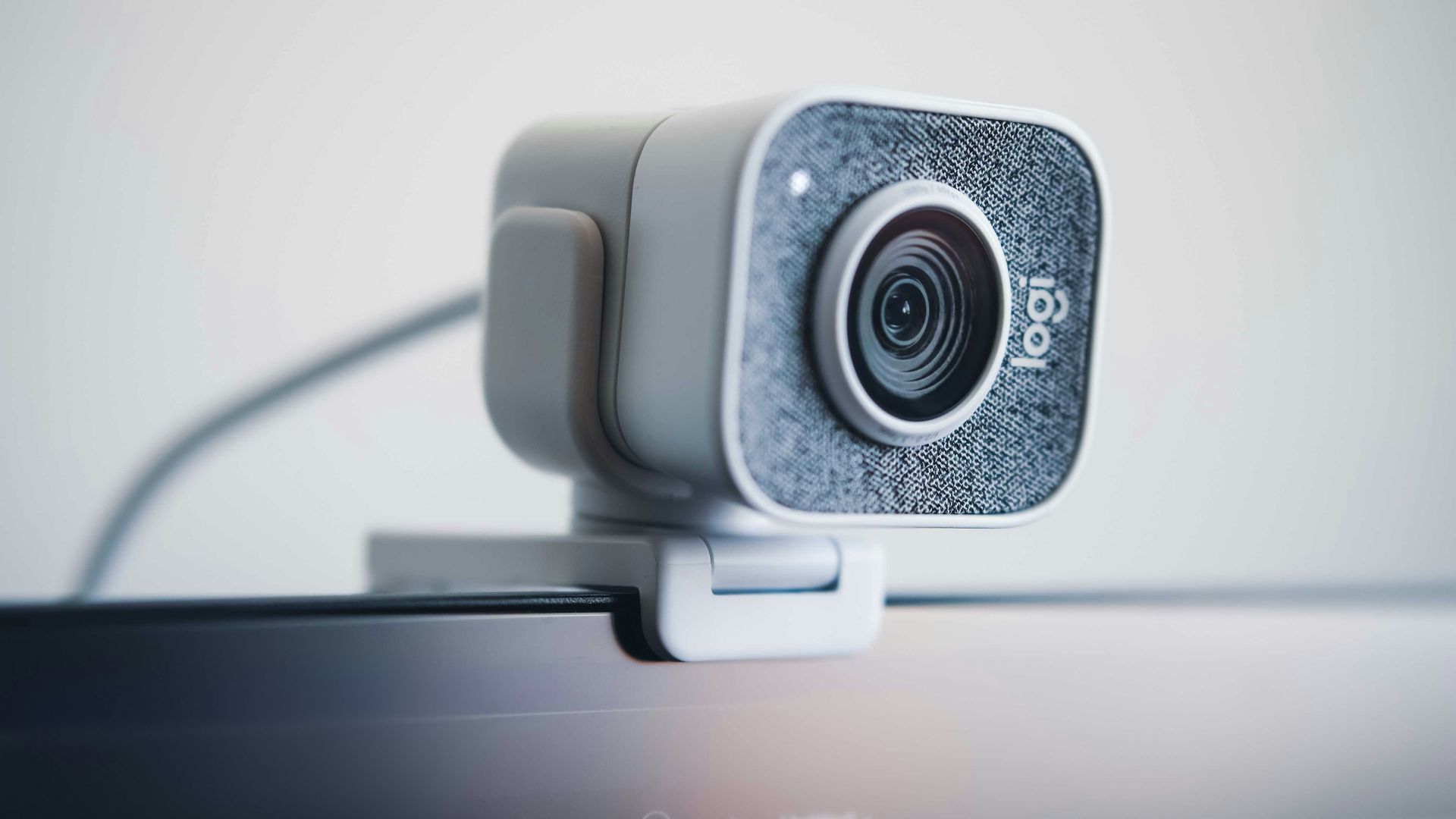
8. A Webcam and Microphone for Video Calls
If your job involves regular video calls, how you sound and look on camera says something whether you mean it to or not. A better webcam and mic make a real difference in clarity, and coworkers notice the upgrade even if they can't name what changed.
9. A Smartphone You'll Keep for Years
A phone you plan to use for four or five years is worth stretching the budget on, since camera quality, processing speed, and how long the manufacturer keeps sending software updates all scale with price. The cheaper option often stops getting updates years before you're ready to replace it.

10. An E-Reader
Budget e-readers tend to have dimmer, lower-resolution screens and noticeably slower page turns, which adds up over the thousands of pages a real reader gets through. The better models also handle glare and low light far more gracefully, which matters if reading in bed is the whole point.
Now, here's 10 where the expensive version buys you almost nothing extra.

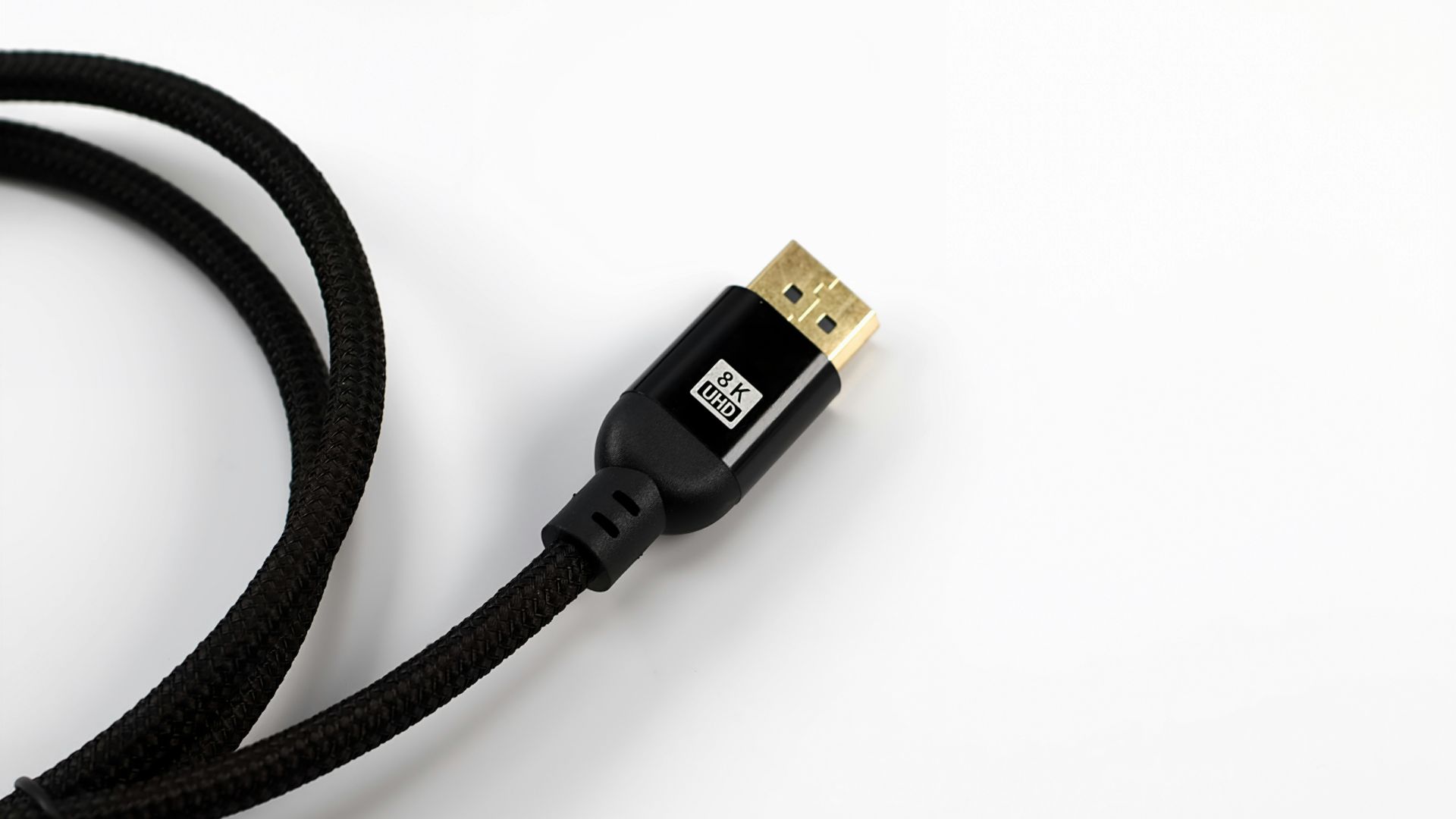
1. HDMI Cables
An HDMI cable either carries a clean digital signal or it doesn't, and any cable meeting spec does the job identically. Paying extra for "premium" HDMI cables is paying for marketing, not picture quality.
2. Phone Cases
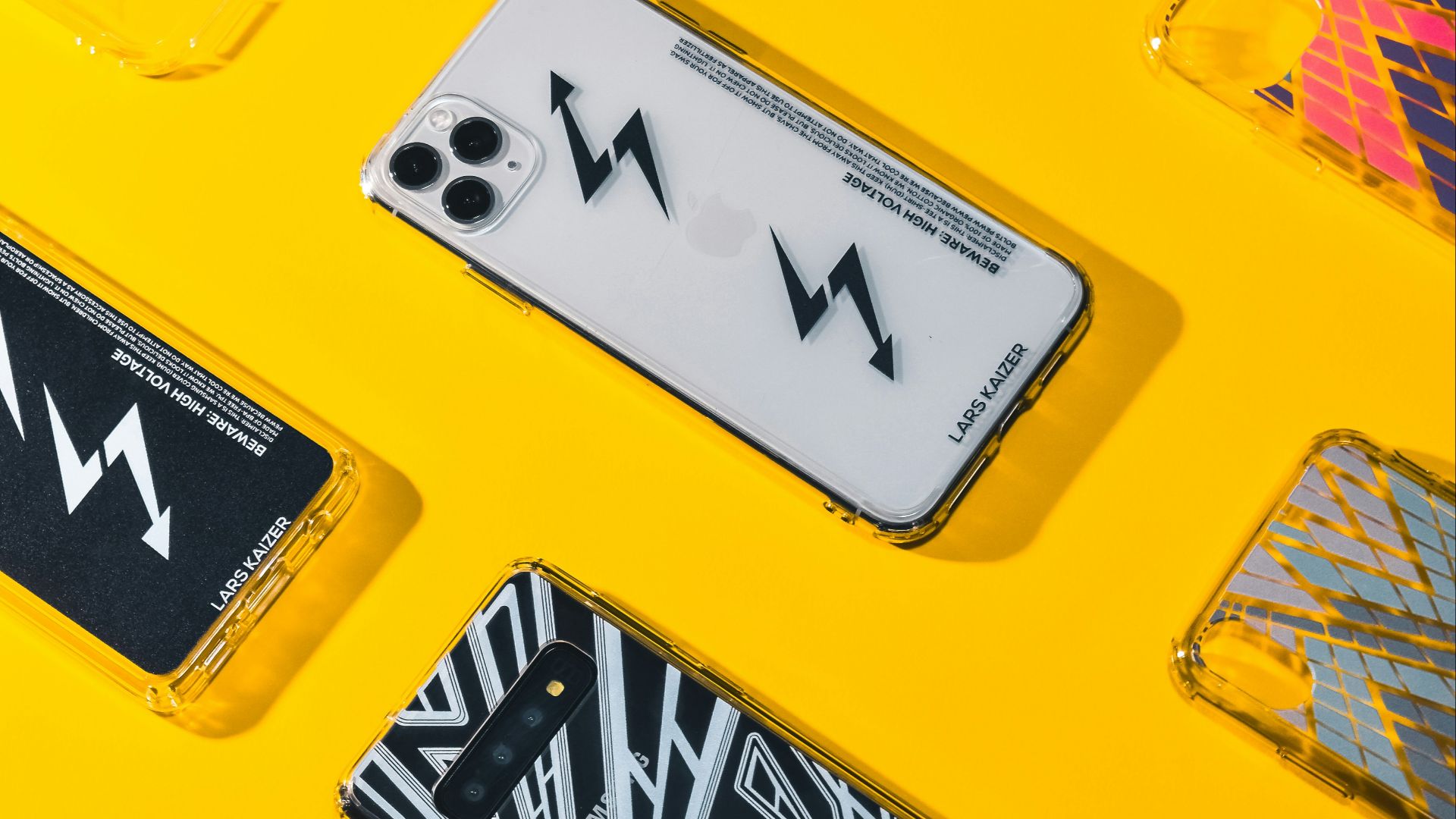
Beyond a certain point, more money buys a logo and a slightly nicer texture, not meaningfully better drop protection. A well-reviewed $15 case will protect a phone just as well as one three times the price.
3. USB Flash Drives
For basic file transfers and backups, storage is storage. Unless speed matters for a specific task, a bargain flash drive holds the same files just as reliably as a name-brand one.

4. Smart Plugs and Basic Smart Bulbs
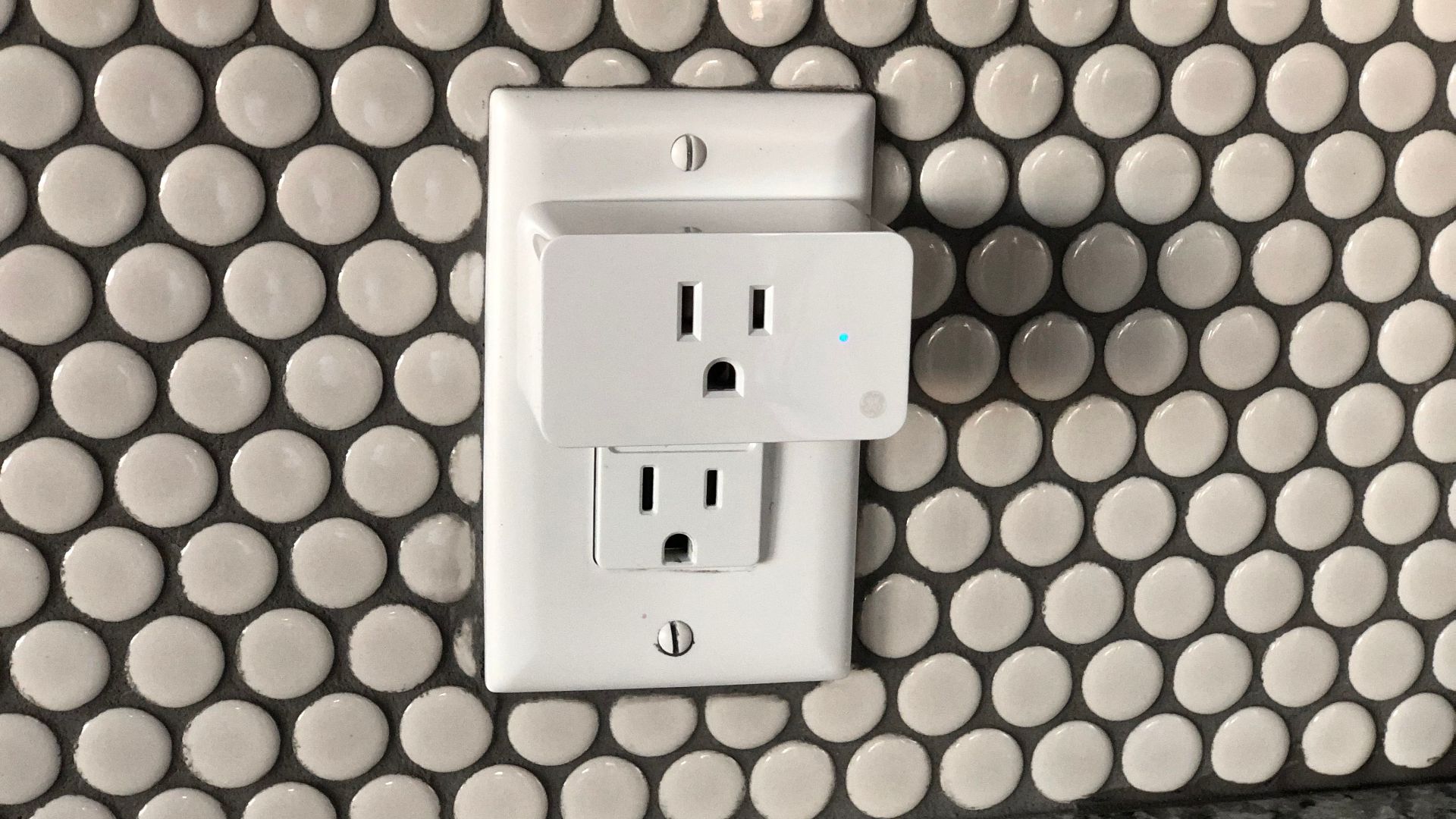
Once a smart plug can turn something on and off on schedule or by voice command, the extra features on pricier versions rarely get used. The budget options handle the core job just fine for most households.
5. Portable Power Banks
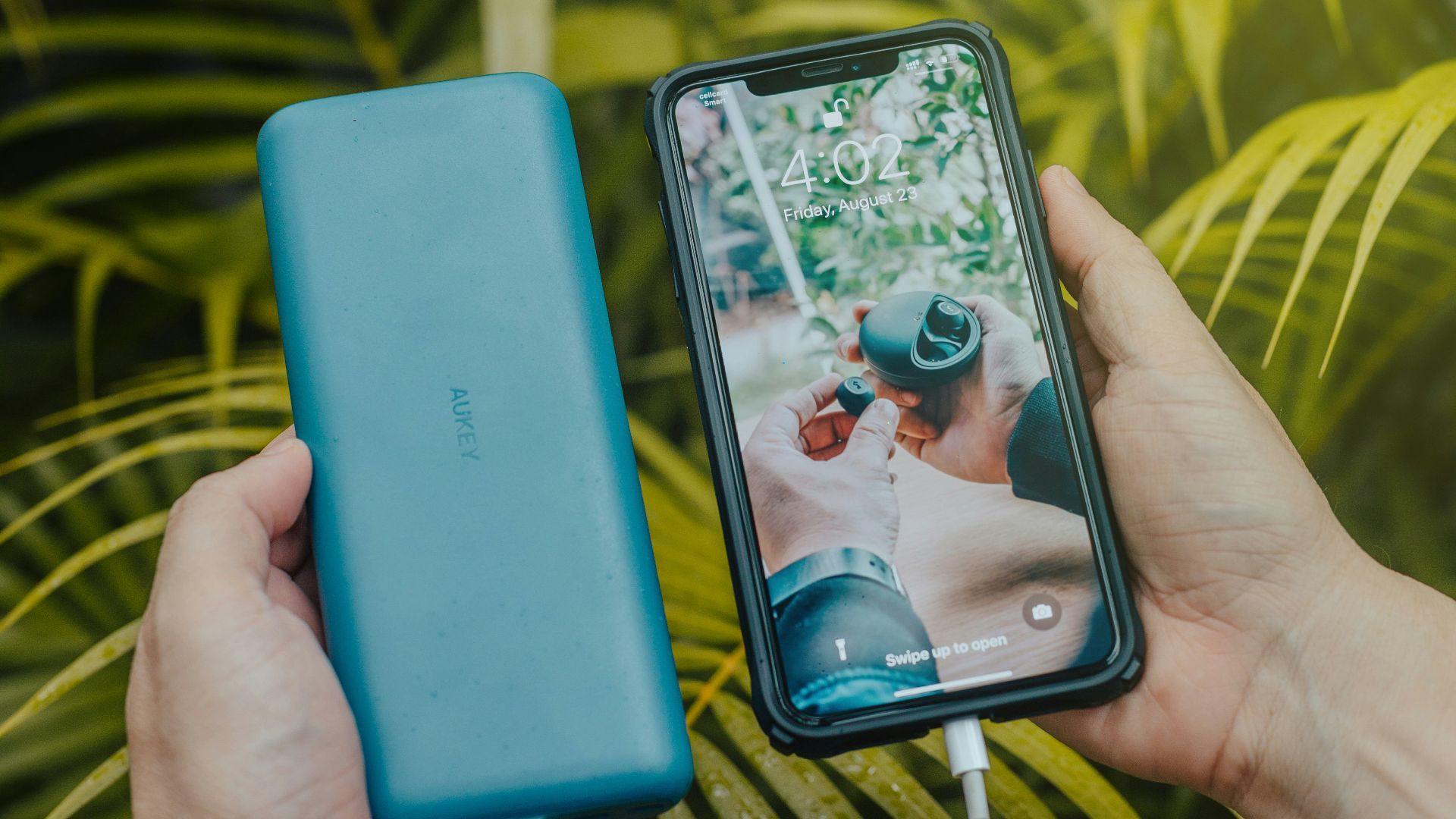
A basic power bank from a reputable brand charges a phone at roughly the same speed as an expensive one, especially for everyday top-ups rather than fast-charging laptops. Capacity matters more than the price tag here.
6. Streaming Sticks
For casual streaming, the cheapest current-generation stick usually runs the same apps at the same resolution as the flagship version. The pricier models mostly add extra storage and a slightly faster chip that casual viewers won't notice.

7. Bluetooth Speakers for Background Listening
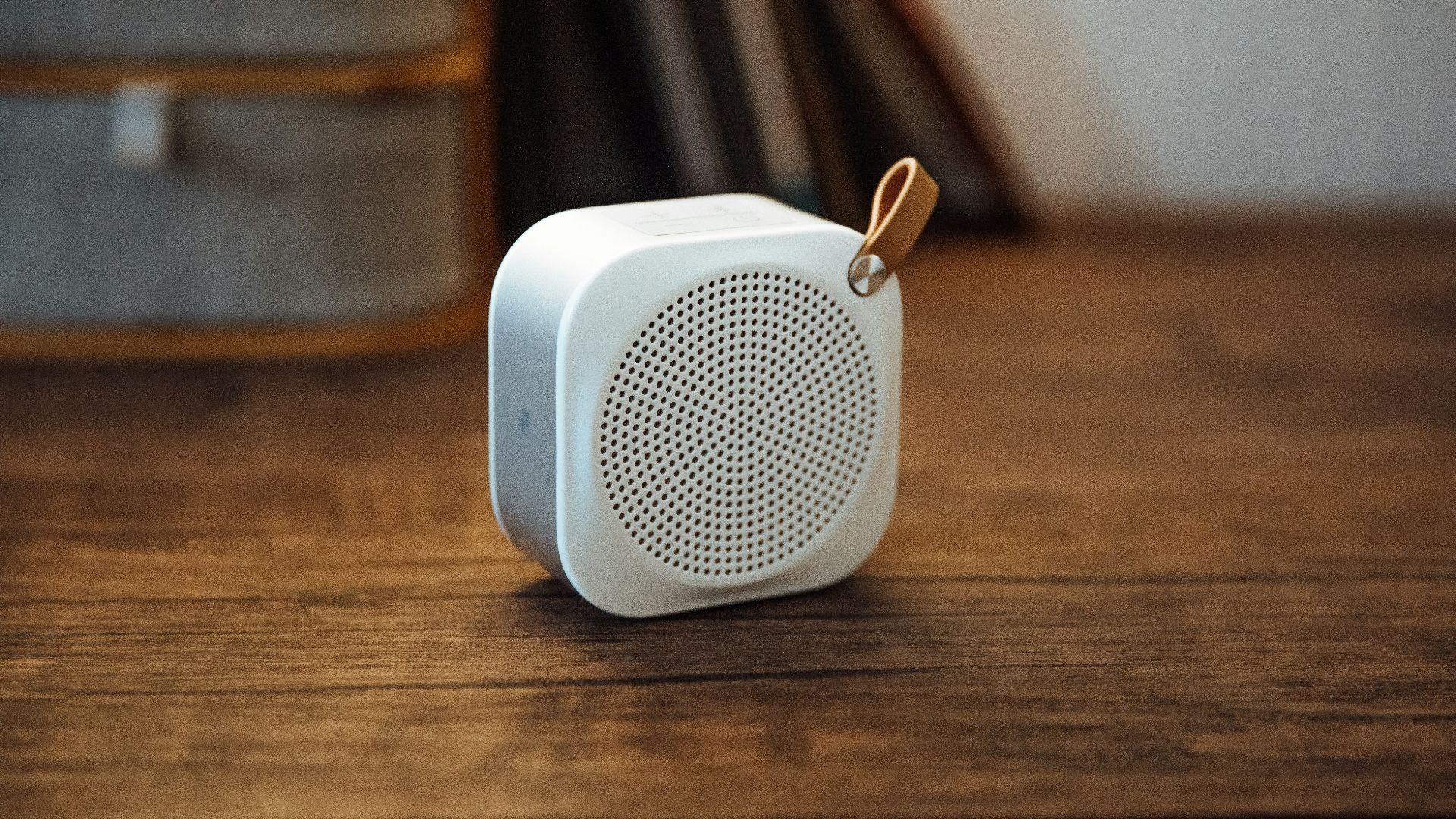
If a speaker is mostly playing podcasts in the kitchen or music at a barbecue, a mid-range option sounds nearly identical to something twice the price. The gap only really shows up with critical listening in a quiet room.
 Nicolas J Leclercq on Unsplash
8. A Wireless Mouse for Everyday Use
Unless competitive gaming is involved, a basic wireless mouse tracks accurately enough for browsing, email, and spreadsheets. The extra buttons and higher sensor precision on gaming mice go unused by most people who buy them.

9. Screen Protectors
Modern phone screens are already fairly scratch-resistant on their own, and a cheap tempered-glass protector does the same core job as an expensive one. The main differences between brands are marketing claims that rarely hold up under any real test.
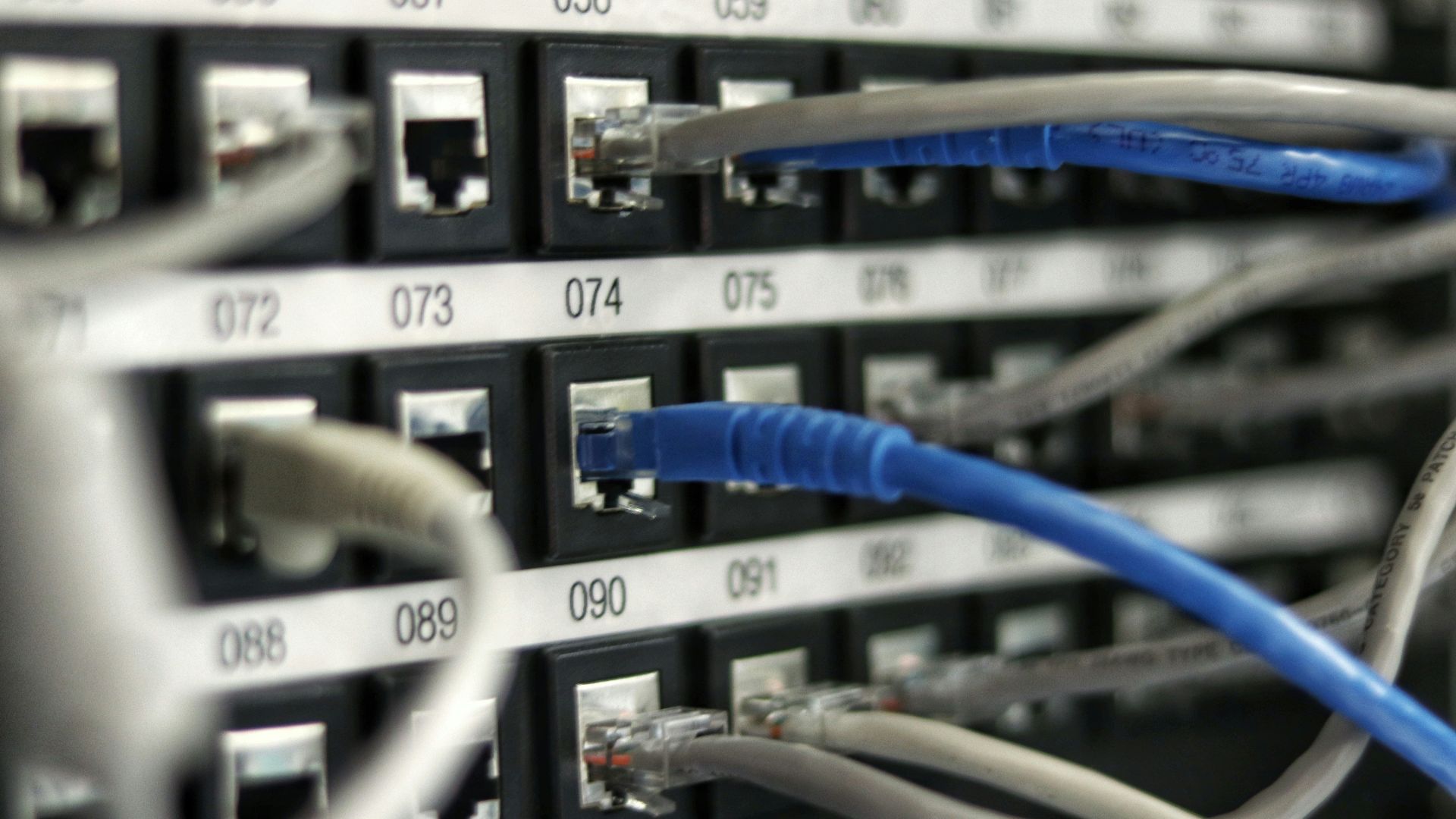
10. Ethernet Cables
Any cable rated for the speed a home network actually uses will perform identically to a fancier one, since it's either passing the signal correctly or it isn't. Paying extra for a thicker jacket or braided sleeve buys looks, not performance.