Great Games Must Have More Than One Strength
A beloved video game can feature a strong story or deliver impressive mechanics, but bringing those qualities together is challenging. The best examples combine narrative and player interaction in a way where they are equally important, while weaker ones often force you to tolerate one element just to enjoy the other. Opinions will always vary, yet some titles are notable for how well, or poorly, their storytelling and gameplay enhance each other. Here are 10 games that perfectly balance story and gameplay and 10 that let one ruin the other.

1. Hades
Repeated escape attempts aren't just a gameplay loop since failure also pushes the narrative forward. Characters react to previous gameplay, relationships develop, and new dialogue constantly rewards continued play and improvement.

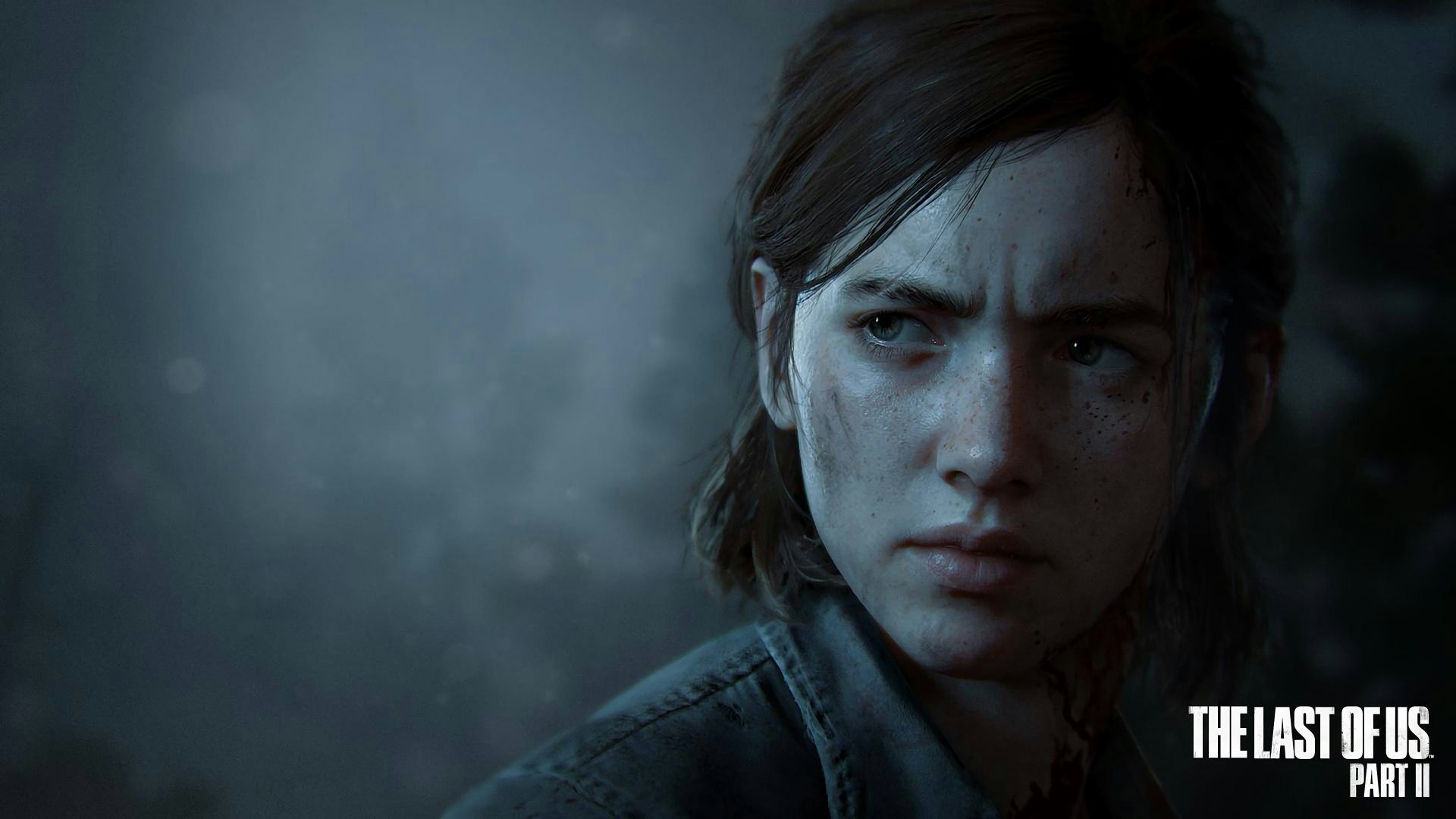
2. The Last Of Us
Stealth, scavenging, and desperate fighting merge to support the tension created by the story instead of feeling like disparate parts. Limited resources encourage cautious decision-making, which suits a world built around danger and unpredictability. The quieter exploration sections also give conversations space to evolve naturally without constantly stopping for exposition.
3. Portal 2
Puzzle solving and storytelling work together with excellent precision throughout the campaign. Environmental details, voice performances, and evolving test chambers reveal exposition while you're actively figuring out your next move.
 Oran Viriyincy from Bothell, WA, United States on Wikimedia
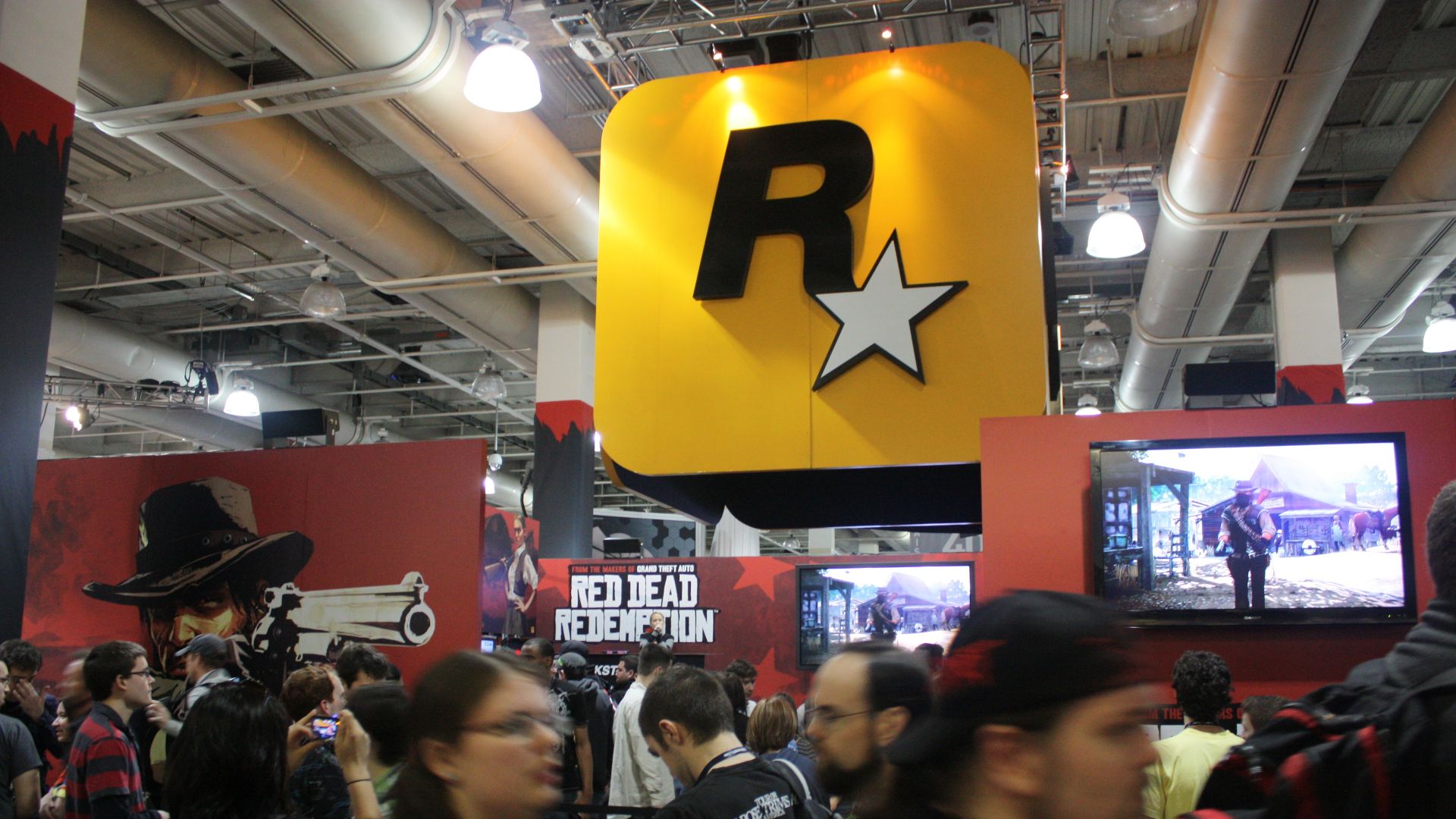
4. Red Dead Redemption 2
Its deliberately measured controls and extensive everyday activities reinforce the slow yet purposeful pace of the narrative. Riding, maintaining equipment, and completing mundane tasks make the world feel lived in rather than flat and merely decorative.
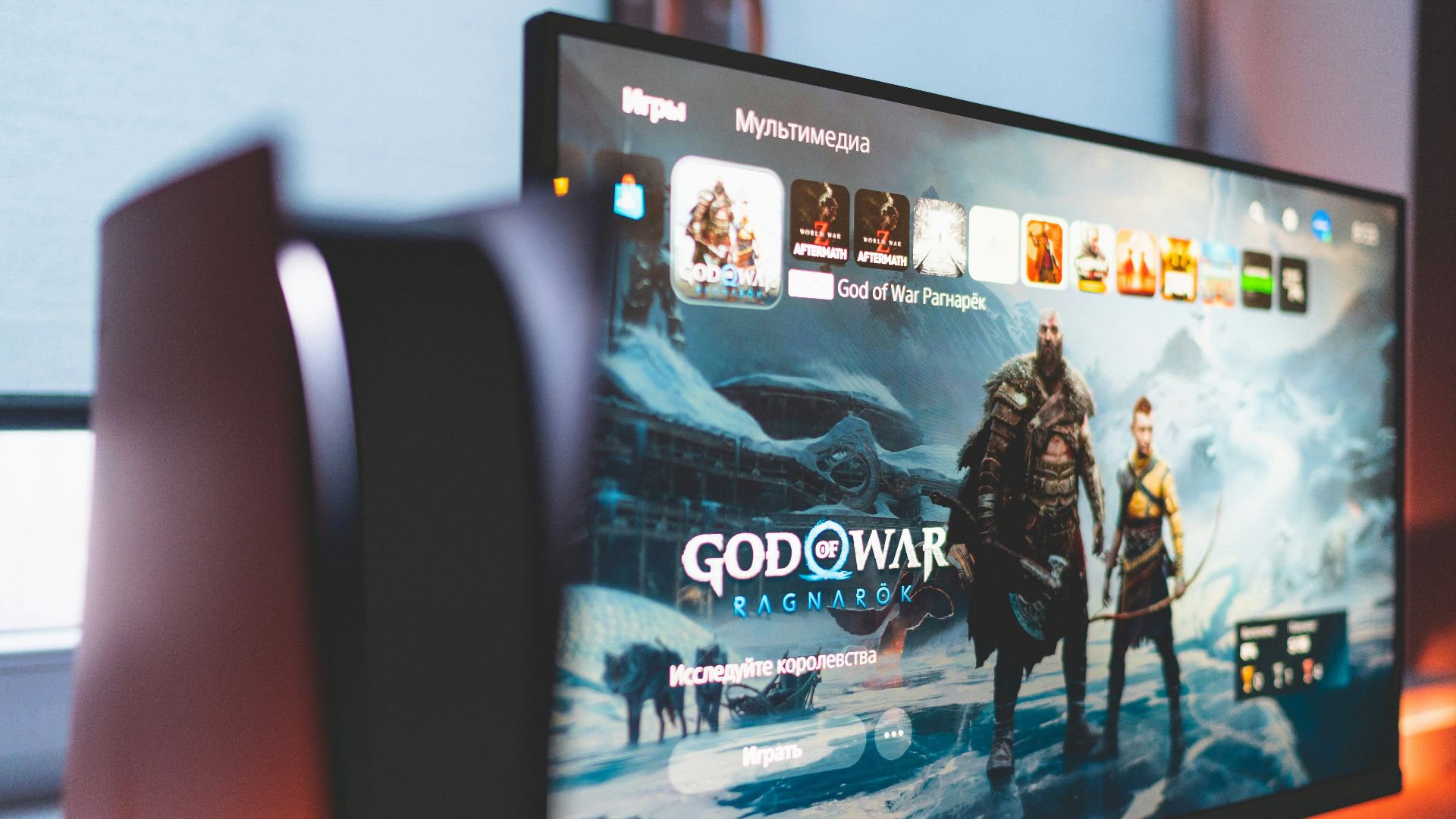
5. God Of War
Combat is demanding and energetic while the quieter moments let its central relationship develop between encounters. Journeying through the world creates frequent opportunities for dialogue, so character development doesn't need to stop the action in a way that slows the game.
 Evgeniy Kondratiev on Unsplash
6. BioShock
The game mechanics encourage you to experiment with weaponry, environmental hazards, and abilities, while the narrative constantly questions how much control the player actually holds in their hands. Its most popular narrative reveal works particularly well because it directly comments on the player's behavior.

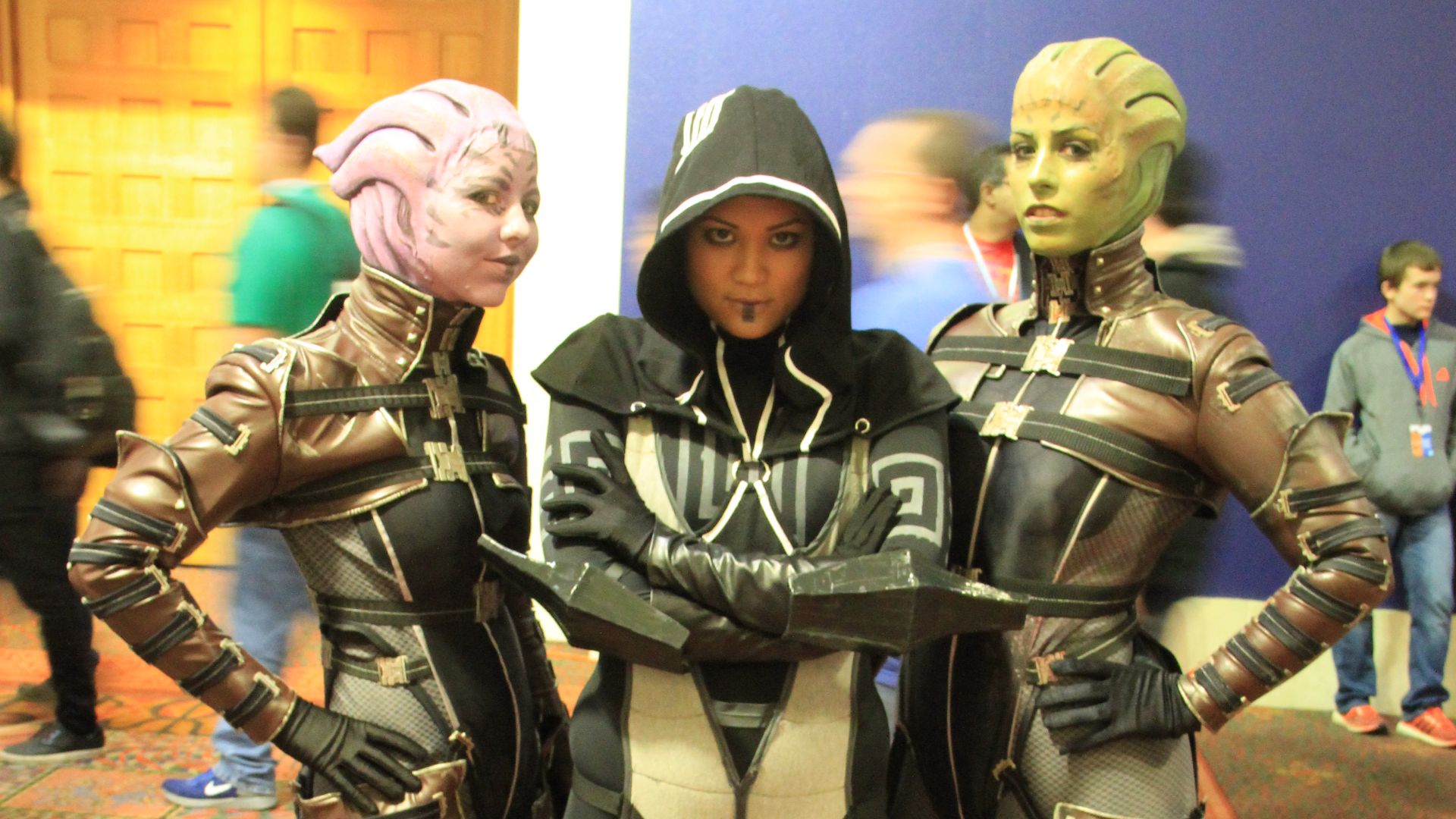
7. Mass Effect 2
Conversation choices, loyalty missions, and battle preparation all contribute to the outcome, making narrative choices feel meaningful. Building relationships with squad members isn't simply optional because their readiness can affect who survives.
 Daniel Benavides from Austin, TX on Wikimedia
8. Disco Elysium
Dialogue transforms into the primary gameplay system, allowing narrative and mechanics to mingle and operate almost as one. Skills regularly interrupt conversations with observations, arguments, and suggestions, reliable or otherwise, that influence how you interpret events.
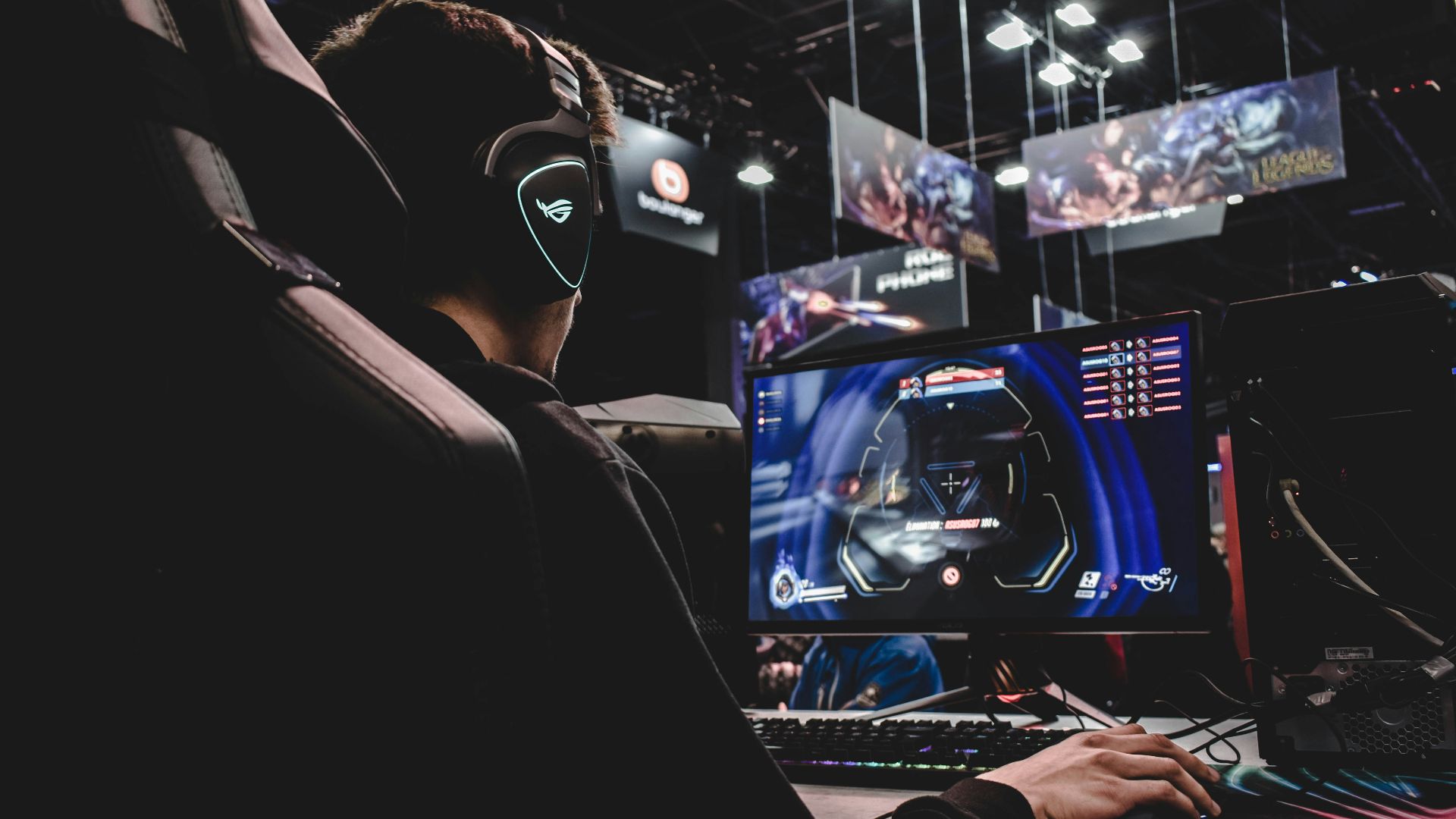
9. Marvel's Spider-Man
Movement is one of the strongest features of this popular video game because simply swinging across the city feels enjoyable rather than functional. The result is a structure where superhero spectacle and personal storytelling feel like one complete experience.
10. Ghost Of Tsushima
Sword combat, stealth, exploration, and compelling side stories all reinforce the central conflict. Even mechanical decisions can force you to think about whether you're fighting with honor or merely doing whatever is effective.

1. The Order: 1886
The visuals and alternate-history world received most of the attention, but the interactive portions often feel limited by comparison. Long cinematic stretches often limit the player's involvement, while combat encounters rely heavily on standard cover-shooting mechanics.

2. Heavy Rain
Its expansive branching narrative and multiple possible outcomes are still an ambitious undertaking, yet some of the moment-to-moment interaction hasn't aged well. The storytelling creates a strong amount of tension, but controlling characters can sometimes become an unnecessary obstacle between scenes.

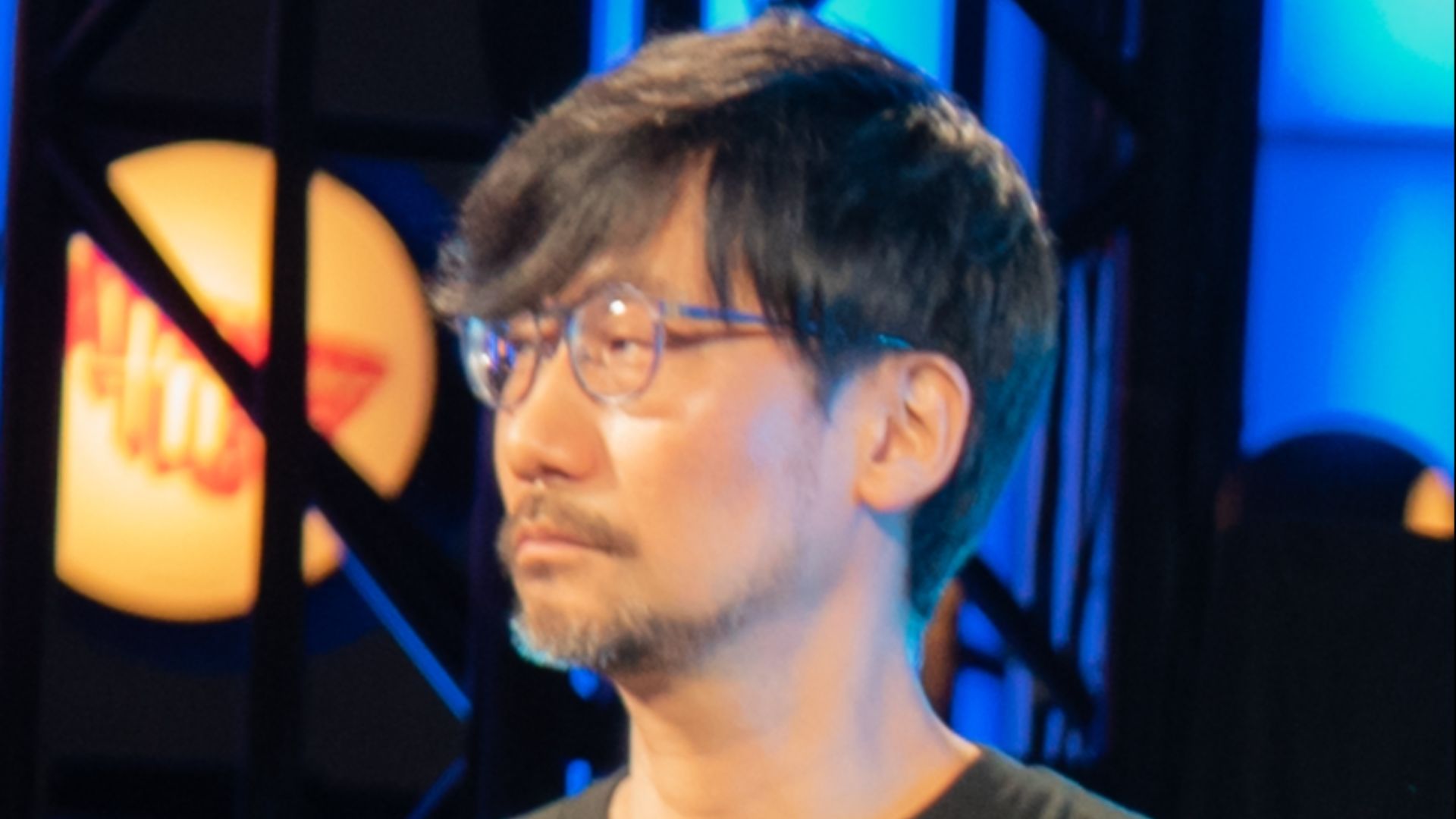
3. Death Stranding
Traversal is demanding on purpose, with terrain, cargo weight, and route planning forming some of the core challenges. For certain players, that detailed system creates a compelling rhythm, but many find the lengthy deliveries slow the story's momentum and interrupt the flow.
 KniBaron from Bangkok, Thailand on Wikimedia
4. Beyond: Two Souls
The performances and cinematic presentation are impressively polished, but player agency often feels like an afterthought. Many interactions rely on straightforward prompts, while major dramatic scenes can continue even after mistakes.

5. Final Fantasy XIII
Its combat system becomes increasingly sophisticated once more options appear, yet getting there requires a lengthy opening stretch that can be tiresome. Restricted exploration and heavy-handed exposition can make the early hours feel more instructional than fun.

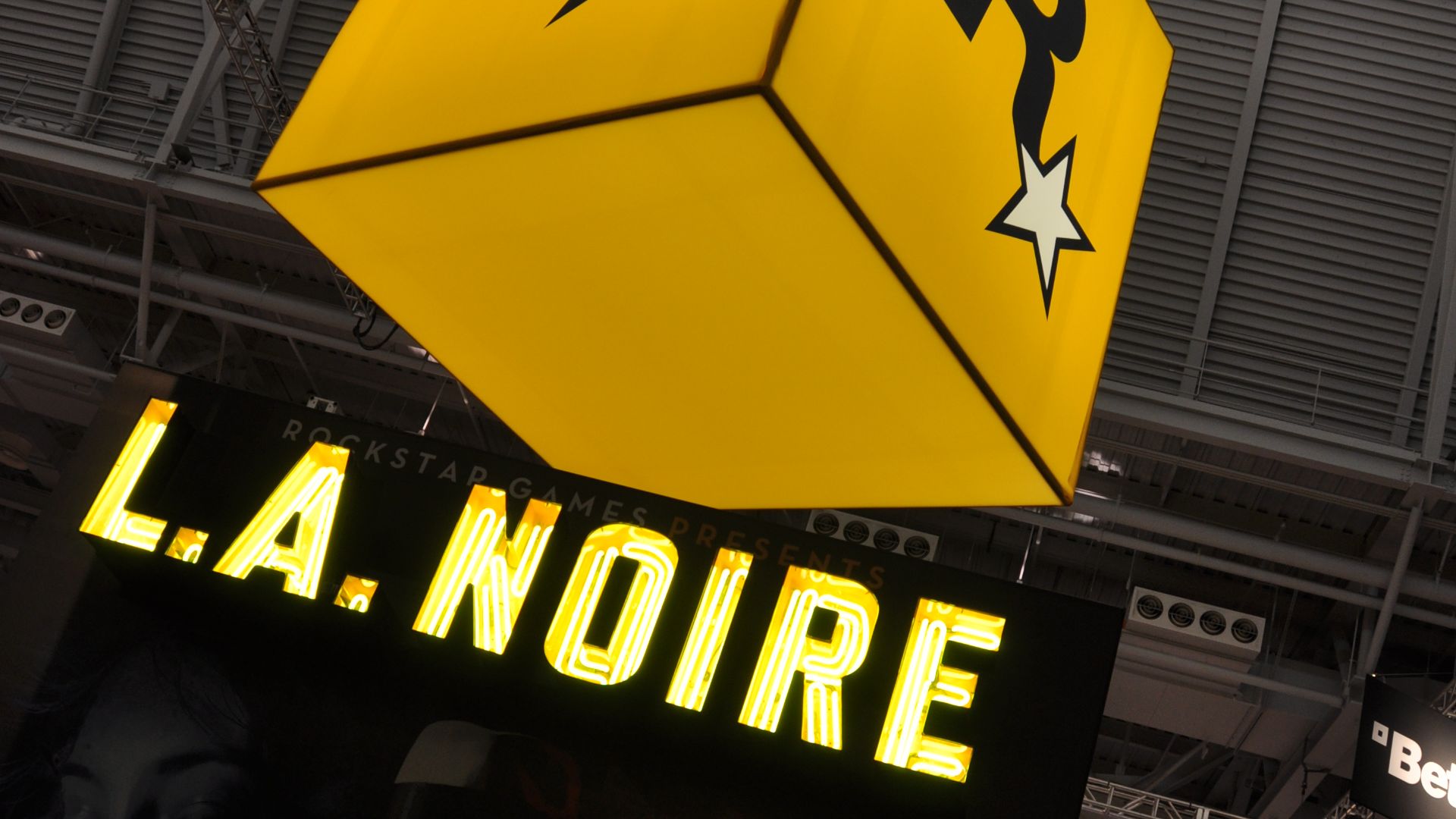
6. L.A. Noire
Investigations, intense interrogations, and detailed facial performances provide a memorable detective experience, although the interrogation mechanics can sometimes undermine the narrative and pace. Picking the wrong response may produce a reaction that feels harsher or stranger than the option initially suggested.
7. Ryse: Son Of Rome
Its presentation, large-scale battles, and historical setting make a memorable first impression, but the combat is lacking in spectacle. Repeated combinations and execution sequences become familiar fast and undermine the experience.

8. The Walking Dead: Season Two
Character decisions carry emotional weight, but the reduced emphasis on exploration and puzzle solving leaves less for the player to experience between conversations. Many choices impact relationships and immediate scenes without dramatically changing the overall direction.

9. Spec Ops: The Line
Its story challenges traditional military shooter conventions with gusto, but the combat itself remains conventional. Cover-based firefights and repeated enemy encounters often feel routine compared with the increasingly uncomfortable narrative that drives the game.
 https://kaboompics.com/ on Pexels
10. Quantum Break
The combo of third-person shooting and live-action television episodes is ambitious, but the two formats don't always mesh and maintain the same momentum. Quick combat sequences can suddenly give way to lengthy passive viewing, altering the pace dramatically.