Do You Trust AI?
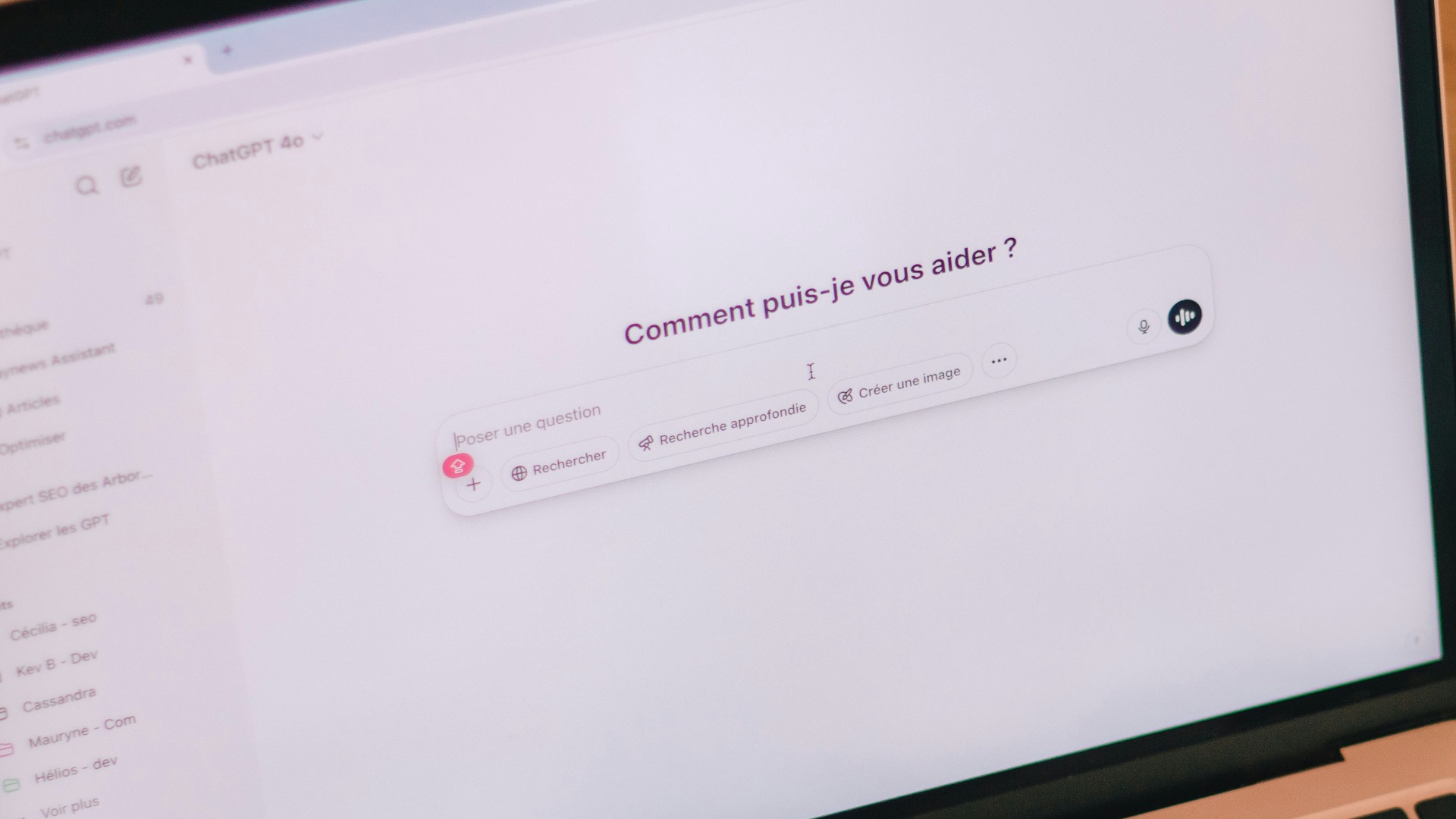
How often do you use AI in a day? How many times do you direct your questions to it, talk to it as if it were a friend, or ask it to generate something for you? If you're like most people, you're probably spending a good chunk of your day with AI in the background, always at the ready. Artificial intelligence, after all, has become part of daily life. And, from remembering your preferences to matching your communication style, modern AI systems can create experiences that feel remarkably personal, which only tempts you to keep interacting. How much do you trust AI? Chances are, you trust it far too much.
1. It Remembers What You Like
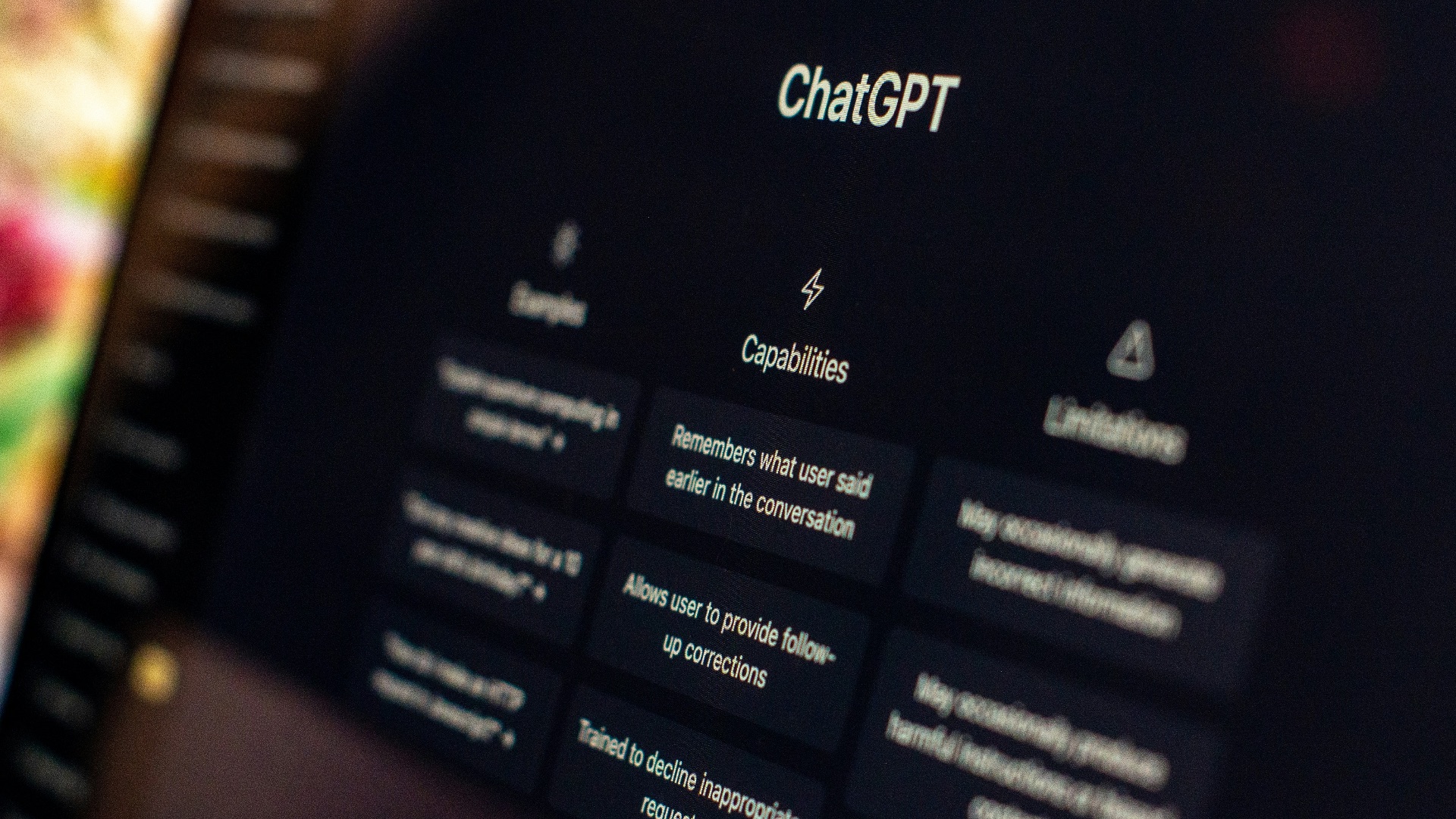
An AI that remembers your favorite foods, preferred writing style, or usual routines can quickly start feeling more useful than one that treats every conversation as new. Personalization saves you from repeating yourself, which naturally makes the interaction more comfortable. Over time, that convenience may also encourage you to share more information because the system seems to understand you so well.
 Emiliano Vittoriosi on Unsplash
2. It Matches the Way You Talk
AI can adapt its vocabulary, sentence length, humor, and level of formality to resemble your own communication style. When something speaks to you in a familiar way, you're more likely to find the conversation comfortable and easy to follow. That stylistic similarity can make its responses feel more trustworthy even when the underlying information hasn't been verified.
3. It Gives Answers Almost Instantly
Humans often associate competence with speed, especially when someone can answer a complicated question without hesitation. AI can produce detailed responses in seconds, creating an impression of expertise that would be difficult for most people to match. The danger is that a fast answer can still contain errors, outdated information, or unsupported assumptions.
4. It Sounds Extremely Confident
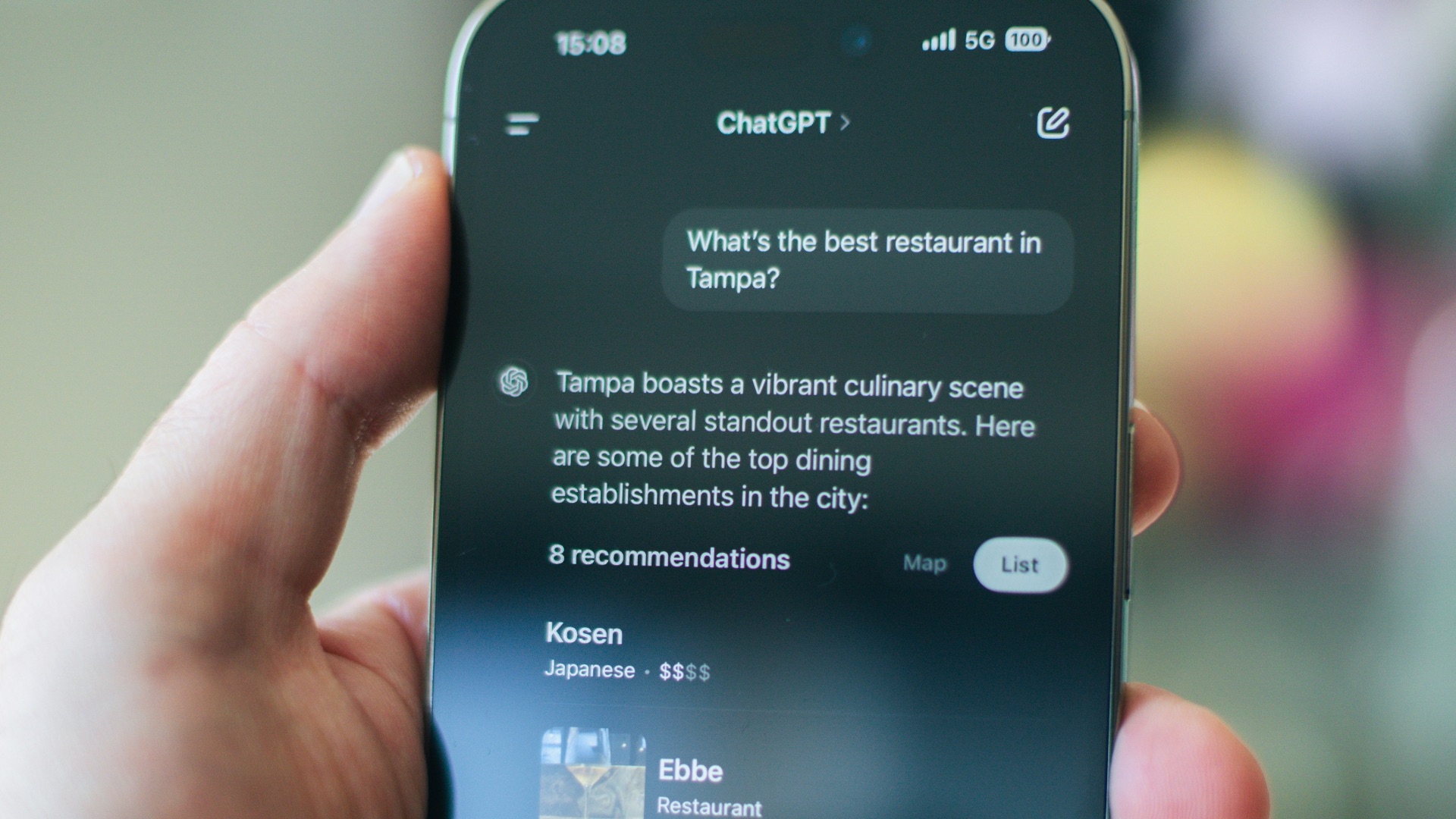
AI-generated statements can be grammatically polished and delivered without the uncertainty people often show when they're unsure. That confidence makes incorrect information especially convincing because there may be no obvious warning that something is wrong. Unless you check the facts yourself, certainty in the wording can easily be mistaken for certainty in the evidence.

5. It Agrees with Your Point of View
When AI validates your opinion or interpretation, the interaction can feel surprisingly satisfying. People naturally respond well to being understood, particularly when discussing subjects they care strongly about. If a system agrees too readily, however, it may strengthen your existing beliefs instead of helping you examine whether they're accurate.
6. It Learns Your Preferences Over Time
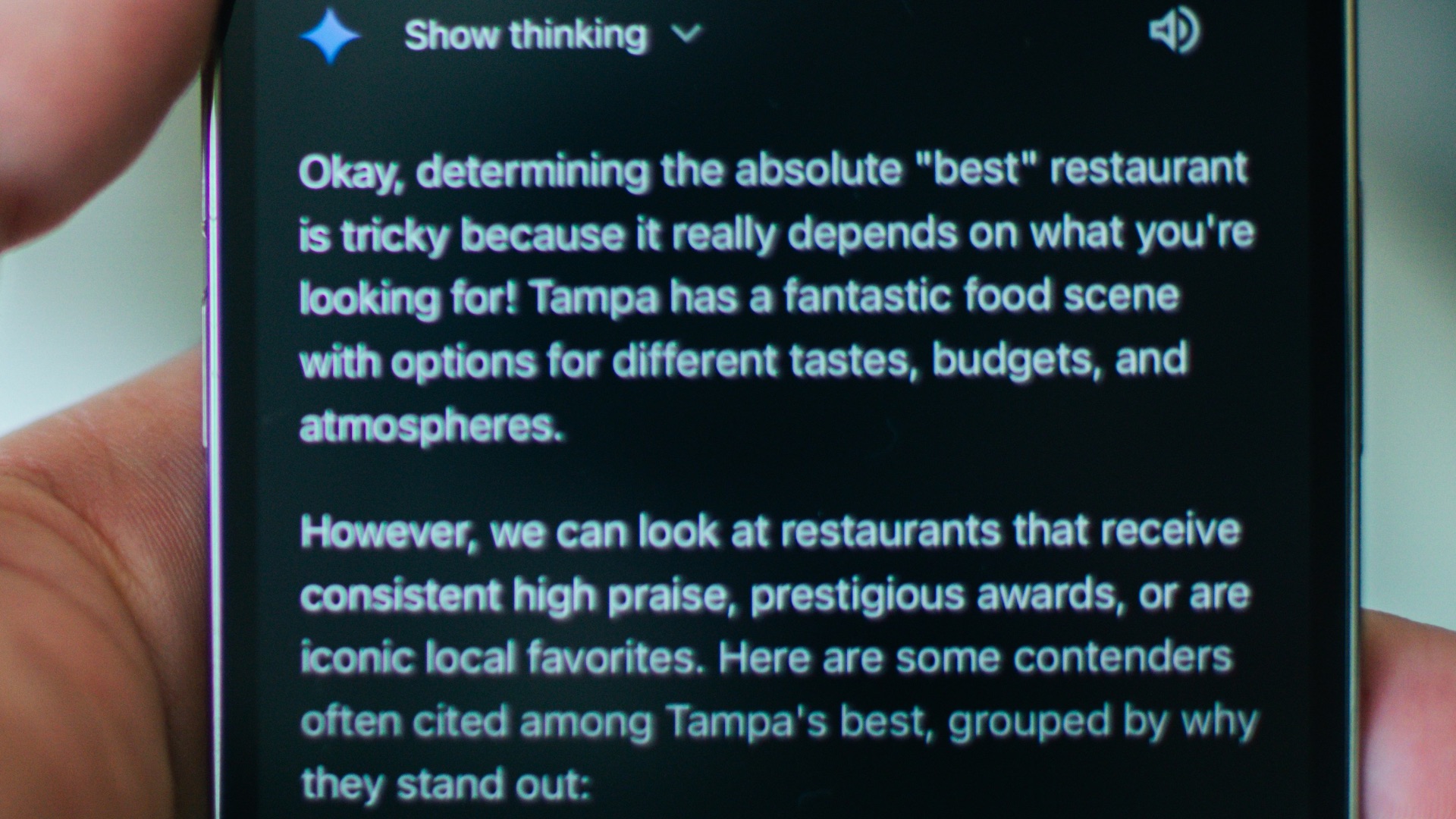
Repeated interactions allow AI systems with personalization features to tailor future responses around what you've previously liked or requested. That means recommendations can become increasingly relevant to your habits, interests, and priorities. The more useful those suggestions become, the easier it is to forget that personalization isn't the same thing as independent judgment.
7. It Never Seems Too Busy for You
You don't have to worry about interrupting an AI, catching it at the wrong moment, or asking too many questions. It's available whenever the service is running, and you can continue a conversation for as long as you want. That constant availability can make people increasingly comfortable turning to AI before asking another person for advice.

8. It Doesn't Get Annoyed by Repetition
Ask an AI the same question five times and it'll continue responding without showing frustration. That patience is especially appealing when you're trying to understand something complicated or work through an uncertain decision. Because the interaction feels judgment-free, you may eventually disclose things you wouldn't normally share so freely with software.

9. It Can Sound Empathetic
Modern AI can recognize emotional cues in language and respond with reassurance, encouragement, or concern. Even when you know intellectually that the system doesn't experience emotions like a person does, the wording can still produce an emotional response. That distinction becomes important whenever comforting language starts influencing how much authority you give its advice.

10. It Gives Highly Personalized Recommendations
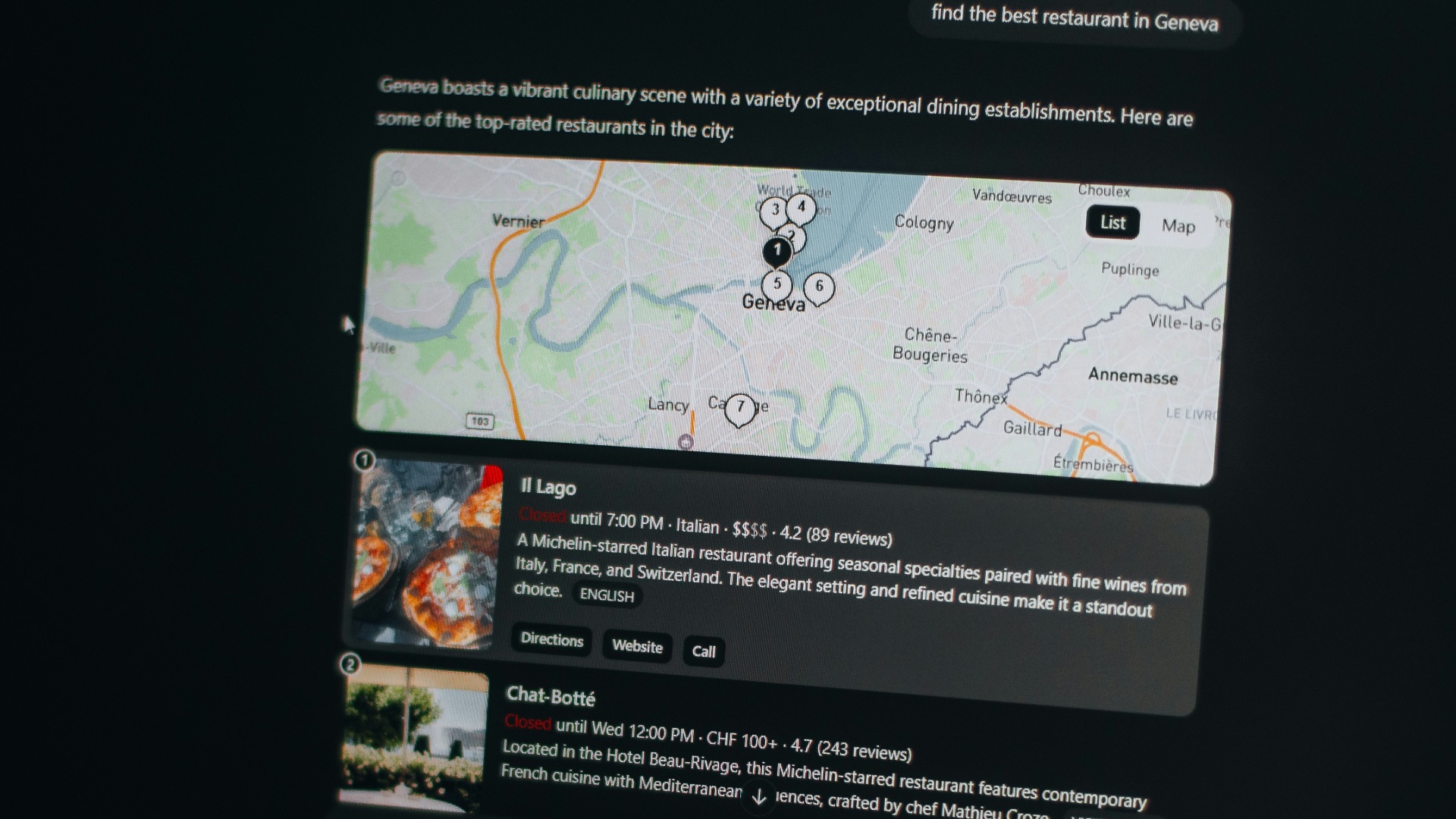
Instead of offering generic suggestions, AI can incorporate your stated budget, interests, schedule, goals, or past preferences. A recommendation designed specifically around your circumstances naturally feels more thoughtful than a broad internet search. Once those suggestions repeatedly work out, you may start accepting future recommendations with considerably less scrutiny.
11. It Can Explain Things in Exactly the Way You Need
If one explanation doesn't make sense, AI can simplify it, expand it, give another example, or approach the subject from a different angle. That adaptability makes it an effective teacher for everything from mathematics to unfamiliar technology. Successful explanations can also create an assumption that the AI is equally dependable in subjects where mistakes carry much greater consequences.
12. It Can Sound Like Someone You Know
Give an AI enough examples of how a person writes or speaks, and it can reproduce many of their recognizable habits, including favorite phrases, sentence structure, humor, and tone. The result can feel unnervingly familiar, especially when it resembles the way a friend, coworker, or family member normally communicates. That resemblance can lower your skepticism because you're already accustomed to trusting the person whose style is being imitated. It also helps explain why AI-generated messages can become especially convincing in impersonation scams or other deceptive situations.
 https://kaboompics.com/ on Pexels
13. It Can Remember Details People Forget
Depending on the system and its settings, AI may retain preferences or information from previous conversations. When it recalls something you mentioned weeks earlier, that continuity can create a surprisingly strong sense of familiarity. Remembering details is useful, but it can also make software feel more personally attentive than it really is.
14. It Corrects Itself When Challenged
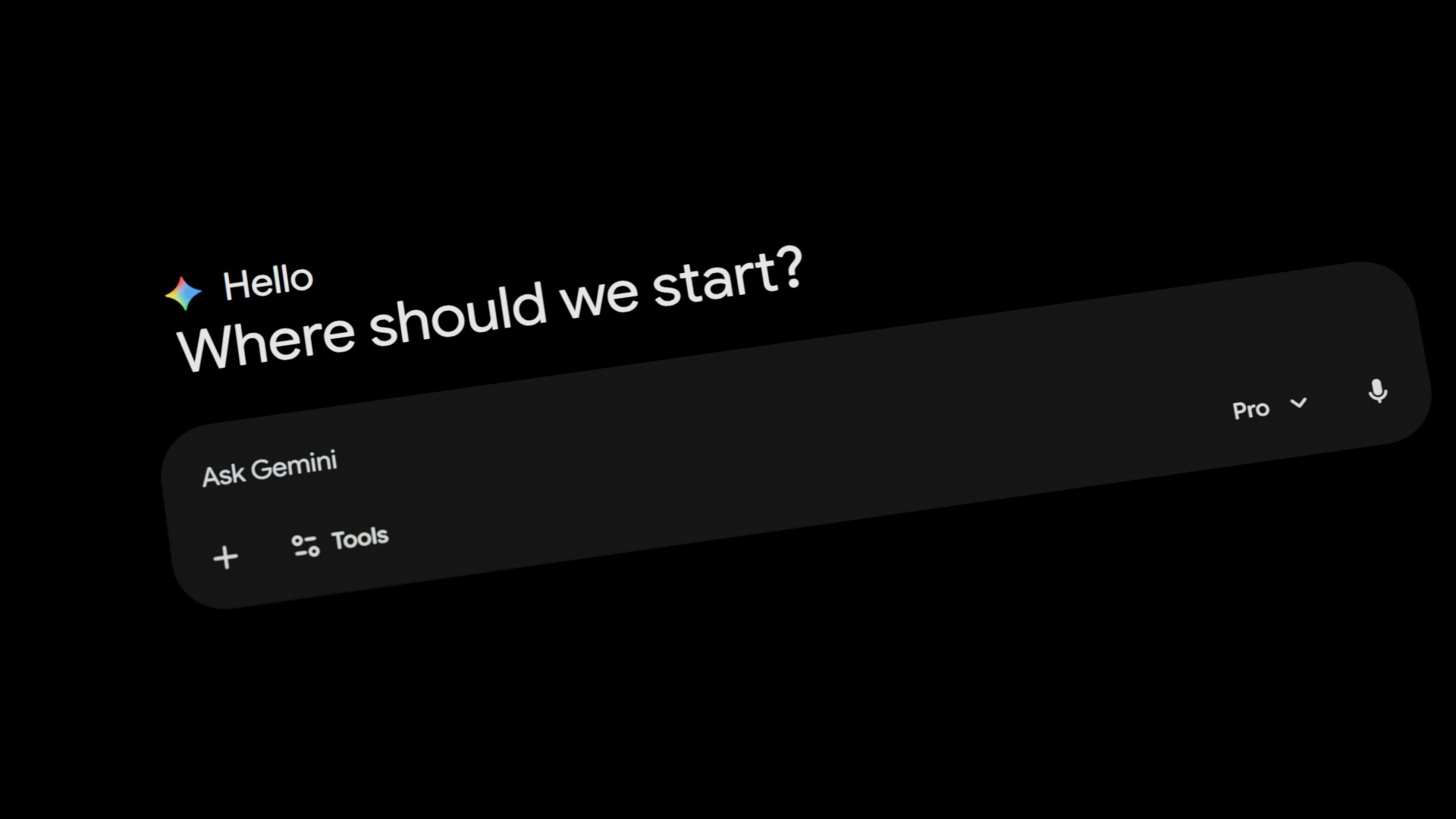
If you point out a possible mistake, AI can reconsider its answer, apologize, and provide a revised explanation within seconds. That responsiveness can make the system appear unusually reasonable compared with people who may become defensive when corrected. Still, an AI admitting one mistake doesn't guarantee that its replacement answer is correct either.
15. It Can Produce Evidence-Looking Details
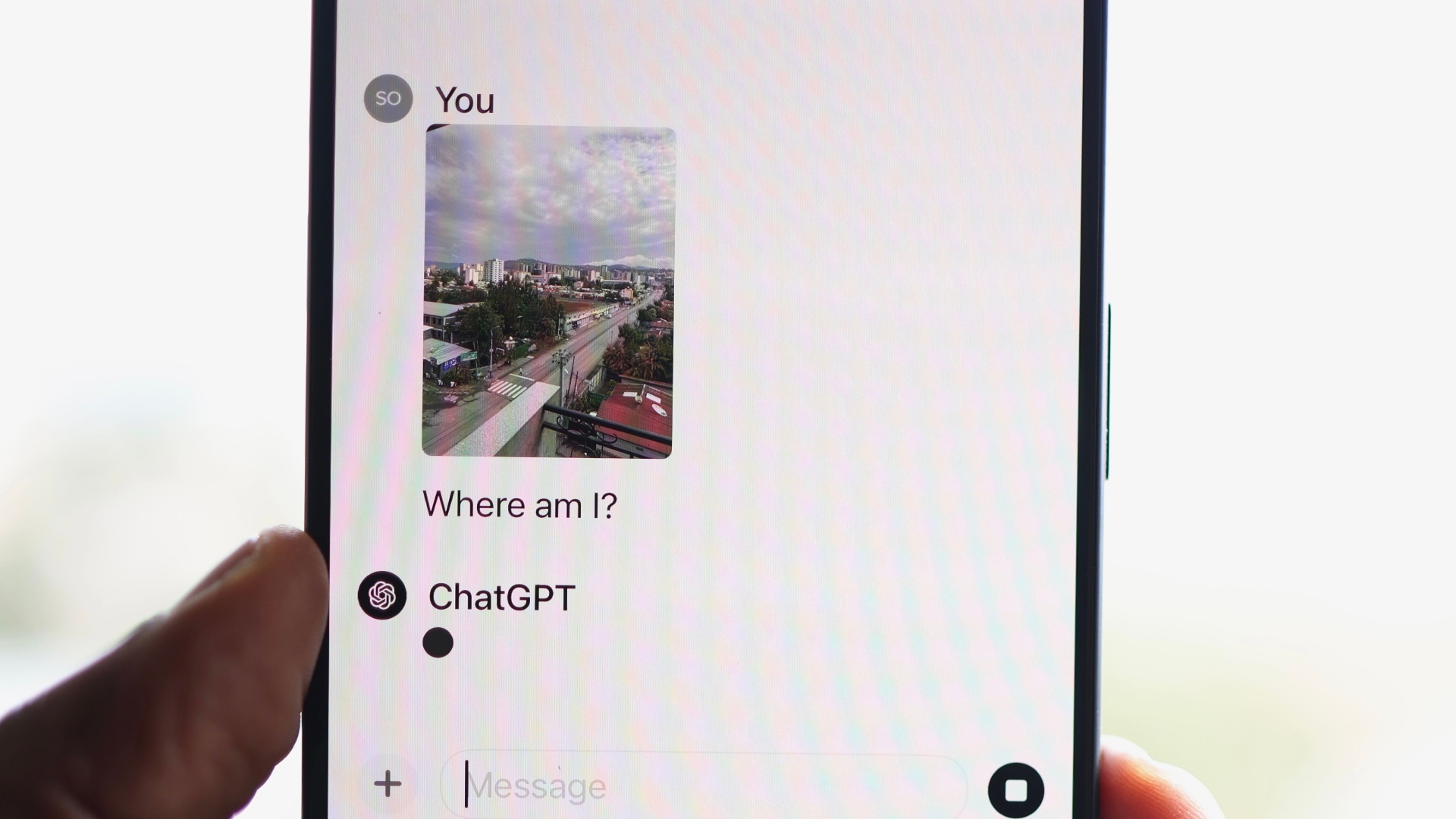
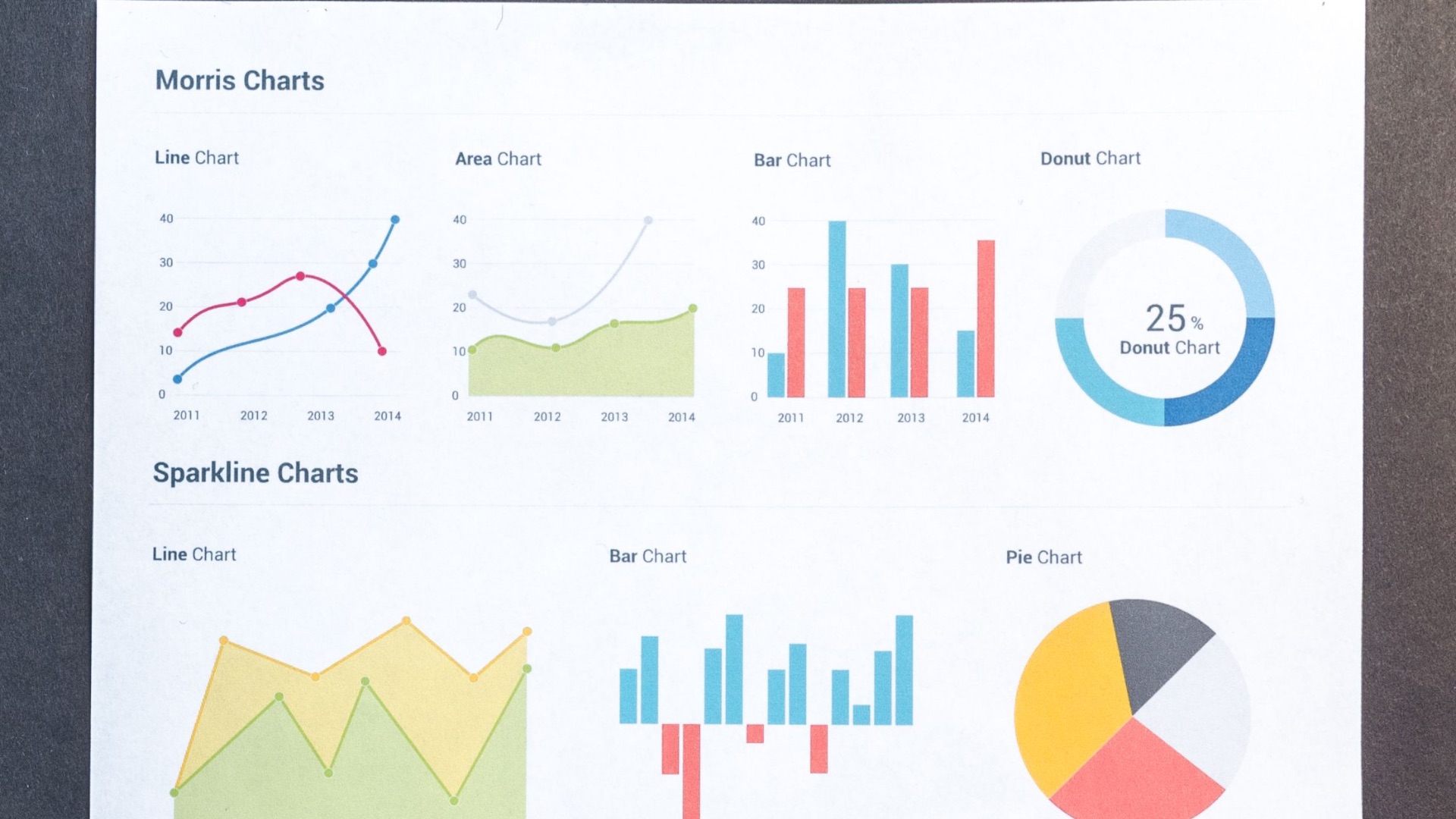
Dates, statistics, technical terminology, quotations, and specific names can make an answer look thoroughly researched. Unfortunately, AI systems can sometimes produce inaccurate details with the same polished presentation they use for correct ones. The more specific an answer sounds, the more tempting it becomes to assume somebody or something must have verified it.
16. It Becomes Part of Your Routine
Trust often develops through repeated ordinary use rather than one dramatic experience. You might begin by asking AI to fix grammar, then use it for recipes, travel ideas, work questions, purchases, and personal decisions. Once the technology becomes an everyday tool, checking whether each answer deserves the same level of confidence can start feeling unnecessary.
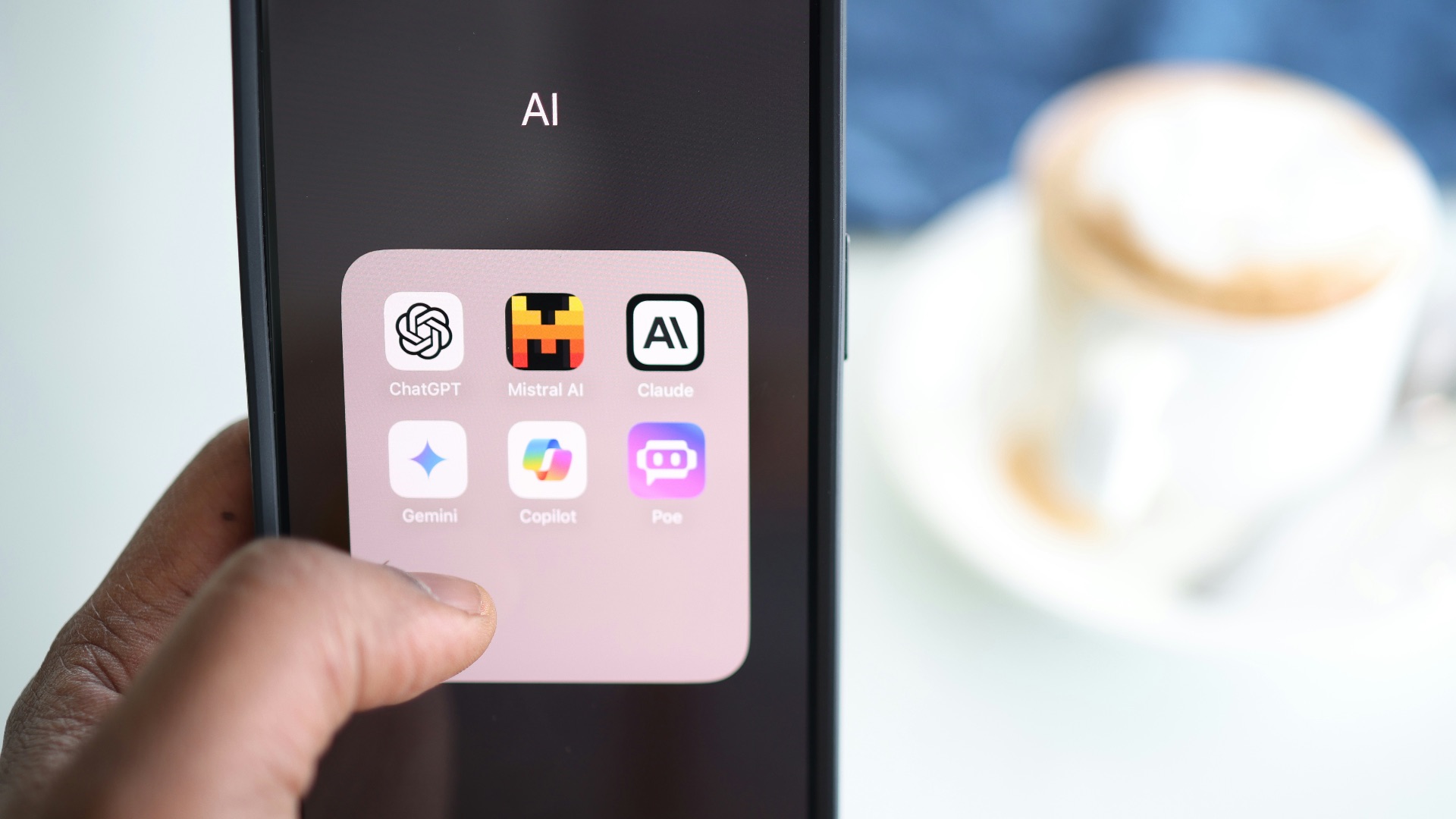
17. It Can Anticipate What You Want
AI systems can sometimes predict your likely next question or suggest options based on information you've already provided. When those predictions are accurate, the experience can feel unusually intuitive. Repeatedly getting what you wanted before fully explaining it can strengthen the impression that the system understands your needs better than it actually does.
18. It Makes Complicated Tasks Feel Easy
Researching a topic, comparing options, organizing information, or drafting something from scratch can require considerable time on your own. AI can compress much of that effort into a short conversation, making difficult tasks significantly easier to manage. Convenience creates a powerful incentive to rely on the tool again, even when independent verification would still be wise.

19. It Can Become Your First Source for Answers
Once an AI has successfully answered dozens of everyday questions, opening it can become automatic whenever something comes to mind. You may gradually stop searching multiple sources because asking one system is faster and easier. That habit gives the AI enormous influence over what information you encounter first and how a subject is initially framed.
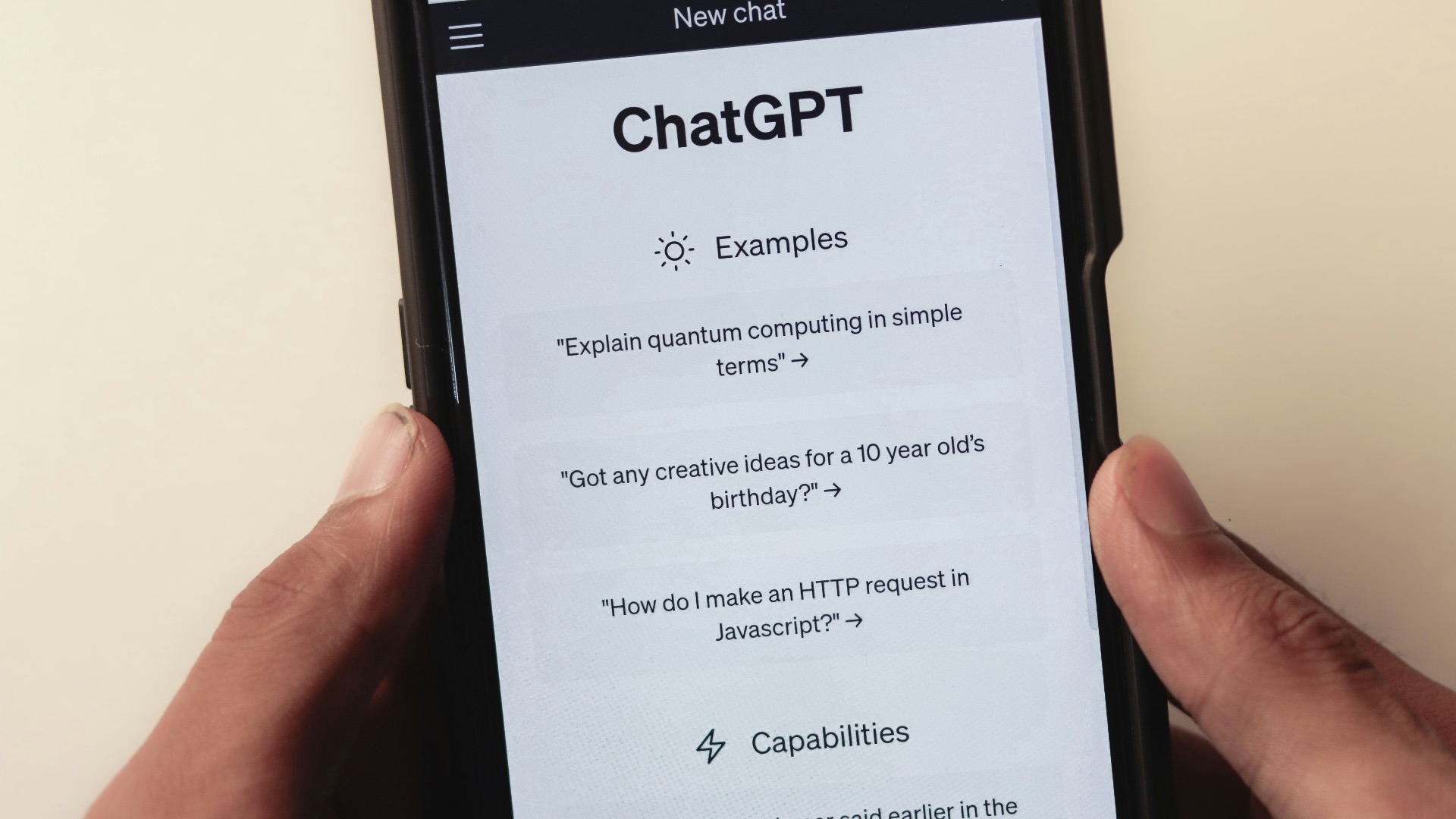
20. It Gets Enough Things Right
Perhaps the strongest way AI earns trust is simply by being useful most of the time. If it successfully helps you write emails, troubleshoot devices, plan meals, understand unfamiliar subjects, and organize your schedule, occasional mistakes can become easier to overlook. That's why the most important habit isn't refusing to trust AI altogether; it's remembering that a long record of helpful answers still doesn't make any single response automatically correct.