Some Technology Has True Lasting Power
New technology sometimes arrives with big promises to reshape everyday life, but its long-term fate is often impossible to predict. Certain technologies and devices remain useful for decades because they adapt well, solve everyday problems, and maintain industry support, whereas others disappear quickly because something simpler or more convenient came along. Here are 10 tech innovations that aged surprisingly well and 10 that became obsolete fast.
1. Ethernet
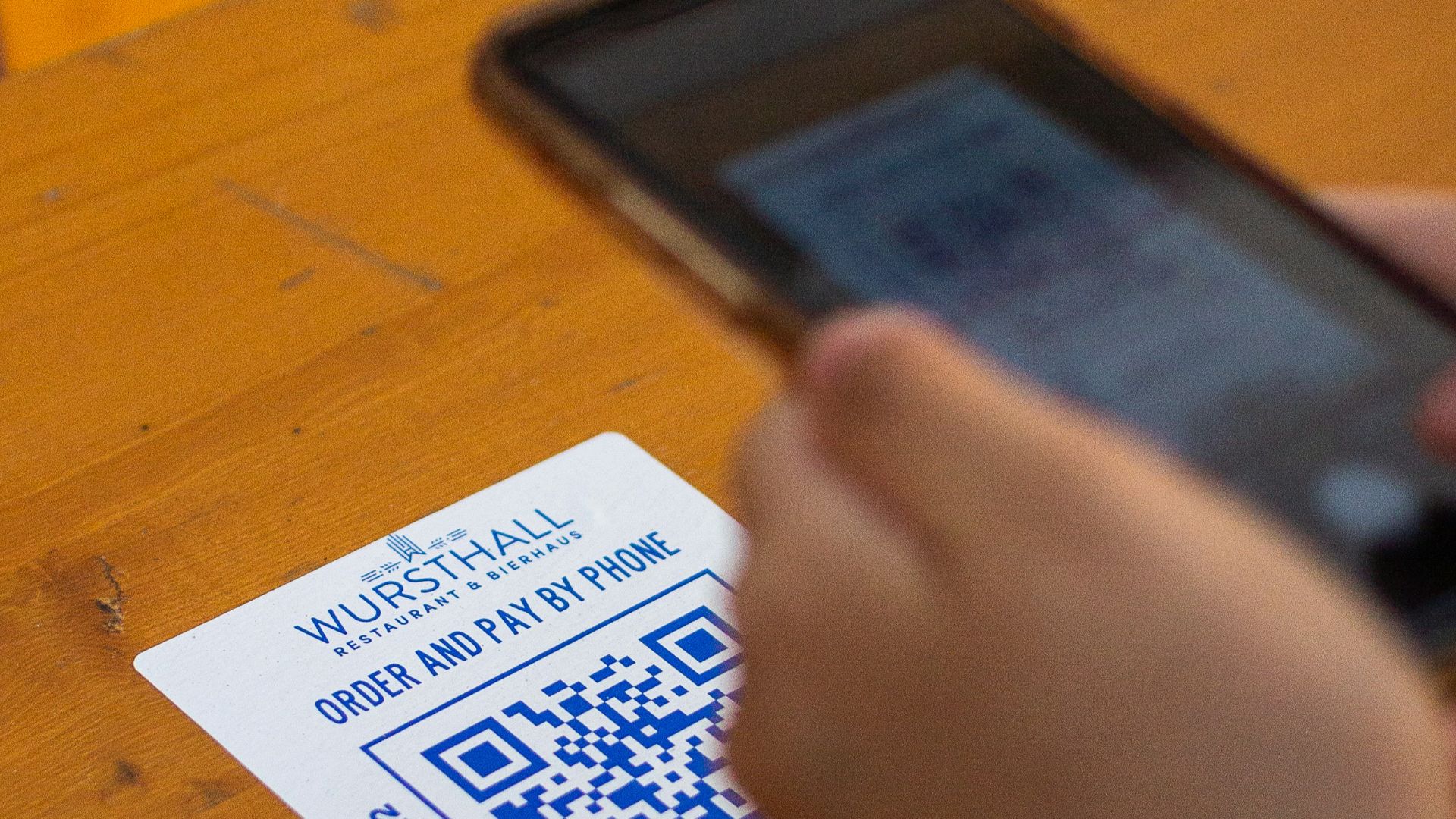
Ethernet dates back to the 1970s and remains imperative to the growth of modern computer networking. Wi-Fi is more convenient for many personal devices, but offices, servers, gaming setups, and data centers still rely heavily on Ethernet.
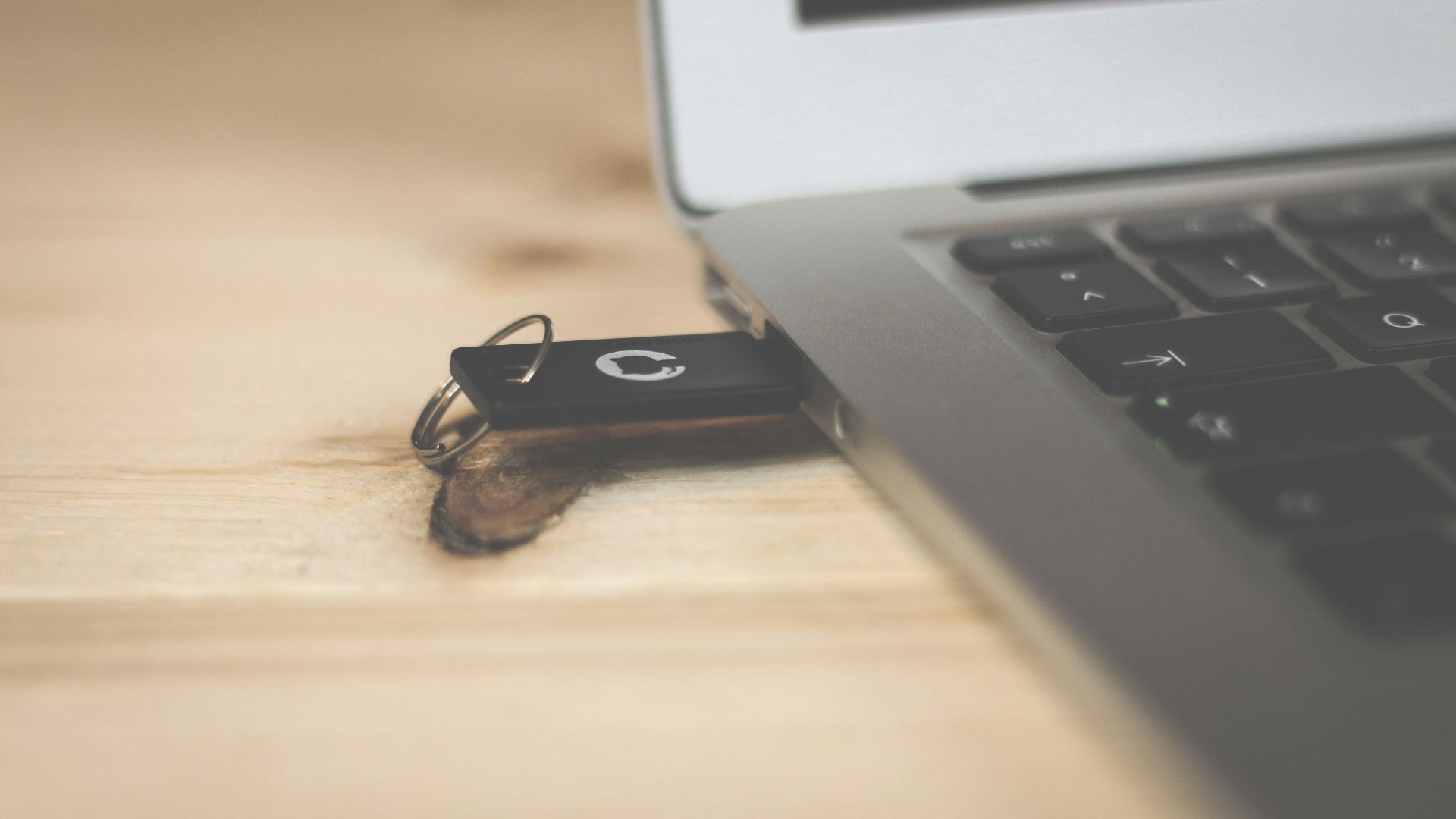
2. USB
USB arrived on the scene in the 1990s to replace a confusing assortment of computer connectors with a universal standard. Even with several generations and plug shapes, USB continues to be central to computers, phones, accessories, storage devices, and charging equipment. It sits in the background of our lives, fueling our daily activities.
3. Wi-Fi
Wireless networking became widespread in homes during the early 2000s, and its importance has only grown since then. Successive Wi-Fi standards have produced better speeds, range, efficiency, and support for crowded networks while maintaining an impressively broad compatibility.
4. Bluetooth
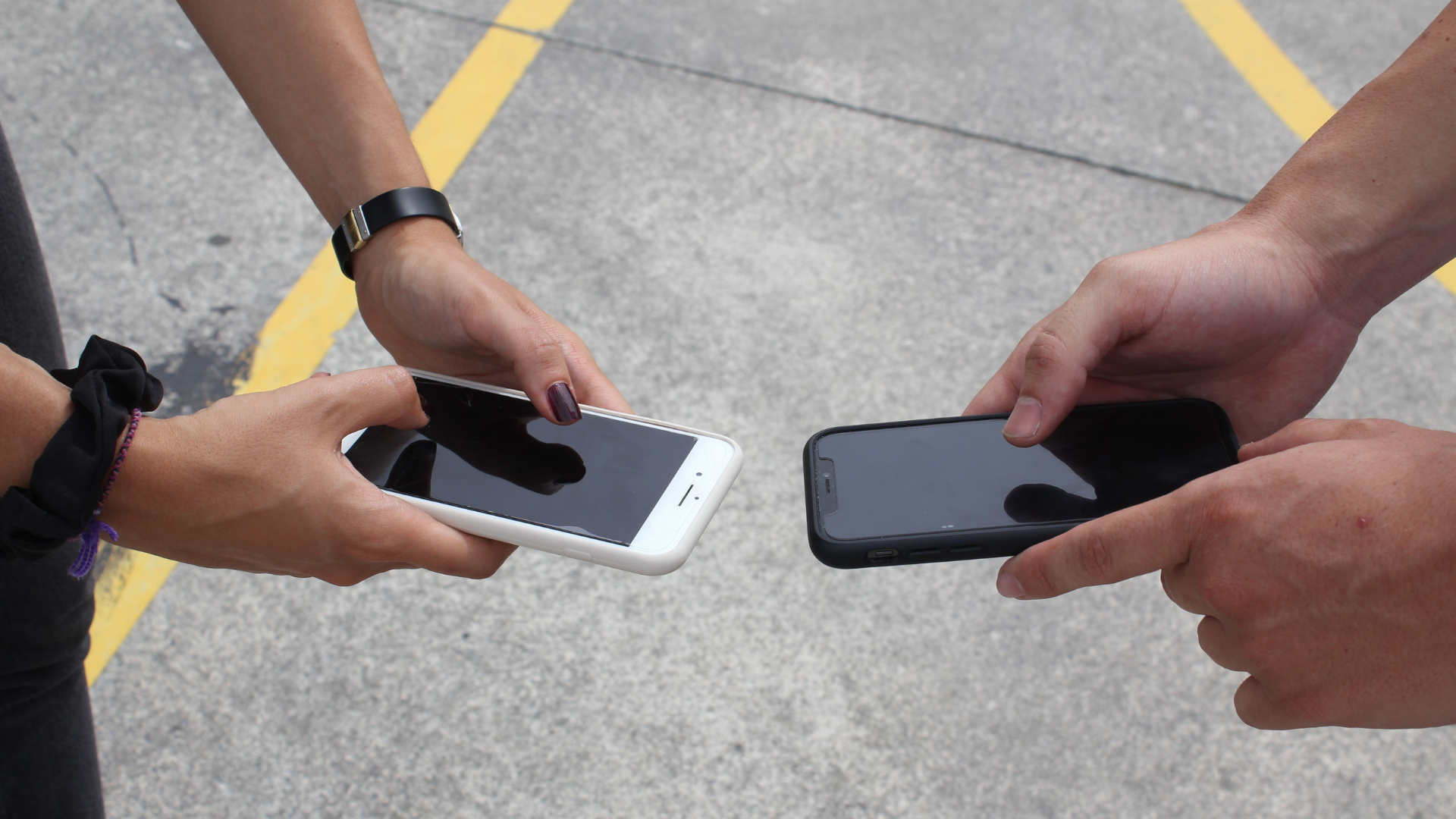
Bluetooth was initially developed as a convenient short-range wireless connection for devices like mobile phones and headsets. Speakers, earbuds, watches, cars, keyboards, controllers, and smart-home accessories all continue to use the technology decades later.
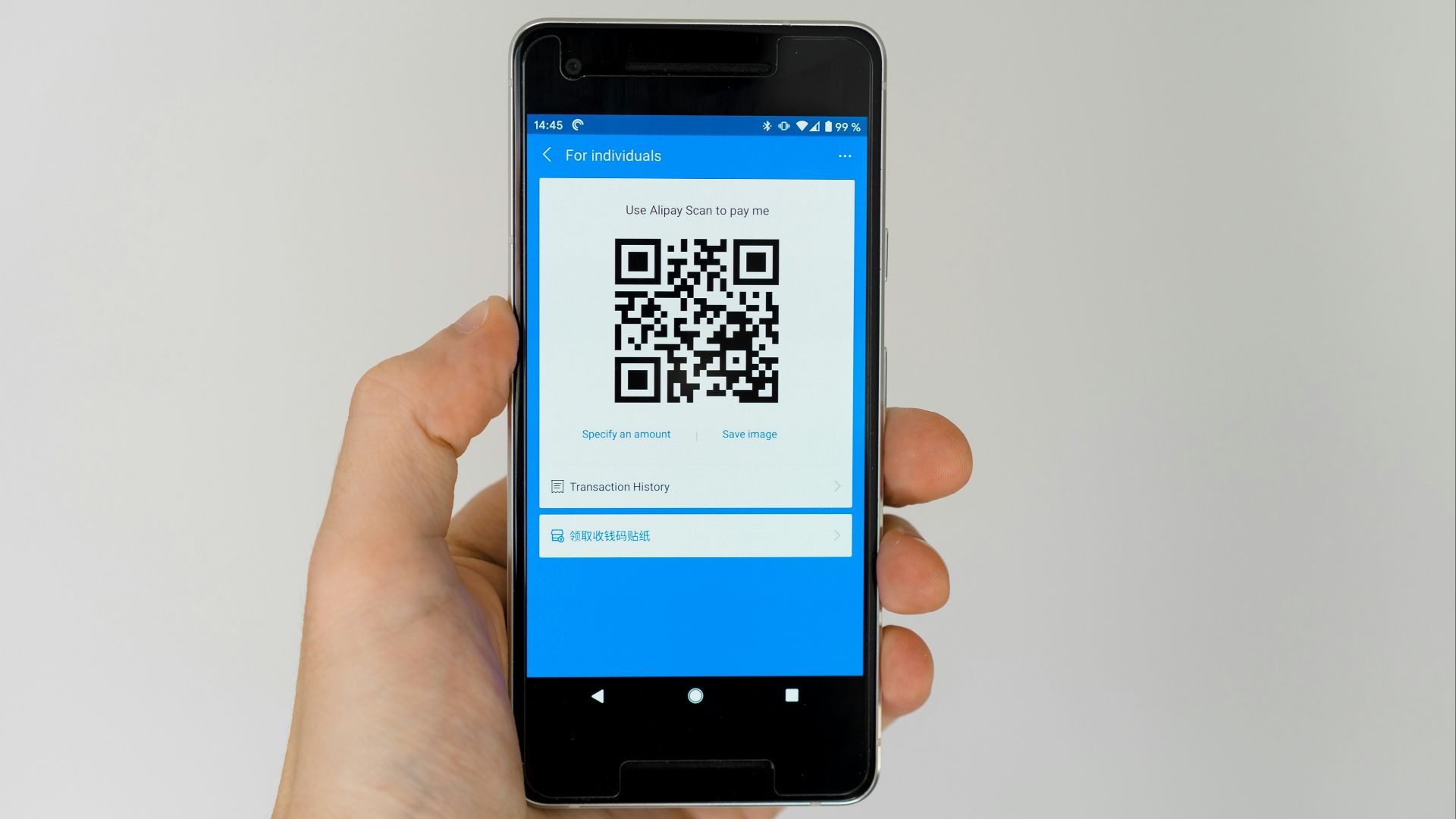
5. QR Codes
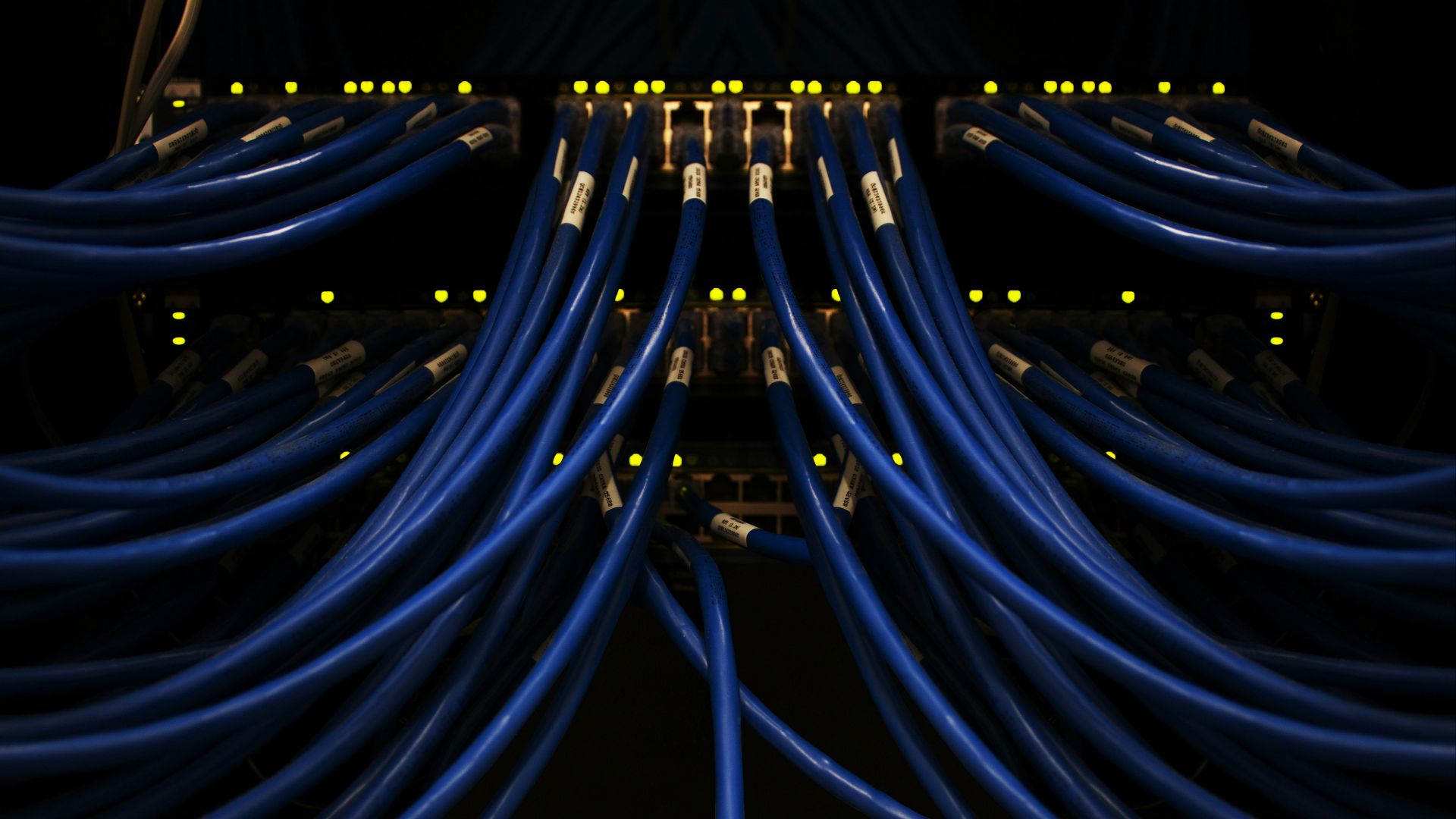
QR codes were developed in Japan in 1994 to help track automotive parts during manufacturing. For years, they remained relatively niche, but smartphones eventually gave millions of users an easy way to scan them.
6. PDF Files
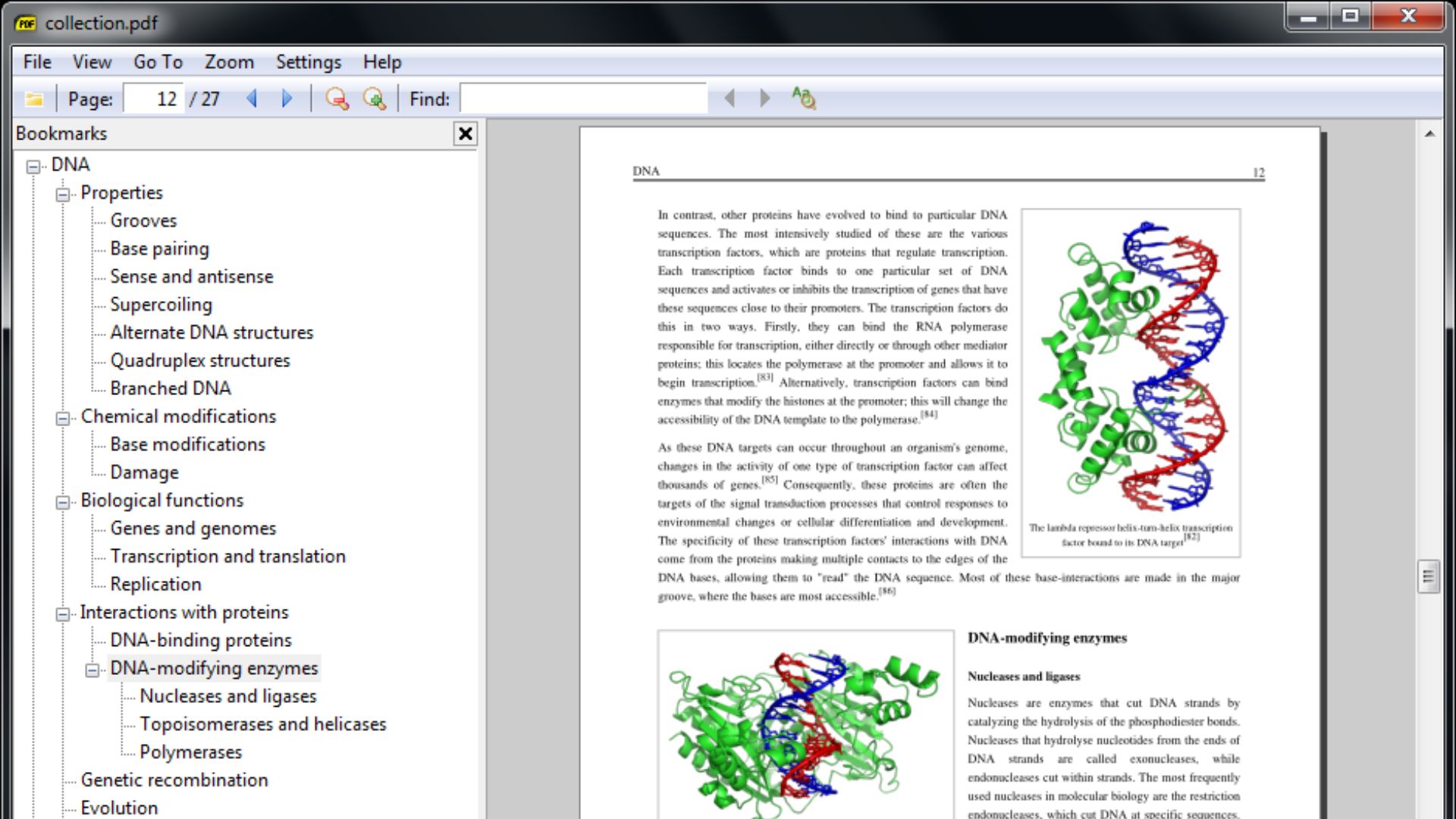
Adobe introduced PDF in 1993 to make documents appear consistently across different computers and operating systems. That straightforward goal remains important because businesses, governments, schools, and individuals still need reliable document sharing. The format has expanded to support forms, signatures, accessibility features, and security while safeguarding the familiar layout consistency that originally made it useful and popular.
7. E-Ink Displays
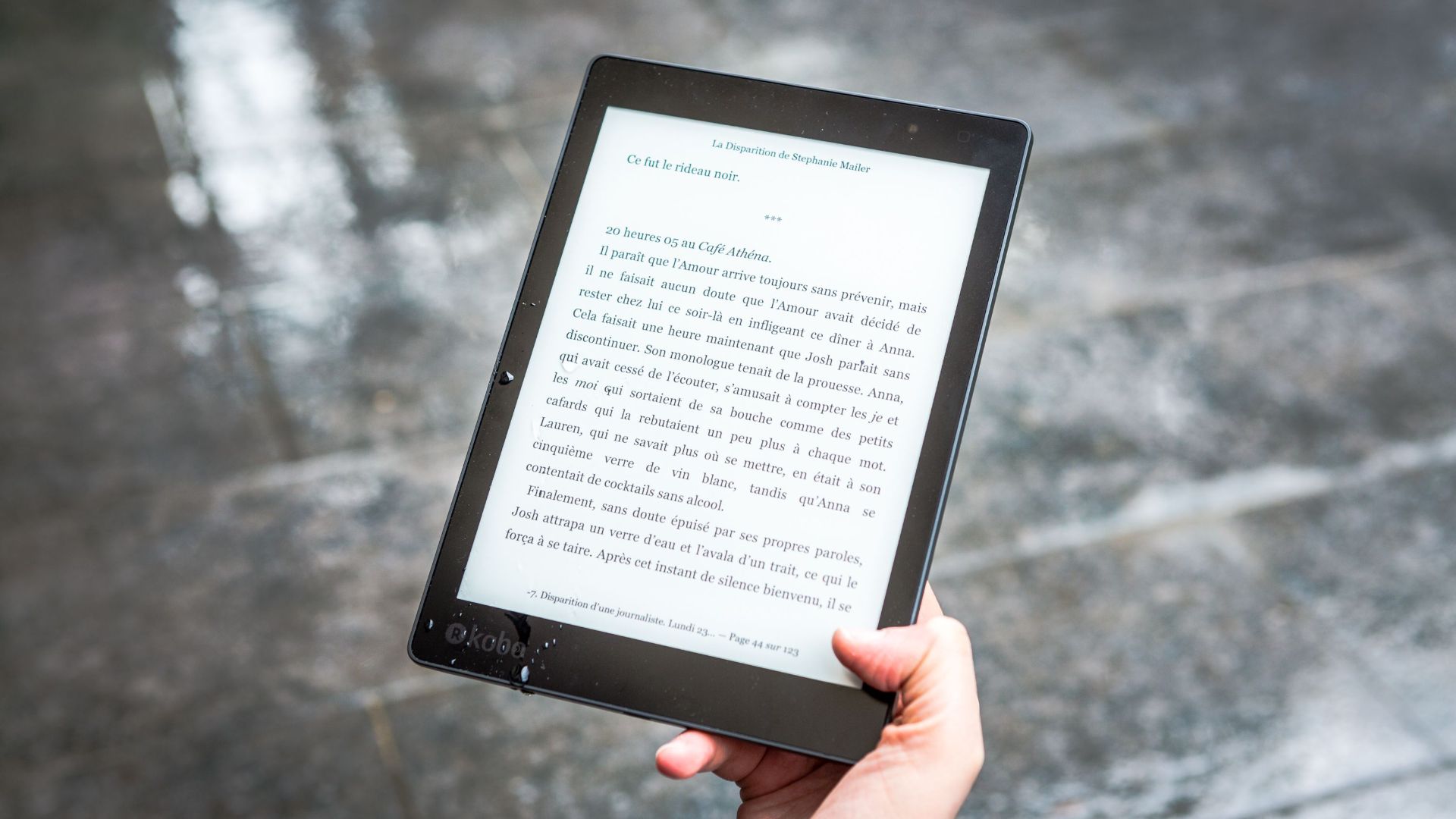
Electronic-paper screens became widely recognized via e-readers in the 2000s, but their distinctive benefits have kept them relevant. They use very little power while displaying static images and remain readable in bright sunlight, unlike many conventional screens. They are the perfect companion for a day at the beach.
8. Solid-State Drives
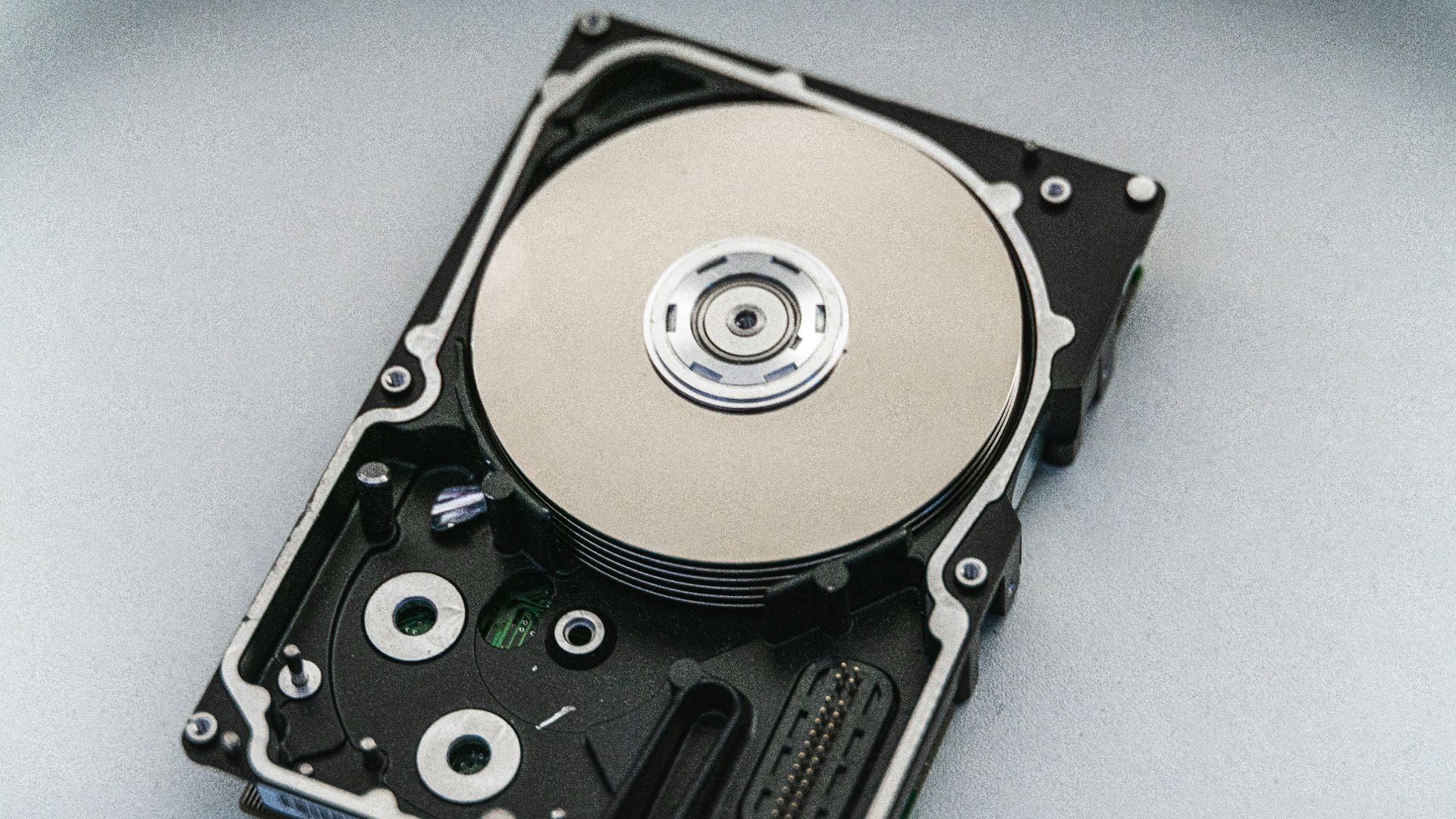
Solid-state storage existed long before SSDs became common in personal computers, but falling prices eventually made the technology practical for everyday users. Hard drives are still useful for inexpensive high-capacity storage, although SSDs now dominate laptops and many desktop systems.
9. HDMI
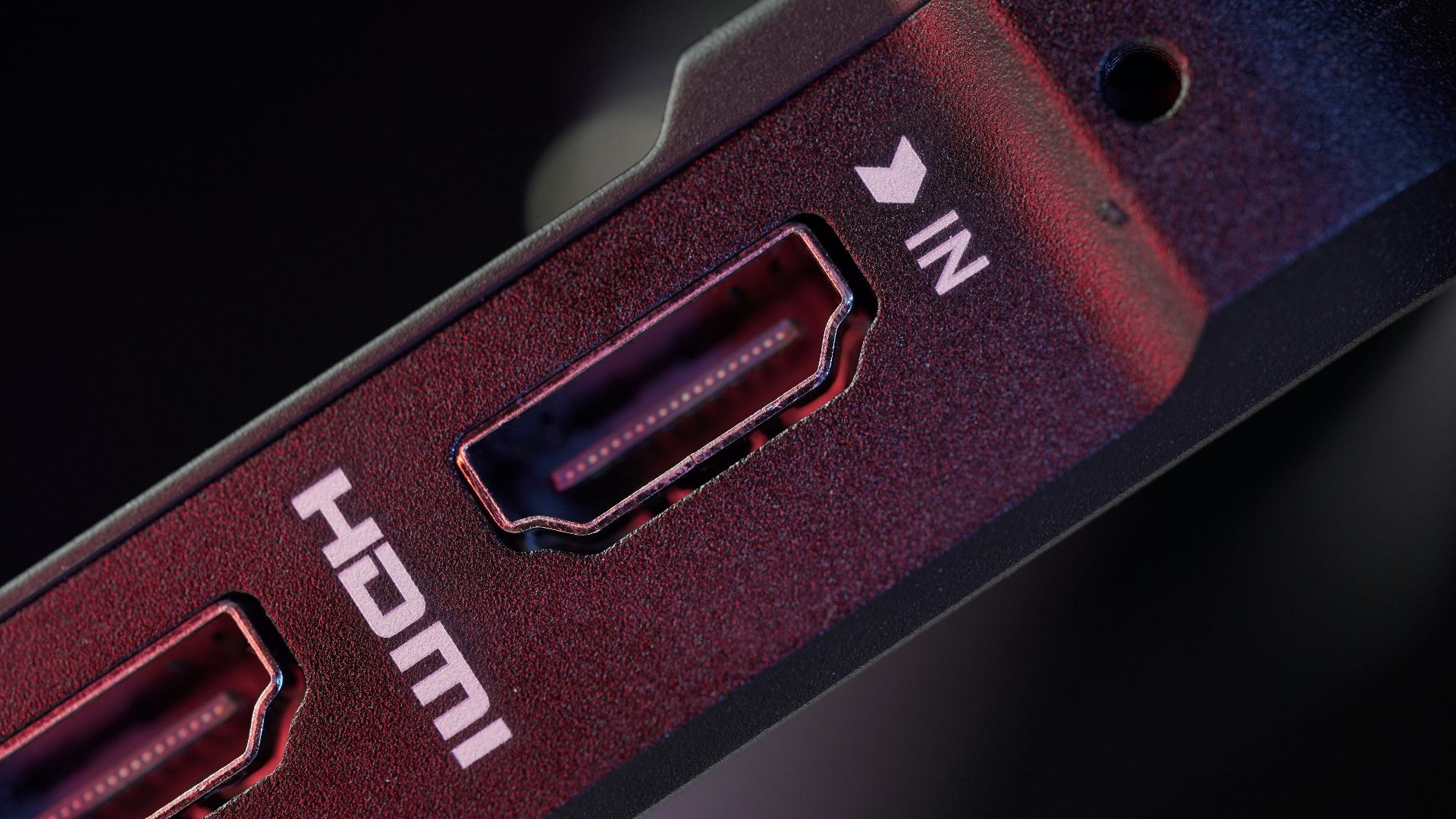
HDMI entered the market in the early 2000s as a convenient method for carrying digital audio and video through a single connection. Televisions, consoles, computers, monitors, and streaming devices still commonly rely on HDMI more than two decades later.
10. The 3.5mm Audio Jack
The common 3.5mm headphone connector evolved from much older telephone audio plugs, giving its standard design an unusually long history. A range of smartphones have removed it, but laptops, audio equipment, game controllers, musical gear, and countless headphones continue to support the connection.
1. HD DVD
HD DVD launched commercially in 2006 as the high-definition next step to DVD and quickly entered a format competition with Blu-ray. Consumers were torn over which format would gain long-term support, while major studios and retailers gradually favored Blu-ray.
2. Microsoft Kin
Microsoft released its Kin One and Kin Two phones nationwide in May 2010 with an emphasis on social networking. Microsoft discontinued the Kin line only a few weeks later, making it one of the company's most famously short-lived consumer products and biggest flops.
 BoliviaInteligente on Unsplash
3. Consumer 3D TVs
Television manufacturers pushed 3D viewing aggressively around 2010 following renewed interest in 3D movies. Consumer enthusiasm faded fast, and major manufacturers largely stopped offering 3D functionality in new televisions by the latter half of the decade.

4. Flip Video Cameras
Flip camcorders became popular in the late 2000s because they made casual digital video recording unusually easy. Smartphone cameras improved fast, however, and Cisco closed the Flip business in 2011 after phones offered much of the same functionality.
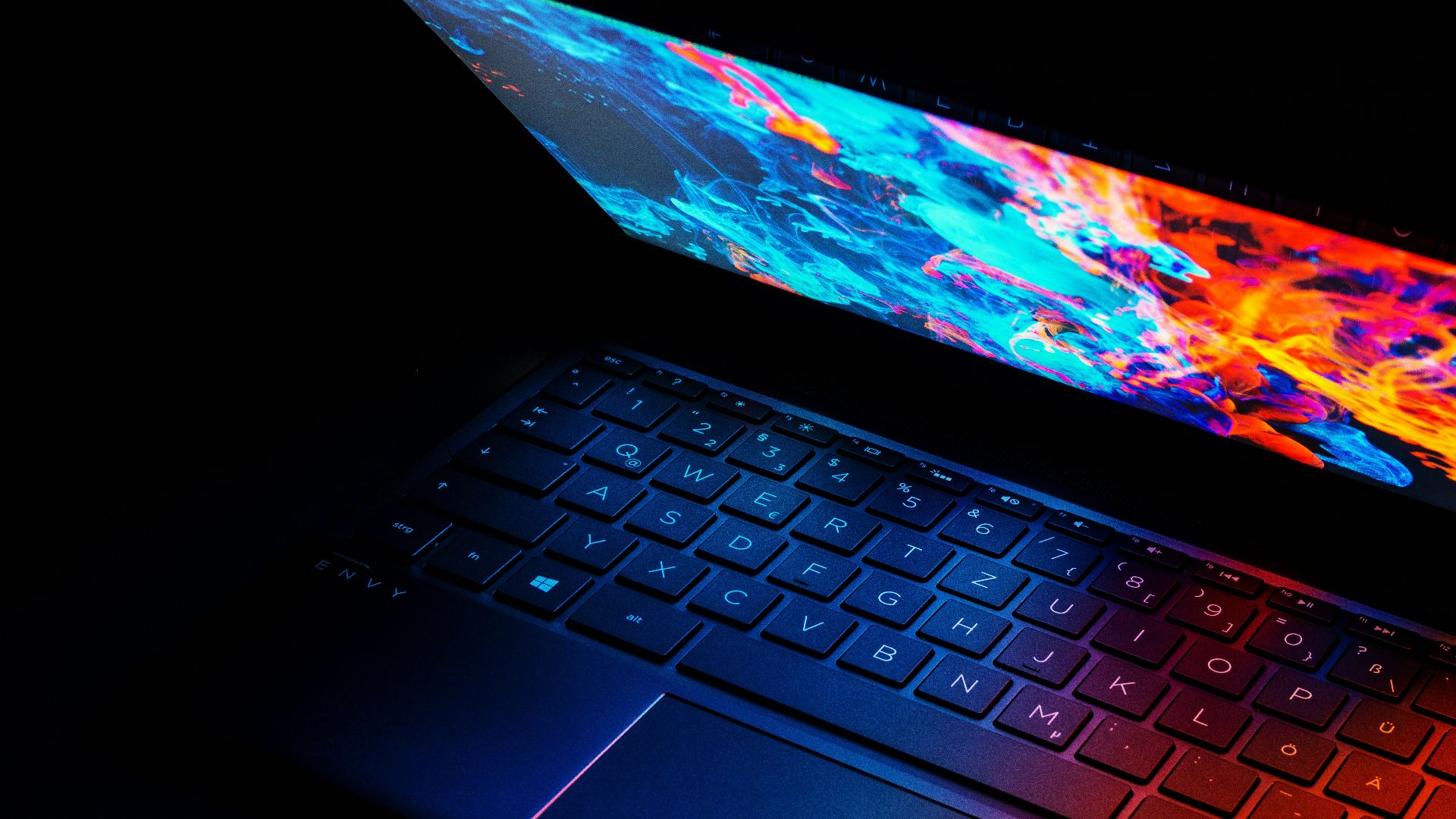
5. Netbooks
Netbooks became a major technology trend around 2008, promising affordable web access and basic productivity in a very small laptop. Tablets and thinner full-featured laptops soon offered more attractive alternatives, and the category largely vanished from mainstream retail in only a few years.
 James Jeremy Beckers on Unsplash
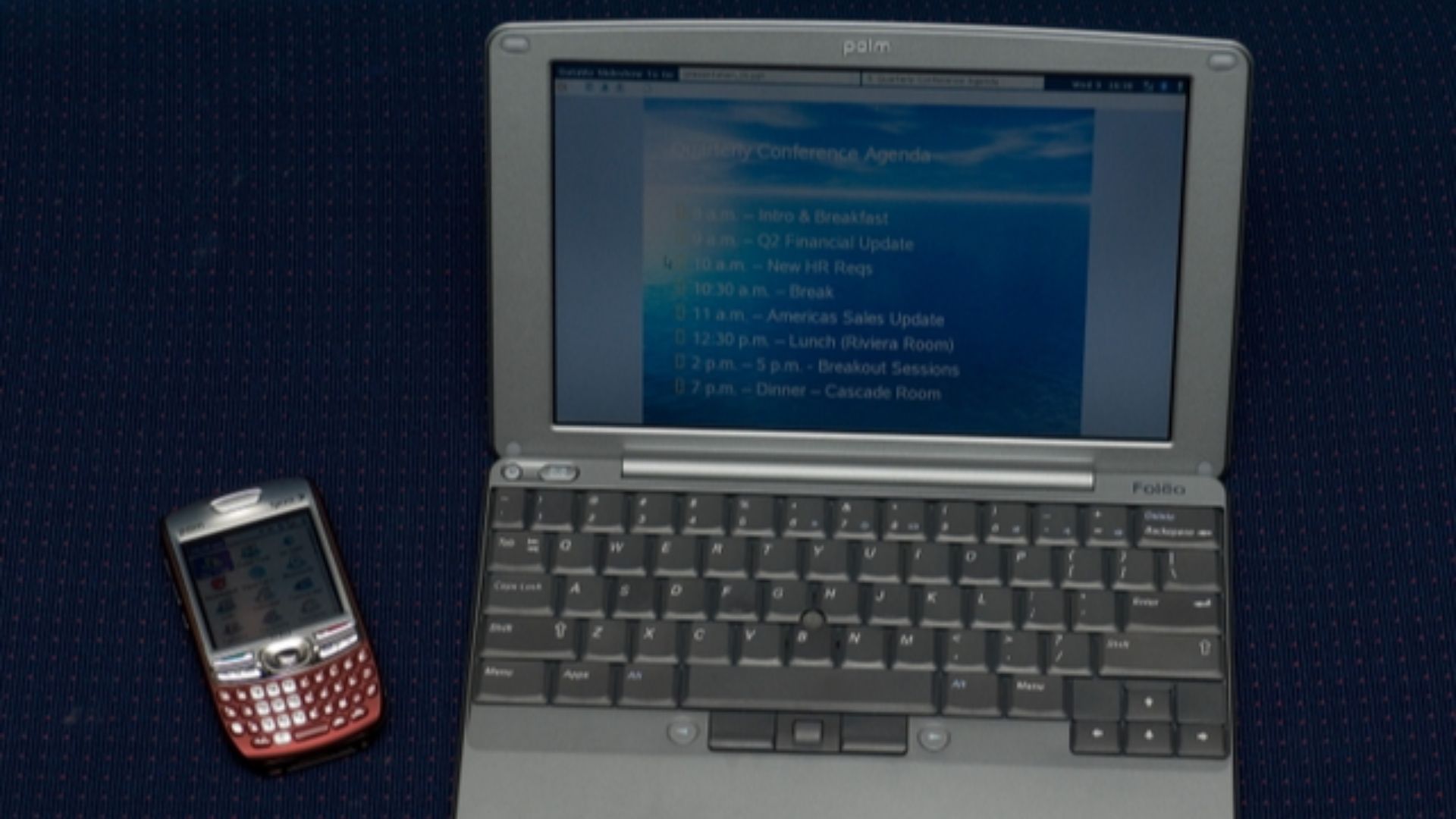
6. Palm Foleo
Palm announced the Foleo in 2007 as a lightweight mobile companion intended to work alongside smartphones. Palm canceled the product before its planned release, making the Foleo obsolete before most customers ever had the chance to hear about it.
 Thom Cochrane from Auckland, New Zealand on Wikimedia
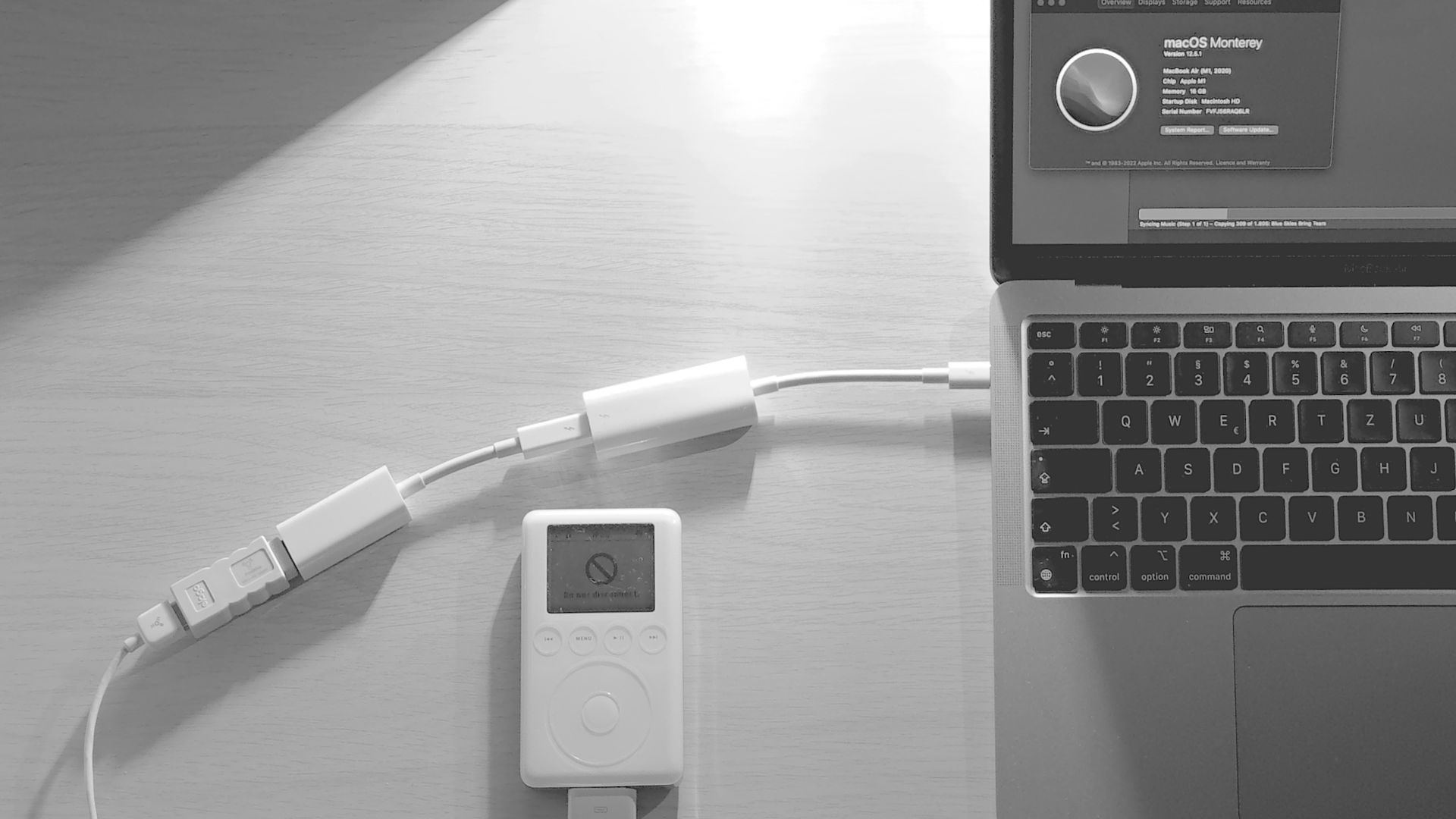
7. FireWire
FireWire offered fast data transfer during the late 1990s and early 2000s and became particularly popular with digital video equipment and certain external drives. Faster USB standards eventually became inexpensive and more universal, leading computer manufacturers to get rid of FireWire ports from mainstream devices.
 Thorsten Konersmann on Unsplash
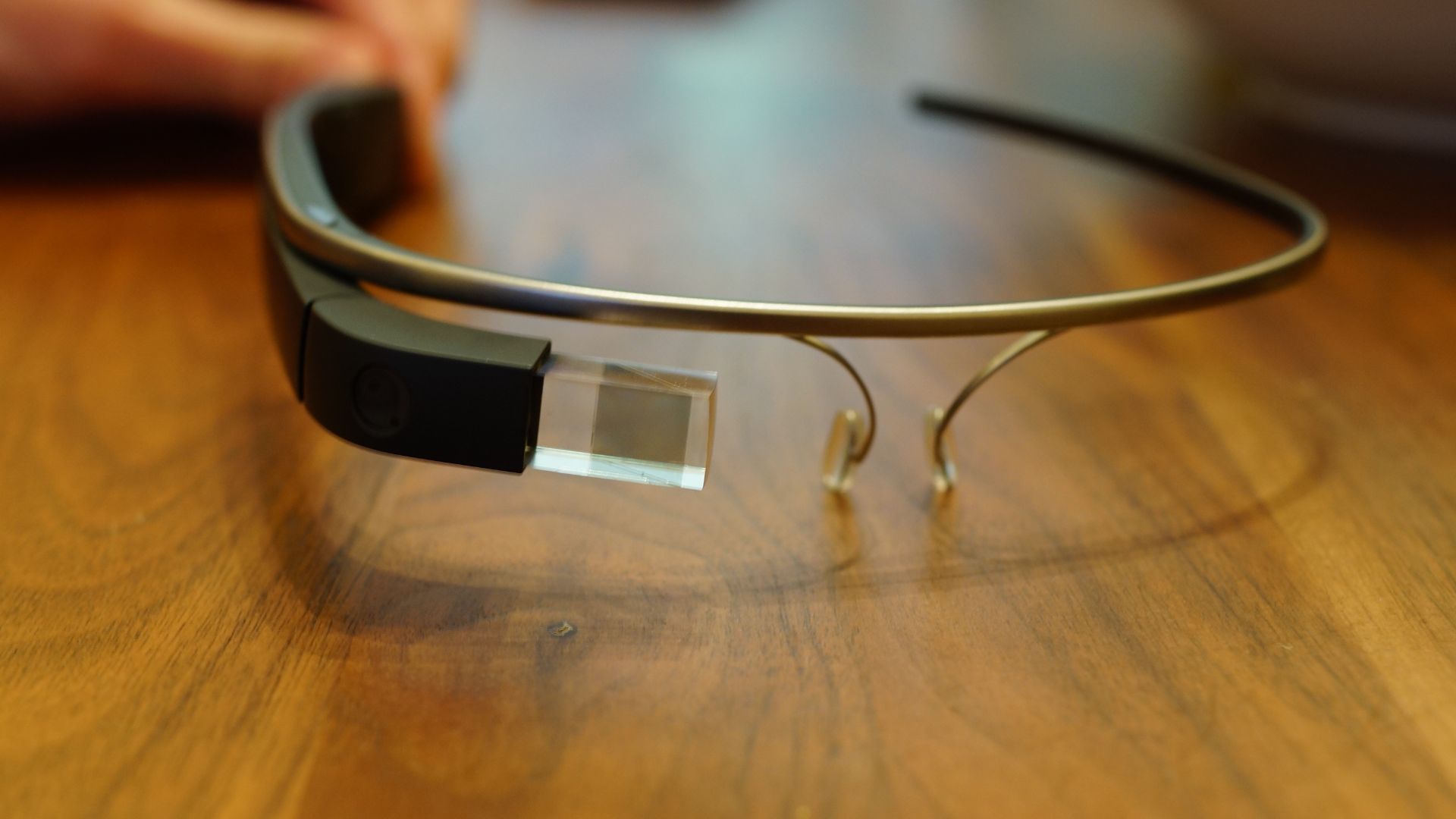
8. Google Glass Explorer Edition
Google Glass generated enormous buzz after early versions reached selected users in 2013. Google ended sales of the consumer-focused Explorer Edition only a few years later in 2015, although enterprise versions continued in specialized workplaces afterward.
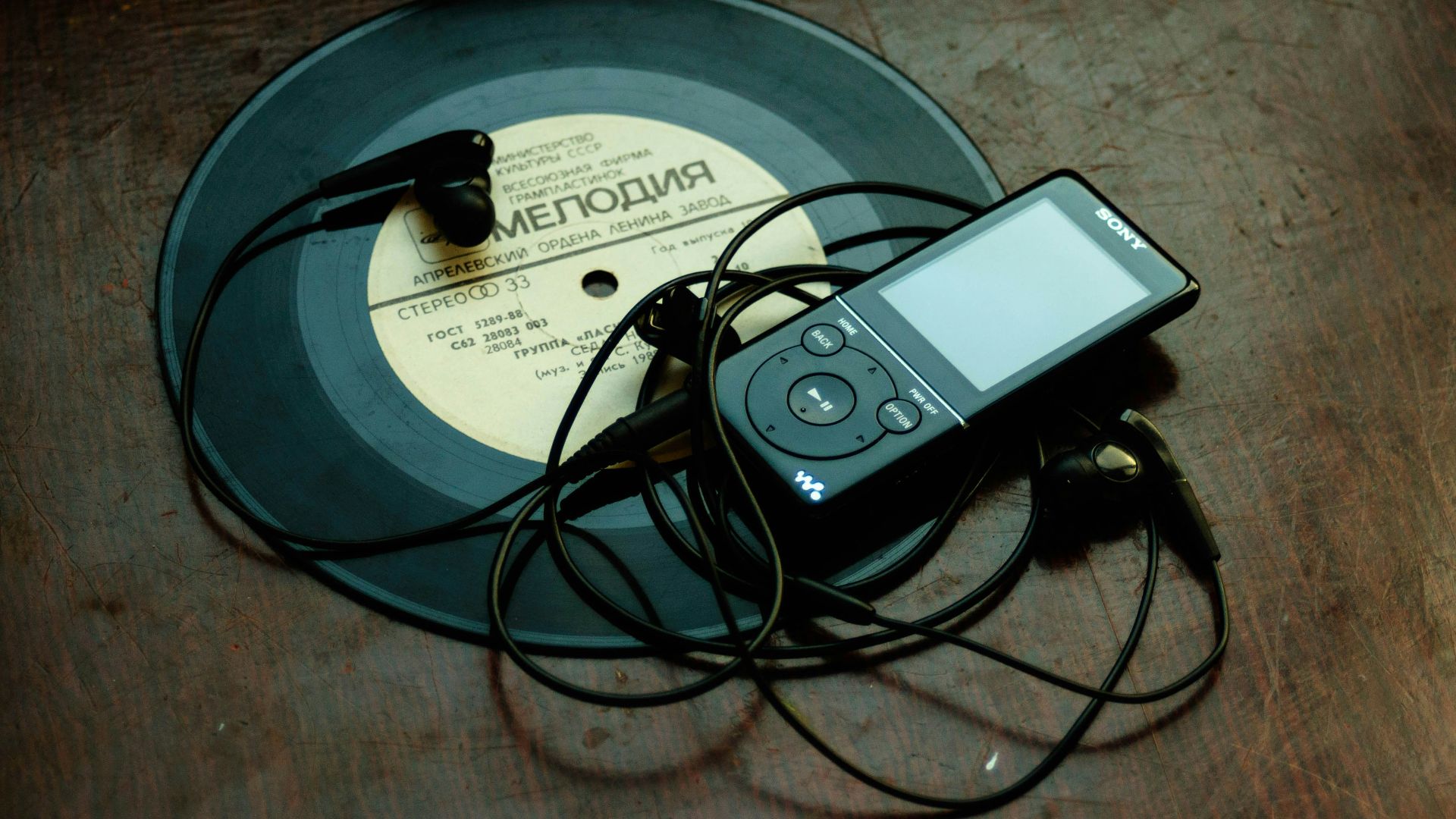
9. Dedicated MP3 Players
Portable MP3 players transformed the music industry in the 2000s by allowing people to carry thousands of songs without CDs. Once smartphones offered large storage capacities and streaming services became widespread, carrying a separate music player became unnecessary for most consumers.
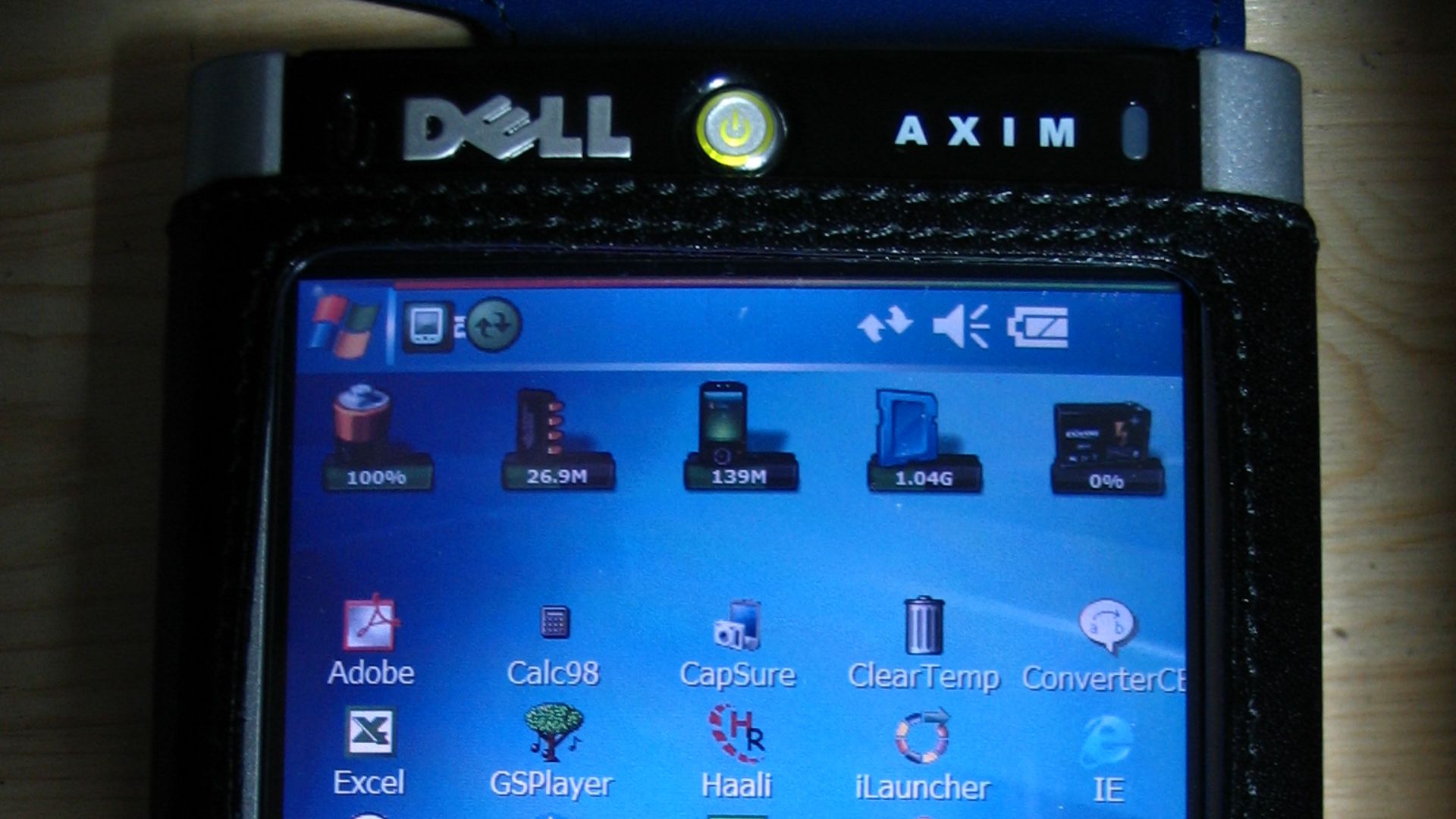
10. Personal Digital Assistants
Personal digital assistants such as Palm devices became widespread in the 1990s and early 2000s for calendars, contacts, notes, and basic mobile computing. Once modern smartphones matured, the standalone PDA rapidly lost any reason to exist as a separate consumer category.