Convenience Doesn't Always Mean Less Work
Technology often comes with a straightforward pitch: fewer steps, less effort, and more control over common tasks. Sometimes that promise is fulfilled beautifully, and a device becomes so useful that you quickly realize how inconvenient the old routine felt. Other products introduce apps, subscriptions, charging schedules, compatibility problems, or extra steps that make you miss the original problem. Here are 10 devices that promised simplicity and 10 that made life more complicated.
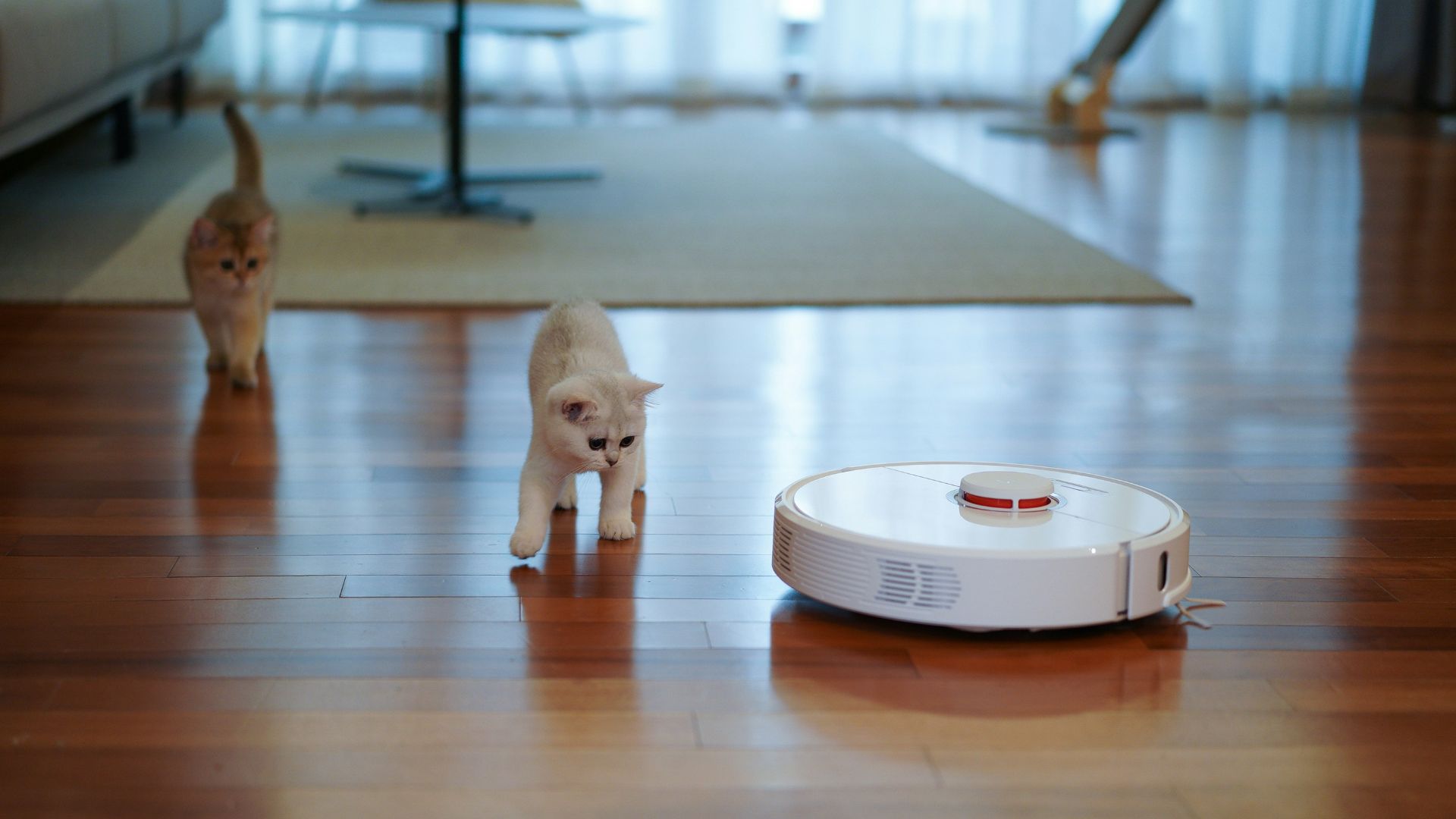
 Dreame Vacuum Cleaner on Unsplash
1. The Universal Remote
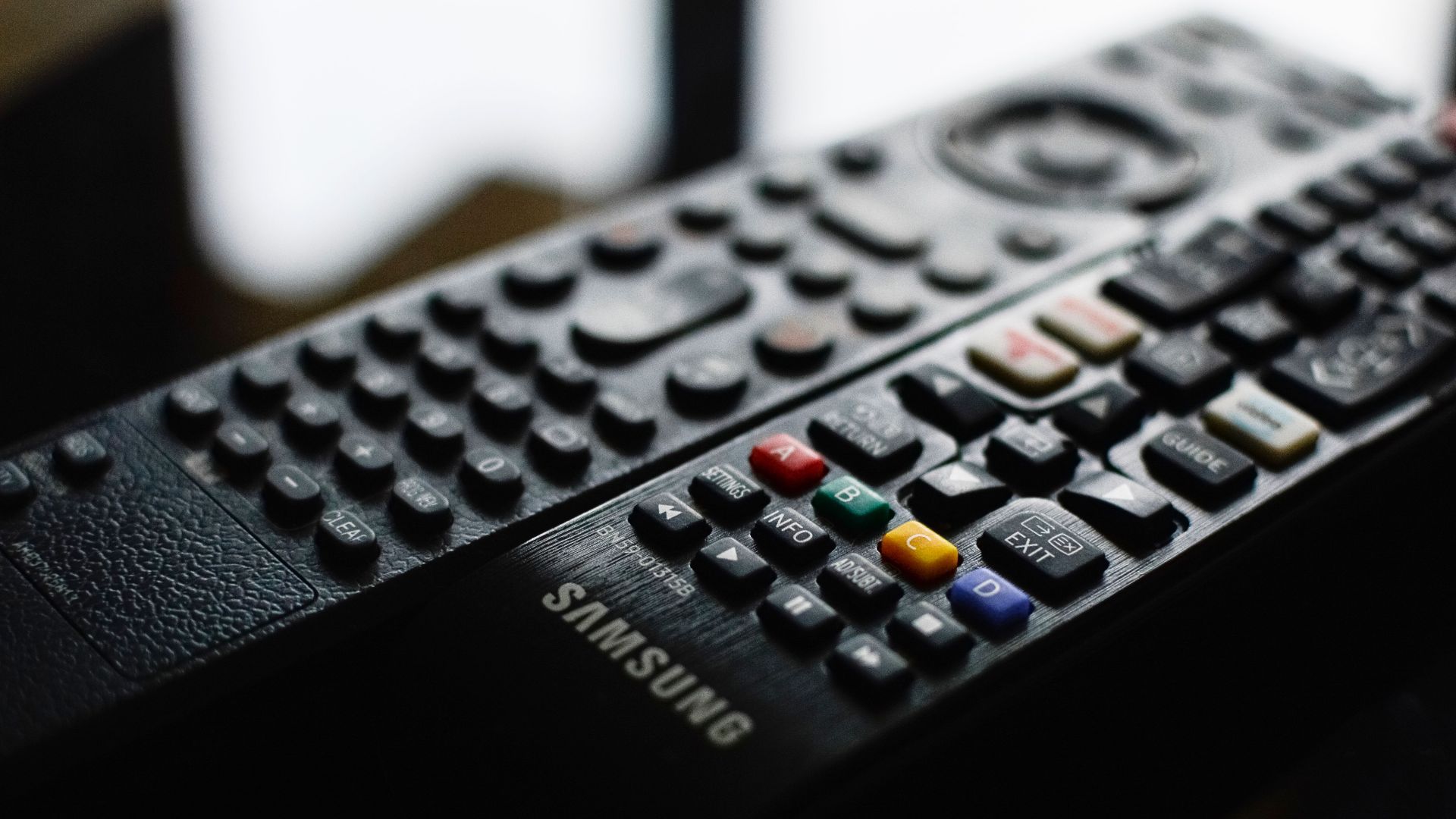
Before universal remotes became a thing, the common entertainment center required separate controls for the television, cable box, DVD player, and stereo. A programmable universal remote consolidated many of those functions into a single device and changed the way we relax in the evening.
2. The Automatic Coffee Maker
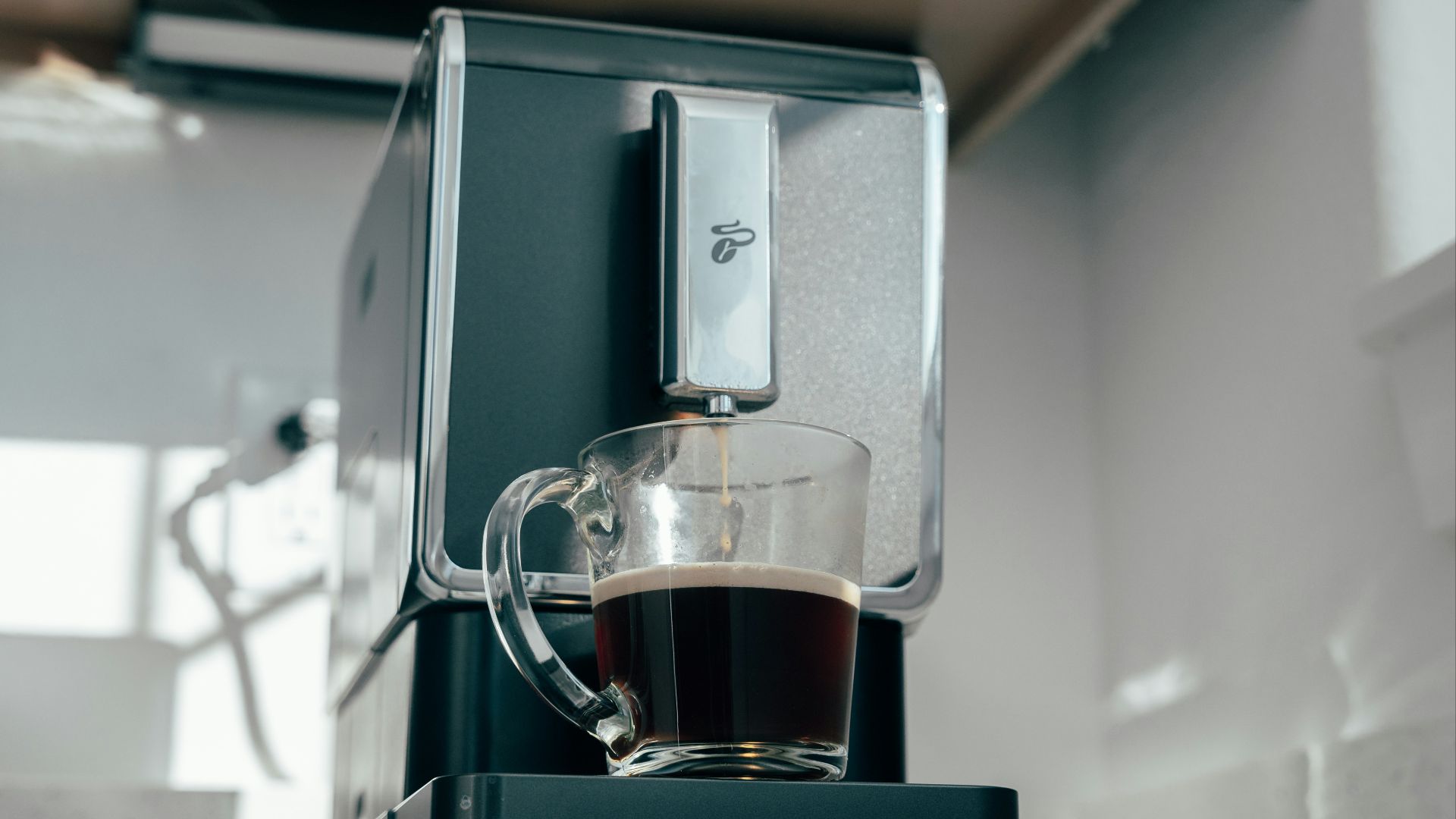
Automatic drip coffee makers turned a frustrating and complicated multi-step morning routine into something that could be prepared the night before with ease. Programmable models let users set a brewing time so coffee was ready shortly after waking. Those who hate morning had one less reason to complain.
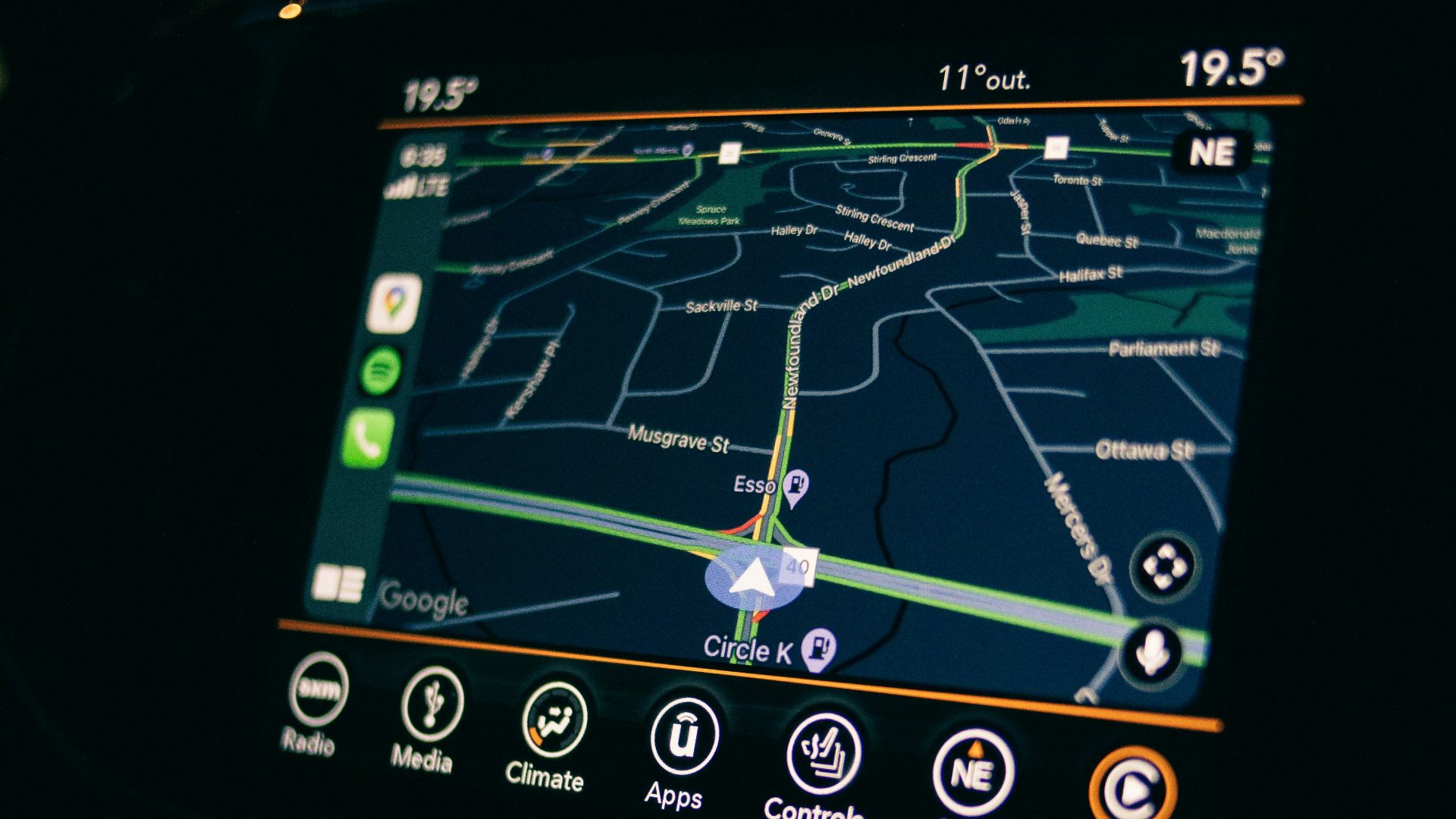
3. The GPS Navigation Unit
Dedicated GPS devices from companies such as Garmin and TomTom removed much of the stress from unfamiliar driving routes. Instead of unfolding a paper map or printing directions, drivers could receive turn-by-turn guidance in real time from a friendly voice.
4. The Robot Vacuum
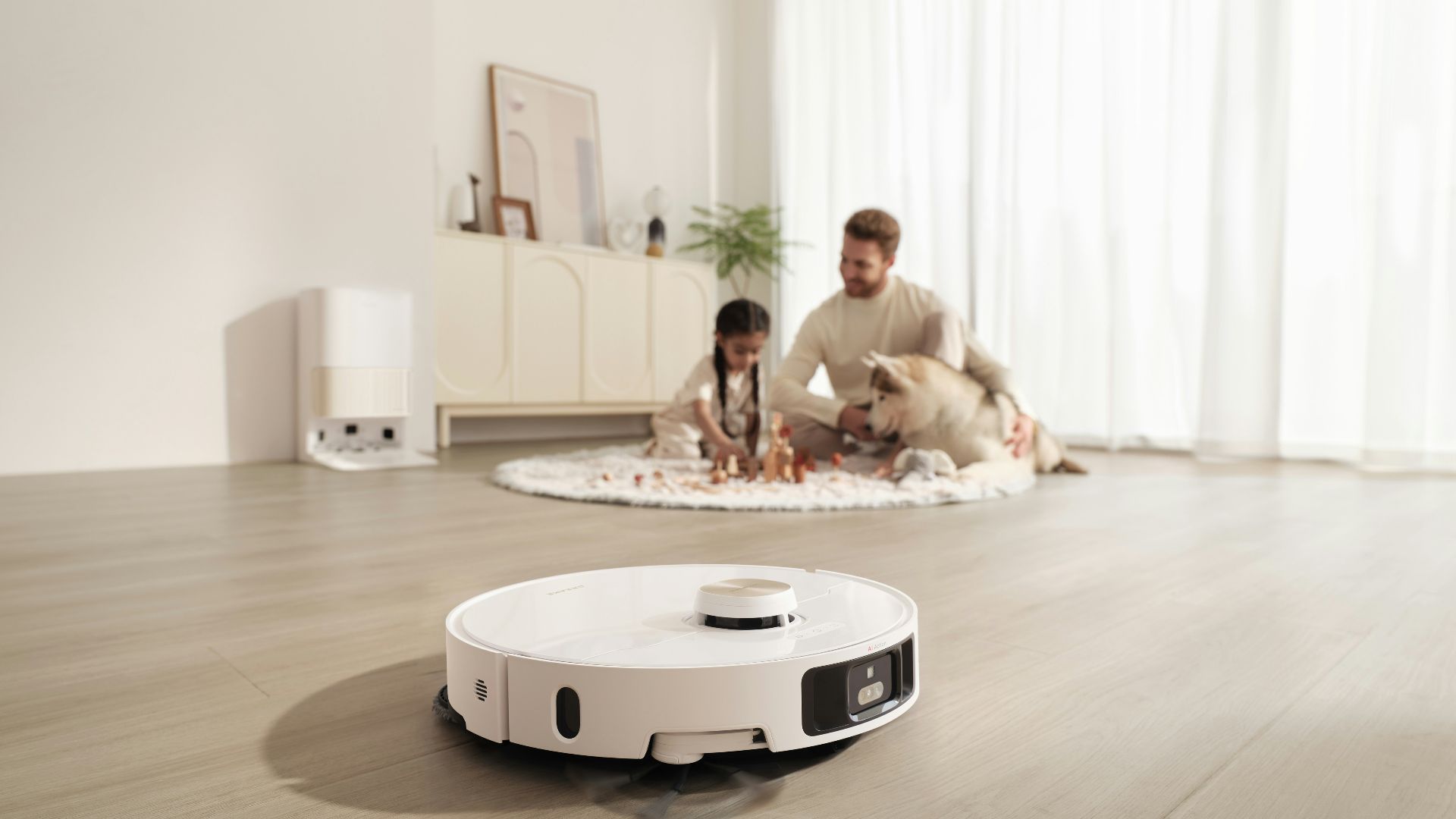
Robot vacuums promised to handle routine floor cleaning with minimal supervision, and that basic idea has proven remarkably durable. Early models were comparatively simple, while newer versions can map rooms, avoid obstacles, and return to charging docks automatically. They still need occasional maintenance, but reducing how often you manually vacuum remains a genuinely beloved convenience.
5. The Electric Kettle With Auto Shutoff
Heating water on a stovetop isn't difficult, but electric kettles made the process faster and easier to monitor. Automatic shutoff means you don't have to stand nearby waiting for the water to boil.

6. The E-Reader
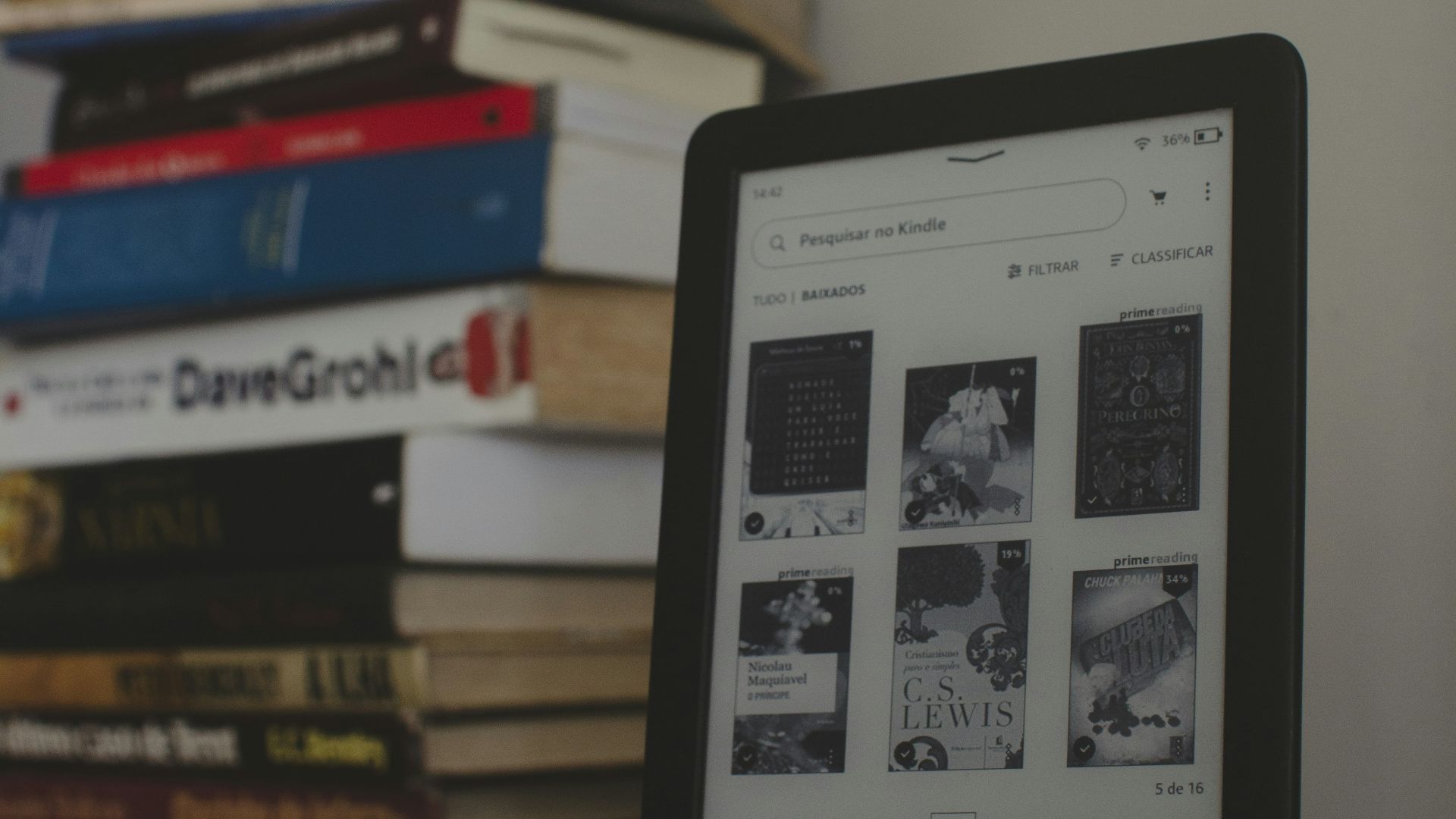
E-readers made it possible to carry an entire personal library in a device weighing roughly as much as a single paperback. Features such as adjustable text size, built-in dictionaries, bookmarks, and instant downloads eliminated several small inconveniences associated with physical books.
7. The Portable Power Bank
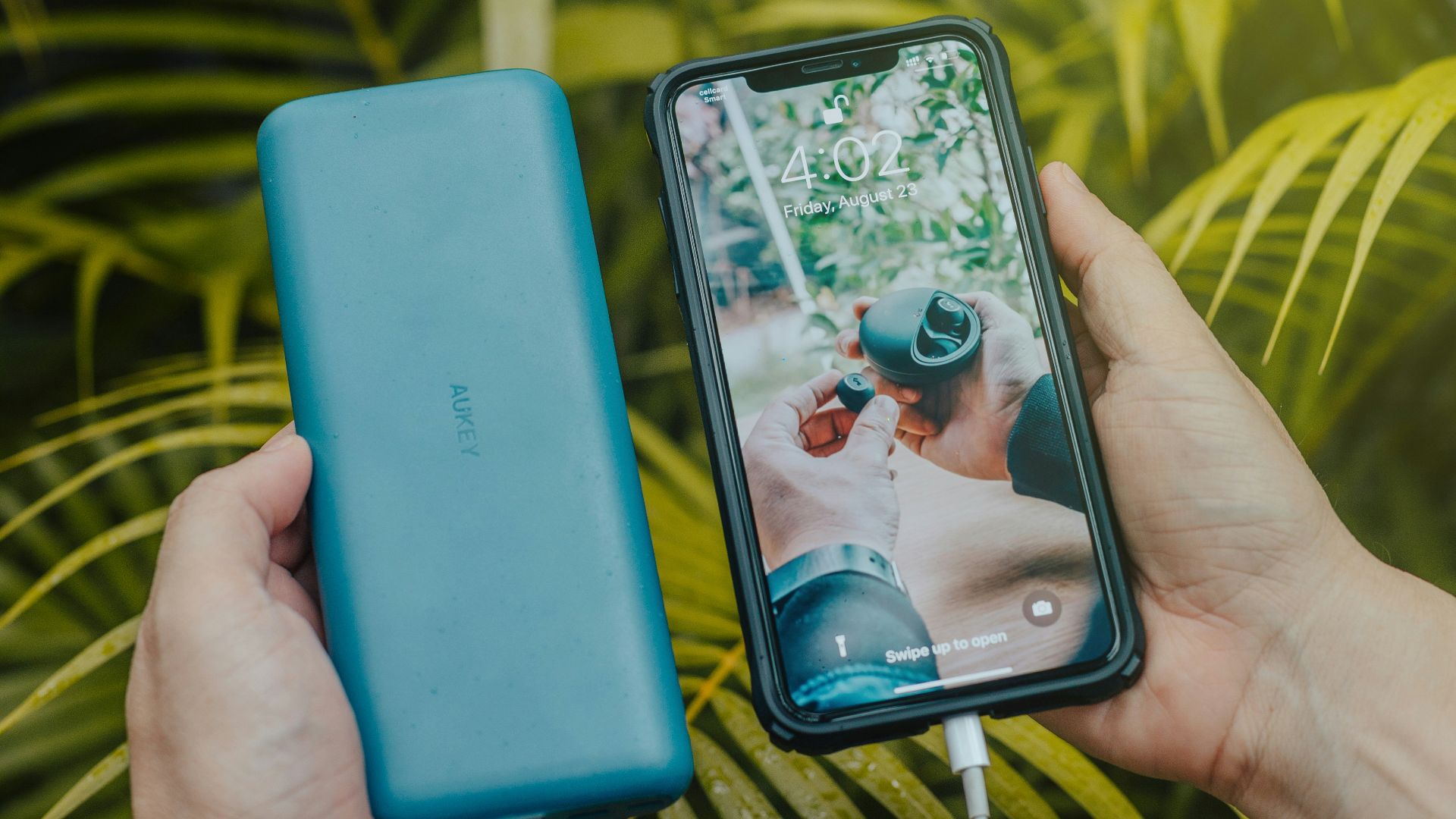
As smartphones became more essential, running out of battery became a much bigger problem than it had been with earlier mobile phones. Portable power banks offered a straightforward solution by letting users recharge devices away from conventional electrical wall outlets.
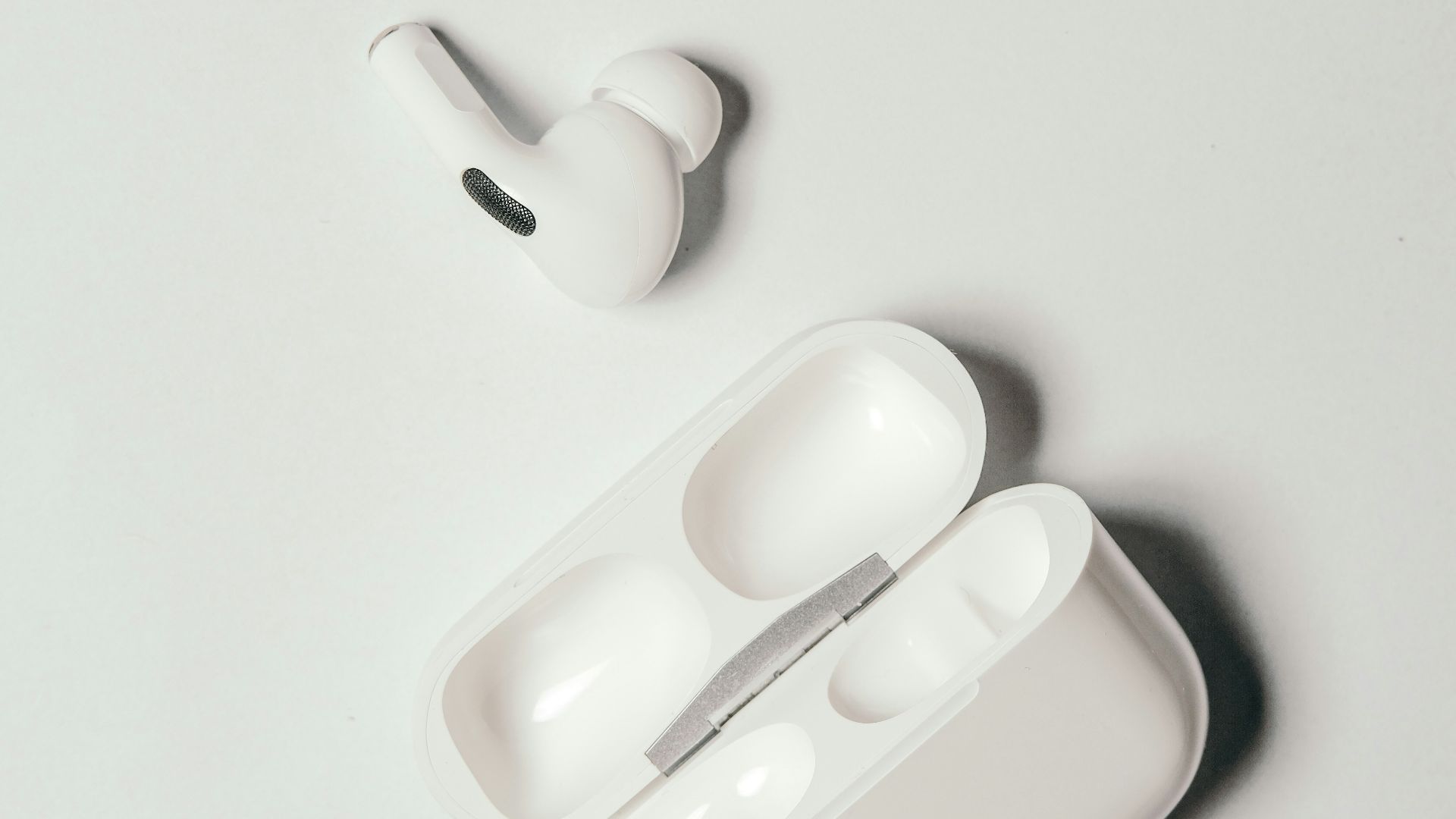
8. The Wireless Earbud Case
Truly wireless earbuds became far more practical once their storage cases doubled as portable chargers. Instead of carrying a separate charging cable during normal daily use, you can place the earbuds in the case between listening sessions.
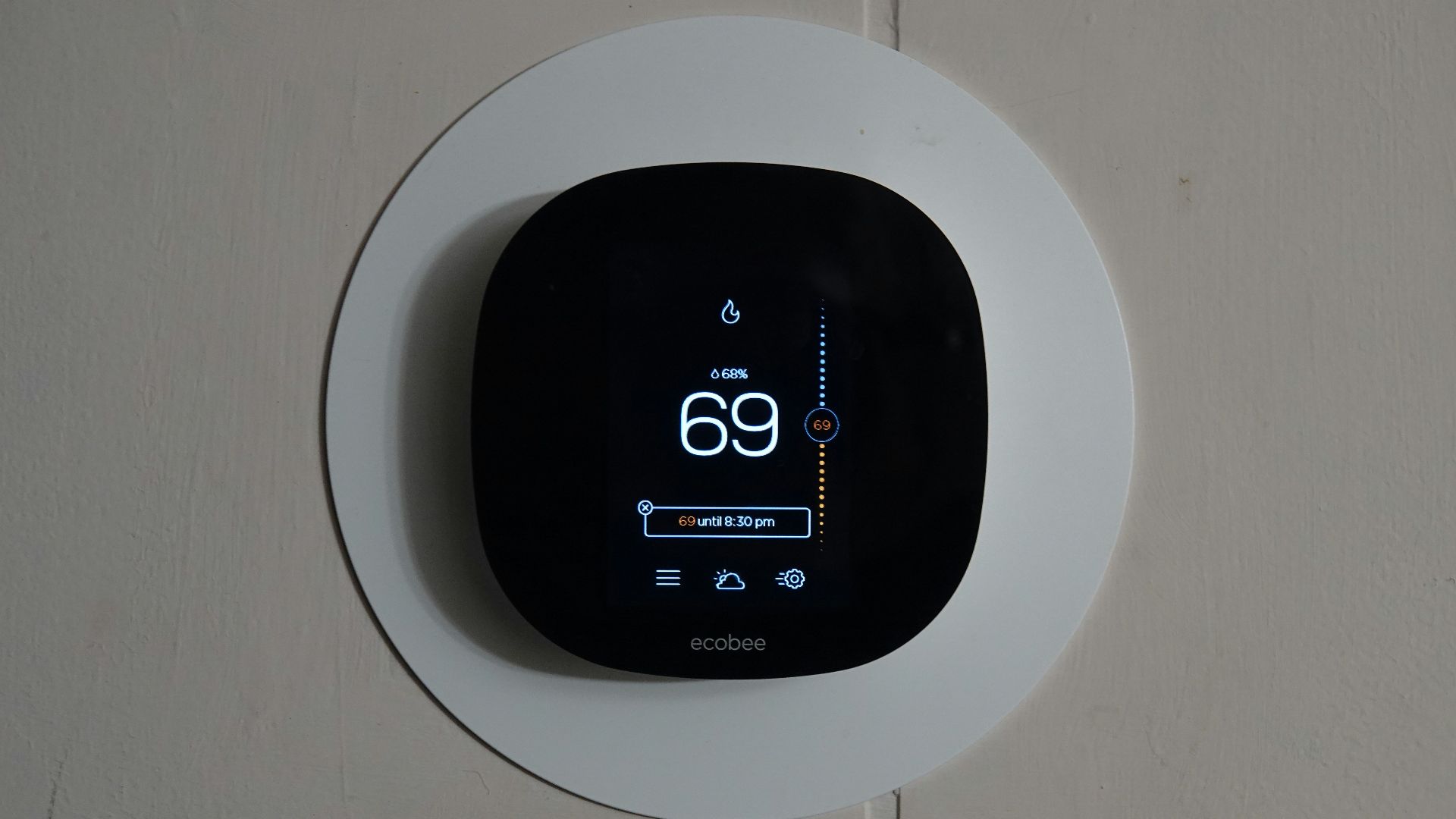
9. The Smart Thermostat
Smart thermostats simplified home climate control by combining scheduling, remote access, and automated adjustments in one device. Products like the Nest Learning Thermostat helped popularize systems that could adapt to household routines without manual interference.
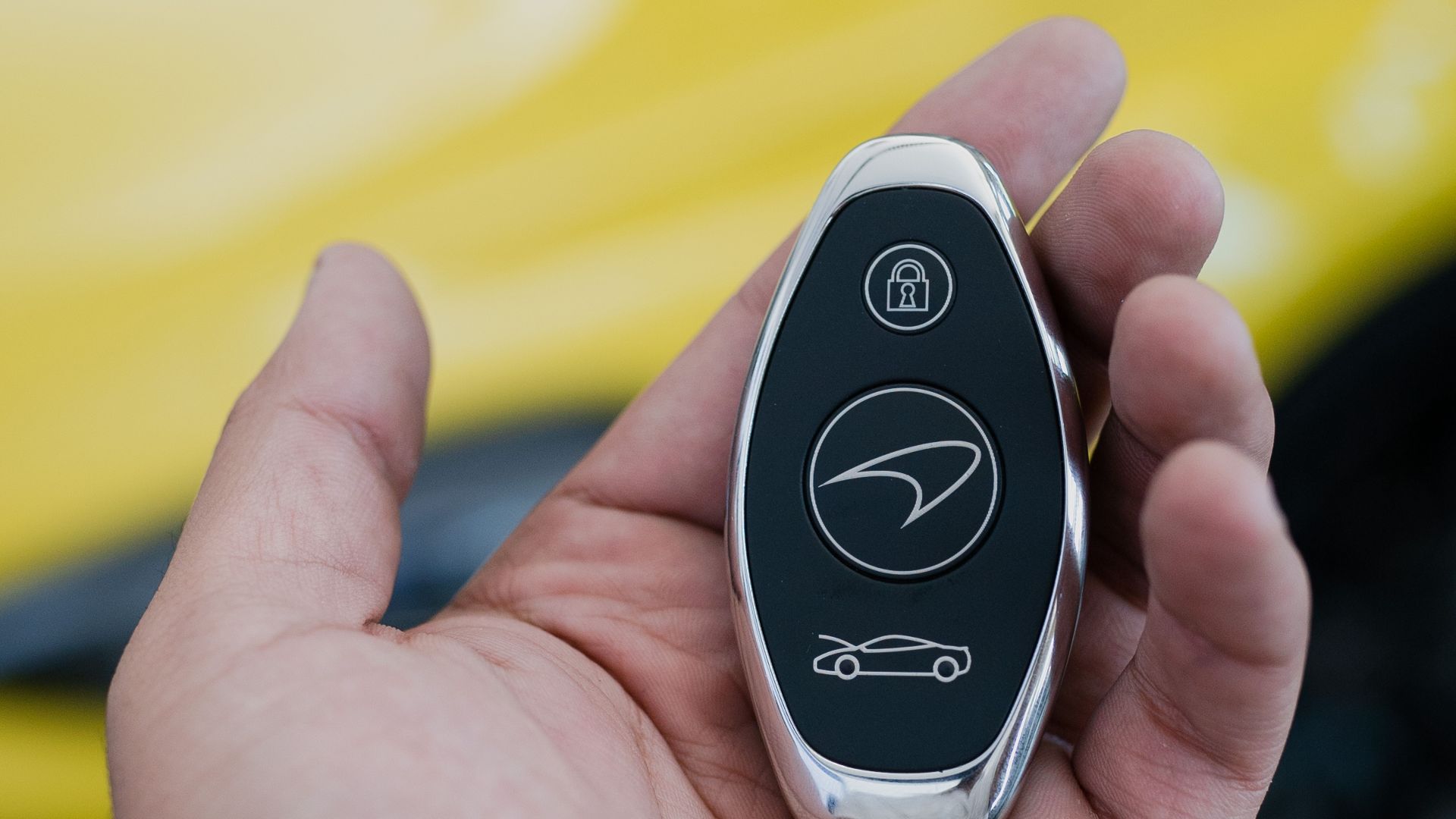
10. The Keyless Car Fob
Keyless entry and push-button ignition removed several small but repetitive steps from driving. You no longer need to physically insert a key into a door or ignition on many vehicles, provided the fob is nearby.
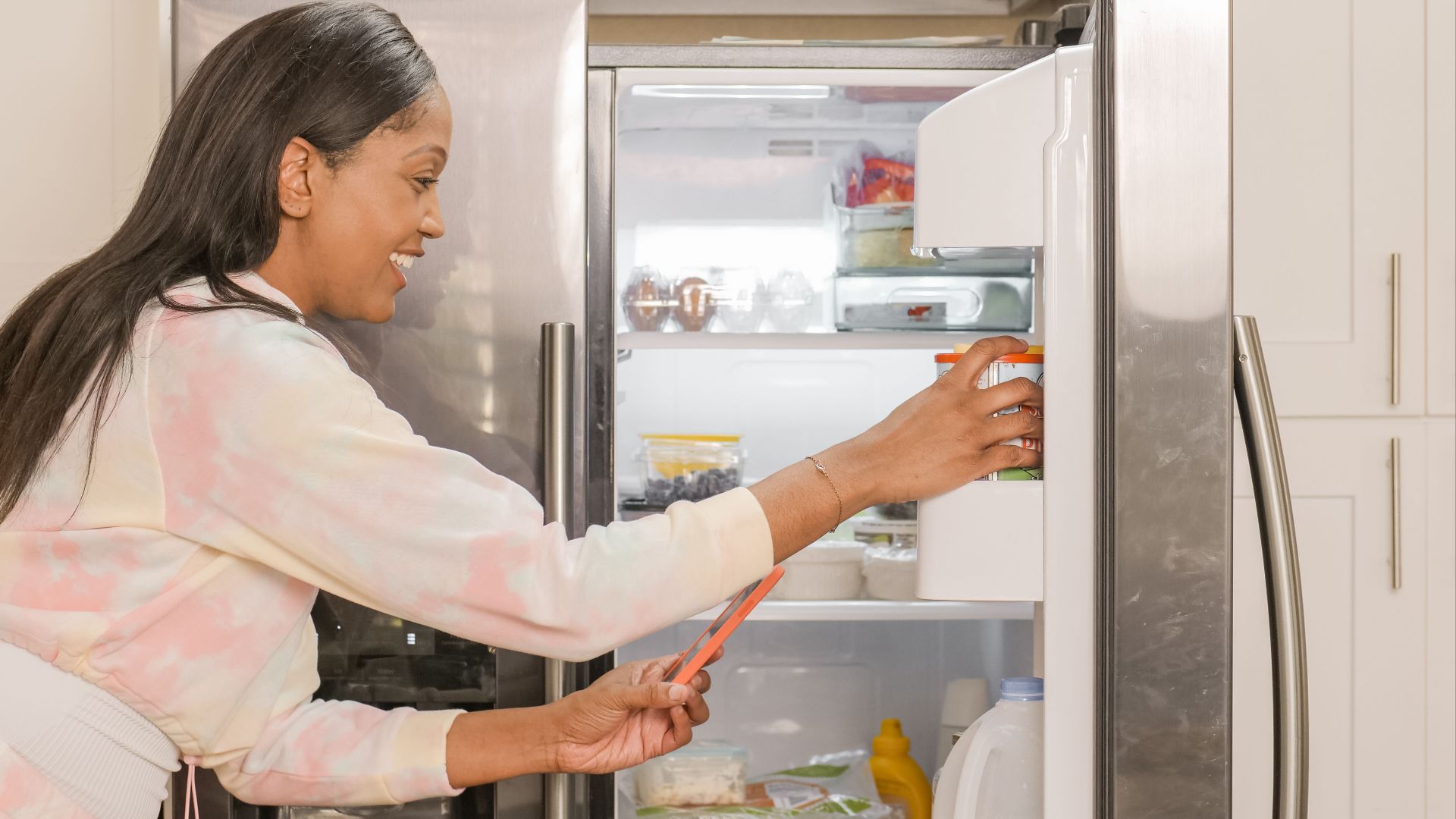
1. The Smart Refrigerator
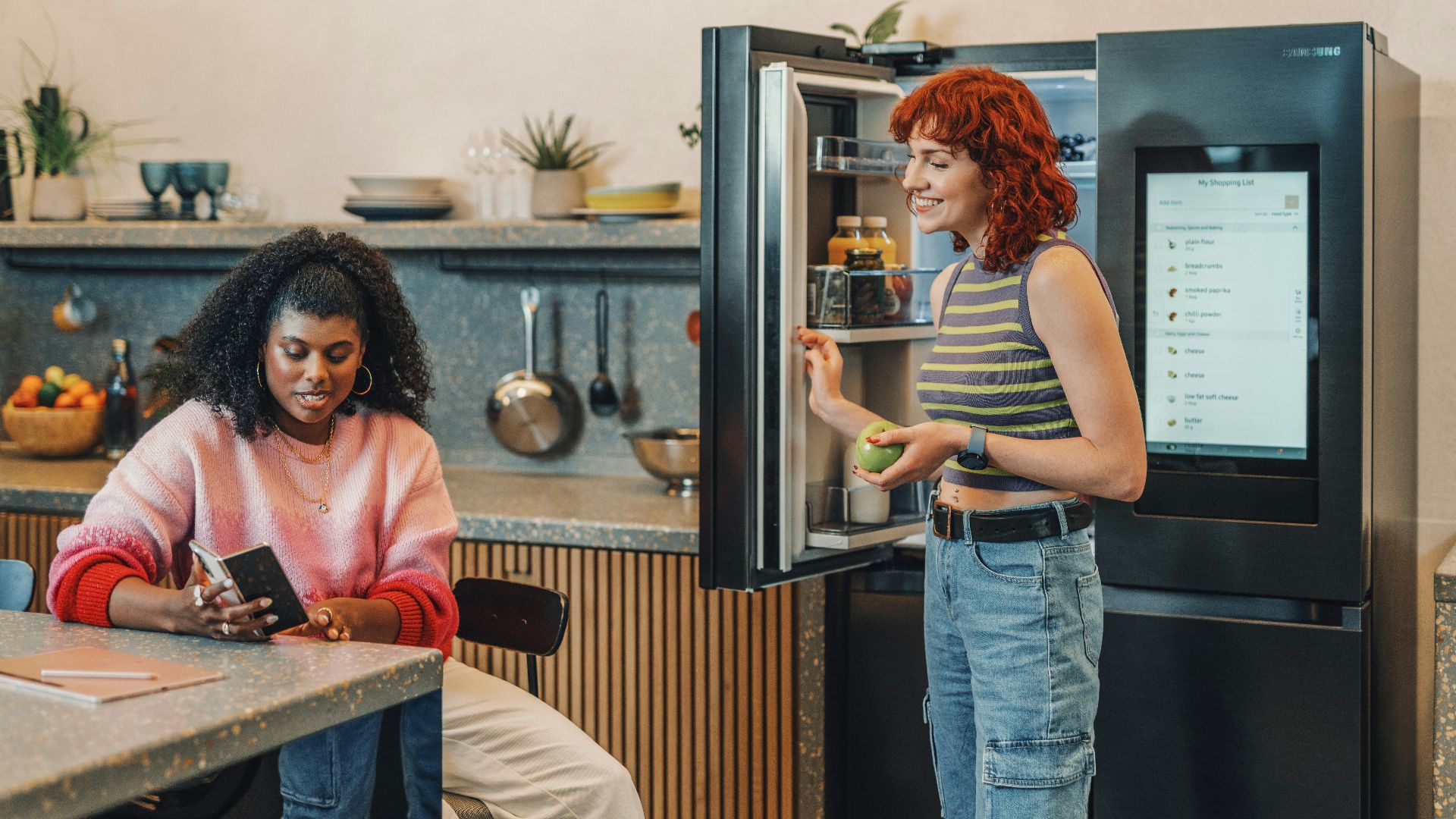
Smart refrigerators with touchscreens, cameras, calendars, entertainment features, and connections to mobile apps weren't the help many thought they would be. Those extras sound useful, but they also introduce software updates, account logins, connectivity problems, and potentially expensive electronics into an appliance once expected simply to stay cold.
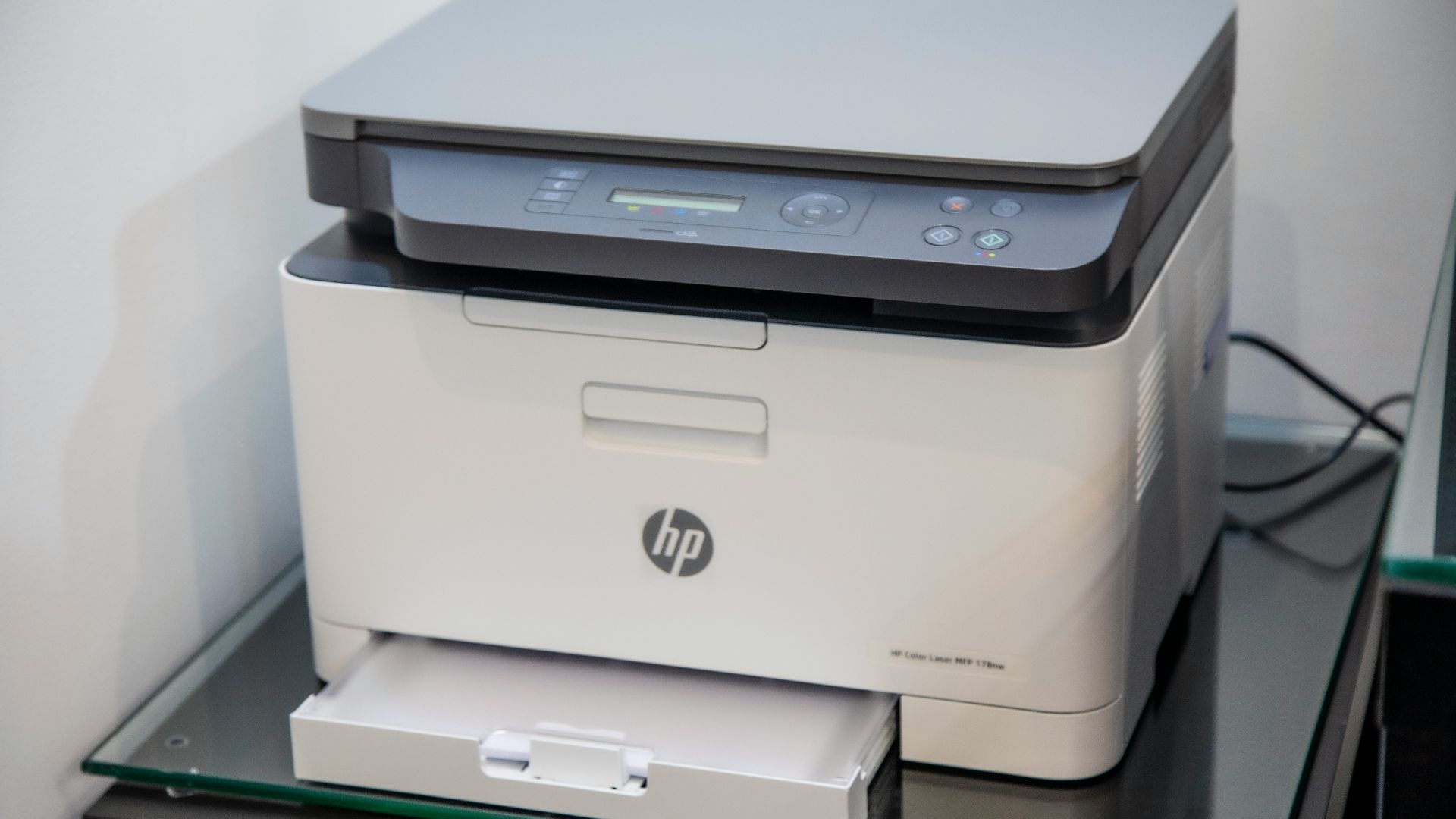
2. The Printer With Mandatory Apps
Modern printers increasingly encourage users to install companion software, create accounts, or connect through manufacturer apps. Wireless convenience is extremely valuable when it works, but troubleshooting network connections has tested the patience of almost every remote worker.
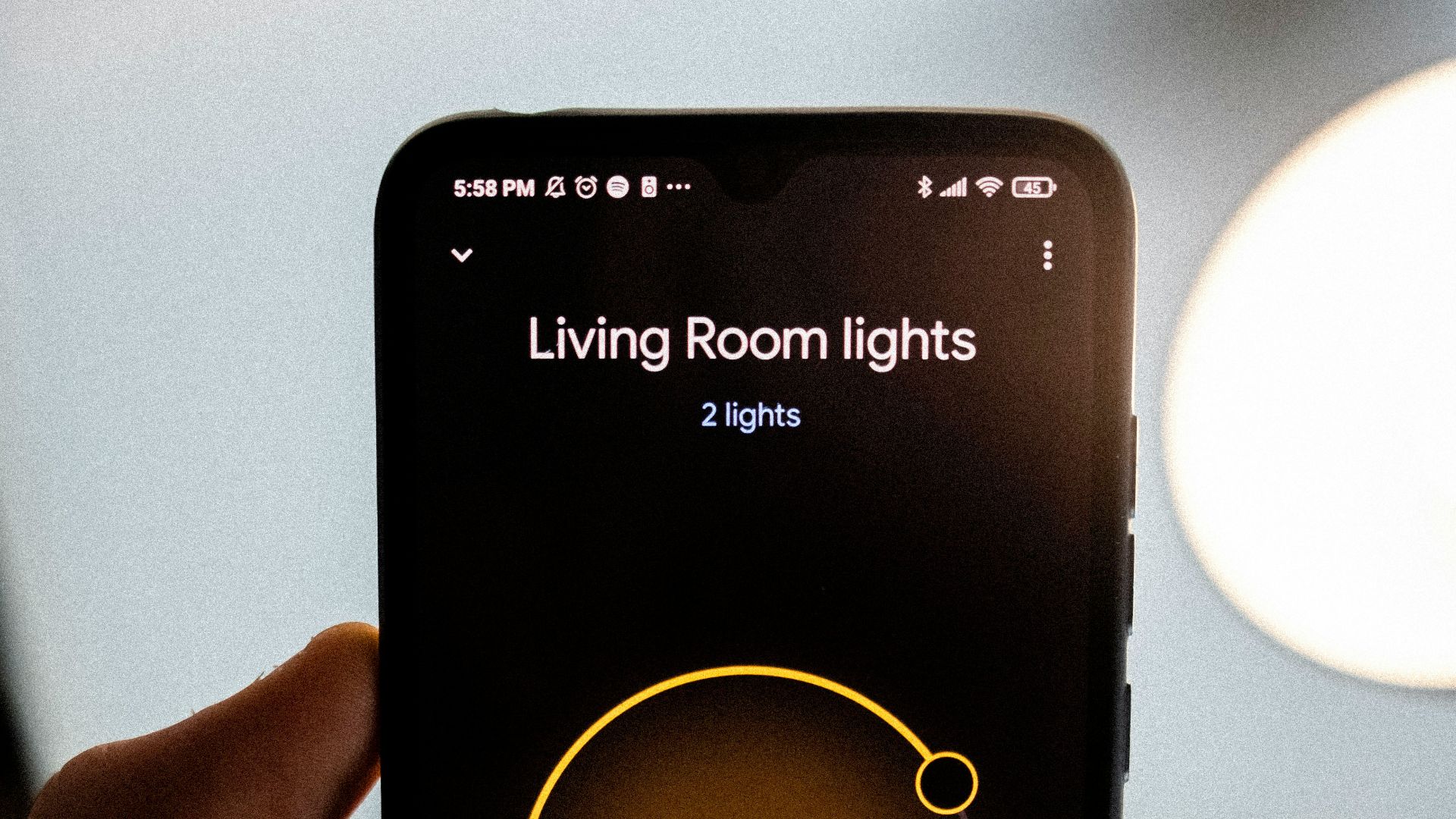
3. The Smart Light Bulb
A smart bulb can change color, dim remotely, and follow schedules, yet it can also create a host of new dependencies on wireless networks and apps. Visitors may discover that an ordinary wall switch no longer works as expected if someone has reconfigured the system.
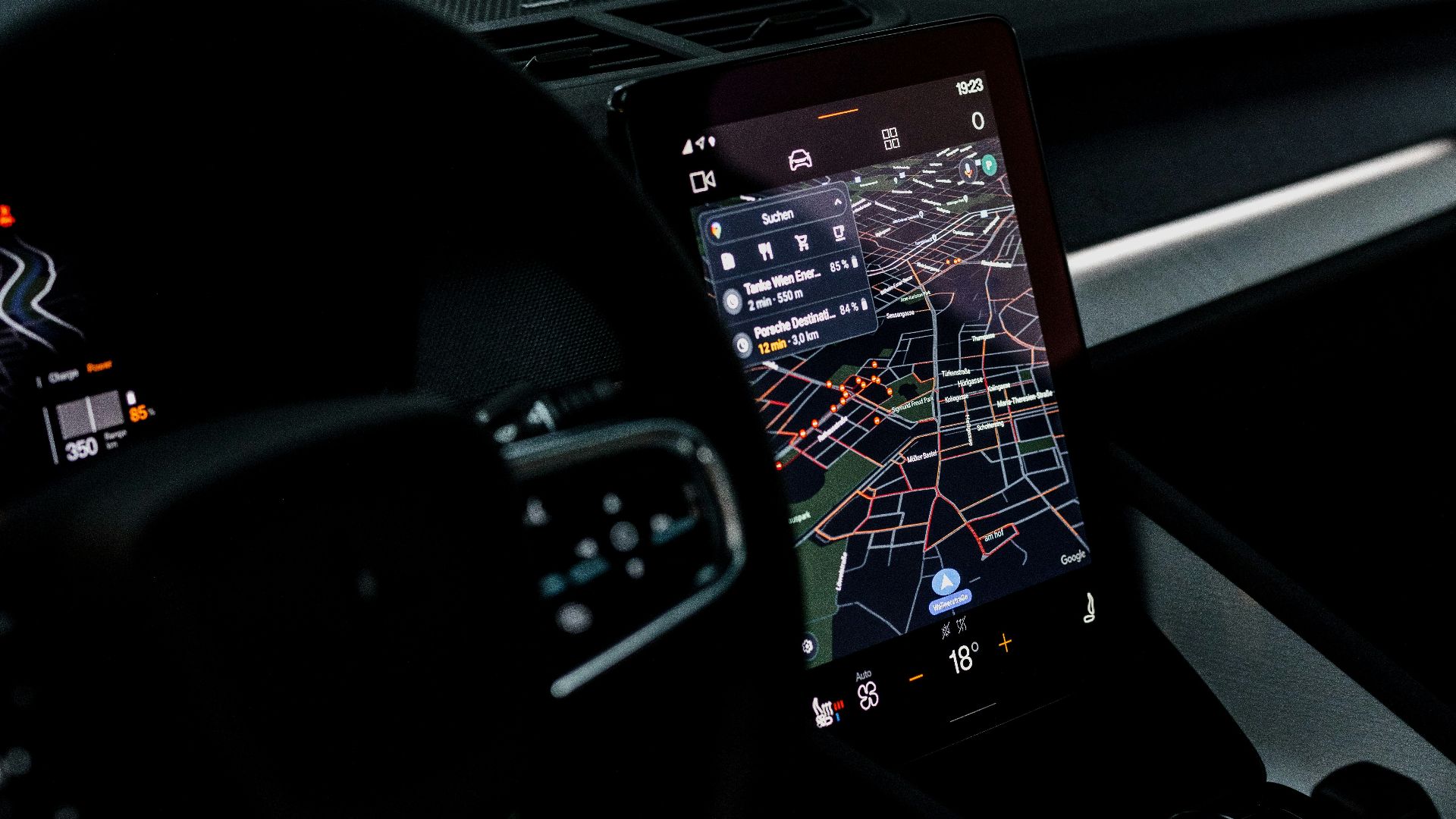
4. The Touchscreen Car Control Panel
Large automotive touchscreens have provided manufacturers the freedom to consolidate navigation, audio, climate settings, and vehicle controls into one display. The con is that frequently used functions may require several taps instead of a simple physical button or knob.
 Patrick Langwallner on Unsplash
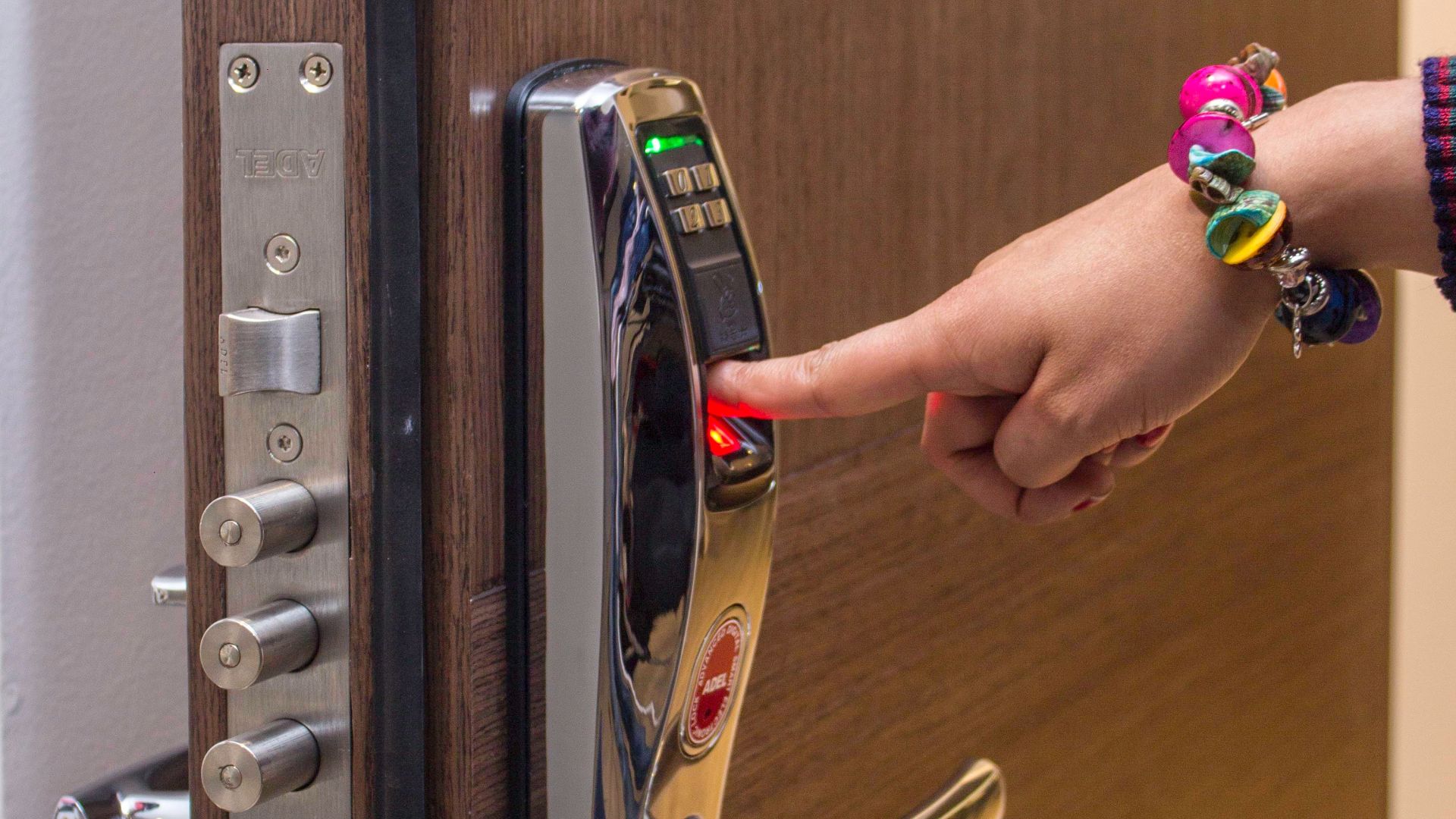
5. The Smart Door Lock
Smart locks offer remote access, temporary codes, and automated locking. The downside is they add batteries, software, and connectivity to something that once required only a key. A dead battery or app problem can suddenly make entering your own home far more complicated.
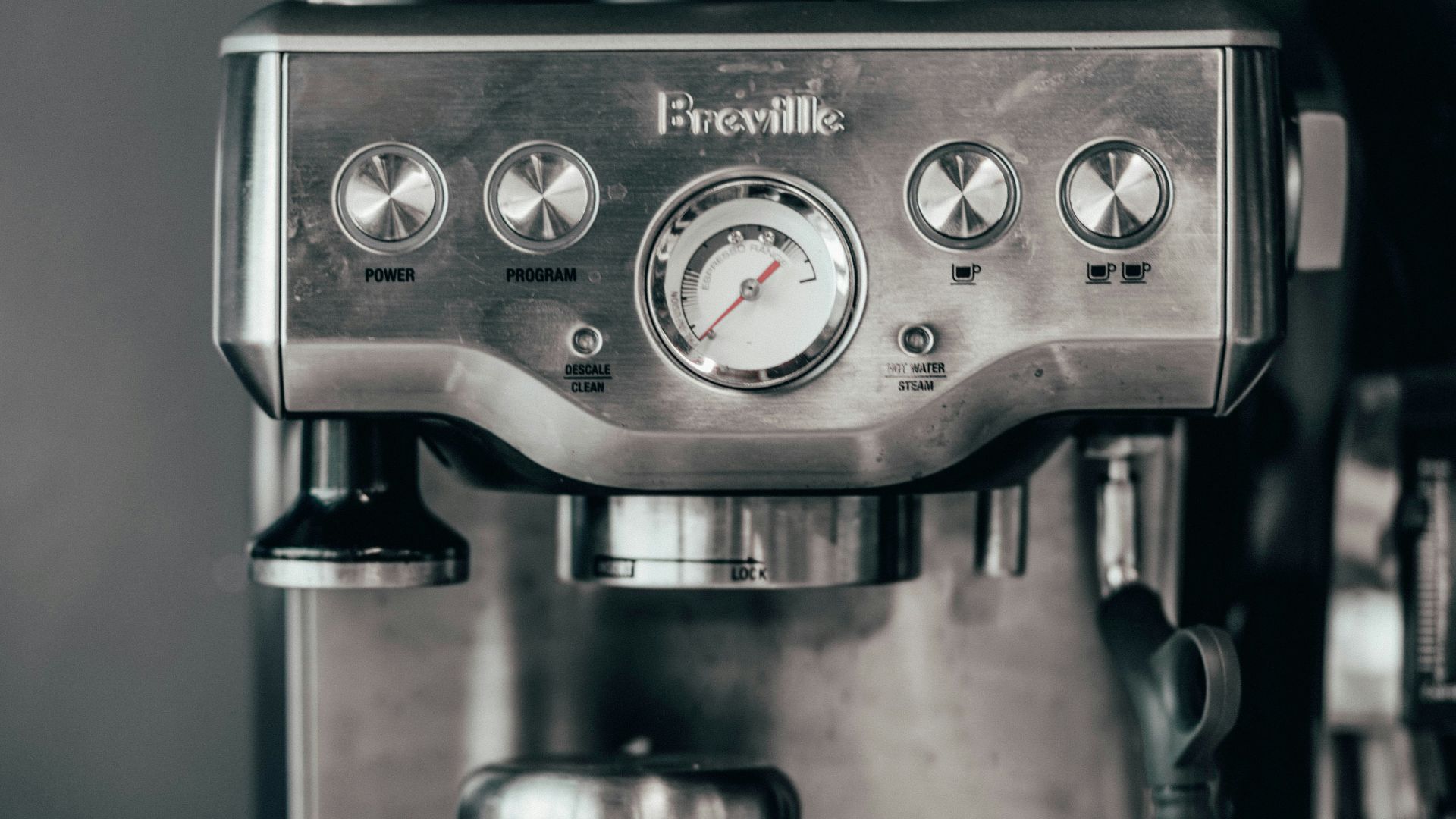
6. The Wi-Fi-Connected Coffee Maker
This one seemed like a good idea. Starting a coffee maker from your phone sounds delightfully convenient until you remember that somebody still has to add water, grounds, and often a filter beforehand.
7. The Subscription-Based Security Camera
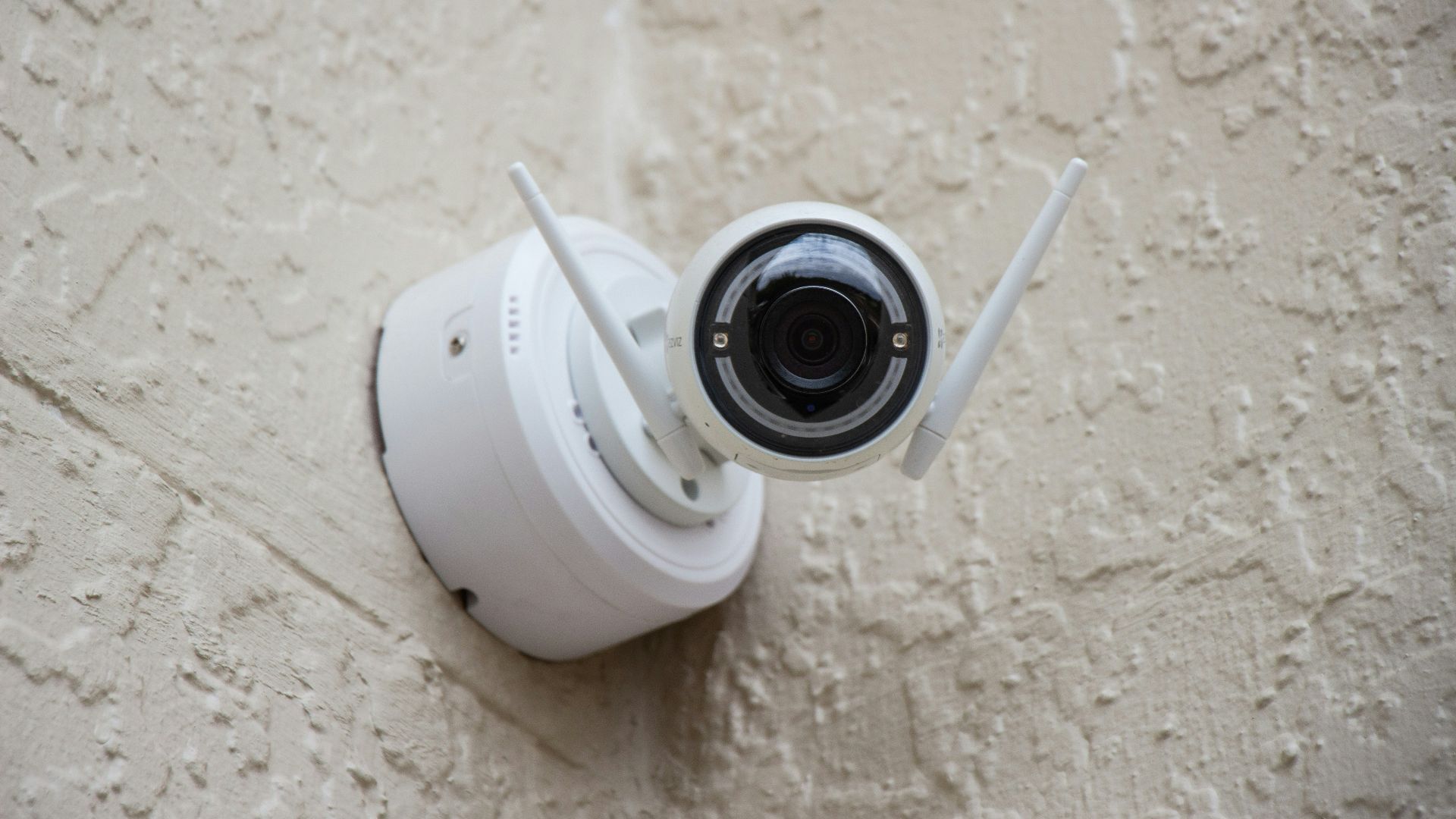
Home security cameras have become easier to install, but many cloud-connected models reserve useful features for paid subscribers. Video history, advanced alerts, or extended storage may disappear if you stop paying.
8. The Multi-Function Smartwatch
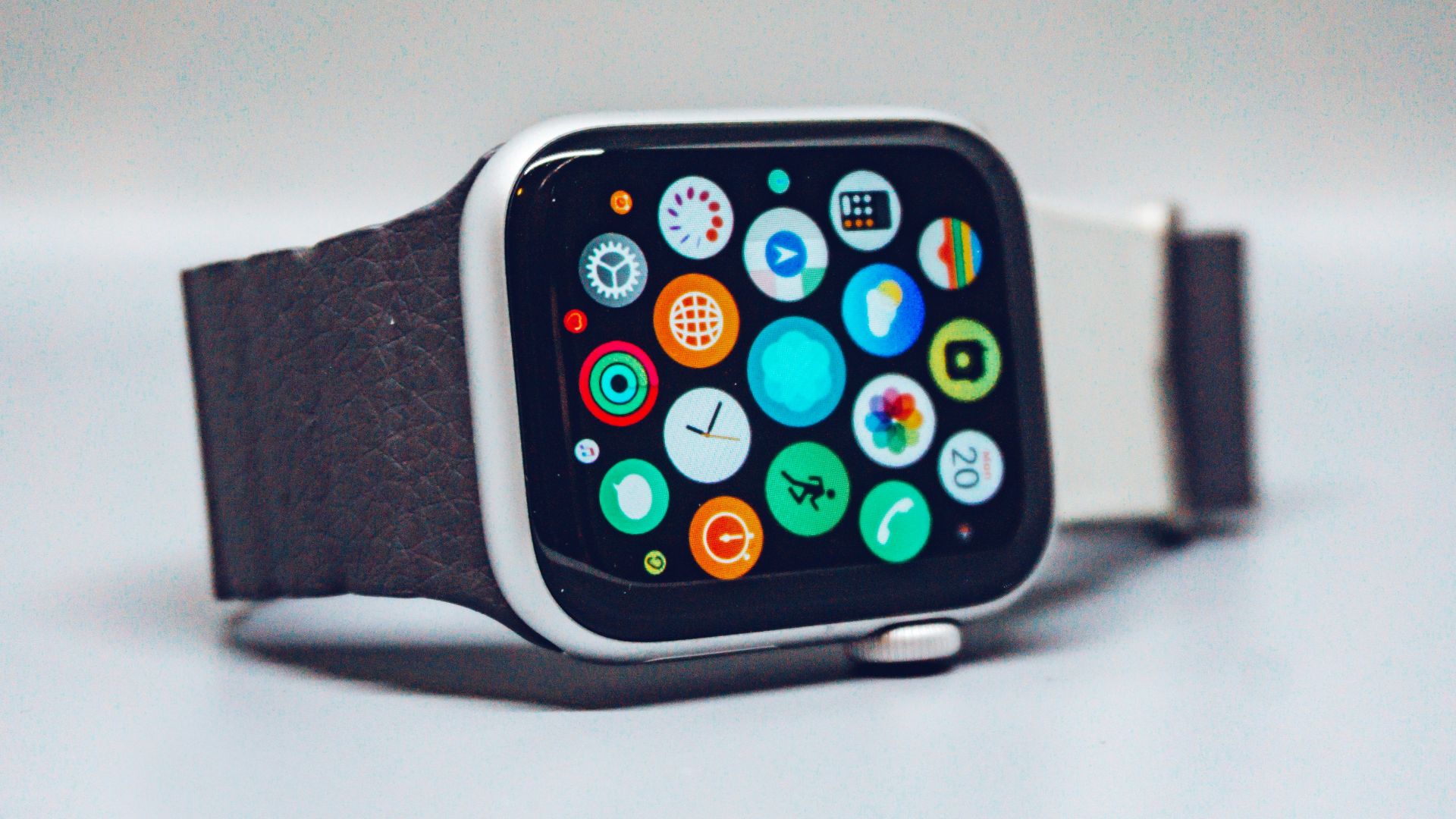
Smartwatches are designed to track exercise, display notifications, process payments, provide directions, and run numerous applications from your wrist. That versatility also brings charging routines, notification overload, software updates, and another device demanding attention throughout the day.
9. The USB Hub Lifestyle
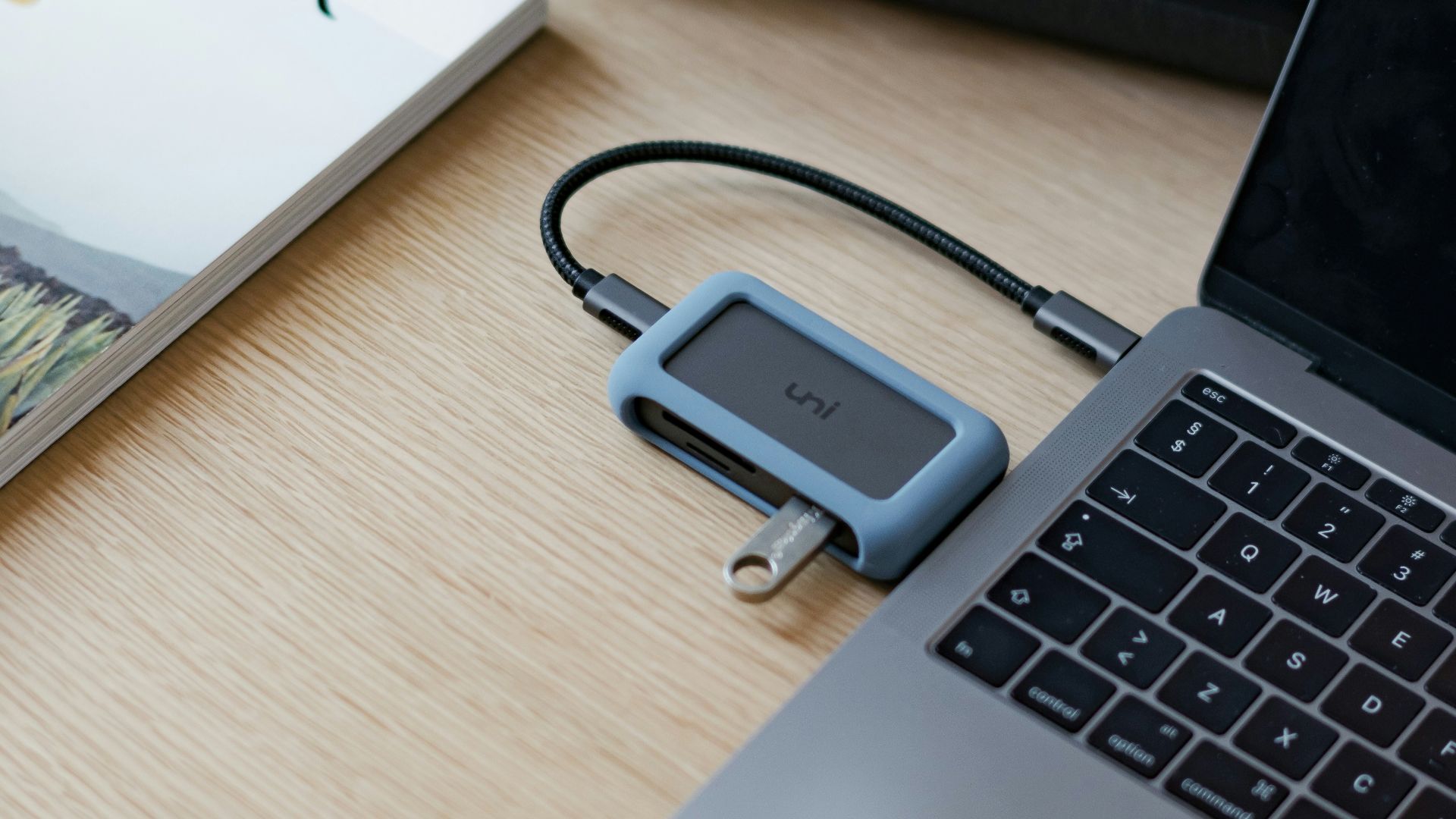
Slim laptops reduced the number and variety of built-in ports in pursuit of lighter, cleaner designs. The computer became simpler, but the bag carrying everything needed to use it certainly caused issues.
10. The Smart Appliance Ecosystem
A home filled with connected appliances can need several apps since different manufacturers often rely on separate platforms and account systems. Automation can be truly useful, but managing an assortment of digital ecosystems may require more attention and patience than the appliances ever demanded before.