The Game That Nearly Bankrupted Its Studio—but Became a Cult Classic
Some games flop and vanish. Others flop so dramatically that they leave behind a weird kind of legend. Psychonauts belongs in that latter category. It arrived with brilliant writing, unforgettable art direction, and more imagination than most games manage in an entire franchise, yet it still bombed commercially.
That’s what makes its story so irresistible. This was the game that seemed like it might wreck the future of the people who poured their hearts and souls into it, only to spend the next several years turning into one of the most beloved cult classics of its era. If you like stories about smart games getting ignored, then slowly clawing their way into history, Psychonauts is practically the premier example.
It was a beautiful risk from the very beginning
Psychonauts was the first game from Double Fine, the studio founded by Tim Schafer after leaving LucasArts. That alone gave the project a certain amount of creative expectation, because Schafer already had a reputation for making games that were witty, weird, and unlike what everyone else was doing. Instead of playing it safe, Double Fine opened with a 3D platformer about psychic powers, emotional trauma, and a summer camp for gifted misfits.
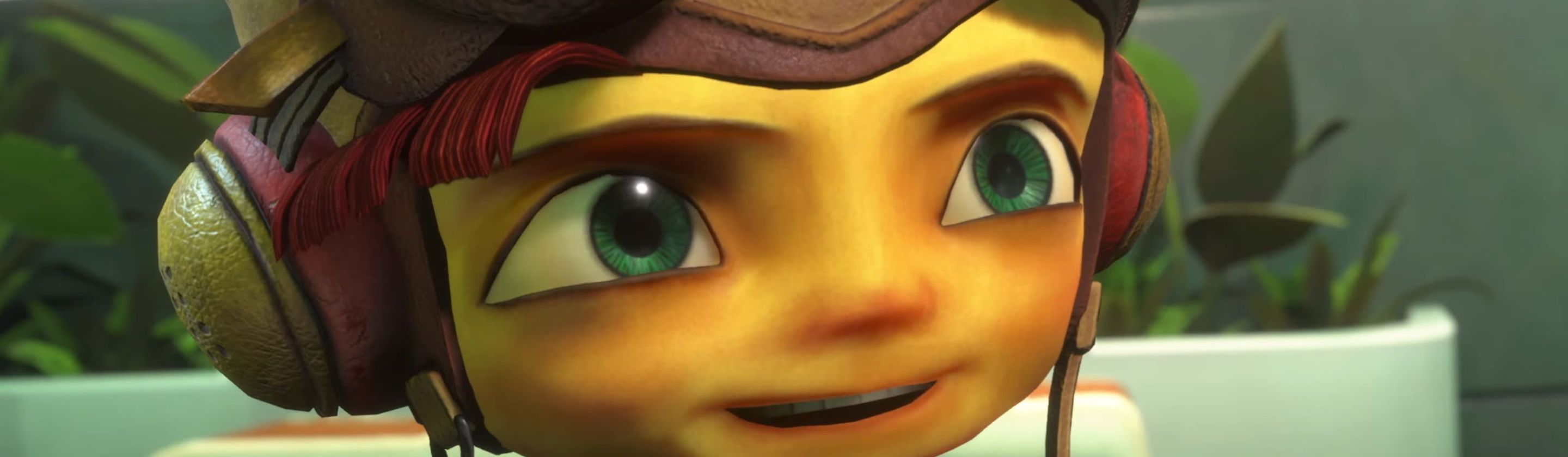
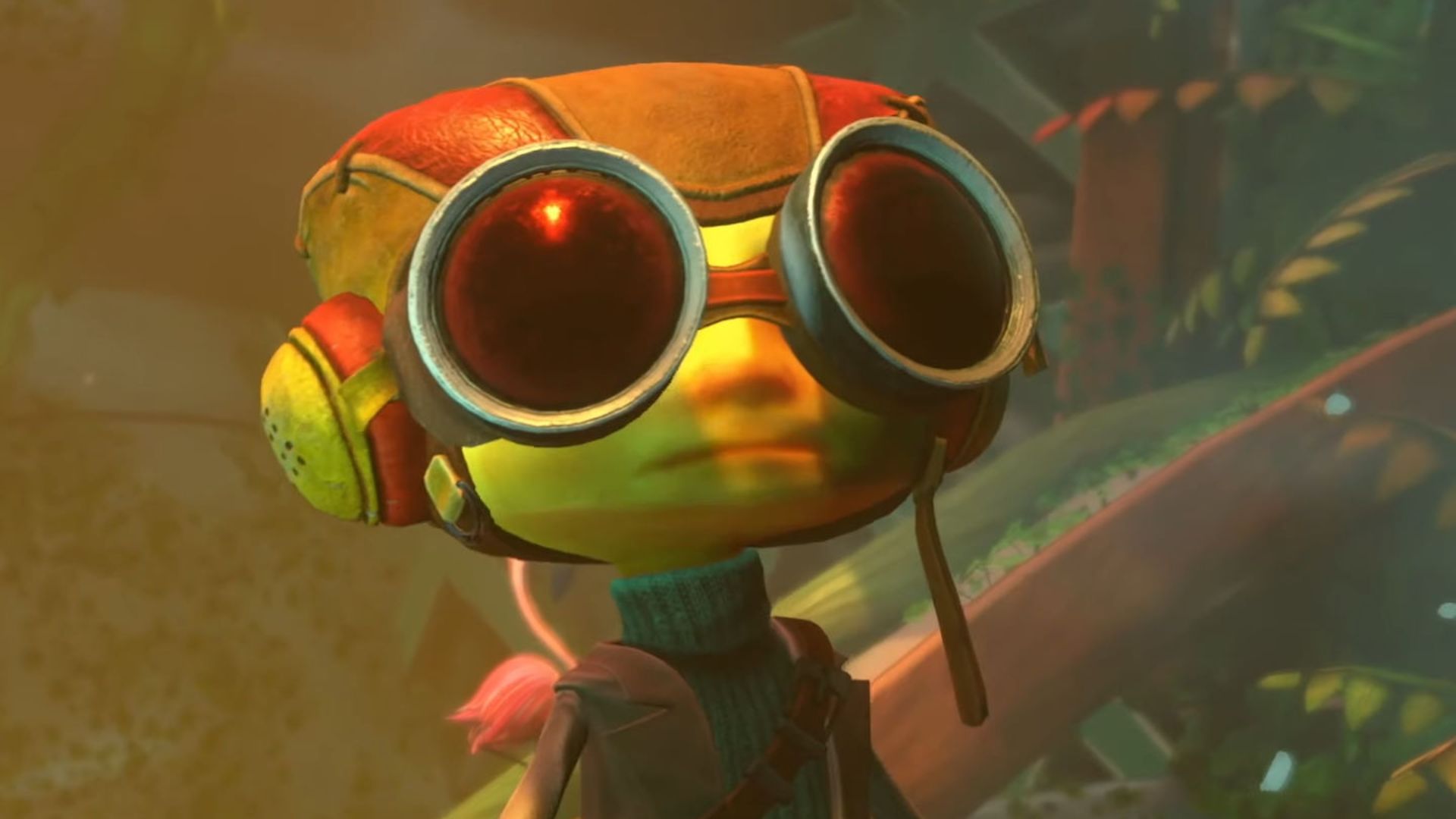
The game’s core concept was bold in a way that still feels rare. You played as Raz, a young psychic runaway who enters people’s minds and explores levels shaped by their fears, obsessions, insecurities, and damaged inner worlds. That gave the team room to make stages that looked and felt wildly different from one another. It also meant the game could be funny, sad, surreal, and slightly unhinged sometimes, all in the same hour.
That kind of originality came with obvious risks. Psychonauts wasn’t an easy one-sentence sell, and it didn’t fit neatly into a standard market category. It had platforming, combat, storytelling, comedy, and visual experimentation all tangled together.
The project was originally backed by Microsoft, which later dropped it before release, leaving Double Fine in a deeply uncomfortable position. Majesco stepped in and helped get the game out the door, but by then the road already looked shaky. When a studio is making its first game and its publishing situation starts wobbling, it's far from encouraging.
The flop was real, even if the talent was obvious
When Psychonauts finally launched in 2005, the reviews were strong. Critics praised the writing, the character work, the art style, and the sheer amount of invention packed into the whole thing. People who actually played it often came away sounding slightly stunned that a game this original had made it through the publishing pipeline at all. Unfortunately, admiration and sales are not the same thing.
Commercially, the game struggled almost immediately. It didn’t sell the way anyone had hoped, and its release plunged the studio into severe financial danger early in its history to the point where it struggled to meet payroll and nearly closed.
Part of the problem was timing. In the mid-2000s, the market wasn’t always kind to games that were too eccentric for mainstream action fans and too mechanically chunky for people who only wanted pure platforming. Psychonauts had personality to spare, but personality doesn’t always help. A game can be terrific and still get stranded if the shelf space around it is full of louder, easier pitches.
It also didn’t help that the game felt smarter than its own commercial packaging. Psychonauts was funny without being cheap, emotional without turning sentimental, and strange without becoming incoherent. Those are great qualities for a lasting reputation, but they don’t always create instant mass appeal.
Its second life
Fortunately, the game didn't completely bankrupt its studio, and thankfully, it finally got the recognition it deserved. The reason Psychonauts still matters is that it didn’t stay buried. Players kept talking about it, recommending it, and quoting it. In short, the game's fans refused to let it be forgotten.
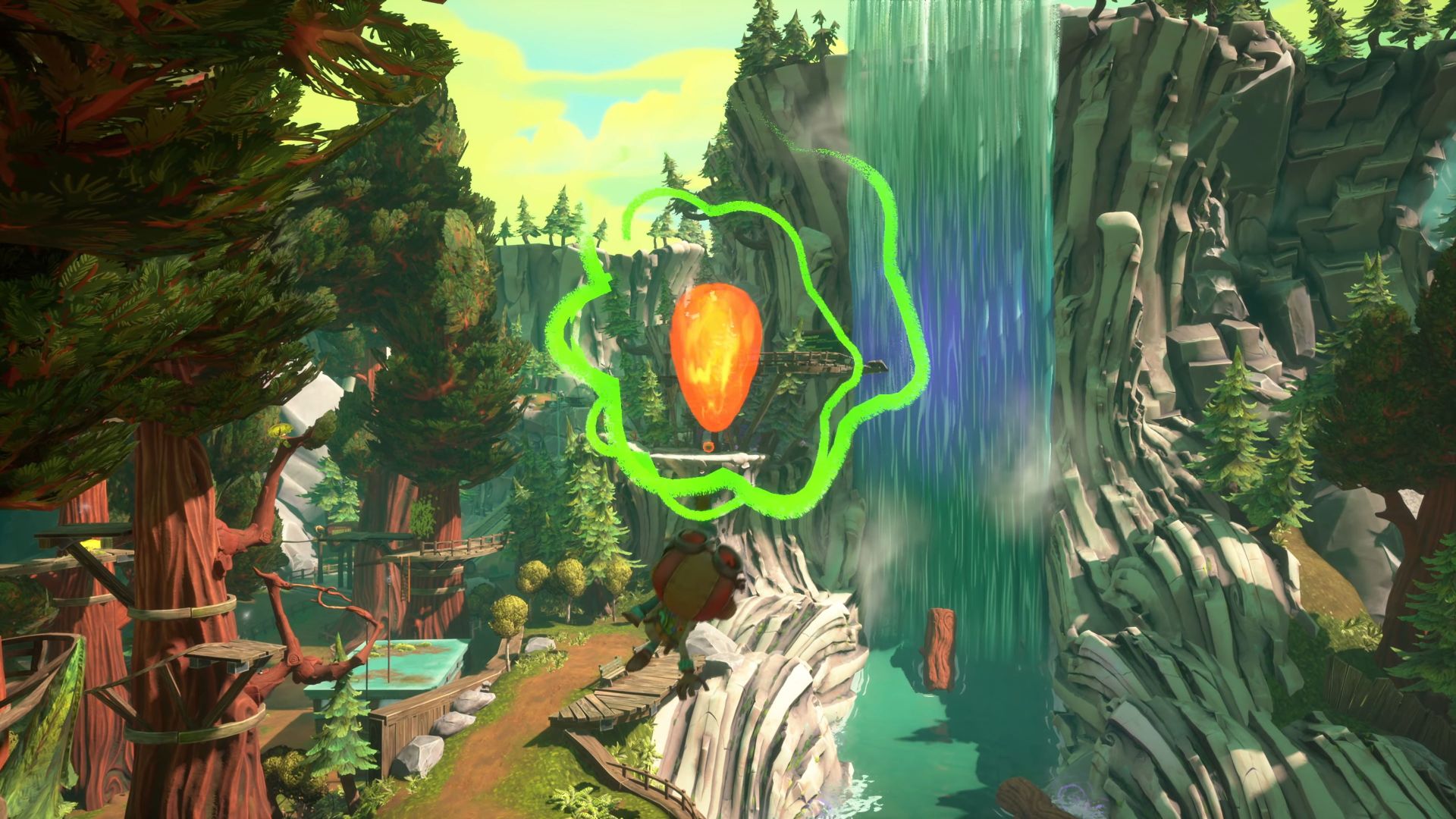
It helped that the game really was memorable in ways that outlasted its flaws. Even people who admitted the platforming could be uneven or the combat a little messy still remembered specific levels, jokes, characters, and ideas with remarkable clarity. The Milkman conspiracy level alone probably did more for the game’s long-term mystique than some entire franchises manage in three entries. When a game leaves that kind of residue in people’s heads, it tends to keep living, whether the launch was kind to it or not.
Digital distribution changed the story, too. Once Psychonauts became easier to buy, easier to recommend, and easier to stumble across during a sale, the audience started catching up. The game found players who would never have noticed it in its original retail window, and suddenly this old commercial disappointment began looking a lot more durable than anyone expected. Sometimes a game is not wrong for the world, just early for the version of the market that would appreciate it.
By that point, the flop had become part of the romance. People weren’t just discovering a good game. They were discovering a good game that had been neglected, which added to the story. Loving Psychonauts felt like correcting a historical mistake, and that's a very powerful way for a cult following to grow.
That’s why Psychonauts remains such a perfect example of the game that nearly bankrupted its studio but became a cult classic anyway. It was too inventive to vanish, too charming to stay ignored forever, and too strange to blend quietly into the background.