
When Playing Turned Into Work
There was a time when playing video games was seen as the opposite of productivity, something you did after real work was finished. But that line has blurred in ways no one fully expected, mostly because gamers kept finding ways to turn time, skill, and obsession into something useful, or at least valuable to someone else. What started as hobbies slowly turned into side hustles, then full careers, then entire industries built around things that didn’t exist a decade earlier. A lot of these roles weren’t planned or designed, they just emerged because someone realized there was demand and decided to fill it. The result is a strange, constantly evolving job market that feels both obvious and surprising at the same time. These are twenty moments where gamers didn’t just play differently, they created entirely new ways to make a living.
1. Gold Farmers
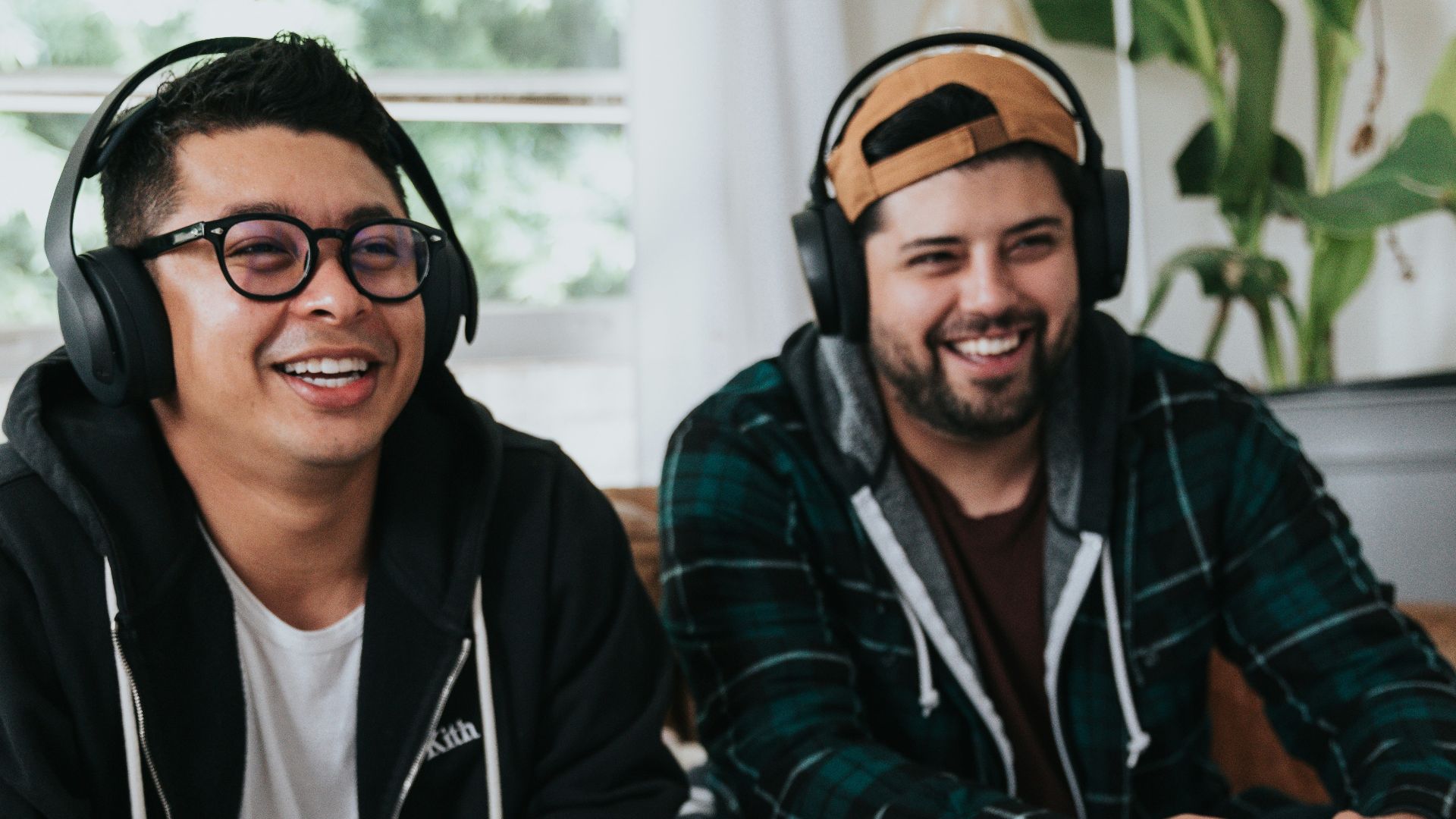
In early MMORPGs, some players realized that in-game currency had real-world value. They spent hours collecting gold and rare items, then sold them to other players who didn’t have the time. What looked like grinding quickly turned into a global, if controversial, income stream.
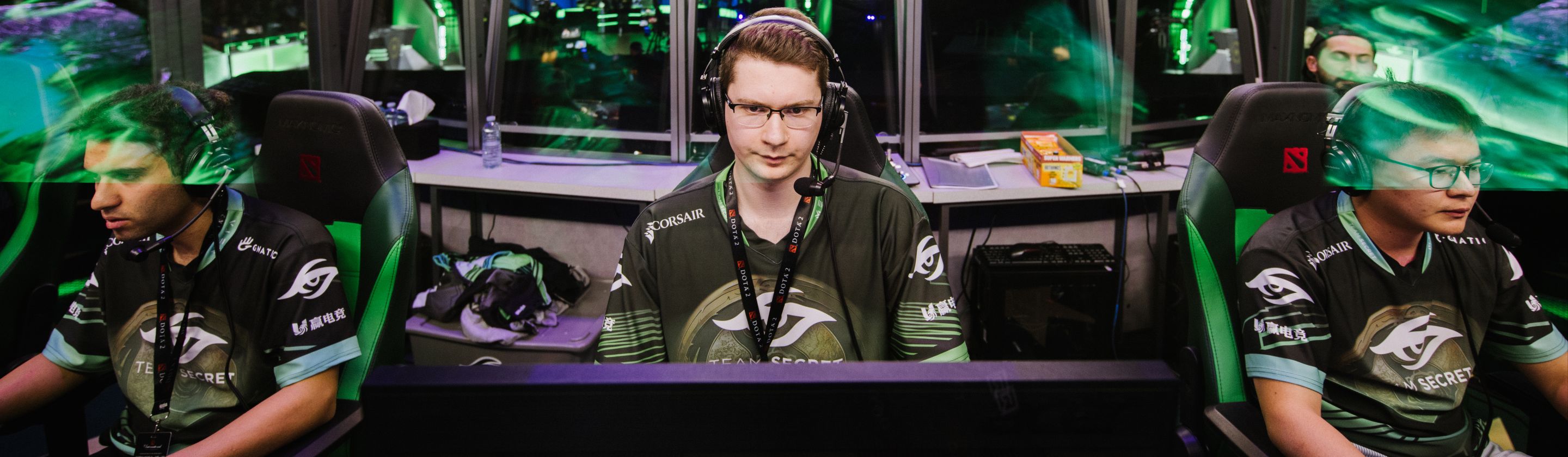
2. Professional Esports Players
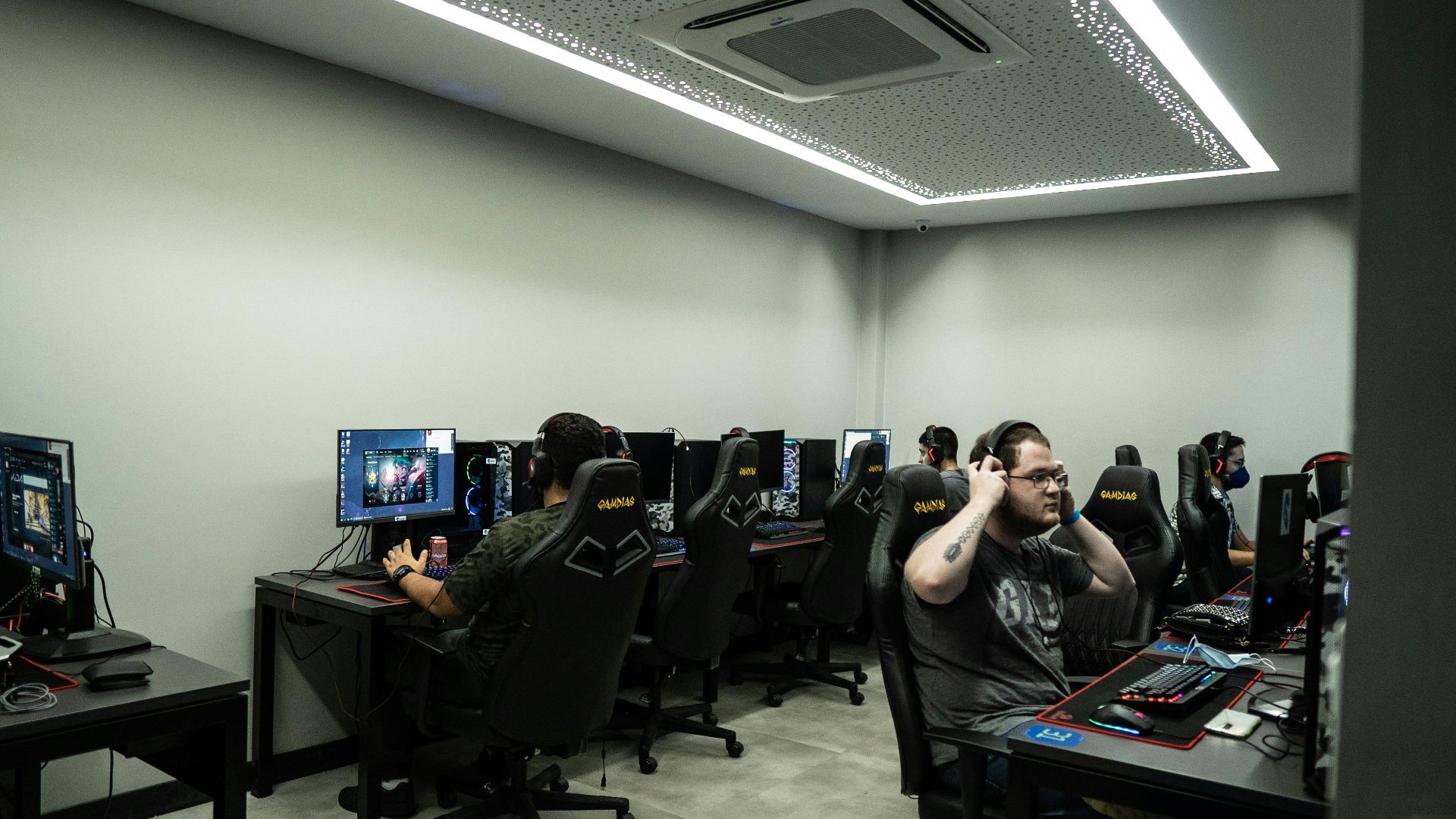
Competitive gaming existed casually for years before it became structured and sponsored. Once tournaments started offering serious prize pools, skilled players turned practice into full-time work. Now, entire careers are built on performance, training, and team dynamics.
3. Streamers
When platforms made it easy to broadcast gameplay, gamers started turning their sessions into live entertainment. It wasn’t just about skill, it was about personality, consistency, and connection. Watching someone play became as popular as playing itself.

4. YouTube Gaming Creators
Recording gameplay and adding commentary created a new kind of content entirely. Some focused on walkthroughs, others on humor or storytelling. Over time, these channels became businesses built on views, ads, and loyal audiences.

5. Speedrunners
Finishing a game quickly became an art form, not just a challenge. Players began optimizing every movement, discovering glitches, and competing for records. What started as niche curiosity grew into events, sponsorships, and dedicated communities.
6. Game Testers
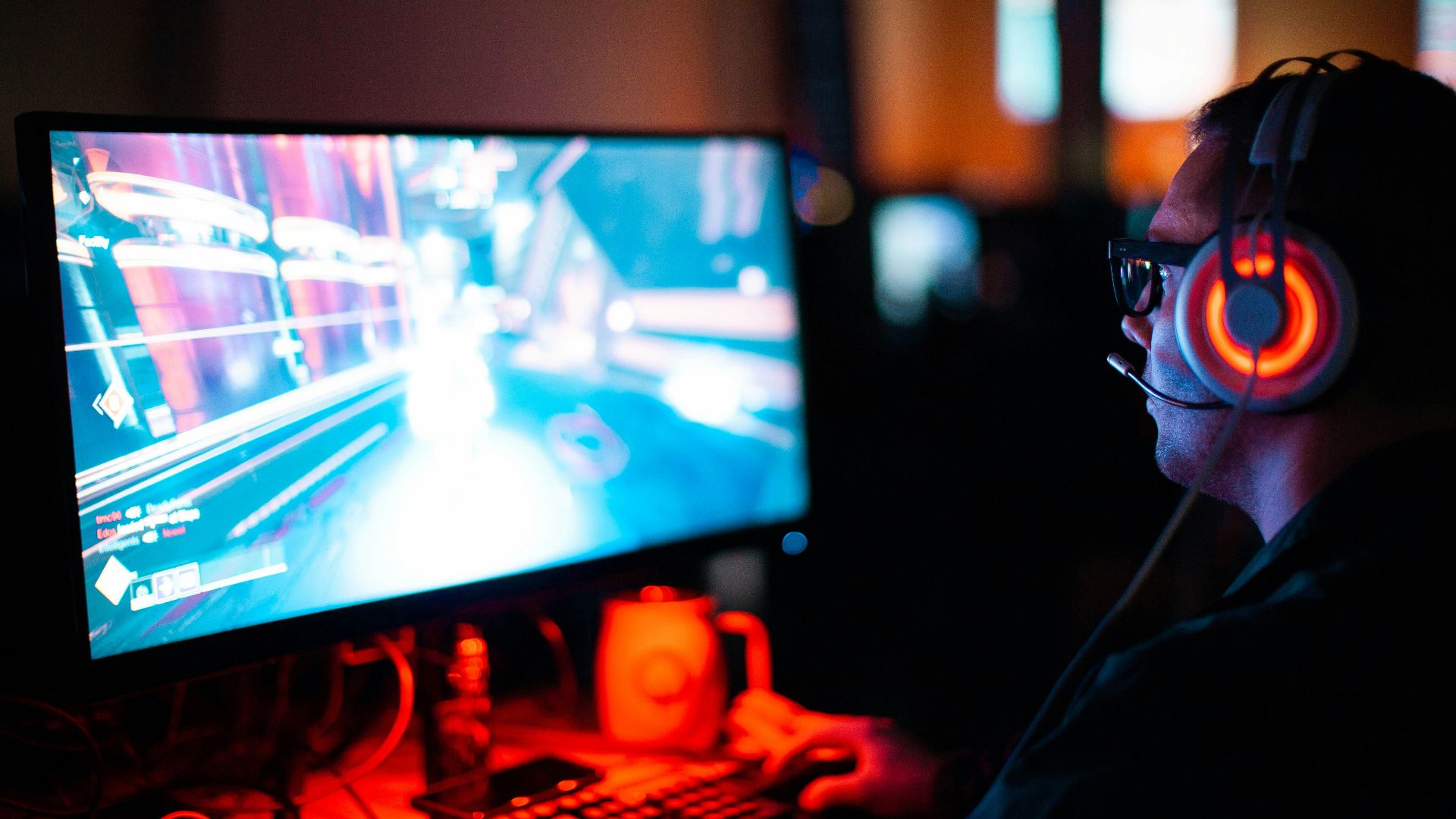
While testing existed within studios, external gamers began filling the gap as demand grew. Companies needed real players to find bugs, break systems, and give feedback. It turned everyday play into structured, paid work.
7. Mod Creators
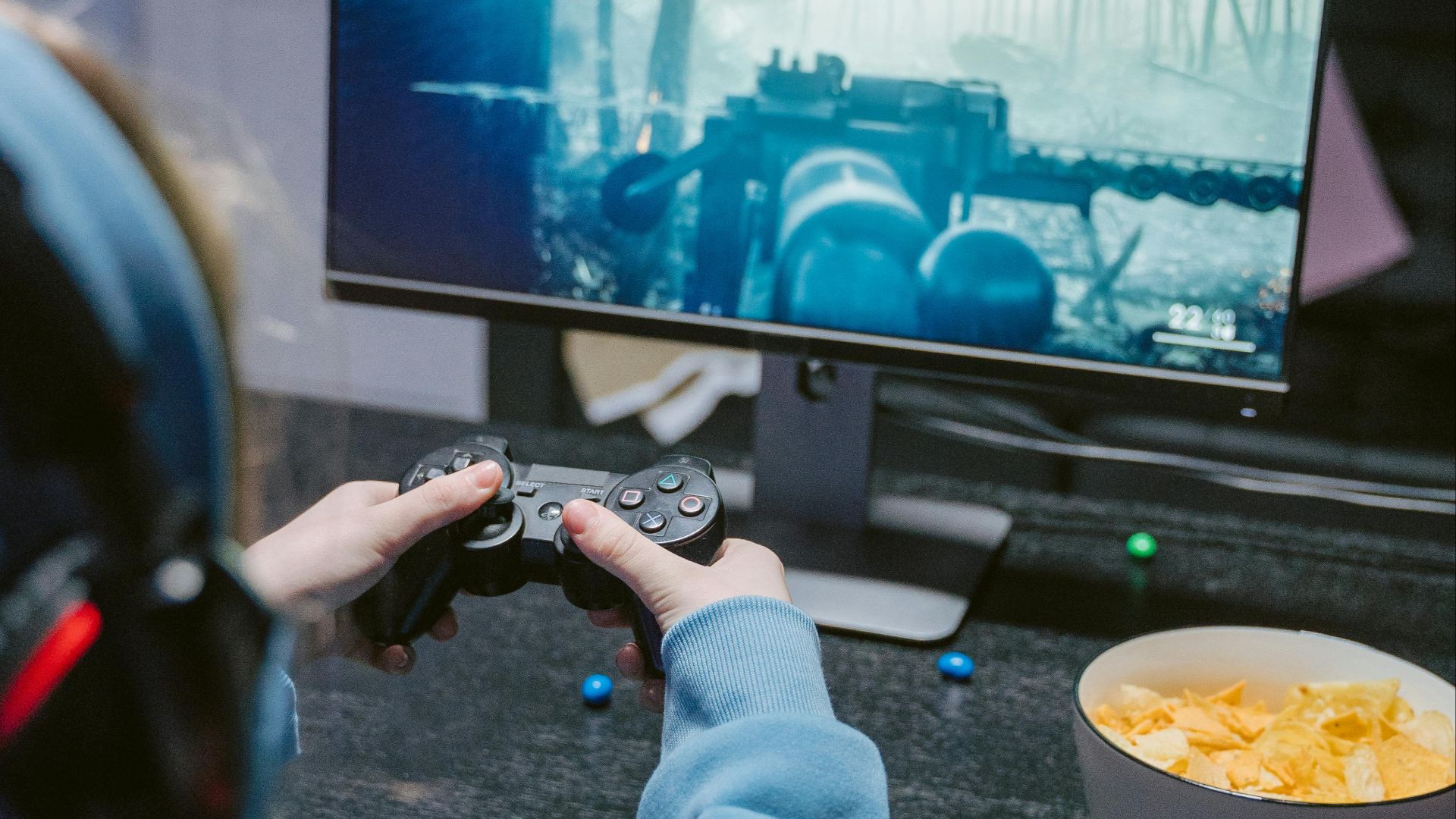
Players started altering games to improve graphics, add content, or fix problems developers hadn’t addressed. Some mods became so popular they rivaled the original game. In certain cases, modding even led directly to full-time development jobs.
8. Virtual Real Estate Traders
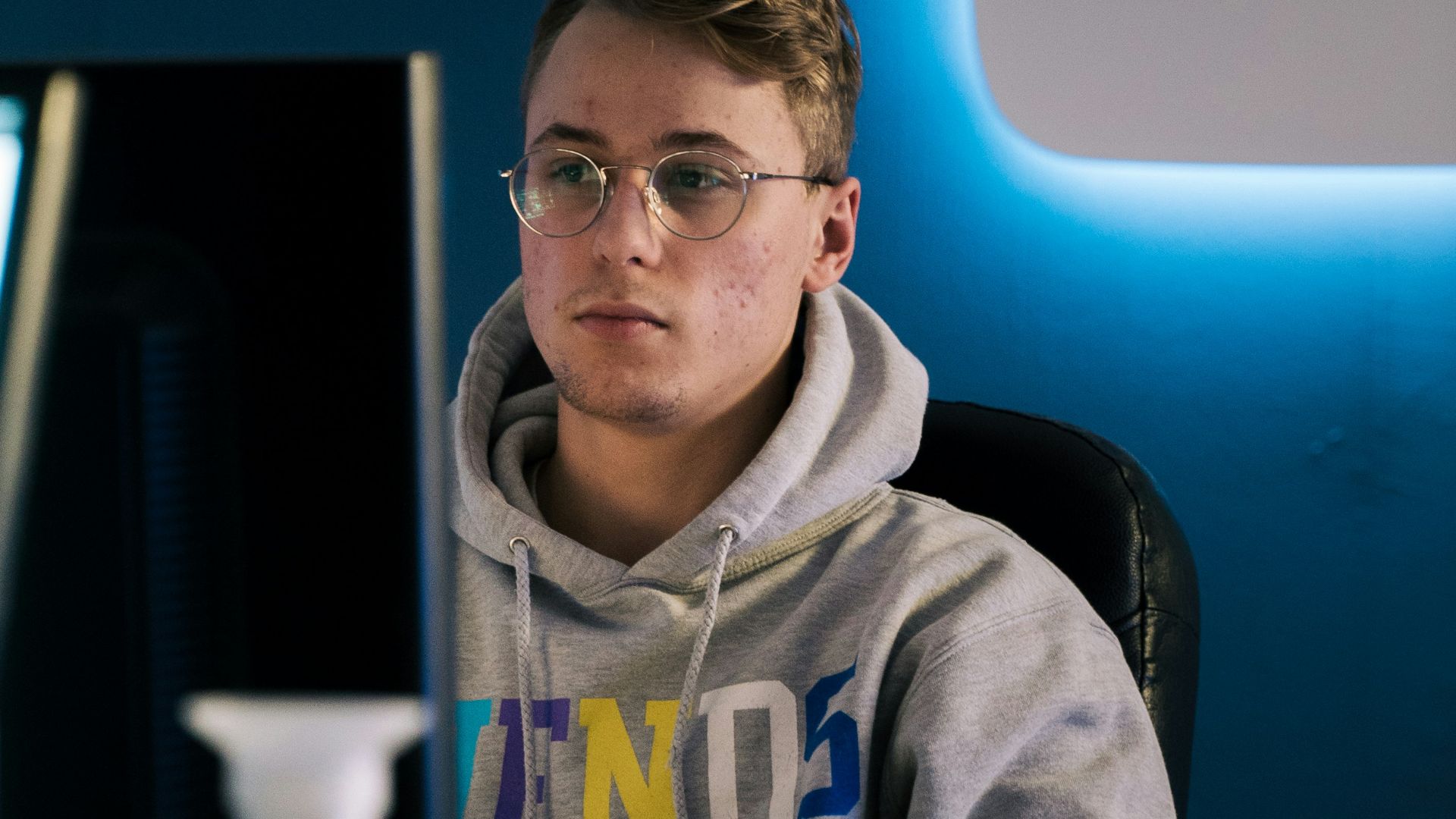
In online worlds, digital land and assets started gaining value. Players began buying, selling, and flipping virtual properties for profit. Entire marketplaces formed around something that didn’t physically exist.

9. Boosting Services
Not everyone had the time or skill to rank up in competitive games. Skilled players stepped in, offering to improve accounts for a fee. It created a quiet but steady demand for high-level gameplay as a service.

10. In-Game Coaches
As games became more complex, players started seeking guidance. Experienced gamers began offering coaching sessions to help others improve. It turned knowledge and strategy into something people were willing to pay for.
11. Skin Designers
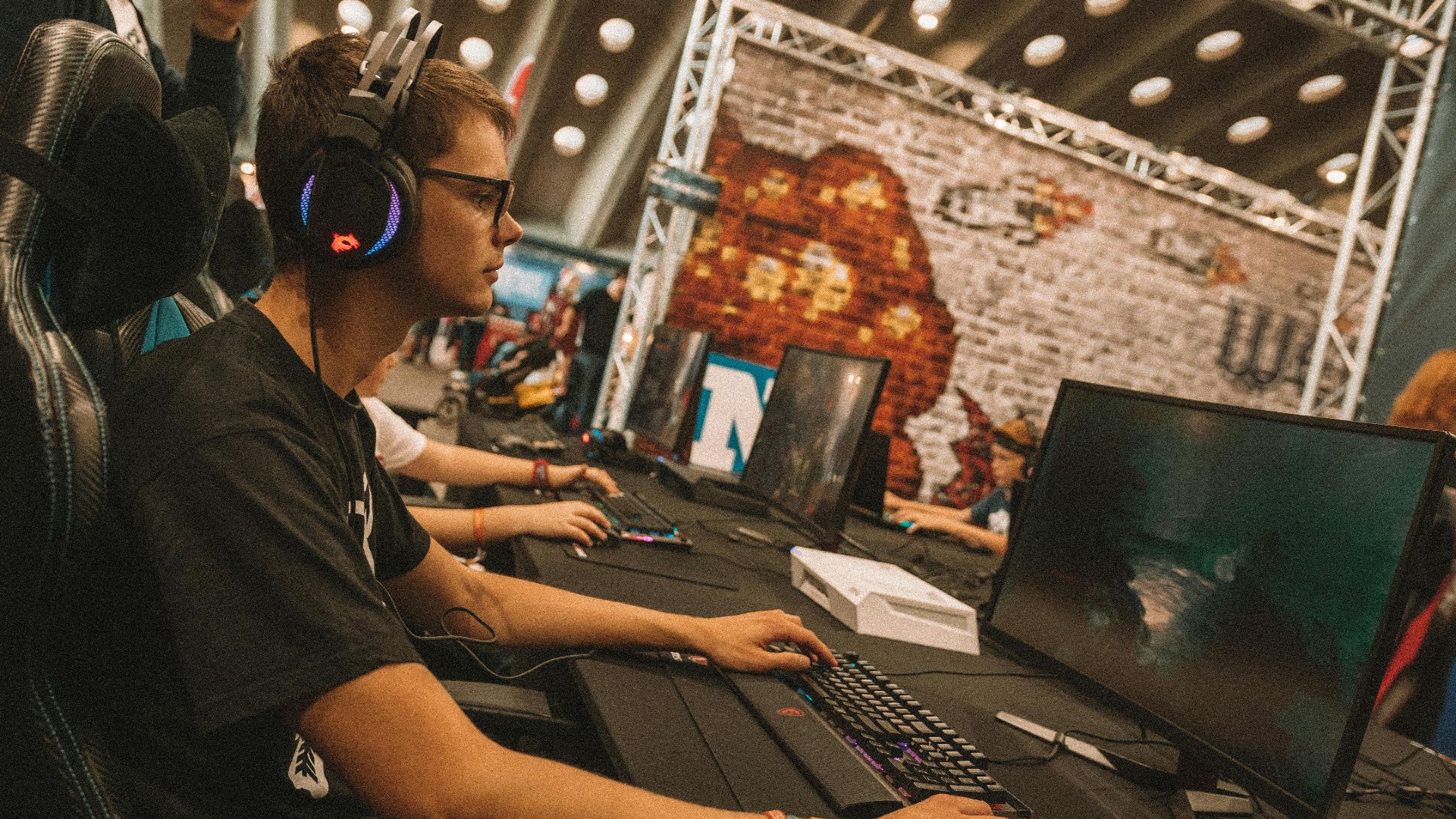
Customization became a major part of gaming culture, especially in competitive titles. Artists within the community began creating skins and cosmetic items that gained attention. Some eventually partnered with developers or sold their work directly.
12. Lore Analysts
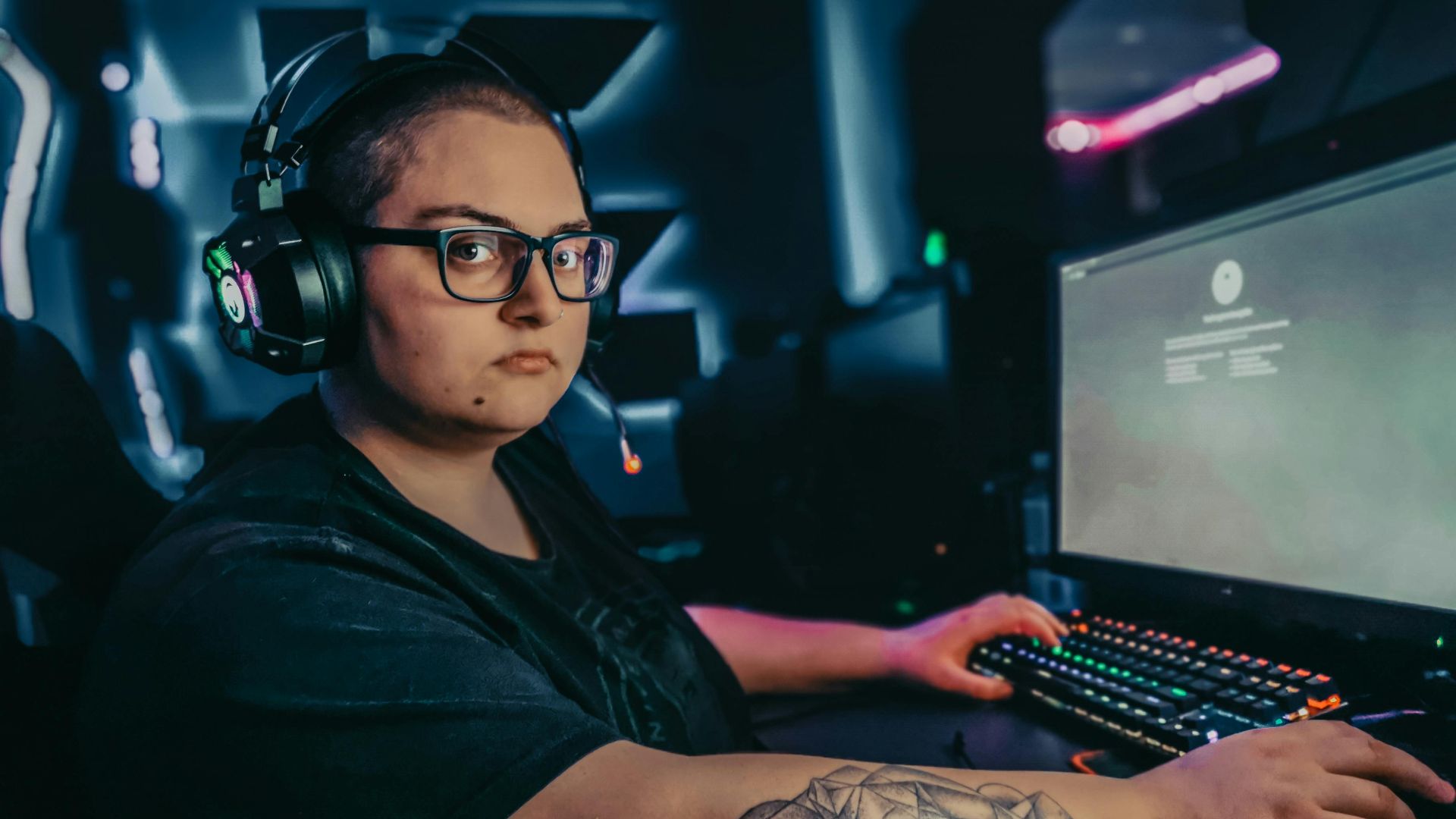
Some players focused less on gameplay and more on story. They broke down narratives, theories, and hidden details across games. This turned into a niche but dedicated content space with its own audience.
13. Gaming Journalists And Reviewers
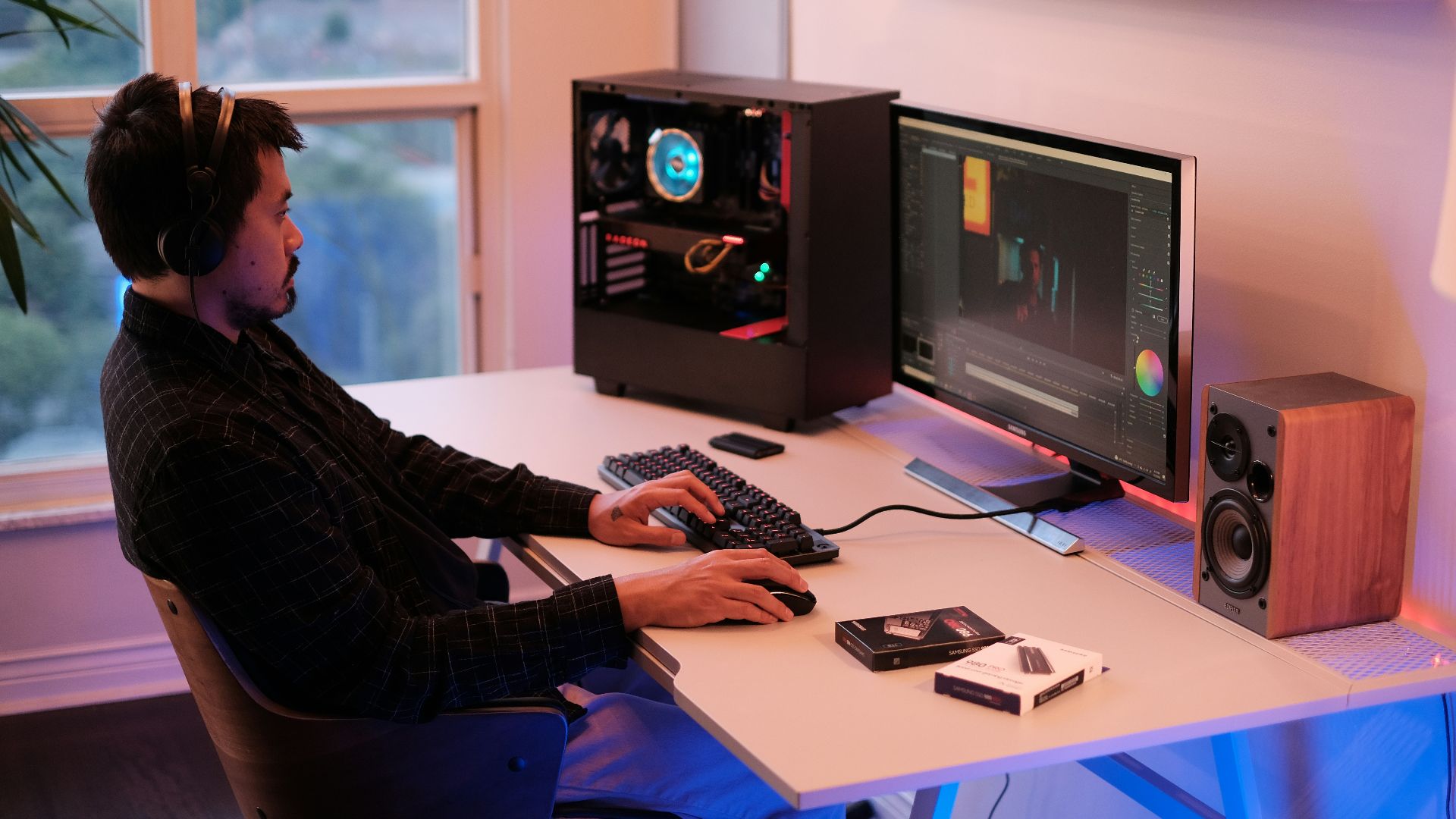
Gamers with strong opinions and writing skills started building platforms around reviews and analysis. Over time, this evolved into a professional field tied to media outlets and independent brands. Playing games became part of the job description.
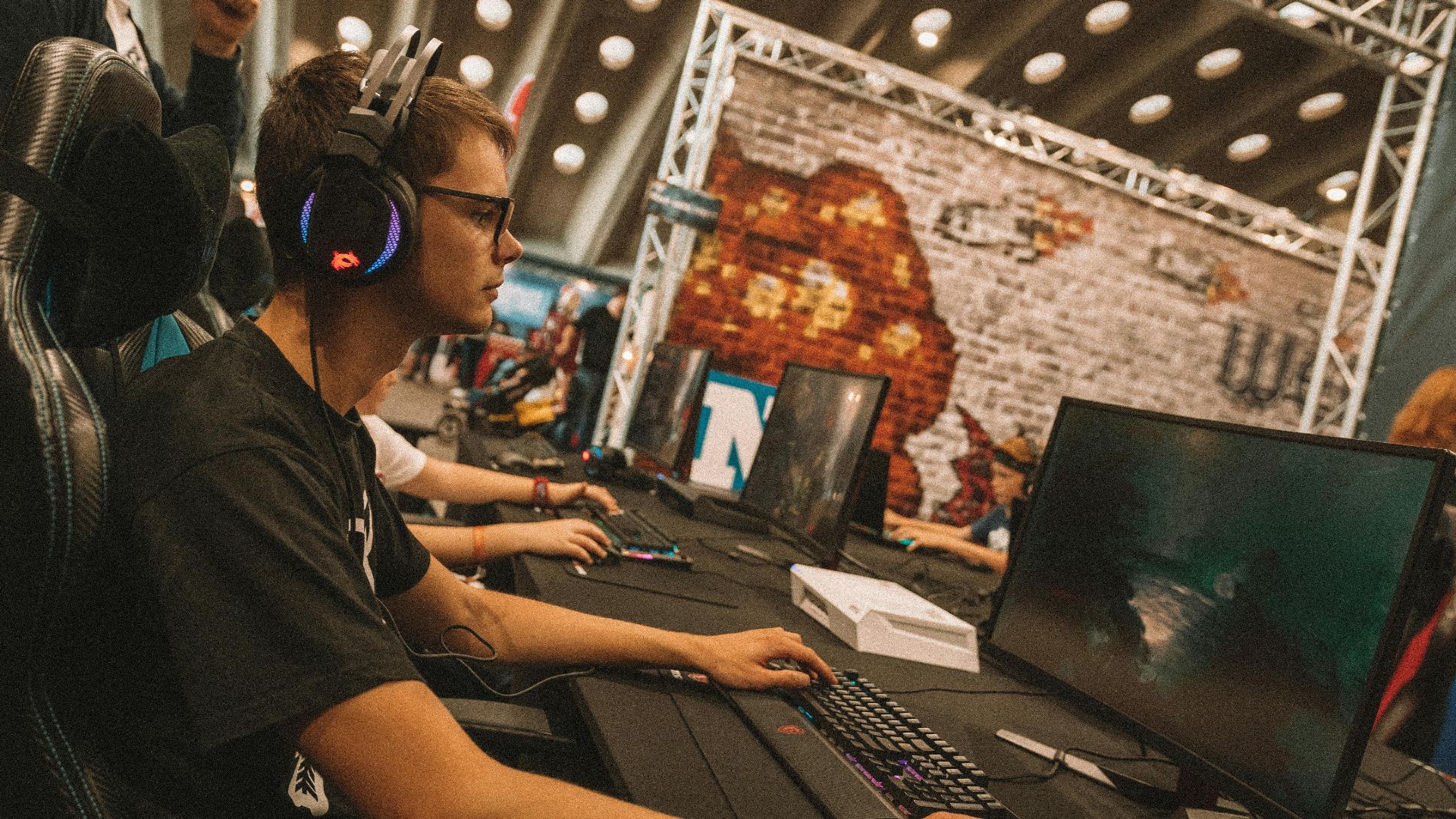
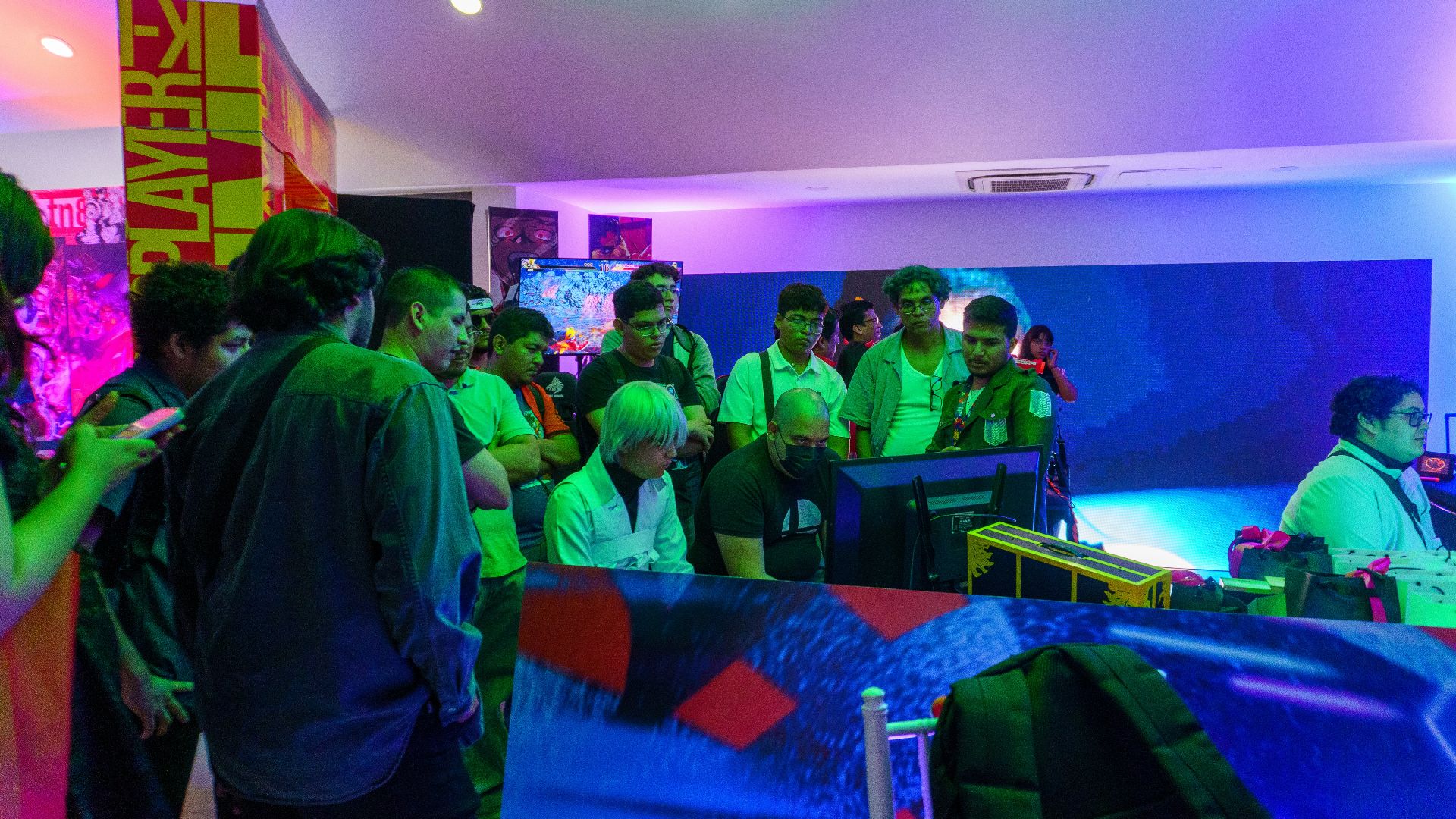
14. Tournament Organizers
As competitive gaming grew, someone had to run the events. Gamers stepped into roles organizing brackets, managing logistics, and building communities. What began as small meetups turned into large-scale productions.
15. Virtual Photographers
Games with detailed worlds inspired players to capture in-game images like real photography. Some built entire portfolios from these shots. It became a creative outlet that blurred the line between gaming and art.
16. Roleplay Performers
In certain online games, players began treating characters like actors in ongoing stories. They created narratives, hosted events, and built communities around immersive roleplay. It turned gaming into a kind of live performance.
17. Marketplace Flippers
Players noticed inefficiencies in in-game economies and took advantage of them. Buying low and selling high became a strategy, not just a side activity. It mirrored real-world trading in surprising ways.
18. Accessibility Advocates
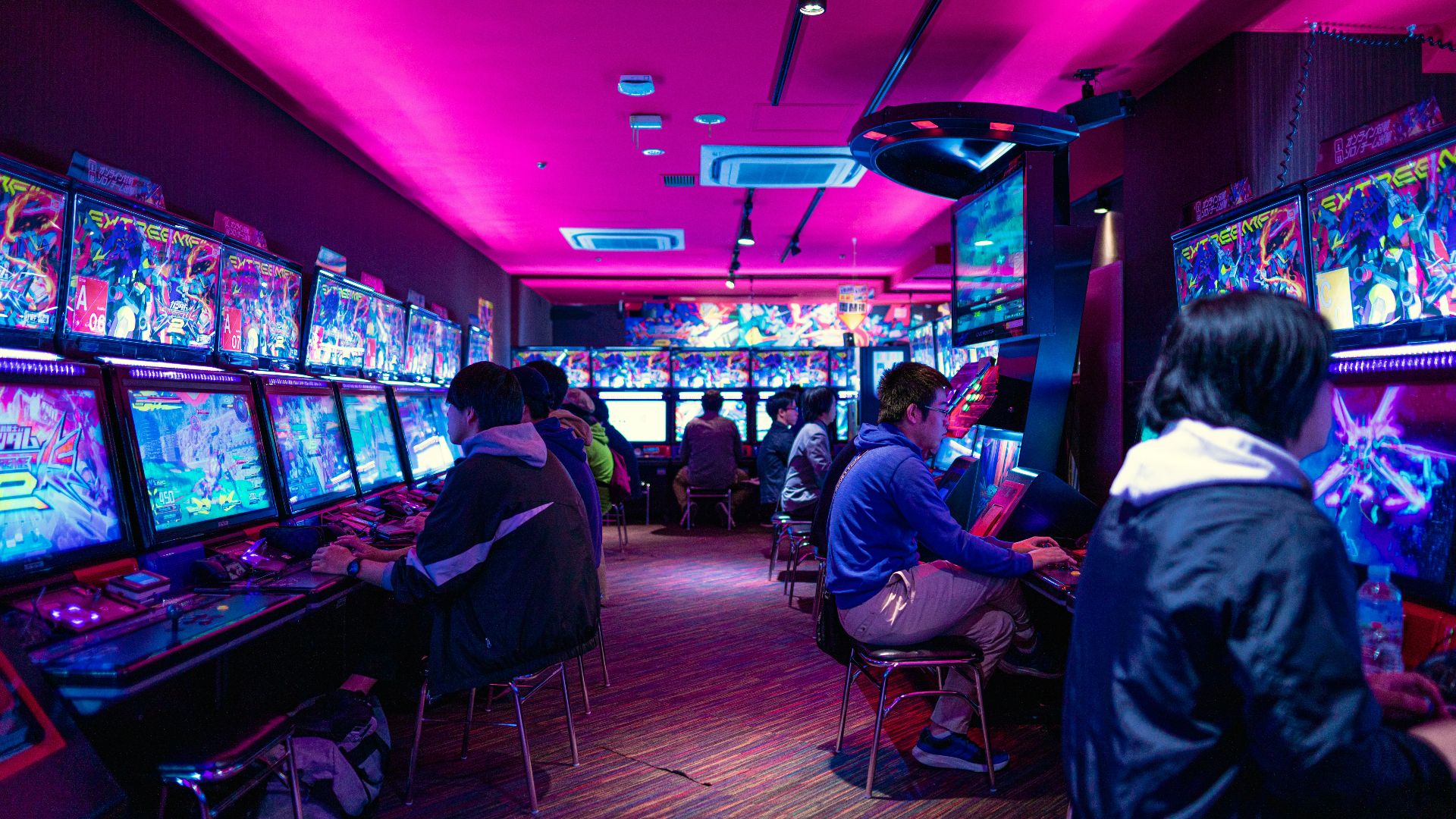
Gamers with technical insight began pushing for better accessibility features. They tested games, gave feedback, and worked with developers to improve inclusivity. It became a meaningful role within the industry.
19. Community Managers
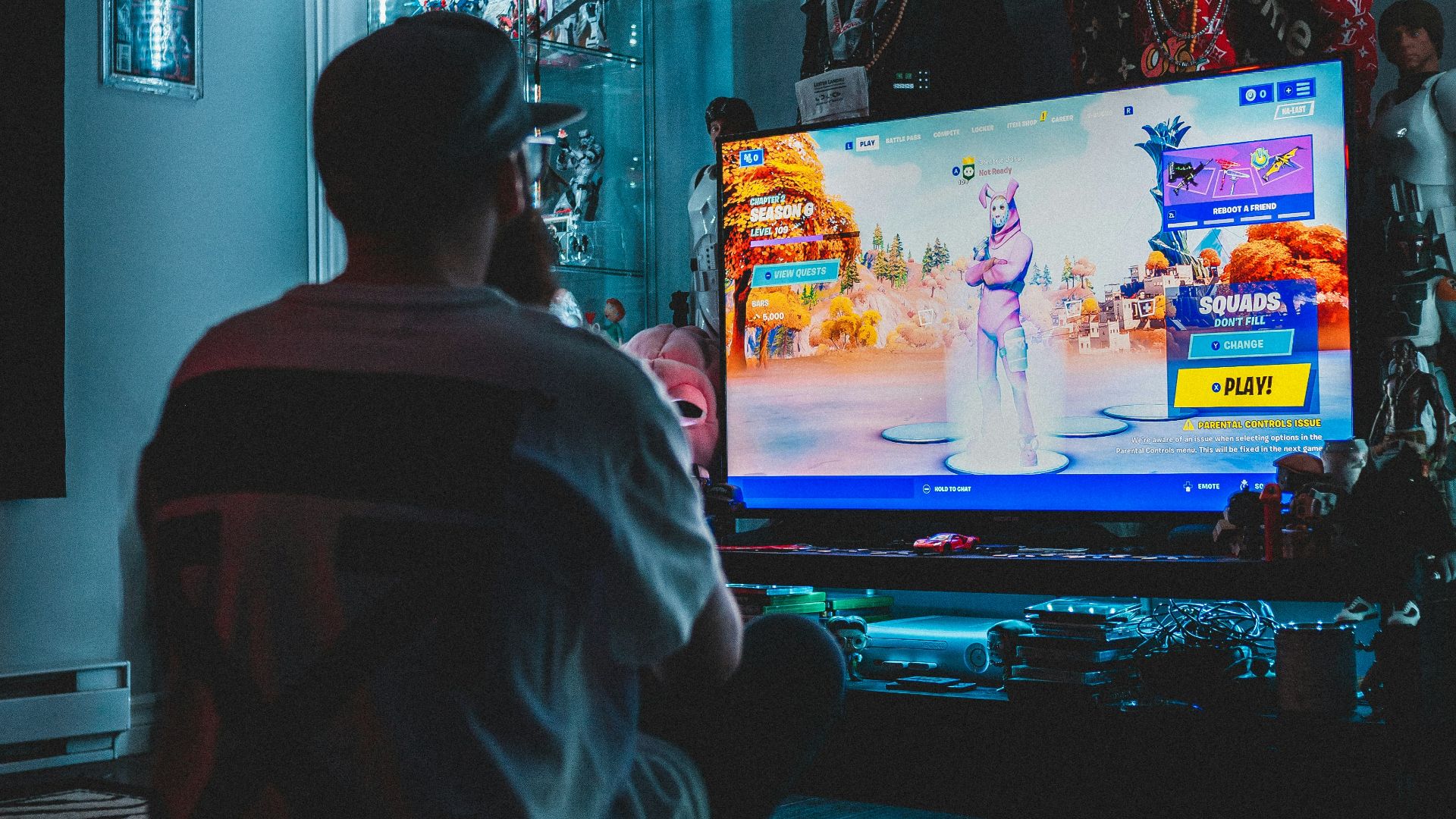
Active players who understood game communities became valuable to developers. They moderated discussions, communicated updates, and kept player bases engaged. Their role bridged the gap between creators and audiences.

20. Virtual Event Hosts
As online worlds expanded, so did the idea of hosting events within them. Players organized concerts, meetups, and experiences inside games. It turned virtual spaces into venues, and gamers into hosts.