The Internet Changed Everything—for Better and Worse
There's no question that the internet has fundamentally reshaped our lives in ways that would have seemed unimaginable just a few decades ago. It's connected billions of people, allowed easier access to information, and made countless everyday tasks faster and more convenient than ever before. But for every problem it's solved, it's also managed to create a new one (and sometimes, a much bigger one), and it's worth taking an honest look at both sides of the equation. Is the internet really as great as it seems to be?
1. Access to Information
Before the internet, finding reliable information meant a trip to the library, a hefty encyclopedia set, or knowing the right people to ask. Today, you can look up virtually anything in seconds, from the symptoms of a rare condition to the history of a country you'd never heard of. The democratization of knowledge is one of the internet's most meaningful contributions to modern life.
2. Staying in Touch with Loved Ones
Long-distance relationships, whether with family, old friends, or romantic partners, used to involve expensive phone calls or letters that took days to arrive. Now you can video call someone on the other side of the world for free, share photos the moment they're taken, and stay updated on the lives of people you care about in real time. The internet has made it much easier to maintain relationships across distances that once made them nearly impossible to sustain.

3. Small Business and Entrepreneurship
Starting a business used to require significant upfront capital, a physical storefront, and a local customer base that took years to build. The internet has lowered those barriers dramatically, giving entrepreneurs the ability to reach global audiences through social media, e-commerce platforms, and digital marketing at a fraction of the traditional cost. Countless small businesses that never would have survived in a purely local market are now thriving because of the reach the internet provides.

4. Entertainment on Demand
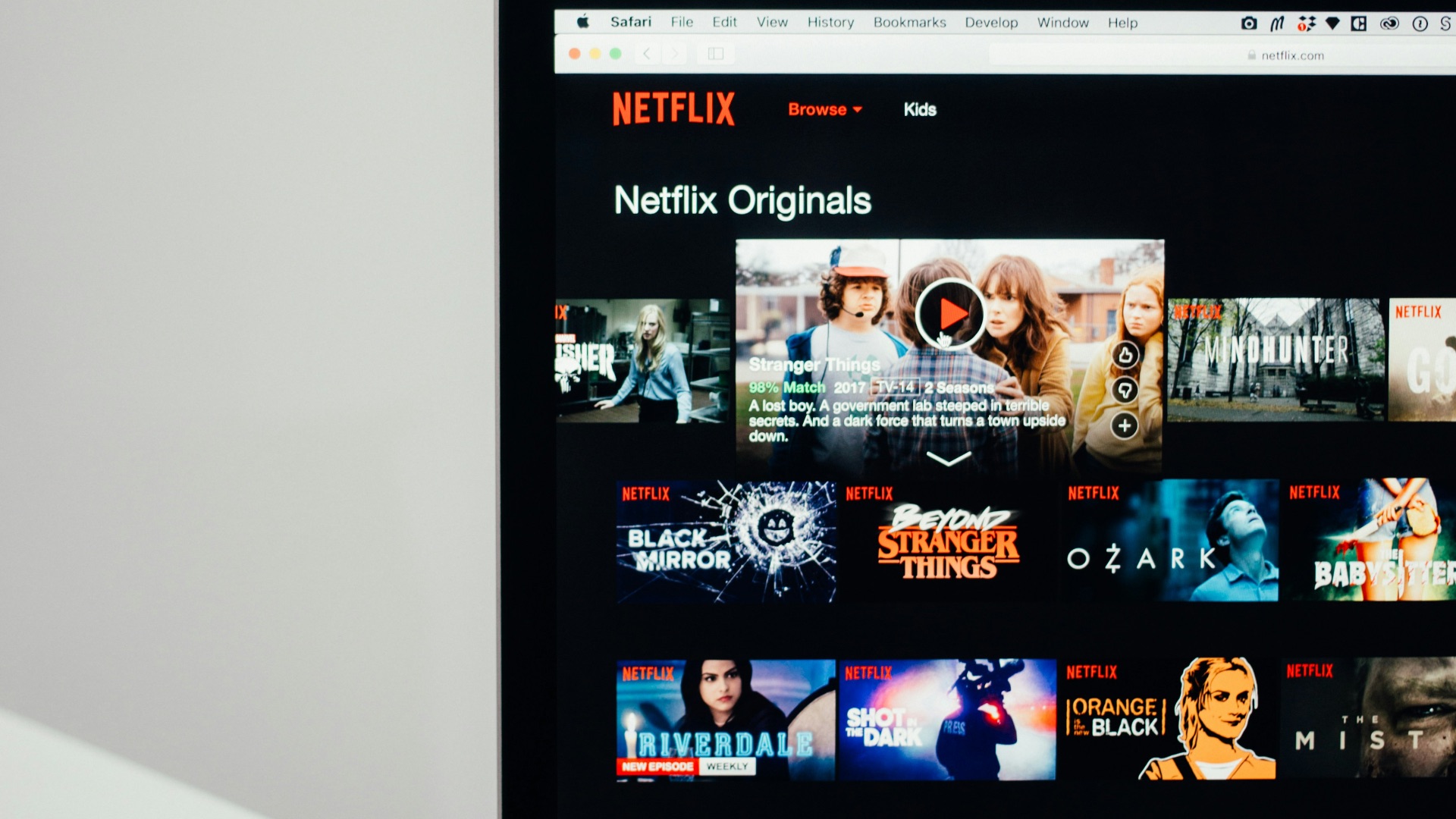
The days of planning your evening around a TV schedule or driving to a video rental store are long gone, and most people aren't mourning them. Streaming services, podcasts, YouTube, and digital music platforms have made it possible to access an almost incomprehensible library of entertainment at any moment you choose. Whether you want to watch a 1970s foreign film at 2 a.m. or discover a podcast about competitive cheese-making, the internet has you covered.
5. Remote Work and Flexible Careers
The traditional nine-to-five in a physical office is no longer the only viable career path for millions of workers, and the internet deserves a lot of the credit for that shift. Remote work tools, freelancing platforms, and cloud-based collaboration software have made it possible to build a full career from home, a coffee shop, or an entirely different country. For people with disabilities, caregiving responsibilities, or simply a preference for flexibility, this has been a life-changing development.

6. Online Banking and Financial Tools
Managing your finances used to mean standing in line at a bank branch, mailing in checks, or keeping meticulous paper records of your spending. Online banking, budgeting apps, and digital payment systems have made it faster and easier to monitor accounts, transfer funds, and pay bills without leaving your home. The added transparency of digital financial tools has also helped many people take a more active role in managing their money.

7. Medical Information and Telehealth
Patients today are far more informed than previous generations ever could have been, thanks to the wealth of credible medical information available online. Beyond research, the expansion of telehealth services has made it possible for people in rural areas or those with limited mobility to consult with doctors and specialists they'd otherwise have difficulty accessing. While self-diagnosing based on a quick search has its obvious pitfalls, the overall effect of the internet on healthcare access has been largely positive.

8. Community for Niche Interests
Before the internet, having an unusual hobby or a highly specific area of passion could feel pretty isolating, especially in smaller towns or communities where no one else shared your interests. Online forums, subreddits, Discord servers, and dedicated fan communities have made it possible to find your people no matter how niche your interests are. The sense of belonging that comes from connecting with others who share your enthusiasm, even if they live thousands of miles away, is something the internet has made possible at scale.
9. Navigation and Travel Planning
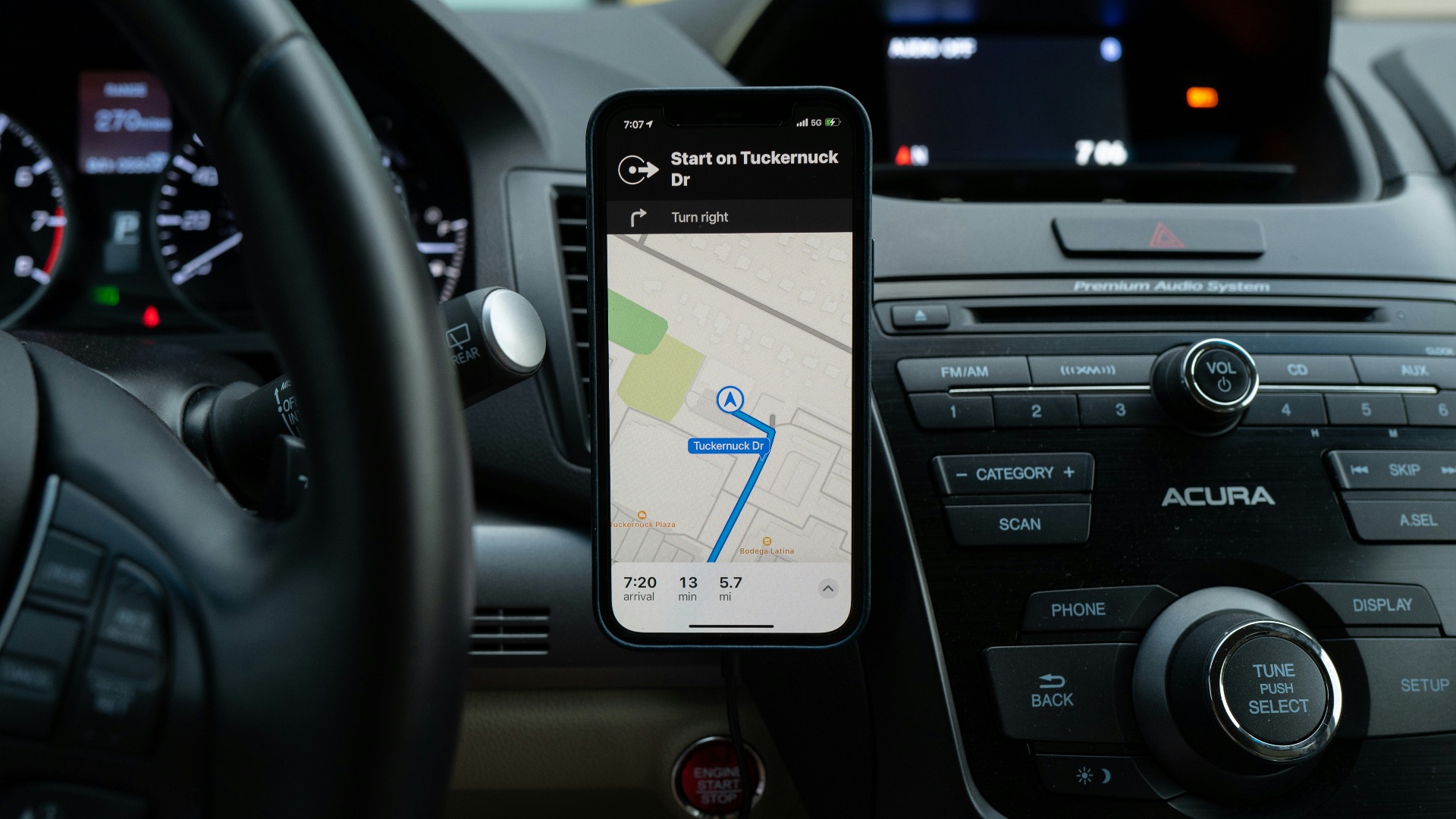
Getting lost used to be a regular part of driving somewhere new, and planning a trip abroad required travel agents, physical guidebooks, and a fair amount of guesswork. GPS navigation, real-time traffic updates, and travel review platforms have taken much of the uncertainty and frustration out of getting from one place to another, whether across town or across the world. You can now research hotels, read reviews from thousands of actual travelers, compare flight prices, and map out an entire itinerary without leaving your couch.
10. Education and Online Learning
Access to quality education has historically been tied to geography, income, and institutional gatekeeping, but the internet has started to chip away at those barriers in meaningful ways. Free and low-cost courses from top universities, instructional YouTube channels, language learning apps, and skill-based platforms have put real educational resources within reach of anyone with a reliable connection. Whether you're learning to code, studying for a professional certification, or picking up a second language, the internet has turned lifelong learning into a practical reality for a much larger portion of the population.
The internet's benefits are real and substantial, and it would be hard to argue that the world hasn't improved in many ways because of it. That said, it hasn't exactly been a flawless upgrade to human civilization, and the following 10 points make a pretty compelling case for that.

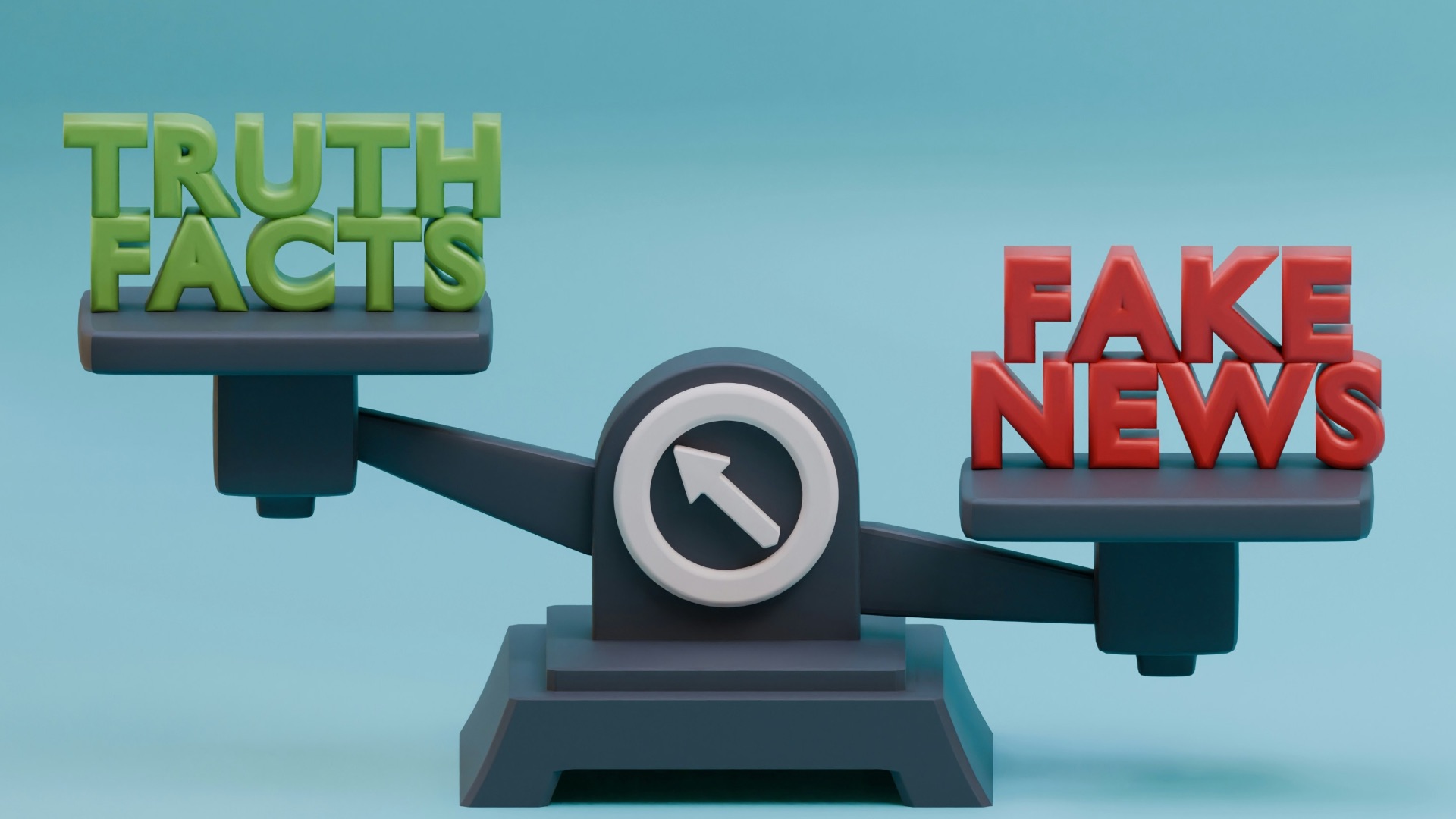
1. The Spread of Misinformation
False information has always existed, but the internet gave it a distribution network of unprecedented scale and speed. A misleading headline or outright fabricated story can now reach millions of people within hours, often long before any correction or fact-check has a chance to catch up. The consequences range from relatively harmless confusion to serious public health crises and political instability, and there's no easy fix in sight.
 Hartono Creative Studio on Unsplash
2. No Privacy
Most people have a vague awareness that their data is being collected online, but the true extent of digital surveillance would likely disturb them if they understood it fully. Every search query, purchase, click, and even the amount of time you spend looking at a particular post is tracked, stored, and sold to advertisers and data brokers. The concept of private life has been steadily eroded to the point where many people have simply accepted a baseline level of corporate surveillance as an unavoidable fact of modern existence.

3. Social Media and Mental Health
The research linking heavy social media use to anxiety, depression, and low self-esteem, particularly among teenagers and young adults, has been piling up for years now. Constant exposure to carefully curated highlight reels of other people's lives creates unrealistic comparisons, while the validation loop of likes and comments can develop into a compulsive need for external approval. The platforms are designed to be as engaging as possible, which often means they're also designed to keep users in a state of mild emotional agitation.
4. Cyberbullying and Online Harassment
Bullying existed long before the internet, but the ability to harass someone anonymously and continuously across platforms, at all hours, and in front of a potentially massive audience has made it significantly more damaging. Victims of online harassment can find it nearly impossible to escape, since the harassment often follows them from platform to platform and can include coordinated pile-ons from strangers who've never met them. The psychological toll of sustained online harassment has been linked to serious mental health outcomes, and for younger victims especially, the effects can be lasting.

5. Shortened Attention Spans
There's growing evidence that the constant stream of short-form content, notifications, and rapid context-switching that the internet encourages is making it harder for people to sustain focused attention for extended periods. Books, long articles, and complex tasks that require deep concentration are increasingly competing with an endless supply of bite-sized content optimized specifically to capture and hold attention for just long enough. The irony is that access to more information than ever before coincides with a growing difficulty in actually sitting with any of it long enough to absorb it properly.

6. The Death of Patience
The internet has made instant gratification so normal that waiting for almost anything now feels unreasonable, even when the wait is entirely reasonable. Two-day shipping feels slow, a buffering video feels like a crisis, and the idea of not having an answer to a question within seconds has become genuinely frustrating for a lot of people. That constant expectation of immediacy has seeped into areas of life where patience actually matters, like relationships, personal growth, and learning new skills.
7. Scams and Cybercrime
The internet has been an enormous gift to fraudsters, providing them with access to a global pool of potential victims and a wide range of tools to deceive and exploit them. Phishing emails, romance scams, identity theft, ransomware attacks, and online fraud cost individuals and organizations hundreds of billions of dollars every year. Older adults, who didn't grow up developing a natural skepticism toward digital communications, are disproportionately targeted, and the sophistication of these scams continues to increase.

8. The Overwhelming Volume of Choices
Before the internet, your options for almost any purchase, service, or decision were limited by what was locally available, which actually made choosing a lot simpler. Now you can access thousands of options for virtually everything, and research consistently shows that too many choices can lead to decision fatigue, anxiety, and lower satisfaction with whatever you ultimately pick. Instead of feeling liberated by unlimited options, a lot of people end up paralyzed by them or convinced they made the wrong call, even when they didn't.

9. Addiction and Compulsive Use
The apps and platforms that dominate internet use today are built with the explicit goal of maximizing the time you spend on them, employing the same psychological mechanisms used in gambling to keep you scrolling, clicking, and checking. For a significant portion of users, this tips from habitual use into something that disrupts sleep, relationships, productivity, and overall well-being. Recognizing it as a problem is complicated by the fact that internet use is now so deeply woven into work and social life that disengaging entirely isn't a realistic option for most people.
10. The Erosion of Expertise
When everyone has access to the same search engine, it's easy to conflate having read a few articles with having actual expertise in a subject. This has contributed to a culture where credentialed professionals—doctors, scientists, historians, engineers—are routinely dismissed in favor of online personalities with compelling presentation skills and no formal training in the subject they're confidently discussing. The result is a public discourse where authority is increasingly determined by follower counts rather than demonstrated knowledge, which doesn't tend to lead anywhere good.