10 Ways Kids Get Hooked On Screens Early & 10 Simple Things Parents Can Do About It
10 Ways Kids Get Hooked On Screens Early & 10 Simple Things Parents Can Do About It
Why Screens Stick So Fast
Nobody hands their kid a tablet and thinks, well, this is the beginning of a problem. It doesn't happen like that. It happens in waiting rooms, in the back seat, at the end of a long day when dinner still isn't ready, and you’re already feeling a little frayed. Screens are just so easy. They're portable, they work immediately, and they buy you ten minutes of quiet when ten minutes of quiet is all you need to stay sane. The trouble is that ten minutes turns into a few hours, and by the time you notice the pattern, it's already pretty well settled in.

1. Too-Young Ownership
The moment a device starts feeling like theirs, it stops being a treat and starts being a given. Suddenly, there’s an iPad at the breakfast table, in the car, beside the bed, and you're not sure when that happened or how to walk it back.

2. Autoplay Does The Work For Them
The app decides what comes next, and it does so before the video they’re watching even ends. Kids don't have to choose to keep watching because the choice is never really offered. This, however, is what keeps them glued to their seats.
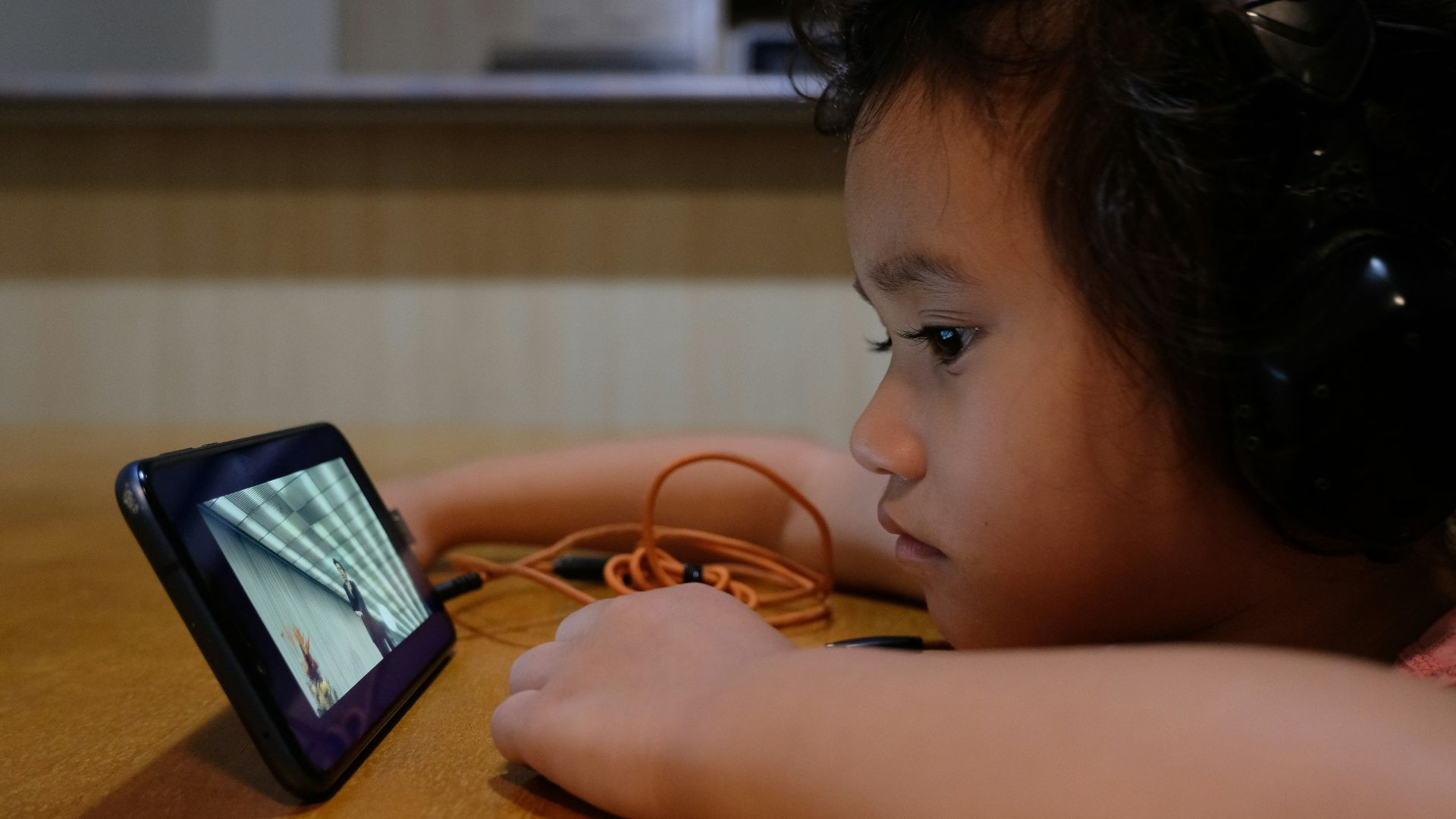
3. It’s Their Favorite Talking Point
It starts as something fun after school, and then one day you realize they've been asking about it since breakfast, talking about it through dinner, and acting like everything else is just an interruption.

4. Short Videos
There's no natural stopping point. The clips are quick, the topic changes constantly, and half an hour disappears without anyone making a single deliberate decision to keep going. It's not really watching anymore. It's more like drifting.
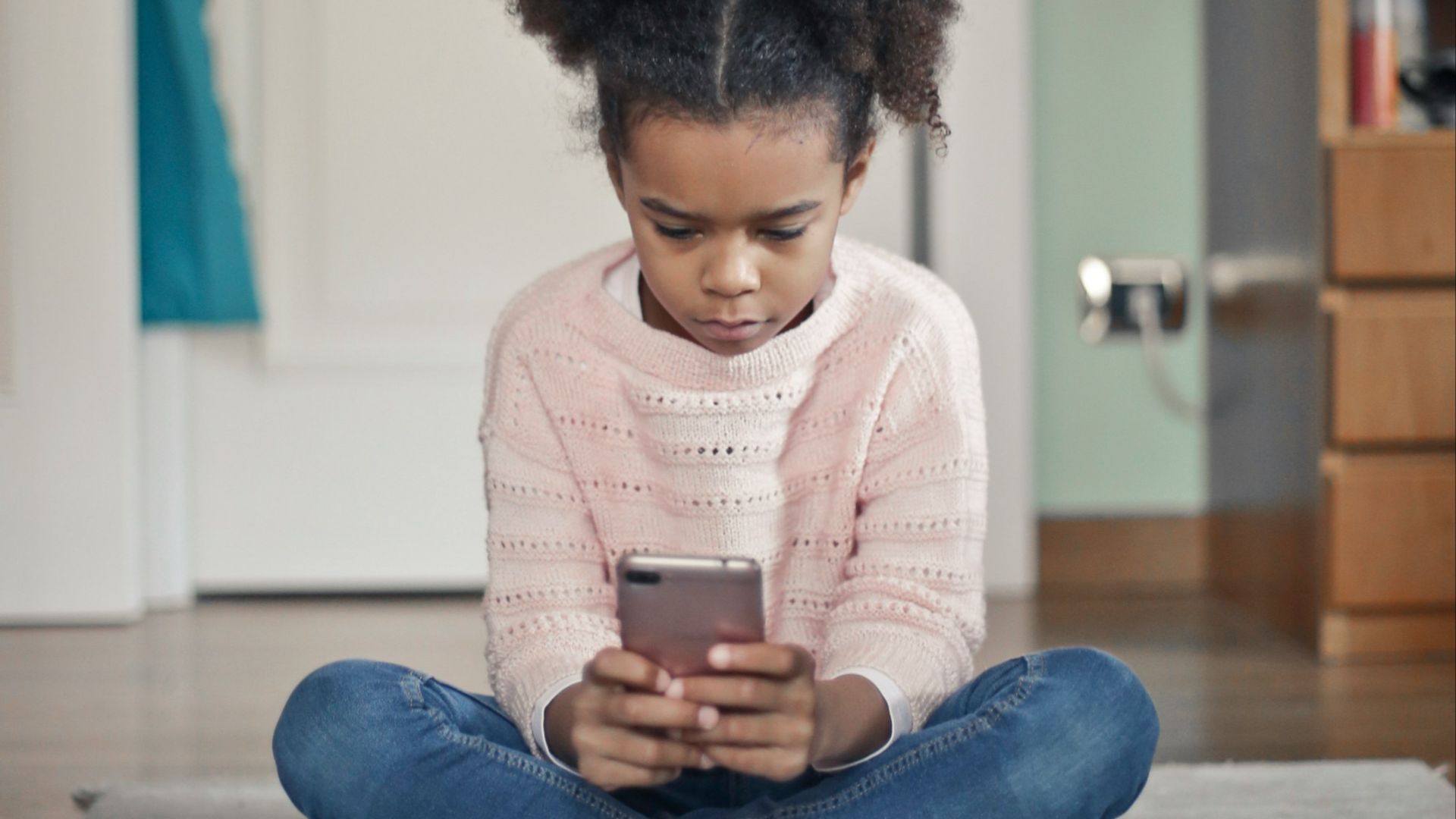
5. Their Social Life Lives There Now
For a lot of kids, the screen isn't just entertainment. It's where their friends are. Logging off means missing the group chat, sitting out the online game, being the one who wasn't there. That's a much harder pull to compete with than a cartoon or going outside.

6. Boredom Never Gets A Chance
Screens have moved into every gap in the day that used to be empty. The queue at the pharmacy, the ten minutes before dinner, the car ride that's too short for anything but too long to just sit. When kids don’t learn to be bored, they start to get fussy.

7. The Second You Take It Away, Everything Falls Apart
Happy one moment, absolutely furious the next. If that sounds familiar, you're not imagining it. That switch, when it's sharp and consistent, should be ringing the warning bell for you.

8. They Get Sneaky About It
Once kids figure out that their screen time is monitored, some of them start working around it. Brightness turned all the way down, a quick app swap when footsteps approach, one approved activity that quickly becomes three unapproved ones. They're creative, you have to give them that.
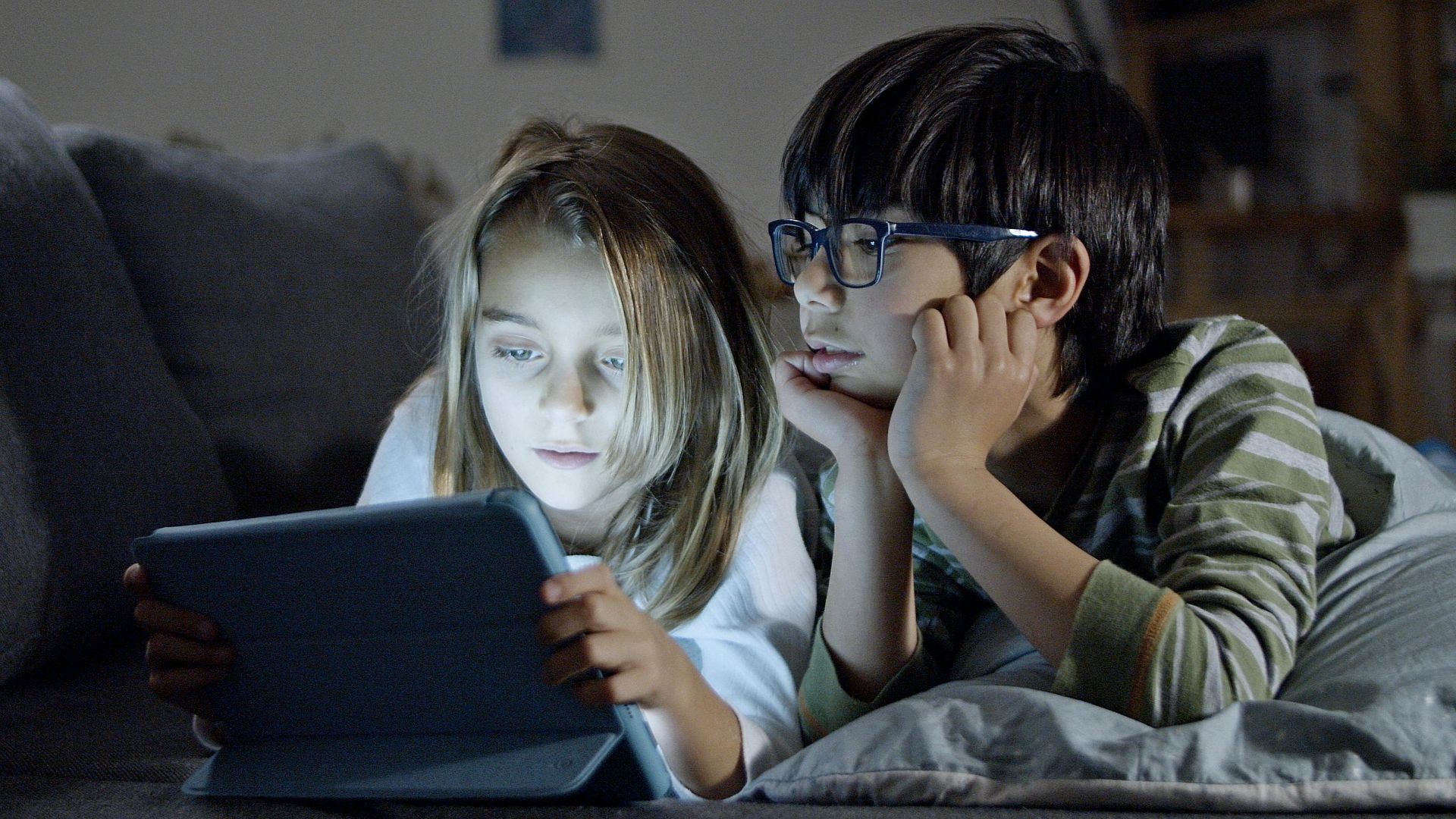
9. Do As I Say, Not As I Do
This one stings a little. Kids see the phone come out at dinner, the scroll that happens mid-conversation, the way a quiet moment immediately gets filled with a screen. They're not being shaped by what we say. They're being shaped by what we do.

10. The Bedtime Whine
One more level, one more video, just until this part is over. By the time the screen actually goes off, it's late, the wind-down window has closed, and everyone is overtired and irritable. This isn’t new for children, but the portability of a small screen does make bedtime a lot harder. Screens and sleep really don't get along.
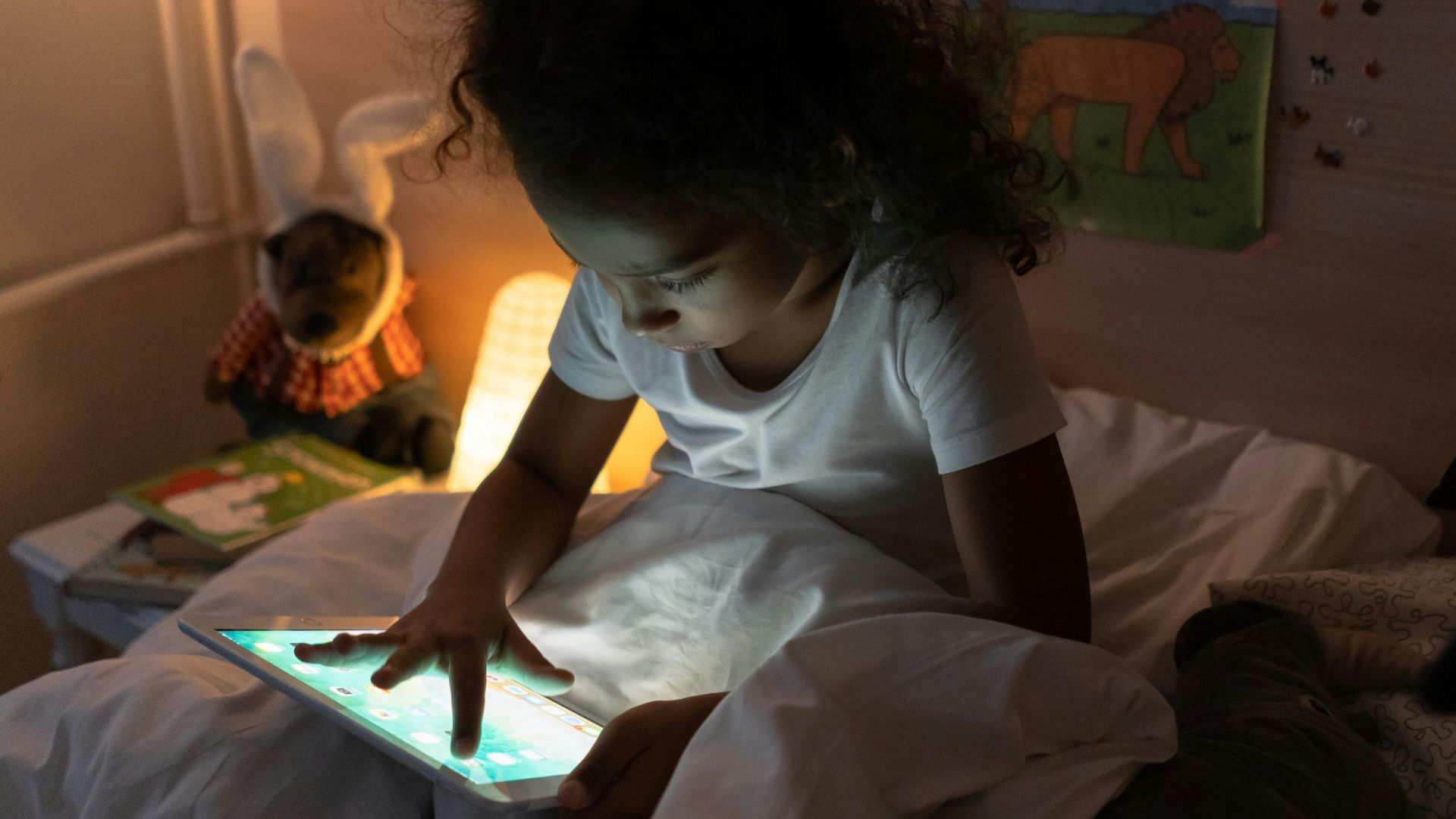
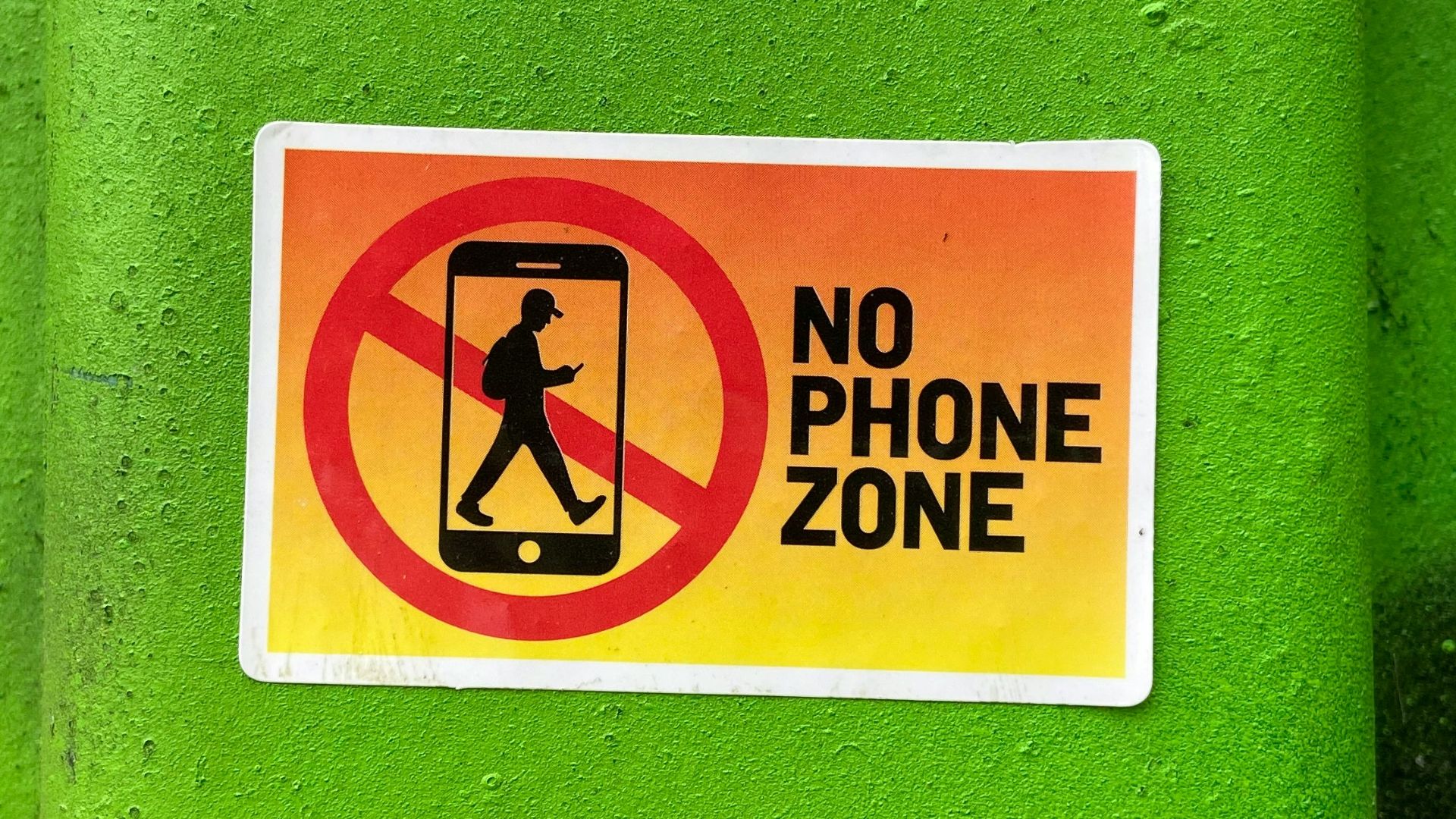
1. Pick A Few No-Screen Zones
Bedrooms, the dinner table, the homework spot. Tying the rule to a place rather than having a general conversation makes it easier to hold without having to relitigate it every single evening.
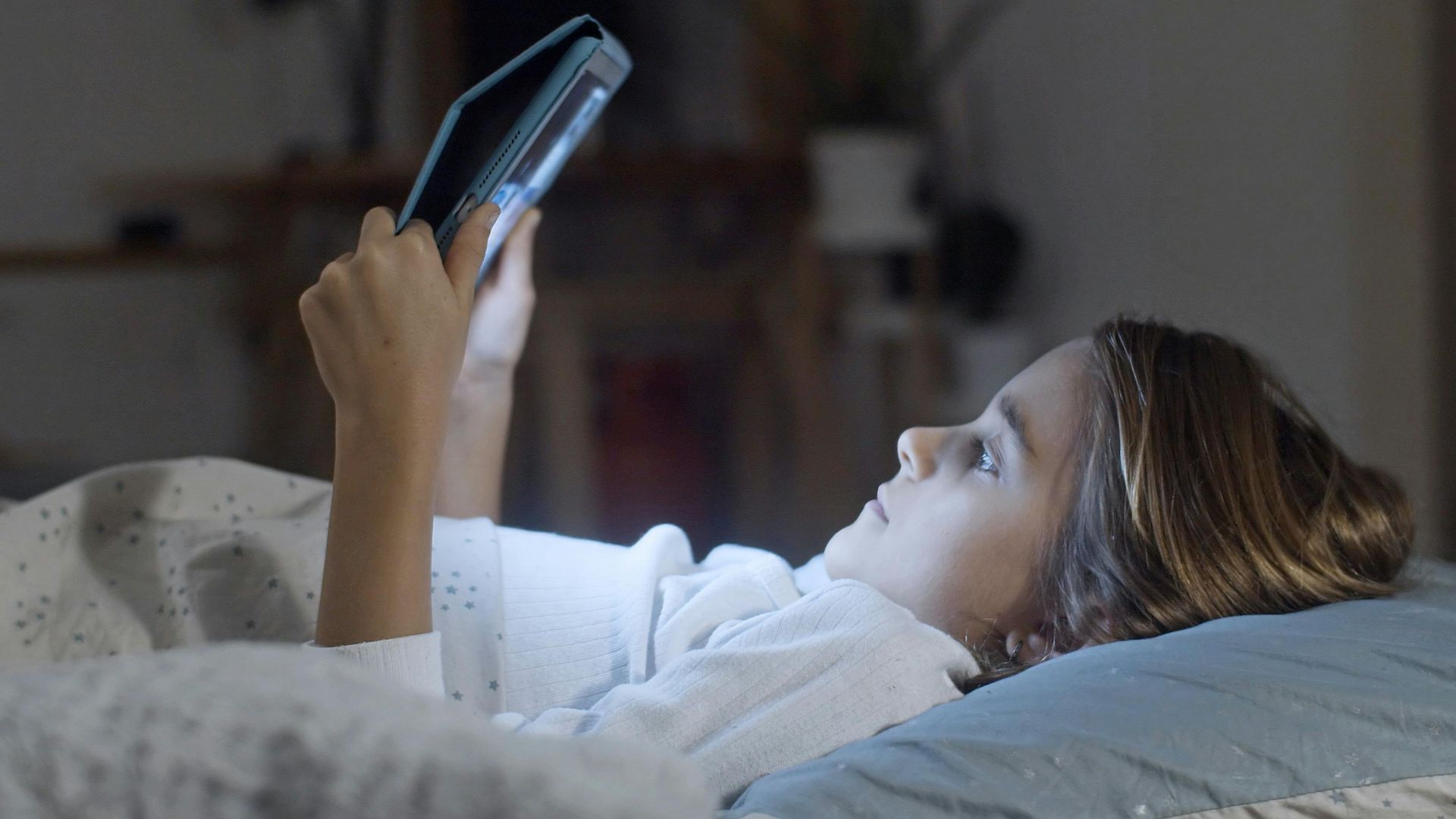
2. Tell Them The Limit Before They Start
"You've got 30 minutes, and then it's dinner" lands so much better than letting it go indefinitely and then pulling the plug without warning. The shutdown argument is almost always worse when it comes out of nowhere. It might not actually come out of nowhere to you, but it does to them.
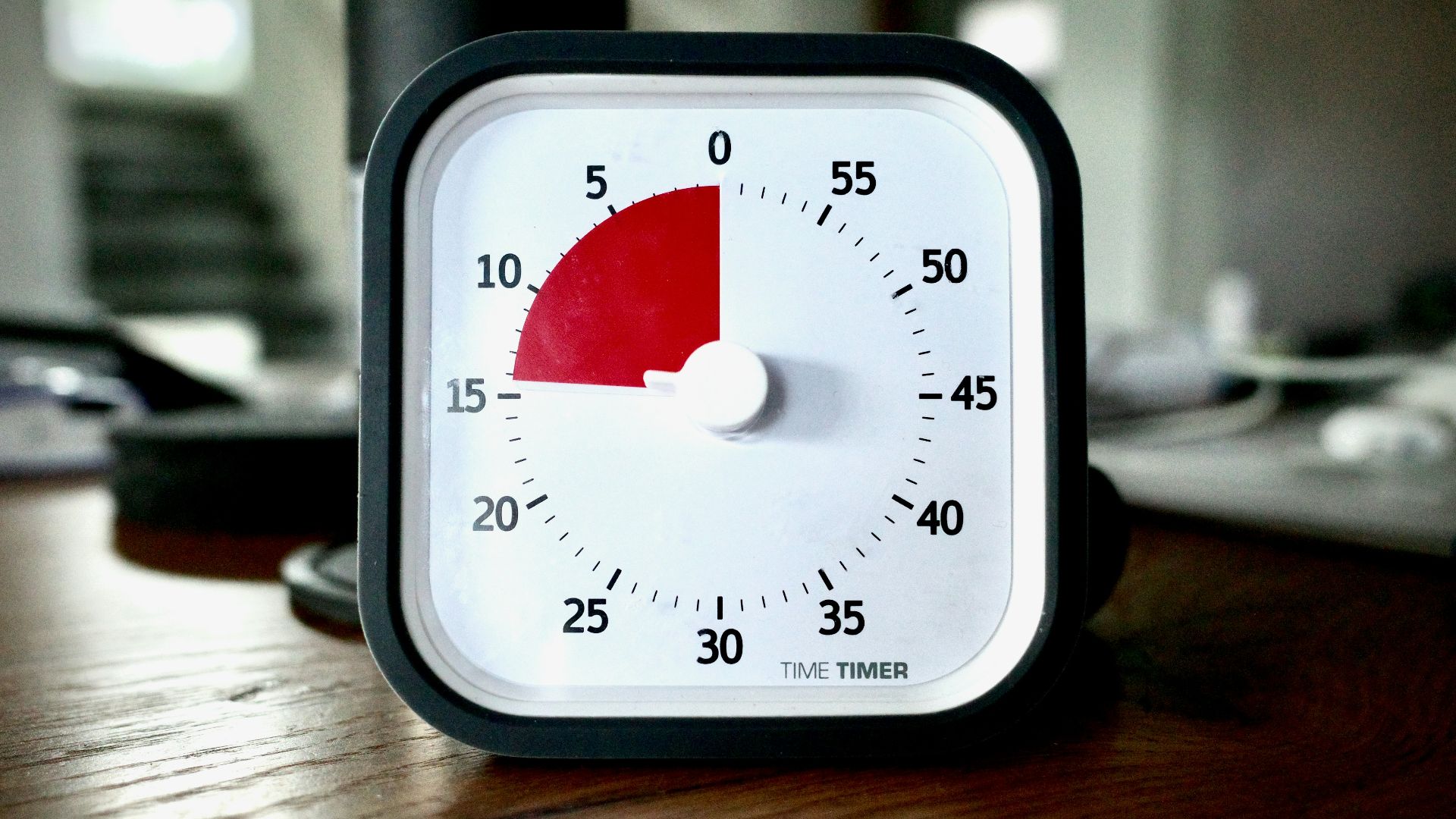
3. Time Matters Less Than What They're Actually Doing
An hour building something in a game is not the same as an hour cycling through short videos and notification pings. Looking at the content tells you more than the clock does. Not every screen minute is equal, and it's worth treating them differently.

4. Social Apps Can Wait
The pressure that comes with posting and messaging and feeling constantly available is a lot for an adult, let alone a kid who's still figuring out who they are. No rule says they have to have all of that early. Waiting a bit longer is fine.
 Mariia Shalabaieva on Unsplash
5. Guard The Hour Before Bed
This is the one that makes the biggest difference, and also the one that falls apart most often. A screen-free wind-down helps kids sleep better, and helps you to get them off to bed with less of a fuss.

6. Make It Easy To Do Something Else
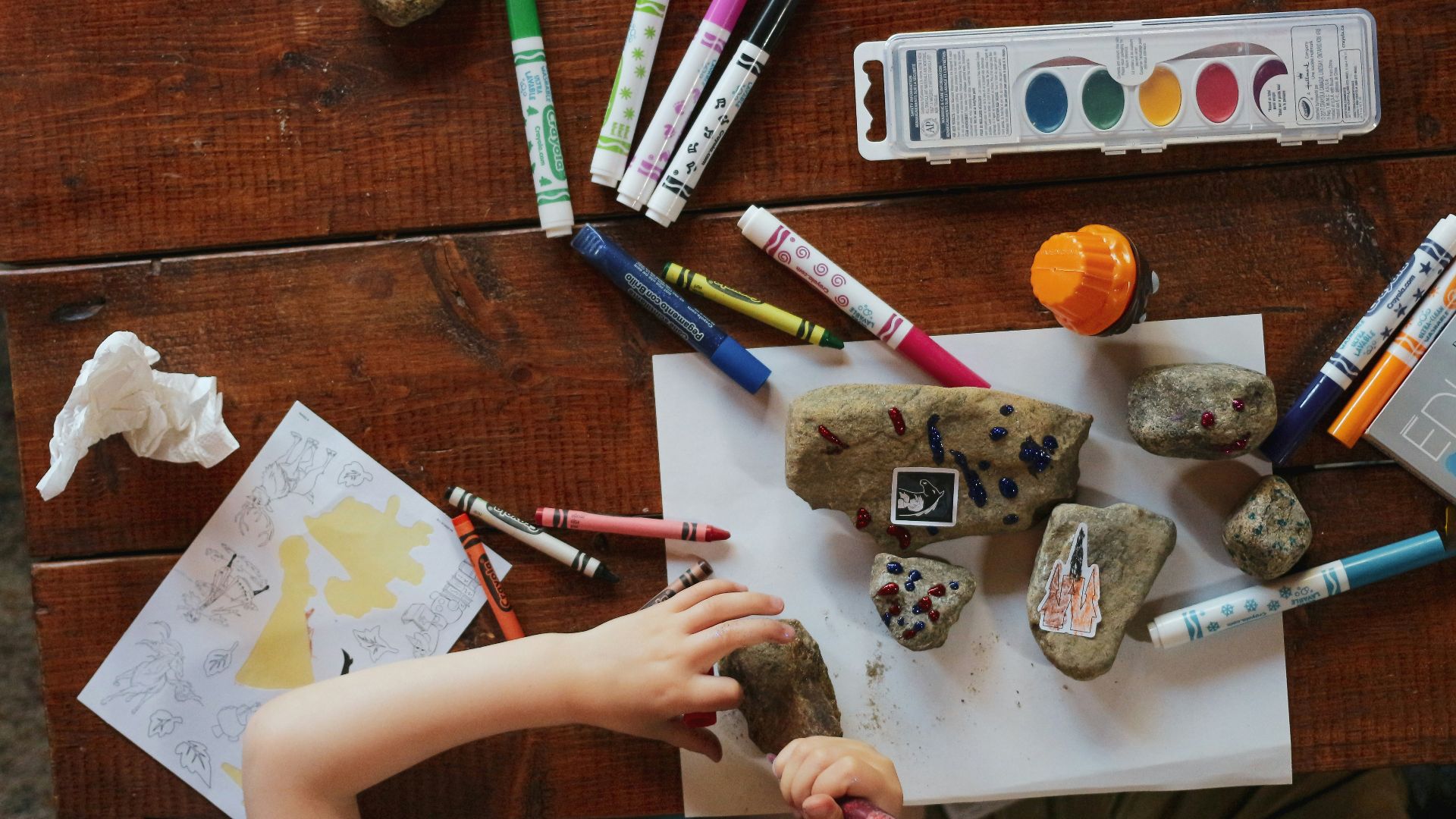
"Go find something to do" is not a plan. A deck of cards on the counter, a puzzle that's already half done, markers that are actually where they're supposed to be: these are plans. Kids leave screens more willingly when there's something tangible available.
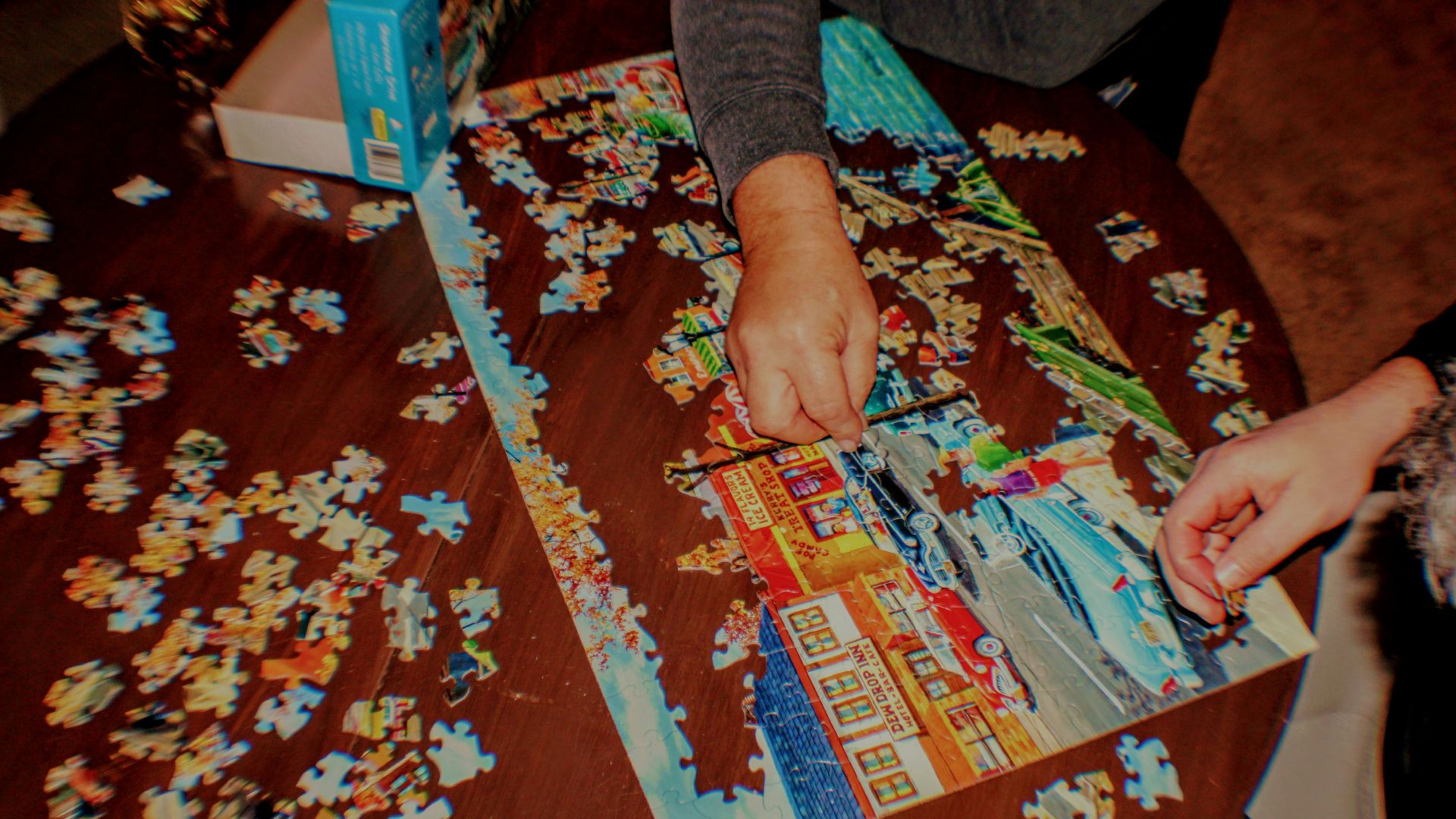
7. Let Them Be Bored Sometimes
You don't have to solve it. A kid sighing on the sofa is not an emergency. Some of the best stuff, the made-up games, the random drawing projects, the elaborate nonsense they invent in the hallway, comes directly out of having nothing to do for a while.
8. Use Parental Controls
Timers, content filters, and screen limits are built into your kids' devices. They're not perfect, and they don't replace actually paying attention, but they do mean the device can be the one enforcing the boundary instead of you.
9. Model It
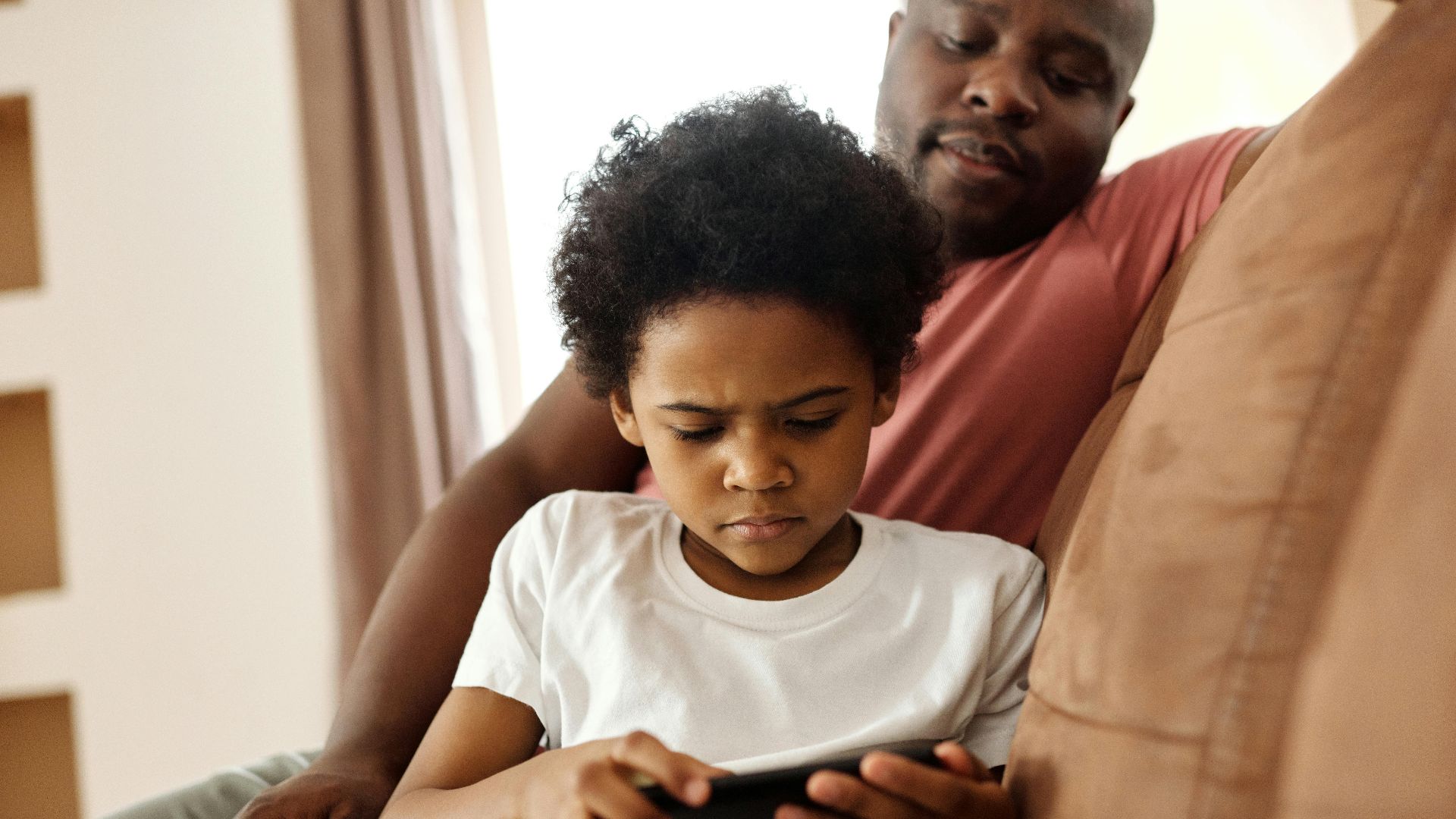
Put the phone down at dinner. Leave it out of the bedroom. Get through a short trip without checking it once. Kids are watching all of it, and what they see regularly is what starts to feel normal. This part is uncomfortable because most of us have our own habits to sort out, too. That's okay. It's worth working on anyway.
10. Catch It Early, Before It Digs In
This early addiction rarely announces itself. It shows up as worse sleep, shorter fuses, less interest in anything that isn't a screen, and reactions that seem out of proportion when a device gets taken away. Those signs are manageable when you catch them early. They're a lot harder to deal with once the pattern has been running untested for a long period of time.