Not long ago, folding phones were little more than a novelty concept; they were flashy prototypes shown off at trade shows that few people genuinely expected to buy. Since then, the technology has matured considerably, and foldable smartphones have evolved from curiosity into a legitimate category with a growing customer base. It's starting to look like this might be the future for smartphones.
The conversation around foldables has intensified significantly in 2026 as well, largely because of what's expected to arrive this fall. With Samsung continuing to refine its lineup and Apple preparing to enter the market for the very first time, the stakes have never been higher. If you've been on the fence about foldable phones for a while, this may be the year that finally gives you a real reason to pay attention.
The State of the Foldable Market
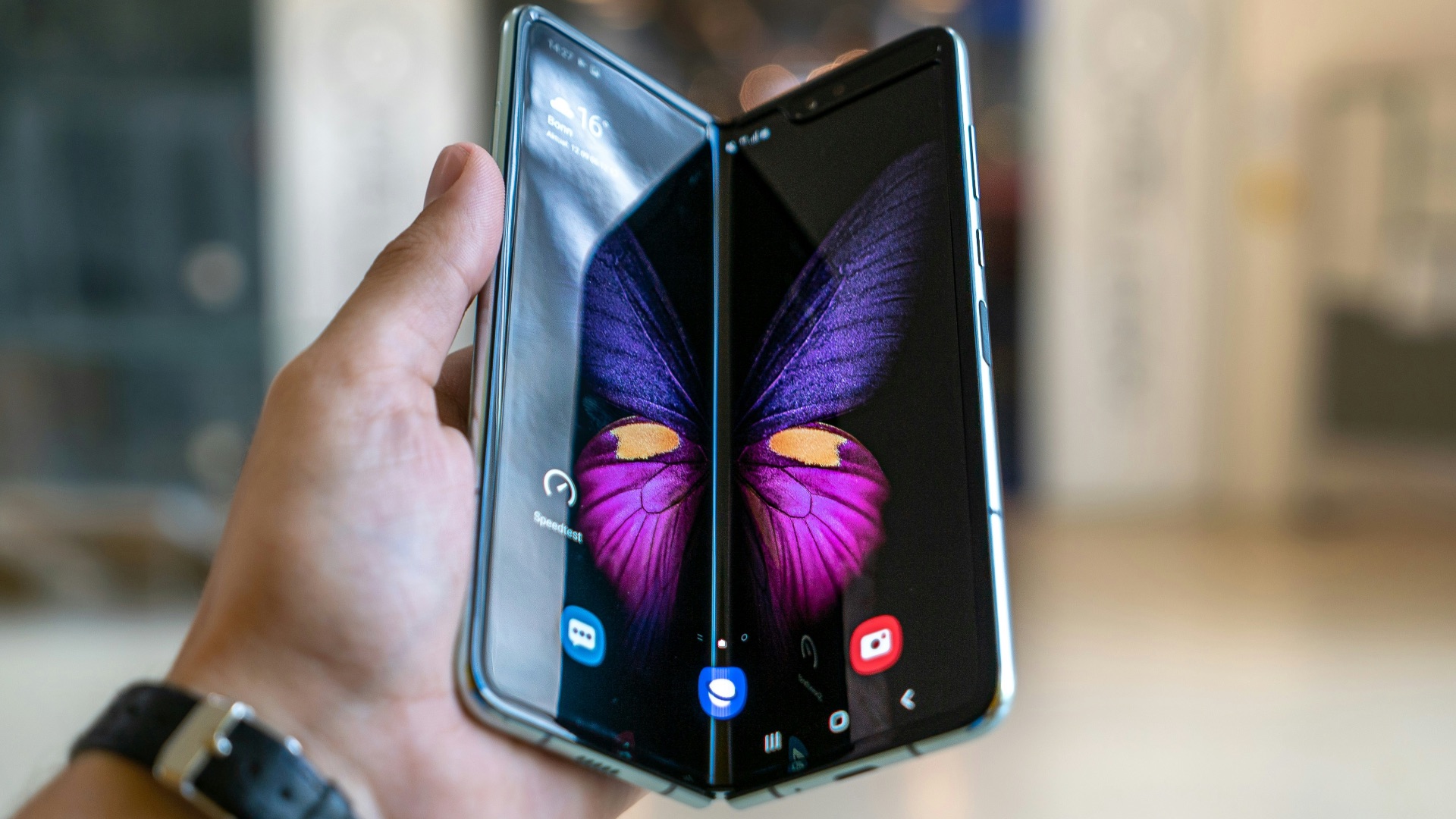
Samsung has been the dominant force in the foldable space since it launched its first foldable smartphone back in 2019, and the company has released a new model every year since. Its lineup covers two distinct form factors: the Galaxy Z Fold series, which opens like a book to reveal a tablet-sized display, and the Galaxy Z Flip series, which uses a clamshell design that folds in half vertically. Both lines have improved with each generation in terms of hinge durability, display quality, and overall software experience, with Samsung now on its seventh generation of foldables.
Other Android manufacturers haven't been sitting still, either. Companies like Google, Motorola, and Huawei have introduced their own foldable devices, adding competitive pressure that has pushed the category forward faster than it might have otherwise. The result is a market where creases are getting shallower, hinges are getting sturdier, and the designs are getting more and more appealing to look at.
According to IDC, the global foldable smartphone market is projected to grow 30% year-on-year in 2026, a surge driven in large part by anticipation of Apple's entry into the space. That kind of growth signal suggests the category is well past its experimental phase and is moving toward something more mainstream. The question is whether the devices themselves can keep pace with that momentum.
Apple Finally Steps In
Apple has been notably absent from the foldable market for years, even as Android manufacturers racked up multiple generations of experience. But finally, devout Apple fans have something to look forward to: the company is widely expected to launch its first foldable device, the "iPhone Fold," in September 2026, alongside the iPhone 18 Pro lineup. Keep in mind that the official name is still undisclosed; experts predict it's unlikely that Apple will stick with this name, considering Samsung already follows a similar convention.
As for the projected specs, the iPhone Fold is expected to use a book-style design, featuring a 5.5-inch outer display for everyday tasks and a 7.8-inch inner screen for more immersive use. It'll run on Apple's A20 Pro chip, and because of the thin 4.5mm chassis, it's expected to feature Touch ID on the power button rather than Face ID. The design reportedly leans toward a slightly wider form factor than most competing foldables, which should make it easier to use with one hand when open.
One of the most closely watched aspects of the iPhone Fold has been the crease—that visible line across the inner display that foldable phones are notorious for. Early reports suggested Apple had come close to eliminating it entirely, but Bloomberg's Mark Gurman has since clarified that while the crease is meaningfully reduced, it isn't fully gone, calling the result not perfect.
What about the pricing? Well, you should probably brace yourself. The iPhone Fold is currently estimated to start at around $1,999 for the base 256GB model, with the 512GB and 1TB options pushing the cost progressively higher. That puts it firmly in premium territory, though it's not out of step with what Samsung charges for its flagship foldables. Whether that price can attract a wide audience beyond early adopters will be one of the more interesting stories to follow later this year.
Are Foldable Phones Actually Worth It?
Should you jump on board if foldables are the future? The most honest answer to that question is: it depends entirely on how you use your phone. If you primarily scroll through social media, send messages, and take occasional photos, a traditional smartphone will serve you well without the added expense. Foldables make the most sense for people who consume a lot of media, multitask frequently, or want a larger screen without having to carry something the size of a tablet.
Durability has historically been a concern with foldable devices, and it's one that manufacturers have worked steadily to address. Hinges are sturdier than they were in earlier generations, and display materials have improved to the point where everyday use carries far less risk than it once did. That said, foldables still tend to be heavier and thicker than conventional smartphones, which can affect how comfortable they feel in your hand or your pocket over the course of a full day. If you're always on the go or don't have large enough pockets, this might be a problem.
One thing's for sure, though: foldable phones are no longer a gimmick. The arrival of Apple will almost certainly push the entire market to a higher standard, both in terms of hardware quality and software refinement. Whether or not you're planning to buy one this year, foldable phones are shaping up to be a defining part of the next chapter in smartphone design.